Choosing the right garden gloves
A gardener’s hands are among their most valuable tools. From turning soil and planting seeds to pruning shrubs and pulling weeds, our hands are constantly at work. Protecting them well makes gardening safer, more comfortable and far more enjoyable. A good pair of garden gloves can prevent cuts and blisters, shield skin from thorns and rough surfaces, and allow you to work with confidence in all weathers.
With so many styles available, choosing the right gloves can feel surprisingly complex. Taking a little time to select a pair that suits your garden and the way you work will pay dividends season after season.
Considering the materials
Garden gloves are made from a range of materials, each suited to different tasks. Leather gloves are valued for their strength and durability. They offer excellent protection against thorns, brambles and sharp tools, making them a reliable choice for heavier jobs such as pruning, clearing and digging. Over time, good-quality leather softens and moulds to the hand, becoming more comfortable with use.
Cotton gloves are lighter and more flexible. They are well suited to gentle tasks such as planting, sowing seeds and light weeding. While they offer less protection, they allow greater sensitivity and are often easier to wash and replace.
Synthetic gloves combine durability with flexibility and are designed to handle a wide range of tasks. Many include reinforced fingertips or palms for added strength, while remaining lightweight and adaptable. Some modern designs also offer water resistance, which can be useful when working in damp conditions.
Choosing the right material depends on the work you do most often and the balance you prefer between protection and dexterity.
Finding the right fit
Fit is just as important as material. Gloves that are too loose can slip, reduce grip and make precise tasks difficult. Gloves that are too tight may restrict movement and cause discomfort over time.
A well-fitting glove should sit snugly against the hand while allowing fingers to bend and move freely. Adjustable wrist fastenings help keep soil and debris out, while also ensuring the glove stays securely in place during use.
If possible, try gloves on before buying and flex your hands to make sure they feel comfortable and supportive.
Choosing the right level of protection
Different gardening tasks call for different levels of protection. Thick, padded gloves are ideal for work involving thorns, rough stems or sharp tools, while lighter gloves are better suited to tasks that require precision and touch.
Many gardeners find it useful to keep more than one pair of gloves, selecting the most suitable option for the job at hand. This not only improves comfort but also helps gloves last longer by avoiding unnecessary wear.
Keeping hands cool and comfortable
Gardening can be physically demanding, particularly in warmer months. Breathable gloves help prevent hands from becoming hot and sweaty, which can lead to discomfort and irritation.
Look for designs with breathable fabrics, mesh panels or perforated areas that allow air to circulate. These features are especially valuable if you enjoy long sessions in the garden or work in direct sunlight.
Balancing practicality and style
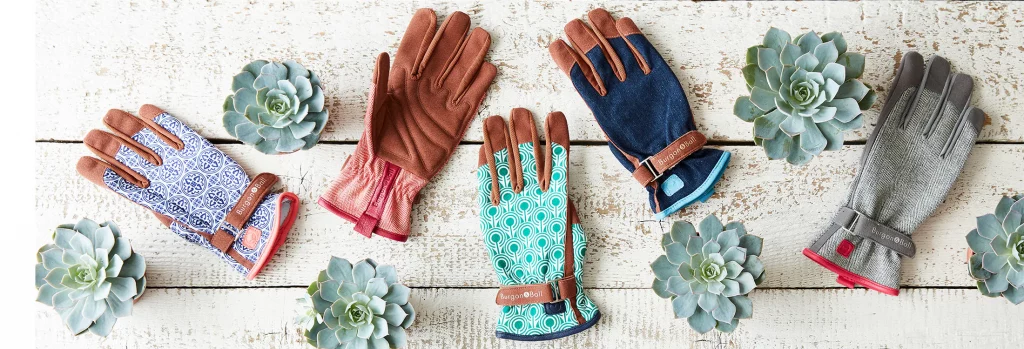
While function should always come first, there is no reason garden gloves cannot be pleasing to look at as well. Many gloves are available in a range of colours and patterns, allowing you to choose something that reflects your personal taste.
That said, comfort, protection and durability matter far more than appearance. A well-chosen pair of gloves should feel like a natural extension of your hands, supporting your work rather than getting in the way.
A small investment with lasting benefits
Investing in a good pair of garden gloves is a simple way to care for yourself as you care for your garden. By considering materials, fit, protection and breathability, you can find gloves that suit your tasks and make time spent outdoors more comfortable and rewarding.
With the right gloves to hand, you can focus on the pleasure of gardening—working the soil, tending plants and enjoying the quiet satisfaction that comes from nurturing a living landscape.
Further Reading: RHS Eranthis hyemalis – Winter Aconite, The Corylus – Witch Hazel, How to Protect Your Soil in Winter, A Ruby Gem for Winter: Meeting Cyclamen persicum ‘Verano Red’, Bringing Life to Winter: The Resilience of Eastern Cyclamen
Inspiration: Follow Us on Instagram, Threads, BlueSky, Twitter, TikTok and Pinterest.