There’s something deeply reassuring about stepping into the garden and knowing that many of the plants growing there have quietly supported health and wellbeing for centuries.
Long before modern cupboards filled with tablets and lotions, people turned to the plants around them for comfort and care. A simple herbal garden could soothe a headache, calm restless sleep, ease sore muscles or help a small scrape heal.
You don’t need a vast apothecary garden to begin. A handful of well-chosen herbs can form the beginnings of a natural first aid kit, growing gently in borders, beds or pots near the kitchen door.
Here are ten traditional medicinal plants that are easy to grow and useful to have close at hand.
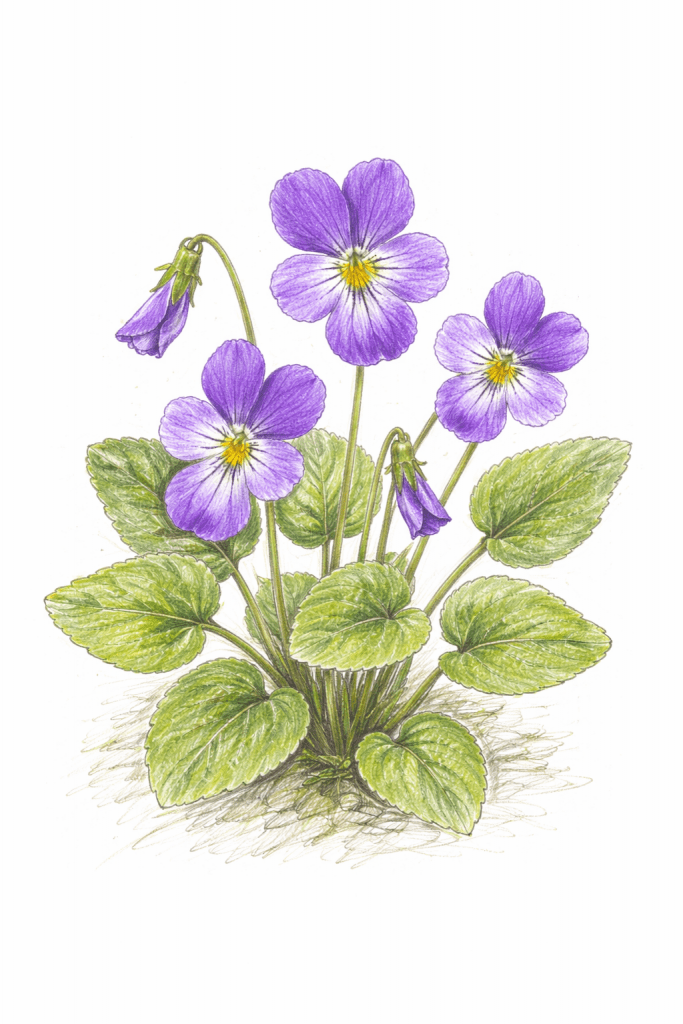
Viola
Botanical name: Viola odorata
Delicate and quietly beautiful, violets are among the gentlest medicinal plants in the garden. Their heart-shaped leaves and soft purple flowers appear early in the year, often carpeting shady corners with colour.
Traditionally, violets have been used to soothe irritated skin and support respiratory health. The flowers and leaves were often prepared in syrups or soothing teas.
Simple use:
A gentle violet infusion can be made by steeping fresh or dried flowers in hot water for ten minutes. The resulting tea is mild, floral and soothing, particularly during the colder months.
Violet flowers can also be infused into honey to create a calming syrup.
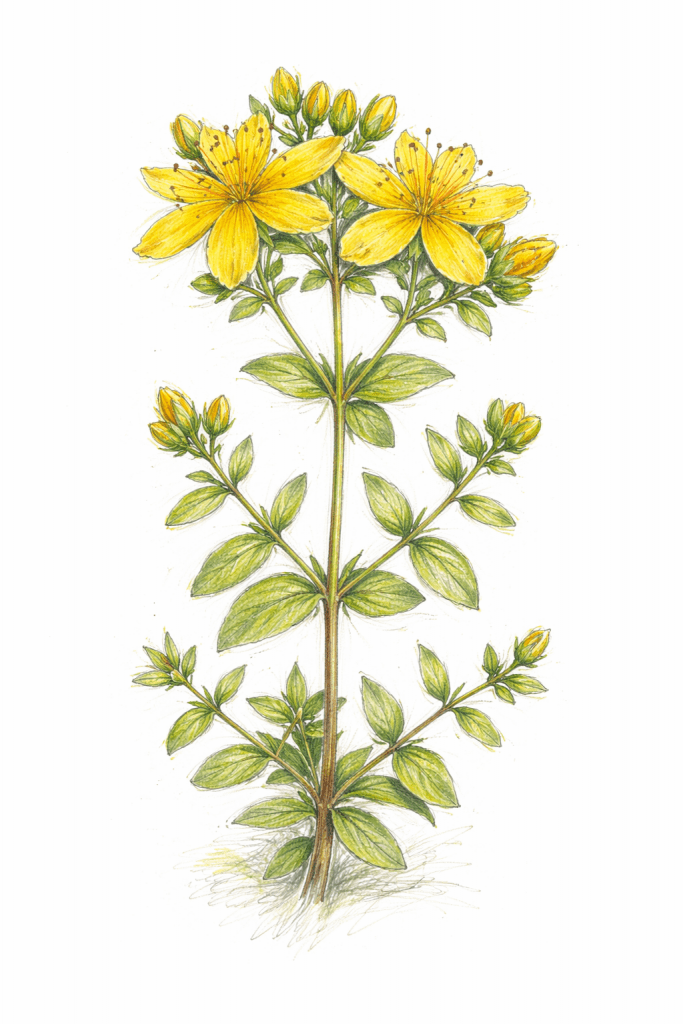
St John’s Wort
Botanical name: Hypericum perforatum
With its bright yellow flowers that seem to capture the warmth of summer sunshine, St John’s Wort has long been valued in herbal traditions.
It is most commonly used externally to support the healing of minor cuts, bruises and sore muscles. The flowers release a deep red oil when infused, traditionally used as a skin balm.
Simple use:
Place freshly picked flowers in a jar and cover with olive oil. Leave in a sunny place for several weeks until the oil deepens to a rich reddish colour. Strain and store in a dark bottle to use as a soothing massage oil for tired muscles.
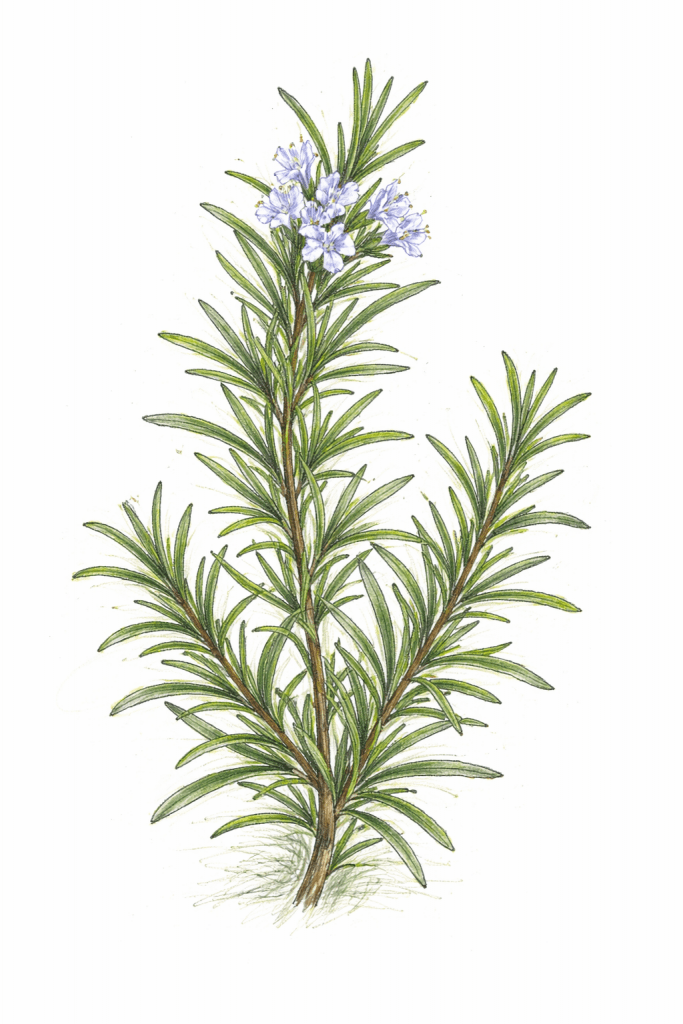
Rosemary
Botanical name: Salvia rosmarinus
Few herbs are as familiar — or as useful — as rosemary. With its fragrant evergreen leaves and upright growth, it offers structure to the garden as well as many traditional medicinal uses.
Rosemary has long been associated with improved circulation, mental clarity and digestive support. Its invigorating scent alone can lift the spirits.
Simple use:
A rosemary steam inhalation is wonderfully refreshing. Add a handful of fresh sprigs to a bowl of hot water, lean gently over the bowl and breathe in the aromatic steam.
This can help clear the head and ease feelings of congestion.
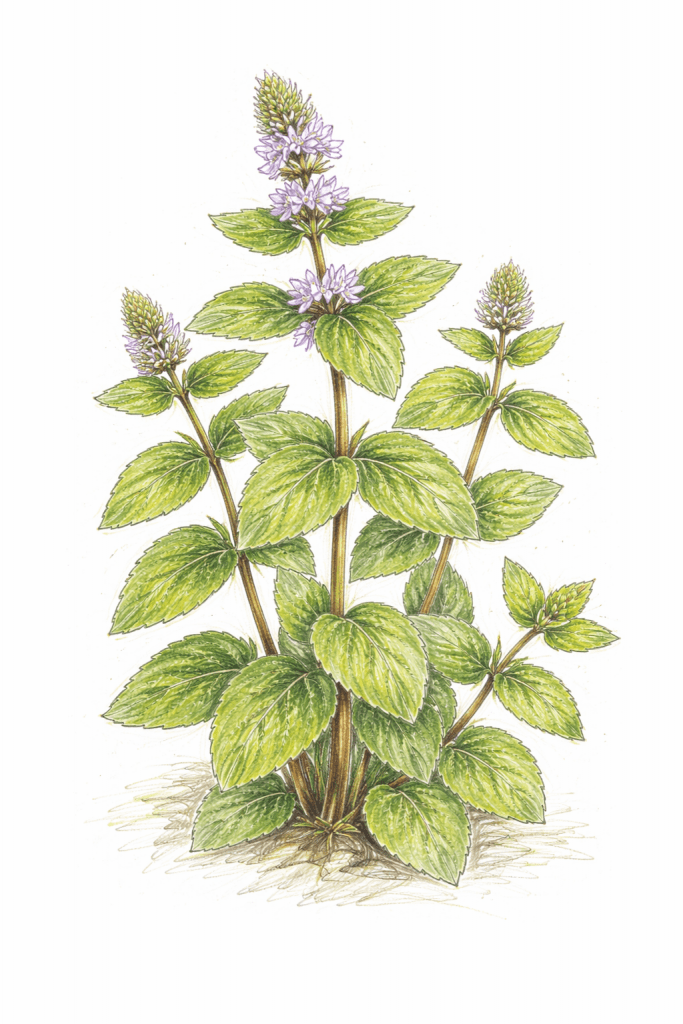
Peppermint
Botanical name: Mentha × piperita
Peppermint is lively, cooling and unmistakably refreshing. It grows generously in the garden, sending up bright green leaves rich in aromatic oils.
Traditionally, peppermint has been used to support digestion, relieve mild headaches and provide a cooling sensation when the body feels overheated.
Simple use:
Peppermint tea is perhaps the simplest herbal remedy. Pour hot water over a handful of fresh leaves and leave to steep for five minutes.
The result is a refreshing drink that can help settle the stomach after a meal.
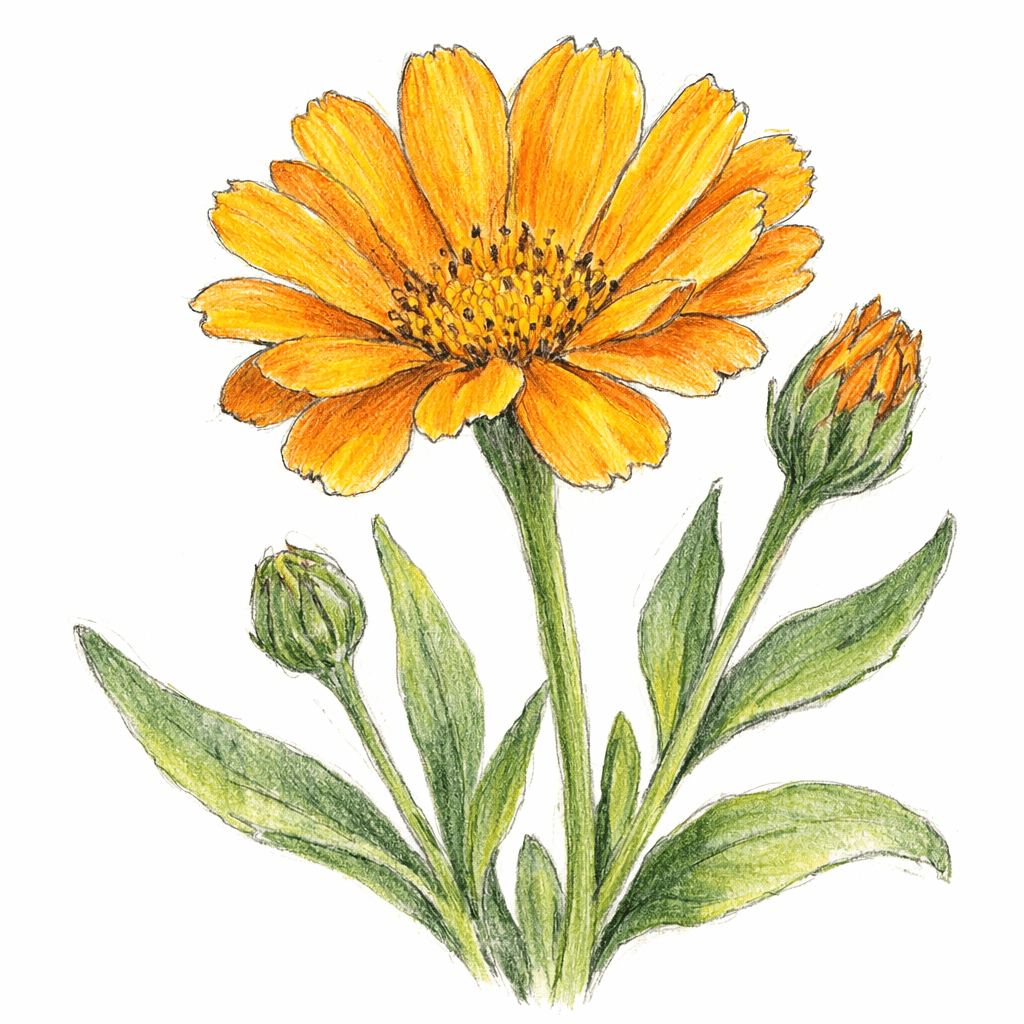
Marigold (Calendula)
Botanical name: Calendula officinalis
Calendula’s sunny orange petals seem to bring warmth wherever they grow. Often called pot marigold, this cheerful plant has long been used to support skin healing.
Calendula is widely valued for its soothing properties and is commonly used in salves and balms for minor cuts, dry skin and scrapes.
Simple use:
Dry the flower heads and infuse them in olive oil for several weeks. This golden oil can be used on its own or blended with beeswax to create a gentle calendula skin balm.
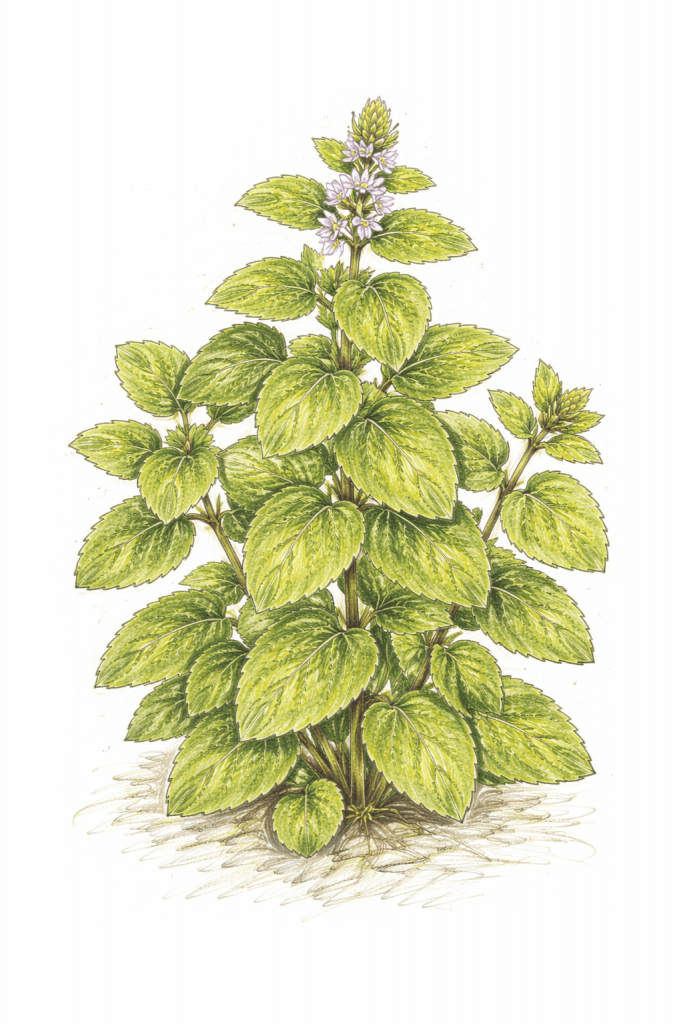
Lemon Balm
Botanical name: Melissa officinalis
Soft, bright green leaves and a gentle lemon scent make lemon balm a delightful addition to any garden. It grows easily and quickly becomes a favourite herb for calming the mind.
Traditionally, lemon balm has been used to ease nervous tension, support restful sleep and soothe mild digestive discomfort.
Simple use:
A warm cup of lemon balm tea in the evening can help create a calming bedtime ritual. Simply steep fresh leaves in hot water for around ten minutes.
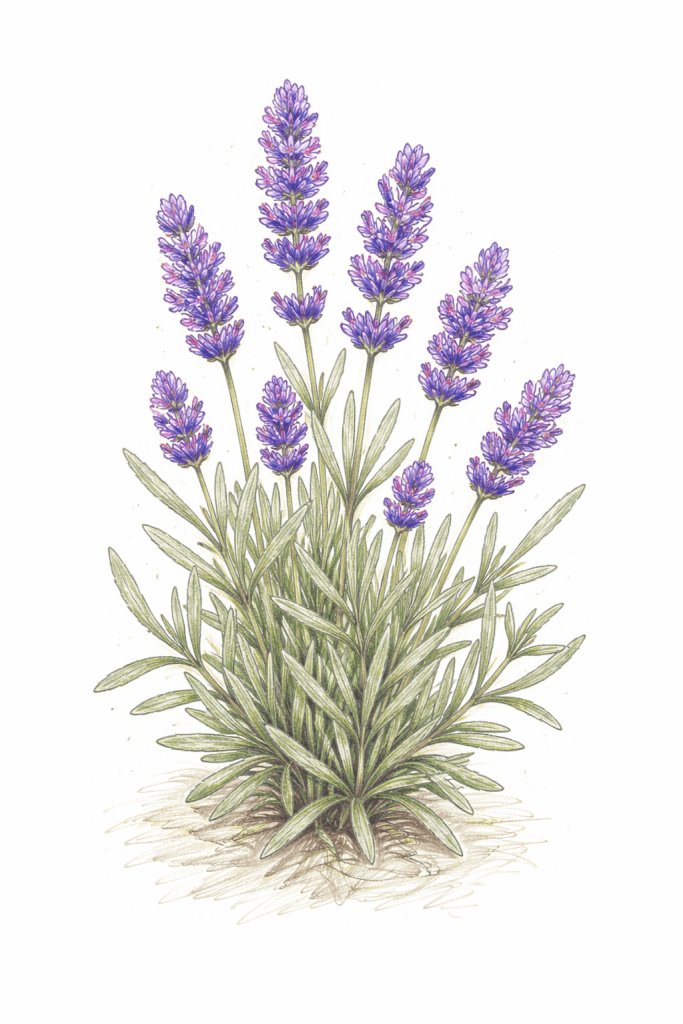
Lavender
Botanical name: Lavandula angustifolia
Lavender is perhaps the most recognisable calming herb in the garden. Its silver-green foliage and soft purple flowers bring fragrance and movement to borders throughout the summer.
For generations, lavender has been used to promote relaxation, improve sleep and soothe minor skin irritations.
Simple use:
Dry lavender flowers and place them in small cloth sachets. Tucked under a pillow or beside the bed, they release a gentle scent that encourages restful sleep.
Echinacea
Botanical name: Echinacea purpurea
Echinacea brings bold colour to the garden with its distinctive cone-shaped flowers and tall stems that attract bees and butterflies.
Traditionally valued for its immune-supporting properties, echinacea has long been used during the colder months when the body benefits from extra support.

Simple use:
Echinacea roots and flowers are commonly prepared as herbal teas or tinctures. A mild tea can be made by steeping dried echinacea in hot water for around fifteen minutes.
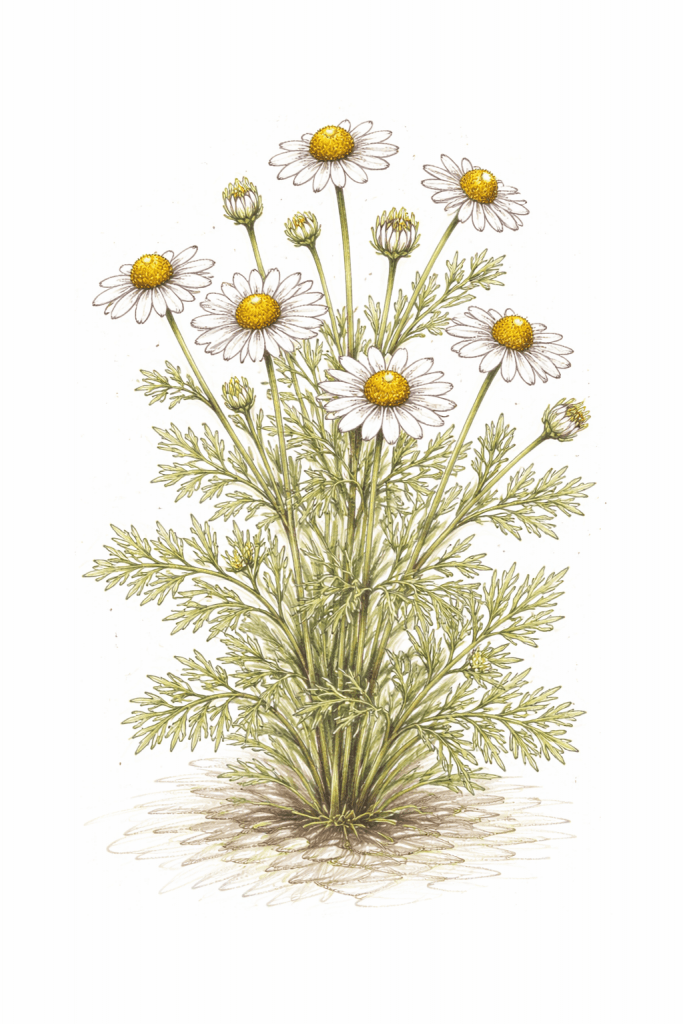
Chamomile
Botanical name: Matricaria chamomilla
Few herbal remedies are as well known as chamomile tea. Its small, daisy-like flowers carry a gentle apple-like fragrance and a long history of use in traditional herbal care.
Chamomile is most often used to promote relaxation, ease digestive discomfort and support restful sleep.
Simple use:
Harvest the flowers and dry them carefully. A teaspoon of dried chamomile steeped in hot water creates a calming evening tea that helps the body unwind after a busy day.
Creating Your Own Medicinal Herb Garden
A medicinal herb garden does not need to be large or complicated. A few pots on a patio, a corner of a border or a small raised bed can hold many of these helpful plants.
Over time, the garden becomes more than just a collection of herbs. It becomes a quiet resource — a place where wellbeing grows gently alongside beauty.
With a little care and patience, your garden can offer not only colour and fragrance, but also a simple, natural first aid kit waiting just outside the door.
Further Reading: Grow Your Own Eco-Friendly Sponges: A Guide to Luffas, Grow Your Own: Best Fruits for Your Garden, Edible Flowers: A Feast for the Eyes and the Palate, How to Grow Asparagus in Your Home Garden
Inspiration: Follow Us on Instagram, Threads, BlueSky, Twitter, TikTok and Pinterest.