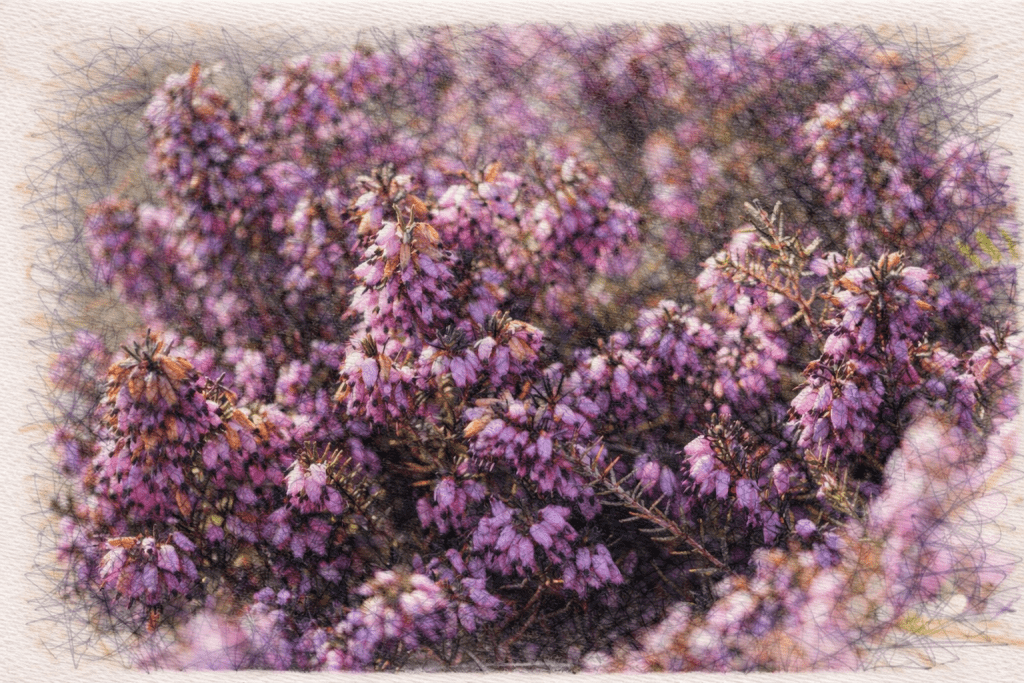
Erica Carnea ‘Whitehall’: The Winter Gem Your Garden Needs

As the final autumn leaves turn to mulch and the garden descends into the grey slumber of winter, most of us retreat indoors. We resign ourselves to months of bare branches and muddy borders. But your outdoor space does not have to be devoid of life during the colder months. There is a way to bring brightness, texture, and vitality back to your flowerbeds even in the depths of January.
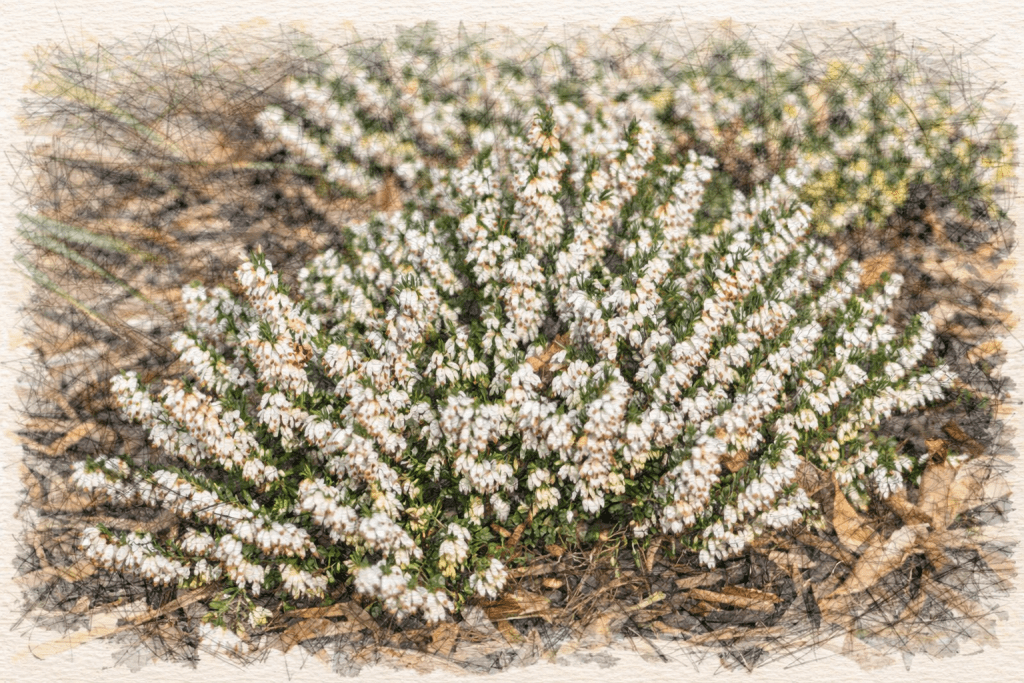
Meet Erica carnea f. alba ‘Whitehall’. While its name might sound formal, this plant is a robust, friendly, and forgiving addition to any British garden. It is a beacon of light when days are short, offering crisp white blooms against a backdrop of evergreen foliage. If you want to reconnect with your garden this winter, this hardy little shrub is the perfect place to start.

Understanding the Name and Family

To truly appreciate this plant, it helps to understand exactly what it is. Erica carnea is commonly known as the Winter Heath or Spring Heath. It belongs to the Ericaceae family, a vast group of acid-loving plants that includes rhododendrons, blueberries, and cranberries.

The botanical name gives us clues about the plant’s nature. Erica is derived from the Greek ereiko, meaning “to break,” which may refer to the brittle stems or the plant’s reputed medicinal ability to break bladder stones. Carnea means “flesh-coloured,” referring to the pink flowers of the standard species.

However, the plant we are discussing is f. alba—the white form. Specifically, the ‘Whitehall’ cultivar is celebrated for its purity. Unlike some white heathers that can look a bit creamy or muddy, ‘Whitehall’ produces clear, bright white flowers that stand out starkly against dark winter soil or evergreen foliage.

A Brief History of the Winter Heath

Erica carnea is native to the mountainous regions of Central and Southern Europe. It grows wild in the coniferous forests and stony slopes of the Alps, Apennines, and Balkans. This alpine heritage is exactly what makes it so tough; if a plant can survive a winter on an Austrian mountainside, it can certainly handle a frosty morning in the Home Counties.

The specific cultivar ‘Whitehall’ was developed to maximise the visual impact of the white flowering form. Gardeners and botanists selected it for its upright habit and its ability to bloom prolifically. It has become a staple in British horticulture, holding the prestigious Award of Garden Merit (AGM) from the Royal Horticultural Society—a seal of approval that confirms it performs reliably in UK growing conditions.

Where to Plant: Creating the Perfect Home

One of the reasons many gardeners shy away from heathers is the misconception that they all require highly acidic, peat-based soil. While this is true for many members of the Ericaceae family, Erica carnea is the wonderful exception. It is famously tolerant of alkaline (lime) soils, making it accessible to a much wider range of gardeners.

Here is how to give your ‘Whitehall’ the best start in life:

Soil Requirements

While it prefers acid to neutral soil, ‘Whitehall’ will grow happily in slightly alkaline conditions, provided there is plenty of organic matter. The most critical factor is drainage. This plant hates having “wet feet.” Heavy clay that sits wet in winter will likely rot the roots. If you have heavy soil, dig in plenty of grit and leaf mould to improve the structure before planting.

Lighting and Position

To get the best density of flowers, plant your heath in full sun. It loves an open, airy position. It will tolerate light shade—for example, under the canopy of a deciduous tree that is bare in winter—but if planted in deep shade, the growth will become leggy and the flowering sparse.

Climate and Hardiness

As you might expect from its alpine origins, Erica carnea ‘Whitehall’ is fully hardy. It can withstand temperatures down to -20°C (H7 hardiness rating). It does not need wrapping up or protecting from frost. In fact, frost settling on the needle-like foliage and white bells only adds to its beauty.

Legends of the White Heather

Heather has a rich history in folklore, particularly within Celtic traditions. While purple heather is associated with admiration and solitude, white heather—like our ‘Whitehall’—is a powerful symbol of good luck and protection.

The most famous legend comes from Scotland in the 3rd century. It tells of Malvina, the daughter of the poet Ossian. She was engaged to a warrior named Oscar. Tragically, Oscar was killed in battle, and when the messenger brought the news to Malvina, he also delivered a spray of purple heather that Oscar had picked for her as he died.

As Malvina’s tears fell onto the purple flowers, they turned pure white. She declared that although the heather was a symbol of her sorrow, it should bring good fortune to anyone else who found it. “May it not be symbolic of sorrow, but of good fortune to all who find it,” she is said to have wished.

This association with luck was solidified by Queen Victoria, whose love for the Scottish Highlands popularized the tradition of white heather as a lucky charm. Even today, sprigs of white heather are often included in bridal bouquets to ensure a happy marriage.

Why You Should (and Shouldn’t) Grow It

Every plant has its pros and cons. Here is an honest look at what ‘Whitehall’ brings to the garden.

The Benefits

  • Biodiversity Champion: This is one of the most valuable plants for early pollinators. When bees emerge on mild winter days, food sources are scarce. The nectar-rich bells of ‘Whitehall’ provide a vital lifeline for bumblebees and honeybees.
  • Weed Suppression: With a low, spreading habit (reaching about 15-20cm in height but spreading up to 45cm), it forms a dense mat. Once established, it acts as a fantastic living mulch, suppressing weeds and keeping moisture in the soil.
  • Year-Round Interest: Even when not in bloom, the foliage is attractive. It is an evergreen shrub with dark green, needle-like leaves that provide structure throughout the year.

The Disadvantages

  • Pruning is Essential: You cannot simply plant it and forget it forever. To keep it bushy and dense, you must shear it lightly after flowering finishes in late spring. If you skip this for a few years, the plant will become woody in the centre and unattractive.
  • Short Lifespan: Heathers are not trees; they do not live for centuries. You can expect a good 10 to 15 years from your plant before it may need replacing or propagating.

Design Ideas: How to Use ‘Whitehall’

The versatility of Erica carnea ‘Whitehall’ makes it a joy to design with. Its low-growing nature makes it perfect for the front of the border, but there are many other ways to incorporate it into your landscape.

The Winter Container:
Create a welcoming display by your front door. Plant ‘Whitehall’ in a terracotta pot alongside dwarf spring bulbs like Iris reticulata or snowdrops. The white heather provides the backdrop, while the bulbs poke through for extra colour.

Rockeries and Banks:
If you have a sloping bank that is difficult to mow, mass planting heathers is a practical solution. They stabilise the soil and require very little maintenance once established. The white flowers look particularly striking against grey limestone rocks.

Underplanting:
Use it to carpet the ground beneath silver birch trees or Witch Hazels (Hamamelis). The white flowers will echo the pale bark of the birch or contrast beautifully with the fiery oranges of the Witch Hazel flowers.

Brighten Your Winter Landscape

Gardening is often viewed as a fair-weather hobby, but plants like Erica carnea ‘Whitehall’ challenge that notion. They remind us that nature does not stop just because the temperature drops. By introducing this resilient, lucky, and beautiful shrub into your garden, you ensure that even on the darkest days of the year, there is life, movement, and a bright spark of white to enjoy.

Why not head to your local nursery this weekend? Pick up a pot of ‘Whitehall’, get your hands in the soil, and plant a little bit of winter magic.

Further Reading: RHS Eranthis hyemalis – Winter AconiteThe Corylus – Witch HazelHow to Protect Your Soil in Winter, Meet the winter warrior: Erica x darleyensis ‘Furzey’, All About Heathers

Inspiration: Follow Us on InstagramThreads, BlueSkyTwitterTikTok and Pinterest.

Meet the winter warrior: Erica x darleyensis ‘Furzey’

When winter days grow short and the garden retreats into a monochrome slumber, one plant refuses to fade into the background. Erica x darleyensis ‘Furzey’ is the cheerful optimist of the winter garden, offering vibrant colour when you need it most.

While other shrubs drop their leaves and wait for spring, ‘Furzey’ bursts into life. It’s a low-maintenance, hardy little shrub that asks for very little but gives a great deal in return. Whether you are an experienced horticulturist or simply someone looking to brighten up a dreary patio pot, this resilient heather deserves a spot on your planting list.

Let’s explore the story of this delightful winter heath, from its botanical roots to the best ways to help it thrive in your own green space.

What’s in a name?

To truly know a plant, we must first look at its name. Botanically, this shrub is known as Erica x darleyensis ‘Furzey’. That ‘x’ in the middle tells us it is a hybrid, a crossbreed between two distinct parents. In this case, it is the offspring of Erica carnea (Winter Heath) and Erica erigena (Irish Heath).

Commonly, you will hear it referred to simply as Darley Dale heath or winter heath. The specific cultivar name, ‘Furzey’, points to its unique characteristics—typically deep pink flowers and dark green foliage that sets it apart from its siblings.

It belongs to the Ericaceae family, a massive botanical clan that includes rhododendrons, blueberries, and cranberries. Like its cousins, ‘Furzey’ shares a preference for specific soil conditions, though it is surprisingly more adaptable than many of its relatives.

A brief history of a happy accident

The story of the Erica x darleyensis hybrids is one of horticultural serendipity. The original cross occurred naturally in the late 19th century at the Darley Dale Nurseries in Derbyshire—hence the name darleyensis.

It was a chance meeting. Erica carnea, an Alpine native, and Erica erigena, from the warmer climates of Ireland and Spain, wouldn’t normally meet in the wild. But in the close quarters of a British nursery, nature took its course. The result was a vigorous hybrid that inherited the hardiness of its Alpine parent and the taller, robust growth habit of its Irish parent.

‘Furzey’ itself arose later as a specific selection, prized for its particularly rich flower colour and long blooming season. It has since secured its place as a garden staple, even earning the prestigious Award of Garden Merit (AGM) from the Royal Horticultural Society—the gold standard for garden plants in the UK.

Finding the perfect spot for ‘Furzey’

One of the reasons ‘Furzey’ is so beloved is its versatility. Unlike some fussy plants that demand exact conditions, this heather is relatively easygoing. However, to see it truly flourish, you should aim to mimic its preferred environment.

Situation and position

Think of ‘Furzey’ as a sun-worshipper. It performs best in full sun, where its flowers will be most prolific. It can tolerate light shade, particularly in hotter areas, but too much shadow will lead to “leggy” growth and fewer blooms.

It is an excellent choice for banks and slopes, rock gardens, or coastal cottage gardens. Because it forms a dense mat of foliage, it makes superb ground cover, helping to suppress weeds while providing year-round interest.

Soil requirements

This is where Erica x darleyensis pulls a party trick. Most heathers (Ericaceae) are strict acid-lovers; plant them in alkaline (chalky) soil, and they turn yellow and die. ‘Furzey’, however, is surprisingly tolerant of alkaline conditions, provided the soil is rich in organic matter.

Ideally, it prefers:

  • Drainage: Excellent drainage is non-negotiable. It hates having “wet feet.”
  • pH: Acid to neutral is perfect, but it copes well with mild alkalinity.
  • Texture: Loamy or sandy soil works best. If you have heavy clay, you’ll need to amend it with plenty of grit and compost.

Climate

Being a hybrid of Alpine and Irish stock, ‘Furzey’ is fully hardy in the UK climate (RHS hardiness rating H5). It can withstand temperatures down to -15°C, making it tough enough to handle a harsh British winter without flinching.

Folklore and stories of the heath

Heather has long been steeped in folklore and legend, particularly in the Celtic nations. While ‘Furzey’ is a modern hybrid, it carries the magical associations of its ancestors.

The white heather luck

You have likely heard that white heather brings good luck. Scottish legend tells of Malvina, daughter of the poet Ossian, whose tears turned purple heather white when she learned her lover had died in battle. She declared that white heather would forever bring fortune, not sorrow, to those who found it. While ‘Furzey’ blooms in deep pink, planting it alongside a white variety (like Erica x darleyensis ‘White Perfection’) covers all your bases for both colour and luck.

A bed for kings

In the Highlands, heather was traditionally used for bedding. It was said to be soft enough for a king but hardy enough for a soldier. The stems were packed tightly with the flowers facing up, creating a fragrant and springy mattress. While we wouldn’t recommend sleeping on your ‘Furzey’ shrub, it serves as a reminder of the plant’s historical utility.

Why you need ‘Furzey’ in your garden

Every plant has its pros and cons. Here is why ‘Furzey’ is worth the investment, along with a few things to watch out for.

The benefits

  • Winter colour: It blooms from December right through to April or May, bridging the “hungry gap” when few other plants are flowering.
  • Bee magnet: It is an absolute lifeline for early-emerging pollinators. On a sunny February day, your ‘Furzey’ will be buzzing with bees grateful for the nectar.
  • Low maintenance: Once established, it is drought-tolerant and requires very little fuss.
  • Weed suppression: Its dense habit shades out weeds, saving you back-breaking work.

The disadvantages

  • Pruning is key: If left unpruned for years, heathers can become woody and bare in the centre. They don’t regenerate well from old wood, so light annual pruning is essential.
  • Deer food: If you live in a rural area with deer, be warned—heather is like candy to them. You may need to protect your plants.

How to use ‘Furzey’ in your design

Ready to plant? Here are three ways to style Erica x darleyensis ‘Furzey’ for maximum impact.

1. The winter container
Brighten up your doorstep by planting ‘Furzey’ in a terracotta pot. Pair it with trailing ivy, dwarf narcissi (daffodils), and perhaps a skimmia for a classic winter display that lasts for months.

2. The drift
Heathers look best in groups. Don’t plant just one; plant three, five, or seven in a drift. This creates a bold splash of deep pink that looks natural and striking against a winter lawn.

3. The rockery edge
Soften the hard edges of steps or rockeries. ‘Furzey’ will spill over the stones, creating a soft, textural contrast between the dark green foliage, bright flowers, and grey rock.

The next time you look out at a grey winter sky, imagine how different the view could be with a splash of deep pink vibrant life. Erica x darleyensis ‘Furzey’ isn’t just a plant; it’s a promise that spring is on its way. Why not head to your local nursery this weekend and bring a little winter magic home?

Further Reading: RHS Eranthis hyemalis – Winter AconiteThe Corylus – Witch HazelHow to Protect Your Soil in Winter

Inspiration: Follow Us on InstagramThreads, BlueSkyTwitterTikTok and Pinterest.

All About Heather (Calluna vulgaris)

Heather, or Calluna vulgaris, is a resilient and attractive evergreen shrub prized for its dense ground cover and vibrant, long-lasting flowers. A familiar sight across the moorlands and heaths of Europe, it offers gardeners a low-maintenance option that provides year-round texture and a burst of late-season colour.

A Description of the Plant

Calluna vulgaris is the sole species in the genus Calluna, part of the Ericaceae family. It is a low-growing, perennial evergreen shrub that typically reaches a height of 20 to 50 centimetres, although it can occasionally grow up to one metre tall in favourable conditions.

The plant has small, scale-like leaves that are arranged in opposite pairs along its wiry stems. These leaves are usually a deep green but can take on bronze or purple tints during the colder winter months, adding to its ornamental value.

The most recognisable feature of heather is its profusion of small, bell-shaped flowers. These flowers are arranged in spike-like clusters known as racemes and bloom from late summer into autumn. While typically mauve or purple, cultivated varieties offer a broad spectrum of colours, including white, pink and deep red. After flowering, the plant produces small, dry seed capsules.

Seasonal Interest

One of the greatest attributes of Calluna vulgaris is its ability to provide visual interest throughout the entire year.

  • Spring: In spring, new foliage emerges, often with fresh, bright green tones. The plant begins to show vigorous growth in preparation for the upcoming flowering season.
  • Summer: From late July through to September, heather puts on its main display. The plant becomes covered in dense spikes of flowers, creating a carpet of colour that is particularly striking when planted in large drifts. These blooms are a valuable source of nectar for bees and other pollinators.
  • Autumn: The flowering period extends well into autumn, providing colour when many other garden plants have finished for the year. As temperatures drop, the foliage of many cultivars begins to change, developing rich bronze, orange or reddish hues that persist through the winter.
  • Winter: Even after the flowers have faded, they often remain on the plant, turning a russet brown and offering textural interest against a backdrop of snow or frost. The evergreen foliage ensures the plant continues to provide structure and colour in the garden during the bleakest months.

The Benefits of Calluna vulgaris

Heather offers several distinct advantages for gardeners:

  • Low Maintenance: Once established, it is an extremely resilient plant that requires minimal care. It is drought-tolerant and can thrive in poor, acidic soils where other plants might struggle.
  • Weed Suppression: Its dense, spreading growth habit makes it an excellent ground cover, effectively suppressing the growth of weeds and reducing the need for manual weeding.
  • Pollinator Friendly: The late-season flowers are a vital food source for bees, butterflies, and other insects, supporting local biodiversity at a critical time of year. Heather honey, produced by bees that forage on its flowers, is highly prized for its strong, distinctive flavour.
  • Versatility: Calluna vulgaris is suitable for a wide range of garden applications, including rock gardens, borders, containers and mass plantings on slopes or banks to control erosion.

Disadvantages to Consider

Despite its many benefits, there are a few potential drawbacks to growing heather:

  • Soil Requirements: It is an ericaceous plant, meaning it requires acidic soil with a pH between 4.5 and 5.5. It will not perform well in alkaline or chalky soils unless the soil is amended or the plants are grown in containers with appropriate ericaceous compost.
  • Pruning is Necessary: To maintain a compact shape and encourage profuse flowering, heather should be pruned annually in early spring. Neglecting this task can result in the plants becoming woody, leggy and less attractive over time.
  • Susceptibility to Root Rot: While drought-tolerant, Calluna vulgaris demands well-drained soil. It is susceptible to root rot if it sits in waterlogged conditions, particularly during the winter months.

History and Folklore

Heather has a long and significant history, particularly within Scotland, where it covers vast areas of the Highlands. Its wiry, durable stems were historically used for a variety of practical purposes, including making brooms (besoms), thatching roofs, weaving baskets and even bedding.

In folklore, heather is often associated with luck and protection. White heather (Calluna vulgaris ‘Alba’) is considered especially lucky. According to legend, it grows on the resting places of fairies or where no blood has been shed in battle. It was a tradition for Scottish clansmen to wear a sprig of white heather in their bonnets for protection before a battle. Queen Victoria helped popularise this belief, contributing to its status as a symbol of good fortune.

Heather was also used to brew a traditional type of ale, known as heather ale. The recipe for this beverage was a closely guarded secret, and folklore tells of the last Pictish king choosing death over revealing the recipe to invading Vikings.

A Worthy Addition to Your Garden

With its hardy nature, year-round interest, and benefits to wildlife, Calluna vulgaris is a valuable and versatile plant. Its ability to thrive in challenging conditions and provide a carpet of vibrant, late-season colour makes it an excellent choice for gardeners seeking a low-maintenance yet high-impact shrub.

Whether used as ground cover, in a rockery, or as part of a dedicated heather garden, this evergreen plant provides texture and structure that endures through all four seasons. By understanding its specific needs for acidic, well-drained soil and committing to annual pruning, you can ensure that this historic and beautiful plant flourishes, bringing a touch of the wild moorlands into your own garden.

Snowdrops the symbol of Hope and Resilience, The Enchanting World of the Winter Aconite

Follow Us on Instagram for Daily Gardening Inspiration 💚