Growing your own fruit is one of the most rewarding aspects of gardening.
A well-planned fruit garden provides fresh, seasonal produce, supports wildlife, and brings a natural rhythm to the year. Whether you are working with a large garden, a small plot or even containers on a patio, fruit gardening can be both practical and deeply satisfying.
With the right knowledge and preparation, it is entirely possible to grow a wide range of fruits at home — from strawberries and currants to apples and pears — all while improving your soil and working in harmony with the seasons.
Why fruit gardening is worth the effort
Fruit gardening offers lasting benefits beyond the harvest itself.
- Fresh, flavourful fruit picked at its peak
- Greater control over how your food is grown
- A more sustainable and seasonal approach to gardening
- Nutrient-rich produce high in vitamins and antioxidants
A productive fruit garden also brings structure and purpose to your outdoor space, encouraging regular care and observation throughout the year.
Choosing the right fruits for your garden
Successful fruit gardening begins with choosing plants suited to your space, soil and sunlight.
Most fruiting plants require:
- A sunny position (at least 6 hours of light daily)
- Well-drained, fertile soil
- Shelter from strong winds
If space is limited, consider:
- Container-grown strawberries
- Trained fruit trees such as cordons or espaliers
- Compact currant bushes
Selecting the right varieties early on will greatly improve your chances of success.
Growing strawberries: a reliable garden favourite
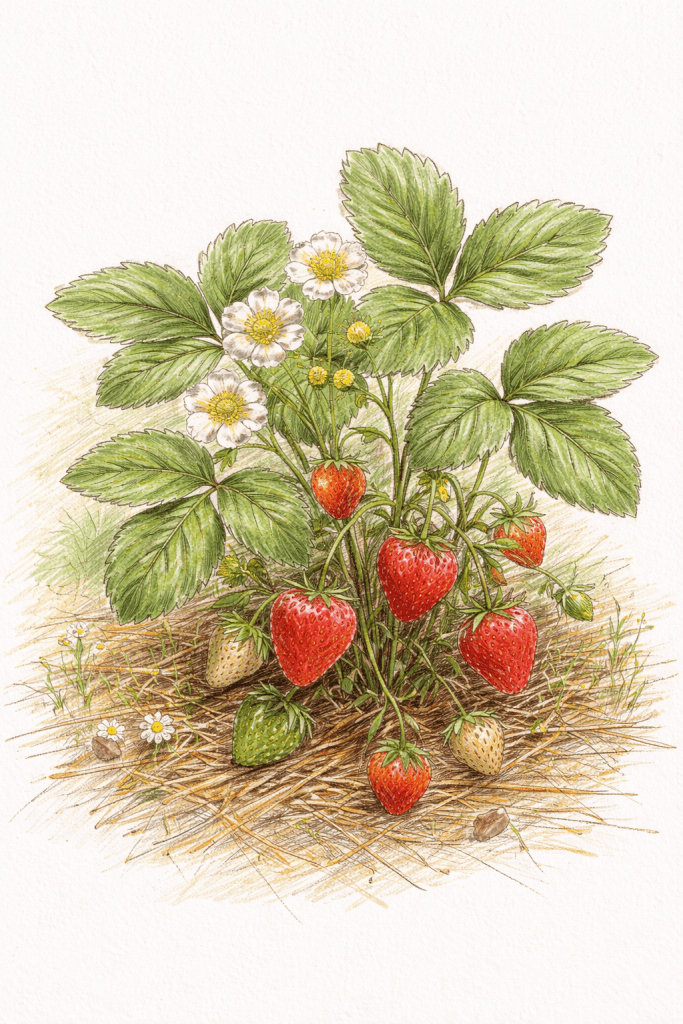
Strawberries are one of the easiest and most rewarding fruits to grow.
They thrive in sunny positions with well-drained soil, producing sweet, juicy fruit throughout early summer.
Strawberry growing tips:
- Plant with good spacing to allow airflow
- Use straw mulch to keep fruit clean and reduce rot
- Water consistently, particularly during fruiting
- Remove runners to improve yield
- Protect ripening fruit from birds
Strawberries are ideal for beginners and can also be grown successfully in containers.
Growing rhubarb: hardy and long-lasting
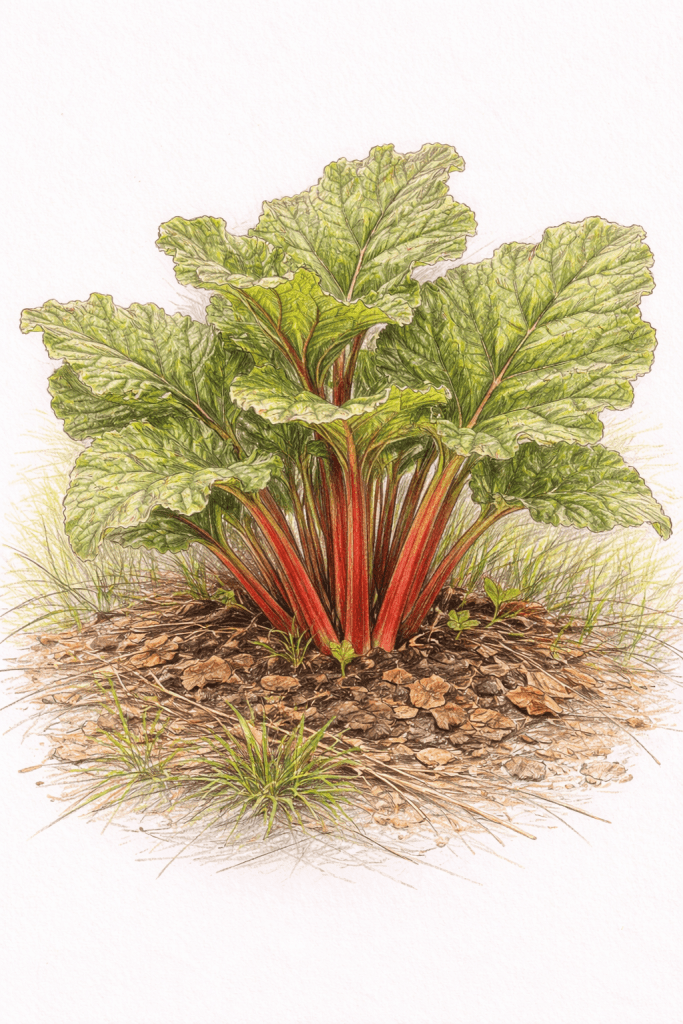
Rhubarb is a dependable addition to any fruit garden, known for its bold flavour and strong growth.
It prefers:
- A sunny, open site
- Moisture-retentive but well-drained soil
- Plenty of organic matter
Key care tips:
- Allow plants to establish before harvesting
- Pull stalks rather than cutting
- Remove flowering stems
- Mulch annually to improve soil and retain moisture
Once established, rhubarb will provide reliable harvests for many years.
Growing berries: raspberries, gooseberries and blackberries
Berry bushes are essential for any productive fruit garden.
They are relatively easy to grow and offer high yields with proper care.
Growing requirements:
- Fertile, well-drained soil
- Regular watering during dry periods
- Annual mulching
Maintenance tips:
- Support raspberry and blackberry canes
- Prune regularly to encourage new growth
- Ensure good spacing for airflow
These fruits provide a steady harvest through summer and are ideal for fresh eating, preserving and cooking.
Growing currants: compact and productive
Currants are well suited to smaller gardens and provide excellent yields in a compact space.
Best conditions:
- Cooler positions with some protection from strong sun
- Moist, well-drained soil
- Regular mulching
Care tips:
- Prune annually to maintain shape and productivity
- Improve airflow to reduce disease risk
- Monitor for pests and treat early
Red, black and white currants each offer different flavours, adding variety to your fruit garden.
Growing apples and pears: structure and longevity
Apples and pears are classic choices for fruit gardening in the UK.
They provide:
- Spring blossom
- Autumn harvests
- Long-term garden structure
How to grow successfully:
- Plant in full sun with well-drained soil
- Choose appropriate rootstocks for your space
- Prune annually to maintain shape
- Ensure cross-pollination by planting compatible varieties
Even small gardens can accommodate fruit trees through trained forms such as espaliers or cordons.
Soil preparation for fruit gardening
Healthy soil is essential for successful fruit growing.
Improve your soil by:
- Adding compost or well-rotted organic matter
- Mulching regularly to retain moisture
- Avoiding compaction by limiting foot traffic
Good soil structure supports root growth, improves drainage and ensures nutrients are available to plants.
Watering, feeding and general care
Consistent care is key to a thriving fruit garden.
Watering:
- Water regularly during dry periods
- Focus on roots rather than leaves
Feeding:
- Use organic matter to maintain fertility
- Apply mulch annually
General maintenance:
- Prune regularly to encourage productivity
- Remove dead or diseased growth
- Maintain spacing for airflow
A well-maintained fruit garden is more resilient, productive and easier to manage.
Managing pests and diseases naturally
Fruit gardening often brings challenges, but these can be managed with a balanced approach.
- Use netting to protect fruit from birds
- Encourage beneficial insects and wildlife
- Remove affected growth early
- Keep plants healthy through good soil care
Healthy plants are naturally more resistant to pests and disease.
A long-term investment in your garden
Fruit gardening is not just about immediate results — it is about building something that improves over time.
Strawberries and berries offer quick rewards, while fruit trees develop slowly, becoming more productive with each passing year.
With patience and consistency, your fruit garden will become a reliable source of fresh produce and seasonal interest.
Conclusion: growing your own fruit
Growing your own fruit brings together practicality, sustainability and enjoyment.
From the first blossom to the final harvest, fruit gardening offers a deeper connection to the natural cycle of the year. With thoughtful planning, good soil care and regular attention, even a small space can produce a generous and varied harvest.
A fruit garden is not simply productive — it is enduring, evolving and deeply rewarding.
Further Reading: How to Grow Goji Berries, How to Grow Strawberries: A Guide to Sweet Success, How to Grow Grapes in the UK, A Guide to Growing Figs in the UK, A Guide to Growing Rhubarb, A Guide to Storing Your Fruit Harvest, A Guide to Raspberry Canes: From Planting to Pruning, Grow Your Savings The Smart Way Leverage Your Garden to Combat Rising Food Prices, The Joy of a Freshly Picked Home-Grown Tomato, The Importance of Growing Your Own Food
Inspiration: Follow Us on Instagram, Threads, BlueSky, Twitter, TikTok and Pinterest.