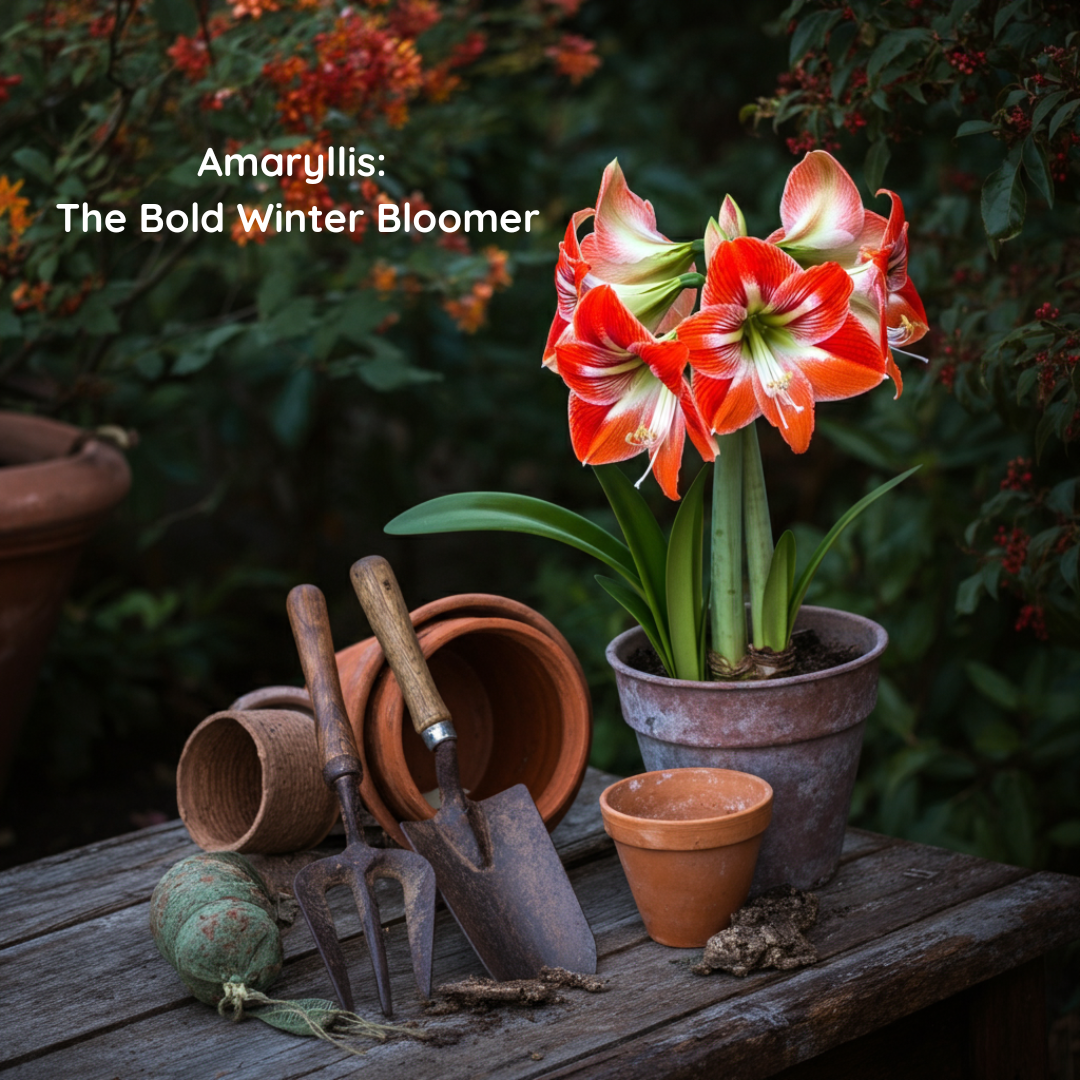
The amaryllis stands as one of gardening’s most rewarding paradoxes. This striking bulbous plant produces magnificent trumpet-shaped flowers during the darkest months of winter, transforming dreary windowsills and conservatories into vibrant displays of colour. Despite its exotic appearance and impressive blooms that can reach up to 20 centimetres across, the amaryllis requires minimal effort to cultivate successfully.
Originally native to South America, the amaryllis has captured gardeners’ attention worldwide through its reliable flowering performance and dramatic visual impact. The plant’s ability to produce multiple stems bearing four to six substantial flowers makes it particularly valuable for indoor cultivation during winter months when few other plants are in bloom.
Understanding the amaryllis’s growth patterns, care requirements, and seasonal behaviour enables gardeners to maximise both flowering potential and longevity. This comprehensive guide examines every aspect of amaryllis cultivation, from botanical characteristics to historical significance, providing the essential knowledge needed for successful growing.
Plant Description and Botanical Characteristics
The amaryllis (Hippeastrum) belongs to the Amaryllidaceae family and comprises approximately 90 species of bulbous perennials. The most commonly cultivated varieties are large-flowered hybrids developed from South American species, particularly those originating from Peru, Brazil, and Bolivia.
The plant develops from substantial bulbs that typically measure 6 to 10 centimetres in diameter. These storage organs contain all the energy required for the plant’s initial flowering cycle. The bulb produces thick, fleshy roots that extend downward whilst supporting broad, strap-shaped leaves that emerge from the bulb’s centre.
Amaryllis flowers appear on hollow stems called scapes that can reach heights of 30 to 75 centimetres. Each scape typically bears an umbel of four to six flowers, though some varieties produce fewer or additional blooms. The flowers themselves are large and trumpet-shaped, measuring 15 to 25 centimetres across when fully opened.
The colour range includes pure white, various shades of pink, deep red, salmon, orange, and yellow. Many cultivars feature striped, picotee, or multicoloured patterns. Some varieties produce double flowers with additional petals, creating an even more dramatic display.
The leaves are thick, glossy, and dark green, measuring 30 to 50 centimetres in length and 2 to 5 centimetres in width. They emerge either before, with, or after the flowers, depending on the variety and growing conditions.
Seasonal Interest and Flowering Patterns
The amaryllis provides peak seasonal interest during winter months, typically flowering between December and March when grown indoors. This timing makes the plant particularly valuable for brightening homes during the darkest period of the year.
The flowering cycle begins when the bulb is planted or brought out of dormancy. Under optimal conditions, flower buds emerge within 6 to 8 weeks of planting. The flower stem elongates rapidly once growth begins, often reaching full height within 2 to 3 weeks.
Individual flowers open sequentially within each umbel, extending the flowering period to 4 to 6 weeks per stem. Many bulbs produce multiple flower stems, either simultaneously or in succession, prolonging the display further.
Following flowering, the plant enters a vegetative growth phase where leaves develop fully and photosynthesis occurs. This period is crucial for bulb development and future flowering success. The leaves remain attractive throughout spring and early summer, providing ongoing ornamental value.
During late summer, the plant naturally enters dormancy as leaves yellow and die back. This rest period typically lasts 8 to 12 weeks and is essential for flower bud formation within the bulb.
Benefits of Growing Amaryllis
The amaryllis offers numerous advantages that make it an excellent choice for both novice and experienced gardeners. The plant’s reliability represents perhaps its greatest benefit, as healthy bulbs consistently produce impressive flowers with minimal intervention.
Winter flowering provides colour and interest when few other plants are blooming, making amaryllis particularly valuable for indoor gardening. The flowers’ substantial size and bold colours create dramatic focal points in any interior setting.
The plant’s compact growth habit suits container cultivation perfectly. A single potted amaryllis can transform a windowsill, table, or conservatory whilst requiring minimal space. This characteristic makes the plant ideal for small gardens, flats or temporary displays.
Long-lasting flowers provide excellent value, with individual blooms remaining attractive for 7 to 10 days. The sequential opening of flowers within each umbel extends the display period significantly, whilst multiple stems can provide colour for several months.
The amaryllis requires no complex growing techniques or specialised equipment. Basic potting compost, adequate drainage, and appropriate watering schedules suffice for successful cultivation. This simplicity makes the plant accessible to gardeners of all experience levels.
Cut flowers from amaryllis plants last well in water, typically remaining fresh for 7 to 14 days. The substantial stems and large flowers make dramatic additions to floral arrangements and bouquets.
Potential Disadvantages and Considerations
Despite its many benefits, the amaryllis presents certain limitations that gardeners should consider before cultivation. The plant’s toxicity represents the most significant concern, as all parts of the amaryllis contain alkaloids that are harmful if ingested by humans or pets.
The bulb’s substantial size requires appropriate container dimensions and adequate growing space. Shallow or narrow pots cannot accommodate the root system properly, potentially limiting flowering performance and plant health.
Dormancy requirements mean the plant provides no ornamental value for several months each year. The dying foliage and bare bulb during dormancy may be considered unsightly in prominent display locations.
Initial bulb costs can be substantial, particularly for premium varieties or large-sized bulbs. Quality bulbs from reputable suppliers typically cost £8 to £25 each, representing a significant investment compared to many other flowering plants.
The plant’s tropical origins mean it cannot survive frost conditions outdoors in most temperate climates. Year-round container cultivation or annual lifting and storage becomes necessary in regions with cold winters.
Storage requirements during dormancy demand appropriate conditions with consistent temperatures between 10 to 15°C and low humidity. Inadequate storage conditions can lead to bulb deterioration or premature sprouting.
Historical Background and Origins
The amaryllis has a complex history that reflects both botanical discovery and horticultural development over several centuries. The confusion surrounding the plant’s common name stems from early taxonomic classifications that placed these South American bulbs in the genus Amaryllis alongside their African relatives.
Swedish botanist Carl Linnaeus first described the genus Amaryllis in 1753, initially including both African and South American species. Later botanical research revealed significant differences between these groups, leading to the reclassification of South American species into the genus Hippeastrum in 1821.
European discovery of South American amaryllis species began during the 18th century as botanical expeditions explored the continent’s diverse flora. The first species to reach Europe was likely Hippeastrum reginae, collected in Peru and introduced to cultivation around 1769.
The development of large-flowered garden amaryllis began in earnest during the 19th century through hybridisation programmes in Europe and North America. Notable breeders including the Veitch nursery in England and various Dutch specialists created many of the fundamental cultivars still grown today.
Commercial production of amaryllis bulbs became established in the Netherlands during the 20th century, with Dutch growers developing sophisticated techniques for bulb forcing and year-round production. The Netherlands remains the world’s primary source of amaryllis bulbs for commercial distribution.
Modern breeding programmes continue to develop new varieties with improved flower forms, extended colour ranges, and enhanced disease resistance. Contemporary cultivars include compact varieties suitable for smaller spaces and specialized forms with unique petal patterns.
Folklore and Cultural Significance
The amaryllis features prominently in various cultural traditions and folklore, though much of this centres on the broader Amaryllis genus rather than the specific Hippeastrum species commonly grown today.
Greek mythology tells of Amaryllis, a shepherdess who fell in love with the shepherd Alteo. To win his affection, she followed the advice of the Oracle at Delphi and pierced her heart with a golden arrow whilst standing before his door for 30 days. Her blood created beautiful red flowers, which finally captured Alteo’s attention and love.
Victorian flower language assigned specific meanings to amaryllis blooms. Red amaryllis symbolised pride and determination, whilst white varieties represented innocence and purity. The plant’s dramatic appearance and bold colours made it popular in formal arrangements and conservatory displays during the Victorian era.
Contemporary Christmas traditions in many countries feature amaryllis as holiday decorations alongside poinsettias and Christmas roses. The plant’s winter flowering period and availability of red and white varieties make it particularly suitable for festive displays.
In South American cultures where the plant occurs naturally, various species hold traditional medicinal significance. However, given the plant’s toxic properties, such applications should not be attempted without proper expertise and guidance.
The amaryllis appears in art and literature as a symbol of beauty emerging from difficult circumstances, reflecting the plant’s ability to produce magnificent flowers from seemingly dormant bulbs.
Why Amaryllis Deserves a Place in Your Garden
The amaryllis merits inclusion in any garden or indoor plant collection for several compelling reasons that extend beyond its obvious ornamental appeal. The plant’s reliability ensures consistent results even for inexperienced gardeners, making it an excellent choice for building confidence in bulb cultivation.
Winter flowering fills a crucial gap in the gardening calendar when colour options are limited. The amaryllis provides vibrant blooms during months when outdoor gardens offer little interest, bringing life and energy to indoor spaces precisely when it is most needed.
The plant’s compact size and container-friendly growth habit make it accessible to gardeners with limited space. A single amaryllis can provide the same visual impact as much larger plants whilst requiring minimal room for cultivation.
Educational value represents another significant benefit, particularly for families with children. Watching an amaryllis bulb develop from dormancy through flowering provides an excellent introduction to plant biology and growth cycles.
The amaryllis offers exceptional longevity when properly maintained. Individual bulbs can continue flowering annually for decades, making them valuable long-term investments. This characteristic also enables gardeners to develop collections of different varieties over time.
Versatility in use allows amaryllis to serve multiple purposes within garden design. The plants work equally well as standalone specimen displays, grouped arrangements, or components within mixed container gardens.
Planting Guidelines and Timing
Successful amaryllis cultivation begins with proper planting techniques and appropriate timing. The planting schedule depends on desired flowering periods and growing conditions.
For winter flowering indoors, plant bulbs between October and December. Earlier planting produces December blooms, whilst later planting delays flowering into February or March. This flexibility allows gardeners to stagger plantings for extended flowering seasons.
Select containers that provide adequate depth and width for root development. The pot should measure at least 2.5 centimetres wider than the bulb diameter and provide 10 to 15 centimetres of depth below the bulb base. Heavy containers help prevent tall flowering stems from becoming top-heavy.
Use well-draining potting compost designed for container cultivation. A mixture of multi-purpose compost with added perlite or grit provides appropriate drainage whilst retaining adequate moisture. Avoid garden soil, which may harbour pests or diseases and often drains poorly in containers.
Plant bulbs with the top third exposed above the compost surface. This positioning prevents water from collecting around the bulb nose, reducing the risk of rot. The bulb should sit firmly in the compost without wobbling.
Water sparingly immediately after planting, providing just enough moisture to settle the compost around the bulb. Excessive watering at this stage can lead to bulb rot before root development begins.
Place planted bulbs in locations with temperatures between 18 to 21°C to encourage rapid growth. Avoid positions with extreme temperature fluctuations or cold draughts that may delay flowering.
Care Instructions for Optimal Blooming
Proper care throughout the growing cycle ensures healthy development and maximum flowering potential. Understanding the plant’s changing needs during different growth phases enables gardeners to provide appropriate conditions consistently.
During the initial growth phase after planting, maintain compost moisture without waterlogging. Water when the top centimetre of compost feels dry, providing enough water to thoroughly moisten the growing medium. Avoid frequent light watering, which can lead to shallow root development.
Once flower buds appear, increase watering frequency to support rapid stem elongation and flower development. The plant’s water requirements peak during active growth and flowering periods.
Provide bright, indirect light throughout the growing season. Direct sunlight may cause flower fading or excessive heat that shortens bloom duration. North or east-facing windows typically provide optimal conditions.
Feed regularly during active growth using balanced liquid fertiliser applied every 2 to 3 weeks. Begin feeding when flower buds emerge and continue throughout the leafy growth period. Stop feeding when leaves begin yellowing naturally.
Support tall flower stems if necessary using thin stakes and soft ties. Position supports before stems reach full height to avoid root damage. Some compact varieties may not require staking.
Remove spent flowers promptly to prevent seed development, which diverts energy from bulb development. Cut flower stems back to the bulb once all blooms have finished, but allow leaves to continue growing.
Maintain steady growing conditions throughout the leafy growth period, typically lasting 4 to 6 months after flowering. This phase is crucial for building bulb reserves for future flowering cycles.
Inducing Dormancy and Annual Maintenance
Managing the dormancy period correctly ensures continued flowering success in subsequent years. The dormancy phase allows the bulb to rest and develop new flower buds for the following season.
Begin reducing watering during late summer as leaves naturally start yellowing. This process typically occurs 6 to 8 months after flowering and should not be rushed artificially.
Stop watering completely once all leaves have died back naturally. Remove dead foliage by cutting it back to the bulb neck, leaving no stub that might harbour disease.
Store dormant bulbs in their pots in cool, dry conditions with temperatures between 10 to 15°C. Suitable locations include unheated garages, cellars, or spare rooms that remain frost-free.
Maintain dormancy for 8 to 12 weeks minimum. Shorter rest periods may result in poor flowering or failure to bloom entirely. Some varieties benefit from extended dormancy periods of up to 16 weeks.
Check stored bulbs periodically for signs of disease or pest damage. Healthy dormant bulbs should remain firm and show no signs of soft rot or unusual discolouration.
Resume watering when new growth appears naturally or after the minimum dormancy period has elapsed. The emergence of new flower buds or leaf tips indicates the plant is ready to begin another growing cycle.
Further Reading: Mastering Houseplant Care: Your Top 10 Tips for Indoor Greenery, Guide to Growing and Caring for Poinsettias, Christmas Cactus: The Perfect Festive Houseplant
Take a look at our Indoor Gardening Shop
