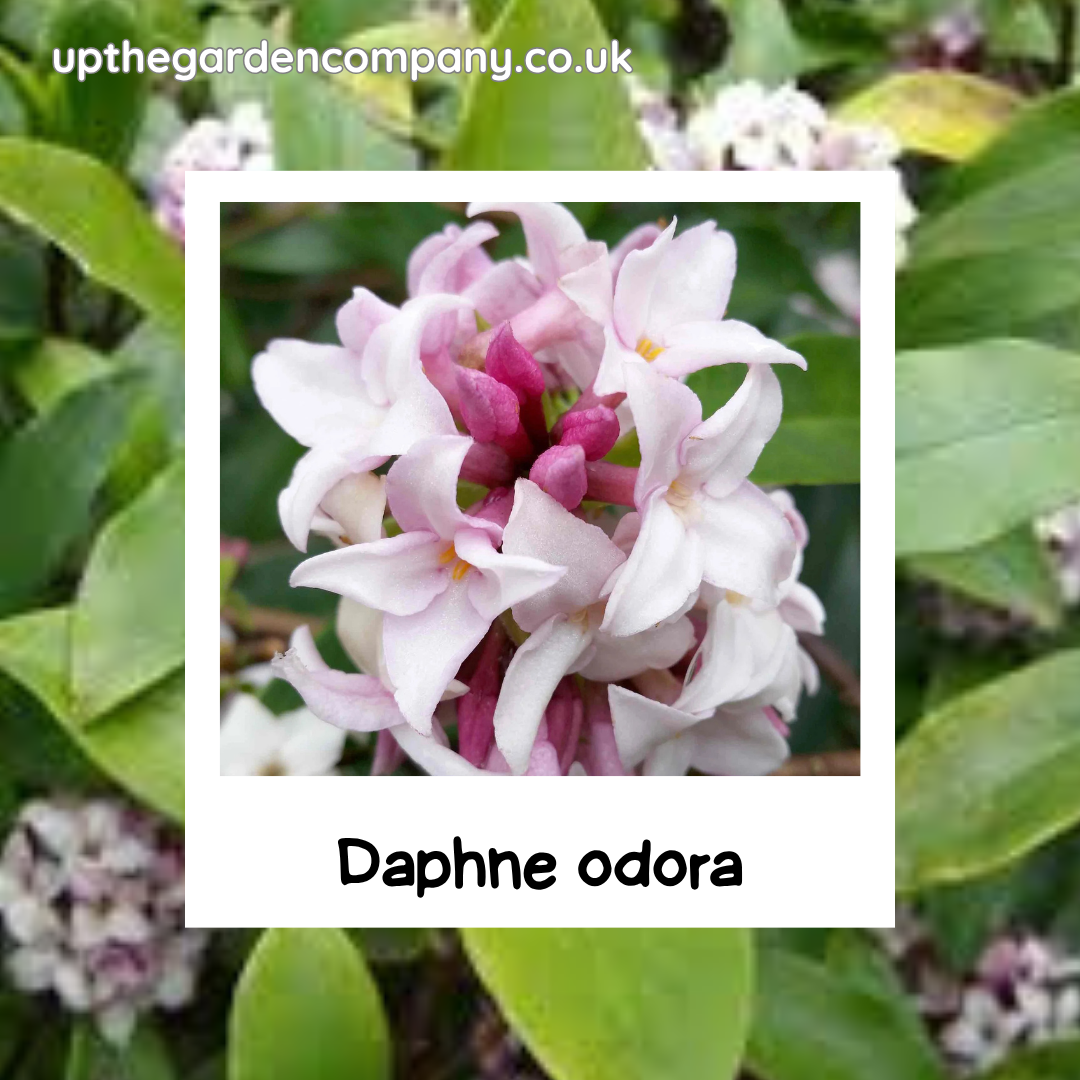
Winter Daphne: The Fragrant Jewel

Winter gardens often lack the vibrant colours and intoxicating fragrances that define warmer months. However, one exceptional shrub defies this seasonal limitation with remarkable effectiveness. Daphne odora, commonly known as Winter Daphne, transforms dormant garden spaces into aromatic sanctuaries during the coldest months of the year.

Plant Description and Characteristics

Daphne odora belongs to the Thymelaeaceae family and originates from China and Japan. This evergreen shrub typically reaches heights of 1.2 to 1.5 metres, with a similar spread creating a naturally rounded form. The plant exhibits dense branching patterns that support glossy, leathery leaves measuring approximately 5 to 8 centimetres in length.

The leaves display a distinctive dark green colouration with smooth margins and prominent parallel veining. Some cultivars feature attractive variegated foliage, with cream or golden edges that provide year-round visual interest. The plant’s compact growth habit makes it suitable for small gardens, borders, and container cultivation.

Winter Daphne produces clusters of small, tubular flowers that measure approximately 1 centimetre in diameter. These blooms appear in terminal clusters containing 10 to 20 individual flowers. The flowers lack petals but feature four petal-like sepals that create the appearance of traditional petals.

Seasonal Interest and Flowering Patterns

The primary appeal of Daphne odora lies in its exceptional flowering period, which typically occurs from February to April. This timing coincides with late winter and early spring, when few other plants provide significant ornamental value.

The flowers emerge as small pink buds that gradually open to reveal white or pale pink blooms with deeper pink exteriors. Popular cultivars include ‘Aureomarginata’, which features variegated foliage, and ‘Alba’, which produces pure white flowers.

The most remarkable characteristic of Winter Daphne is its intensely fragrant blooms. The perfume carries considerable distances and can scent entire garden areas with sweet, spicy notes reminiscent of cloves and vanilla. This fragrance proves particularly valuable during winter months when outdoor spaces typically lack aromatic appeal.

Following the flowering period, the plant may produce small, bright red berries approximately 1 centimetre in diameter. However, fruit production often proves inconsistent in British growing conditions.

Benefits of Growing Winter Daphne

Winter Daphne offers multiple advantages for garden cultivation. The plant provides exceptional winter interest when most other specimens remain dormant or visually unappealing. Its evergreen nature ensures year-round structure and foliage colour in garden borders and containers.

The extraordinary fragrance represents perhaps the greatest benefit of Daphne odora cultivation. The perfume intensity allows single plants to scent considerable garden areas, creating sensory experiences that enhance outdoor spaces during typically barren winter months.

From a wildlife perspective, Winter Daphne flowers provide nectar sources for early pollinators, including bees and beneficial insects that emerge during mild winter periods. This early food source proves valuable for supporting pollinator populations before spring flowers become widely available.

The plant’s compact size makes it suitable for small gardens, urban spaces, and container cultivation. Its slow growth rate reduces maintenance requirements whilst providing consistent ornamental value over extended periods.

Disadvantages and Growing Challenges

Despite its ornamental appeal, Daphne odora presents several cultivation challenges that potential growers must consider. The plant exhibits particular sensitivity to root disturbance, making transplantation difficult once established. This characteristic requires careful initial positioning and long-term planning.

All parts of Winter Daphne contain toxic compounds called daphnanes, which prove poisonous to humans and animals if ingested. The attractive berries pose particular risks to children and pets, requiring careful consideration in family gardens.

The plant demonstrates sensitivity to waterlogged soil conditions, which can lead to root rot and plant death. This requirement necessitates excellent drainage and careful watering management, particularly during wet winter periods.

Winter Daphne can prove challenging to propagate, with cutting success rates often disappointing for amateur gardeners. The plant’s slow growth rate means that establishing sizeable specimens requires considerable patience.

Some individuals may experience skin irritation from handling the plant, particularly the sap. This sensitivity requires protective equipment during pruning and maintenance activities.

Historical Background and Origins

Daphne odora has been cultivated in Chinese and Japanese gardens for over 1,000 years, where it earned recognition as a prized ornamental plant. Chinese horticultural texts from the Song Dynasty (960-1279 CE) reference the cultivation of fragrant daphnes for imperial garden displays.

The plant arrived in European gardens during the 18th century through botanical expeditions to East Asia. The Royal Botanic Gardens, Kew, received its first specimens in the 1770s, beginning the plant’s establishment in British horticulture.

Victorian gardeners particularly valued Winter Daphne for forcing in greenhouses, where the concentrated fragrance could be appreciated during harsh winter weather. The plant became associated with luxury and refinement in 19th-century garden design.

Cultural Folklore and Symbolism

In Chinese culture, Daphne odora holds significant symbolic meaning related to good fortune and prosperity. Traditional beliefs associate the plant’s winter flowering with resilience and hope during difficult periods. Chinese New Year celebrations often feature daphne branches as decorative elements symbolising renewal and positive change.

Japanese folklore connects Winter Daphne with spiritual purification and meditation practices. Temple gardens frequently incorporate the plant near meditation areas, where its fragrance enhances contemplative experiences. The timing of its flowering coincides with early spring festivals celebrating renewal and rebirth.

European folklore adopted similar associations, with Winter Daphne representing hope and perseverance through adversity. Victorian flower language attributed meanings of perseverance and desire to the plant, making it popular for romantic garden displays.

Why Winter Daphne Deserves a Place in Your Garden

Winter Daphne represents an exceptional addition to British gardens seeking year-round interest and sensory appeal. Its unique flowering period fills a crucial gap in seasonal garden displays, providing colour and fragrance when outdoor spaces typically offer limited ornamental value.

The plant’s compact size and slow growth rate make it suitable for modern garden constraints whilst requiring minimal maintenance once established. Its evergreen foliage ensures continuous structure and visual interest throughout the year.

For gardeners prioritising sustainable practices, Winter Daphne offers long-term value with minimal resource requirements. Its drought tolerance once established reduces watering needs, whilst its wildlife benefits support local ecosystem health.

The extraordinary fragrance alone justifies cultivation consideration. Few plants provide such intense and pleasant aromas during winter months, creating outdoor experiences that encourage garden appreciation throughout the year.

Consider positioning Winter Daphne near frequently used pathways, seating areas, or windows where its fragrance can be fully appreciated. With proper care and positioning, this remarkable shrub will provide decades of winter beauty and sensory pleasure.

Further Reading: Snowdrops the symbol of Hope and Resilience, The Enchanting World of the Winter Aconite, All About Clematis ‘Jingle Bells’, All About Ilex aquifolium: The Common Holly, Camellia japonica: The Winter-Blooming Garden Essential
Follow Us on Instagram for Daily Gardening Inspiration 💚

All About Clematis ‘Jingle Bells’

The Clematis cirrhosa ‘Jingle Bells’ is a popular winter-flowering climber, valued for its ability to provide colour and interest during the coldest months of the year. This guide provides a detailed overview of the plant, including its characteristics, seasonal appeal, and considerations for gardeners.

What is Clematis cirrhosa ‘Jingle Bells’?

Clematis ‘Jingle Bells’ is an evergreen climber belonging to the Ranunculaceae family. It is a cultivar of Clematis cirrhosa, a species native to the Mediterranean region. This particular variety is known for its profuse and fragrant bell-shaped flowers that appear in winter.

The plant features glossy, dark green, trifoliate leaves that provide a lush backdrop for its winter blooms. The foliage can sometimes take on a bronze tint in colder weather, adding another layer of visual interest. It is a vigorous climber, capable of reaching heights of up to 4 metres (approximately 13 feet) and a spread of 1.5 metres (5 feet).

Seasonal Interest

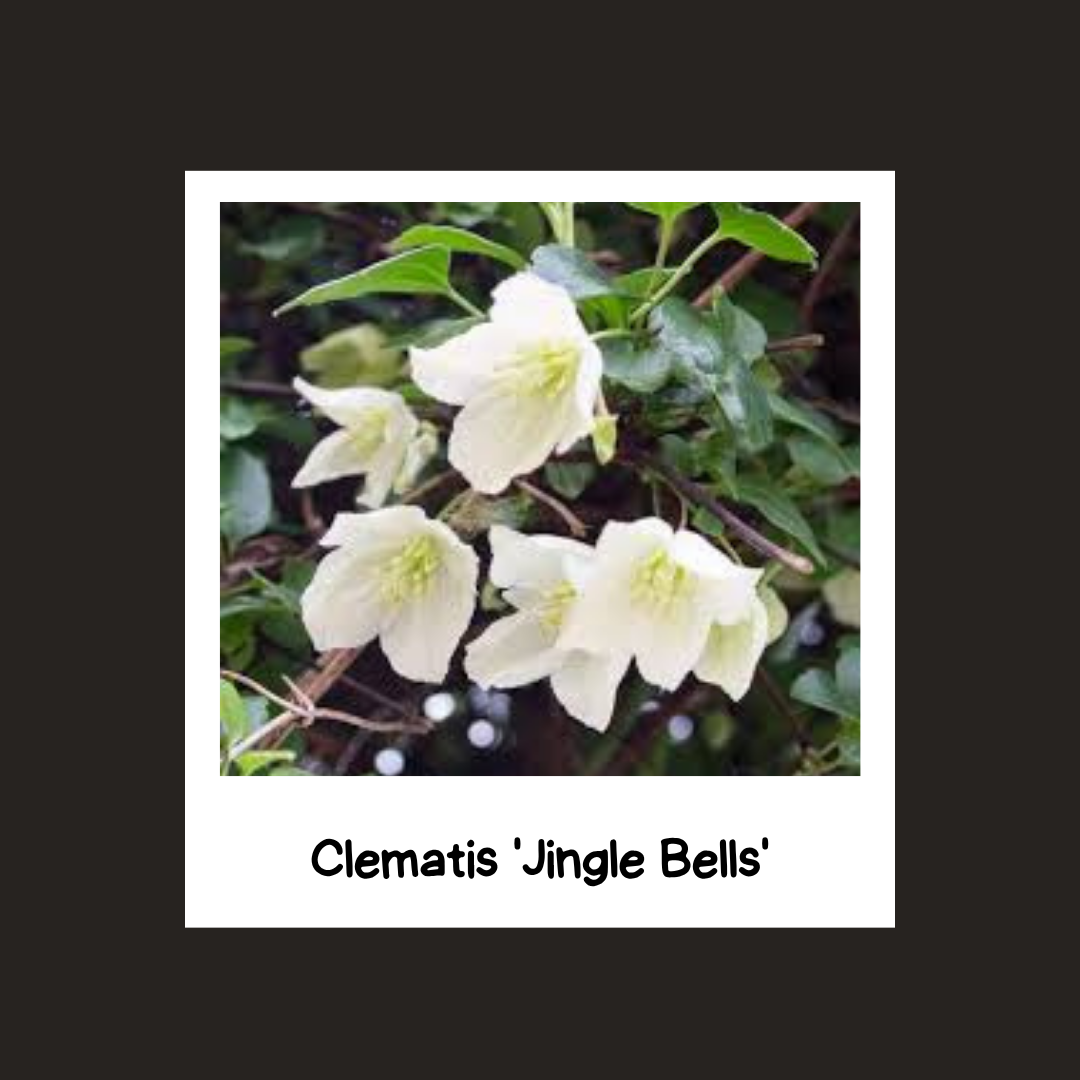
The primary appeal of ‘Jingle Bells’ is its winter flowering period. From December to February, the plant produces an abundance of creamy-white, nodding, bell-shaped flowers. Each flower is approximately 4-6 cm in diameter and has a subtle, citrus-like fragrance, which is more noticeable on mild winter days.

Following the flowering period, the plant develops attractive, silky seed heads, often described as looking like ‘old man’s beard’. These fluffy, silver-white structures persist on the vine well into the spring and summer, extending the plant’s ornamental value beyond its flowering season. During the summer, it is not uncommon for the plant to enter a dormant phase, where it may shed some of its leaves, particularly in hotter, drier climates. This is a natural survival mechanism, and the foliage typically returns as temperatures cool in the autumn.

Benefits for the Garden

There are several advantages to including Clematis cirrhosa ‘Jingle Bells’ in a garden design.

  • Winter Interest: Its ability to bloom prolifically in winter makes it an invaluable addition to gardens that can otherwise look bare. The cheerful, white flowers stand out against the sparse winter landscape.
  • Evergreen Foliage: The plant’s evergreen nature ensures year-round structure and coverage, making it ideal for screening unsightly features like fences or sheds.
  • Wildlife Support: The early flowers provide a much-needed source of nectar for pollinators, such as brave winter bees, that may be active during milder winter spells. The dense foliage also offers shelter for birds and insects.
  • Low Maintenance: Once established, ‘Jingle Bells’ is relatively low-maintenance. It does not require the complex pruning regimes associated with other clematis groups.

Disadvantages and Considerations

While ‘Jingle Bells’ is a rewarding plant, there are some factors to consider.

  • Vigorous Growth: Its vigorous nature means it can quickly outgrow a small space. It requires a sturdy support structure, such as a large trellis, wall, or pergola, to climb. Regular monitoring is needed to prevent it from overwhelming neighbouring plants.
  • Summer Dormancy: The potential for leaf drop during summer can be a drawback for gardeners seeking consistent, lush foliage throughout the year. Planting it amongst other climbers or shrubs can help mask any temporary sparseness.
  • Pruning Group 1: As it flowers on the previous year’s growth, it falls into Pruning Group 1. This means it requires minimal pruning. Any necessary trimming to control its size or remove dead stems should be done immediately after flowering in late winter or early spring. Pruning at other times of the year will remove the wood that carries the next winter’s flowers.

History and Origin

Clematis cirrhosa, the parent species of ‘Jingle Bells’, has been cultivated for centuries. Native to Southern Europe, North Africa, and the Balearic Islands, it was first described by Carl Linnaeus in 1753. The species name cirrhosa comes from the Latin ‘cirrus’, meaning a tendril, referring to the plant’s clasping leaf stalks that help it climb.

The specific cultivar ‘Jingle Bells’ was introduced to horticulture more recently. It was bred to enhance the desirable traits of the species, specifically for a more prolific flowering display and cleaner white petals. It is a sterile cultivar, which means it does not produce viable seeds, although it does form the ornamental seed heads. This sterility contributes to its extended and abundant flowering period, as the plant directs its energy into producing blooms rather than seeds.

There is no significant folklore specifically associated with the ‘Jingle Bells’ cultivar. However, in the broader Victorian ‘Language of Flowers’, Clematis symbolised mental beauty and ingenuity, likely due to its clever climbing habit.

A Winter Jewel for Your Garden

Clematis cirrhosa ‘Jingle Bells’ is an exceptional plant for any gardener looking to bring life and elegance to the winter garden. Its combination of fragrant, bell-shaped flowers, evergreen foliage and interesting seed heads provides a multi-seasonal display with minimal effort. While its vigorous growth requires consideration, its ability to transform a dormant garden into a vibrant space makes it a highly recommended choice. By providing it with a suitable location and a strong support, you can enjoy its cheerful winter performance for years to come.

Further Reading: Snowdrops the symbol of Hope and Resilience, The Enchanting World of the Winter Aconite

Follow Us on Instagram for Daily Gardening Inspiration 💚

Plant Whispering: Does Talking to Your Plants Really Work?

In the modern oasis that is your home garden, have you found yourself leaning in to whisper sweet nothings to your green companions, who wordlessly endure each change in light and digit of your home’s thermostat? If you’re part of the growing community of plant enthusiasts that believes a little chit-chat with your ficus could result in a greener, leafier future, you’re not alone. But is there any truth to the age-old practice? It may sound like a plotline from a children’s fantasy book, but the idea of communicated growth predates the civilisations that first cultivated our modern crops.

The Historical Roots of Plant Communication

Perhaps surprisingly, agricultural societies have long engaged in conversational cultivation. In the Bible, the prophet Hosea talks of the Israelites’ worship practices, including speaking to plants. The ancient Greeks also referenced plant talking, and even Shakespeare wrote of this practice in his classic play Richard II:

“For God’s sake, let us sit upon the ground

And tell sad stories of the death of kings;

How some have been deposed; some slain in war,

Some haunted by the ghosts they have deposed;

Some poison’d by their wives; some sleeping kill’d;

All murder’d: for within the hollow crown

That rounds the mortal temples of a king

Keeps Death his court.”

This passage is often interpreted as Shakespeare referencing the ‘grumbling’ of plants, which is also a nod to both their ability to sense disturbances and to the human tradition of sharing wisdom and conversation, even with the quietest of listeners.

The Case for Kind Conversation

In the present day, the act of talking to plants has been elevated from folk wisdom to a trendy topic in the plant community. Gardeners often report that speaking to their plants has led to better growth, more lush foliage, and in some cases, more abundant flowers. The idea holds that sound vibrations can encourage greater cellular growth and flowering by simulating the effects of near-constant breeze under natural conditions.

Plant-authored research also hints at the possibility. Studies have suggested that sounds (from ambient music or human voices) can promote various growth responses in plants. One study out of South Korea exposed plants to the sounds of insects eating, and the plants emitted protective chemicals in response, similar to those they would produce if under actual attack. The hypothesis here is that plants can distinguish between different sound patterns and adjust their growth strategies accordingly.

The Scientific Stance on Plant Communication

Despite endearing anecdotes from gardeners, the scientific community remains divided on the topic. The classic study on the topic, published in the journal Oecologia in 1986 by Dr. T.C. Singh, concluded that a combination of classical music and Raga Darbari encouraged the growth of balsam plants and mung beans. Critics of the study, however, say that the experimental setup was insufficiently controlled, and the results could not be replicated under more rigorous conditions.

Conversely, a study published in Trends in Plant Science in 2016 argued that the plant kingdom may indeed be much noisier than we think. Plants produce and receive vibrations that they use to communicate with their environment, and it is conceivable, under the right conditions, that sounds associated with human speech could impact physiology.

The Steps to Successful Plant Communication

If you’re keen to put communication with your plants to the test, there are a few thoughtful approaches you can follow:

Speak Regularly

Consistency is key. Set a schedule and try to speak to your plants at the same time every day.

Use Positive Language

Just as a negative environment can be detrimental to plant growth, a negative tone can potentially do the same. Phrases of encouragement or praise have been believed to be more effective, such as “you’re doing great,” or “look at you, so tall and strong!”

Mind the Volume

Conversing with plants doesn’t require shouting. In fact, a softer, regular tone might mimic rustling leaves in a gentle breeze, which is associated with encouraging growth responses in plants.

Observe and Document

Keep a journal of your plant’s health and any changes you have observed since you started communicating with them. This observational approach gives the experiment structure and potential for creating insights into your plants’ unique needs and communication pathways.

Cultivate Your Connection

When engaging in this process of plant whispering, remember that the connection you foster with your plants goes beyond vocalization; it’s about actively tending to a living thing. Speaking to your plants is a ritual that ensures you’re present with them, tending to their needs and observing their responses, no matter how subtle.

Even if further research is needed to conclusively prove the benefits of plant conversation, the act itself provides an opportunity to slow down, provide care, and foster the ancient partnership of humans and plants. In a world where our lives are increasingly digital and detached from the natural world, the simple act of communication may remind us that our green friends, too, crave connection and empathy.

Further Details: Attracting a Symphony of Wings

Follow Us on Instagram for Daily Gardening Inspiration