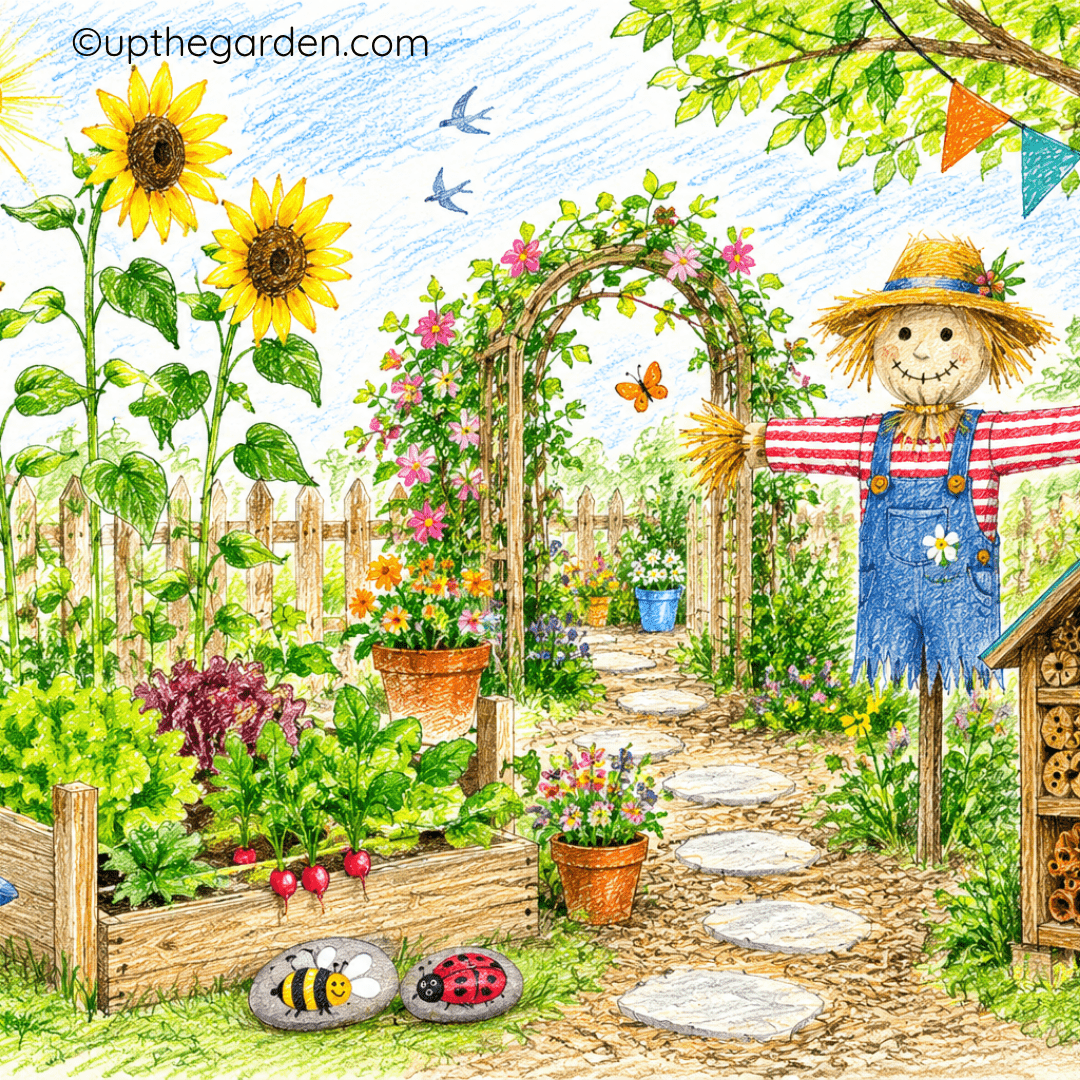
There’s something rather magical about a garden in August.
The borders are buzzing with bees, tomatoes are ripening on the vine, butterflies drift from flower to flower and every corner seems alive with colour. Better still, the long summer holidays offer the perfect opportunity to slow down and enjoy it all together.
Gardening isn’t just about growing plants. It’s about growing confidence, curiosity and creativity too.
Whether you have a large garden, a tiny courtyard or simply a few pots on a patio, there are countless ways to encourage children to get their hands dirty and discover the joy of nurturing something themselves.
Best of all, many gardening projects cost very little. A packet of seeds, a handful of recycled materials and a little imagination can provide hours of entertainment while helping children swap screen time for fresh air, exercise and outdoor adventure.
If you’re looking for affordable summer holiday activities that encourage creativity, wellbeing and a love of nature, these gardening ideas are the perfect place to start.
Why Gardening is Wonderful for Children
Children are naturally curious.
They love digging holes, searching for worms, watering plants and watching tiny seedlings appear from the soil. Gardening allows them to explore at their own pace while learning through play.
As they grow plants, they also grow important life skills.
Gardening encourages:
- Physical activity
- Creativity
- Patience
- Responsibility
- Problem-solving
- Confidence
- Curiosity
- An appreciation of wildlife
- Improved wellbeing
- Time away from screens
Above all, gardening teaches children that wonderful things often take time.
Watching the first green shoot appear can be every bit as exciting as harvesting vegetables a few weeks later.
1. Grow a Late Summer Salad Garden
August is still a wonderful time to sow several fast-growing crops that children can enjoy harvesting in just a few weeks.
Try planting:
- Rocket
- Winter lettuce
- Spinach
- Pak choi
- Mizuna
- Spring onions
- Coriander
Growing these in containers or raised beds makes them easy for little hands to care for.
Better still, children can pick fresh leaves before lunch and help prepare their own salads.
Food always tastes that little bit better when you’ve grown it yourself.
2. Grow Cress on the Kitchen Windowsill
Even if the weather turns wet, the gardening doesn’t have to stop.
Cress is one of the quickest plants children can grow.
Simply sprinkle seeds onto damp kitchen paper, cotton wool or compost and place them on a sunny windowsill.
Within a few days they’ll begin to sprout.
Soon afterwards they’ll be ready to snip into sandwiches, salads or egg mayonnaise.
It’s a brilliant introduction to growing food.
3. Give Children Their Own Garden
Perhaps the greatest gardening project of all is giving children a little patch that’s entirely theirs.
It doesn’t need to be large.
A small raised bed, half a border or even a large container is enough.
Allow them to decide what they’d like to grow.
Perhaps they’ll choose vegetables.
Maybe colourful flowers.
Or perhaps they’ll create a dinosaur jungle filled with grasses and tiny ornaments.
Giving children ownership encourages responsibility, creativity and confidence.
Most importantly, don’t worry if it looks a little wild.
That’s all part of the adventure.
4. Make a Bee Water Station
Bees work incredibly hard throughout the summer.
However, they also need somewhere safe to stop for a drink.
Fill a shallow saucer with water before adding shells, marbles or pebbles that sit above the waterline.
These give bees somewhere safe to land while they drink.
It’s a wonderfully simple project that also helps local pollinators.
5. Create Pebble Art
Collect smooth pebbles during a family walk or beach visit.
Once they’re clean and dry, decorate them using weatherproof paint.
Children could paint:
- Ladybirds
- Bees
- Butterflies
- Flowers
- Rainbows
- Smiley faces
Use them as plant labels, decorate flower pots or create memory stones to remember favourite summer adventures.
Every stone tells its own little story.
6. Paint a Bird House
Bird houses provide shelter throughout the year.
Painting one together makes a lovely summer holiday project.
Choose bright colours or natural woodland shades before hanging it somewhere quiet in the garden.
Children can then watch throughout autumn and winter to see whether any birds decide to move in.
7. Build a Bug Hotel
Every healthy garden depends on insects.
Using old pallets, bricks, bamboo canes, bark, sticks, pine cones and straw, create a cosy home for ladybirds, beetles and solitary bees.
Place it in a quiet corner and revisit it throughout the year.
You might be surprised by who checks in.
8. Make a Recycled Wind Chime
Before throwing away old tins, shells, wooden beads or keys, see whether they could become something beautiful instead.
Thread them together using twine.
Hang them from a sturdy branch.
Then sit quietly and listen as the breeze creates gentle music across the garden.
9. Plant Autumn Colour in Pots
Just because summer is beginning to wind down doesn’t mean the garden has to lose its colour.
August is a wonderful time to plant late-summer and autumn favourites in containers. Children can choose their favourite colours, arrange the plants and help water them throughout the coming weeks.
Look out for:
- Pansies
- Violas
- Heather
- Cyclamen (later in the season)
- Ornamental cabbages
- Evergreen grasses
Not only do these brighten patios and doorsteps, but they also help children understand how gardens change with the seasons.
Better still, they’ll continue providing colour long after the school holidays have finished.
10. Create a Butterfly Buffet
Butterflies are always welcome visitors.
Choose nectar-rich flowers that are available at your local garden centre and plant them together in pots or borders.
Then spend quiet moments counting how many different butterflies arrive.
It’s a lovely reminder that even a small garden can support wildlife.
11. Make Homemade Plant Labels
Instead of buying plastic labels, create your own.
Use:
- Painted pebbles
- Wooden lolly sticks
- Old wooden spoons
- Slate pieces
- Small terracotta pots turned upside down
Children can decorate each one before writing the plant names.
12. Collect Seeds for Next Year
Late summer is the perfect time for seed collecting.
Choose flowers that have finished blooming and carefully gather their seeds into labelled envelopes.
Children soon discover that today’s flowers become next year’s garden.
It’s a lovely lesson in planning ahead.
13. Create a Fairy or Dinosaur Garden
A washing-up bowl, wooden crate or large container can become an enchanting miniature world.
Add moss, stones, tiny plants, sticks and homemade decorations.
Then let imaginations take over.
14. Keep a Garden Nature Journal
Encourage children to sketch flowers, vegetables, insects and birds they discover.
They could also record:
- Wildlife sightings
- Weather
- Harvest dates
- Favourite flowers
- Garden visitors
By the end of summer they’ll have created a wonderful keepsake.
15. Grow Herbs for the Kitchen
Mint, parsley, basil and chives are all easy to grow.
Children can harvest them before helping prepare family meals.
Gardening naturally leads into cooking, making the experience even more rewarding.
16. Hunt for Garden Wildlife
Slow down and see how many creatures you can discover.
Look for:
- Ladybirds
- Earthworms
- Bumblebees
- Butterflies
- Spiders
- Frogs
- Snails
- Dragonflies
Remember to observe without disturbing them.
Every creature plays an important role in a healthy garden.
17. Make a Mini Compost Bin
Teach children that garden waste doesn’t have to be thrown away.
Leaves, vegetable peelings and grass cuttings all break down into rich compost.
It’s a brilliant introduction to recycling and caring for the environment.
18. Build a Scarecrow
Old clothes, straw and plenty of imagination are all you need.
Every scarecrow develops its own personality.
Some become superheroes.
Others become friendly gardeners.
Either way, they’re enormous fun to create.
19. Press Summer Flowers
Collect fallen flowers and leaves before pressing them between heavy books.
Later, use them to create greetings cards, bookmarks or framed artwork.
They’re beautiful reminders of the summer holidays.
20. Harvest and Celebrate
Perhaps the most exciting gardening project comes at the very end.
Harvest everything you’ve grown together.
Prepare lunch using homegrown salad, herbs and vegetables.
Then celebrate the children’s hard work while planning what you’d like to grow next year.
Gardening is a hobby that grows with every season.
Gardening Grows More Than Plants
Gardening is far more than a way to fill a summer afternoon.
It encourages children to slow down, notice the changing seasons and appreciate the natural world around them.
Along the way they’ll build confidence, develop new skills and enjoy plenty of fresh air and exercise.
Most importantly, they’ll create happy memories with the people they love.
Long after the flowers have faded and the vegetables have been picked, those moments will remain.
Because the greatest thing you’ll grow this summer isn’t a pot of salad leaves or a painted bird house.
It’s a lifelong love of nature.
Further Reading: Fun Gardening Ideas for Kids . Find Children’s Gardening Tools here
Inspiration: Follow Us on Instagram, Threads, BlueSky, Twitter, TikTok and Pinterest.