
There is something deeply comforting about a windowsill filled with herbs.
Not grand gestures of gardening. Not sweeping borders or long summer evenings spent digging. Just a row of green pots catching pale morning light beside the kettle. Basil leaning gently towards the glass. Rosemary releasing its scent as you brush past. Mint softening the edges of a busy kitchen with freshness and life.
A windowsill herb garden changes the feeling of a home in quiet ways.
It brings softness to winter kitchens. Freshness to everyday cooking. A sense of the seasons continuing indoors, even when the garden outside is sleeping beneath frost or rain.
And perhaps that is why indoor herbs have become such lasting companions in British homes. They are useful, certainly. But they are also beautiful. Living things woven gently into daily routines.
A handful of parsley scattered into soup. Chives snipped over buttery potatoes. Dill stirred into creamy sauces while rain taps against the panes.
Even the smallest windowsill can become productive through the year.
Why Grow Herbs Indoors?
Growing herbs indoors is one of the simplest ways to keep a connection with fresh food throughout the seasons. In smaller homes, city flats or kitchens without gardens, herbs allow you to grow something useful without needing much space at all.
Yet their value reaches beyond practicality.
Indoor herbs soften hard kitchen corners. They scent the air naturally. They bring greenery into darker months when gardens offer little colour. And unlike packets of shop-bought herbs that wilt within days, living plants continue giving quietly week after week.
A sunny sill and a little attention are often all they ask for in return.
A Windowsill Through the Seasons
The joy of indoor herbs is that each one carries its own character.
Some flourish in the warmth of high summer. Others settle happily into cooler winter light. Together they create a changing little landscape beside the window — one that shifts gently with the months.
Basil — Ocimum basilicum
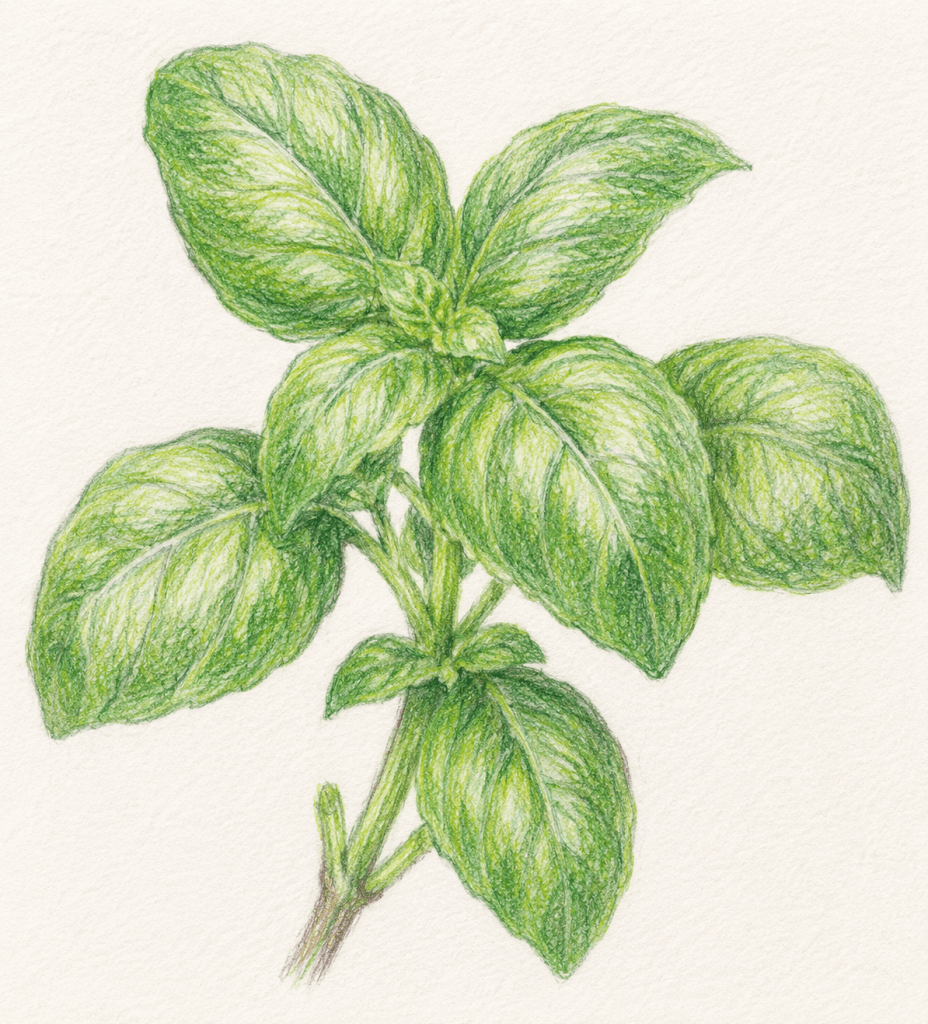
Few herbs feel more closely tied to summer than basil. Its bright green leaves seem to gather sunlight into themselves, filling the kitchen with warmth and fragrance.
On a sunny windowsill, basil grows quickly and generously, especially during late spring and summer when the light is strongest. Regular picking encourages fresh new growth, and before long a single small plant becomes wonderfully abundant.
Basil prefers warmth, shelter and consistent moisture. Cold draughts can quickly cause leaves to blacken, while weak winter light often leads to thin, leggy stems.
During darker months, supplementary grow lights can make all the difference, helping basil remain compact and healthy long after summer has faded.
Mint — Mentha species
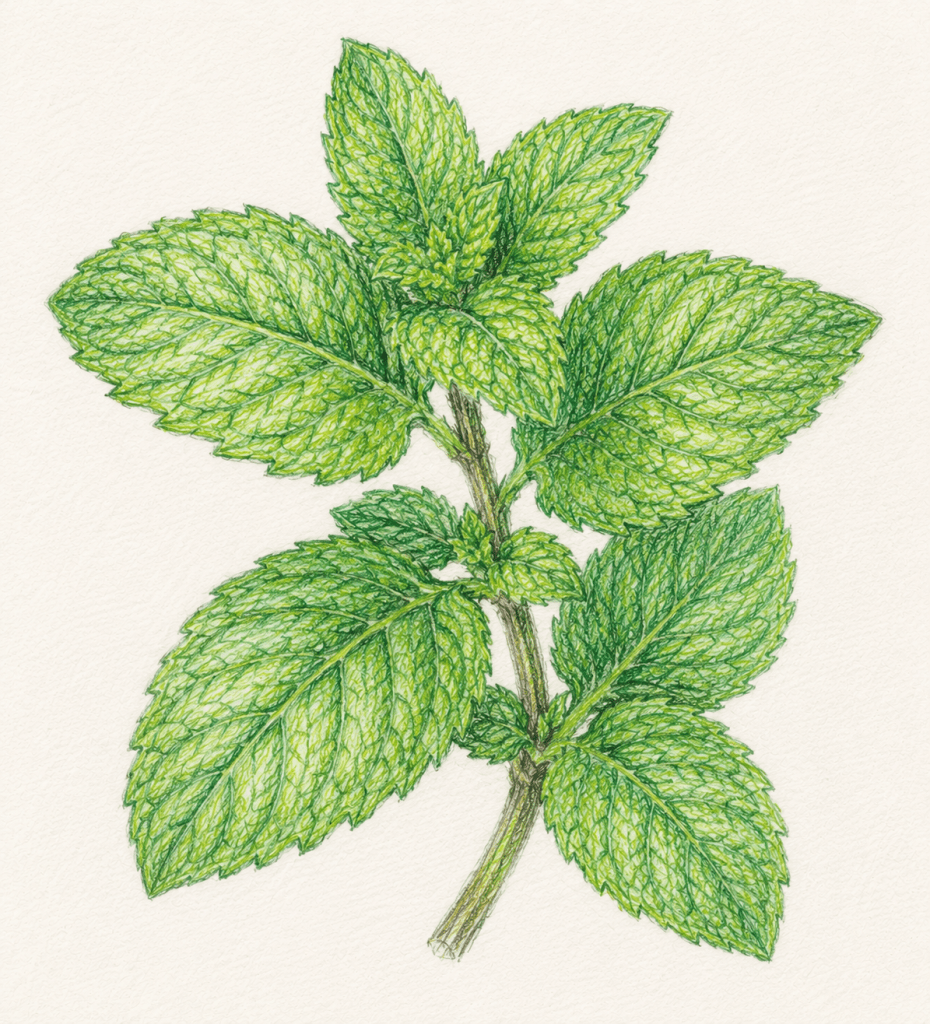
Mint has a liveliness about it that feels wonderfully refreshing indoors. Even brushing against the leaves releases cool scent into the room.
It is one of the easiest herbs to grow on a windowsill and often copes surprisingly well through winter. Bright indirect light and regular watering keep it happy, while frequent trimming prevents plants becoming straggly.
A pot of mint quickly becomes part of everyday life — tucked into teas, summer drinks, fruit salads and puddings.
And unlike many herbs, mint forgives occasional neglect remarkably well.
Parsley — Petroselinum crispum
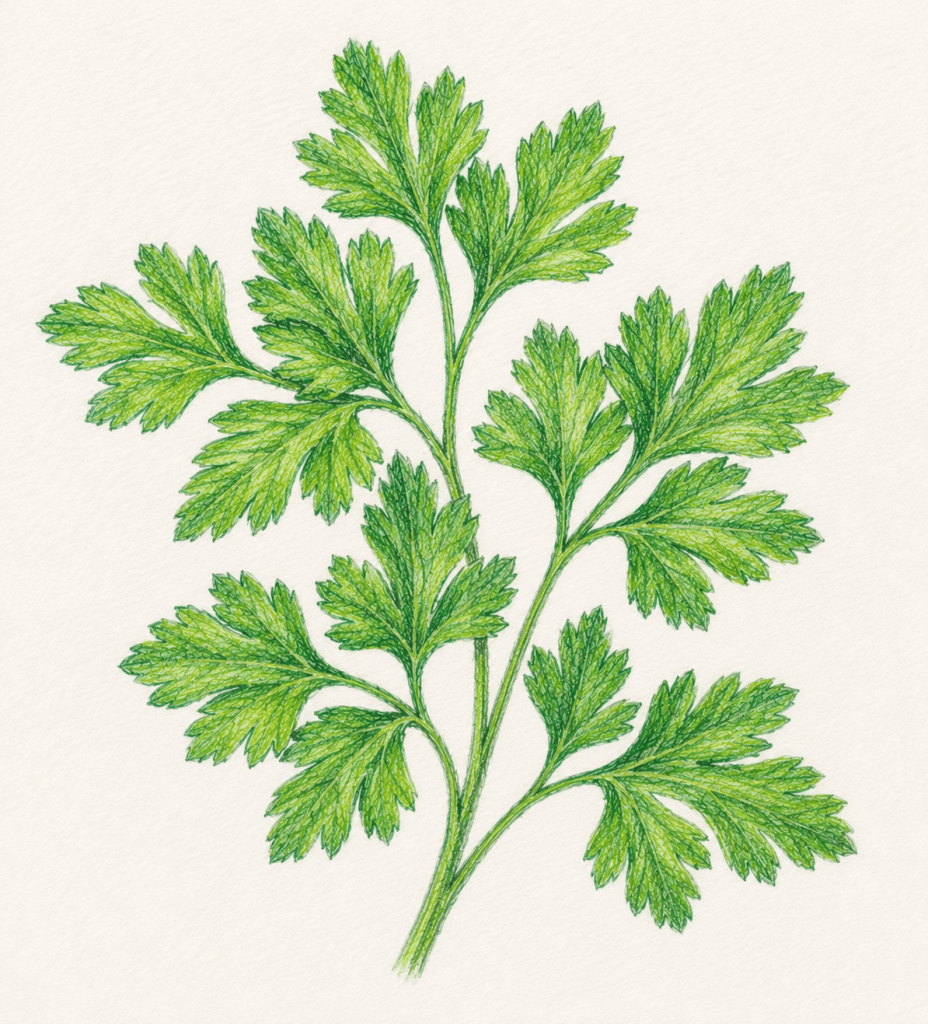
Parsley earns its place quietly.
Reliable, fresh and endlessly useful, it keeps producing through much of the year and brightens even the greyest winter sill with soft green leaves.
Flat-leaf parsley tends to perform especially well indoors, growing more vigorously than curled varieties. It appreciates steady moisture, regular harvesting and bright natural light.
Turn the pots every few days and the stems remain upright and balanced rather than stretching unevenly towards the window.
There is something reassuring about parsley in winter — a reminder that freshness still belongs in cold-weather cooking.
Chives — Allium schoenoprasum
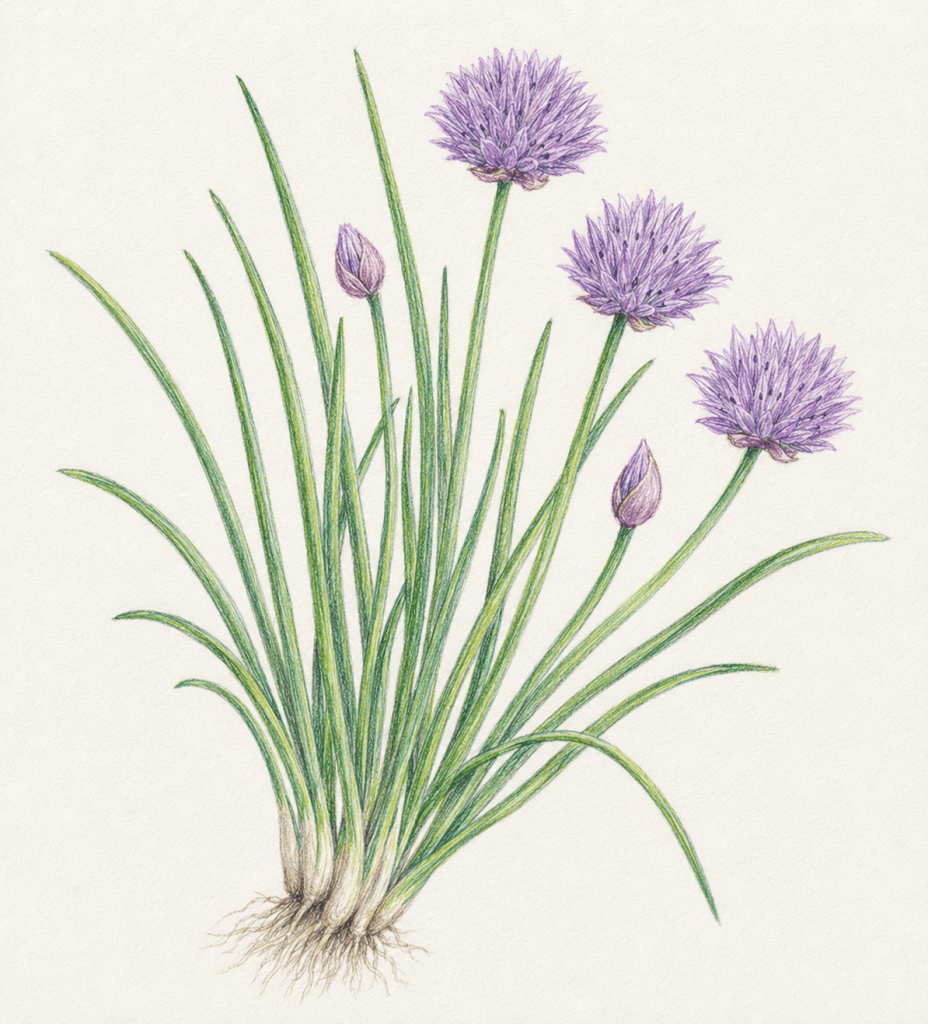
Chives are wonderfully undemanding companions indoors.
Their slender green leaves continue growing steadily through much of the year, and each cut seems only to encourage more growth. Even smaller kitchens usually have room for a pot tucked somewhere bright.
Unlike more delicate herbs, chives tolerate cooler conditions comfortably, making them especially useful through autumn and winter.
Snipped fresh over soups, eggs or buttery vegetables, they bring brightness to heavier seasonal meals.
And in spring, their soft purple flowers add unexpected beauty to the windowsill too.
Thyme — Thymus vulgaris
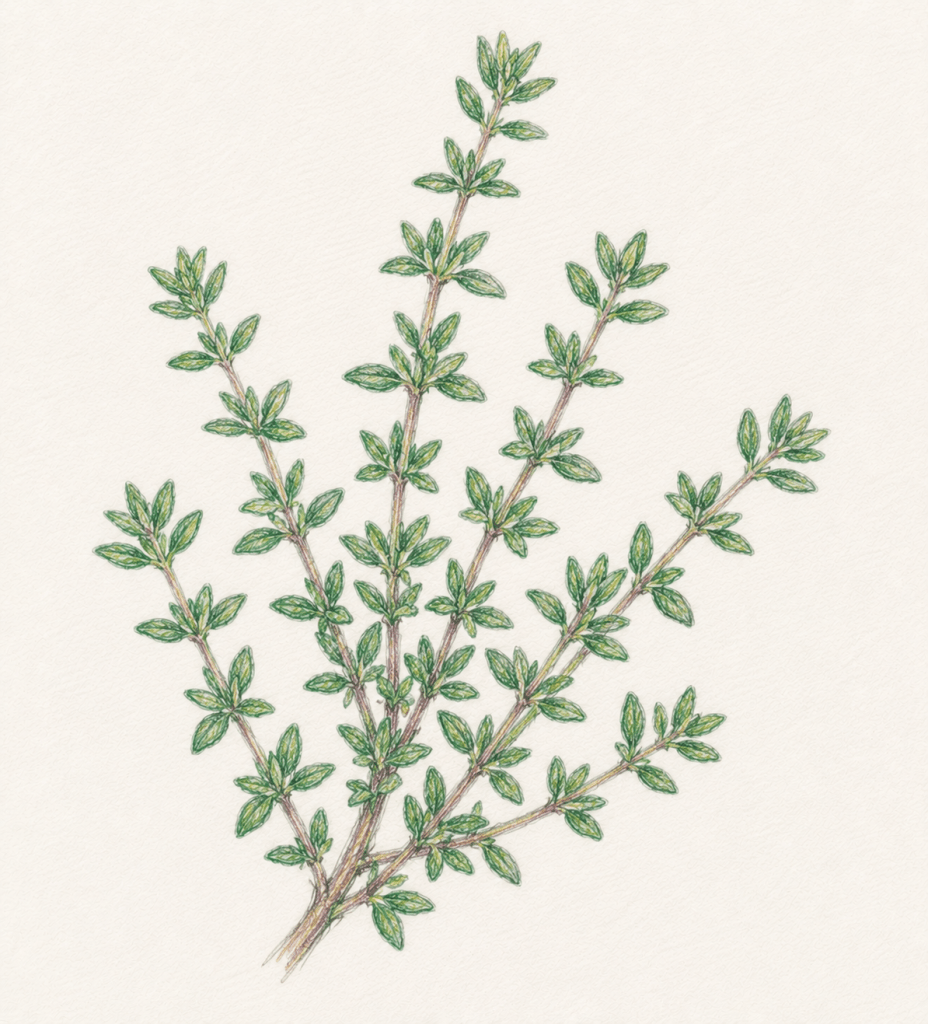
Thyme carries the warmth of dry hillsides and summer gardens into colder months.
Its tiny aromatic leaves cope particularly well with indoor heating and drier air, making it one of the easier herbs to maintain indoors through winter.
Bright sunlight is essential, however. A south-facing window suits thyme best, along with sharply drained compost and careful watering. Too much moisture during darker months can quickly weaken the plant.
But treated gently, thyme becomes one of the most dependable herbs for year-round indoor growing.
Rosemary — Salvia rosmarinus
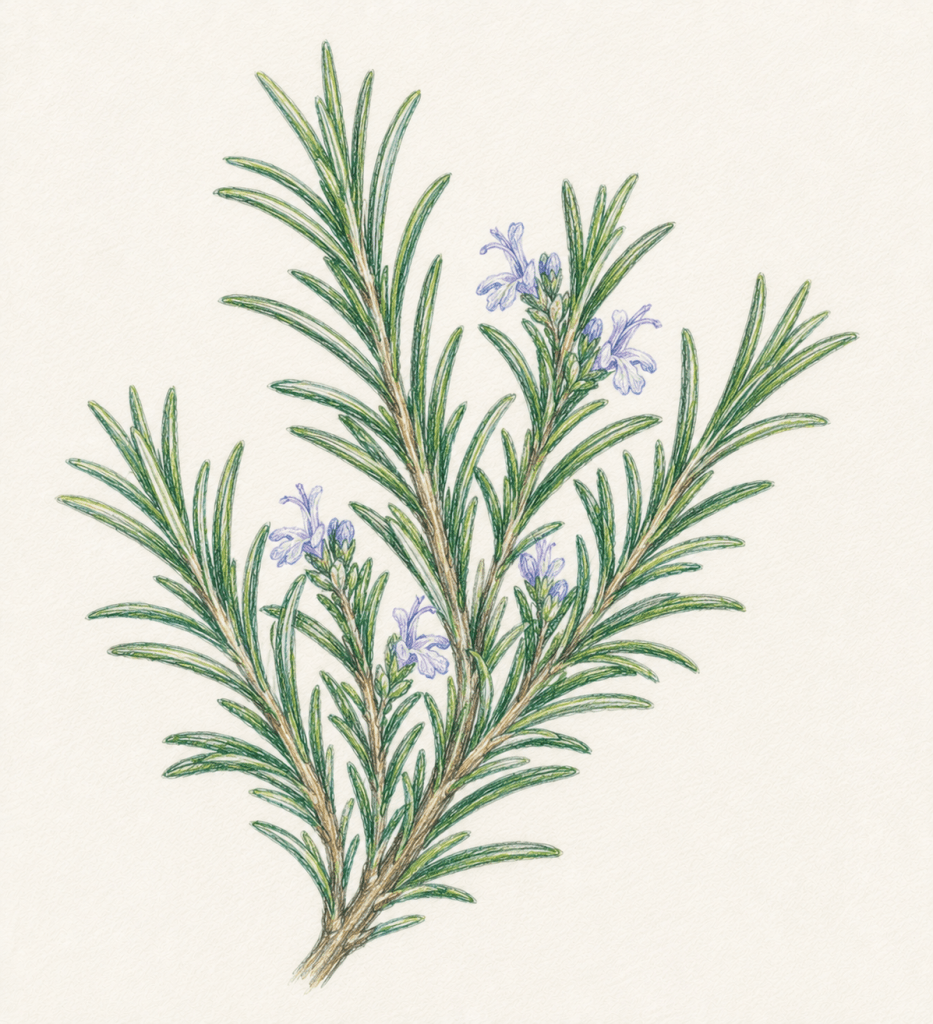
Rosemary feels almost architectural on a windowsill.
Its upright stems and evergreen needles bring structure and scent to the kitchen throughout the year, particularly in winter when its fragrance feels richest.
Yet rosemary can be surprisingly particular indoors. It craves as much light as possible and dislikes stagnant, overheated rooms. Allowing compost to dry slightly between watering helps prevent problems, while good airflow keeps plants healthy.
During the shortest days of winter, grow lights are often the secret to success.
Handled well, rosemary rewards you for years.
Coriander — Coriandrum sativum
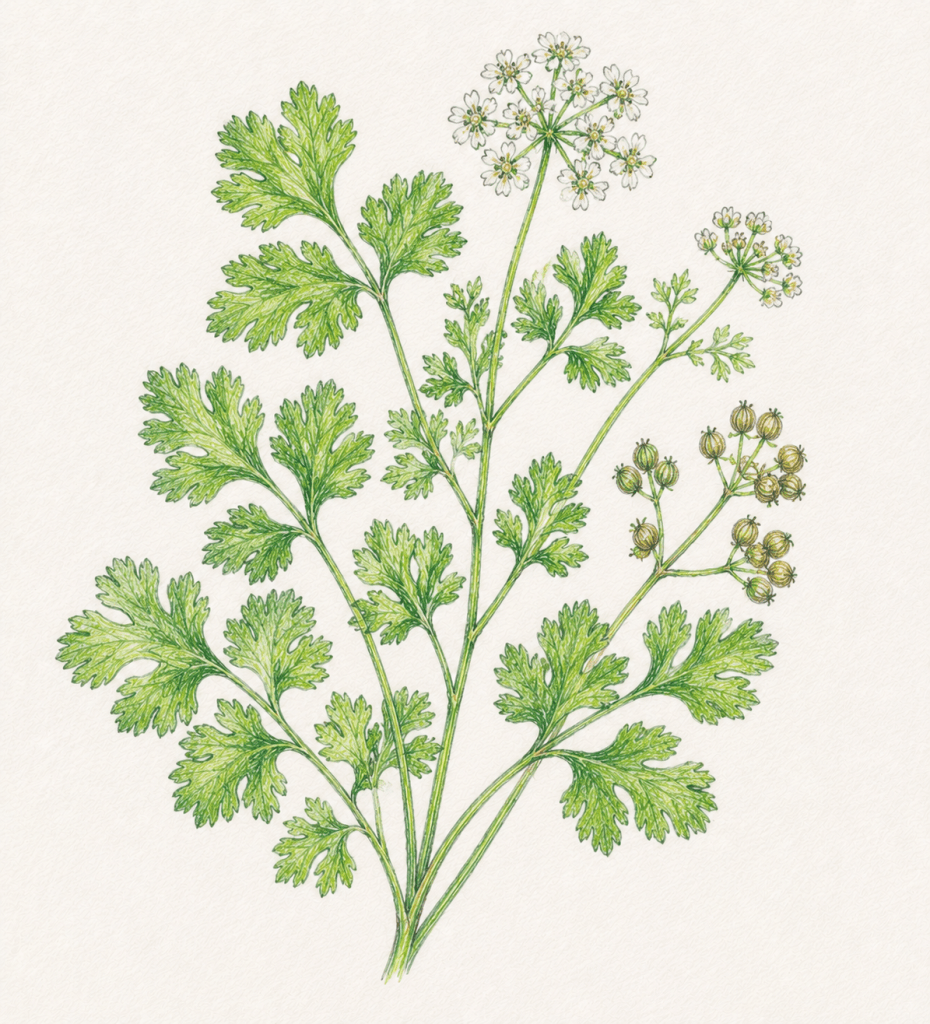
Coriander is fleeting but generous.
It grows quickly, fills the kitchen with freshness and transforms countless dishes with its bright leaves. But unlike rosemary or thyme, it rarely settles for long.
The secret is not permanence but succession.
Sowing fresh seed every few weeks keeps a steady supply growing throughout the year. Coriander dislikes excessive heat and dry compost, preferring cooler bright conditions and gentle, consistent watering.
Its delicate nature somehow adds to its charm.
Oregano — Origanum vulgare
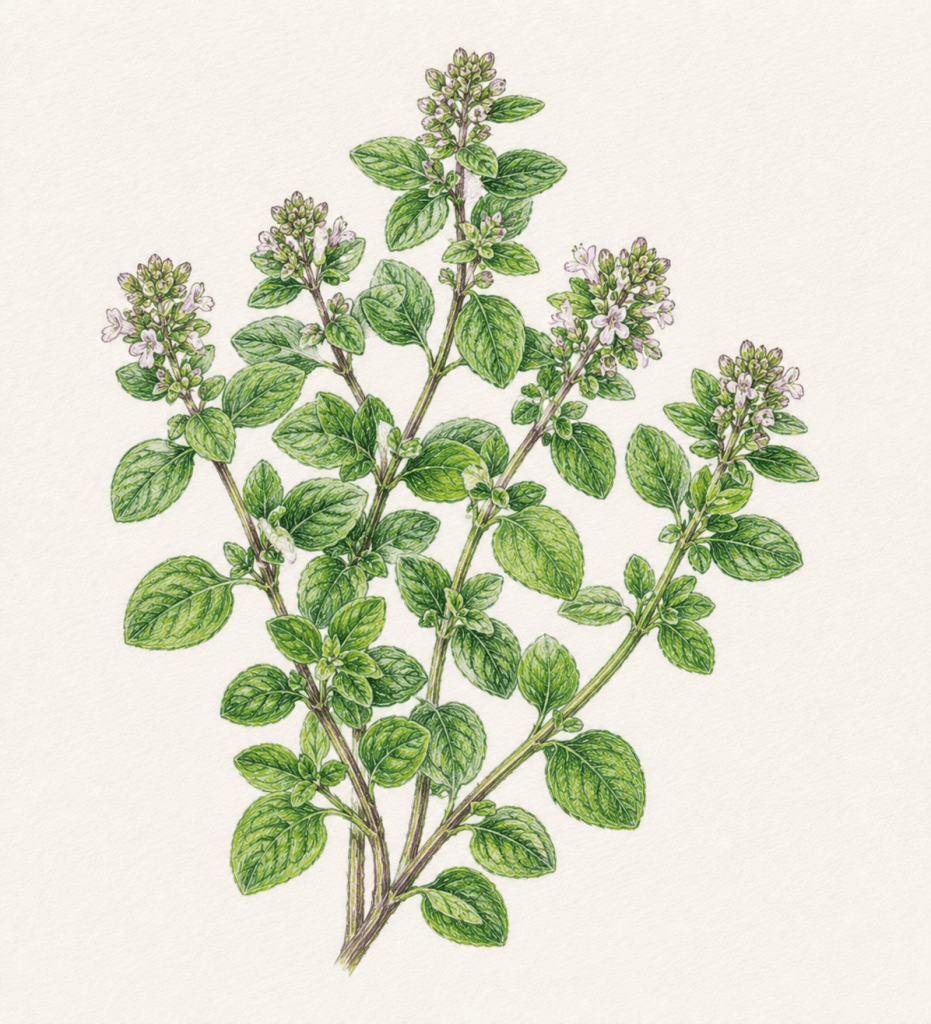
Oregano spills beautifully from pots and shelves, softening the edges of windowsills with trailing stems and warm herbal scent.
It is wonderfully easy-going indoors provided it receives good light and relatively dry conditions. Regular trimming encourages bushier growth and keeps plants productive.
In winter kitchens, oregano brings depth and warmth to roasted vegetables, slow-cooked dishes and comforting suppers.
And when brushed by sunlight, its scent fills the room beautifully.
Sage — Salvia officinalis
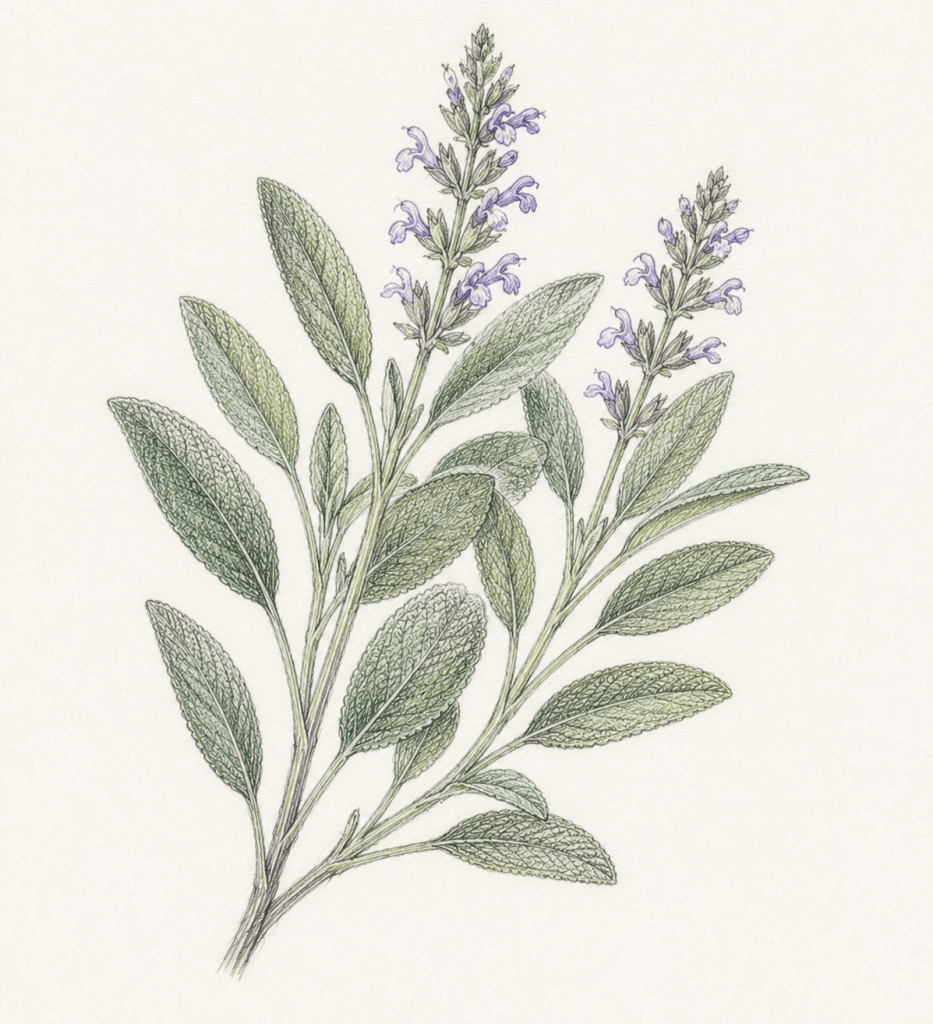
Sage feels older somehow. More rooted in tradition.
Its soft grey-green leaves and earthy fragrance bring a quiet richness to indoor herb growing, especially during autumn and winter.
Bright light and moderate watering suit sage best. It dislikes sitting in wet compost but copes surprisingly well with cooler windowsills if given enough sunshine.
Over time, plants develop woody stems and beautiful texture, becoming almost ornamental as well as useful.
Dill — Anethum graveolens
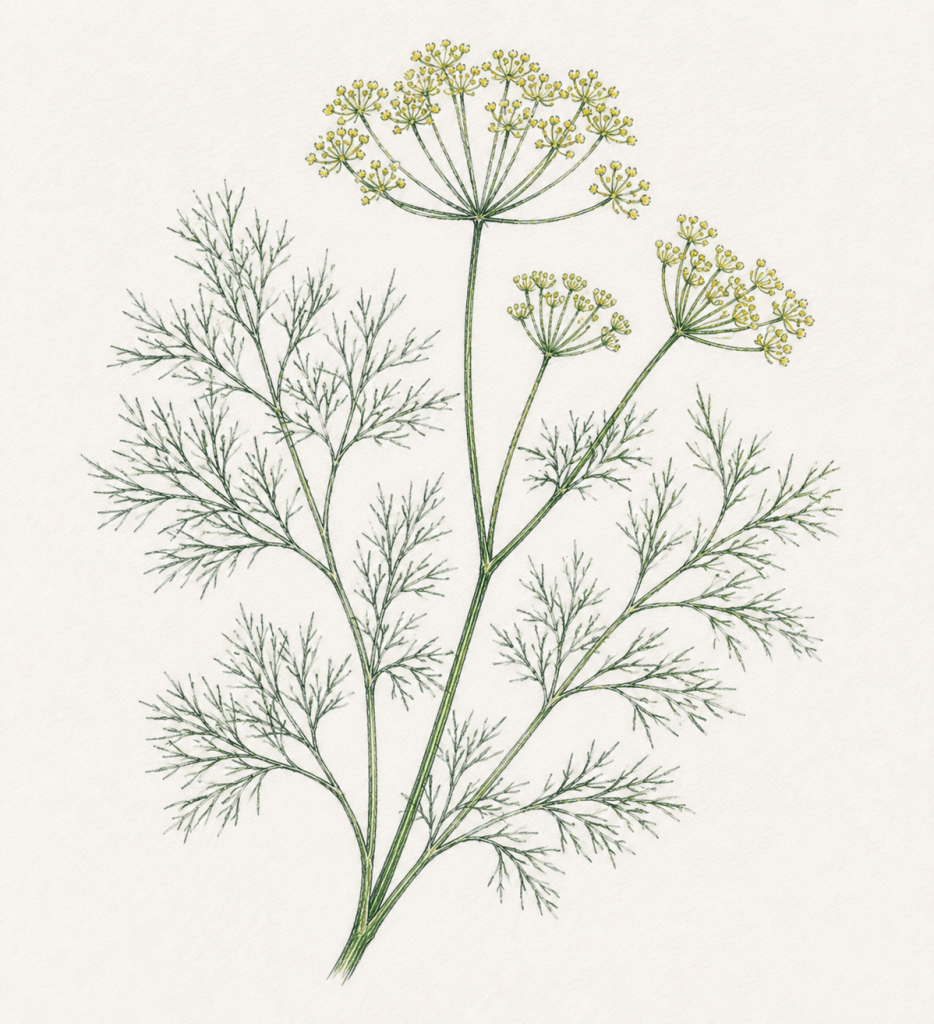
Feathery and delicate, dill brings softness to the indoor garden.
Its fine foliage catches the light beautifully beside the window, adding movement and airiness among sturdier herbs.
Dill grows quickly from seed and appreciates steady moisture and bright conditions. Because it dislikes root disturbance, it is often happiest when sown directly into its final pot.
Though short-lived, frequent sowing keeps fresh growth coming through much of the year.
Keeping Indoor Herbs Healthy Through Winter
Winter brings its own challenges indoors.
Most herbs do not struggle because of cold, but because of weak light. Shorter days and grey skies slow growth considerably, and plants that flourished in summer may suddenly become pale or stretched.
This is where positioning matters enormously.
South-facing windows remain ideal, though bright east-facing windows often work well too. Turning pots regularly prevents leaning growth, while avoiding direct radiator heat helps herbs remain healthier.
Using Grow Lights
Supplementary grow lights have transformed indoor herb growing in recent years.
Simple full-spectrum LED grow lights help herbs continue growing strongly even through the darkest months of the year. Basil, rosemary and coriander in particular benefit enormously from extra light during winter.
Position lights roughly 15–30cm above plants and use them for around 10–14 hours daily for best results.
Even modest lighting can keep herbs healthier, bushier and far more productive.
Watering Indoor Herbs Properly
Overwatering causes more problems than almost anything else indoors.
In winter especially, herbs need less moisture because growth slows naturally. Allowing the surface of compost to dry slightly before watering helps prevent root rot and fungal problems.
Mediterranean herbs such as thyme, rosemary and oregano prefer drier conditions overall, while basil and parsley enjoy more regular moisture.
Good drainage matters enormously too. Herbs should never sit in waterlogged pots.
A Kitchen That Feels Alive
Perhaps the greatest pleasure of growing herbs indoors is not simply the harvest itself.
It is the feeling they create.
Outside, branches may be bare and mornings slow to brighten. Rain may gather against the glass for days at a time. Yet indoors, parsley still unfurls fresh leaves. Chives continue stretching upwards. Rosemary releases scent beneath your fingertips.
These small acts of growing change the atmosphere of a home quietly but completely.
The kitchen feels softer. Meals feel fresher. Winter feels shorter somehow.
And over time, a windowsill herb garden becomes more than a practical way to grow food. It becomes part of the rhythm of everyday life — green, fragrant and gently connected to the changing seasons all year round.
Further Reading: Medicinal Garden Herbs, The Versatile Herb Borage, Guide to Growing Herbs at Home, Growing Herbs for Fish Recipes, Growing Herbs for Beef Recipes, Growing Herbs for Italian Cooking
Inspiration: Follow Us on Instagram, Threads, BlueSky, Twitter, TikTok and Pinterest.
Try our Herb Packs from our Sow It Grow It and Feast Range!