November Gardening: Preparing for Winter

As autumn’s vibrant display begins to fade, November ushers in a quieter, more reflective period in the garden. The air grows crisp, the days shorten and the first frosts often make their appearance. But this is no time for gardeners to retreat indoors entirely. November is a crucial month for preparing your garden for the cold winter ahead and laying the groundwork for a spectacular spring.

From protecting tender plants and supporting wildlife to planting for next year’s blooms, there are many important tasks to undertake. This guide will walk you through ten essential gardening jobs for November, offering detailed advice to help you nurture your garden through the dormant season and ensure it bursts back into life with renewed vigour come spring.

1. Support Your Garden Birds

As natural food sources dwindle, our garden birds rely more heavily on what we can provide. November is the perfect time to establish a feeding routine that will sustain them through the harsh winter months. Birds not only bring life and song to a winter garden but are also invaluable allies, helping to control pests like slugs, snails, and aphids.

What to Feed Them

A varied diet will attract a wider range of species. High-energy foods are particularly important as birds need to build up fat reserves to survive the cold nights.

  • Seeds and Nuts: A high-quality seed mix containing sunflower hearts, niger seeds, and chopped peanuts is a fantastic all-rounder. Sunflower hearts are beloved by finches and tits, while niger seeds are a particular favourite of goldfinches.
  • Fat Balls and Suet: Commercial fat balls, suet blocks, or homemade ‘bird cakes’ provide a vital source of energy. You can make your own by melting suet and mixing in seeds, nuts, and even dried mealworms.
  • Fresh Fruit: Apples, pears, and other soft fruits, either cut up or left whole, are a welcome treat for blackbirds, thrushes, and robins.
  • Water: Don’t forget to provide a source of fresh water for drinking and bathing. A shallow dish or bird bath will suffice. Be sure to check it daily and break the ice on frosty mornings.

Setting Up Your Feeding Station

Place feeders in a relatively open area, away from dense shrubs where cats might hide, but close enough to cover so that smaller birds feel safe. Using multiple feeders can reduce competition and allow different species to feed peacefully. Regularly clean your feeders with a mild disinfectant to prevent the spread of disease.

upthegardencompany.co.uk
FOR SALE
Homes for Birds - Estate Agent Sign.
Image of our recycled bird homes available in our garden shop.

2. Sow Sweet Peas for an Early Start

For many gardeners, the sweet pea (Lathyrus odoratus) is the quintessential scent of summer. Native to Sicily, Italy, and the Aegean Islands, these fragrant climbers were first sent to England in 1699 by a Sicilian monk, Francisco Cupani. By sowing them in November, you give them a head start, encouraging strong root development over winter for earlier, more abundant flowers next year.

How to Sow Sweet Peas

  • Choose Your Varieties: Select hardy, autumn-sowing varieties for the best results. ‘Spencer’ types are renowned for their large, ruffled blooms and long stems, perfect for cutting.
  • Use Deep Pots: Sweet peas have long root systems, so sow them in deep pots, root trainers, or even cardboard toilet roll tubes. This allows their roots to grow downwards without restriction.
  • Sowing Technique: Fill your chosen containers with a good-quality, peat-free seed compost. Sow one or two seeds per pot, about 1cm deep. Water them gently and label your varieties clearly.
  • Germination and Care: Place the pots in a cold frame, an unheated greenhouse, or a sheltered spot outdoors. They do not require heat to germinate. Once the seedlings appear, ensure they have plenty of light and good ventilation to prevent them from becoming leggy. Protect them from mice, who find the seeds a tasty winter snack. As soon as they germinate, move them to a frost-free place to grow on.

3. Insulate Outdoor Containers from Frost

Plants in containers are far more vulnerable to frost than those in the ground. The soil in pots freezes much more quickly, which can damage or kill the plant’s roots. Taking steps to insulate your pots is a vital November task, particularly for evergreens, borderline hardy perennials, and prized specimen plants.

Methods for Insulation

  • Bubble Wrap: A simple and effective method is to wrap the outside of the pot with one or two layers of bubble wrap. Secure it with string or tape. To prevent the pot from looking unsightly, you can cover the bubble wrap with a layer of hessian (burlap).
  • Grouping Pots: Huddle your pots together in a sheltered spot, such as against a house wall. This creates a microclimate where the pots protect each other from the coldest winds and share warmth.
  • Lagging: For very large or permanent containers, you can create a more robust ‘jacket’. Build a simple wire-mesh cylinder around the pot, leaving a gap of a few inches, and fill this gap with insulating material like straw, bracken, or even fallen leaves.
  • Raising Pots: Ensure your pots are not sitting directly on the cold, wet ground. More on this in task eight.

4. Protect Brassicas from Pigeons

The brassica family—which includes cabbages, Brussels sprouts, kale, and broccoli—is a staple of the winter vegetable patch. Unfortunately, these crops are also a favourite winter food for pigeons. A flock of hungry pigeons can strip a bed of brassicas bare in a single afternoon, so protection is essential.

Creating a Barrier

The most effective way to protect your crops is with physical netting.

  • Build a Frame: Create a framework over your brassica bed using bamboo canes, wooden stakes, or flexible piping. The frame needs to be tall enough to prevent the netting from touching the plants, as pigeons will simply peck through it.
  • Secure the Netting: Drape bird-proof netting over the frame, ensuring it reaches the ground on all sides. Secure the edges firmly with pegs, bricks, or by burying them in the soil. Pigeons are surprisingly clever and will find any small gaps. Check regularly to ensure the netting remains secure, especially after strong winds.

5. Plant Winter Bedding

While much of the garden is heading into dormancy, you can still inject colour with winter and spring-flowering bedding plants. Planting them in November allows them to establish their roots before the harshest weather arrives, setting them up for a fantastic display.

Choosing Your Plants

  • Pansies and Violas: These are the undisputed champions of winter colour. They are incredibly hardy and will flower intermittently through mild spells in winter before putting on a spectacular show in spring.
  • Primroses and Polyanthus: Offering a rainbow of bright colours, these plants are perfect for the front of borders or in containers.
  • Bellis Perennis (Daisies): These charming, pom-pom-like flowers are tough and reliable, adding a cheerful touch to any winter scheme.
  • Wallflowers (Erysimum): Plant bare-root wallflowers now for a fragrant and colourful display in late spring. They pair beautifully with tulips.

Plant them in well-drained soil or good-quality compost in a sunny spot. Water them in well after planting, but avoid overwatering during the damp winter months.

6. Prune Roses to Prevent Wind-Rock

Roses, beloved since ancient times and cultivated by the Greeks and Romans, require some attention in autumn. A light prune in November helps to protect them from winter gales. Tall, unpruned roses can be caught by strong winds, causing them to rock back and forth. This ‘wind-rock’ creates a gap around the base of the stem, which can fill with water, freeze, and damage the roots. It can also loosen the rootball, destabilising the plant.

How to Prune

This is not the main structural prune, which is done in late winter or early spring. The goal here is simply to reduce the plant’s height and bulk.

  • Reduce Height: Cut back all stems by about one-third.
  • Remove Damaged Growth: Snip out any dead, diseased, or crossing branches to improve air circulation.
  • Make Clean Cuts: Use sharp, clean secateurs and make your cuts at a slight angle, just above an outward-facing bud. This directs new growth away from the centre of the plant.
  • Clear Debris: After pruning, collect all fallen leaves and prunings from around the base of the plant. This helps to prevent the spread of fungal diseases like black spot, which can overwinter in the soil.

7. Plant Tulips for a Dazzling Spring

November is the prime time for planting tulips. Unlike daffodils and other spring bulbs that are best planted in early autumn, planting tulips later helps to reduce the risk of a fungal disease called ‘tulip fire’ (Botrytis tulipae), which thrives in warmer, wetter soil.

The tulip has a fascinating history, originating in Central Asia and famously causing a speculative frenzy known as ‘Tulip Mania’ in 17th-century Holland. Today, they remain one of the most popular and dramatic spring flowers.

Planting Guide

  • Depth is Key: Plant tulip bulbs deep—at least three times their own height. This helps to anchor them, encourages them to perennialize, and protects them from frost and pests.
  • Choose a Sunny Spot: Tulips perform best in a sunny location with well-drained soil. If you have heavy clay, add grit to the planting hole to improve drainage.
  • Plant in Drifts: For a naturalistic look in borders, plant tulips in groups or ‘drifts’ of at least 7-9 bulbs rather than in straight lines. In containers, you can pack them in more tightly for a dense, impactful display.
  • Pointy End Up: Place the bulbs in the hole with the pointed end facing upwards. Backfill with soil and firm it down gently.

8. Raise Containers Onto Pot Feet

Just as it’s important to protect the tops of your pots from frost, it’s equally vital to protect the bottoms from waterlogging. During the wet winter months, pots standing directly on the ground can become saturated as their drainage holes get blocked. This can lead to root rot, a common cause of plant death in winter.

The solution is simple: raise your containers onto pot feet. This small gap allows excess water to drain away freely and improves air circulation around the base of the pot. You can buy purpose-made terracotta or glazed pot feet, or simply use bricks, flat stones or even plastic bottle caps.

9. Clear Up Fallen Leaves

An autumn garden is defined by its fallen leaves, but letting them accumulate in the wrong places can cause problems.

  • Ponds: Leaves that fall into a pond will sink and decompose, releasing toxic gases that can harm fish and other aquatic life. Use a net to skim them off the surface regularly. If you have a lot of deciduous trees nearby, consider stretching a fine-meshed net over the pond for the peak leaf-fall period.
  • Lawns: A thick blanket of leaves on a lawn will block light and air, suffocating the grass beneath and encouraging diseases. Rake them off the lawn promptly.
  • Beds and Borders: While a light layer of leaves can act as a natural mulch, a thick, wet mat can smother smaller alpine or evergreen plants. Gently remove leaves from the crowns of these plants.
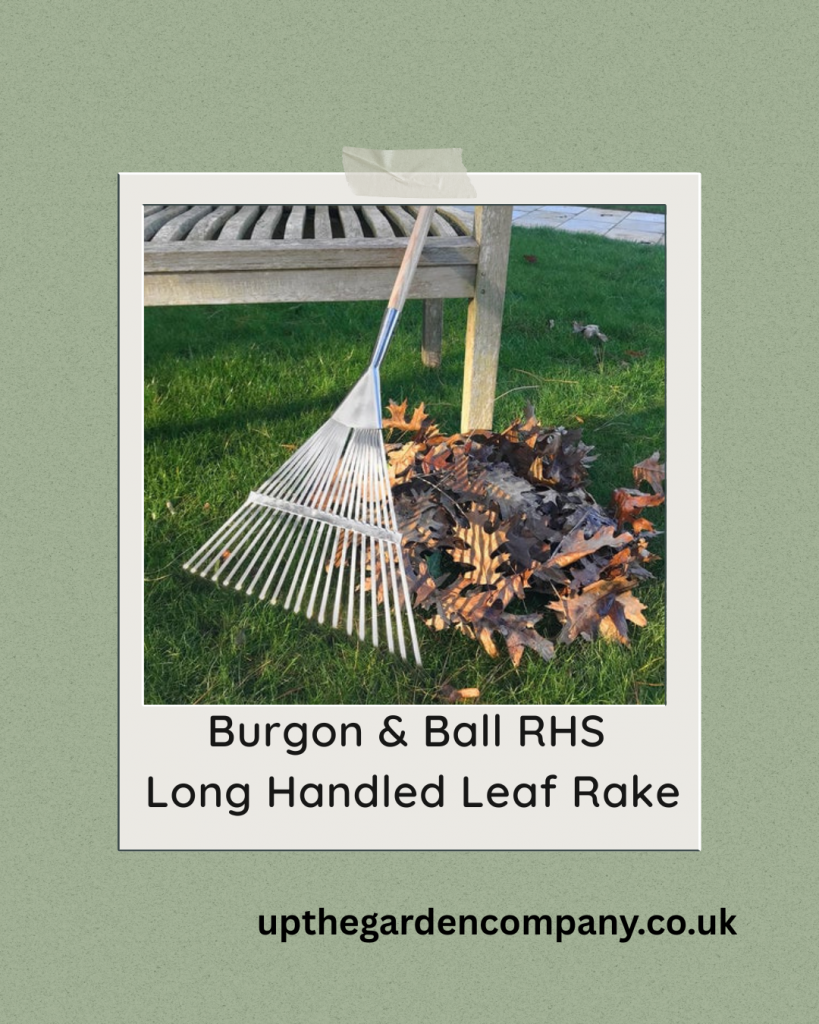
Burgon and Ball RHS Lond Handled Leaf Rake

10. Make Leaf Mould

Don’t let all those collected leaves go to waste! Raking them up provides you with the perfect ingredient for making leaf mould—a superb, free soil conditioner. Unlike compost, which is made from a green/brown mix and breaks down via bacterial action, leaf mould is created through a slow, cool fungal process.

How to Make It

  • Collect Your Leaves: Gather all the leaves you’ve raked from lawns and cleared from ponds and beds. Oak, beech, and hornbeam leaves break down quickly and make the best-quality mould. Thicker leaves like sycamore or horse chestnut will take longer.
  • Create a Cage: The easiest way to store your leaves is in a simple cage made from chicken wire and four wooden posts. This allows for good air circulation.
  • Fill and Wait: Pile the leaves into the cage. If they are very dry, give them a light watering to help the decomposition process begin. And then, you wait. After about a year, you’ll have a partially decomposed mould perfect for mulching. After two years, you’ll have a fine, dark, crumbly material that is an excellent potting mix ingredient or seed-sowing compost.

Ready Your Garden for Spring

By dedicating some time to these November tasks, you are not just tidying up for winter; you are actively investing in the health and beauty of your garden for the year to come. Supporting wildlife, protecting vulnerable plants, and planting for the future are all part of the gentle rhythm of the gardening year. So, pull on your boots and a warm coat, and embrace the quiet satisfaction of preparing your patch of earth for its long winter sleep.

Further Reading: Mast Years: Why They Happen and Their Impact

Inspiration: Follow Us on InstagramThreads, BlueSkyTwitterTikTok and Pinterest.

National Tree Week: Celebrating Our Arboreal Heritage

Each year, as autumn leaves carpet our pavements and bare branches reach skyward, Britain comes together to celebrate one of nature’s most magnificent creations. National Tree Week, running from 22nd to 30th November, transforms these shorter days into a time of profound appreciation for the trees that shape our landscapes, purify our air, and connect us to centuries of natural heritage.

This annual celebration serves as both a reminder of our deep-rooted connection to trees and a call to action for their protection and propagation. From ancient oaks that witnessed Norman conquests to saplings planted by today’s schoolchildren, National Tree Week honours the complete spectrum of our arboreal companions.

The Genesis of National Tree Week

The Tree Council, established in 1974, birthed this remarkable celebration in 1975. Born from a growing environmental consciousness that swept through Britain during the 1970s, National Tree Week emerged as the organisation’s flagship initiative to reconnect the public with trees and woodlands.

The Tree Council itself represents a fascinating collaboration between government departments, local authorities, and voluntary organisations. This unique partnership recognised that trees transcend traditional boundaries—they belong not to any single organisation or department, but to communities, wildlife and future generations alike.

What began as a modest campaign has flourished into Britain’s largest annual tree celebration, inspiring millions to plant, protect, and appreciate trees across the nation. The timing, carefully chosen for late November, coincides with the optimal tree-planting season when deciduous trees enter dormancy, making transplantation less stressful for these living monuments.

The Noble Purpose Behind the Celebration

National Tree Week serves multiple interconnected purposes that address both environmental and social needs. At its heart lies the mission to increase tree cover across Britain, particularly in areas where urbanisation has diminished natural canopy coverage.

The celebration champions community engagement through tree planting ceremonies, educational workshops, and guided woodland walks. Schools across the country embrace this opportunity to teach children about environmental stewardship, often establishing memorial groves or playground orchards that will outlive entire generations of pupils.

Environmental restoration forms another cornerstone of the week’s objectives. Each tree planted during this period contributes to carbon sequestration, biodiversity enhancement, and air quality improvement. These seemingly modest individual actions collectively generate substantial environmental benefits that ripple through ecosystems for decades.

The initiative also seeks to preserve Britain’s arboreal heritage by raising awareness about veteran trees—those ancient giants that have weathered centuries of change. These living libraries hold ecological and historical significance that extends far beyond their impressive stature.

Your Role in National Tree Week

Participating in National Tree Week offers numerous meaningful ways to contribute to Britain’s green future. The most obvious action involves planting trees, whether in your garden, local community spaces, or through organised planting events. The Tree Council provides extensive guidance on selecting appropriate native species and proper planting techniques.

Local councils and conservation groups typically organise community planting sessions throughout the week. These gatherings create opportunities to meet fellow nature enthusiasts while contributing to local environmental improvements. Many events welcome families, making tree planting an educational activity that children remember for years.

For those without space to plant, tree sponsorship programmes allow participation in reforestation projects across Britain. These schemes often include certificates and updates about your sponsored tree’s growth, creating lasting connections to conservation efforts.

Educational activities offer another avenue for involvement. Many botanical gardens, arboretums, and nature reserves host special exhibitions during National Tree Week. These events showcase native tree species, demonstrate traditional woodland crafts, and explain trees’ roles in British history and folklore.

Consider adopting a local tree that requires care—perhaps an elderly specimen in your neighbourhood that would benefit from mulching, watering during dry spells, or simply regular observation for signs of disease or damage.

The Vital Importance of Trees

Trees represent far more than scenic backdrop elements in our landscapes. They function as complex living systems that provide essential services supporting human life and environmental health.

Environmental Champions

Each mature tree processes approximately 48 pounds of carbon dioxide annually, converting this greenhouse gas into life-sustaining oxygen through photosynthesis. A single large oak can produce enough oxygen for two people daily, making urban trees literal lifelines in our increasingly polluted cities.

Trees serve as natural air purification systems, filtering harmful pollutants including nitrogen dioxide, ammonia, and particulate matter from the atmosphere. Their leaves trap dust and smoke particles, delivering cleaner air to surrounding communities.

Water management represents another crucial tree service often overlooked until flooding occurs. Tree roots prevent soil erosion while their canopies intercept rainfall, reducing surface water runoff by up to 27%. This natural flood defense becomes increasingly valuable as climate change intensifies weather patterns.

Wildlife Sanctuaries

Britain’s trees support intricate webs of wildlife that depend entirely on these wooden skyscrapers for survival. A single mature oak hosts over 280 insect species, which in turn feed countless birds, bats and other creatures throughout the food chain.

Native tree species have evolved alongside British wildlife for millennia, creating perfectly balanced relationships. The timing of leaf emergence coincides with insect hatching cycles, ensuring food availability when birds need protein-rich diets for their chicks.

Veteran trees, those ancient specimens over 100 years old, provide irreplaceable habitat features. Their hollow trunks shelter bats, owls and numerous invertebrates, while their massive canopies support epiphytic plants and lichens found nowhere else.

Historical and Cultural Significance

Trees weave through British history like roots through soil, appearing in ancient folklore, marking historic boundaries, and witnessing pivotal moments in our past. The Major Oak in Sherwood Forest, estimated at 800-1000 years old, connects us directly to Robin Hood legends and medieval England.

Churches across Britain shelter beneath ancient yews, some predating the Norman Conquest. These remarkable specimens, potentially several thousand years old, served as gathering places for pre-Christian communities and continue blessing congregations today.

Tree-lined avenues, memorial groves and ceremonial plantings mark significant events and commemorate important figures. Each planted tree becomes a living monument that grows more meaningful with time, unlike static stone memorials.

Cultivating Our Green Future

National Tree Week reminds us that environmental stewardship requires both individual action and collective commitment. Each tree planted during this celebration represents hope for future generations who will benefit from today’s foresight.

The challenges facing our trees—from climate change and development pressure to diseases and pollution—demand urgent attention. Yet this annual celebration demonstrates that solutions emerge when communities unite around shared environmental values.

As you witness the bare branches of November reaching toward winter skies, remember that dormancy precedes renewal. The trees we plant and protect during National Tree Week will burst into life each spring, providing decades of environmental services and natural beauty.

Consider making this National Tree Week the beginning of a deeper relationship with trees. Whether through planting, protecting, or simply pausing to appreciate these magnificent organisms, your actions contribute to a greener, healthier Britain that future generations will inherit and cherish.

Further Reading: Mast Years: Why They Happen and Their Impact

Inspiration: Follow Us on Instagram, Threads, BlueSky, Twitter, TikTok and Pinterest.
Winter Daphne: The Fragrant Jewel

Winter gardens often lack the vibrant colours and intoxicating fragrances that define warmer months. However, one exceptional shrub defies this seasonal limitation with remarkable effectiveness. Daphne odora, commonly known as Winter Daphne, transforms dormant garden spaces into aromatic sanctuaries during the coldest months of the year.

Plant Description and Characteristics

Daphne odora belongs to the Thymelaeaceae family and originates from China and Japan. This evergreen shrub typically reaches heights of 1.2 to 1.5 metres, with a similar spread creating a naturally rounded form. The plant exhibits dense branching patterns that support glossy, leathery leaves measuring approximately 5 to 8 centimetres in length.

Winter Daphne: The Fragrant Jewel

The leaves display a distinctive dark green colouration with smooth margins and prominent parallel veining. Some cultivars feature attractive variegated foliage, with cream or golden edges that provide year-round visual interest. The plant’s compact growth habit makes it suitable for small gardens, borders, and container cultivation.

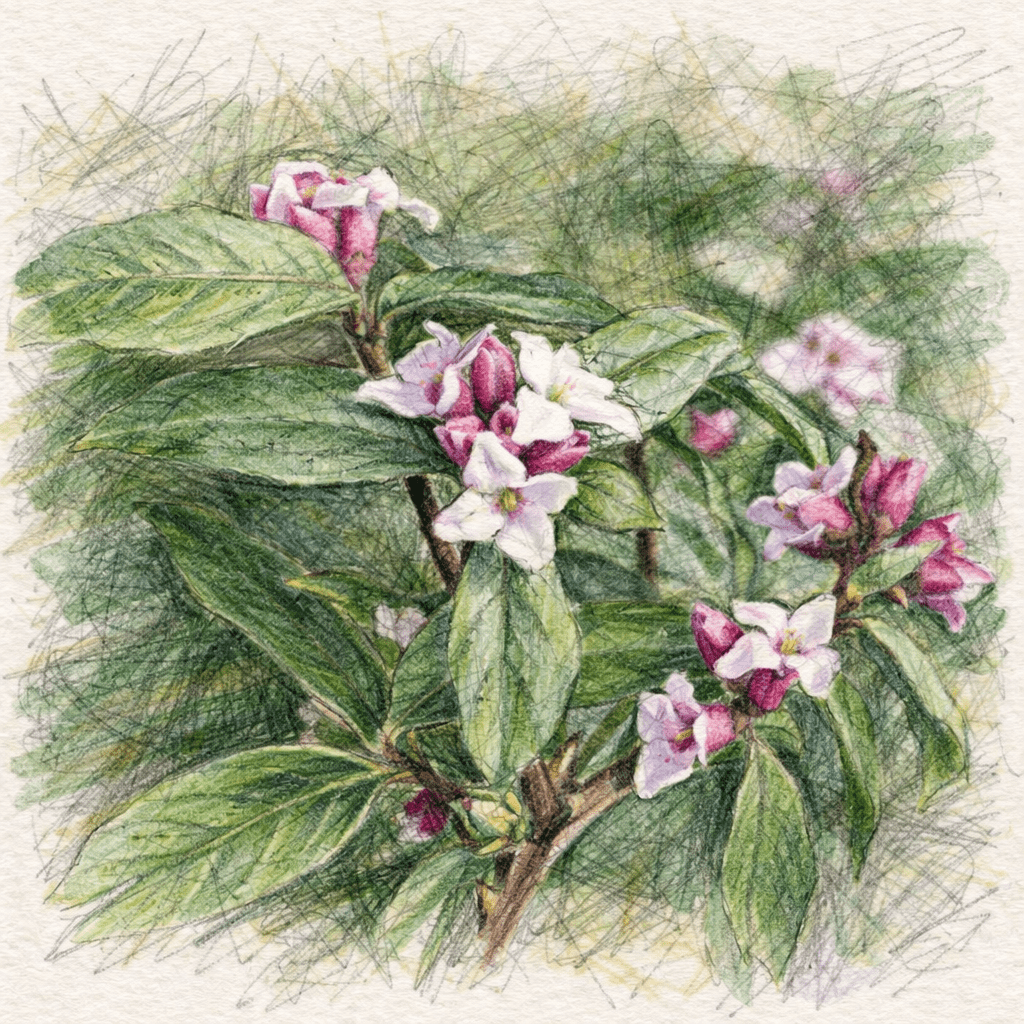
Winter Daphne produces clusters of small, tubular flowers that measure approximately 1 centimetre in diameter. These blooms appear in terminal clusters containing 10 to 20 individual flowers. The flowers lack petals but feature four petal-like sepals that create the appearance of traditional petals.

Seasonal Interest and Flowering Patterns

The primary appeal of Daphne odora lies in its exceptional flowering period, which typically occurs from February to April. This timing coincides with late winter and early spring, when few other plants provide significant ornamental value.

The flowers emerge as small pink buds that gradually open to reveal white or pale pink blooms with deeper pink exteriors. Popular cultivars include ‘Aureomarginata’, which features variegated foliage, and ‘Alba’, which produces pure white flowers.

The most remarkable characteristic of Winter Daphne is its intensely fragrant blooms. The perfume carries considerable distances and can scent entire garden areas with sweet, spicy notes reminiscent of cloves and vanilla. This fragrance proves particularly valuable during winter months when outdoor spaces typically lack aromatic appeal.

Following the flowering period, the plant may produce small, bright red berries approximately 1 centimetre in diameter. However, fruit production often proves inconsistent in British growing conditions.

Benefits of Growing Winter Daphne

Winter Daphne offers multiple advantages for garden cultivation. The plant provides exceptional winter interest when most other specimens remain dormant or visually unappealing. Its evergreen nature ensures year-round structure and foliage colour in garden borders and containers.

The extraordinary fragrance represents perhaps the greatest benefit of Daphne odora cultivation. The perfume intensity allows single plants to scent considerable garden areas, creating sensory experiences that enhance outdoor spaces during typically barren winter months.

From a wildlife perspective, Winter Daphne flowers provide nectar sources for early pollinators, including bees and beneficial insects that emerge during mild winter periods. This early food source proves valuable for supporting pollinator populations before spring flowers become widely available.

The plant’s compact size makes it suitable for small gardens, urban spaces, and container cultivation. Its slow growth rate reduces maintenance requirements whilst providing consistent ornamental value over extended periods.

Disadvantages and Growing Challenges

Despite its ornamental appeal, Daphne odora presents several cultivation challenges that potential growers must consider. The plant exhibits particular sensitivity to root disturbance, making transplantation difficult once established. This characteristic requires careful initial positioning and long-term planning.

All parts of Winter Daphne contain toxic compounds called daphnanes, which prove poisonous to humans and animals if ingested. The attractive berries pose particular risks to children and pets, requiring careful consideration in family gardens.

The plant demonstrates sensitivity to waterlogged soil conditions, which can lead to root rot and plant death. This requirement necessitates excellent drainage and careful watering management, particularly during wet winter periods.

Winter Daphne can prove challenging to propagate, with cutting success rates often disappointing for amateur gardeners. The plant’s slow growth rate means that establishing sizeable specimens requires considerable patience.

Some individuals may experience skin irritation from handling the plant, particularly the sap. This sensitivity requires protective equipment during pruning and maintenance activities.

Historical Background and Origins

Daphne odora has been cultivated in Chinese and Japanese gardens for over 1,000 years, where it earned recognition as a prized ornamental plant. Chinese horticultural texts from the Song Dynasty (960-1279 CE) reference the cultivation of fragrant daphnes for imperial garden displays.

The plant arrived in European gardens during the 18th century through botanical expeditions to East Asia. The Royal Botanic Gardens, Kew, received its first specimens in the 1770s, beginning the plant’s establishment in British horticulture.

Victorian gardeners particularly valued Winter Daphne for forcing in greenhouses, where the concentrated fragrance could be appreciated during harsh winter weather. The plant became associated with luxury and refinement in 19th-century garden design.

Cultural Folklore and Symbolism

In Chinese culture, Daphne odora holds significant symbolic meaning related to good fortune and prosperity. Traditional beliefs associate the plant’s winter flowering with resilience and hope during difficult periods. Chinese New Year celebrations often feature daphne branches as decorative elements symbolising renewal and positive change.

Japanese folklore connects Winter Daphne with spiritual purification and meditation practices. Temple gardens frequently incorporate the plant near meditation areas, where its fragrance enhances contemplative experiences. The timing of its flowering coincides with early spring festivals celebrating renewal and rebirth.

European folklore adopted similar associations, with Winter Daphne representing hope and perseverance through adversity. Victorian flower language attributed meanings of perseverance and desire to the plant, making it popular for romantic garden displays.

Why Winter Daphne Deserves a Place in Your Garden

Winter Daphne represents an exceptional addition to British gardens seeking year-round interest and sensory appeal. Its unique flowering period fills a crucial gap in seasonal garden displays, providing colour and fragrance when outdoor spaces typically offer limited ornamental value.

The plant’s compact size and slow growth rate make it suitable for modern garden constraints whilst requiring minimal maintenance once established. Its evergreen foliage ensures continuous structure and visual interest throughout the year.

For gardeners prioritising sustainable practices, Winter Daphne offers long-term value with minimal resource requirements. Its drought tolerance once established reduces watering needs, whilst its wildlife benefits support local ecosystem health.

The extraordinary fragrance alone justifies cultivation consideration. Few plants provide such intense and pleasant aromas during winter months, creating outdoor experiences that encourage garden appreciation throughout the year.

Consider positioning Winter Daphne near frequently used pathways, seating areas, or windows where its fragrance can be fully appreciated. With proper care and positioning, this remarkable shrub will provide decades of winter beauty and sensory pleasure.

Further Reading: Snowdrops the symbol of Hope and Resilience, The Enchanting World of the Winter Aconite, All About Clematis ‘Jingle Bells’, All About Ilex aquifolium: The Common Holly, Camellia japonica: The Winter-Blooming Garden Essential

Follow Us on Instagram for Daily Gardening Inspiration 💚

All About Clematis ‘Jingle Bells’

The Clematis cirrhosa ‘Jingle Bells’ is a popular winter-flowering climber, valued for its ability to provide colour and interest during the coldest months of the year. This guide provides a detailed overview of the plant, including its characteristics, seasonal appeal, and considerations for gardeners.

What is Clematis cirrhosa ‘Jingle Bells’?

Clematis ‘Jingle Bells’ is an evergreen climber belonging to the Ranunculaceae family. It is a cultivar of Clematis cirrhosa, a species native to the Mediterranean region. This particular variety is known for its profuse and fragrant bell-shaped flowers that appear in winter.

Clematis Cirrhosa Jingle Bells
Clematis cirrhosa ‘Jingle Bells

The plant features glossy, dark green, trifoliate leaves that provide a lush backdrop for its winter blooms. The foliage can sometimes take on a bronze tint in colder weather, adding another layer of visual interest. It is a vigorous climber, capable of reaching heights of up to 4 metres (approximately 13 feet) and a spread of 1.5 metres (5 feet).

Seasonal Interest

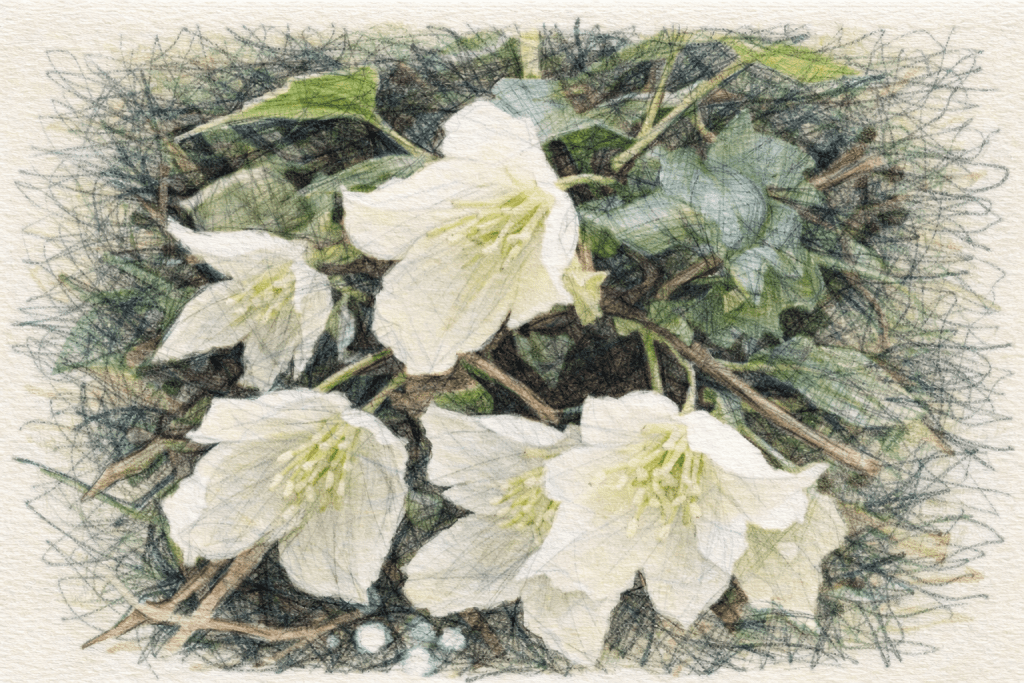
The primary appeal of ‘Jingle Bells’ is its winter flowering period. From December to February, the plant produces an abundance of creamy-white, nodding, bell-shaped flowers. Each flower is approximately 4-6 cm in diameter and has a subtle, citrus-like fragrance, which is more noticeable on mild winter days.

Following the flowering period, the plant develops attractive, silky seed heads, often described as looking like ‘old man’s beard’. These fluffy, silver-white structures persist on the vine well into the spring and summer, extending the plant’s ornamental value beyond its flowering season. During the summer, it is not uncommon for the plant to enter a dormant phase, where it may shed some of its leaves, particularly in hotter, drier climates. This is a natural survival mechanism, and the foliage typically returns as temperatures cool in the autumn.

Benefits for the Garden

There are several advantages to including Clematis cirrhosa ‘Jingle Bells’ in a garden design.

  • Winter Interest: Its ability to bloom prolifically in winter makes it an invaluable addition to gardens that can otherwise look bare. The cheerful, white flowers stand out against the sparse winter landscape.
  • Evergreen Foliage: The plant’s evergreen nature ensures year-round structure and coverage, making it ideal for screening unsightly features like fences or sheds.
  • Wildlife Support: The early flowers provide a much-needed source of nectar for pollinators, such as brave winter bees, that may be active during milder winter spells. The dense foliage also offers shelter for birds and insects.
  • Low Maintenance: Once established, ‘Jingle Bells’ is relatively low-maintenance. It does not require the complex pruning regimes associated with other clematis groups.

Disadvantages and Considerations

While ‘Jingle Bells’ is a rewarding plant, there are some factors to consider.

  • Vigorous Growth: Its vigorous nature means it can quickly outgrow a small space. It requires a sturdy support structure, such as a large trellis, wall, or pergola, to climb. Regular monitoring is needed to prevent it from overwhelming neighbouring plants.
  • Summer Dormancy: The potential for leaf drop during summer can be a drawback for gardeners seeking consistent, lush foliage throughout the year. Planting it amongst other climbers or shrubs can help mask any temporary sparseness.
  • Pruning Group 1: As it flowers on the previous year’s growth, it falls into Pruning Group 1. This means it requires minimal pruning. Any necessary trimming to control its size or remove dead stems should be done immediately after flowering in late winter or early spring. Pruning at other times of the year will remove the wood that carries the next winter’s flowers.

History and Origin

Clematis cirrhosa, the parent species of ‘Jingle Bells’, has been cultivated for centuries. Native to Southern Europe, North Africa, and the Balearic Islands, it was first described by Carl Linnaeus in 1753. The species name cirrhosa comes from the Latin ‘cirrus’, meaning a tendril, referring to the plant’s clasping leaf stalks that help it climb.

The specific cultivar ‘Jingle Bells’ was introduced to horticulture more recently. It was bred to enhance the desirable traits of the species, specifically for a more prolific flowering display and cleaner white petals. It is a sterile cultivar, which means it does not produce viable seeds, although it does form the ornamental seed heads. This sterility contributes to its extended and abundant flowering period, as the plant directs its energy into producing blooms rather than seeds.

There is no significant folklore specifically associated with the ‘Jingle Bells’ cultivar. However, in the broader Victorian ‘Language of Flowers’, Clematis symbolised mental beauty and ingenuity, likely due to its clever climbing habit.

A Winter Jewel for Your Garden

Clematis cirrhosa ‘Jingle Bells’ is an exceptional plant for any gardener looking to bring life and elegance to the winter garden. Its combination of fragrant, bell-shaped flowers, evergreen foliage and interesting seed heads provides a multi-seasonal display with minimal effort. While its vigorous growth requires consideration, its ability to transform a dormant garden into a vibrant space makes it a highly recommended choice. By providing it with a suitable location and a strong support, you can enjoy its cheerful winter performance for years to come.

Further Reading: Snowdrops the symbol of Hope and Resilience, The Enchanting World of the Winter Aconite

Follow Us on Instagram for Daily Gardening Inspiration 💚

All About Ilex aquifolium: Holly

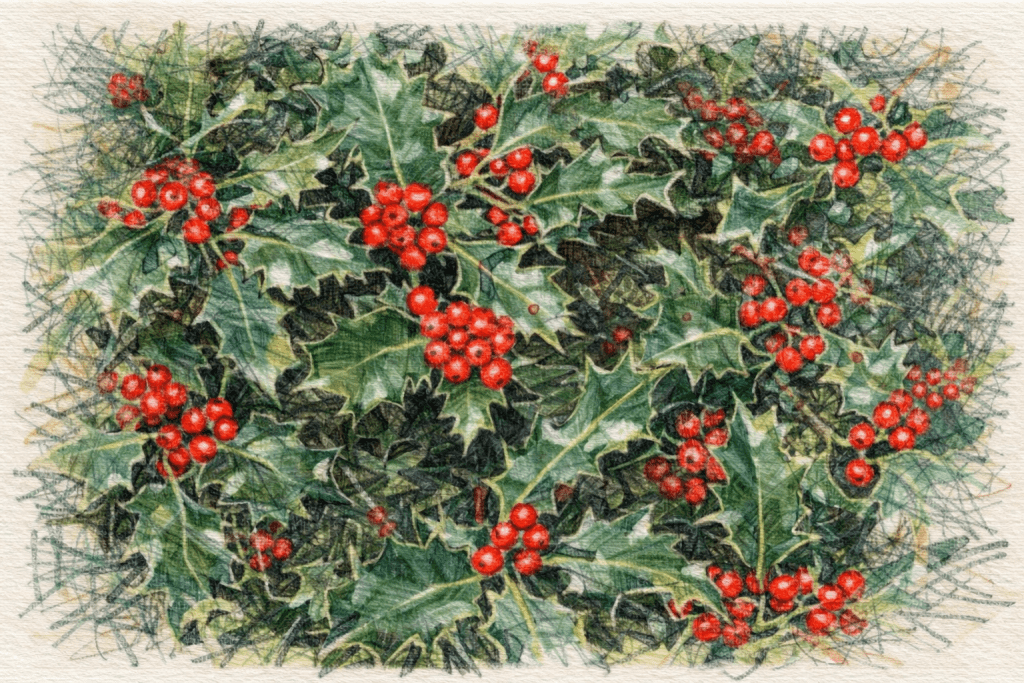
The common holly, or Ilex aquifolium, is one of Britain’s few native evergreen trees. Instantly recognisable by its glossy, spiny leaves and vibrant red berries, it is a plant deeply woven into the country’s landscape and cultural heritage. It is a frequent sight in woodlands, hedgerows and gardens, valued for its ornamental appeal and its importance to wildlife.

All About Ilex aquifolium: Holly

A Description of Common Holly

Ilex aquifolium is a slow-growing, medium-sized evergreen tree or large shrub, typically reaching heights of 10–15 metres, although it can occasionally grow taller. The bark is smooth and silvery-grey, becoming more fissured with age.

The most distinctive feature of the holly is its leaves. They are dark green, thick and leathery with a high-gloss finish on the upper surface. The shape is ovate or elliptical, and the margins are famously spiky, particularly on the lower branches of the plant. These spines are a natural defence mechanism against browsing animals. Leaves on the upper branches, which are out of reach of deer and other herbivores, often have smoother edges.

Ilex aquifolium is dioecious, meaning male and female flowers are produced on separate plants. The flowers are small, white, and have four petals. They appear in late spring and are often inconspicuous, clustered in the leaf axils. For the iconic red berries to form, a female plant must be pollinated by a nearby male plant. These berries, known as drupes, ripen in late autumn and persist throughout the winter, providing a stark, beautiful contrast against the dark green leaves and often a snowy backdrop.

Seasonal Interest of Holly

One of the greatest assets of Ilex aquifolium is its year-round appeal. Its structure and colour provide interest in every season.

  • Spring: In late spring, from April to May, the holly produces its small, white, sweetly scented flowers. While not visually spectacular, they are attractive to pollinators like bees and hoverflies. New leaf growth also appears at this time, often a lighter, brighter green.
  • Summer: During the summer months, the holly serves as a dense, structural evergreen. Its glossy leaves provide a lush, dark green backdrop for other, more colourful summer-flowering plants in the garden. If pollination was successful, tiny green berries begin to form.
  • Autumn: As autumn progresses, the berries on female plants ripen, changing from green to a brilliant scarlet. This provides a vibrant splash of colour just as many other plants are beginning to die back for the winter.
  • Winter: It is in winter that the holly truly stands out. The combination of its evergreen leaves and bright red berries offers vital colour and life in the dormant garden. This makes it a popular choice for winter displays and, of course, for traditional Christmas decorations. The berries also become a critical food source for birds when other food is scarce.

Benefits of Planting Ilex aquifolium

Beyond its aesthetic value, holly offers several practical and ecological benefits.

  • Wildlife Support: The dense, prickly foliage provides excellent shelter and nesting sites for birds, while small mammals can find protection from predators within its branches. The flowers are a source of nectar for pollinators in spring, and the berries are a vital winter food for birds such as blackbirds, thrushes and redwings.
  • Hedging and Screening: Due to its dense growth and spiny leaves, holly makes an excellent, intruder-proof hedge. It can be clipped into a formal shape or left to grow more naturally. Its evergreen nature ensures it provides an effective screen for privacy throughout the year.
  • Low Maintenance: Once established, Ilex aquifolium is a very resilient and low-maintenance plant. It is tolerant of a wide range of soil types, pollution, and shady conditions, making it suitable for many different garden environments, including urban settings.

Potential Disadvantages

While a valuable garden plant, there are a few considerations to keep in mind when planting holly.

  • Toxicity: The berries of Ilex aquifolium are mildly toxic to humans, and ingestion can cause stomach upset. Care should be taken if planting in areas frequented by young children.
  • Spiny Leaves: The sharp spines on the leaves can make pruning and handling the plant uncomfortable without protective gloves. Fallen leaves can also be a nuisance in lawn areas or on paths.
  • Dioecious Nature: To ensure a supply of berries, it is necessary to plant both male and female varieties. If space is limited, this can be a drawback. However, some self-fertile cultivars are available, such as Ilex aquifolium ‘J.C. van Tol’, which produce berries without a male pollinator.

Holly: History and Folklore

Holly has a rich history and is steeped in folklore, particularly within Celtic and Roman traditions. Long before its association with Christmas, it was considered a sacred plant by the Druids. They believed it to be a symbol of fertility and eternal life, a belief stemming from its ability to remain green throughout the winter when other plants appeared to die. It was thought to have protective powers and people would bring its branches into their homes to ward off evil spirits.

The Romans also held holly in high regard. It was associated with Saturn, the god of agriculture and harvest. During the festival of Saturnalia, a week-long celebration in mid-December, Romans would decorate their homes with holly wreaths and give them as gifts to symbolise goodwill.

With the advent of Christianity, these pagan traditions were absorbed and repurposed. The spiny leaves of the holly came to represent the crown of thorns worn by Christ, and the red berries his blood. As a result, holly became firmly established as a traditional Christmas decoration, a symbol of hope and resurrection during the darkest time of the year.

Holly: An Essential Addition to the Garden

Ilex aquifolium is more than just an attractive evergreen; it is a plant of great character, ecological importance, and cultural significance. Its ability to provide year-round structure, colour and vital support for wildlife makes it an invaluable addition to any garden.

Whether used as a standalone specimen tree, a dense security hedge, or a container plant for a patio, the common holly offers a unique combination of beauty and utility. By planting this native species, gardeners can create a visually appealing space while also contributing to the local ecosystem and continuing a tradition that stretches back for centuries.

Further Reading: Holly leaf blight, Holly leaf miner, The Holly and the Ivy Story, Camellia japonica: The Winter-Blooming Garden Essential, RHS Holly & IvyThe Secret to Stunning Amaryllis, How to Plant a Tree

Inspiration: Follow Us on InstagramThreads, BlueSkyTwitterTikTok and Pinterest💚

All About the Chrysanthemum Flower

The chrysanthemum, often simply called “mum,” is a flowering plant with a rich history and significant cultural importance across the globe. Recognised for its vibrant, densely petaled blooms, it is a staple in autumn gardens and floral arrangements.

What is a Chrysanthemum?

Chrysanthemums belong to the genus Chrysanthemum in the Asteraceae family, which also includes daisies and sunflowers. The name originates from the Greek words “chrysos” (gold) and “anthemon” (flower). While the original flowers were indeed golden, modern cultivation has produced a vast array of colours, including white, yellow, pink, red, bronze and purple.

Chrysanthemum
Chrysanthemum

The plants are herbaceous perennials, though some varieties are grown as annuals. Their flowers come in numerous forms, such as single, decorative, pompon and spider types, each with a unique petal arrangement. The leaves are typically lobed and aromatic, adding to the plant’s appeal.

Seasonal Interest

Chrysanthemums are best known as autumn-flowering plants. They are “short-day” plants, meaning they require long nights to initiate budding and flowering. This photoperiodic characteristic ensures that they produce their spectacular display of blooms from late summer through autumn, often continuing until the first hard frost.

This late-season flowering makes them invaluable in the garden, providing a burst of colour when many other plants have finished blooming for the year. They are frequently used in seasonal container displays, garden beds, and borders to extend the gardening season.

Benefits of Growing Chrysanthemums

Beyond their ornamental value, chrysanthemums offer several practical benefits:

  • Pest Control: Certain species, particularly Chrysanthemum cinerariifolium, are the source of pyrethrum, a natural insecticide. Planting chrysanthemums in a garden can help deter pests from neighbouring plants.
  • Air Purification: A NASA study identified chrysanthemums as effective air purifiers. They have been shown to help remove common indoor pollutants such as ammonia, benzene, and formaldehyde from the air, making them a functional houseplant.
  • Pollinator Support: Late-blooming chrysanthemums provide a crucial source of nectar for bees and other pollinators when other food sources are scarce.
  • Medicinal and Culinary Uses: In traditional Chinese medicine, chrysanthemum tea is used to treat various ailments, including fever, sore throat and high blood pressure. The flower petals of some edible varieties can be used in salads and other dishes.

Disadvantages and Considerations

While beneficial, there are a few drawbacks to consider when growing chrysanthemums. The plants can be susceptible to fungal diseases like powdery mildew and rust, especially in humid conditions with poor air circulation. They may also be targeted by pests such as aphids and spider mites.

Furthermore, all parts of the chrysanthemum plant are mildly toxic to pets, including cats and dogs, if ingested. Consumption can lead to symptoms like vomiting, diarrhoea, and loss of coordination. Therefore, they should be planted with care in households with animals.

The History of the Chrysanthemum

The chrysanthemum has a long and storied history, dating back to 15th century B.C. China, where it was first cultivated. It was initially grown as a flowering herb and was highly valued for its medicinal properties. The flower held such importance that an entire city was named after it: Chu-Hsien, meaning “Chrysanthemum City.”

By the 8th century, the chrysanthemum had been introduced to Japan, where it was so revered by the Emperor that it was adopted as the Imperial Seal. The “Festival of Happiness” in Japan or Kiku no Sekku, is dedicated to the flower.

The chrysanthemum was introduced to the Western world in the 17th century. In 1753, the Swedish botanist Carl Linnaeus formally named the flower. Since then, its popularity has grown, and it is now one of the most widely cultivated ornamental flowers in the world.

Folklore and Symbolism

The symbolism of the chrysanthemum varies significantly across different cultures.

  • In Asia: In China and Japan, it represents longevity, happiness, and good fortune. The white chrysanthemum, in particular, is a symbol of loyalty and devoted love.
  • In Europe: In many European countries, including France, Belgium, and Italy, chrysanthemums are associated with death and are traditionally used as funeral flowers to honour the deceased.
  • In Australia: Chrysanthemums are the official flower for Mother’s Day, largely due to their seasonal availability in May.
  • In the United States: The flower is generally seen as a cheerful and positive symbol, often associated with joy and optimism.

A Valuable Addition to Your Garden

With its brilliant autumn colours and diverse forms, the chrysanthemum is an excellent choice for any garden. It offers visual appeal late in the season when few other plants are in bloom. Beyond its beauty, its ability to deter pests and support pollinators adds practical value. By understanding its needs and historical significance, you can fully appreciate this remarkable flower. Consider adding chrysanthemums to your garden beds or containers for a reliable and vibrant display of autumn colour.

Further Reading: All About the Common Poppy, All About St. John’s Wort, The Saffron Crocus: More Than Just a Spice, All About Heather (Calluna vulgaris)

Follow Us on Instagram for Daily Gardening Inspiration 💚

All About the Common Poppy

The common poppy, known scientifically as Papaver rhoeas, is one of the most recognisable wildflowers in the British landscape. With its delicate, paper-thin petals and vibrant scarlet hue, this annual plant has graced fields, meadows and gardens for centuries. It holds significant cultural and historical weight, making it more than just a fleeting summer bloom.

A Description of Papaver rhoeas

The common poppy is an annual herbaceous plant belonging to the Papaveraceae family. It is distinguished by its striking features:

Flowers: The most prominent feature is the flower, which typically measures 5 to 10 cm in diameter. Each flower consists of four large, overlapping petals that are vivid scarlet in colour. Often, there is a black spot at the base of each petal. The petals are delicate and have a texture similar to crepe paper. In the centre, a ring of dark stamens surrounds the stigma.

Stems and Leaves: The plant grows on long, thin stems that are covered in coarse, bristly hairs. These stems can reach a height of 20 to 60 cm. The leaves are pinnately lobed, meaning they are divided into deep, irregular segments, giving them a feathery appearance.

Seed Pod: After flowering, the petals fall away to reveal a ribbed, hairless seed capsule. This capsule is ovoid and contains hundreds of tiny, kidney-shaped seeds. When mature, pores open just below the stigma, allowing wind to disperse the seeds as the stem sways. This “pepper-pot” mechanism ensures wide distribution.

Seasonal Interest

The common poppy offers distinct seasonal interest, primarily during the spring and summer months. Its life cycle is closely tied to the agricultural calendar, as it is an archetypal weed of arable land.

Spring: Seeds typically germinate in the autumn or early spring when the soil has been disturbed. Young seedlings form a rosette of leaves that lies close to the ground throughout the winter.

Summer: As temperatures rise, the plant sends up its flowering stems. The main flowering period is from June to August. During this time, fields and verges can be covered in a spectacular blaze of red, creating a powerful visual impact. Each individual flower is short-lived, often lasting only a day, but a single plant will produce a succession of blooms.

Autumn: Once flowering is complete and the seed pods have dried and dispersed their contents, the parent plant dies back. The seeds lie dormant in the soil, often for many years, waiting for the right conditions—primarily light and soil disturbance—to trigger germination.

Benefits of the Common Poppy

Beyond its aesthetic appeal, Papaver rhoeas offers several ecological and practical benefits.

Support for Pollinators: The flowers are an excellent source of pollen for various insects, especially bees. Although they do not produce nectar, the abundance of pollen makes them a valuable food resource for pollinators during their peak flowering season.

Minimal Cultivation Needs: As a wildflower, the common poppy is adapted to grow in poor, well-drained soils. It requires minimal care, no fertiliser and is relatively drought-tolerant once established. This makes it a sustainable choice for informal or wildlife-friendly gardens.

Medicinal and Culinary Uses: Historically, parts of the plant have been used in traditional medicine. The petals were used to create a syrup for mild pain relief and to soothe coughs. The seeds are edible and can be used in baking and cooking, similar to the seeds of the opium poppy (Papaver somniferum), though they contain no opiates.

Disadvantages of the Plant

While beautiful, the common poppy also has characteristics that can be disadvantageous in a managed garden setting.

Prolific Self-Seeding: Its primary survival strategy is to produce a vast number of seeds that can remain viable in the soil for decades. This can lead to it becoming invasive in cultivated flower beds, where it may outcompete more delicate plants.

Ephemeral Nature: The individual flowers are very short-lived, and the plant dies completely after setting seed. It does not provide any structural interest in the garden during the autumn and winter months.

Toxicity: Like other members of the Papaveraceae family, Papaver rhoeas contains alkaloids that are mildly toxic if ingested. While the risk is low, caution is advised, particularly around children and pets. The seeds are safe for consumption, but other parts of the plant are not.

History and Folklore

The common poppy has a rich history intertwined with human civilisation. Its association with agriculture means it has followed humanity’s expansion across Europe, North Africa, and temperate Asia.

Its seeds have been found in archaeological sites dating back to the Neolithic period, indicating its long-standing presence as a weed in early grain crops. In ancient Egypt, poppies were included in burial tombs, and the Greeks and Romans associated the flower with gods of sleep, death, and agriculture, such as Hypnos, Thanatos and Demeter.

In British folklore, the poppy was associated with various superstitions. It was considered bad luck to bring poppies into the house, with some believing it would cause headaches or even trigger thunderstorms.

The most profound modern symbolism stems from the First World War. The battlefields of Flanders were heavily churned by shelling, creating ideal conditions for poppy seeds to germinate. The resulting blankets of red across the ravaged landscape inspired the Canadian physician Lieutenant-Colonel John McCrae to write his famous poem, “In Flanders Fields.” Following the war, the poppy was adopted by the Royal British Legion as a symbol of remembrance for fallen soldiers, a tradition that continues to this day.

A Welcome Addition to the Garden

The common poppy, Papaver rhoeas, is a plant of striking beauty and profound symbolism. Its vibrant summer display brings life to any garden and provides a vital food source for pollinators. While its tendency to self-seed requires some management, its resilience and low maintenance needs make it an excellent choice for wildflower meadows, cottage gardens, or informal borders.

By cultivating this iconic flower, gardeners can not only enjoy its fleeting beauty but also connect with a plant that has been part of our natural and cultural heritage for thousands of years.

Further Reading: Snowdrops the symbol of Hope and ResilienceThe Enchanting World of the Winter Aconite

Follow Us on Instagram for Daily Gardening Inspiration 

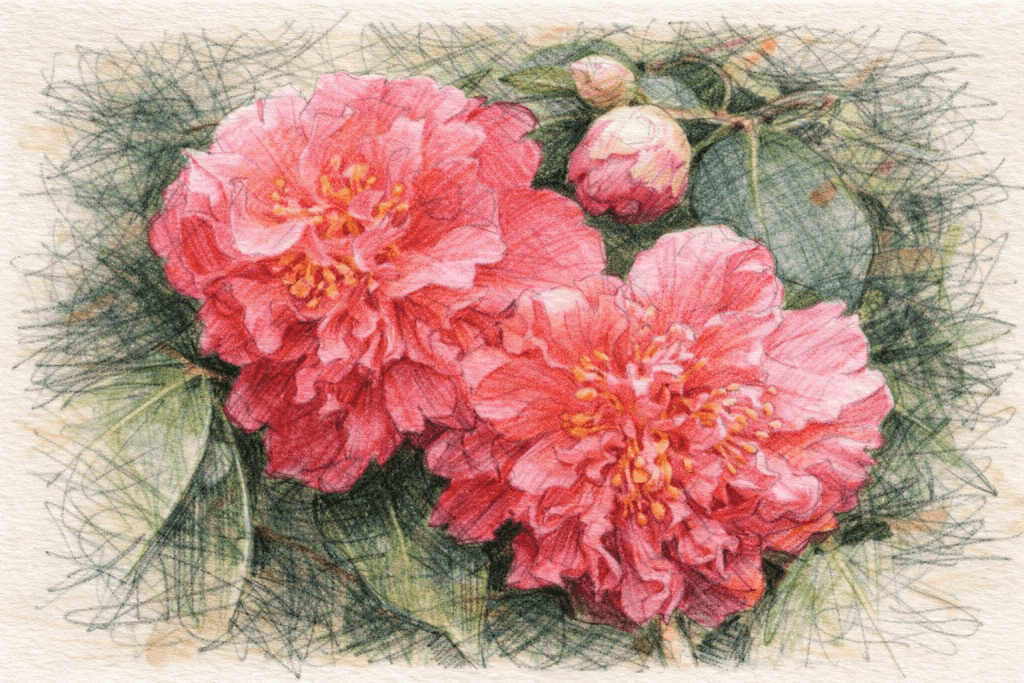
Camellia japonica: For the Winter Garden

The common camellia, scientifically known as Camellia japonica, stands as one of the most rewarding evergreen shrubs for British gardens. This remarkable plant delivers spectacular blooms during the darker months when most gardens lie dormant, providing essential colour and structure from late winter through early spring. Understanding this plant’s characteristics, benefits and requirements enables gardeners to make informed decisions about incorporating this valuable species into their outdoor spaces.

Camellia japonica: For the Winter Garden

Originating from East Asia, Camellia japonica has established itself as a cornerstone plant in temperate gardens worldwide. Its ability to thrive in partially shaded conditions whilst producing abundant flowers makes it particularly suitable for British growing conditions. The species offers gardeners a reliable source of winter interest combined with year-round structural value.

Plant Description and Characteristics

Camellia japonica typically grows as a dense, upright shrub reaching heights of 3-6 metres when fully mature. The plant develops a naturally rounded habit with glossy, dark green leaves that measure 5-10 centimetres in length. These leathery, evergreen leaves provide consistent foliage throughout the year, creating an attractive backdrop for the plant’s distinctive flowers.

The flowers represent the plant’s most striking feature, appearing in various forms including single, semi-double, and fully double varieties. Flower sizes range from 7-12 centimetres across, with colours spanning pure white, pink, red, and bicoloured combinations. Each bloom typically contains five petals in single forms, whilst double varieties may display numerous overlapping petals creating rose-like formations.

The plant’s root system develops as shallow and fibrous, requiring consistent moisture but excellent drainage. This characteristic influences planting location selection and ongoing maintenance requirements throughout the growing season.

Seasonal Interest and Blooming Pattern

Camellia japonica provides exceptional seasonal value, with flowering typically occurring from February through April in British gardens. This extended blooming period coincides with the latter portion of winter and early spring, when few other flowering shrubs provide comparable colour intensity.

The flowering sequence progresses gradually, with individual blooms lasting 7-14 days depending on weather conditions. Cool temperatures extend bloom duration, whilst warm spells accelerate flower development and fade. This natural timing creates sustained interest rather than brief floral displays.

Following the flowering period, the plant maintains its ornamental value through dense, evergreen foliage that provides structure and screening throughout summer and autumn months. The leaves occasionally develop bronze or reddish tints during colder periods, adding subtle seasonal variation to the plant’s appearance.

New growth emerges in late spring following flower completion, with fresh shoots displaying lighter green colouration before maturing to the characteristic dark green finish. This growth pattern ensures the plant maintains its dense, well-furnished appearance year-round.

Benefits and Garden Value

The primary benefit of Camellia japonica lies in its ability to provide substantial winter colour when garden interest typically diminishes. This flowering timing fills a crucial gap in the gardening calendar, offering vibrant blooms during months when most perennials remain dormant and deciduous shrubs lack foliage.

The evergreen nature of the plant provides year-round structure, making it valuable for creating privacy screens, hedging, or specimen plantings. The dense foliage offers wildlife benefits, providing shelter for birds and small mammals throughout winter months.

Camellia japonica demonstrates excellent longevity, with established plants continuing to flower reliably for decades with minimal intervention. This characteristic makes it a sound investment for long-term garden planning and development.

The plant’s tolerance for partial shade expands planting options in gardens with limited full-sun exposure. This adaptability allows gardeners to utilise areas beneath trees or in north-facing locations that prove challenging for many flowering shrubs.

Cut flowers from established plants provide excellent indoor displays, with blooms lasting 5-7 days in water when properly conditioned. This utility extends the plant’s value beyond garden display into home decoration applications.

Potential Disadvantages

Camellia japonica requires specific growing conditions to perform optimally, potentially limiting its suitability in certain garden situations. The plant demonstrates sensitivity to alkaline soils, requiring acidic conditions with pH levels between 5.0-6.5 for healthy growth.

Water requirements prove critical, with the plant requiring consistent moisture whilst simultaneously demanding excellent drainage. This balance can prove challenging in heavy clay soils or areas prone to waterlogging during winter months.

Cold wind exposure can damage both foliage and flower buds, necessitating sheltered planting locations in exposed gardens. This requirement may limit placement options in coastal or elevated sites experiencing strong prevailing winds.

The plant’s shallow root system makes it susceptible to drought stress during extended dry periods, requiring regular irrigation during summer months. This maintenance requirement increases in container-grown specimens.

Flower drop can occur following sudden temperature changes or water stress, potentially reducing the anticipated display quality during peak blooming periods.

Historical Background and Cultural Significance

Camellia japonica originates from the mountainous regions of Japan, Korea, and eastern China, where it grows naturally in woodland understories. The plant was first introduced to European cultivation during the 18th century through trade connections with East Asia.

The species gained particular prominence in British gardens during the Victorian era, when exotic plant collecting reached its peak. Wealthy estate owners competed to acquire the finest varieties, establishing extensive camellia collections in purpose-built conservatories and sheltered woodland gardens.

The development of hardy cultivars suitable for outdoor cultivation in British climates occurred throughout the 19th and 20th centuries. Plant breeders focused on improving cold tolerance whilst maintaining flower quality and variety.

Folklore and Cultural Associations

Traditional East Asian cultures associate camellias with longevity, faithfulness, and perfect love. In Japanese culture, the camellia symbolises divine beauty and represents the ephemeral nature of life, themes reflected in classical poetry and art.

Victorian flower language attributed meanings of admiration and perfection to camellias, with different colours conveying specific messages. Red camellias symbolised passionate love, whilst white varieties represented adoration and pure affection.

Some regional folklore suggests that planting camellias near dwelling entrances provides protection against negative influences whilst attracting positive energy to the household.

Why Camellia japonica Deserves a Place in Your Garden

Camellia japonica offers unique value proposition for British gardens through its reliable winter flowering, evergreen structure, and adaptability to partial shade conditions. The plant’s ability to provide substantial colour during the most challenging months of the gardening year makes it an essential addition to well-planned outdoor spaces.

The species’ proven longevity and low maintenance requirements once established provide excellent value for garden investment. With proper siting and initial care, a camellia can provide decades of reliable performance with minimal ongoing intervention.

For gardeners seeking to extend seasonal interest and create year-round structure, Camellia japonica represents an excellent choice that delivers both immediate impact and long-term garden value. The combination of spectacular flowers, attractive foliage, and cultural significance creates a plant worthy of consideration for any temperate garden setting.

Further Reading: Snowdrops the symbol of Hope and Resilience, The Enchanting World of the Winter Aconite,Snowdrops the symbol of Hope and Resilience, The Enchanting World of the Winter Aconite, All About Clematis ‘Jingle Bells’, All About Ilex aquifolium: The Common Holly,

Follow Us on Instagram for Daily Gardening Inspiration

All About St. John’s Wort

Hypericum perforatum, commonly known as St. John’s Wort, is a plant with a long and storied history. Recognised for its bright yellow flowers, it has been used for centuries in traditional medicine and holds a significant place in folklore.

Description of the Plant

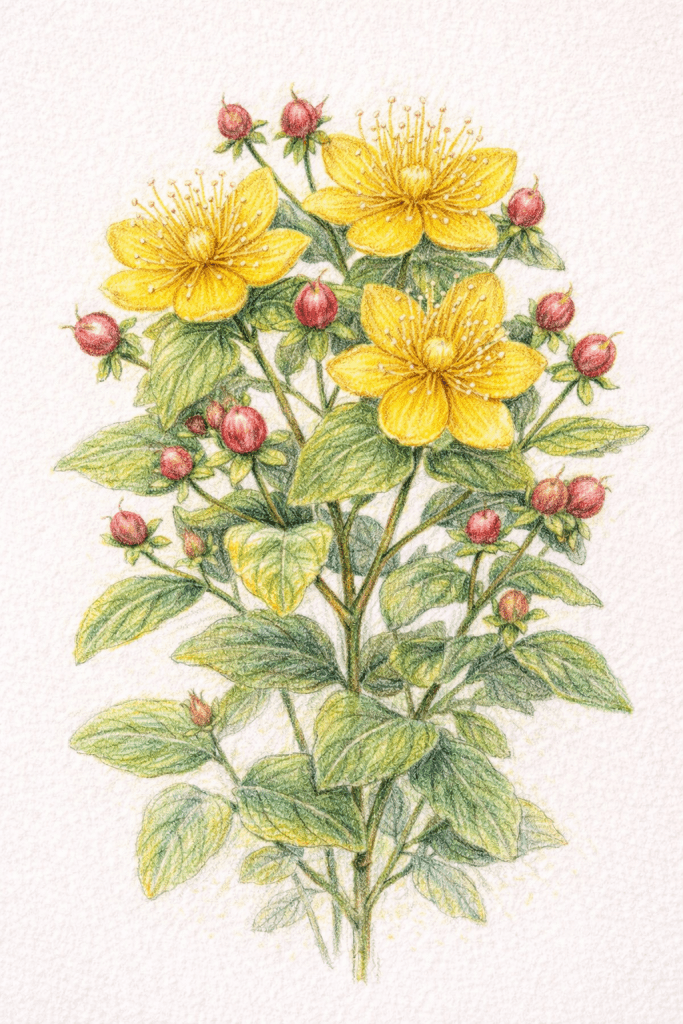
St. John’s Wort is a perennial herbaceous plant that typically grows to a height of 30 to 90 centimetres. It features a woody, branched root system and erect, branching stems. The stems are often reddish and have two opposite longitudinal ridges, a key identifying feature.

The leaves are stalkless, oblong, and arranged in opposite pairs along the stem. They measure between one and three centimetres in length. When held up to the light, the leaves reveal translucent dots, which are oil glands containing the plant’s active compounds. These give the species name perforatum, from the Latin for “perforated”.

St. John’s Wort

From late spring to mid-summer, the plant produces clusters of star-shaped, five-petaled yellow flowers at the ends of its upper branches. Each flower is about two to three centimetres in diameter with prominent stamens. If the petals are crushed, they release a reddish-purple oil. Following the flowering period, the plant develops small, dark-red to black berries or seed capsules.

Seasonal Interest

St. John’s Wort offers visual appeal throughout much of the year, making it a valuable addition to gardens.

  • Spring: In spring, the plant emerges with fresh green foliage, providing a base for the display to come.
  • Summer: The peak season for St. John’s Wort is from June to August, when it is covered in a profusion of bright yellow flowers. This extended blooming period provides consistent colour in garden beds and borders. The flowers are also highly attractive to pollinators such as bees and butterflies.
  • Autumn: After flowering, the plant produces decorative berries. These start as green and mature to shades of red and black, adding interest to the autumn garden and providing a food source for birds.
  • Winter: While the foliage dies back in colder climates, the woody stems can provide some structural interest in the winter landscape, especially when dusted with frost.

Benefits of Cultivating St. John’s Wort

Growing Hypericum perforatum in a garden setting offers several advantages:

  • Pollinator Attraction: The flowers are a rich source of nectar and pollen, attracting a wide variety of bees, butterflies, and other beneficial insects, which can help to support local ecosystems and pollinate other garden plants.
  • Drought Tolerance: Once established, St. John’s Wort is relatively drought-tolerant, making it suitable for low-maintenance and water-wise gardening schemes.
  • Pest and Disease Resistance: The plant is generally robust and not susceptible to many common garden pests or diseases. Its natural chemical compounds may deter some herbivores.
  • Medicinal Heritage: For those interested in herbalism, growing St. John’s Wort provides access to a plant with a significant history of medicinal use, primarily for its association with mood support.

Disadvantages and Considerations

Despite its benefits, there are important considerations to be aware of when cultivating St. John’s Wort:

  • Invasiveness: Hypericum perforatum can be invasive in some regions. It spreads through both seeds and creeping rhizomes, and can quickly colonise disturbed areas, outcompeting native flora. In several countries, including Australia and parts of North America, it is classified as a noxious weed. It is essential to check local regulations before planting.
  • Toxicity to Livestock: The plant contains hypericin, which can cause photosensitivity in livestock, particularly in light-skinned animals. If ingested in large quantities, it can lead to skin irritation, blistering, and other health issues when the animal is exposed to sunlight.
  • Medical Interactions: Preparations made from St. John’s Wort are known to interact with a wide range of prescription medications, including antidepressants, birth control pills and blood thinners. Its use should always be discussed with a healthcare professional.

History and Folklore

The common name, St. John’s Wort, is tied to John the Baptist. The plant typically blooms around St. John’s Day, which is on the 24th of June. Folklore holds that the red spots appearing on the leaves are symbolic of the blood of St. John after his beheading.

Historically, its uses are well-documented. Ancient Greeks, including physicians like Dioscorides, used it for a range of ailments. It was traditionally employed to treat wounds, burns, and nerve pain, earning it names such as “the devil’s scourge” because it was believed to ward off evil spirits. During the Middle Ages, it was hung in doorways and windows to protect households from malevolent forces and lightning.

The plant’s association with light is also prominent in its folklore. The bright yellow flowers were thought to capture the power of the sun, and it was used to bring light into the “darkness” of the mind, a belief that foreshadows its modern use for mood-related conditions.

A Plant of Sun and Story

Hypericum perforatum is more than just a common wildflower; it is a plant with deep historical roots and distinct characteristics. Its bright, sunny flowers offer significant seasonal interest and support local wildlife, making it an attractive choice for gardeners. However, its potential for invasiveness and toxicity requires responsible cultivation.

For those looking to add a plant with a rich backstory and reliable summer colour to their garden, St. John’s Wort is a compelling option. By understanding its nature and managing it appropriately, gardeners can enjoy the beauty and heritage of this ancient and fascinating plant.

Further Reading: All About the Common Poppy, The Saffron Crocus: More Than Just a Spice, All About Heather (Calluna vulgaris)

Follow Us on Instagram for Daily Gardening Inspiration 

The Saffron Crocus: More Than Just a Spice

The saffron crocus, Crocus sativus, is one of the most intriguing and historically significant plants in the world. Known primarily for producing the valuable spice saffron, this small, autumn-flowering perennial holds a story that intertwines with ancient civilisations, medicine and folklore.

A Description of the Saffron Crocus

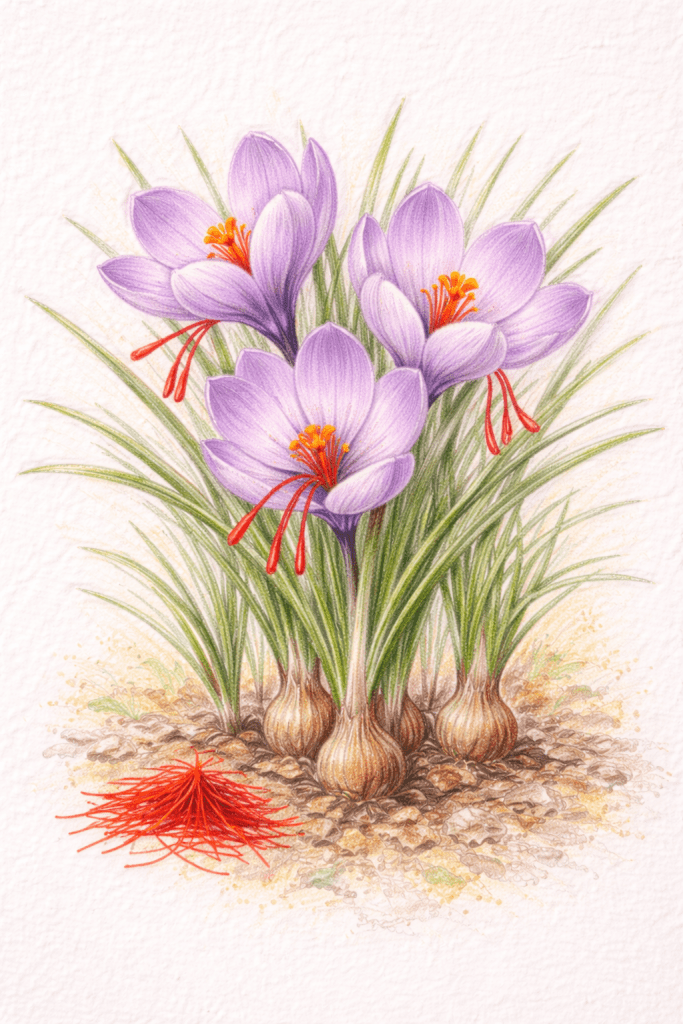
Crocus sativus is a sterile triploid plant, which means it cannot produce viable seeds and must be propagated by hand from its corms. It grows from a bulb-like corm, reaching a height of approximately 10-30 centimetres.

Crocus sativus - Saffron Crocus
Crocus sativus – Saffron Crocus

Each corm produces one to seven lilac-to-mauve flowers. The flowers are distinguished by their three prominent, deep-red stigmas, which are the plant’s most valuable part. These stigmas, along with their styles, are harvested and dried to create saffron spice. The plant also has narrow, grass-like leaves that appear either with the flowers or shortly after they bloom.

Seasonal Interest

The saffron crocus offers distinct seasonal interest, primarily in the autumn. Unlike most other crocus species that flower in the spring, Crocus sativus blooms for a period of about three weeks from late October to November. During this time, the vibrant flowers provide a welcome splash of colour as other plants in the garden begin to fade.

The foliage typically emerges with the flowers and persists through the winter, providing some green ground cover before dying back in the spring. The corms then remain dormant throughout the summer until the growth cycle restarts in the autumn. This reverse seasonality makes it a unique addition to a garden’s yearly display.

Benefits of the Saffron Crocus

The primary benefit of cultivating Crocus sativus is the ability to harvest your own saffron. Saffron is the world’s most expensive spice by weight, and growing your own provides a fresh and cost-effective supply for culinary use. It imparts a distinct flavour, aroma, and a golden-yellow hue to dishes such as paella, risotto and various desserts.

Beyond its culinary value, saffron has been used in traditional medicine for centuries. Modern studies have explored its potential health benefits, which include:

  • Antioxidant Properties: Saffron contains compounds like crocin, crocetin, and safranal, which are powerful antioxidants that help protect cells from oxidative stress.
  • Mood Enhancement: Some research suggests that saffron may have properties that can help alleviate symptoms of mild to moderate depression.
  • Cognitive Function: There is emerging evidence that saffron could support cognitive function and memory.

From a horticultural perspective, the saffron crocus is deer-resistant and relatively free from pests and diseases, making it a low-maintenance choice for many gardens.

Disadvantages and Challenges

Despite its benefits, cultivating the saffron crocus presents several challenges. The most significant disadvantage is the labour-intensive nature of harvesting. The stigmas must be picked by hand from each flower as soon as it opens. It takes approximately 150-200 flowers to produce just one gram of dried saffron, making it a demanding crop for commercial and even home growers.

The plant’s specific growing requirements can also be a drawback. Crocus sativus requires well-drained soil and a dry summer dormancy period. It will not thrive in heavy clay soils or regions with wet summers, as the corms are prone to rot.

Furthermore, because it is sterile, the plant relies entirely on human intervention for propagation. Corms must be dug up, divided, and replanted every few years to maintain a healthy and productive patch.

A History Rich with Spice and Colour

The origins of the saffron crocus are somewhat mysterious, but it is believed to have originated in or near Greece during the Bronze Age. Frescoes from this period, found on the island of Santorini, depict women harvesting crocus flowers, indicating its importance in ancient Minoan culture.

From the Eastern Mediterranean, its cultivation spread across Eurasia. The Persians used saffron extensively as a spice, a dye, and a medicinal herb. It is said that Alexander the Great used saffron-infused baths to heal his battle wounds.

During the Roman Empire, saffron was a symbol of wealth and was used to perfume public spaces. After the fall of Rome, its use declined in Europe but was preserved by the Moors, who reintroduced it to Spain. It later reached other parts of Europe, including England. The English town of Saffron Walden earned its name from the extensive crocus fields that surrounded it in the 15th and 16th centuries.

Folklore and Mythology

Given its long history and value, it is not surprising that the saffron crocus is steeped in folklore. In Greek mythology, the handsome mortal Crocus was turned into the flower that now bears his name. In one version of the myth, he was tragically killed while playing discus with the god Hermes, and the flower sprang from the drops of his blood.

In Persian culture, saffron was believed to bring wealth and was offered as a gift to kings. There was also a belief that saffron could induce laughter, and consuming too much could lead to a state of uncontrollable hysteria.

During the Middle Ages in Europe, saffron’s high value led to the “Saffron Wars,” and adulterating the spice was a crime punishable by death. These stories highlight the immense cultural and economic significance the plant has held throughout history.

Why You Should Grow Saffron Crocus

The saffron crocus is more than just a source of spice; it is a living piece of history. Adding it to your garden connects you to a tradition of cultivation that spans millennia and cultures across the globe. It offers a unique opportunity to harvest your own supply of a prized ingredient, bringing a touch of the exotic to your cooking.

Its autumn blooms provide late-season colour when most other flowers have faded, and its minimal susceptibility to pests makes it a resilient choice. While the harvest is labour-intensive, the reward of collecting your own saffron threads is immensely satisfying. For the gardener who appreciates history, unique plants, and the culinary arts, the saffron crocus is an unparalleled addition to the garden.

Further Reading: Snowdrops the symbol of Hope and Resilience, The Enchanting World of the Winter Aconite

Inspiration: Follow Us on InstagramThreads, BlueSkyTwitterTikTok and Pinterest.