Garden Tools: Using a Bulb Planter

As autumn settles in, the gardener’s mind turns to spring. It’s the perfect time to plant bulbs, those small, unassuming packages that promise a riot of colour when the days begin to lengthen once more. Planting bulbs can be a deeply rewarding task, but it can also be tough on the back and knees. This is where a dedicated bulb planter comes into its own, transforming the job from a chore into a simple, satisfying activity.

For centuries, gardeners relied on the humble trowel for this task. But as the great gardens of the 18th and 19th centuries expanded, so did the need for more efficient tools. The bulb planter emerged as a specialised instrument designed for one purpose: to create the perfect home for a bulb, quickly and with minimal effort. Today, we can reap the benefits of this innovation.

What is a Bulb Planter?

A bulb planter is a simple yet ingenious tool designed to remove a plug of soil from the ground, creating a hole of the ideal depth and width for planting bulbs. Once the bulb is placed inside, the soil plug is returned, neatly covering it. This method ensures each bulb is planted consistently and with very little disturbance to the surrounding soil or lawn.

The Advantages of a Bulb Planter Over a Trowel

While a trusty trowel is an indispensable part of any gardener’s toolkit, a bulb planter offers several distinct advantages when it comes to planting bulbs in large numbers.

  • Speed and Efficiency: If you’re planting dozens or even hundreds of bulbs, a planter is significantly faster. Instead of digging individual holes, you simply push, twist, and lift. This repetitive, rhythmic action allows you to plant swathes of daffodils, tulips, or crocuses in a fraction of the time.
  • Uniform Depth: Achieving the correct planting depth is crucial for a bulb’s success. A bulb planter, often marked with depth measurements, removes the guesswork. This ensures your bulbs are planted deep enough to protect them from frost and foraging wildlife, leading to a more reliable and uniform display come spring.
  • Less Soil Disturbance: When planting into an established lawn or a tightly packed border, a trowel can create a messy, disturbed patch of earth. A bulb planter cleanly removes a small core of soil, leaving the surrounding area almost untouched. This is particularly useful for naturalising bulbs in grass, as the lawn recovers much more quickly.
  • Reduced Physical Strain: Digging multiple holes with a trowel requires a lot of bending and wrist action. A long-handled bulb planter allows you to do most of the work while standing up, saving your back and knees from unnecessary strain. Even a short-handled version is often more ergonomic than a trowel for this specific, repetitive task.

Choosing Your Planter

There are two main types of bulb planters, each suited to different gardening needs.

Hand-Held Bulb Planter

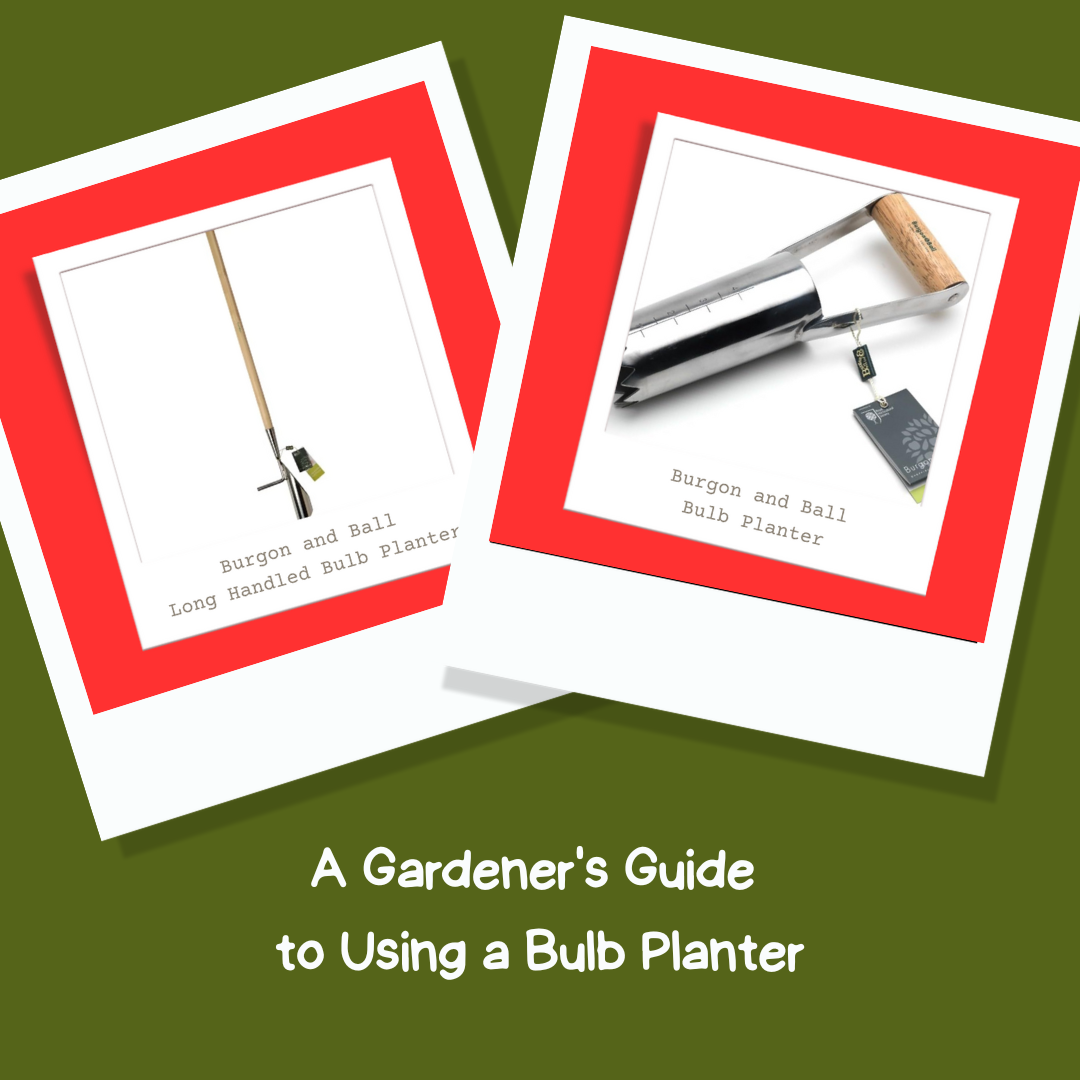
The short-handled planter, like the Burgon & Ball Bulb Planter, is perfect for working in raised beds, containers, or well-cultivated borders. It features a serrated edge to cut cleanly through the soil and a spring-loaded handle that releases the soil plug with a simple press. This design gives you precise control, allowing you to easily manoeuvre around existing plants.
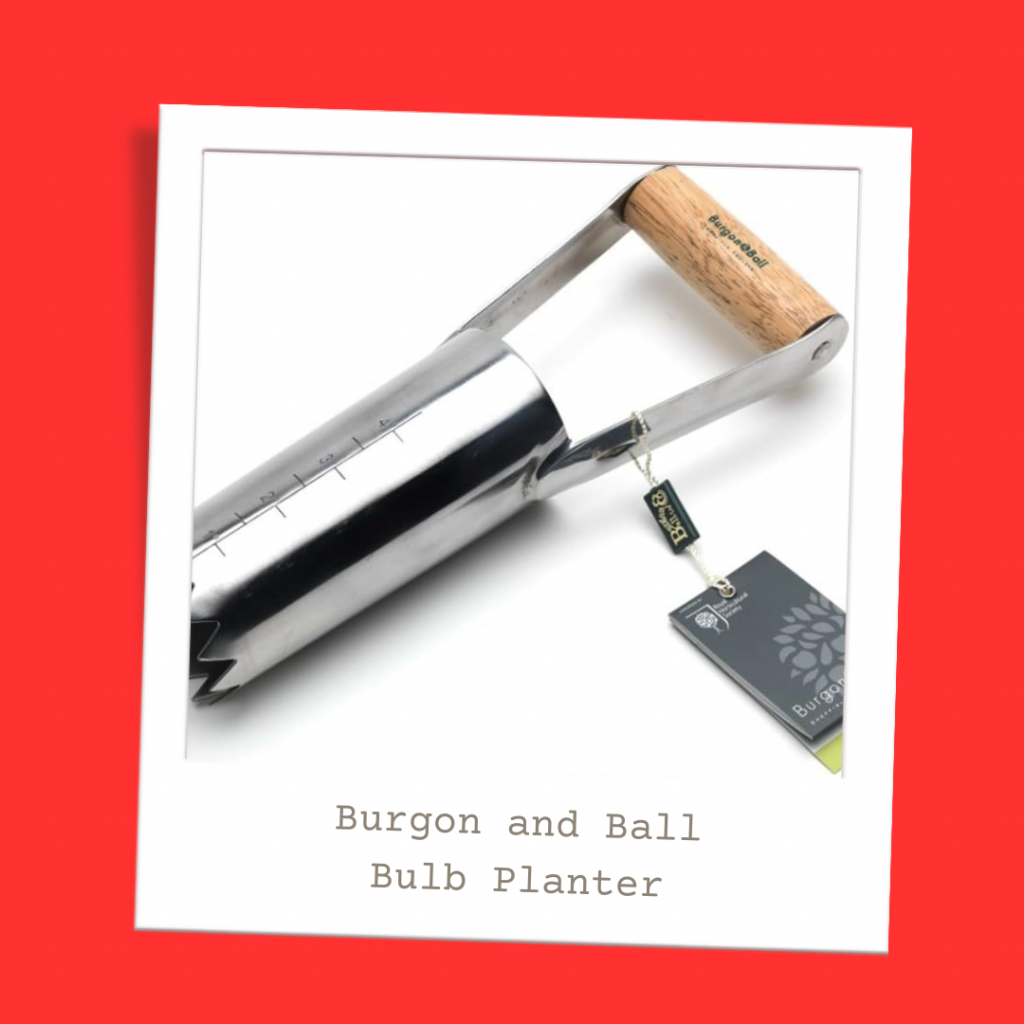
Burgon and Ball Hand-Held Bulb Planter Garden Tool

Long-Handled Bulb Planter

For planting large numbers of bulbs directly into lawns or extensive borders, the Long Handled Bulb Planter is an excellent choice. Its design allows you to use your body weight to drive the tool into the ground, making it effective even in compacted soil. You can work from a standing position, making the process much more comfortable and efficient.
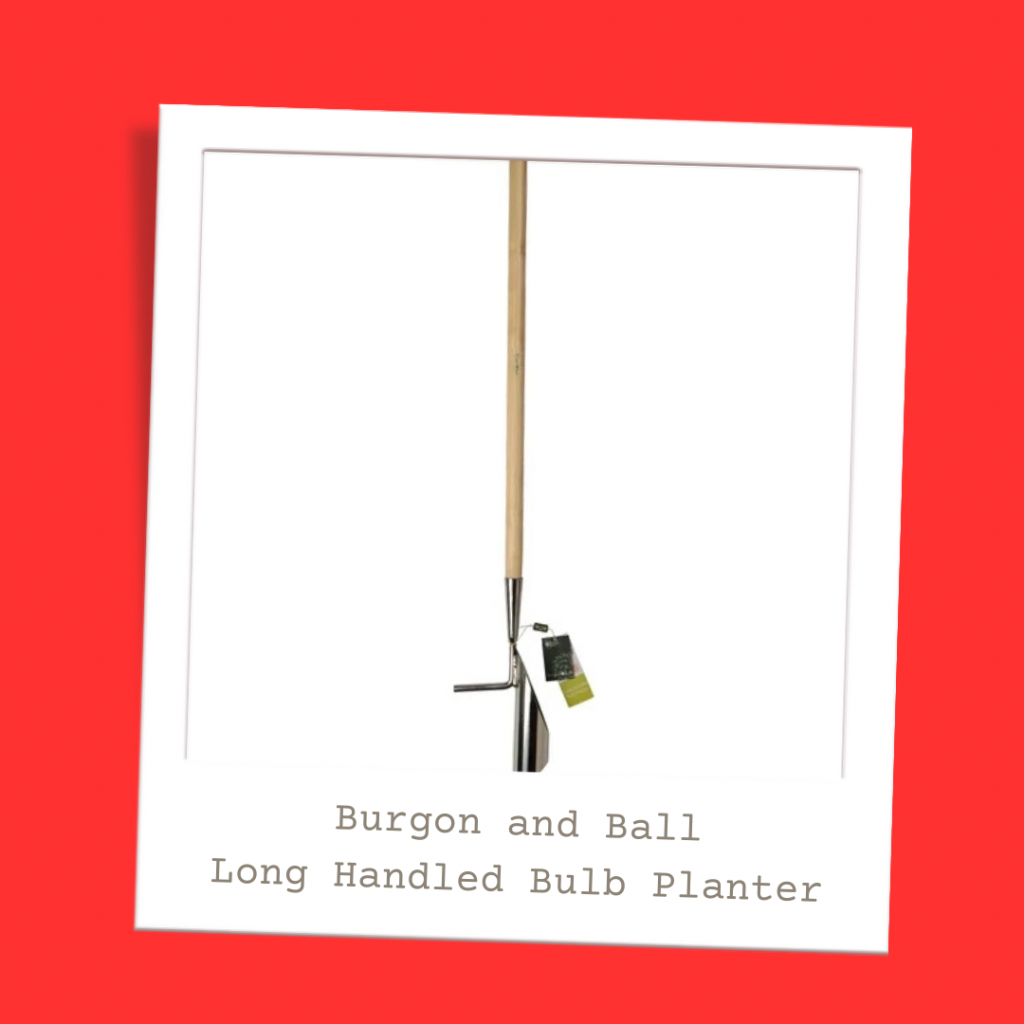
Burgon and Ball.  Long Handled Bulb Planter Garden Tool.

Prepare for a Spectacular Spring

Planting bulbs is an act of faith and an investment in the future beauty of your garden. By choosing the right tool for the job, you can make this autumnal ritual a pleasure rather than a pain. A bulb planter, whether long or short-handled, is a specialised piece of equipment that earns its place in the shed by saving you time, effort, and ensuring a spectacular floral display year after year.

Further Reading: Mast Years: Why They Happen and Their Impact, RHS Planting Bulbs

Inspiration: Follow Us on InstagramThreads, BlueSkyTwitterTikTok and Pinterest.

How to Choose the Perfect Fire Pit for Your Garden

There’s something magical about gathering around a crackling fire under the stars. A fire pit can transform your garden into a warm, inviting space for cosy evenings, family gatherings or even solo moments of tranquillity. But with so many options out there, how do you pick the perfect fire pit for your outdoor haven?

This guide will walk you through everything you need to know—from fire pit benefits to different types and how to choose one that fits your needs.


Why Have a Fire Pit?

A fire pit isn’t just a decorative element; it’s a statement piece that brings people together. Whether you’re toasting marshmallows with the kids, hosting friends for night-time drinks or simply enjoying a peaceful evening outdoors, a fire pit can elevate your garden experience.

Here’s why homeowners and garden enthusiasts love them:

  • Aesthetic Appeal: Fire pits add warmth and charm to outdoor spaces, enhancing the overall ambience.
  • Extended Outdoor Use: Who says you can only enjoy your garden in the summer? A fire pit keeps you warm on crisp autumn or chilly spring evenings.
  • Social Centrepiece: A fire pit creates a natural focal point. It draws people in, encouraging conversations and shared moments.
  • Practicality: Depending on the type, a fire pit can double as a cooking surface for grilling or toasting.

A fire pit isn’t just a purchase; it’s an investment in creating cherished memories.


What Are Fire Pits For?

Fire pits have multiple uses, depending on their design and functionality. Here are just a few ways you can put your fire pit to work:

  • Warmth: The most obvious benefit, a fire pit provides a cosy heat source for cooler nights.
  • Cooking: With many models, you can cook up a storm. Think sausages on skewers or even a full-blown barbecue.
  • Light: The soft glow of a fire pit provides a natural light source, adding ambience to your evening garden settings.
  • Relaxation: Watching flames flicker can be mesmerising and calming, turning your garden retreat into a zen-like escape.

A fire pit is as functional as it is beautiful, making it a versatile centrepiece for any outdoor setting.


The Pros of Owning a Fire Pit

Thinking about adding a fire pit to your garden? Here are the main advantages to consider:

  • Year-Round Enjoyment: Turn your outdoor space into a cosy retreat no matter the season.
  • Atmosphere Enhancer: There’s something timeless and magical about firelight; it sets a mood that’s hard to replicate with anything else.
  • Customisation Opportunities: Fire pits come in an array of styles, materials, and fuel types to suit any garden aesthetic.
  • Adds Value: A well-designed fire pit can increase your home’s appeal and market value.
  • Bonding Opportunities: They provide the perfect setting to connect with family and friends.

Adding a fire pit to your garden is about more than warmth. It’s about crafting a space where moments turn into memories.


The Cons of Owning a Fire Pit

Of course, fire pits aren’t without their drawbacks. Here’s what you need to consider before investing in one:

  • Upkeep: Some fire pits, especially wood-burning ones, require regular cleaning and maintenance.
  • Safety Concerns: Open flames always come with risks, so fire pits need to be carefully placed and monitored.
  • Initial Cost: While there are budget options, high-quality fire pits can be a significant investment.
  • Smoke and Smell: Wood-burning models can produce smoke, which may linger on clothes or in the air.
  • Space Requirements: Not all gardens have the room for a fire pit without feeling cramped.

Understanding these downsides will help you make a more informed decision and choose a fire pit that works for your lifestyle.


What Types of Fire Pits Are There?

Fire pits come in various types, and each has its own set of features, pros, and cons. Here are the most common options available:

1. Wood-Burning Fire Pits

The traditional choice for that campfire vibe.

  • Pros: Produces authentic flames and warmth, ideal for roasting marshmallows.
  • Cons: Requires more maintenance, produces smoke and needs a steady wood supply.

2. Gas Fire Pits

Powered by propane or natural gas, these are convenient and low-maintenance.

  • Pros: Instant ignition, clean-burning and smoke-free.
  • Cons: Less heat, higher installation costs and less of a ‘natural’ feel.

3. Gel Fuel Fire Pits

A versatile option using gel canisters as fuel.

  • Pros: Portable, mess-free and smoke-free.
  • Cons: Smaller flame, less warmth and more costly to operate.

4. Electric Fire Pits

A modern solution requiring no fuel other than electricity.

  • Pros: Eco-friendly, safe and easy to use.
  • Cons: Limited portability and dependent on power sources.

5. Tabletop Fire Pits

Compact and stylish, perfect for small outdoor spaces.

  • Pros: Portable and aesthetically pleasing.
  • Cons: Produces less heat and is mainly decorative.

Each type caters to different needs, so think carefully about what features matter most to you.


How to Select the Best Fire Pit for Your Outdoor Setting

Here’s a step-by-step guide to picking the perfect fire pit for your garden:

1. Assess Your Space

  • Consider the size of your garden. Is it large enough to accommodate a full-sized fire pit without feeling cramped?
  • Measure your available space and factor in safe clearance areas around the fire pit.

2. Define Your Purpose

  • Will you use your fire pit primarily for warmth, cooking or decoration? Knowing your purpose will guide your choice.

3. Choose the Right Fuel Type

  • For an authentic experience, opt for wood-burning.
  • If convenience and clean-burning matter most, gas or electric might be better suited.

4. Select a Style

  • Your fire pit should complement your garden’s aesthetic. Look at materials (e.g., stone, metal) and styles (e.g., rustic, modern).

5. Set a Budget

  • Fire pits range from affordable models to luxury designs that cost thousands. Set a clear budget before you start shopping.

6. Prioritise Safety

  • Look for features like spark guards, sturdy materials and easy shut-off mechanisms.
  • Place your fire pit on flat, non-flammable surfaces and away from low-hanging branches.

With thoughtful planning, you can find a fire pit that ticks all your boxes and enhances your garden’s appeal.


Bring the Warmth Home

A fire pit isn’t just an addition to your garden; it’s an opportunity to create an outdoor experience that’s warm, inviting and uniquely yours. Whether you’re looking to host lively gatherings or add a touch of quiet luxury to your evenings, choosing the right fire pit makes all the difference.

Get started by exploring local stores or online marketplaces to discover the perfect centrepiece for your garden space. You’ll be amazed at how quickly your fire pit becomes the heart of your outdoor haven.

Happy shopping, and may your evenings be filled with warmth and wonder!

Take a look at our range of Fire Pits here

Follow us on Instagram for Daily Garden Inspiration

Why We Chose to Stock Haws Watering Cans

Our Favourite Watering Cans – Haws

When it comes to gardening, having the right tools can make all the difference in ensuring your plants thrive. One essential tool that every gardener needs is a reliable watering can. That’s why we made the decision to stock Haws Watering Cans in our shop. Haws is a renowned brand known for its high-quality, durable watering cans that are designed to make watering your plants a breeze. In this blog post, we’ll delve into why we chose to partner with Haws and why their watering cans are a must-have for any gardener.

Discovering Haws – The Pioneers of Watering Excellence

Nestled in the heart of the gardening industry for over a century, Haws has carved a niche for itself as a stalwart in the realm of watering solutions. With its inception in 1886, this venerable company has charted a path of relentless pursuit of quality and innovation. John Haws, the founder, designed the first patented watering can with an unwavering commitment to improving the gardener’s experience. His pioneering design principles have steered the company through generations, ensuring that Haws watering cans are synonymous with reliability and excellence.

Haws distinguishes itself by weaving together tradition and innovation, crafting watering cans that are treasured by gardeners for their efficacy and elegance. Every piece that comes out of their Smethwick workshop is a testament to the skill and dedication of their craftsmen. The brand’s ethos revolves around creating products that not only fulfil their utilitarian purpose but also elevate the aesthetic appeal of gardening tools.

The company’s forward-thinking approach is evident in their embrace of cutting-edge manufacturing techniques while maintaining the handcrafted charm of their watering cans. This dedication to excellence is why Haws has remained at the forefront of the gardening industry, setting the benchmark for quality and design in watering solutions. Engaging with a Haws watering can, gardeners are privy to over 130 years of innovation, a rich heritage that enhances the gardening experience with every use.

The Rich Heritage of Haws in Smethwick, West Midlands

Situated in the industrious heart of Smethwick, West Midlands, Haws has been nurturing its legacy of watering can production for countless generations. This geographical placement is not merely a point on the map but the very soil from which their storied tradition grows. The area, renowned for its industrial prowess, provides a fitting backdrop to a company that has dedicated itself to the craft of superior gardening tools.

In this locale, Haws has not just manufactured watering cans; it has woven the fabric of British manufacturing heritage into each product. The Smethwick workshop, where the magic happens, is more than a place of work. It’s a crucible of innovation, where the timeless art of crafting watering cans is continually refined. The skilled artisans at Haws channel the spirit of their surroundings, infusing each piece with a sense of history and an unwavering commitment to quality.

Haws’ presence in Smethwick is a testament to the brand’s resilience and adherence to its roots. This commitment is reflected in the meticulous attention to detail evident in every watering can that leaves the workshop. By staying true to their origins, Haws ensures that each product not only meets the practical needs of gardeners worldwide but also carries with it a piece of British industrial heritage.

This deep connection to Smethwick is integral to understanding Haws. It underscores the brand’s dedication to craftsmanship and the role it plays in preserving the legacy of British manufacturing. In this way, Haws stands as a beacon of quality, a reminder of the enduring value of heritage in an ever-changing world.

Why Gardeners Choose Haws – Beyond Just Watering Plants

Haws watering cans are not simply tools; they are an integral part of the gardening ritual, offering more than just a means to water plants. Gardeners across the globe are drawn to these iconic cans for their unparalleled blend of form and function. Each Haws watering can is a masterpiece, meticulously crafted to ensure that every gardening task is executed with precision and ease.

The appeal of Haws watering cans extends beyond their practicality. They embody a sophisticated elegance that enhances the gardening experience, making them a favourite among those who cherish both the beauty of their garden and the tools they use within it. The variety available caters to individual preferences and requirements, ensuring there is a Haws watering can that resonates with every gardener’s style. From the classic galvanised metal to the vibrant plastic models, each range promises longevity and performance wrapped in appealing aesthetics.

Furthermore, the ergonomic design of Haws watering cans ensures comfort and efficiency in use, reducing the strain of carrying and pouring. The thoughtfully designed spouts and handles guarantee a steady flow and balance, preventing water wastage and ensuring that plants receive the gentle hydration they need. This blend of aesthetics, ergonomics, and eco-conscious design principles underscores why Haws remains a preferred choice among discerning gardeners. Their commitment to crafting exceptional watering solutions transforms the mundane task of watering plants into a delightful gardening ritual, elevating the overall gardening experience.

Haws’ Commitment to Sustainability and Innovation

Haws has long been at the forefront of combining sustainable practices with cutting-edge innovation to meet the evolving needs of the modern gardener. Recognising the critical importance of environmental stewardship, Haws meticulously selects high-quality, recyclable materials for their watering cans, underpinning their dedication to eco-friendliness. This approach not only minimises the ecological footprint, but also ensures the longevity and durability of their products, reducing the need for frequent replacements.

The innovation at Haws is not static; it is a continual journey aimed at enhancing the gardening experience while prioritising sustainability. The company invests in research and development to refine the existing range and introduce new products that reflect the changing demands of gardeners and the environment. Innovations such as water-saving designs and more efficient irrigation methods underscore Haws’ commitment to sustainability. These advancements help gardeners conserve water, a precious resource, and support the natural ecosystem in their gardens.

Moreover, Haws’ dedication to sustainability extends beyond the products themselves. The company actively seeks ways to improve the manufacturing processes, reduce waste, and increase energy efficiency within the Smethwick workshop. By integrating sustainable practices into every facet of operation, Haws sets a commendable example for the industry, proving that it is possible to marry tradition with innovation in a way that respects and preserves our planet for future generations of gardeners.

Our Personal Experiences with Haws Watering Cans

Our journey with Haws watering cans in our gardens has been nothing short of transformative. These impeccable tools have become indispensable companions through every season of growth. Utilising a Haws watering can, we’ve noticed a remarkable difference in the ease with which we tend to our plants. The ergonomic design significantly minimises the effort required in watering, making the task not only efficient, but genuinely enjoyable.

The precision with which each can disperses water has allowed us to nurture our plants with the exact amount of moisture they require, from the most robust outdoor varieties to the most tender seedlings sheltered within our conservatory. This level of control has undoubtedly contributed to the flourishing state of our personal gardens.

Our encounters with these watering cans have also been a topic of many conversations amongst our community of gardening enthusiasts. Customers who’ve taken our recommendation to try Haws have echoed our sentiments, praising the craftsmanship and the noticeable impact on their gardening routine. Their feedback, mirroring our experiences, highlights not just the functional superiority of Haws cans but also the aesthetic pleasure they bring into the garden space.

Engaging with Haws products has enriched our gardening journey, embedding a sense of tradition and quality into our daily practices. It’s a testament to how the right tools can elevate gardening from a chore to a cherished activity.

How to Choose the Right Haws Watering Can for Your Garden

Selecting the ideal Haws watering can for your garden necessitates a thoughtful consideration of several aspects to ensure it perfectly meets your gardening requirements. Evaluate the scale of your garden and the diversity of flora you nurture. For enthusiasts with compact spaces or those tending to houseplants, a more diminutive model would be fitting, facilitating ease of manoeuvre within restricted spaces. Conversely, expansive gardens or those with a vast array of outdoor vegetation may benefit from a heftier can, equipped with a lengthier spout to reach further and distribute water more extensively.

The material of the watering can also merits attention. Haws offers options in both durable galvanised metal and lightweight plastic, each presenting its own benefits in terms of longevity and ease of use. Metal cans are robust and ideal for outdoor conditions, whilst plastic models are lighter and might suit those who prefer not to lift heavy loads.

Furthermore, the aesthetic element cannot be overlooked. Haws’ range encompasses designs that are not only functional but also visually appealing, ensuring that your choice enhances the visual harmony of your gardening environment. From the elegantly classic to the brightly coloured, there is a Haws watering can that not only aligns with your practical gardening needs but also your stylistic preferences, making gardening an even more enjoyable pursuit.

To take a look at our favourite Haws Watering Cans – Click Here

Further Reading: Maintaining your Garden Tools, How to Choose Garden Tools

For Daily Gardening Inspiration Follow Us on Instagram

The Ultimate BBQ Buyer’s Guide

All you need to know when buying a BBQ

Whether you’re a die-hard BBQ enthusiast, a summer griller, or someone just getting into the world of outdoor cooking, choosing the right BBQ can make all the difference. With a smorgasbord of features, styles, and price ranges available, the task can seem as daunting as a 2kg brisket. Fear not, as we’ve chargrilled the competition to serve you up with the ultimate BBQ buyer’s guide.

Getting the Grills Straight: Types of BBQs

Before you throw another shrimp on the ‘barbie,’ it’s crucial to understand the different types of grills and their core features.

Charcoal Grills: For the Purists

Charcoal grills are the darlings of pitmasters who swear by the flavour that only charcoal can impart. They require a little patience and a gentle hand to manage the temperature, making the act of grilling a craft. The resulting smoky and slightly charred taste is something propane just can’t replicate.

Pros:

– Superior flavour

– High-temperature grilling for excellent sears

– Inexpensive fuel source

Cons:

– Longer preheating times

– More skill required for temperature control

– Clean-up can be more involved

Gas Grills: The Convenient Champs

Gas grills define convenience. With the flick of a switch, your grill is ready to cook, no messy charcoal or waiting required. They’re perfect for the quick weekend BBQ in your backyard.

Pros:

– Quick, controllable heat

– Easy to use and maintain

– Versatile for various cooking styles

Cons:

– Less smoky flavour

– More expensive to operate than charcoal

– High initial purchase cost

Pellet Grills: The Best of Both Worlds

Pellets are the Goldilocks of grilling—combining the convenience of gas with the flavour of charcoal. These grills use wood pellets as a fuel source, offering a consistent, wood-smoked taste without the guesswork of traditional charcoal grills.

Pros:

– Versatile temperature control

– Distinct wood-smoked flavours

– Some models can be controlled via smartphone apps

Cons:

– Generally more expensive than gas or charcoal grills

– Can be bulkier and heavier

– May require more maintenance due to the automated features

Electric Grills: The Urbanite’s Answer

Electric grills are perfect for city dwellers with limited outdoor space. They’re also incredibly easy to use and maintain, making them a go-to for those who prefer a more straightforward grilling experience.

Pros:

– Quick start-up

– Consistent temperature control

– No fuel required other than electricity

Cons:

– Limited flavour compared to other grill types

– Your cooking area is tied to an electric outlet

– Not suitable for thick cuts of meat that benefit from a smokier profile

Sizing Up Your BBQ Needs

Size matters, especially when it comes to buying a BBQ. Consider the following factors to ensure you land the right grill for your space and needs.

How Much Space Do You Have?

Before browsing any grills, measure your space. Account for the BBQ’s footprint, clearance on all sides for safety, and the path you’ll use to get the grill where it needs to go.

Family Size and Grilling Frequency

If you’re regularly cooking for a large group or have a big family, you’ll need a larger grill to keep up with the demand. Conversely, smaller gatherings and less frequent grilling suggest a more modest-sized grill.

Storage and Mobility

Will you need to store the grill in a garage or shed? Or are you looking for a more mobile option like a compact wood pellet grill that can be easily rolled into place?

The ‘Extras’ Space

Don’t forget to consider the space for all the extra grilling gear you’ll need, from tools to fuel.

BBQ Features

With grill types and sizes under your belt, it’s time to check out the bells and whistles that could be sizzling when you shop for your BBQ.

Material Matters

Consider the material of the grill and its resistance to rust and warping. Stainless steel is a popular choice for its durability and heat retention, while cast iron may require more care but can provide excellent searing capabilities.

Cooktop Configuration

Chances are, you’ll cook more than one item at a time. Multi-level cooking surfaces can help maintain proper cooking temperatures for different foods without any flavour transference.

Warming Racks and Side Burners

Having a warming rack on the grill is great for keeping sides warm while you finish up the main course. Side burners can be handy for simmering sauces without going back and forth to your indoor kitchen.

Ignition Systems

The type of ignition can affect the grill’s start-up time and convenience. Piezo-electric ignitions are common and dependable, while more advanced grills might feature hot surface or electronic ignitions for a one-touch start.

Temperature Gauges

Accurate temperature monitoring is essential for successful grilling. Check the visibility and location of the temperature gauge on any grill you’re considering.

Cleaning and Maintenance

Nobody enjoys cleaning up after a BBQ, but some grills make it easier with removable grates, trays, and even self-cleaning systems.

Compare Prices and Models

Shop around and read reviews. Sometimes a slightly more expensive model is worth the investment if it means better quality and features.

Ask About Assembly

Some stores offer assembly services. Ask about this, especially for larger or more complex grills.

Grill Accessories

See what accessories the store offers. Sometimes, purchasing a grill package with additional tools and equipment can save you money.

Delivery and Installation

Make sure the store’s delivery and installation services align with your needs, especially for larger or heavier grills.

Sizzle with the Right Selection

You now have all the information you need to make an informed decision and select the perfect BBQ. Whether you prefer the smoky flavour of charcoal, the convenience of gas, or the versatility of pellets, remember that the best BBQ is the one that suits your lifestyle and preferences. Get ready to grill up a storm this summer and for many more to come. Happy grilling!

Take a look at our range of BBQs and Firepits.

Follow us on Instagram for Daily Gardening Inspiration

A Guide to Choosing the Perfect Watering Can

Choosing the right watering can for your garden

Some of the most important tools in the garden are also the simplest. A watering can is one such companion—used almost daily in the growing season, yet often chosen with little thought. The right watering can makes caring for plants easier, more comfortable and more precise, helping you respond to the needs of your garden with care rather than effort.

Taking time to select a watering can that suits your space and the way you garden will reward you every time you lift it.

Size and capacity: finding the right balance

The first consideration is size. A larger watering can holds more water and reduces the number of trips to the tap, which can be a real advantage in a larger garden. Cans holding around 10 litres are well suited to borders, vegetable beds and established planting, where thorough watering is needed.

For smaller gardens, patios or container planting, a 5-litre can is often more practical. While it requires more frequent refilling, it is lighter and easier to handle, especially when watering at height or reaching into crowded beds.

The best choice is one you can lift and pour comfortably when full, without straining your arms or wrists.

Material: durability and weight

Watering cans are made from a range of materials, each with its own strengths. Plastic cans are lightweight, affordable and easy to manoeuvre. They are well suited to everyday use, though prolonged exposure to strong sunlight may cause them to fade or become brittle over time.

Metal watering cans are more robust and often have a pleasing, traditional feel. They can last for many years if cared for, though they are heavier and may rust if left outdoors. Their weight can be an advantage when stability is needed, but less so when lifting repeatedly.

Ceramic watering cans are usually chosen for indoor use. Heavier and more fragile, they are often decorative as well as practical, making them suitable for houseplants where appearance is as important as function.

The spout: control and care

The spout plays a crucial role in how water is delivered. A well-designed spout allows for a steady, controlled flow, helping you water accurately without disturbing soil or damaging delicate plants.

Many watering cans come with a detachable rose, which spreads water gently over a wider area. This fine spray is ideal for seedlings and young plants, while removing the rose provides a stronger flow for watering established plants or filling larger areas more quickly.

Choosing a spout that suits the plants you grow most often will make watering both more effective and more enjoyable.

The handle: comfort and balance

Comfort matters, particularly when a watering can is full. A well-positioned handle should feel secure in the hand and allow you to pour smoothly and accurately.

Single-handled cans give greater control when directing water, while cans with two handles—one on top and one at the back—help distribute weight and make lifting and carrying easier. This can be especially helpful with larger cans or for gardeners who prefer extra stability.

Appearance: a tool that belongs in the garden

While practicality comes first, a watering can is often on display, resting by a shed, greenhouse or back door. Choosing one that suits the character of your garden adds a small but pleasing detail to the overall scene.

From classic shapes to contemporary designs, and from muted tones to brighter colours, there is a wide choice available. A well-made watering can can be both useful and pleasing to look at, becoming a familiar and trusted part of your gardening routine.

A simple tool, thoughtfully chosen

Selecting the right watering can may seem a small decision, but it can make a noticeable difference to how you care for your plants. By considering size, material, spout design, handle comfort and appearance, you can choose a can that supports your gardening style and makes daily tasks easier.

With the right watering can in hand, watering becomes less of a chore and more of a quiet, attentive moment—one of the simple pleasures that make time in the garden so rewarding.

We have a great range of watering cans – Click here to view!

Further Reading: RHS Eranthis hyemalis – Winter AconiteThe Corylus – Witch HazelHow to Protect Your Soil in WinterA Ruby Gem for Winter: Meeting Cyclamen persicum ‘Verano Red’Bringing Life to Winter: The Resilience of Eastern Cyclamen

Inspiration: Follow Us on InstagramThreads, BlueSkyTwitterTikTok and Pinterest.

Maintaining Your Garden Tools

Any experienced gardener will tell you that one of the most important aspects of gardening is taking care of your tools. Well-maintained gardening tools will not only last longer but will also help you achieve the best results. However, most gardeners overlook tool maintenance or do it half-heartedly, which may result in unnecessary expenses in the long run. As a responsible gardener, you must prioritise tool maintenance to keep your garden looking magnificent. In this blog post, we discuss our approach to garden tool maintenance to help you understand how to take good care of your tools.

Keep Tools Clean and Dry – The first step in garden tool maintenance is to keep your tools clean and dry after each use. Dirt and moisture can easily lead to rust, which can weaken and damage your tools over time. After using your gardening tools, spray them with water and wipe them off with a clean cloth to remove dirt and prevent rust formation. You can also use mineral spirits to remove any stubborn stains on metal tools. Dry your tools thoroughly before storing them in a dry, well-ventilated area.

Sharpen Tools Regularly –  Dull garden tools are ineffective and require more effort to use. To avoid this, sharpen your garden tools regularly using a sharpening tool. This will keep the blades sharp, making it easier to cut through plants and soil. A sharp tool is also less likely to get stuck in the soil and cause damage. Sharpen spades, shovels, and hoes along the bevelled edges and pruners and loppers along the blades. If you don’t have a sharpening tool, you can also use a metal file or a whetstone.

Lubricate Moving Parts – Moving parts of gardening tools also require lubrication to function smoothly and prevent friction that can cause damage. Use a light oil, such as WD-40, to lubricate the moving parts of your tools, such as the pivot of a pair of pruning shears or the hinge of a pair of loppers. This will keep your tools operating smoothly and extend their lifespan. Be sure to wipe off any excess oil with a clean cloth to prevent dust and dirt accumulation.

Store Your Tools Properly – Storing your gardening tools in the right way plays a critical role in tool maintenance. Always store your tools in a dry, cool, and well-ventilated place to prevent moisture, rust, and corrosion. Keep them out of the shed or garage floor to avoid any dampness. You can also hang your tools on a wall using hooks or store them in a tool shed or box. Keep your tools in one place to make it easier to find them when you need them.

Monitor for Wear and Tear – Finally, as part of gardening tool maintenance, it is essential to monitor for wear and tear. Over time, tools can become damaged or worn out, making them unsafe and ineffective. Monitor your tools for any signs of wear and tear, such as bent or cracked handles, blunt blades, or screws, and bolts that have become loose or missing. Repair or replace damaged tools immediately to prevent further damage and accidents.

Tool maintenance is an essential part of gardening that should not be overlooked. If you look after your tools you can keep them functioning smoothly and extend their lifespan. Remember to clean and dry your tools after each use, sharpen them regularly, lubricate moving parts, store them properly, and monitor for wear and tear. A healthy garden depends on healthy tools. Invest time and effort into tool maintenance, and you’ll reap the rewards of a fruitful garden for years to come.

We have a great range of products to keep your garden tools in tip top condition. Click here to see them.

Follow us on Instagram for daily inspiration

How to Choose Garden Tools

Gardening may seem like a relaxing and leisurely activity, but it requires a lot of hard work and patience. One of the most crucial factors for gardening success is the right set of tools. However, with so many options available in the market, it can be overwhelming to choose the right garden tools. In this post, we’ll guide you on how to choose the right garden tools that suit your specific needs and preferences.

Quality:  Quality is the most important factor when it comes to choosing garden tools. You want tools that will last for a long time and withstand the rigors of frequent use. Look for tools made of high-quality materials such as stainless steel, solid wood, and durable plastic. Be mindful of cheaply made tools that may seem like a bargain but won’t last you for long.

Ergonomics:  When you’re working in your garden, you want to remain comfortable and avoid strains and injuries. Ergonomic garden tools are designed to minimize strains and injuries by providing a comfortable grip and reducing the force needed to use them. Look for garden tools with soft cushioned handles and non-slip grips. Tools with adjustable features can also be a good option as they can be tailored to your height and comfort level.

Purpose:  Different gardening tasks require different types of tools. Determine what your gardening needs are and choose the right tools that are ideal for the task. For instance, rake, trowel, and shovels, pruning tools, and watering cans are some of the essential tools that every gardener should own. If you have a specific gardening project in mind, make sure you pick the tools that are designed for that specific task.

Brand:  Choosing reputable brands can save you time and money in the long run. High-end brands tend to make superior quality tools that last longer and are more comfortable to use. However, you don’t necessarily have to purchase the most expensive garden tool. Do your research on different brands and read reviews to find the best garden tools that meet your needs and budget requirements.

Maintenance:  Garden tools require proper maintenance, to ensure they operate at an optimal level. Without maintenance, quality gardening tools won’t last long. Clean the tools after use and store them in a dry place. Any tool that gets wet should be dried before storage to prevent rust and ensure it remains in working order for many years.

Choosing the right garden tools can be a time-consuming and daunting task. However, by considering the above factors, you can be sure that you’re making the right choice. Excellent quality tools save you time, effort, and money, and most importantly, make gardening a good experience for you. Don’t forget to maintain your tools properly to ensure they last for seasons of gardening to come! Happy gardening to you

Our range of Long Handled Garden Tools, Small Garden Hand Tools, Mid Length Garden Hand Tools and Garden Tool Maintenance

Follow us on Instagram for Daily Inspiration

Protect Your Hands: How to Select Garden Gloves

Choosing the right garden gloves

A gardener’s hands are among their most valuable tools. From turning soil and planting seeds to pruning shrubs and pulling weeds, our hands are constantly at work. Protecting them well makes gardening safer, more comfortable and far more enjoyable. A good pair of garden gloves can prevent cuts and blisters, shield skin from thorns and rough surfaces, and allow you to work with confidence in all weathers.

With so many styles available, choosing the right gloves can feel surprisingly complex. Taking a little time to select a pair that suits your garden and the way you work will pay dividends season after season.

Considering the materials

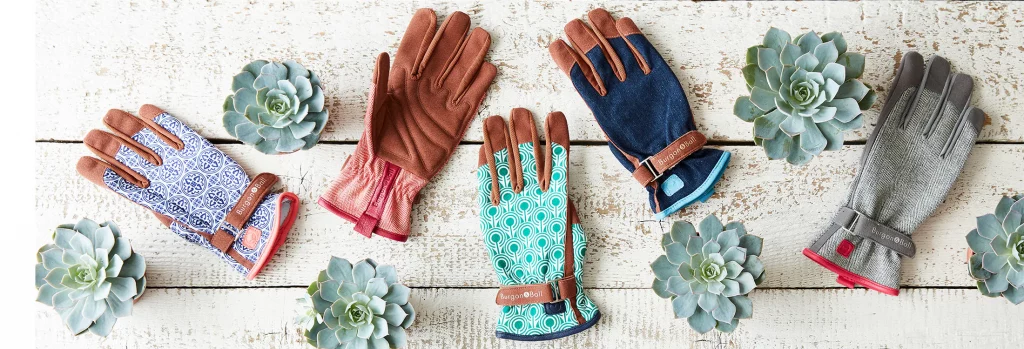
Garden gloves are made from a range of materials, each suited to different tasks. Leather gloves are valued for their strength and durability. They offer excellent protection against thorns, brambles and sharp tools, making them a reliable choice for heavier jobs such as pruning, clearing and digging. Over time, good-quality leather softens and moulds to the hand, becoming more comfortable with use.

Cotton gloves are lighter and more flexible. They are well suited to gentle tasks such as planting, sowing seeds and light weeding. While they offer less protection, they allow greater sensitivity and are often easier to wash and replace.

Synthetic gloves combine durability with flexibility and are designed to handle a wide range of tasks. Many include reinforced fingertips or palms for added strength, while remaining lightweight and adaptable. Some modern designs also offer water resistance, which can be useful when working in damp conditions.

Choosing the right material depends on the work you do most often and the balance you prefer between protection and dexterity.

Finding the right fit

Fit is just as important as material. Gloves that are too loose can slip, reduce grip and make precise tasks difficult. Gloves that are too tight may restrict movement and cause discomfort over time.

A well-fitting glove should sit snugly against the hand while allowing fingers to bend and move freely. Adjustable wrist fastenings help keep soil and debris out, while also ensuring the glove stays securely in place during use.

If possible, try gloves on before buying and flex your hands to make sure they feel comfortable and supportive.

Choosing the right level of protection

Different gardening tasks call for different levels of protection. Thick, padded gloves are ideal for work involving thorns, rough stems or sharp tools, while lighter gloves are better suited to tasks that require precision and touch.

Many gardeners find it useful to keep more than one pair of gloves, selecting the most suitable option for the job at hand. This not only improves comfort but also helps gloves last longer by avoiding unnecessary wear.

Keeping hands cool and comfortable

Gardening can be physically demanding, particularly in warmer months. Breathable gloves help prevent hands from becoming hot and sweaty, which can lead to discomfort and irritation.

Look for designs with breathable fabrics, mesh panels or perforated areas that allow air to circulate. These features are especially valuable if you enjoy long sessions in the garden or work in direct sunlight.

Balancing practicality and style

While function should always come first, there is no reason garden gloves cannot be pleasing to look at as well. Many gloves are available in a range of colours and patterns, allowing you to choose something that reflects your personal taste.

That said, comfort, protection and durability matter far more than appearance. A well-chosen pair of gloves should feel like a natural extension of your hands, supporting your work rather than getting in the way.

A small investment with lasting benefits

Investing in a good pair of garden gloves is a simple way to care for yourself as you care for your garden. By considering materials, fit, protection and breathability, you can find gloves that suit your tasks and make time spent outdoors more comfortable and rewarding.

With the right gloves to hand, you can focus on the pleasure of gardening—working the soil, tending plants and enjoying the quiet satisfaction that comes from nurturing a living landscape.

Further Reading: RHS Eranthis hyemalis – Winter AconiteThe Corylus – Witch HazelHow to Protect Your Soil in WinterA Ruby Gem for Winter: Meeting Cyclamen persicum ‘Verano Red’Bringing Life to Winter: The Resilience of Eastern Cyclamen

Inspiration: Follow Us on InstagramThreads, BlueSkyTwitterTikTok and Pinterest.

How to Choose Garden Planters


Choosing the right garden planter

Gardening offers a quiet sense of satisfaction: time spent tending plants, working with the soil and watching small changes unfold through the seasons. Whether you are growing flowers, herbs or shrubs, the containers you choose play an important role in how well your plants thrive and how your garden feels as a whole.

A garden planter is more than a practical vessel. It shapes the growth of a plant, influences how moisture and warmth are managed, and contributes to the character of your outdoor space. Choosing well will reward you with healthier plants and a garden that feels balanced and considered.

Material: balancing beauty and practicality

One of the first decisions to make is the material of your planter. Each has its own qualities, and the best choice often depends on both the plant and its setting.

Terracotta planters have a timeless appeal and suit many traditional gardens. Their porous nature allows moisture to evaporate, which helps prevent waterlogging and makes them particularly suitable for plants that prefer free-draining conditions. However, they can dry out quickly in warm weather and may crack in hard frost.

Metal planters offer a more contemporary look and are often lightweight and durable. They can work well in modern spaces, but they may heat up in strong sunlight, which can stress plant roots unless carefully positioned.

Wooden planters blend naturally into garden settings and soften hard landscaping. When made from sustainably sourced or treated timber, they can be long-lasting, though they will eventually weather and may be vulnerable to rot if drainage is poor.

Plastic planters are light, affordable and widely available in many shapes and sizes. While convenient, they are less durable over time and can become brittle in prolonged heat or sunlight.

Stone planters bring a sense of permanence and elegance. They are highly weather-resistant and provide insulation for roots, but their weight makes them difficult to move once in place.

Size: allowing room to grow

The size of a planter has a direct impact on plant health. Roots need space to spread, draw in nutrients and anchor the plant as it matures. A container that is too small can restrict growth and dry out quickly, while one that is too large may hold excess moisture.

As a general rule, the planter should be proportionate to the plant’s eventual size rather than its current one. Larger shrubs, small trees and productive vegetables benefit from deep, wide containers—often 60cm or more in diameter—while herbs, bulbs and seasonal flowers are happy in smaller pots.

It is worth remembering that plants grown in containers rely entirely on you for water and nourishment, so choosing the right size from the outset makes care easier and more reliable.

Drainage: essential for healthy roots

Good drainage is vital for almost all plants. Without it, water can collect at the base of the planter, depriving roots of oxygen and leading to rot.

Most planters should have drainage holes that allow excess water to escape freely. These should be large enough to prevent waterlogging but not so wide that compost is lost. Placing crocks or gravel at the base can help improve drainage further.

Self-watering planters can be useful in busy gardens or for plants that need consistent moisture. Their built-in reservoirs supply water gradually, while still allowing air to reach the roots, reducing the risk of overwatering.

Style: complementing your garden

Planters contribute as much to the look of a garden as the plants they hold. Colour, shape and texture all influence how a space feels.

In traditional gardens, terracotta, stone or wood often sit comfortably among soft planting. Contemporary gardens may suit clean lines and muted tones found in metal or smooth stone containers. Decorative or ornamental planters can act as focal points, adding interest and personality to patios, entrances or quiet corners.

Choosing a consistent style or material can help create a sense of harmony, while a carefully placed contrasting planter can draw the eye and add depth.

Cost: investing wisely

Planters are available at many price points, and it is sensible to think about longevity as well as initial cost. Cheaper options may need replacing sooner, while well-made planters can last for many years and improve with age.

Consider how often the planter will be moved, how exposed it is to the elements and whether it will need to support a plant long term. Spending a little more on quality where it matters can save time, effort and expense in the future.

A thoughtful choice

Choosing the right garden planter is a quiet but important decision. With careful consideration of material, size, drainage, style and cost, you can create conditions in which plants flourish and gardens feel welcoming and well cared for.

A well-chosen planter does more than hold a plant—it supports growth, enhances beauty and helps turn any outdoor space into a place of calm, creativity and connection with nature.

Click here for some great planters.

Inspiration: Follow Us on InstagramThreads, BlueSkyTwitterTikTok and Pinterest.