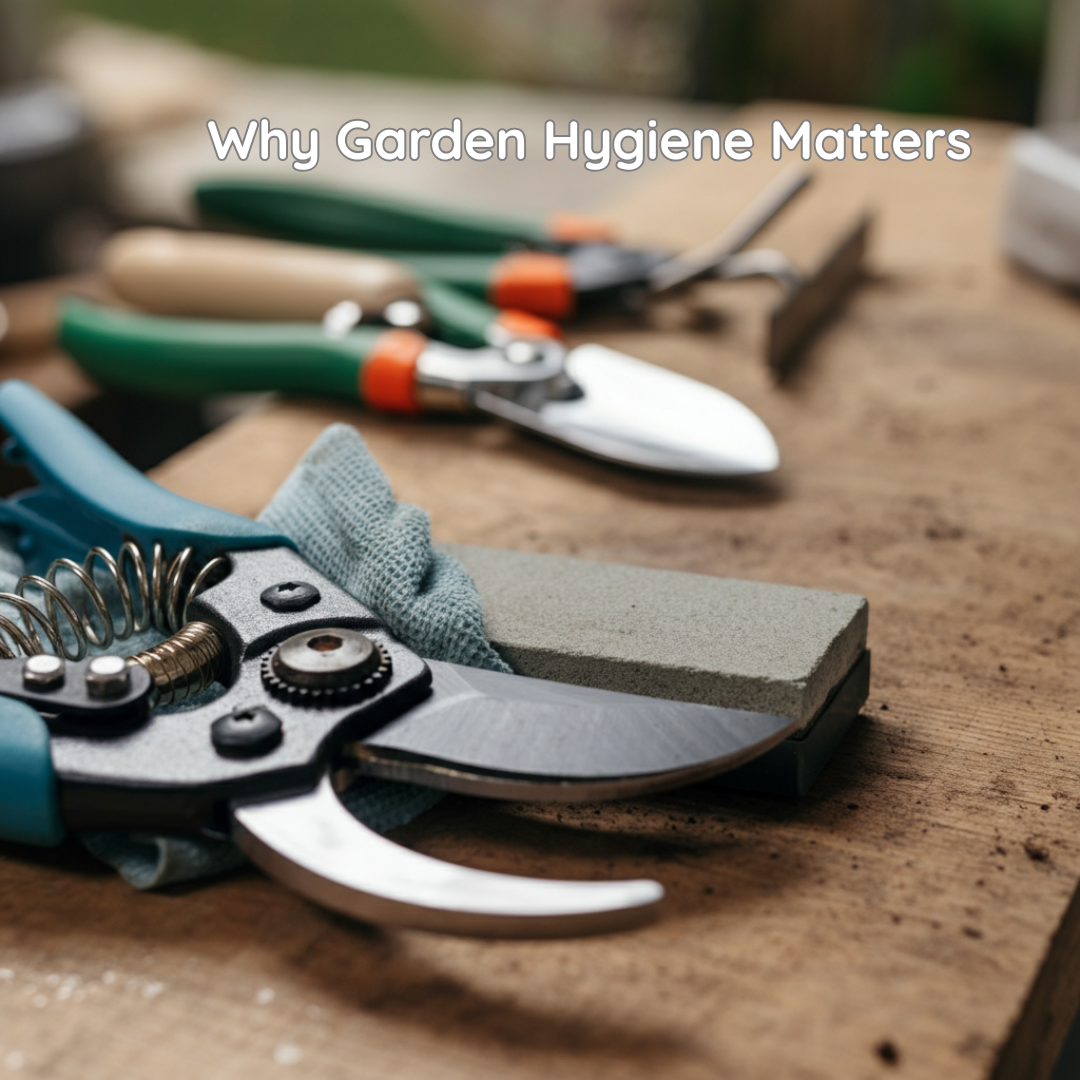
Poor garden hygiene remains one of the most overlooked causes of plant disease and garden failure. Research conducted by the Royal Horticultural Society indicates that contaminated tools and containers contribute to approximately 40% of preventable plant diseases in domestic gardens. Understanding and implementing proper sanitation practices can significantly reduce plant mortality rates and improve overall garden health.
Garden hygiene encompasses the systematic cleaning and maintenance of all gardening equipment, containers and workspaces to prevent the spread of pathogens. These disease-causing organisms include bacteria, fungi, viruses and pests that can devastate plant populations when allowed to proliferate unchecked.
The economic impact of poor garden hygiene extends beyond plant replacement costs. Contaminated soil, repeated treatment expenses and reduced crop yields create substantial financial burden for gardeners. Implementing proper hygiene protocols represents a cost-effective preventive measure that protects both plant health and garden investment.
The Hidden Dangers of Contaminated Garden Tools
Garden tools serve as primary vectors for disease transmission between plants. Pruning shears, secateurs, and loppers create open wounds on plants, providing direct entry points for pathogens. When tools remain unsterilised between uses, they effectively inoculate healthy plants with disease-causing organisms from previously infected specimens.
Bacterial infections spread particularly rapidly through contaminated cutting tools. Fire blight, a devastating bacterial disease affecting fruit trees, can spread to entire orchards through a single infected pruning tool. The bacteria Erwinia amylovora survives on tool surfaces for extended periods, remaining viable for transmission weeks after initial contact.
Fungal spores present another significant concern. These microscopic reproductive structures adhere to tool surfaces and remain dormant until suitable growing conditions arise. Common fungal diseases such as black spot on roses, canker on fruit trees, and blight on tomatoes spread efficiently through contaminated equipment.
Viral infections transmitted through tools prove particularly problematic because no chemical treatments exist for infected plants. Tobacco mosaic virus, cucumber mosaic virus and various other plant viruses spread through the sap transfer that occurs during cutting and pruning activities.
Essential Tool Sterilisation Methods
Effective tool sterilisation requires systematic approach and appropriate disinfectants. The most reliable method involves using a 10% bleach solution, prepared by mixing one part household bleach with nine parts water. This concentration effectively eliminates bacteria, fungi, and viruses without causing excessive corrosion to metal tools.
Application procedure begins with removing visible debris from tool surfaces using a stiff brush. Organic matter can protect pathogens from disinfectants, reducing treatment effectiveness. Following debris removal, tools should be completely submerged in the bleach solution for a minimum of 30 seconds to ensure thorough sterilisation.
Alternatively, 70% isopropyl alcohol provides rapid sterilisation for immediate use between plants. Alcohol-based disinfectants work quickly, requiring only brief contact time, but may require more frequent application during extended pruning sessions. Pre-soaked cloths or spray bottles facilitate convenient application in garden settings.
For gardeners preferring non-chemical options, flame sterilisation using a small torch effectively eliminates pathogens from metal tool surfaces. This method requires careful handling to prevent tool damage and personal injury. Heat treatment should continue until tool surfaces reach visible red heat, indicating sufficient temperature for pathogen destruction.
Regular maintenance enhances sterilisation effectiveness. Sharp, well-maintained tools create cleaner cuts that heal more rapidly, reducing infection opportunities. Dull blades create ragged wounds that remain vulnerable to pathogen entry for extended periods.
Container Contamination: The Overlooked Threat
Plant containers, including pots, seed trays and planters, harbour pathogens that can persist for multiple growing seasons. Fungi such as Pythium and Phytophthora thrive in moist container environments, causing root rot and damping-off diseases in seedlings and established plants.
Used potting containers often contain residual organic matter that supports pathogen survival. Decomposing root fragments, old growing media and accumulated mineral deposits create ideal conditions for disease organisms to multiply and spread to new plantings.
Seed trays present particular challenges due to their multi-cell design and frequent reuse. Contamination in a single cell can spread throughout the entire tray system, affecting multiple seedlings simultaneously. The confined growing environment accelerates disease development and transmission between adjacent plants.
Commercial greenhouse operations recognise container sanitation as critical for maintaining plant health. Studies conducted by agricultural extension services demonstrate that proper container sterilisation can reduce seedling mortality by up to 75% compared to untreated containers.
Comprehensive Container Cleaning Protocol
Effective container sanitation begins with complete removal of all growing media and plant debris. Stubborn residue requires mechanical removal using brushes or scrapers to ensure complete surface access for disinfectants. Mineral deposits from hard water or fertiliser accumulation should be addressed using appropriate cleaning agents.
The standard cleaning solution consists of one part bleach mixed with nine parts water, identical to tool sterilisation protocols. Containers should be completely submerged or thoroughly sprayed with this solution, ensuring all interior and exterior surfaces receive treatment. Contact time of at least 10 minutes allows for complete pathogen elimination.
Following disinfection, containers require thorough rinsing with clean water to remove bleach residue that could harm plant roots. Multiple rinses ensure complete chemical removal, particularly important for containers used for sensitive plants or edible crops.
Alternative cleaning methods include commercial greenhouse disinfectants specifically formulated for container sanitation. These products often provide broader spectrum pathogen control and may offer longer-lasting residual effects compared to household bleach solutions.
Large containers or permanent planters that cannot be submerged benefit from spray application methods. Garden sprayers or pump bottles facilitate even coverage of disinfectant solutions on oversized containers or fixed installations.
Year-Round Hygiene Maintenance
Seasonal maintenance schedules help maintain garden hygiene throughout the growing year. Spring preparation should include comprehensive tool and container cleaning before the growing season begins. This prevents overwintering pathogens from infecting new growth and plantings.
Summer maintenance focuses on prompt removal of diseased plant material and immediate tool sterilisation following contact with infected specimens. Regular inspection and removal of declining plants prevents disease establishment and spread during peak growing periods.
Autumn cleanup requires particular attention to thorough removal of fallen leaves, fruit, and other organic debris that can harbour overwintering pathogens. Comprehensive tool cleaning and proper storage preparation protects equipment during dormant periods.
Winter storage practices should include clean, dry tool storage in protected environments. Moisture exposure during storage can promote corrosion and provide conditions for pathogen survival on tool surfaces.
Building Long-Term Garden Health
Consistent garden hygiene practices create cumulative benefits that compound over successive growing seasons. Reduced pathogen loads in soil and on equipment lead to healthier plants, improved yields and decreased need for chemical interventions.
Proper hygiene protocols support integrated pest management strategies by reducing disease pressure that can weaken plants and increase susceptibility to insect damage. Healthy plants demonstrate improved resistance to environmental stresses and recover more rapidly from adverse conditions.
Investment in quality cleaning supplies and equipment pays dividends through reduced plant losses and improved garden productivity. Simple tools such as dedicated cleaning brushes, spray bottles and appropriate disinfectants represent minimal costs compared to plant replacement expenses.
Regular hygiene practices also enhance the gardening experience by providing confidence in plant health outcomes and reducing frustration associated with recurring disease problems. Systematic approaches to garden sanitation create more predictable and enjoyable gardening results.
Protecting Your Garden Investment
Garden hygiene represents fundamental plant health management that determines success or failure in gardening endeavours. The systematic cleaning and sterilisation of tools and containers prevents disease transmission, reduces plant mortality, and protects garden investments.
Implementing proper hygiene protocols requires minimal time and expense while providing substantial returns through improved plant health and reduced losses. These preventive measures prove far more cost-effective than treating established disease problems or replacing infected plants.
Gardeners who prioritise hygiene practices position themselves for sustained success across multiple growing seasons. Clean tools, sterile containers, and pathogen-free growing environments create the foundation for thriving gardens and rewarding gardening experiences.
Further Reading: Maintaining your Garden Tools, How to Choose Garden Tools
Follow Us on Instagram for Daily Gardening Inspiration 💚
