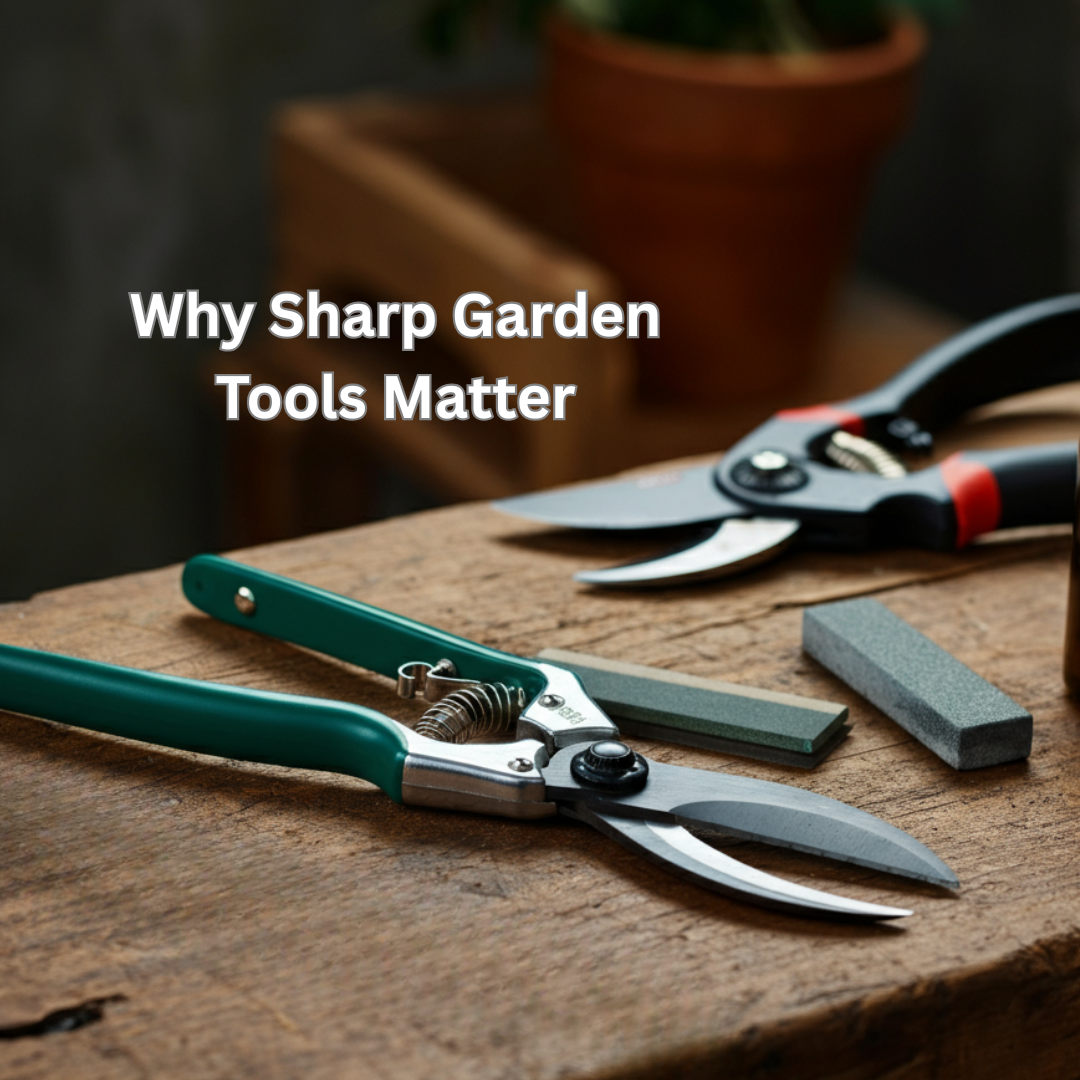
Why Sharp Garden Tools Matter

Gardening is an activity that requires precision and care. A crucial, yet often overlooked, aspect of effective garden maintenance is the condition of your tools. Using dull secateurs, shears and loppers can damage plants, increase the physical effort required, and ultimately lead to a less healthy garden. Keeping your tools sharp ensures clean cuts, promotes plant health, and makes your gardening tasks more efficient and enjoyable.

Why Sharp Garden Tools Matter

Using sharp tools is fundamental to good horticultural practice. The benefits extend from the health of your plants to your own physical ease.

  • Promotes Plant Health and Faster Healing: A sharp blade makes a clean, precise cut that damages fewer plant cells. This allows the plant to heal more quickly, much like a surgical incision. A clean cut is less susceptible to diseases and pests, which can easily enter through the ragged wound left by a dull blade. Dull tools crush and tear plant tissues, creating a larger surface area for infection and causing unnecessary stress to the plant.
  • Reduces Physical Strain: Cutting with a sharp tool requires significantly less force. This reduces strain on your hands, wrists and arms, making gardening a more comfortable and less fatiguing activity. For gardeners who spend many hours pruning, this can help prevent repetitive strain injuries.
  • Improves Pruning Accuracy: Sharp tools give you greater control, allowing you to make precise cuts exactly where you intend. This is important when shaping plants, removing specific branches, or deadheading flowers. Dull blades can slip or fail to cut through a branch cleanly, potentially damaging parts of the plant you intended to keep.
  • Extends Tool Lifespan: Regular sharpening and maintenance prevent the formation of rust and nicks on the blades. By keeping the cutting edge in good condition, you reduce the overall wear and tear on the tool, ensuring it remains functional for many years.

What You Need to Sharpen Your Tools

Before you begin, gather the necessary equipment. Having the right supplies will make the sharpening process safer and more effective.
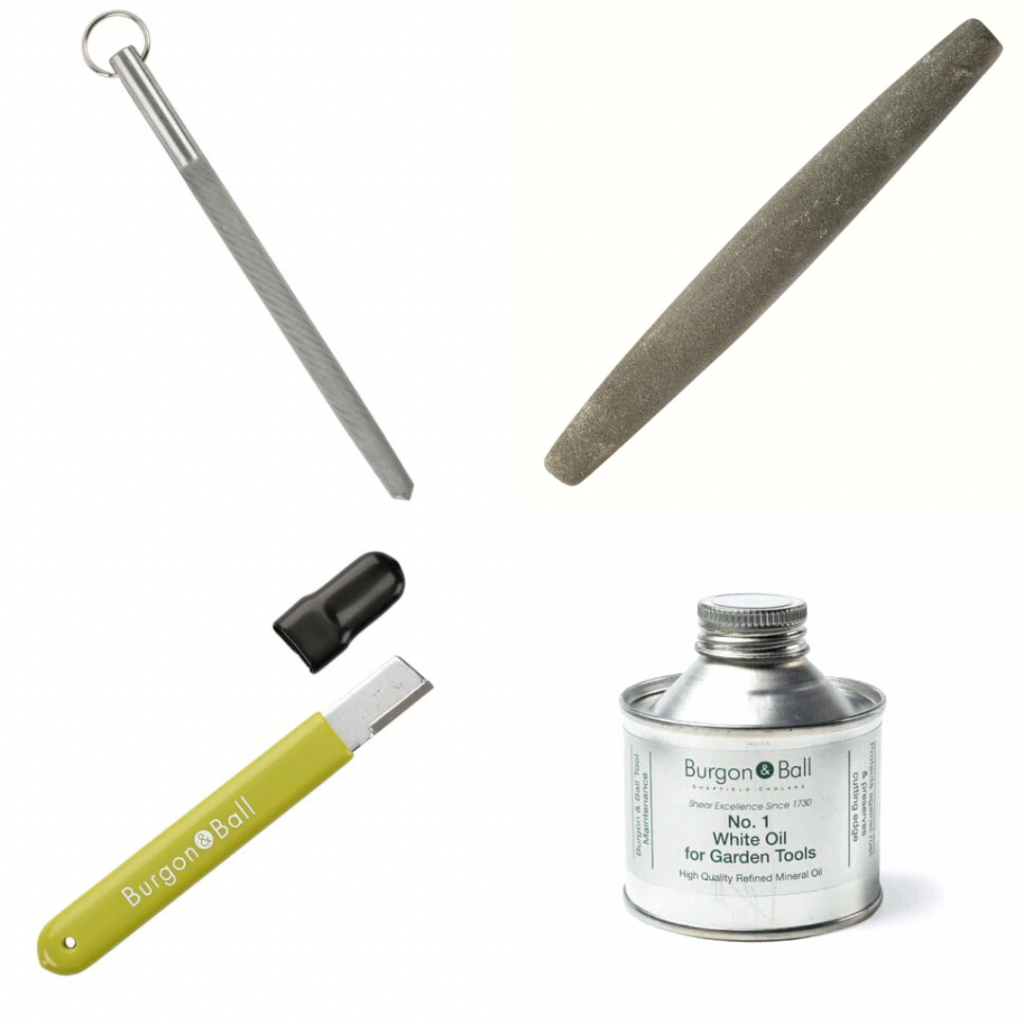
Burgon and Ball Garden Tool Maintenance Equipment.
Sharpening Stone, Oil, Blade Edge Restorer, Sharpening Steel
  • Sharpening Stone (Whetstone) or Diamond File: These are the primary tools for sharpening. A whetstone is a traditional option, available in various grits (coarseness). A medium-grit stone is usually sufficient for garden tools. Diamond files are more aggressive and work faster, making them ideal for very dull or damaged blades.
  • Safety Gloves: Heavy-duty gloves will protect your hands from accidental cuts.
  • Eye Protection: Safety glasses are recommended to shield your eyes from any metal filings.
  • Vice or Clamp: A vice provides a secure way to hold the tool, freeing both of your hands for sharpening. This is particularly useful for larger tools like shears.
  • Cleaning Supplies: You will need a stiff brush, soapy water, and a cloth to clean the tools before sharpening. Methylated spirits can be used to sterilise the blades and remove stubborn sap.
  • Lubricating Oil: A product like WD-40 or a general-purpose lubricating oil is essential for protecting the blades from rust after sharpening.

How to Sharpen Your Garden Tools: A Step-by-Step Guide

The following method can be applied to most single-bladed cutting tools, such as secateurs and loppers, as well as double-bladed shears.

1. Clean the Tool Thoroughly

Before you can sharpen a blade, it must be completely clean. Dirt, sap, and rust can clog your sharpening file and prevent you from achieving a clean edge.

  • Disassemble the tool if possible. This makes it easier to access the blades. Use a spanner or screwdriver to undo the central nut.
  • Use a stiff brush and warm, soapy water to scrub away any dirt and debris.
  • For stubborn sap, soak a cloth in methylated spirits and rub it over the blades until the residue dissolves.
  • Dry the tool completely with a clean cloth to prevent immediate rusting.

2. Secure the Blade

For safety and precision, it is important that the tool is held firmly in place.

  • If you have a bench vice, secure the tool or the individual blade in the vice with the bevelled edge facing upwards.
  • If you do not have a vice, you can hold smaller tools like secateurs firmly in your non-dominant hand, resting your arm on a stable surface. Always ensure the blade is pointing away from your body.

3. Sharpen the Bevelled Edge

Most garden tools, like bypass secateurs, have a single bevelled cutting edge. The other blade is flat and should not be sharpened.

  • Identify the bevel, which is the angled surface of the cutting blade. This is the only part you need to sharpen.
  • Hold your sharpening stone or file at the same angle as the existing bevel (usually between 10-20 degrees). Maintaining this angle is the most critical part of the process.
  • Press the file firmly against the blade and push it in one direction, from the base of the blade to the tip. Follow the curve of the blade.
  • Lift the file and return to the starting position. Do not saw back and forth, as this can damage the edge.
  • Repeat this motion 10-20 times, applying consistent pressure. You should start to see a new, shiny edge forming.
  • For shears with two bevelled blades, repeat this process on the second blade.

4. Remove the Burr

Sharpening creates a small ridge of metal on the flat side of the blade, known as a burr. This needs to be removed to create a truly sharp edge.

  • Turn the blade over.
  • Lay your sharpening stone flat against the back of the blade.
  • Make one or two gentle passes to remove the burr. The back of the blade should be perfectly flat, so do not try to create a new angle.

5. Reassemble and Lubricate

Once you are satisfied with the sharpness, it is time to reassemble and protect the tool.

  • Wipe the blades with a clean cloth to remove any metal filings.
  • Apply a light coat of lubricating oil to all metal parts, including the blades, spring, and pivot joint. This will prevent rust and ensure a smooth cutting action.
  • Reassemble the tool, ensuring the central nut is tight but still allows for free movement.

Maintaining Your Tools

Regular maintenance will keep your tools in good condition and reduce the frequency of major sharpening sessions.

  • How Often to Sharpen: For avid gardeners, sharpening tools once or twice a season is a good rule of thumb. However, if you notice that your tools are crushing stems instead of cutting them cleanly, it is time to sharpen them, regardless of when they were last maintained.
  • Cleaning After Each Use: A quick wipe-down after each use can make a significant difference. Use a cloth to remove any soil and moisture. For sap, use methylated spirits.
  • Proper Storage: Store your tools in a dry place, such as a shed or garage, to protect them from moisture and prevent rust. Do not leave them outside.

Invest in Healthier Plants

Maintaining sharp garden tools is a simple but vital practice for any gardener. It ensures clean, healthy cuts that protect your plants from disease, reduces physical effort and prolongs the life of your equipment. By dedicating a small amount of time to cleaning and sharpening your secateurs and shears, you are making a valuable investment in the long-term health and beauty of your garden.

Further reading: Why Garden Hygiene Matters, Maintaining your Garden ToolsHow to Choose Garden Tools

Follow Us on Instagram for Daily Gardening Inspiration 

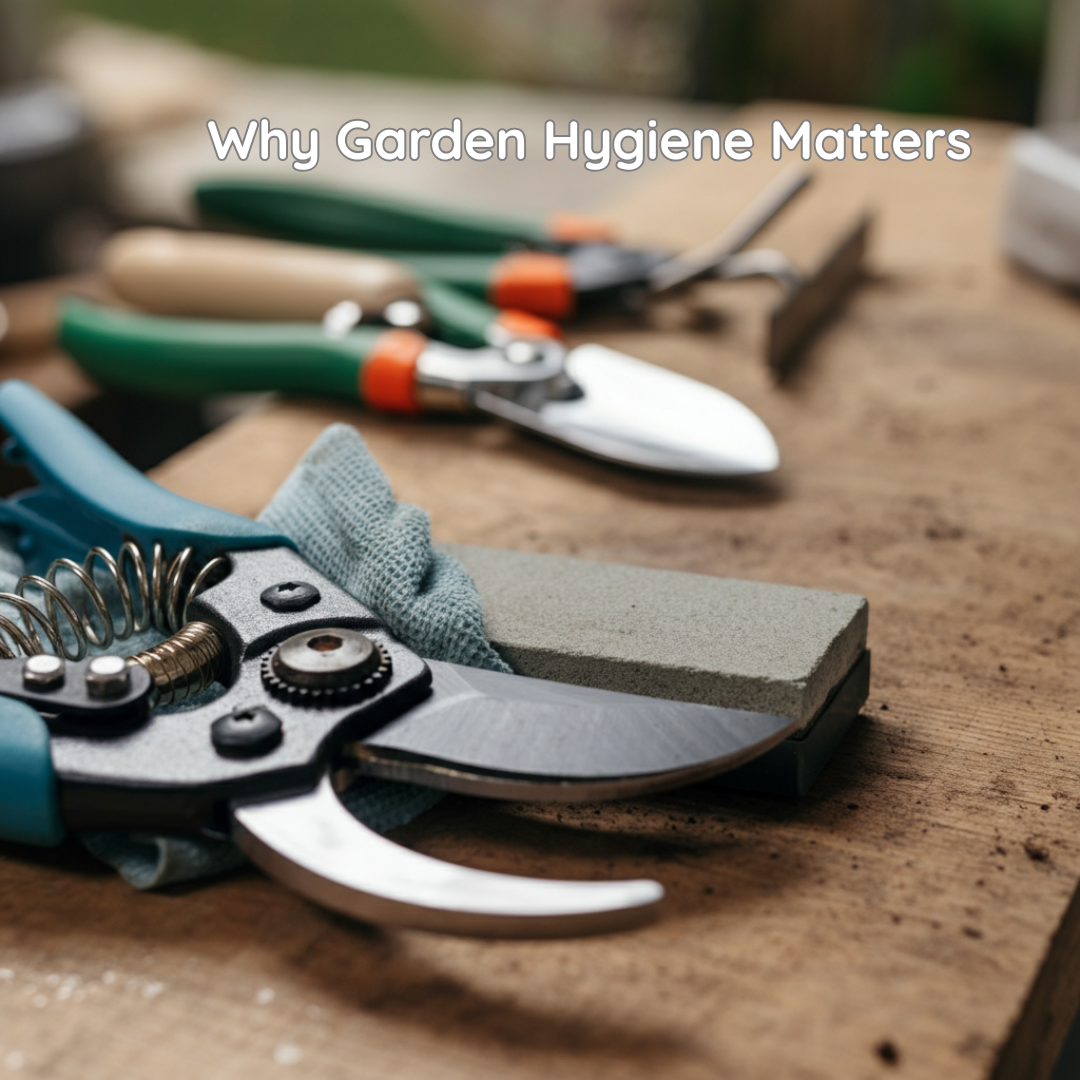
Why Garden Hygiene Matters

Poor garden hygiene remains one of the most overlooked causes of plant disease and garden failure. Research conducted by the Royal Horticultural Society indicates that contaminated tools and containers contribute to approximately 40% of preventable plant diseases in domestic gardens. Understanding and implementing proper sanitation practices can significantly reduce plant mortality rates and improve overall garden health.

Garden hygiene encompasses the systematic cleaning and maintenance of all gardening equipment, containers and workspaces to prevent the spread of pathogens. These disease-causing organisms include bacteria, fungi, viruses and pests that can devastate plant populations when allowed to proliferate unchecked.

The economic impact of poor garden hygiene extends beyond plant replacement costs. Contaminated soil, repeated treatment expenses and reduced crop yields create substantial financial burden for gardeners. Implementing proper hygiene protocols represents a cost-effective preventive measure that protects both plant health and garden investment.

The Hidden Dangers of Contaminated Garden Tools

Garden tools serve as primary vectors for disease transmission between plants. Pruning shears, secateurs, and loppers create open wounds on plants, providing direct entry points for pathogens. When tools remain unsterilised between uses, they effectively inoculate healthy plants with disease-causing organisms from previously infected specimens.

Bacterial infections spread particularly rapidly through contaminated cutting tools. Fire blight, a devastating bacterial disease affecting fruit trees, can spread to entire orchards through a single infected pruning tool. The bacteria Erwinia amylovora survives on tool surfaces for extended periods, remaining viable for transmission weeks after initial contact.

Fungal spores present another significant concern. These microscopic reproductive structures adhere to tool surfaces and remain dormant until suitable growing conditions arise. Common fungal diseases such as black spot on roses, canker on fruit trees, and blight on tomatoes spread efficiently through contaminated equipment.

Viral infections transmitted through tools prove particularly problematic because no chemical treatments exist for infected plants. Tobacco mosaic virus, cucumber mosaic virus and various other plant viruses spread through the sap transfer that occurs during cutting and pruning activities.

Essential Tool Sterilisation Methods

Effective tool sterilisation requires systematic approach and appropriate disinfectants. The most reliable method involves using a 10% bleach solution, prepared by mixing one part household bleach with nine parts water. This concentration effectively eliminates bacteria, fungi, and viruses without causing excessive corrosion to metal tools.

Application procedure begins with removing visible debris from tool surfaces using a stiff brush. Organic matter can protect pathogens from disinfectants, reducing treatment effectiveness. Following debris removal, tools should be completely submerged in the bleach solution for a minimum of 30 seconds to ensure thorough sterilisation.

Alternatively, 70% isopropyl alcohol provides rapid sterilisation for immediate use between plants. Alcohol-based disinfectants work quickly, requiring only brief contact time, but may require more frequent application during extended pruning sessions. Pre-soaked cloths or spray bottles facilitate convenient application in garden settings.

For gardeners preferring non-chemical options, flame sterilisation using a small torch effectively eliminates pathogens from metal tool surfaces. This method requires careful handling to prevent tool damage and personal injury. Heat treatment should continue until tool surfaces reach visible red heat, indicating sufficient temperature for pathogen destruction.

Regular maintenance enhances sterilisation effectiveness. Sharp, well-maintained tools create cleaner cuts that heal more rapidly, reducing infection opportunities. Dull blades create ragged wounds that remain vulnerable to pathogen entry for extended periods.

Container Contamination: The Overlooked Threat

Plant containers, including pots, seed trays and planters, harbour pathogens that can persist for multiple growing seasons. Fungi such as Pythium and Phytophthora thrive in moist container environments, causing root rot and damping-off diseases in seedlings and established plants.

Used potting containers often contain residual organic matter that supports pathogen survival. Decomposing root fragments, old growing media and accumulated mineral deposits create ideal conditions for disease organisms to multiply and spread to new plantings.

Seed trays present particular challenges due to their multi-cell design and frequent reuse. Contamination in a single cell can spread throughout the entire tray system, affecting multiple seedlings simultaneously. The confined growing environment accelerates disease development and transmission between adjacent plants.

Commercial greenhouse operations recognise container sanitation as critical for maintaining plant health. Studies conducted by agricultural extension services demonstrate that proper container sterilisation can reduce seedling mortality by up to 75% compared to untreated containers.

Comprehensive Container Cleaning Protocol

Effective container sanitation begins with complete removal of all growing media and plant debris. Stubborn residue requires mechanical removal using brushes or scrapers to ensure complete surface access for disinfectants. Mineral deposits from hard water or fertiliser accumulation should be addressed using appropriate cleaning agents.

The standard cleaning solution consists of one part bleach mixed with nine parts water, identical to tool sterilisation protocols. Containers should be completely submerged or thoroughly sprayed with this solution, ensuring all interior and exterior surfaces receive treatment. Contact time of at least 10 minutes allows for complete pathogen elimination.

Following disinfection, containers require thorough rinsing with clean water to remove bleach residue that could harm plant roots. Multiple rinses ensure complete chemical removal, particularly important for containers used for sensitive plants or edible crops.

Alternative cleaning methods include commercial greenhouse disinfectants specifically formulated for container sanitation. These products often provide broader spectrum pathogen control and may offer longer-lasting residual effects compared to household bleach solutions.

Large containers or permanent planters that cannot be submerged benefit from spray application methods. Garden sprayers or pump bottles facilitate even coverage of disinfectant solutions on oversized containers or fixed installations.

Year-Round Hygiene Maintenance

Seasonal maintenance schedules help maintain garden hygiene throughout the growing year. Spring preparation should include comprehensive tool and container cleaning before the growing season begins. This prevents overwintering pathogens from infecting new growth and plantings.

Summer maintenance focuses on prompt removal of diseased plant material and immediate tool sterilisation following contact with infected specimens. Regular inspection and removal of declining plants prevents disease establishment and spread during peak growing periods.

Autumn cleanup requires particular attention to thorough removal of fallen leaves, fruit, and other organic debris that can harbour overwintering pathogens. Comprehensive tool cleaning and proper storage preparation protects equipment during dormant periods.

Winter storage practices should include clean, dry tool storage in protected environments. Moisture exposure during storage can promote corrosion and provide conditions for pathogen survival on tool surfaces.

Building Long-Term Garden Health

Consistent garden hygiene practices create cumulative benefits that compound over successive growing seasons. Reduced pathogen loads in soil and on equipment lead to healthier plants, improved yields and decreased need for chemical interventions.

Proper hygiene protocols support integrated pest management strategies by reducing disease pressure that can weaken plants and increase susceptibility to insect damage. Healthy plants demonstrate improved resistance to environmental stresses and recover more rapidly from adverse conditions.

Investment in quality cleaning supplies and equipment pays dividends through reduced plant losses and improved garden productivity. Simple tools such as dedicated cleaning brushes, spray bottles and appropriate disinfectants represent minimal costs compared to plant replacement expenses.

Regular hygiene practices also enhance the gardening experience by providing confidence in plant health outcomes and reducing frustration associated with recurring disease problems. Systematic approaches to garden sanitation create more predictable and enjoyable gardening results.

Protecting Your Garden Investment

Garden hygiene represents fundamental plant health management that determines success or failure in gardening endeavours. The systematic cleaning and sterilisation of tools and containers prevents disease transmission, reduces plant mortality, and protects garden investments.

Implementing proper hygiene protocols requires minimal time and expense while providing substantial returns through improved plant health and reduced losses. These preventive measures prove far more cost-effective than treating established disease problems or replacing infected plants.

Gardeners who prioritise hygiene practices position themselves for sustained success across multiple growing seasons. Clean tools, sterile containers, and pathogen-free growing environments create the foundation for thriving gardens and rewarding gardening experiences.

Further Reading: Maintaining your Garden Tools, How to Choose Garden Tools

Follow Us on Instagram for Daily Gardening Inspiration 💚
Maintaining Your Garden Tools

Any experienced gardener will tell you that one of the most important aspects of gardening is taking care of your tools. Well-maintained gardening tools will not only last longer but will also help you achieve the best results. However, most gardeners overlook tool maintenance or do it half-heartedly, which may result in unnecessary expenses in the long run. As a responsible gardener, you must prioritise tool maintenance to keep your garden looking magnificent. In this blog post, we discuss our approach to garden tool maintenance to help you understand how to take good care of your tools.

Keep Tools Clean and Dry – The first step in garden tool maintenance is to keep your tools clean and dry after each use. Dirt and moisture can easily lead to rust, which can weaken and damage your tools over time. After using your gardening tools, spray them with water and wipe them off with a clean cloth to remove dirt and prevent rust formation. You can also use mineral spirits to remove any stubborn stains on metal tools. Dry your tools thoroughly before storing them in a dry, well-ventilated area.

Sharpen Tools Regularly –  Dull garden tools are ineffective and require more effort to use. To avoid this, sharpen your garden tools regularly using a sharpening tool. This will keep the blades sharp, making it easier to cut through plants and soil. A sharp tool is also less likely to get stuck in the soil and cause damage. Sharpen spades, shovels, and hoes along the bevelled edges and pruners and loppers along the blades. If you don’t have a sharpening tool, you can also use a metal file or a whetstone.

Lubricate Moving Parts – Moving parts of gardening tools also require lubrication to function smoothly and prevent friction that can cause damage. Use a light oil, such as WD-40, to lubricate the moving parts of your tools, such as the pivot of a pair of pruning shears or the hinge of a pair of loppers. This will keep your tools operating smoothly and extend their lifespan. Be sure to wipe off any excess oil with a clean cloth to prevent dust and dirt accumulation.

Store Your Tools Properly – Storing your gardening tools in the right way plays a critical role in tool maintenance. Always store your tools in a dry, cool, and well-ventilated place to prevent moisture, rust, and corrosion. Keep them out of the shed or garage floor to avoid any dampness. You can also hang your tools on a wall using hooks or store them in a tool shed or box. Keep your tools in one place to make it easier to find them when you need them.

Monitor for Wear and Tear – Finally, as part of gardening tool maintenance, it is essential to monitor for wear and tear. Over time, tools can become damaged or worn out, making them unsafe and ineffective. Monitor your tools for any signs of wear and tear, such as bent or cracked handles, blunt blades, or screws, and bolts that have become loose or missing. Repair or replace damaged tools immediately to prevent further damage and accidents.

Tool maintenance is an essential part of gardening that should not be overlooked. If you look after your tools you can keep them functioning smoothly and extend their lifespan. Remember to clean and dry your tools after each use, sharpen them regularly, lubricate moving parts, store them properly, and monitor for wear and tear. A healthy garden depends on healthy tools. Invest time and effort into tool maintenance, and you’ll reap the rewards of a fruitful garden for years to come.

We have a great range of products to keep your garden tools in tip top condition. Click here to see them.

Follow us on Instagram for daily inspiration