Gardening Jobs for December

December often tempts gardeners to hang up their tools and retreat indoors. But there’s much to be done if you want to set your garden up for success in the year ahead. Winter gardening may lack the vibrant colour of spring or the abundant harvests of summer, but it offers its own rewards: the crisp air, the quiet satisfaction of a well-tended plot, and the knowledge that you’re giving your plants the best possible start.

From protecting tender specimens against frost to harvesting robust winter vegetables, December is a month of preparation and preservation. Whether you’re nurturing houseplants through their dormant period or taking advantage of bare-root planting season, these ten essential tasks will keep your garden healthy and thriving through the coldest months.

Let’s explore what needs your attention this December.

1. Reduce Watering of Houseplants

As winter sets in and daylight hours dwindle, your houseplants enter a period of dormancy. Growth slows considerably, and their water requirements drop accordingly. Over-watering during this time is one of the most common mistakes gardeners make, leading to root rot and fungal diseases.

Check the soil before watering. Push your finger about two centimetres into the compost—if it feels moist, hold off. Most houseplants will need watering only every two to three weeks during December, though this varies depending on your home’s temperature and humidity levels. Cacti and succulents may not need water at all.

Plants positioned near radiators or in particularly warm rooms may dry out faster, so adjust accordingly. Remember that terracotta pots allow moisture to evaporate more quickly than plastic ones, which means plants in these containers might need slightly more frequent attention.

2. Keep Mice Away from Stored Produce

Root vegetables stored in sheds, garages, or outdoor clamps make tempting targets for hungry rodents seeking winter shelter. Mice can devastate months of careful cultivation in just a few nights, nibbling through potatoes, carrots, and beetroot with remarkable efficiency.

Store your produce in sturdy, lidded containers made of metal or thick plastic that mice cannot gnaw through. Wooden boxes should be lined with fine wire mesh. Inspect your storage areas for entry points—mice can squeeze through gaps as small as a pencil’s width. Block these with steel wool, which they cannot chew, or use expanding foam combined with wire mesh for larger holes.

Traditional mousetraps remain effective, but check them daily to dispose of any casualties humanely. Alternatively, consider natural deterrents such as peppermint oil on cotton wool balls placed near stored produce. Cats, of course, are nature’s original pest control, though not every gardener has access to a feline assistant.

Keep storage areas tidy and free from fallen produce, which attracts mice in the first place. A clean, well-organized space is far less appealing to unwanted visitors.

3. Take Hardwood Cuttings

December is an excellent time to propagate many woody plants through hardwood cuttings. This simple technique allows you to create new plants from mature growth, perfect for roses, currants, gooseberries, willows, dogwoods, and many ornamental shrubs.

Select healthy shoots from this year’s growth, choosing pencil-thick stems about 20 to 30 centimetres long. Make a straight cut just below a bud at the base and an angled cut above a bud at the top—the angle helps you remember which end is up and allows water to run off. Remove any remaining leaves.

Insert your cuttings into a slit trench in a sheltered spot outdoors, burying about two-thirds of each stem. The soil should be well-drained but moisture-retentive. Space multiple cuttings about 15 centimetres apart. You can also root them in deep pots filled with gritty compost, which is useful if your soil is heavy clay.

By next autumn, most cuttings will have developed sufficient roots to transplant to their permanent positions. This method costs nothing and can quickly fill gaps in borders or hedges.

4. Harvest Leeks, Parsnips, Cabbage, Sprouts, and Root Crops

Winter vegetables truly come into their own during December. Cold weather actually improves the flavour of many crops, particularly parsnips and Brussels sprouts, as low temperatures convert starches to sugars.

Leeks can be harvested as needed throughout winter. Use a fork to loosen the soil around the base, then pull gently to avoid breaking the shaft. Harvest from one end of the row to the other rather than taking plants randomly, which makes subsequent harvesting easier.

Parsnips benefit from frost exposure before harvesting—the cold sweetens their flavour considerably. Lift them carefully with a fork to avoid damaging the roots. They can remain in the ground until needed, but if severe frost is forecast or your soil is heavy, lift and store them in boxes of barely moist sand.

Brussels sprouts should be picked from the bottom of the stalk upwards, snapping off individual sprouts when they’re firm and tight, about the size of a walnut. Don’t strip the entire plant at once; harvest over several weeks as the top sprouts continue to mature.

Winter cabbages and root crops like carrots, beetroot, and turnips can be lifted as required. In milder regions, they’ll keep perfectly well in the ground under a thick layer of straw or bracken. In colder areas, store them in boxes of sand in a frost-free shed.

5. Prune Acers, Birches, and Vines Before Christmas

Certain trees and woody plants “bleed” sap profusely if pruned during their active growing season. Acers (Japanese maples), birches, and grapevines must be pruned during their dormant period, ideally before Christmas, to minimize this sap loss.

When sap bleeds from pruning cuts, it weakens the plant and creates entry points for diseases. By pruning in December, you reduce sap flow to a minimum. The wounds will callus over during the dormant season, ready for healthy growth in spring.

For acers, remove any dead, diseased, or crossing branches that might rub against each other. Aim to maintain the tree’s natural shape rather than imposing a formal structure. These elegant trees rarely need heavy pruning—light touch-ups every few years suffice.

Birches require minimal pruning. Remove only damaged or awkwardly placed branches, cutting back to a main branch or the trunk. Never leave stubs, which invite decay.

Grapevines need more substantial pruning to maintain productivity. Cut back the previous season’s growth to two or three buds from the main framework. This encourages the formation of fruiting spurs for next year’s crop.

Always use sharp, clean secateurs to make smooth cuts, and sterilize blades between plants to prevent disease transmission.

6. Prune Open-Grown Apples and Pears

December is perfect for pruning free-standing apple and pear trees, but avoid pruning those trained against walls or fences until summer. The distinction matters because wall-trained trees require different treatment to control their vigorous growth and maintain their restricted form.

Open-grown trees benefit from winter pruning while dormant. This allows you to see the tree’s structure clearly without foliage obscuring your view. Start by removing the “three Ds”: dead, diseased & damaged. Then thin out congested areas to improve air circulation and light penetration. Take out any crossing branches. These actions will reduces disease and improves fruit quality.

For established trees, aim to create an open, goblet-shaped structure with a clear centre. Remove any shoots growing into the middle of the tree or directly upwards. Cut back vigorous vertical shoots (water shoots) to their base—these rarely produce fruit and sap energy from productive wood.

Make cuts just above outward-facing buds to encourage growth away from the tree’s centre. Angle cuts slightly to shed water, and use sharp tools to avoid leaving ragged edges that heal slowly.

Wall-trained trees (espaliers, cordons, and fans) are pruned in summer instead because winter pruning would stimulate excessive leafy growth at the expense of fruit. Summer pruning restricts growth and encourages the formation of fruiting spurs.

7. Insulate Outdoor Taps and Prevent Ponds from Freezing

Water features and outdoor plumbing need protection as temperatures drop. A frozen tap can burst, causing expensive damage and leaving you without water when you need it most.

Insulate outdoor taps with purpose-made insulation sleeves or improvise with layers of bubble wrap secured with waterproof tape. If possible, turn off the water supply to outside taps at the stopcock and drain the pipes. This eliminates the risk entirely.

Garden ponds require attention too. If ice covers the surface for extended periods, toxic gases from decomposing organic matter become trapped beneath, potentially harming fish and other aquatic life. Never smash ice with a hammer—the shockwaves can injure fish. Instead, place a pan of hot water on the surface to melt a hole gently.

Floating a tennis ball or rubber ball on the pond’s surface helps prevent complete freezing by absorbing some of the ice’s expansion pressure. For more reliable protection, invest in a pond heater designed to keep a small area ice-free, allowing gas exchange to continue.

Remove dead leaves and debris from the pond regularly. Stretched netting over the surface in autumn prevents most leaves from entering, reducing maintenance later.

8. Sort Out Greenhouse Heating

Your greenhouse protects tender plants from winter weather, but many specimens need additional warmth to survive the coldest nights. December is the time to ensure your heating system is functioning properly before a sudden cold snap causes disaster.

Electric heaters with thermostatic controls offer the most precise temperature regulation. Position them centrally for even heat distribution, and keep them away from water sources. Check that electrical connections are secure and cables undamaged. Test the thermostat by adjusting settings and confirming the heater responds correctly.

Paraffin heaters provide a budget-friendly alternative but require more attention. Ensure adequate ventilation to prevent harmful fumes accumulating, and keep wicks trimmed for efficient burning. Refill regularly—running out of fuel overnight could prove fatal to your plants.

Insulating the greenhouse reduces heating costs significantly. Bubble wrap attached to the inside of glass panels traps air while still admitting light. Secure it with special clips designed for the purpose, leaving ventilation points clear. For even better insulation, use horticultural bubble wrap with larger bubbles than standard packaging material.

Close vents and doors at dusk to retain daytime warmth, but open them during mild spells to prevent humidity buildup, which encourages fungal diseases.

9. Put in Place Winter Protection on Structures

Garden structures face battering from winter storms and frost damage if left unprotected. Taking preventative action now saves costly repairs later.

Clean and treat wooden structures such as pergolas, arches, and fences. Remove algae and moss with a stiff brush, allow surfaces to dry, then apply a wood preservative or weather-resistant stain. This protects against moisture penetration and rot. Check for loose fixings and replace damaged sections before strong winds exploit weaknesses.

Empty terracotta pots and move them under cover if possible—porous clay absorbs water, which expands when frozen and cracks the pot. If pots must remain outside, raise them on pot feet to improve drainage and reduce frost damage. Wrap valuable containers in bubble wrap or hessian.

Secure loose items that could become projectiles in high winds. Store garden furniture cushions indoors, or at minimum, in weatherproof storage boxes. Check that shed roofs are sound and gutters are clear of debris that could cause blockages and leaks.

Inspect supports for climbing plants. Ties can rot and break during winter storms, leaving plants damaged. Replace worn ties and check that trellis panels are firmly attached.

10. Plant and Transplant Trees and Shrubs

“Plant bare-root when the ground is bare” goes the old gardening saying, and December offers ideal conditions for establishing woody plants. Bare-root trees and shrubs, lifted from nursery fields and sold without pots, are cheaper than container-grown specimens and often establish more successfully.

The dormant season allows plants to develop root systems before spring growth begins. Soil remains workable unless frozen solid, and winter rainfall helps settle roots without requiring constant attention from the gardener.

Choose a mild day when the soil is neither frozen nor waterlogged. Dig a generous planting hole, breaking up compacted soil at the bottom to aid drainage. The hole should be wide enough to spread roots comfortably but no deeper than the soil mark visible on the stem—planting too deep encourages rot.

Mix excavated soil with well-rotted organic matter if your ground is poor. Position the plant, backfill gradually, and firm gently with your heel to eliminate air pockets. Water thoroughly even in winter—this settles soil around roots and is crucial for establishment.

Stake trees loosely, allowing some movement that encourages strong root development. Use a tree tie with a buffer that prevents bark damage. Apply a mulch layer around the base, keeping it clear of the stem itself, to suppress weeds and conserve moisture.

Transplanting established shrubs also works well during December dormancy. Prepare the new planting site before lifting the shrub. Dig around the root ball, keeping as much soil attached as possible, and replant immediately. Water well and mulch. Most deciduous shrubs move successfully during winter, though evergreens may struggle.

FAQ

Can I do any of these jobs if the ground is frozen?

Avoid working the soil when frozen solid, as walking on it damages structure. However, tasks like pruning, protecting structures, and checking greenhouse heating can proceed regardless. Wait for a thaw before planting, transplanting, or harvesting root crops.

How do I know if I’m overwatering my houseplants?

Yellow, drooping leaves and soft, mushy stems indicate overwatering. Healthy roots are white or cream; rotted roots turn brown and smell unpleasant. If in doubt, let the compost dry out slightly between waterings.

What if I miss the December deadline for pruning vines or acers?

They can be pruned cautiously in January, though sap flow increases as the season progresses. Avoid pruning after February when bleeding becomes excessive. If you must make emergency cuts later, seal wounds with pruning paint, though this isn’t generally recommended for most pruning.

Can I harvest vegetables after a hard frost?

Some crops like parsnips improve after frost, but leafy vegetables may be damaged. Harvest on a mild day when foliage has thawed completely. Cutting frozen leaves causes severe damage.

Your Garden’s Winter Foundation

December gardening may lack the glamour of summer’s abundance, but the work you do now lays the groundwork for a thriving garden throughout the coming year. These ten essential tasks protect your plants through harsh weather, maintain healthy growth cycles, and ensure you have the fresh produce and beautiful specimens you’ve worked so hard to cultivate.

Winter gardening offers its own quiet pleasures—the satisfaction of a properly mulched bed, the promise held in a bundle of hardwood cuttings, the assurance that your pond fish will survive the freeze. Step outside on a crisp December morning, and you’ll find that the garden still needs you, even in its dormancy.

So pull on your warmest coat, gather your tools, and give your garden the winter care it deserves. Come spring, you’ll reap the rewards of these cold December days.

Further Reading: Mast Years: Why They Happen and Their Impact, RHS December Garden Jobs, RHS How to Plan a Border

Inspiration: Follow Us on InstagramThreads, BlueSkyTwitterTikTok and Pinterest.

Garden Tools: Using a Bulb Planter

As autumn settles in, the gardener’s mind turns to spring. It’s the perfect time to plant bulbs, those small, unassuming packages that promise a riot of colour when the days begin to lengthen once more. Planting bulbs can be a deeply rewarding task, but it can also be tough on the back and knees. This is where a dedicated bulb planter comes into its own, transforming the job from a chore into a simple, satisfying activity.

For centuries, gardeners relied on the humble trowel for this task. But as the great gardens of the 18th and 19th centuries expanded, so did the need for more efficient tools. The bulb planter emerged as a specialised instrument designed for one purpose: to create the perfect home for a bulb, quickly and with minimal effort. Today, we can reap the benefits of this innovation.

What is a Bulb Planter?

A bulb planter is a simple yet ingenious tool designed to remove a plug of soil from the ground, creating a hole of the ideal depth and width for planting bulbs. Once the bulb is placed inside, the soil plug is returned, neatly covering it. This method ensures each bulb is planted consistently and with very little disturbance to the surrounding soil or lawn.

The Advantages of a Bulb Planter Over a Trowel

While a trusty trowel is an indispensable part of any gardener’s toolkit, a bulb planter offers several distinct advantages when it comes to planting bulbs in large numbers.

  • Speed and Efficiency: If you’re planting dozens or even hundreds of bulbs, a planter is significantly faster. Instead of digging individual holes, you simply push, twist, and lift. This repetitive, rhythmic action allows you to plant swathes of daffodils, tulips, or crocuses in a fraction of the time.
  • Uniform Depth: Achieving the correct planting depth is crucial for a bulb’s success. A bulb planter, often marked with depth measurements, removes the guesswork. This ensures your bulbs are planted deep enough to protect them from frost and foraging wildlife, leading to a more reliable and uniform display come spring.
  • Less Soil Disturbance: When planting into an established lawn or a tightly packed border, a trowel can create a messy, disturbed patch of earth. A bulb planter cleanly removes a small core of soil, leaving the surrounding area almost untouched. This is particularly useful for naturalising bulbs in grass, as the lawn recovers much more quickly.
  • Reduced Physical Strain: Digging multiple holes with a trowel requires a lot of bending and wrist action. A long-handled bulb planter allows you to do most of the work while standing up, saving your back and knees from unnecessary strain. Even a short-handled version is often more ergonomic than a trowel for this specific, repetitive task.

Choosing Your Planter

There are two main types of bulb planters, each suited to different gardening needs.

Hand-Held Bulb Planter

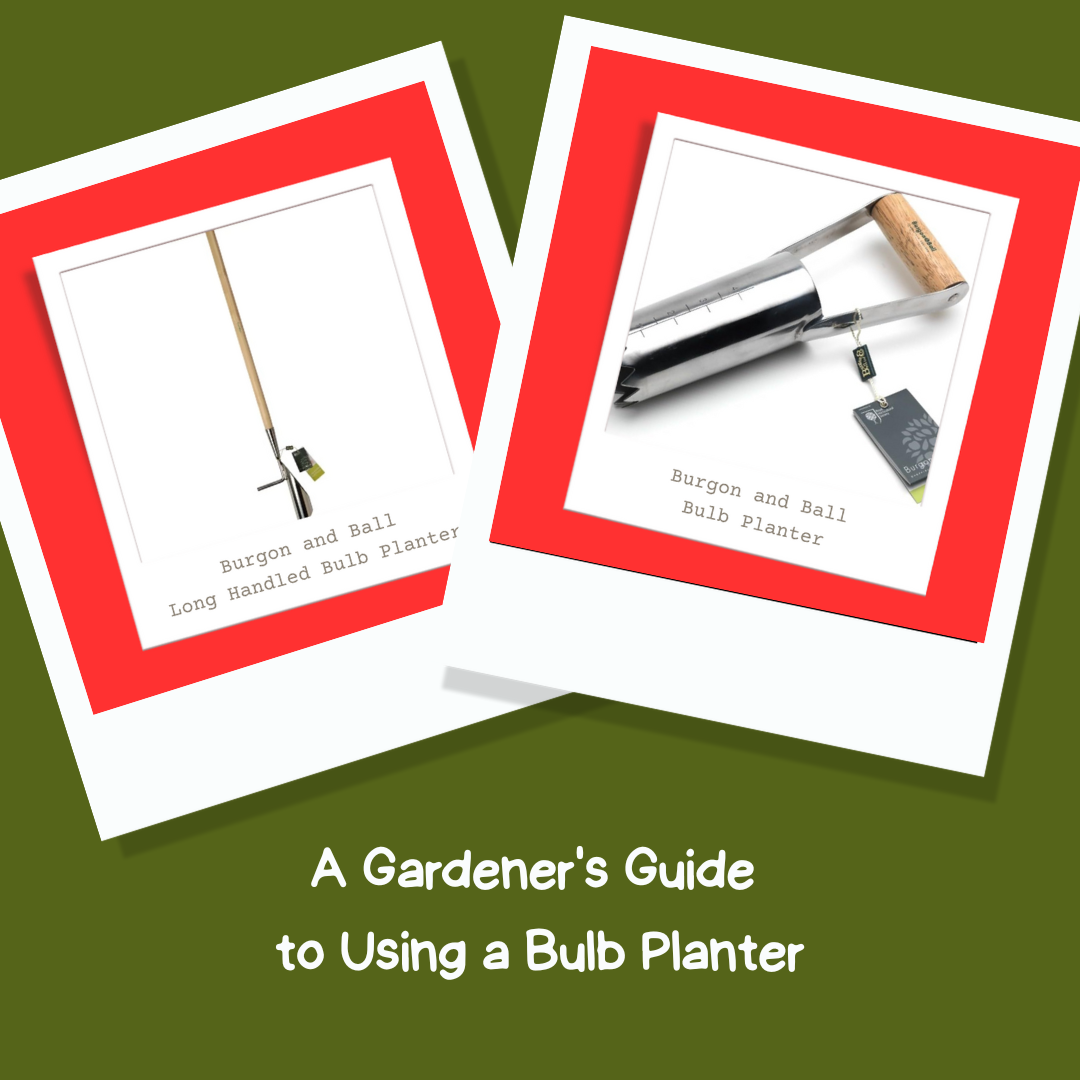
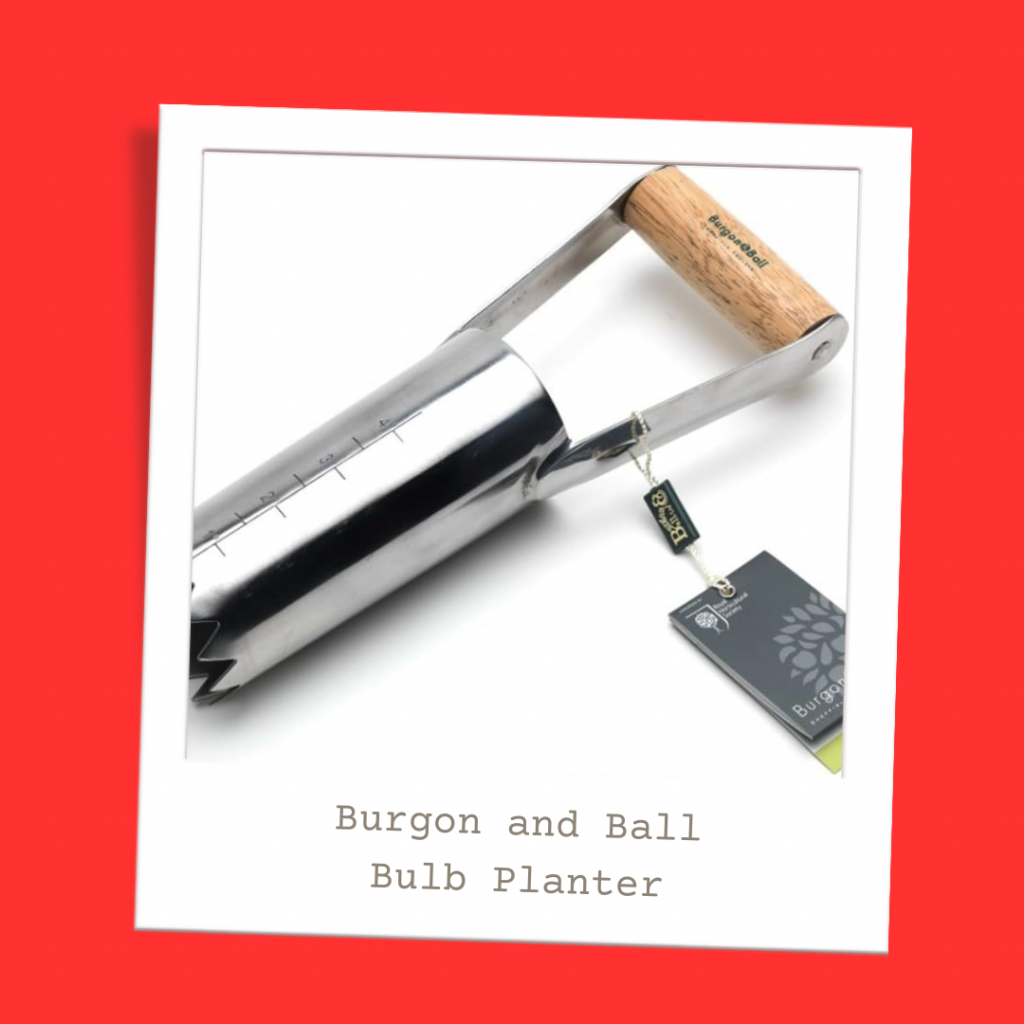
The short-handled planter, like the Burgon & Ball Bulb Planter, is perfect for working in raised beds, containers, or well-cultivated borders. It features a serrated edge to cut cleanly through the soil and a spring-loaded handle that releases the soil plug with a simple press. This design gives you precise control, allowing you to easily manoeuvre around existing plants.

Burgon and Ball Hand-Held Bulb Planter Garden Tool

Long-Handled Bulb Planter

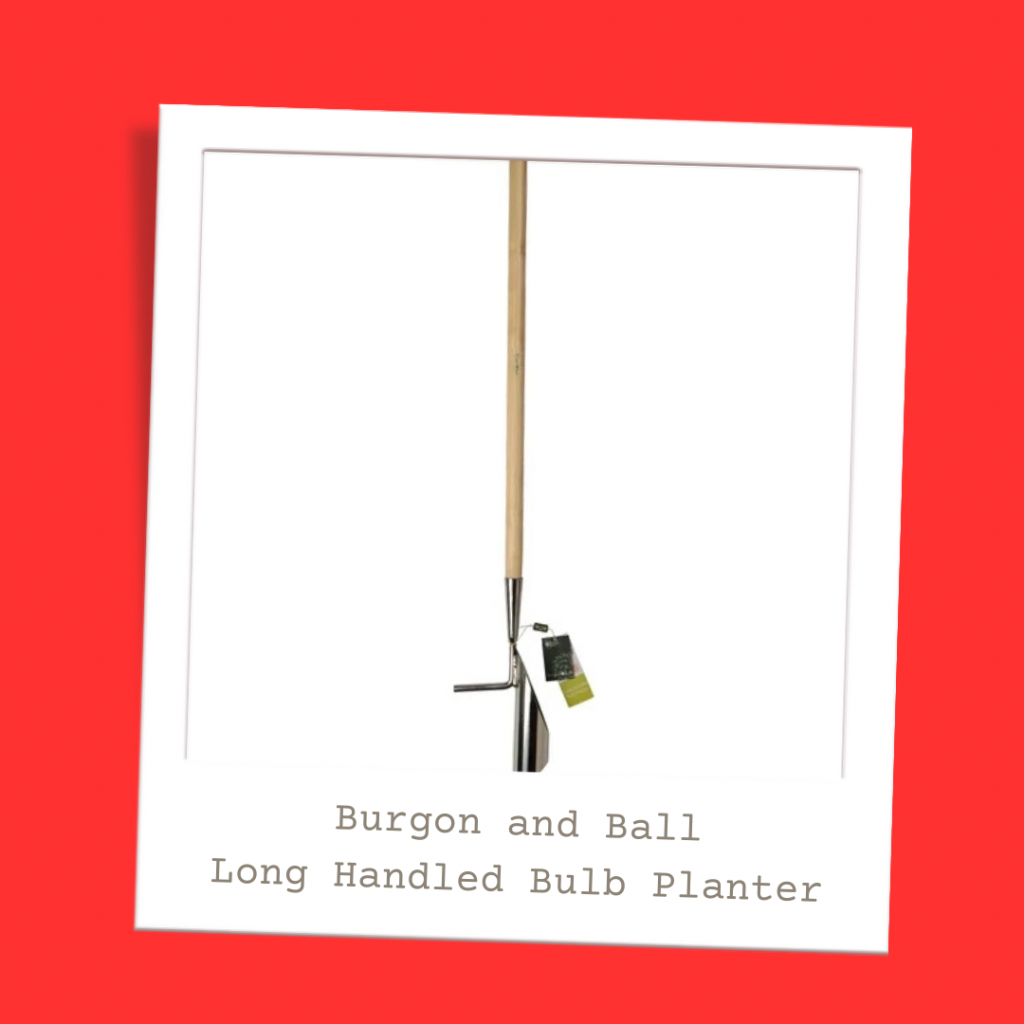
For planting large numbers of bulbs directly into lawns or extensive borders, the Long Handled Bulb Planter is an excellent choice. Its design allows you to use your body weight to drive the tool into the ground, making it effective even in compacted soil. You can work from a standing position, making the process much more comfortable and efficient.

Burgon and Ball.  Long Handled Bulb Planter Garden Tool.

Prepare for a Spectacular Spring

Planting bulbs is an act of faith and an investment in the future beauty of your garden. By choosing the right tool for the job, you can make this autumnal ritual a pleasure rather than a pain. A bulb planter, whether long or short-handled, is a specialised piece of equipment that earns its place in the shed by saving you time, effort, and ensuring a spectacular floral display year after year.

Further Reading: Mast Years: Why They Happen and Their Impact, RHS Planting Bulbs

Inspiration: Follow Us on InstagramThreads, BlueSkyTwitterTikTok and Pinterest.

How to Prune Your Wisteria for Stunning Displays

Wisterias are the showstoppers of any garden, their cascading blooms a sight of breathtaking beauty. But achieving healthy vines laden with flowers takes careful attention and pruning is a vital part of that process. So what do you need to know about pruning your wisteria?


When Is the Best Time to Prune Wisteria?

To keep wisteria under control and encourage abundant blooms, it needs pruning twice a year:

  • Summer Pruning (July–August): Focused on controlling growth and shaping the vine after the flush of spring blooms.
  • Winter Pruning (January–February): Essential for refining the structure, ensuring good airflow and encouraging flower buds for the next season.

Pruning during these times aligns with the plant’s natural cycle. Summer pruning helps manage vigorous growth, while winter pruning concentrates energy into flower production. Get into the habit of these two pruning sessions and you’ll see notable results year-round.


Why Should You Prune Wisteria?

Pruning isn’t just for appearance; it plays a crucial role in the plant’s health and performance. Here’s why it’s essential:

  • Keeps Growth Manageable: Wisterias are naturally fast-growing climbers, and without pruning, they can quickly take over walls, trees or pergolas.
  • Boosts Flower Production: Blooms grow on spurs formed on older wood, and regular pruning encourages this process, enhancing the number of flowers.
  • Encourages Better Airflow: Trimming reduces dense foliage, helping prevent fungal diseases and pest infestations.
  • Shapes the Plant: Whether on walls, pergolas or as standards, pruning helps train your wisteria to grow in a tidy and appealing structure.

Pruning might sound intimidating, but with a little practice, it becomes a straightforward and highly satisfying gardening task.


How to Summer Prune Wisteria (Step-by-Step)

Summer pruning is all about controlling wild growth. Follow this step-by-step guide to keep your vine in check:

1. Inspect the Plant

Look over your wisteria for any overgrown or wayward shoots. These are typically the long, thin growths (or ‘whippy’ shoots) extending from the main branches.

2. Prune Excess Growth

  • Cut back new shoots to five or six leaves from the main stems. This helps tidy the plant while leaving enough foliage for photosynthesis to nourish the plant.
  • If shoots are covering windows, doors or pathways, trim them back to where they don’t obstruct.

3. Tidy Up Climbing Structures

Ensure the plant doesn’t outgrow its space on walls, pergolas or trellises. If desired, tie some shoots into place for support.

By keeping summer pruning regular, you’ll maintain a compact, flower-laden plant that doesn’t spread out of control.


How to Winter Prune Wisteria (Step-by-Step)

Winter pruning focuses on refining the plant’s structure and preparing it for the blooming season ahead. Here’s how to winter prune:

1. Start by Clearing Dead Material

Identify and remove any dead, weak or damaged branches. Look for wood that appears dry, brittle or hollow inside.

2. Shorten Summer Growth

  • Cut back the same shoots you trimmed during summer so they’re reduced further to two or three buds from the main branch. These buds will develop into flower spurs.
  • Remove any very vigorous shoots that undermine the plant’s structure.

3. Check for Crossing Branches

If stems are crossing and rubbing against each other, remove the weaker of the two to prevent damage and maintain an open framework.

Winter pruning is precise and focused, setting up your wisteria for a resplendent spring display.


How to Hard Prune or Renovate Wisteria (Step-by-Step)

If your wisteria has been neglected or grown out of control, hard pruning (or renovation pruning) can help rejuvenate it. While this might mean cutting back significantly, don’t worry—wisterias are hardy and bounce back well.

Step-by-Step Guide to Hard Pruning:

  1. Choose the Right Time: Perform hard pruning in late winter (January–February) when the plant is dormant.
  2. Cut Back to the Main Framework: Reduce all side shoots to within half a metre (1.5 feet) of the main stem or trunk.
  3. Remove Old, Overgrown Wood: Eliminate thick, non-productive branches to open up the plant and give space for new growth.
  4. Define New Leader Shoots: Select a few strong main branches to anchor the vine’s structure moving forward.

Hard pruning may delay flowering for a season, but it’s well worth it for the long-term health and shape of the vine.


How to Train Wisteria on Walls, Pergolas, Arches, and as Standards

Beyond pruning, training wisteria is key to creating a beautiful, structured display. Different surfaces and supports require specific strategies:

Training on Walls

  • Use horizontal wires spaced 30cm (12 inches) apart.
  • Tie stems loosely to the wires with soft garden ties. Guide new shoots along the wires to form an espalier-like structure over time.

Training on Pergolas or Arches

  • Allow one or two main shoots to grow vertically up the support, then train lateral branches horizontally to cover the structure evenly.
  • Tie branches gently and trim excess growth during summer pruning.

Training On Trees

  • Choose a sturdy tree with a clear structure (e.g., no sprawling, low branches).
  • Allow the vine to twist around the trunk naturally. Prune regularly to prevent overgrowth or competition with the host tree.

Training as a Standard

  • Select a single strong upright shoot and stake it for support.
  • Remove all side shoots along the lower stem to create a clear trunk. Allow top growth to spread into a crown, pruning annually to maintain shape.

Each training method works beautifully in different garden designs, so choose the one that fits your space and aesthetic.


The Key to Stunning Wisteria Begins with You

Pruning your wisteria might feel like a daunting task at first, but as you’ve seen, breaking it down into seasonal steps makes the process manageable and rewarding. By integrating regular summer and winter pruning, experimenting with training methods and occasionally hard pruning when necessary, you’re ensuring your wisteria remains a healthy and captivating feature of your garden for years to come.

Take a look at Our Favourite Pruners here.

For Daily Inspiration; Follow us on Instagram, BlueSky, X , Pinterest or Threads.

Discover the Roots of Allotment Culture in National Allotments Week 2024

In a world that’s constantly on the go, we often find ourselves yearning for simpler times and closer connections with nature. National Allotments Week is the perfect opportunity to rediscover these roots. Running from the 12th to the 18th of August 2024, this week-long celebration is not just for experienced gardeners; it’s an invitation for everyone to explore the joys of allotment gardening and sustainable living.

The National Allotment Society: A Guardian of Green Spaces

The National Allotment Society (NAS) has been the backbone of the allotment movement in the UK. Established in 1930, NAS has dedicated itself to protecting, promoting and preserving allotments across the nation. This organisation ensures that these green spaces remain available for future generations by lobbying for legislation, providing expert advice and fostering a vibrant community.

NAS offers various resources to its members, including legal support, horticultural advice and access to a vast network of fellow allotment enthusiasts. Whether you’re new to allotment gardening or a seasoned pro, NAS provides valuable tools and support to help you make the most of your plot.

What is National Allotments Week?

National Allotments Week is an annual awareness campaign organised by the National Allotment Society. Held every August, this week-long event highlights the importance of allotments and their role in promoting healthy living, sustainability, and community spirit. The theme for 2024 focuses on “Growing Together,” encouraging allotment holders to share their experiences, knowledge and produce with their local communities.

During this week, allotments across the country open their gates to the public, offering tours, workshops and social events. These activities provide a unique opportunity for people to learn about allotment gardening, meet like-minded individuals, and discover the benefits of growing their own food.

National Allotments Week

Celebrating 22 Years of National Allotments Week

2024 marks the 22nd year of National Allotments Week, a testament to the enduring appeal and relevance of allotment gardening. Over the past two decades, this campaign has grown significantly, attracting attention from gardeners, sustainability enthusiasts and policymakers alike. The event has played a crucial role in raising awareness about the benefits of allotments and advocating for their protection and expansion.

Each year, National Allotments Week adopts a different theme, reflecting current trends and challenges in the world of gardening and sustainability. Past themes have included “Plotting for the Future”, “Growing Food for Health and Wellbeing” and “Celebrating the Life of the Soil.” These themes highlight various aspects of allotment gardening, from environmental conservation to personal well-being.

Why Allotment Gardening Matters

Allotment gardening offers numerous benefits that extend beyond the individual plot holder. It promotes physical activity, mental well-being and a sense of community. By growing their own food, allotment holders can enjoy fresh, organic produce, whilst reducing their carbon footprint and supporting biodiversity.

In addition to these personal and environmental benefits, allotments also serve as vital green spaces in urban areas, providing habitats for wildlife, and helping to mitigate the effects of climate change. They offer a sanctuary where people can escape the hustle and bustle of city life, reconnect with nature and experience the joys of gardening.

How to Get Involved in National Allotments Week

There are many ways to participate in National Allotments Week, whether you’re an allotment holder, a gardener or simply someone interested in learning more about sustainable living. Here are a few ideas to get you started:

Visit an Open Allotment

Many allotments, across the country open their gates to the public during National Allotments Week. These open days provide a fantastic opportunity to explore an allotment site, meet plot holders and learn about the various plants and gardening techniques they use. Check the National Allotment Society website for a list of participating allotments in your area.

Attend a Workshop or Event

National Allotments Week features a wide range of workshops and events, covering topics such as composting, organic pest control, and growing your own fruit and vegetables. These sessions are often led by experienced gardeners and experts, who provide valuable insights and practical tips. Keep an eye on local allotment associations and gardening clubs for event listings.

Share Your Allotment Experience

If you’re already an allotment holder, National Allotments Week is the perfect time to share your passion with others. Consider hosting a tour of your plot, giving a talk at a local community centre or writing a blog post about your gardening journey. Sharing your experiences can inspire others to take up allotment gardening and join the growing community of green-fingered enthusiasts.

Support Allotment Campaigns

The National Allotment Society and other organisations often run campaigns during National Allotments Week to advocate for the protection and expansion of allotments. Show your support by signing petitions, writing to your local council or spreading the word on social media. Your voice can make a difference in ensuring that allotments remain accessible for future generations.

Start Your Own Allotment

If you’ve been inspired by National Allotments Week, why not take the plunge and start your own allotment? Begin by researching allotment availability in your area and joining a waiting list if necessary. The National Allotment Society website is an excellent resource for finding allotments and learning about the application process.

The Benefits of Joining the National Allotment Society

Becoming a member of the National Allotment Society offers numerous advantages, including access to expert advice, legal support and a network of fellow gardeners. Members also receive a quarterly magazine, which features articles on gardening techniques, allotment news and inspirational stories from plot holders across the country.

Membership fees help support the Society’s vital work in advocating for allotments, providing educational resources and fostering a sense of community among gardeners. By joining NAS, you’re not only enhancing your own gardening experience, but also contributing to the protection and promotion of allotments nationwide.

The Future of Allotment Gardening

As we look to the future, the role of allotment gardening in promoting sustainability and well-being is more important than ever. With increasing urbanisation and the growing impacts of climate change, allotments offer a practical solution for creating resilient, green spaces in our communities.

National Allotments Week serves as a reminder of the many benefits that allotments provide and the importance of preserving these valuable spaces for future generations. By participating in this annual event, we can all play a part by ensuring that the allotment movement continues to thrive.

National Allotments Week is a celebration of the joys and benefits of allotment gardening. Whether you’re a seasoned plot holder or new to the world of gardening, this week-long event offers something for everyone. From open days and workshops to community events and campaigns, there are countless ways to get involved and share in the excitement.

Join us in celebrating National Allotments Week from the 12th to the 18th of August 2024 and discover the many ways that allotments can enrich your life and community. Explore the resources and support offered by the National Allotment Society, and consider becoming a member to help protect and promote these vital green spaces.

Ready to dig in? Visit the National Allotment Society website to learn more about National Allotments Week, find local events, and start your own allotment journey today.

Happy Allotmenteering!

Further Reading: Transform your Allotment into a Biodiversity Haven

Follow us on Instagram for Daily Gardening Inspiration

Garden Wildlife Week: Protecting Our Declining Species

Garden Wildlife Week – 6th to 12th June

Garden Wildlife Week, taking place from 6th to 12th June, is an important event that aims to raise awareness of the declining species of wild animals and plants in the UK. As some of the most recognisable British animals and insects are facing a decline in numbers, it is crucial for us to play our part in protecting and preserving their habitats.

Understanding Garden Wildlife Week

Garden Wildlife Week serves as a beacon for environmental conservation, specifically targeting the rich tapestry of Britain’s native fauna and flora. This week-long observance acts as a catalyst for individuals and communities to unite under the common goal of wildlife preservation. The event is structured to not only shed light on the critical situation many species face but also to educate the public about the ecosystem’s intricacies and the role each species plays within it. It emphasises the symbiotic relationship between humans and nature, highlighting how the well-being of one is inherently linked to the other. Through a series of informative and engaging activities, Garden Wildlife Week seeks to inspire a collective movement towards more sustainable practices and habitat conservation efforts. Engaging with this event provides an invaluable opportunity for learning about local wildlife, understanding the specific challenges it encounters, and exploring actionable strategies to mitigate these threats. The ultimate aim is to foster a society that is well-informed about environmental conservation, thereby ensuring that the splendour of British wildlife is not just preserved but thrives for generations to come. Participation in Garden Wildlife Week equips individuals with the knowledge and tools necessary to make a positive impact, urging a proactive stance on environmental stewardship.

The Decline of British Wildlife: A Closer Look

The stark reality facing British wildlife today is alarming, with numerous species experiencing significant declines in their populations. Habitat destruction stands as a principal culprit, resulting in the loss of critical environments where wildlife once thrived. Urban expansion, intensive farming practices, and deforestation have all contributed to a reduction in natural habitats, leaving many species struggling to survive. Pollution further exacerbates this crisis, with waterways and air quality suffering due to human activity, impacting aquatic life and bird populations alike.

Climate change introduces another layer of challenge, altering the natural rhythms and habitats that wildlife depends upon. Extreme weather events, shifting seasonal patterns, and rising temperatures affect food availability, migration routes, and breeding cycles, placing additional stress on already vulnerable species. Hedgehogs, once a common sight in British gardens, are now seeing their numbers dwindle, with similar fates befalling various bee and butterfly species, each integral to our ecosystem’s health due to their roles in pollination.

The impact of human interference cannot be understated, with littering, pesticide use, and other harmful practices disrupting wildlife health and habitats. Birds, for instance, face threats from both habitat loss and poisoning, with declines in insect populations leading to a knock-on effect on species that rely on them for food. As these species face an uncertain future, the need for concerted conservation efforts has never been more urgent. By acknowledging the multifaceted challenges they face, we can begin to address the decline and work towards a more sustainable coexistence with the natural world that surrounds us.

Why Your Garden Is a Wildlife Haven

Amidst the urban sprawl and agricultural expanses that characterise much of the UK’s landscape, your garden emerges as a vital refuge for an array of wildlife. In a world where natural habitats are increasingly under threat, the smallest green space can serve as a sanctuary for various species, from birds seeking food and shelter to insects crucial for pollination. Envisage your garden as a microcosm of the broader ecosystem, a patchwork of life that mirrors the diversity found in the wild.

Cultivating a garden with wildlife in mind transforms your outdoor space into a bustling hub of activity and life. Through conscious planting and thoughtful layout, gardens become not just areas of aesthetic beauty but lifelines for species that have lost their traditional homes. This transformation is particularly critical in areas where green spaces are few and far between. By providing a mosaic of habitats – from flowerbeds rich in nectar to dense shrubberies and water features – your garden bridges gaps in the landscape, allowing wildlife to thrive amidst urban and agricultural settings.

Moreover, the presence of wildlife in gardens isn’t just beneficial for the creatures that inhabit them; it enriches our lives too. Observing the daily comings and goings of birds, the gentle buzz of bees, and the flutter of butterflies adds a layer of enjoyment and connection to the natural world that is increasingly rare in today’s fast-paced society. By turning our gardens into wildlife havens, we not only contribute to the survival of many species but also foster a deeper appreciation for the natural world right on our doorsteps.

Simple Steps to Make Your Garden Wildlife-Friendly

Transforming your garden into a sanctuary for wildlife doesn’t necessitate grand gestures; even the smallest actions can have profound impacts. Begin by incorporating native plants, which are innately designed to thrive in local conditions and provide essential food and shelter for a host of native species. These indigenous varieties form the backbone of a garden ecosystem, attracting birds, bees, and butterflies.

Next, ensure that your garden offers a reliable water source. A simple birdbath or a shallow dish filled with water can provide a lifeline for birds and insects, especially during the warmer months.

Creating habitats for wildlife is another effective measure. Leave a corner of your garden undisturbed to mimic natural environments, with piles of leaves or logs where insects and small mammals can find refuge. Similarly, installing bird boxes or insect hotels can offer safe nesting sites.

The use of chemical pesticides and fertilisers should be avoided, as these can be harmful to both the wildlife visiting your garden and the broader environment. Opt instead for natural pest control methods and organic fertilisers, which support a healthier, more balanced garden ecosystem.

Encouraging wildlife into your garden isn’t just about providing resources; it’s also about ensuring safety. Keeping cats indoors at dawn and dusk, when birds are most active, can significantly reduce the risk to feathered visitors. Moreover, checking for hedgehogs before lighting bonfires or mowing long grass can prevent unintended harm to these creatures.

By implementing these simple steps, you contribute to a larger collective effort towards wildlife conservation, making your garden a dynamic part of the UK’s natural heritage.

The Power of Planting for Pollinators

Creating a haven for pollinators within your garden is not only a gesture towards conserving these vital species but also an investment in the future of our planet’s flora. Pollinators such as bees, butterflies, and many other insects are the unsung heroes of our ecosystem, facilitating the fertilisation of plants by transferring pollen, thus enabling the production of seeds and fruits. This intricate process is essential for the survival of many crops and wild plants, underpinning the diversity of life we cherish.

To support these crucial actors, consider the strategic planting of nectar and pollen-rich flowers. Opt for a variety of species that bloom at different times of the year to provide a continuous food source. Such plants not only offer sustenance to adult pollinators but also serve as nursery sites for their larvae. Lavender, foxgloves, and wildflower mixes are exemplary choices that can turn your garden into a bustling hub for these creatures.

Equally important is the preservation of natural habitats within your garden. Leaving sections of your garden untouched or wild can simulate the natural environments that many pollinators call home. Additionally, the provision of bee hotels and leaving deadwood in sunny spots can offer refuge and nesting sites.

By embracing these practices, you directly contribute to the survival and prosperity of pollinator populations. This effort not only enhances the health and beauty of your garden but also plays a pivotal role in safeguarding the biodiversity upon which we all depend.

Water Features: More Than Just Decoration

Introducing water features into your garden does far more than enhance its aesthetic appeal; they act as critical lifelines for a variety of garden wildlife. A pond, no matter its size, can become a focal point for biodiversity, drawing in creatures such as dragonflies, frogs, and even birds, all in search of hydration and habitat. These water bodies not only serve as drinking spots during dry spells but also as breeding grounds for amphibians and insects, contributing significantly to the ecological balance within your garden.

Water gardens or small birdbaths cater to the needs of smaller creatures and passing wildlife, offering them a place to bathe and drink. Such features mimic natural water sources, filling a gap in increasingly urbanised areas where such essentials are scarce. The presence of water can transform your garden into a haven for these species, many of which play pivotal roles in pollination and pest control, thereby enriching the garden’s health and diversity.

Incorporating water features demands a thoughtful approach; positioning them where they can be easily accessed by wildlife yet safe from potential predators. Moreover, maintaining these water sources clean and free from chemicals is paramount to ensure they remain beneficial to visiting wildlife. By adopting these measures, your garden’s water features will go beyond mere decoration, serving as vital components of your contribution to local biodiversity and conservation efforts, reinforcing the sanctuary you’re creating for wildlife in your very own backyard.

Reducing Chemical Use in Your Garden

Creating a wildlife-friendly environment in your garden involves taking a closer look at the products and practices we’ve traditionally used to maintain it. The conventional chemicals deployed in the war against pests and diseases – pesticides, herbicides, and synthetic fertilisers – are now recognised as double-edged swords, with their detrimental impacts on the delicate balance of garden ecosystems becoming increasingly apparent.

To foster a safe haven for wildlife, the shift towards natural and organic alternatives is both a necessary and rewarding endeavour. Biological pest control methods, such as introducing natural predators like ladybirds to combat aphid populations, offer an effective and eco-friendly solution. Composting organic matter to enrich the soil not only recycles kitchen and garden waste but also reduces the need for synthetic fertilisers, promoting healthier plant growth and soil microbiome.

Another pivotal step is embracing companion planting, an age-old technique that naturally repels pests and enhances plant health by carefully selecting plant combinations based on their mutual benefits. For example, planting marigolds alongside tomatoes can deter nematodes and other pests, while garlic planted near roses can help fend off aphids.

These approaches align with the overarching ethos of Garden Wildlife Week, underpinning the importance of every gardener’s choices in safeguarding our biodiversity. By adopting these methods, we can significantly lessen our chemical footprint, paving the way for a garden that not only blossoms with life but also contributes to the broader tapestry of British wildlife conservation.

Joining Forces: How Community Actions Can Make a Difference

Collaborative efforts within communities can significantly bolster the impact of conservation initiatives, particularly during Garden Wildlife Week. Engaging with neighbours, schools, and local clubs to embark on joint projects such as creating wildlife corridors between gardens, or establishing communal green spaces, can transform local areas into thriving habitats for wildlife. These collective actions not only extend the living spaces for various species but also foster a sense of unity and shared responsibility towards our environment. Initiatives like setting up group workshops on organic gardening practices, or collectively pledging to reduce pesticide use, can have far-reaching effects on local ecosystems. Moreover, community involvement can help in lobbying for policies that support wildlife-friendly urban planning. By pooling resources, sharing expertise, and championing the cause together, we can achieve a greater synergy in our efforts to safeguard the natural world around us, ensuring a lasting legacy of biodiversity for future generations to enjoy and cherish.

Further Reading: Helping Wildlife this Winter, How to Create and Maintain a Garden Pond

For Daily Gardening Inspiration Follow Us on Instagram

The Incredible Benefits of Mulching for Your Garden

As gardeners, we always strive to maintain the perfect garden, making it a beautiful and thriving place for our senses. However, it requires consistent effort, investment, and resources. One of the best things you can do for your garden is mulching. Mulching is an excellent form of gardening that helps you maintain the health and beauty of your garden. This practice as it offers tremendous benefits to the environment and the plants, flowers, and vegetables that you grow. In this blog post, we shall explore the incredible benefits of mulching for your garden.

Reduces Soil Erosion and Compaction

Mulching replicates the natural layer of leaves and organic matter that we find in forests. The layer of mulch on the soil shields it from the impact of rain, wind, and storms. It helps to reduce soil erosion and compaction, which can affect the growth of your plants and affect the soil’s nutrient composition.

Retains Moisture in the Soil

Mulch is an excellent moisture retainer. During the hot summer months, when water evaporates quickly from the soil, mulch helps retain the moisture necessary for your plants’ growth and survival. The layer of mulch also suppresses weed growth that can compete for moisture in the soil.

Improves Soil Quality

Mulch is broken down by beneficial microorganisms, which eventually enrich the soil with organic matter, minerals, and nutrients. As the mulch decomposes, it enhances the soil’s structure, aeration, and water-holding capacity. This helps to improve the overall quality of your soil, making it more conducive for your plants’ growth.

Controls Soil Temperature

Mulch acts as an insulator for your garden soil. The layer of mulch helps to moderate the soil temperature by reducing the impact of fluctuating temperatures, especially when there are sudden changes. This is especially useful during the winter months, where it protects the roots of your plants from frost.

Attracts Beneficial Insects and Micro-organisms

Mulch is a natural habitat for beneficial insects and micro-organisms, which help to increase the fertility of the soil. Some of these insects and micro-organisms include earthworms, nematodes, and bacteria that aid in the decomposition of organic matter, making it more available to the plants.

Mulching is a simple and effective practice that offers numerous benefits for your garden. It reduces soil erosion and compaction, retains moisture in the soil, improves the soil quality, controls soil temperature, and attracts beneficial insects and micro-organisms. Gardeners are encouraged to try this practice, and you’ll be amazed at the results. So, go ahead and mulch your garden and enjoy the beauty and health of your plants and flowers.

Follow Us On Instagram for Daily Garden Inspiration

Take a look at our great Watering Can Range