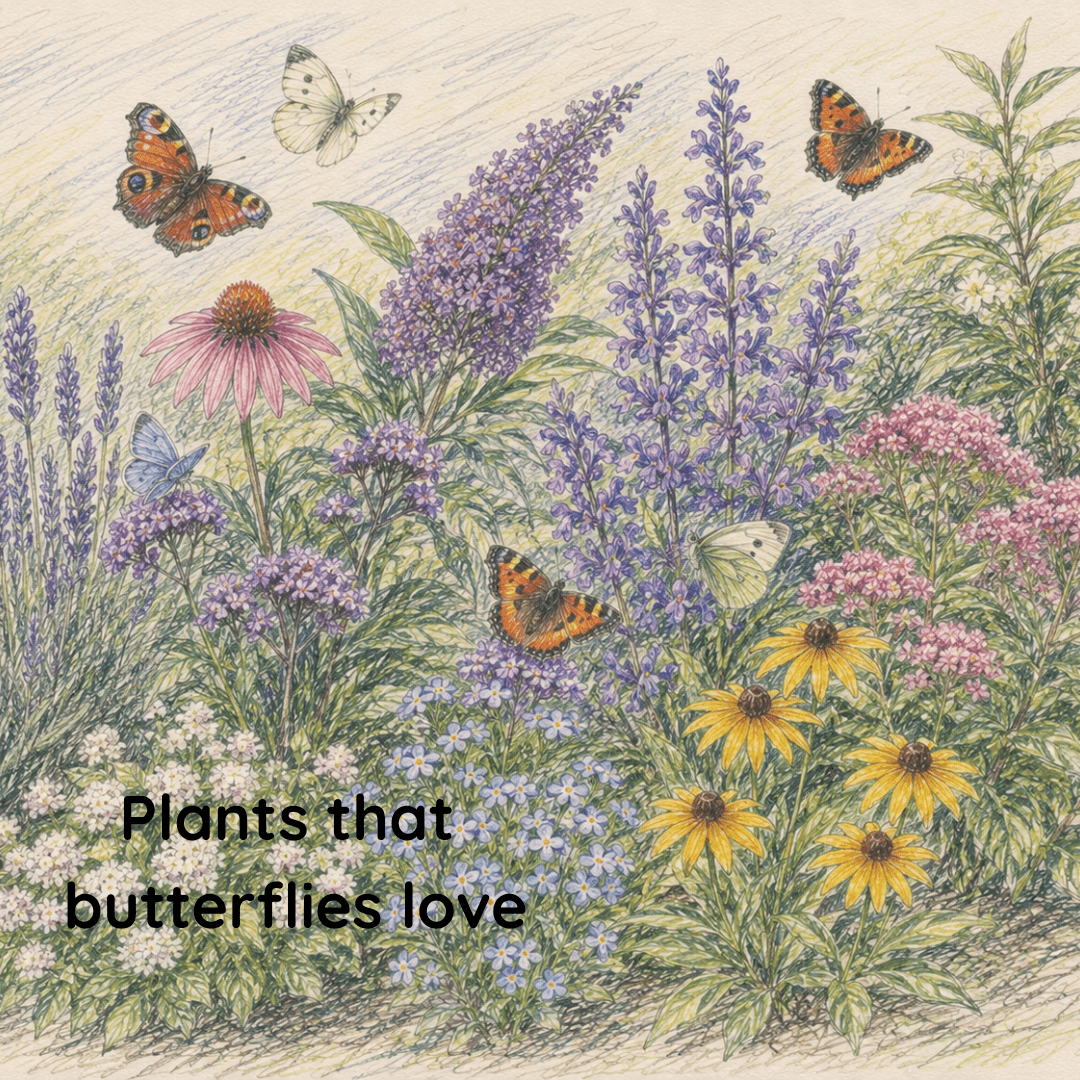
If you were to watch a butterfly garden closely over a full season, you’d begin to notice patterns — certain plants returning again and again as landing places, feeding stations, and resting spots.
These aren’t random choices. They are plants known to be rich in nectar, simple in structure, and generous over a long flowering period — all things butterflies rely on.
Here are ten that earn their place, not just for their beauty, but for what they offer.
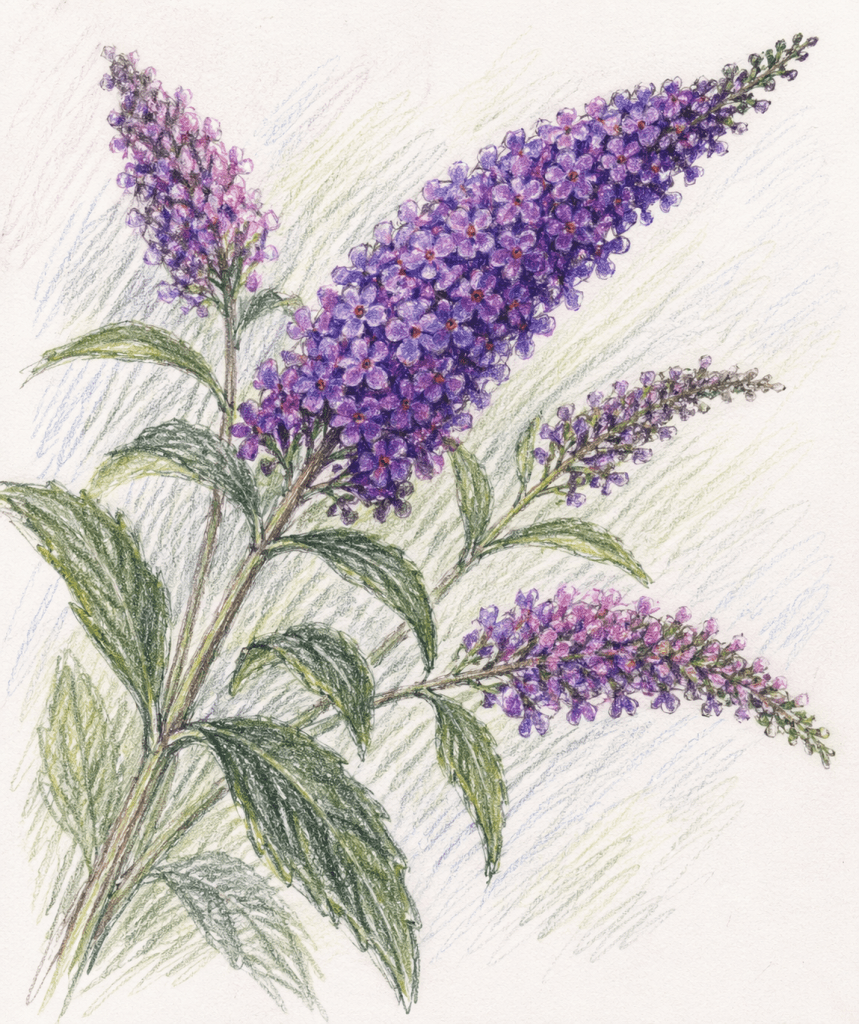
1. Buddleja (Butterfly Bush)
There’s a reason this plant is so often associated with butterflies. Its long, arching clusters of tiny flowers are rich in nectar and carry a light, honeyed scent that drifts on warm air. In high summer, it becomes a gathering place — a quiet hub of activity.
Why it works: Abundant nectar and a long flowering period make it irresistible to adult butterflies.
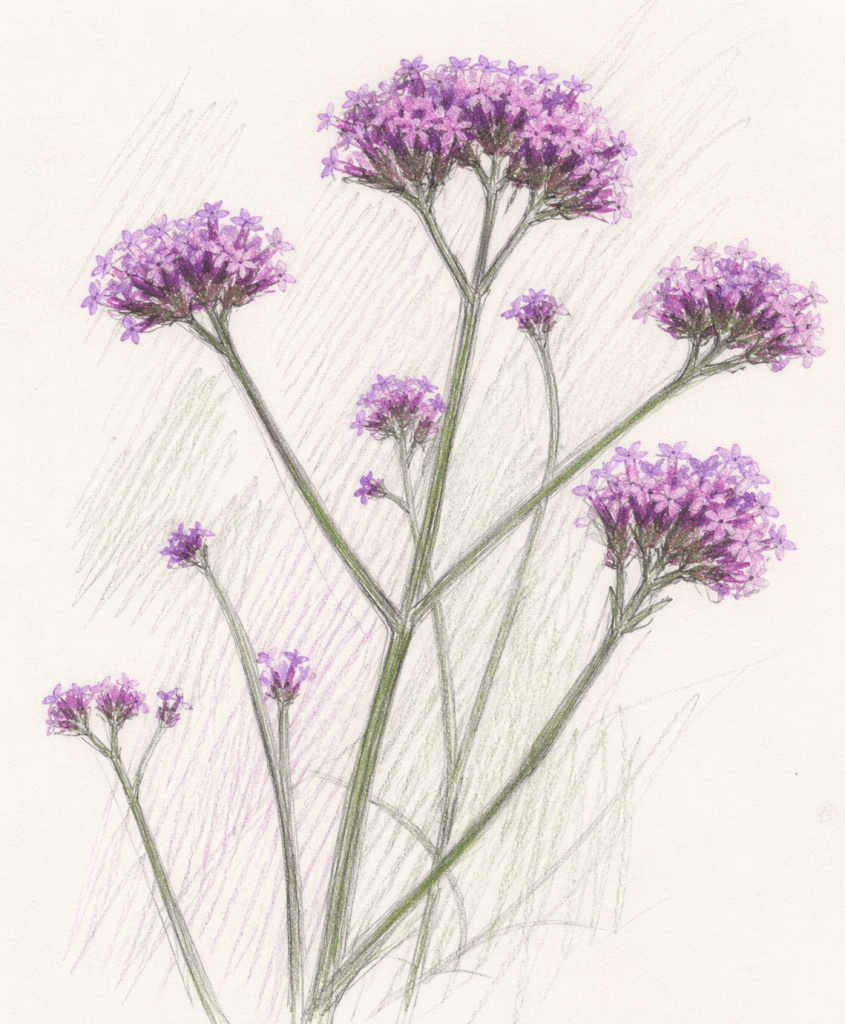
2. Verbena bonariensis
Tall, airy, and almost transparent in its structure, this plant seems to hover within a border rather than sit heavily in it. Butterflies favour its small clusters of nectar-rich flowers, returning again and again.
Why it works: Open flower heads and height provide easy access and gentle landing spots
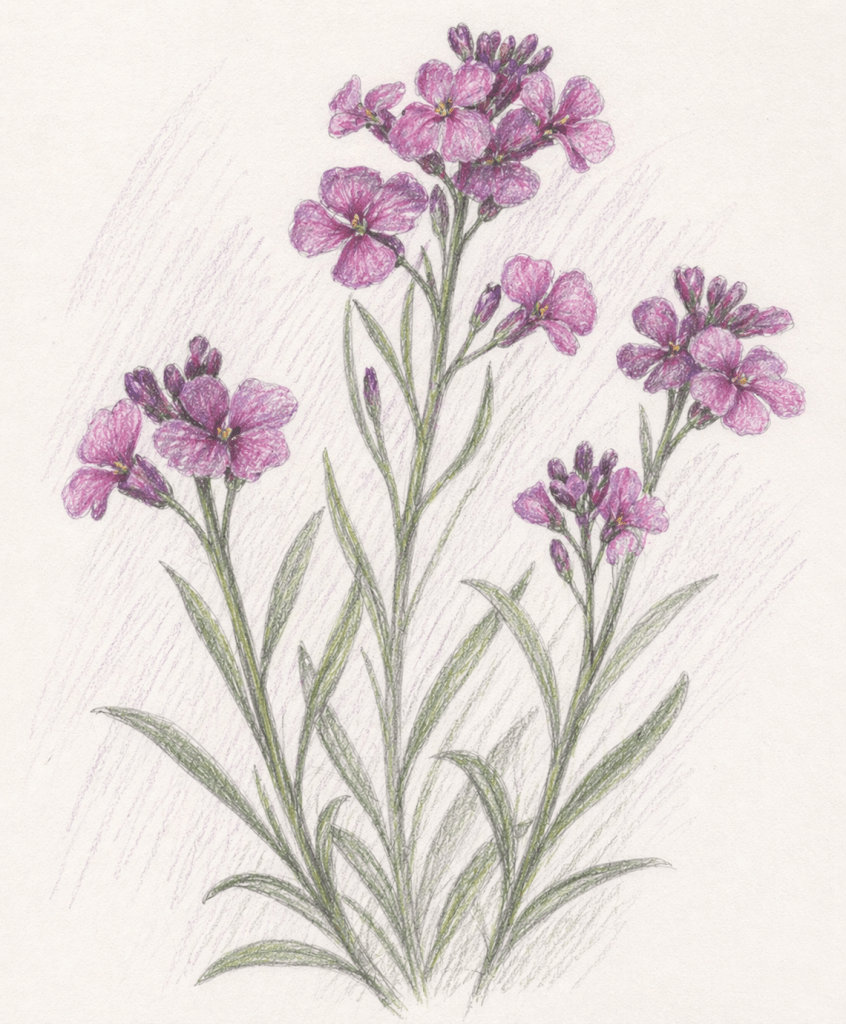
3. Erysimum ‘Bowles’s Mauve’ (Wallflower)
A quietly dependable plant that flowers for months on end, often from spring well into autumn. Its soft mauve tones settle easily into any planting scheme.
Why it works: Exceptionally long flowering season ensures a steady, reliable food source.
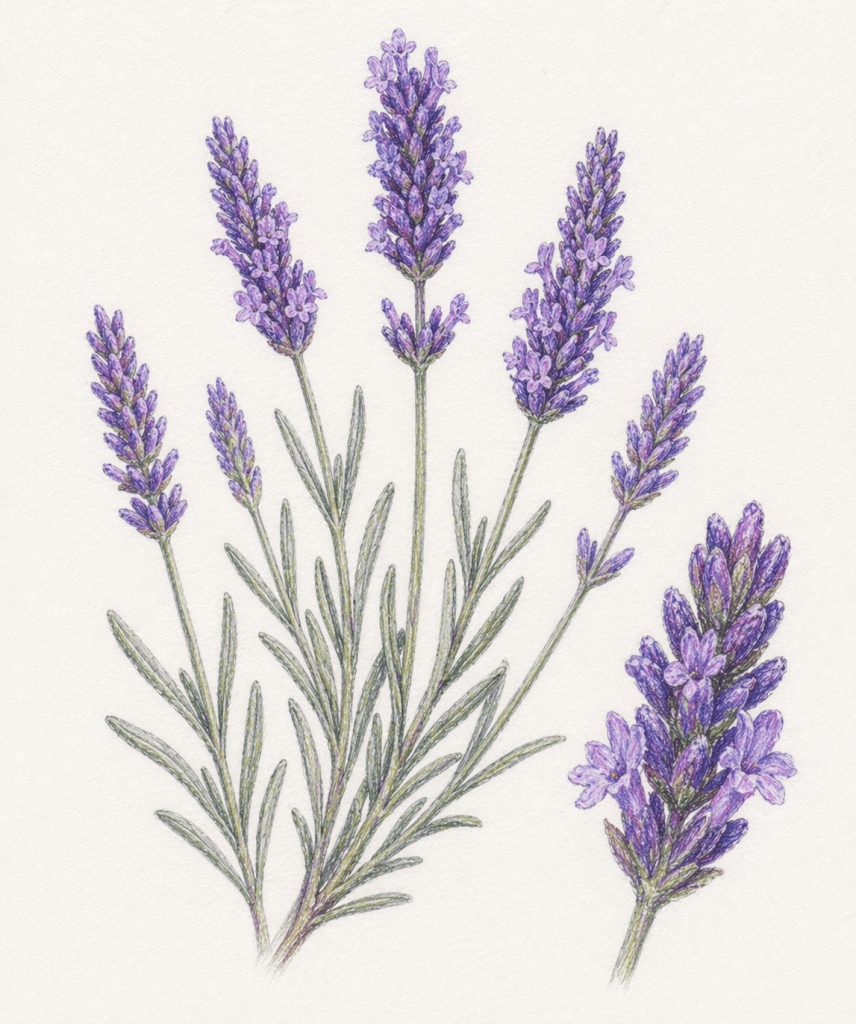
4. Lavender (Lavandula angustifolia)
There is something deeply familiar about lavender in a British garden — the scent, the hum, the slow movement of insects through its upright flower spikes.
Why it works: Fragrant, nectar-rich blooms in the sunny, sheltered spots butterflies naturally seek.
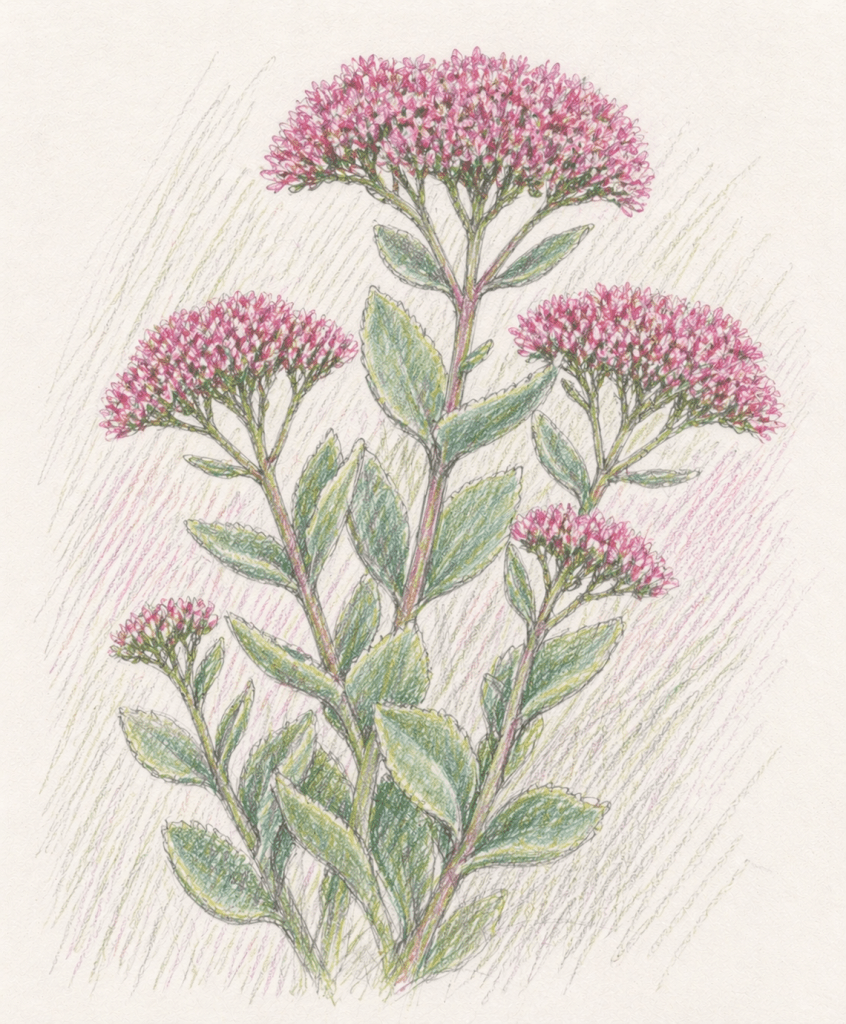
5. Hylotelephium (Sedum ‘Autumn Joy’)
As the garden begins to soften towards autumn, this plant comes into its own. Flat clusters of tiny flowers provide an easy resting place.
Why it works: Offers vital late-season nectar when other flowers are fading.
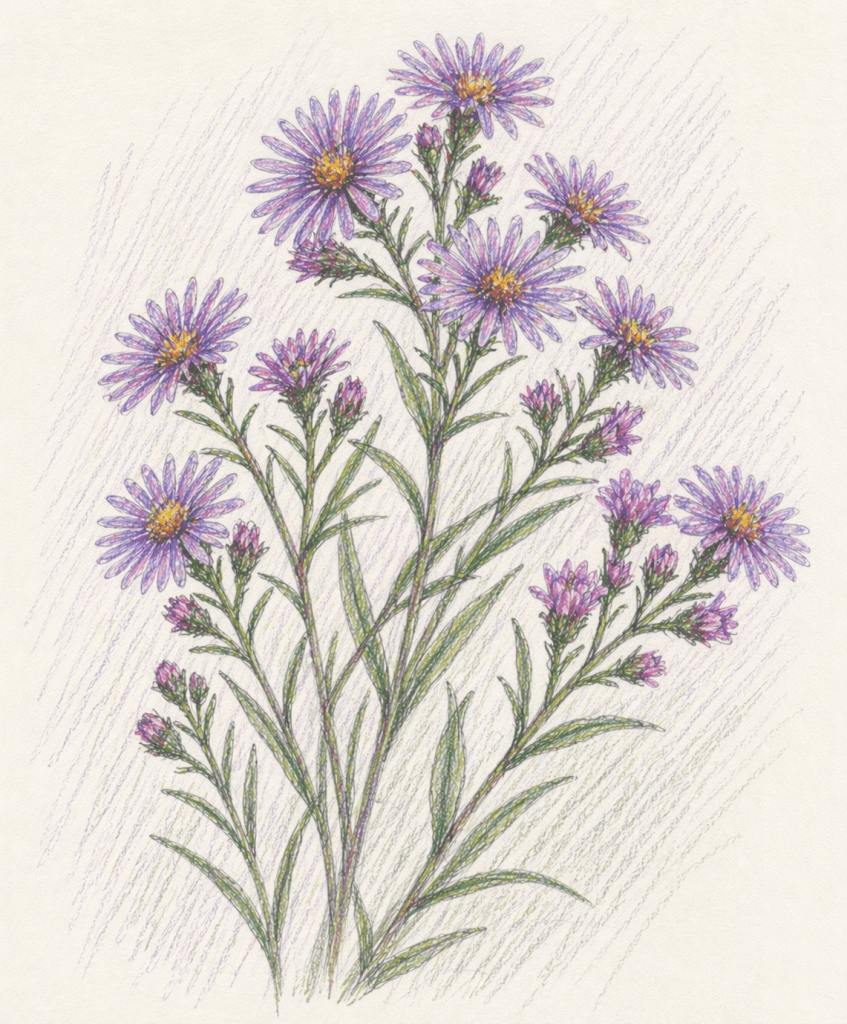
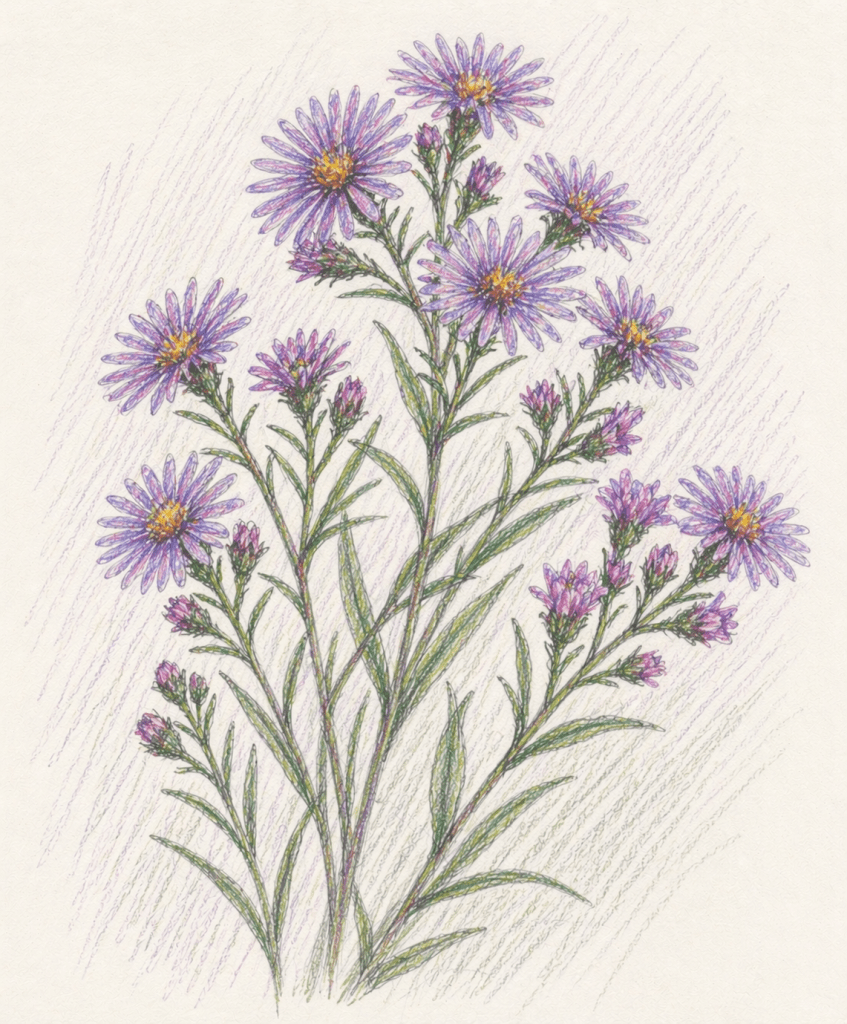
6. Symphyotrichum (Michaelmas Daisy)
A classic of the late border, carrying clouds of small, daisy-like flowers just when butterflies still need feeding before cooler days arrive.
Why it works: Extends the feeding season into early autumn.
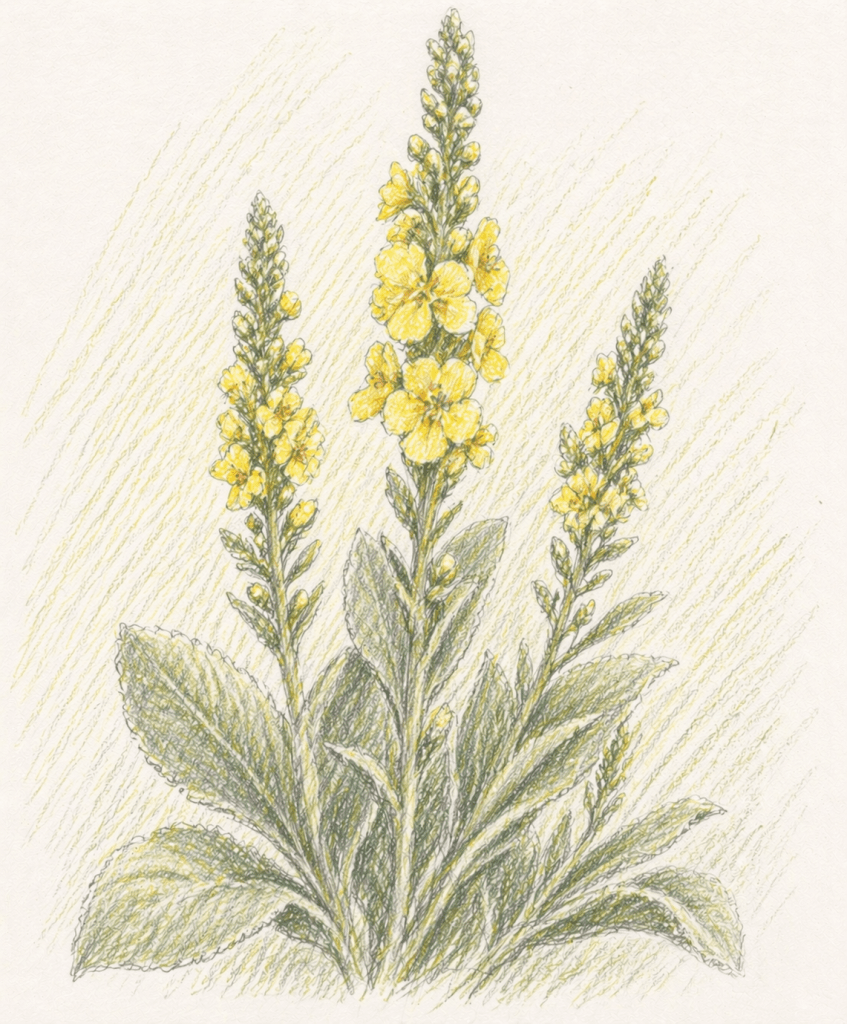
7. Verbascum (Mullein)
Tall, architectural spires rise above the garden, dotted with simple open flowers. It adds height and a slightly wilder, more natural feel.
Why it works: Open blooms allow easy access to nectar for a range of visiting insects.
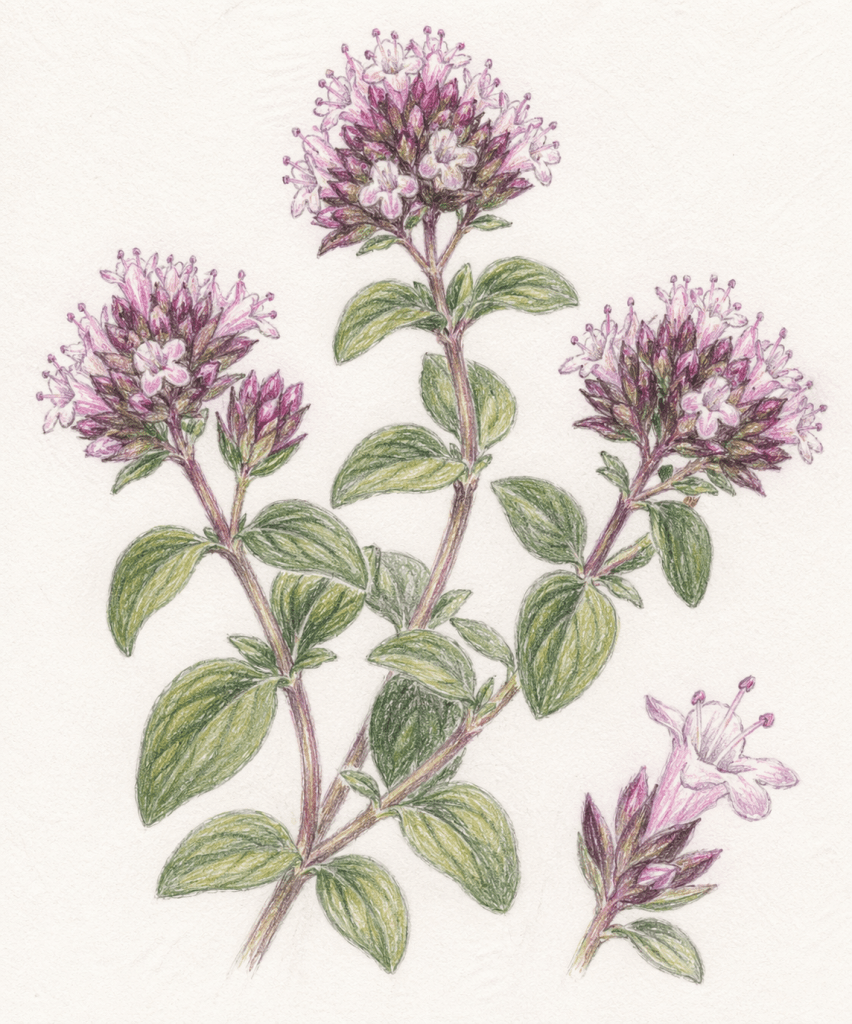
8. Marjoram (Origanum vulgare)
Often overlooked as just a kitchen herb, marjoram becomes something else entirely when allowed to flower — a soft haze of tiny blooms alive with movement.
Why it works: Dense clusters of nectar-rich flowers attract butterflies in large numbers.
9. Scabious (Scabiosa)
Delicate, pincushion-like flowers bob gently on slender stems, bringing a lightness to the border.
Why it works: Simple flower shape makes feeding easy and accessible.
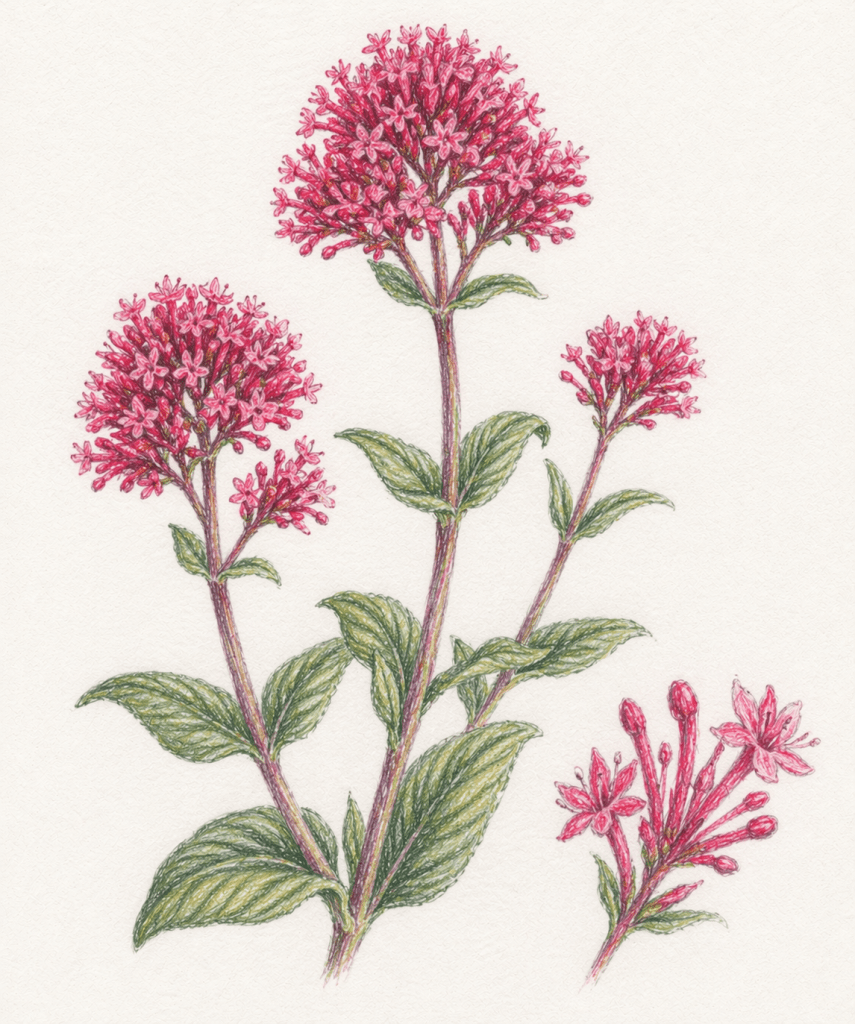
10. Red Valerian (Centranthus ruber)
Often found growing happily in dry, unexpected places — old walls, gravel edges, sun-warmed banks — it brings a relaxed, informal charm.
Why it works: Tough, long-flowering, and rich in nectar, particularly in warm conditions.
A final thought on choosing well
The real secret isn’t in choosing just one or two of these, but in allowing them to overlap — creating a gentle succession of flowers from early spring through to autumn.
When something is always in bloom, the garden becomes reliable. And when it becomes reliable, butterflies begin to trust it.
That’s when they return.
Further Reading: Forget-Me-Not Flowers (Myosotis), RHS – Common Cowslip,Wildlife Garden Plants, Creating a Butterfly Garden: A Quiet Invitation to Nature
Take a look at our fabulous range of garden shop here
Inspiration: Follow Us on Instagram, Threads, BlueSky, Twitter, TikTok and Pinterest.