There’s a certain kind of magic in a garden that draws butterflies.
Not the showy, overly planned sort, but something softer — a space that feels as though it has been discovered rather than designed. A place where, on a still afternoon, wings flicker past and settle, unhurried and entirely at ease.
Creating a butterfly garden is less about control and more about welcome.
Finding the right corner
It often begins with sunlight.
Butterflies are creatures of warmth, and they will always favour a spot that feels safe and bright. A sheltered patch — perhaps edged by a hedge, a fence, or the side of a shed — can make all the difference, protecting delicate wings from wind while holding onto the day’s heat.
Stand in your garden for a moment and notice where the sun lingers longest. That is where your butterfly garden wants to be.
Planting for a season, not a moment
A garden that truly supports butterflies isn’t built around a single burst of colour. It unfolds slowly, offering something of value from early spring through to the last warmth of autumn.
In those first milder days, when little else is stirring, early flowers provide an essential source of nectar. As the year deepens, summer brings abundance — clusters of blooms, rich in scent and colour, that draw butterflies in with ease. And just when the garden begins to fade, late-flowering plants extend the season, offering nourishment when it is most needed.
It is this continuity that matters most — a steady thread of food woven through the months.
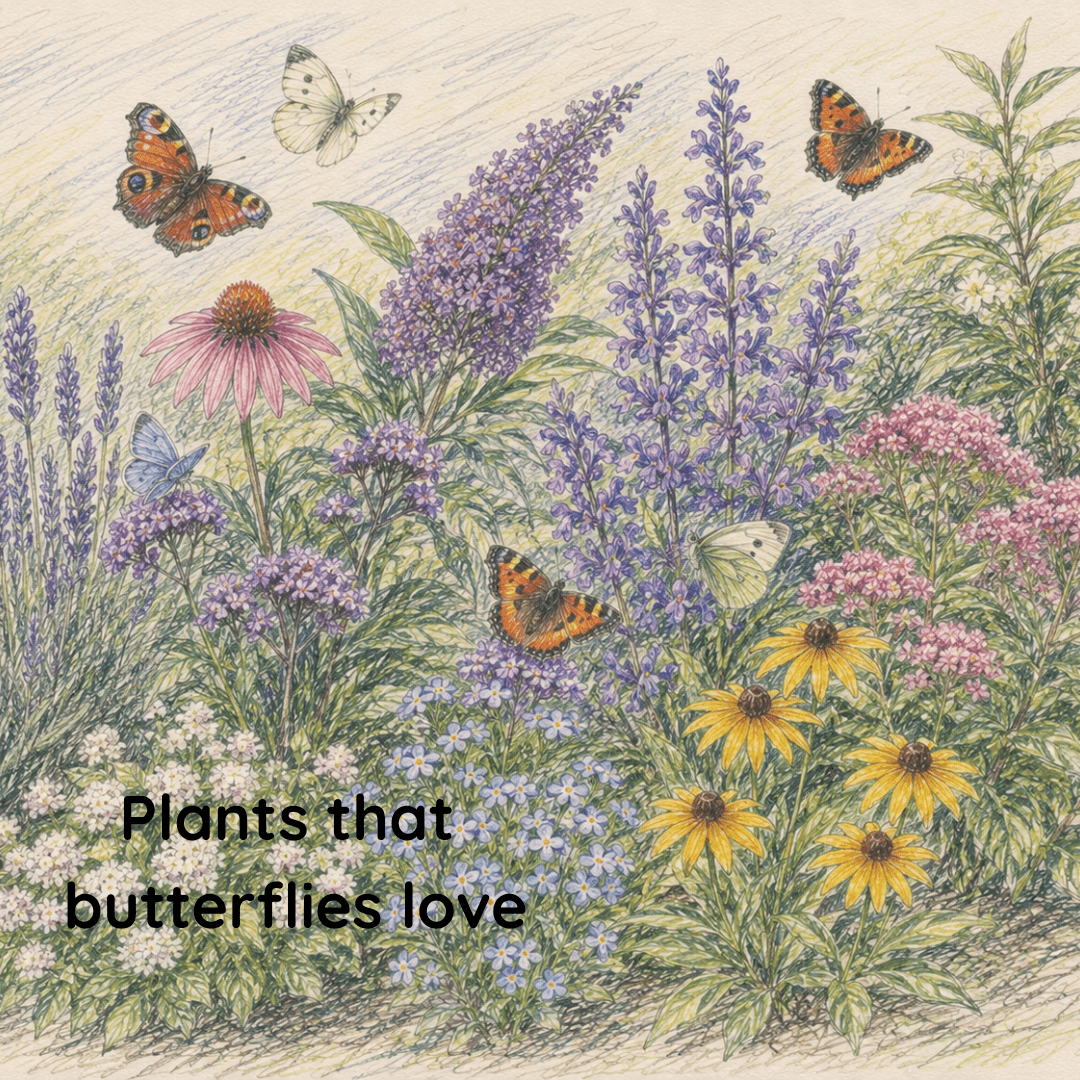
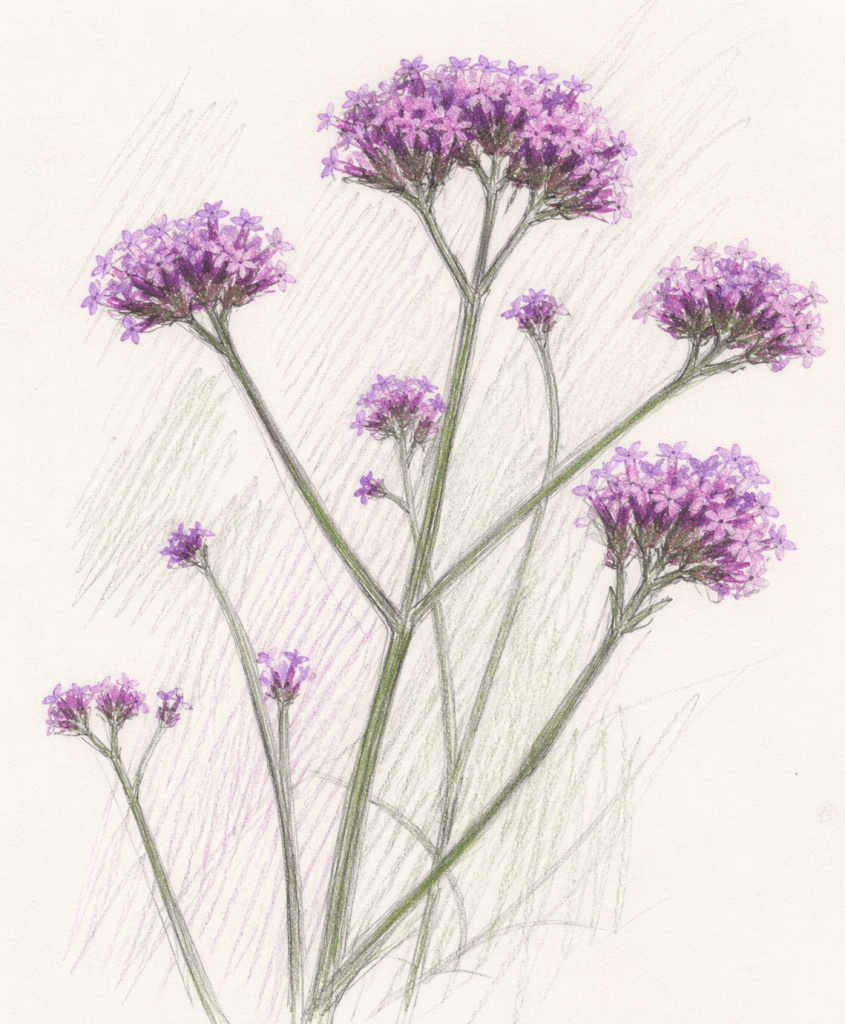
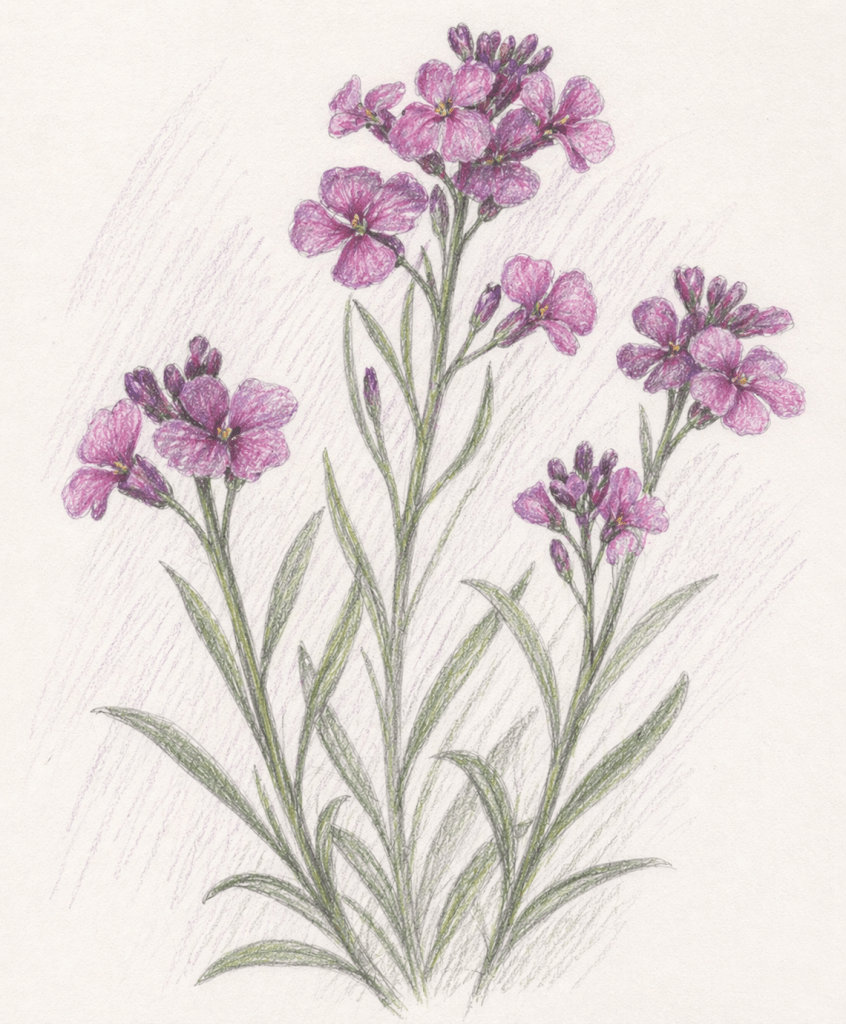
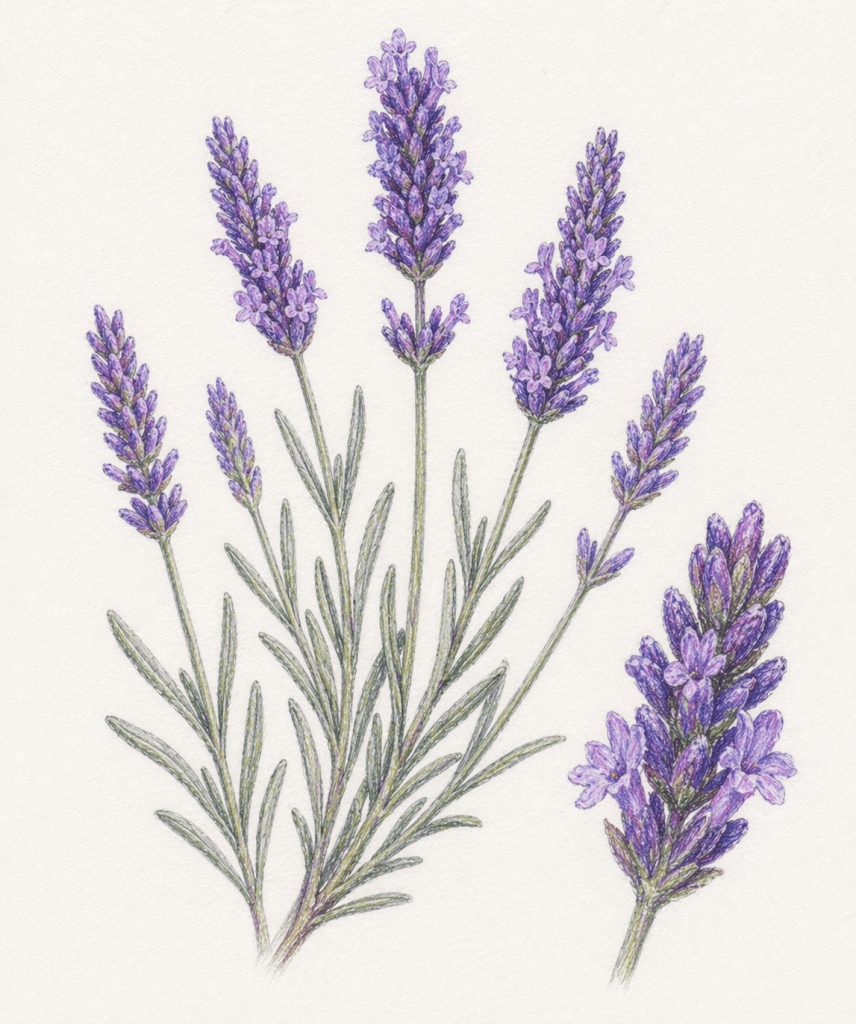
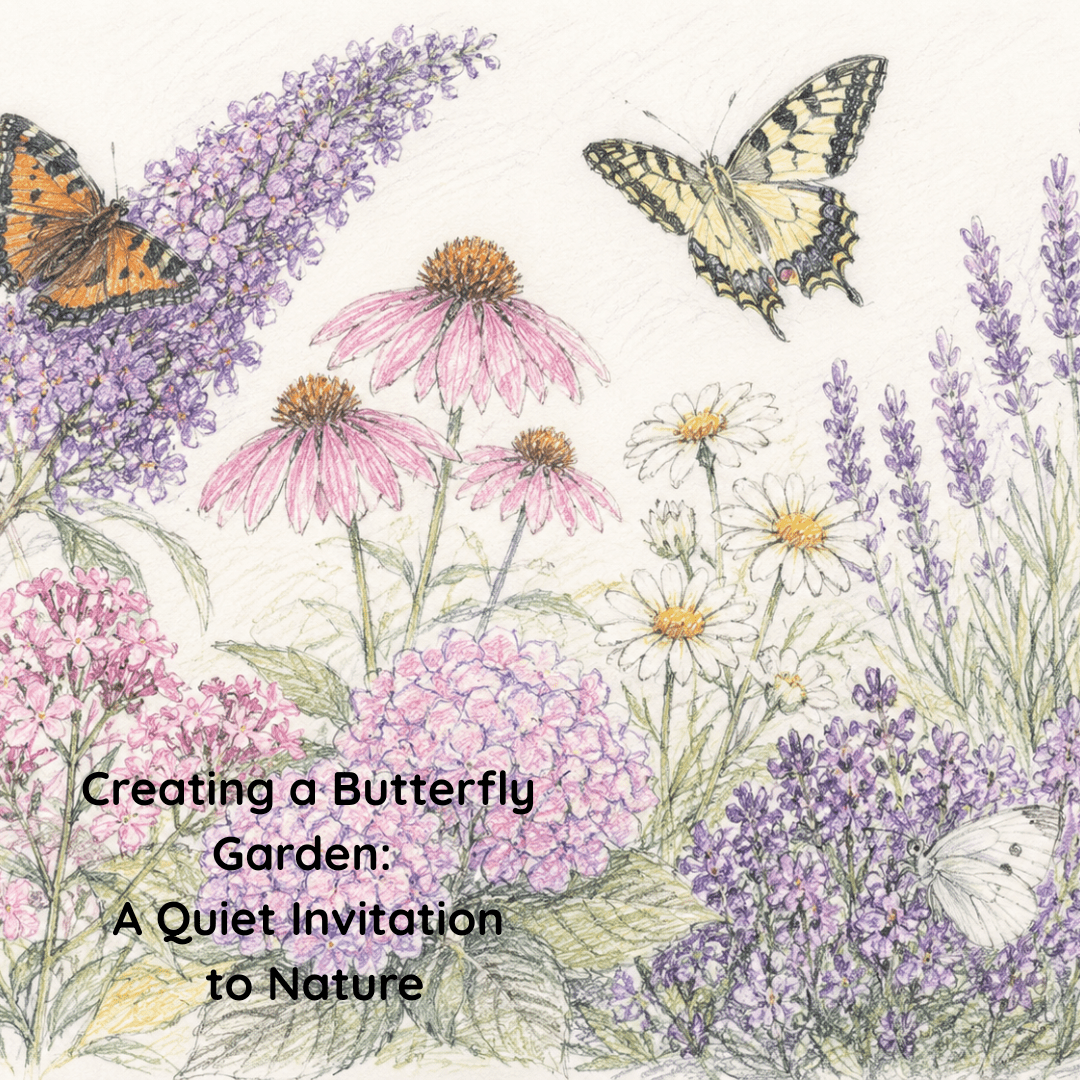
Butterflies are particularly drawn to simple, open flowers where nectar is easy to reach. You’ll notice they favour shades of purple, pink and blue, and plants that stand tall enough to offer a gentle landing place.
More than flowers
It’s tempting to think of butterflies only in their most recognisable form, drifting lightly between blooms. But a garden that supports them properly must also make space for what comes before.
Caterpillars are part of the same story, even if they are less celebrated.
This means allowing for plants that might otherwise be dismissed — a small patch of nettles, for instance, tucked out of the way, or a slightly untidy corner where grasses are left to grow. These places provide food and shelter for the early stages of life, quietly sustaining the next generation.
A butterfly garden, in this sense, asks for a little tolerance. A willingness to share.
A gentler approach
As the garden begins to change, so too does the way you tend it.
There is less urgency to tidy every fallen leaf or clear every fading stem. Overripe fruit left beneath a tree can become a late-season food source. Seed heads, left standing, offer structure and shelter.
And perhaps most importantly, there is a shift away from chemicals. What harms unwanted insects rarely stops there, and a butterfly-friendly garden depends on a far wider web of life remaining intact.
It becomes, quite naturally, a softer way of gardening.
Making space to notice
Somewhere within it all, it helps to pause.
A bench, a chair, even a quiet step where you can sit for a while — these small choices turn the garden into somewhere you can truly experience, rather than simply maintain.
Because butterflies reward stillness.
You begin to notice the familiar visitors: the bold patterns of a Peacock, the quick, darting movement of a Small Tortoiseshell, the steady, unhurried flight of a Red Admiral. They come and go on their own terms, and the more settled the garden feels, the more likely they are to linger.
Small gardens, real difference
You don’t need a large space to create something meaningful.
A single sunny border, thoughtfully planted, can provide everything a butterfly needs. Even a collection of containers, if chosen well and cared for properly, can become a valuable stopping point.
Across the UK, these small pockets of habitat are increasingly important. Gardens now play a quiet but vital role in supporting wildlife, offering food and refuge in places where it might otherwise be scarce.
And so, what begins as a personal project becomes part of something much wider.
Letting the garden find its way
In time, the garden settles.
Plants fill out, gaps soften, and the space begins to feel as though it has always been there. And then, almost without noticing when it changed, you see it — more movement, more colour, more life.
Not just butterflies passing through, but returning.
That is the true measure of a butterfly garden. Not perfection, but presence. A place that feels alive, shared, and quietly generous — to wildlife, and to you.
Further Reading: How to Refurbish Your Garden to Add Value to Your Home, How to create a thriving garden on a new build plot, Sustainable Hardscaping: Build a Beautiful, Eco-Friendly Garden, Climate-Resilient Planting: Future-Proofing Your Garden, Transform Your Garden into a Butterfly Haven, Ten Plants that butterflies love
Inspiration: Follow Us on Instagram, Threads, BlueSky, Twitter, TikTok and Pinterest.