How to Protect Your Soil in Winter

Picture this—lush, vibrant soil teeming with life, ready to nourish your spring garden to dazzling heights. Sounds dreamy, right? But here’s the thing—how your soil performs in spring depends on how you treat it in winter. Even during those frosty months, your soil needs some tender, loving care.

Winter soil protection is essential for maintaining fertility, preventing erosion and setting the stage for a bountiful growing season. By making a few simple changes to your gardening routine, you’ll protect your soil and foster a healthier, happier garden. Here’s how to get started.

1. The Power of Covering Bare Soil

One of the most important steps in winter soil care is offering your soil a protective blanket. Why? Bare soil is at the mercy of harsh weather—think wind erosion, rain runoff and nutrient leaching. Without anything shielding it, essential nutrients can dwindle, leaving your soil depleted before spring even arrives.

How to Cover Your Soil

  • Mulch It Up: Spread organic mulch like straw, wood chips or shredded leaves over exposed soil. Not only does this protect against erosion, but it also locks in moisture and gradually adds nutrients as the mulch breaks down.
  • Plant Cover Crops: Known as “green manure,” cover crops like clover, rye or winter wheat prevent erosion while enriching your soil with organic matter and nitrogen.
  • Use Fabric or Tarps: For a temporary solution, breathable garden fabric or tarps can help protect bare patches from rain and wind.

Visualise it—a snug, cosy covering keeping your soil safe from the elements while nature works its magic beneath.

2. Avoid Disturbing the Soil – Protect Those Microbes!

Did you know your soil is alive? It’s a bustling microcosm filled with earthworms, microbes and fungi working tirelessly to build a healthy ecosystem. Winter is their downtime—a period to rest and support your soil in silence. To help them out, avoid unnecessary soil disturbance during colder months.

Why Less is More

  • Microbes Need Stability: Tilling or turning the soil disrupts the natural habitat of microbes, reducing their efficiency in maintaining soil health.
  • Worms are Key Workers: Earthworms burrow through the soil, improving its structure and nutrient cycles. Give them a chance to do their thing undisturbed.
  • Lower Compaction Risks: Walking or working on wet, cold soil can compact it, making it harder for roots and microbes to thrive later.

What You Can Do

  • Stay Off the Soil: Avoid walking directly on garden beds—use stepping stones or planks if you need access.
  • Skip the Digging: Instead of digging to “help,” add a fresh layer of organic matter on top and allow nature’s soil helpers to integrate it over time.

Think of it this way—your soil is hibernating and your job is simply to create the perfect environment for it to thrive come spring.

3. Think Long-Term – Healthy Soil is Sustainable Soil

Winter soil protection isn’t just about maintaining your garden but contributing to a healthy, sustainable ecosystem. Every action you take—be it laying down mulch or avoiding soil compaction—has long-term benefits. By focusing on building resilient, nutrient-rich soil, you’re making your gardening more sustainable and less reliant on artificial fixes.

Spring preparation should never start in March; it starts now. By protecting your soil during winter, you’ll enjoy richer, more productive harvests—and the satisfaction of knowing your garden is environmentally sound.

Your Winter Gardening Action Plan

  1. Cover Exposed Areas with mulch, cover crops or fabric to shield your soil from the elements.
  2. Avoid Unnecessary Disturbance to preserve the delicate network of life below the surface.
  3. Feed Your Soil by adding organic matter that will naturally integrate over winter.

Find the Joy in Sustainable Gardening

Imagine stepping into your garden next spring and seeing robust plants bursting with life. Your winter prep will set the foundation for this magical scene, ensuring your soil is fertile, thriving and ready for the next chapter of your gardening adventure.

Need ideas for green manure or guidance on choosing the right mulch? We’re here to help! Together, we nourish the earth—one garden bed at a time.

Happy Gardening 🌱

Further reading: Discover Your Soil Type: A Gardener’s Guide, Freshen Up Your Winter Diet with these Garden Salads

Helping Wildlife This Winter

Winter is a time of beauty and rest, but for many of our garden visitors, it’s also a season of survival. If you’re a nature lover, gardener or simply someone who cherishes the sight of chirping birds and buzzing bees, there are plenty of ways to lend a helping hand. Helping wildlife this winter doesn’t just benefit the creatures; it brings balance, joy and life to your garden.

Why Support Winter Wildlife in Your Garden?

Supporting wildlife during winter isn’t just about kindness—it’s a win for your garden too!

  • Better Pollination: By supporting pollinators like bees, butterflies and other insects, you’ll enjoy improved pollination come spring, which means more flourishing flowers and thriving vegetables.
  • Natural Pest Control: Ladybirds, frogs, birds and hedgehogs naturally combat garden pests, saving you the hassle of chemical treatments.
  • Balanced Ecosystems: Wildlife keeps your garden’s ecosystem balanced, ensuring no one species dominates, whether it’s plants or pests.
  • Reduce Chemical Dependency: With beneficial creatures at work, you’ll rely less on pesticides and fertilisers, making your garden a safer, eco-friendly haven.
  • Enhanced Enjoyment: There’s nothing quite like relaxing in a garden alive with the sights and sounds of nature—it’s like a private concert from Mother Earth herself!

How to Support Wildlife This Winter

1. Provide Habitats

Imagine a hedgehog snuggled up in your garden for winter! Create homes for wildlife by adding hedgehog houses, insect hotels or leaving log piles in your garden. Birds will appreciate nesting boxes or dense shrubs for shelter. It’s all about making space for them to hunker down during the cold months.

2. Plant for Pollinators

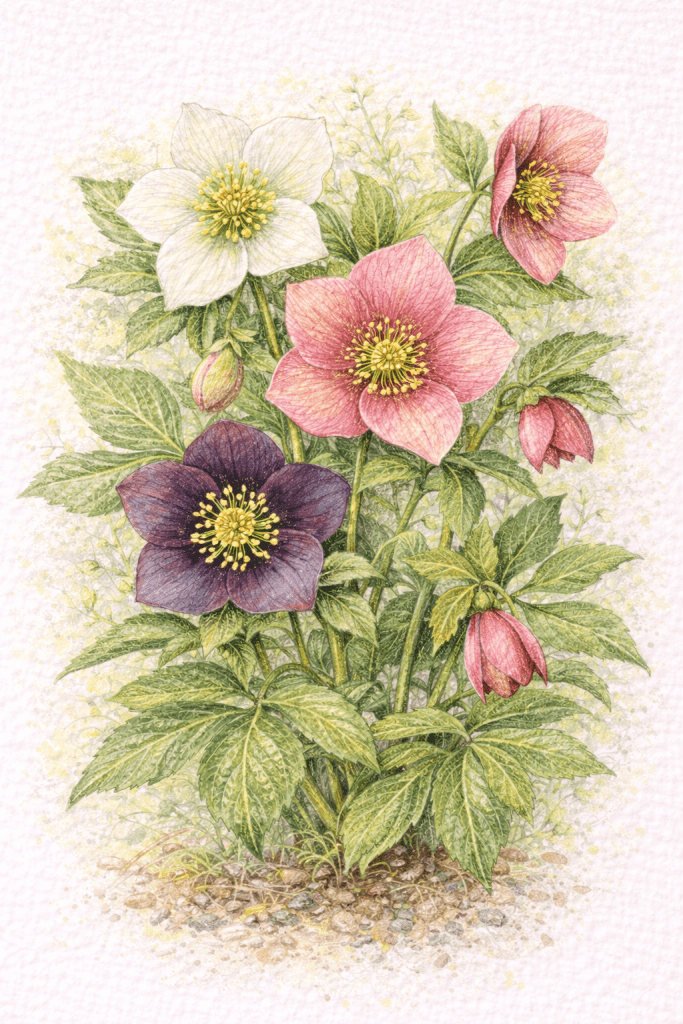
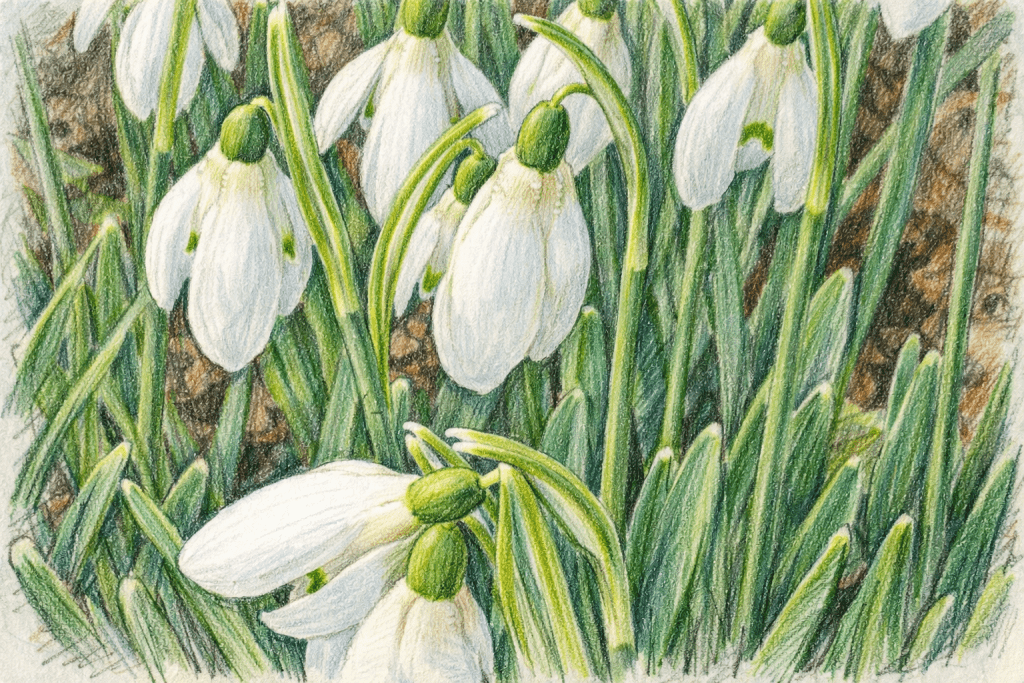
Just because it’s winter doesn’t mean your garden has to be bare. Plant winter-blooming flowers like hellebores, snowdrops or winter heather to provide vital nectar for pollinators. Bees and butterflies are often searching for a little energy boost on mild winter days and your garden can be their saving grace.

3. Feed the Birds

Picture this—starling song in the morning as you sip your tea. Birds rely on gardens for food during harsh winters, so set up feeders with energy-packed seeds, suet balls and peanuts. Remember to keep feeders clean to prevent disease. And if you’re feeling extra generous, add water dishes that won’t freeze!

4. Companion Planting

Did you know some plants naturally protect others? Companion planting combines certain species to support pollinators while deterring pests. For example, plant marigolds to protect veggies or lavender to attract bees. Even over winter, planning your spring planting can make your garden a friendlier place for wildlife.

5. Leave Areas Untouched

Does the idea of “wild and free” appeal to you? Sometimes, the best thing you can do for wildlife is… nothing! Leave some areas of your garden untouched. Piles of leaves, overgrown corners, or quiet logs provide the perfect habitats for hedgehogs, insects and frogs.

6. Use Eco-Friendly Gardening Practices

Skip harsh chemicals this winter to protect the fragile creatures working below the surface, like earthworms and beetles. Opt for natural fertilisers or pest deterrents and make compost to enrich your soil sustainably.

A Garden Full of Life Awaits You

This winter, your garden has the power to be more than just a pretty scene dusted with frost—it can be a refuge for creatures great and small. From encouraging better pollination to enjoying delightful bird songs, the benefits are boundless, for both you and the wildlife.

Start small. Get planting, feed the birds, and leave a cosy spot for hedgehogs and bees. Together, we can create vibrant gardens that not only withstand winter but nurture it.

Are you ready to make a difference? Your garden is calling! 🌱

Further Reading: How to Create and Maintain a Garden Pond, Grow Stronger Together Gardening with Companion Planting

How to Grow Potatoes: A Guide to a Rewarding Harvest

There are few pleasures in the garden quite like lifting the first potatoes of the season from the soil. Beneath the leaves and stems lies a hidden harvest – earthy, nourishing and wonderfully satisfying to grow yourself.

Potatoes are among the easiest and most reliable crops for home gardeners, thriving in vegetable beds, allotments and even large containers on a patio. With a little preparation and care, they reward you with generous yields and flavours far fresher than anything found on a supermarket shelf.

Whether you are new to gardening, keen to grow more of your own food, or simply curious about where your meals begin, growing potatoes offers a gentle and practical way to reconnect with the land.

This guide will walk you through everything you need to know about growing potatoes at home, from choosing the right varieties to planting, caring for your plants and enjoying a successful harvest.


Why Grow Your Own Potatoes?

Potatoes have been a staple of British kitchens for centuries, appearing in everything from comforting stews to crisp roast dinners. Yet growing your own offers rewards that go well beyond the plate.

Potato Plant: Solanum tuberosum

Fresh flavour straight from the soil

Freshly lifted potatoes have a delicate sweetness and texture that is difficult to replicate with shop-bought produce. When cooked soon after harvesting, their flavour is noticeably richer and more vibrant.

An abundant crop for little effort

Potatoes are famously generous plants. A small number of seed potatoes can produce a surprisingly large harvest, making them one of the most productive crops for home gardens.

A sustainable choice

Growing your own potatoes helps reduce food miles, plastic packaging and waste. It is a simple step towards a more sustainable kitchen and garden.

A perfect crop for beginners

Potatoes are forgiving plants that tolerate a range of growing conditions. Their reliable nature makes them an excellent choice for anyone learning the basics of gardening.

A wonderful way to engage children

Few gardening tasks delight children more than digging for hidden potatoes in the soil. It offers a hands-on way to learn where food comes from and to appreciate the rhythms of the seasons.


Choosing the Right Potatoes to Grow

When growing potatoes at home, it is important to begin with seed potatoes rather than ordinary supermarket potatoes.

Seed potatoes are specially grown for planting and are carefully inspected to ensure they are free from disease. They are widely available in garden centres and from specialist suppliers in late winter and early spring.

Potatoes are typically divided into three main groups depending on how quickly they mature.

First Early Potatoes

First early potatoes are the quickest to grow and are often planted in March.

They usually mature within around ten weeks, producing small, tender potatoes that are perfect for boiling or steaming.

These are often enjoyed as new potatoes, lifted fresh from the soil and served with butter and herbs.

Popular first early varieties include:

  • Rocket
  • Pentland Javelin
  • Swift

Second Early Potatoes

Second earlies take slightly longer to mature and are typically harvested between July and August.

They produce slightly larger tubers and are well suited to salads and light summer dishes.

Common second early varieties include:

  • Charlotte
  • Maris Peer
  • Kestrel

Maincrop Potatoes

Maincrop potatoes are planted later and take 16–20 weeks to mature, but they produce the largest harvest.

These varieties are ideal for roasting, baking and storing through the colder months.

Well-known maincrop varieties include:

  • King Edward
  • Maris Piper
  • Desiree

Planting a mix of early and maincrop potatoes allows you to enjoy a steady harvest from early summer into autumn.


Chitting Potatoes: Giving Them a Head Start

Before planting, many gardeners choose to chit their seed potatoes.

Chitting simply means allowing the potatoes to sprout before they go into the soil. This gives them a helpful head start and can lead to earlier harvests.

To chit potatoes:

  1. Place them in a shallow tray or egg carton.
  2. Position them with the small buds (known as “eyes”) facing upwards.
  3. Keep them somewhere cool and bright, such as a windowsill or greenhouse.

After a few weeks, short green shoots will begin to develop. Once these shoots reach around 2–3 centimetres long, the potatoes are ready to plant.


Preparing the Soil for Potatoes

Potatoes grow best in fertile, well-drained soil that retains moisture without becoming waterlogged.

Before planting, take time to prepare the ground properly.

Improve the soil with organic matter

Dig in well-rotted compost or manure to enrich the soil. This provides essential nutrients and improves soil structure.

Ensure good drainage

Heavy soils can be improved by adding compost or planting in raised beds to prevent waterlogging.

Aim for slightly acidic soil

Potatoes prefer soil with a pH between 5.5 and 6.5, which also helps reduce the risk of certain diseases.

Taking a little care at this stage will help create the ideal environment for strong, healthy plants.


How to Plant Potatoes

Once the soil has warmed and the risk of hard frost has passed, it is time to plant.

Follow these simple steps for success.

Dig planting trenches

Create shallow trenches around 10–15 centimetres deep.

Space the potatoes

Place seed potatoes roughly 30 centimetres apart, with rows spaced about 60 centimetres apart.

Position the sprouts upwards

Always plant with the shoots facing upward so they can grow towards the surface.

Cover with soil

Gently cover the potatoes with soil and lightly firm the ground.

With warmth and moisture, shoots will begin to emerge within a few weeks.


Growing Potatoes in Containers

If you do not have a large garden, potatoes grow beautifully in containers, bags or raised beds.

Large pots, buckets or specialised potato grow bags all work well.

To grow potatoes in containers:

  1. Fill the container with around 10 centimetres of compost.
  2. Place a few seed potatoes on top.
  3. Cover with more compost.
  4. Continue adding compost as the shoots grow.

This method allows you to grow potatoes even on a balcony, patio or small garden space.


Caring for Potato Plants

Once established, potato plants require only modest care to thrive.

Earthing up

One of the most important tasks when growing potatoes is earthing up.

As shoots reach around 15 centimetres tall, mound soil around the base of the plant.

This serves several purposes:

  • Protects young plants from frost
  • Prevents potatoes from turning green in sunlight
  • Encourages the plant to produce more tubers

Repeat this process as the plant continues to grow.

Watering

Potatoes prefer consistent moisture, particularly when the plants begin to flower.

Water deeply during dry periods, but avoid waterlogged soil.

Feeding

An occasional application of organic fertiliser or liquid feed can help support healthy growth, especially in containers where nutrients are limited.


How to Encourage a Bigger Potato Harvest

A few simple practices can help maximise your crop.

Mulch the soil

Applying mulch around plants helps retain moisture and suppress weeds.

Rotate crops

Avoid growing potatoes in the same location each year. Crop rotation helps prevent soil-borne diseases.

Protect plants from frost

Young potato plants are vulnerable to frost, so covering them with soil or fleece during cold nights can protect the crop.

Maintain healthy soil

Good soil structure and organic matter support stronger plant growth and better yields.


Common Potato Pests and Problems

Like all crops, potatoes can occasionally face pests or diseases. Fortunately, many problems can be prevented through good gardening habits.

Slugs

Slugs may feed on developing tubers. Keeping beds tidy and encouraging natural predators can help manage them.

Aphids

These small insects feed on leaves and can weaken plants. A strong spray of water or natural predators often keeps them under control.

Potato blight

Blight is a fungal disease encouraged by warm, humid weather. Ensuring good air circulation and removing affected foliage quickly can help limit its spread.

Potato scab

This condition causes rough patches on potato skins. Maintaining slightly acidic soil reduces the risk.

Healthy soil and regular observation are often the best defence against most problems.


When and How to Harvest Potatoes

The most satisfying moment of potato growing arrives when it is time to lift the crop.

Harvesting first and second earlies

Early potatoes are ready when the plants begin to flower.

Carefully loosen the soil with a fork and gently lift the tubers from beneath the plant.

These potatoes are best enjoyed fresh rather than stored.

Harvesting maincrop potatoes

Maincrop varieties should remain in the ground until the foliage begins to yellow and die back.

Two weeks before harvesting, cut the stems down to allow the skins to toughen. This helps the potatoes store more successfully.

Lift the crop carefully and allow the potatoes to dry briefly before storage.


Storing Your Homegrown Potatoes

Proper storage ensures your harvest lasts well into the colder months.

For best results:

  • Store potatoes in a cool, dark and well-ventilated place
  • Keep them in paper sacks, wooden crates or hessian bags
  • Avoid exposure to light, which can cause greening

Under the right conditions, maincrop potatoes can keep for several months.


A Simple Step Towards Sustainable Living

Growing potatoes at home offers more than a plentiful harvest. It is a quiet reminder of how food begins – beneath the soil, shaped by seasons and patience.

Even a small garden can produce an impressive yield, and the process of planting, tending and harvesting brings a deeper appreciation for the meals we enjoy each day.

With their reliability, versatility and generous harvests, potatoes remain one of the most rewarding crops a gardener can grow.

Plant a few this spring, and by summer you may find yourself lifting your own basket of fresh, earthy potatoes from the ground – a simple pleasure that never loses its charm.

Further Reading: The Benefits of Growing your Own Food ,

Inspiration: Follow Us on InstagramThreads, BlueSkyTwitterTikTok and Pinterest.

How to Grow Asparagus in Your Home Garden

If you’re looking to grow something that’s both tasty and beneficial for your health, asparagus is a fantastic choice. Known for its unique flavour, versatility in recipes and impressive health benefits, asparagus is a perennial vegetable that keeps giving back year after year with a little care and attention. Here’s everything you need to know about growing asparagus in your garden.

The Health Benefits of Asparagus

Before we get into the nitty-gritty of growing asparagus, let’s take a look at why it’s worth adding to your plate:

  • Rich in Nutrients: Asparagus is packed with essential vitamins and minerals. It’s an excellent source of vitamins A, C, E and K, as well as folate.
  • Low in Calories: For anyone looking to eat healthily, asparagus is a low-calorie option and is full of fibre, making it great for digestion.
  • Antioxidant Properties: It contains antioxidants like glutathione, which can help combat free radicals and support overall health.
  • Good for Heart Health: Its high potassium content can help lower blood pressure and folate is key for cardiovascular function.
  • Supports Healthy Pregnancy: Thanks to folate, asparagus is particularly beneficial for pregnant women as it promotes healthy foetal development.

Why Grow Your Own Asparagus?

You may be wondering—why grow asparagus when you can buy it at the market? Growing your own comes with some distinct advantages:

  • Freshness is Key: The flavour of freshly harvested asparagus is vastly superior to anything store-bought.
  • Healthy Hobby: Gardening itself is a relaxing and rewarding activity for both mental and physical health.
  • Annual Harvests: Once established, asparagus plants can provide harvests for 15-20 years, making them a great long-term investment.
  • Low Maintenance: While it takes some patience to establish, asparagus is relatively easy to maintain over time.

How to Grow Asparagus

Now that you’re convinced, let’s jump into how to grow asparagus from scratch.

Step 1: Choose the Right Variety

There are two main types of asparagus to consider:

  • Green asparagus is the most common and thrives in many climates.
  • Purple asparagus has a sweeter flavour and is great for adding aesthetic appeal to your garden.

Make sure to purchase quality crowns (roots) from a reputable nursery, as these are more reliable than growing asparagus from seeds.

Step 2: Find the Perfect Spot

Asparagus thrives in full sun, so choose a spot in your garden that gets at least 6-8 hours of sunlight a day. The soil should be well-draining and rich in organic matter, with a slightly acidic to neutral pH (6.5-7).

Step 3: Prepare the Soil

  1. Clear the chosen patch of any weeds or debris.
  2. Enrich the soil with compost or well-rotted manure to create a nutrient-dense environment for your asparagus to flourish.

Step 4: Plant the Crowns

  • Dig trenches about 12 inches (30 cm) wide and 6-8 inches (15-20 cm) deep.
  • Place the crowns in the trench, spacing them roughly 12-18 inches (30-45 cm) apart. Spread the roots out like a fan and cover them with about 2-3 inches (5-7 cm) of soil.
  • Avoid covering the trench completely at first. Instead, gradually add soil as the plants grow taller.

Caring for Your Asparagus Plants

Once planted, asparagus requires consistent care to thrive and establish a strong foundation:

Watering

  • Keep the soil consistently moist but not waterlogged. Water regularly, especially during dry spells.

Mulching

  • Apply a layer of organic mulch (like straw or wood chips) to help retain moisture, suppress weeds, and regulate soil temperature.

Fertilising

  • Top-dress your asparagus patch with compost or a balanced fertiliser each spring to replenish nutrients.

Weeding

  • Remove any weeds by hand to avoid disturbing the shallow roots of asparagus plants.

How to Harvest and Enjoy Your Home-Grown Asparagus

Patience is key with asparagus. While it may take 2-3 years to get your first proper harvest, the wait is worth it.

When to Harvest

  • Year 1: Allow the plants to grow freely and establish strong root systems. Do not harvest.
  • Year 2: Harvest sparingly—just a few spears—to avoid over-taxing young plants.
  • Year 3 onwards: By now, your plants should be ready for full harvesting. Pick spears when they are 6-8 inches (15-20 cm) tall and before the tips start to open.

How to Harvest

Harvest spears by cutting or snapping them off just above the soil line. Harvesting usually lasts for 6-8 weeks in the spring before the plants need time to regenerate.

Cooking with Asparagus

As soon as you harvest your asparagus, it’s time to enjoy! From roasting and grilling to adding it to salads or soups, the possibilities are endless. Freshly picked asparagus is also delicious steamed with a drizzle of olive oil and a sprinkle of sea salt.

Final Thoughts

Growing asparagus is a rewarding venture for the patient gardener. With its rich flavour, impressive health benefits and low-maintenance nature once established, it’s a worthy addition to any home garden. Start with healthy crowns, tend to them with care and you’ll be enjoying fresh asparagus for years to come.

Further reading: The Benefits of Growing your Own Vegetables

Follow us on Instagram for Daily Gardening Inspiration

No-Dig Gardening

If you’ve been dreaming of lush, thriving gardens without the back-breaking labour of digging, then no-dig gardening might be just what you need. This sustainable gardening method has gained immense popularity amongst gardeners and those committed to eco-friendly living—and for good reason. It’s simpler, kinder to the environment and incredibly effective.

What is No-Dig Gardening?

The concept of no-dig gardening is exactly what it sounds like—gardening without the need to turn over or dig through soil. Instead of disrupting the natural soil structure, this method allows you to build fertile, healthy soil by adding organic layers on top. Think about it as mimicking nature—it’s how forest floors become fertile over time, naturally building rich layers of organic material.

Why Choose No-Dig Gardening?

No-dig gardening isn’t just easier; it comes with a plethora of benefits that make it an essential practice for anyone looking to garden sustainably.

1. Improves Soil Health

Digging disrupts the delicate ecosystem that exists beneath the soil. There’s a network of microorganisms, earthworms, fungi and bacteria that work together to keep the soil healthy and fertile. With no-dig gardening, these organisms remain undisturbed, naturally improving soil structure and fertility.

2. Reduces Weeds

One of the most significant perks of no-dig gardening is that it discourages weed growth. By covering the soil with mulch or compost, you block out sunlight, which prevents dormant weed seeds from germinating. This means less time battling weeds and more time enjoying your garden.

3. Cuts Down on Labour

Say goodbye to hours of back-breaking digging and turning over soil. No-dig gardens save you time and effort, making gardening accessible to everyone, regardless of physical ability or experience.

4. Promotes Sustainability

No-dig gardening is inherently eco-friendly. By reducing the need for heavy machinery and preserving soil ecosystems, it supports biodiversity and reduces your carbon footprint. Plus, it relies heavily on composting, offering a brilliant way to recycle organic waste.

How to Start Your No-Dig Garden

Starting a no-dig garden is straightforward, whether you’re an experienced gardener or a complete beginner. Here’s a step-by-step guide to help you kick off your no-dig gardening adventure.

Step 1: Choose Your Location

Pick a space in your garden that gets ample sunlight. No-dig gardening works on any soil type, whether it’s a patch of existing turf, poor soil or even an area covered in weeds.

Step 2: Lay Down a Weed Barrier

Start by suppressing any existing weeds. Lay down a thick layer of cardboard or sheets of uncoated newspaper directly on the ground. Overlap the edges to prevent light from reaching any weeds underneath.

Step 3: Add a Layer of Compost

On top of your cardboard barrier, spread a layer of nutrient-rich compost. Aim for about 4–6 inches (10–15 cm). This will serve as the first growing layer for your plants.

Step 4: Top It Off with Mulch

To keep moisture locked in and deter new weeds, add a layer of organic mulch like straw, wood chips or dried leaves over the compost.

Step 5: Plant Your Garden

Now comes the fun part! Plant seeds or seedlings directly into the compost layer. The roots will grow through the compost and eventually into the soil below, which improves as the organic materials decompose.

Step 6: Maintain the Layers

Over time, keep topping up your garden with fresh compost and mulch as layers break down. This replenishes nutrients and keeps your no-dig garden thriving season after season.

Tips for Successful No-Dig Gardening

  • Start Small: If you’re new to no-dig gardening, begin with a single raised bed to get the hang of it.
  • Use Quality Compost: Invest in nutrient-rich compost or make your own to ensure your plants get the nutrients they need.
  • Water Mindfully: No-dig gardens retain moisture well, so be careful not to overwater. Check the soil regularly to adjust as needed.
  • Rotate Crops: Keep pests and diseases at bay by rotating your crops each season.
  • Foster Biodiversity: Shelter bees, butterflies and other pollinators by planting a variety of flowers alongside your vegetables.

The Future of Gardening is Sustainable

No-dig gardening isn’t just a method; it’s a movement. By adopting this practice, you’re not only making your life easier but also contributing to a more sustainable world. It’s a win-win solution for passionate gardeners and the planet alike.

If you’ve always thought gardening was too much work or weren’t sure where to begin, now’s your chance to give no-dig gardening a go. Start small, be patient, and watch your garden flourish with minimal effort.

Join the No-Dig Movement

Have you tried no-dig gardening? Share your experience in the comments or tag us in your garden photos. Don’t stop here—spread the word about sustainable gardening practices and make a difference, one layer at a time!

Here’s to greener, healthier gardens—no digging required. 🌱

Further Reading: How to Improve your Soil Structure. Follow us on Instagram for Daily Inspiration

How and Why to Use Green Manures in Your Garden

When it comes to sustainable gardening, green manures might just be your soil’s best friend. If you’re looking to improve soil health while reducing your reliance on synthetic fertilisers, green manures are an essential addition to your gardening toolkit. But what exactly are green manures, and why are they so effective? Let’s dig in!

What Are Green Manures?

Green manures are specific types of plants grown primarily to benefit the soil, rather than for food or ornamental purposes. They are deliberately sown to cover the soil and are eventually cut down and incorporated back into the ground. Common examples of green manures include clover, ryegrass, buckwheat and vetch.

The Benefits of Green Manures

Green manures offer numerous advantages, making them an excellent choice for both amateur gardeners and experienced sustainability advocates. Here’s why green manures are a smart choice for your garden:

1. Improves Soil Health

One of the main reasons to use green manures is that they rejuvenate tired or depleted soil. These plants capture nutrients from the soil and atmosphere, transforming them into organic matter when they decompose. This adds valuable nutrients back into your garden bed, creating a nutritious foundation for your next crop.

2. Reduces Soil Erosion

Left bare, soil can easily erode due to rain and wind. Green manures act as a protective cover, preventing valuable topsoil from being washed or blown away.

3. Suppresses Weeds

Green manures grow quickly, providing a dense cover that prevents sunlight from reaching unwanted weeds. This natural weed suppression means less weeding for you and healthier soil long-term.

4. Promotes Sustainable Gardening

If you’re serious about sustainable gardening, green manures are a game-changer. They improve soil structure and fertility without synthetic fertilisers or chemical inputs, helping you grow more eco-friendly produce.

5. Boosts Soil Microbial Life

When green manures decompose, they feed the soil’s microbial life, promoting a thriving ecosystem beneath the surface. Healthy soil microbes are crucial for plant growth and maintaining high levels of soil fertility.

Common Types of Green Manures and Their Uses

Different green manures bring different benefits to your garden. Here are some popular choices:

  • Clover

Great for nitrogen fixation, clover is ideal for enriching the soil with this vital nutrient. Perfect for vegetable patches or areas that will soon host nitrogen-hungry plants.

  • Ryegrass

Known for its fast growth, ryegrass is ideal for covering soil quickly. It improves soil structure and enhances organic matter when turned back into the soil.

  • Buckwheat

A fantastic choice for suppressing weeds and improving soil by adding phosphorus. It’s a favourite among those looking to improve soil in a short period.

  • Vetch

This is another excellent nitrogen fixer, making it a popular green manure for sustainable gardening enthusiasts.

How to Use Green Manures in Your Garden

Step 1. Choose the Right Green Manure

Select a green manure suited to your soil type and gardening goals. For example, clover is ideal for nitrogen fixation, while buckwheat is great for rapid growth during warmer months.

Step 2. Sow the Seeds

Prepare your soil by removing any existing weeds or plants. Sow your green manure seeds according to the packet instructions, ensuring even coverage for maximum effectiveness.

Step 3. Grow and Maintain

Allow your green manure to grow, keeping an eye out for any weeds that may sneak through. Most green manures need minimal care beyond occasional watering.

Step 4. Cut and Incorporate

Before your green manure begins to flower, cut it down and dig the plant material into the soil. Timing is key—doing this before flowering ensures the plants decompose efficiently.

Step 5. Wait and Plant

Wait a couple of weeks before planting your next crop. This allows the green manure to break down fully and release nutrients into the soil.

Pro Tips for Success with Green Manures

  • Rotation is Key

Use green manures as part of a crop rotation strategy to avoid overusing the soil or introducing pests and diseases.

  • Seasonal Selection

Choose green manures that thrive in the current season. Ryegrass and clover are excellent for winter, while buckwheat prospers in summer.

  • Cover All Bare Soil

Whenever you’re not actively growing crops, consider covering the soil with green manure. This maximises soil health and minimises maintenance over time.

Green Manures and the Future of Sustainable Gardening

By incorporating green manures into your gardening practices, you’re not only improving your garden but also making a significant contribution to sustainable living. These plants work hand-in-hand with nature to build healthier soil, stronger plants and a more eco-friendly world.

Further Reading: How to Improve your Soil Structure, RHS Green Manures

All About the Yellow Rattle Plant: A Gardener’s Guide to Native Wildflowers

The Yellow Rattle plant (Rhinanthus minor) is a fascinating wildflower that has grown increasingly popular among gardeners and nature enthusiasts. Why? Because it’s not just a stunning addition to a garden—it’s also a powerful tool for creating vibrant, wildlife-friendly meadows and lawns.

If you’re looking to bring more life and biodiversity to your gardening space, this unassuming wildflower could be your new best friend!

What Is the Yellow Rattle Plant?

The Yellow Rattle plant is a semi-parasitic wildflower that thrives in grasslands and meadows. It gets its name from the rattling sound its seeds make in their pods when they’re mature—like a gentle call for nature to scatter the seeds.

This plant has small, yellow, hooded flowers that sit alongside delicate green leaves. Typically blooming between May and September, Yellow Rattle helps transform a basic patch of grass into a thriving wildflower meadow.

But what makes it semi-parasitic? Unlike most plants that produce their energy solely from photosynthesis, Yellow Rattle partially relies on neighbouring grass roots for nutrients. This unique characteristic allows it to suppress grass growth, making way for other wildflowers to grow and flourish.

Why Is the Yellow Rattle Plant Important?

1. Your Secret Weapon for Wildflower Meadows

If you’ve always wanted to create a wildflower meadow but didn’t know where to start, the Yellow Rattle plant might be exactly what you need. Left unchecked, grasses can out-compete wildflowers for resources such as sunlight and water, stifling their growth.

Yellow Rattle reduces the dominance of grass, weakening its root system and slowing its spread. By keeping grass in check, it creates pockets of light and space for native wildflowers to thrive, encouraging a diverse, colourful meadow full of life.

2. Transforming Lawns with Ease

Does your lawn feel like a never-ending maintenance battle? Bringing Yellow Rattle into the mix can transform your space into an eco-friendly haven. By reducing grass density, you’ll find yourself mowing less often while supporting a more natural aesthetic.

Plus, a meadow-style lawn filled with wildflowers uses fewer resources—no chemicals, no fertilisers, and less watering—making it better for the environment and your wallet!

3. Promoting Wildlife and Biodiversity

Yellow Rattle doesn’t just help other plants thrive; it also supports local wildlife. Wildflower meadows enriched by Yellow Rattle attract a variety of pollinators, including bees, butterflies and hoverflies.

More flowers mean more nectar, and in turn, a healthy population of insects. This, in turn, supports birds, hedgehogs and other animals, creating a mini-ecosystem in your garden.

Essentially, introducing Yellow Rattle plants to your garden is an easy way to play a vital role in maintaining the natural balance of the local ecosystem.

Tips for Growing Yellow Rattle in Your Garden

For gardeners ready to take the plunge, here are a few helpful tips to grow and care for Yellow Rattle successfully.

  • Sowing the Seeds: Yellow Rattle thrives when sown in autumn, between August and November. The seeds need to experience cold and frost to germinate—a process known as vernalisation. Scatter the seeds over bare soil with minimal grass coverage for the best results.
  • Reduce Grass Coverage First: Since the seeds have a hard time growing through dense grass, cutting or thinning your grass before sowing increases the likelihood of healthy germination.
  • Don’t Overwater: Yellow Rattle does well in well-drained soil. Once established, it doesn’t require much watering—ideal for gardeners who prefer low-maintenance planting.
  • Patience Pays Off: Wildflower meadows take time to establish, so don’t rush the process. With the right conditions, you’ll see results within one to two growing seasons.

A Final Note on the Yellow Rattle Plant

Whether you’re keen on creating a stunning wildflower meadow, transforming your lawn into a natural haven, or simply boosting biodiversity, the Yellow Rattle plant is an excellent choice.

Not only does it offer practical benefits, but it also serves as a vital link in supporting wildlife in gardens large and small. Plus, it’s relatively easy to manage, meaning you won’t need green thumbs to achieve your gardening goals.

Why not give Yellow Rattle a try? Nature and your garden will thank you for it.

Happy gardening! End of document

Additional Resources

Want to learn more about Yellow Rattle and other native wildflowers? Here are a few resources to get you started:

For Daily Garden Inspiration Follow us on Instagram😀

How to Create and Maintain a Garden Pond

A garden pond can transform your outdoor space into a serene haven for both you and local wildlife. Whether you’re an avid gardener or simply a nature lover looking to add tranquillity to your garden, building and maintaining a garden pond is a rewarding project. This guide will walk you through every step—from planning and design to long-term care—so you can create a pond that enhances your outdoor sanctuary.


Planning Your Garden Pond

The first step to creating a thriving garden pond is careful planning. A well-thought-out plan ensures that your project is both beautiful and practical.

1. Choose the Right Location

  • Sunlight & Shade: Most aquatic plants require at least 6 hours of sunlight daily, but partial shade is beneficial to prevent algae growth.
  • Avoid Trees: Place your pond away from trees to reduce leaf debris and avoid root damage to the pond liner.
  • View & Access: Position the pond where it can be easily seen and accessed from your patio or home windows for maximum enjoyment.

2. Decide on Pond Size and Depth

  • What’s the Purpose? A wildlife pond can be smaller and shallow, whereas a koi pond or water feature may require more depth and volume.
  • Practical considerations: Larger ponds are more stable and require less maintenance due to consistent water temperature and fewer algae outbreaks.

3. Gather Materials

  • Pond liner (flexible or preformed)
  • Decorative materials like stones and gravel
  • A water pump and filtration system
  • Aquatic plants and optional pond lighting

By carefully planning these details, you set the stage for a pond that not only looks beautiful but is sustainable long-term.


Design and Construction

Now that you have a clear plan, it’s time to bring your garden pond to life.

1. Excavating and Shaping the Pond

Mark your intended shape with a garden hose or spray paint. Dig the area gradually, ensuring that the bottom is level and includes shelves or varying depths to accommodate plants and wildlife.

2. Installing the Pond Liner

  • Flexible liners are ideal for custom shapes and sizes, while preformed liners are sturdy and better suited for first-timers.
  • Once placed, secure the edges of the liner with rocks, paving stones or soil to create a natural look.

3. Add Water and Install Equipment

  • Fill the pond slowly to avoid displacing the liner.
  • Install a water pump to keep the water circulating, which is essential for oxygenation and preventing stagnant water.
  • Add a filter system to maintain water clarity and minimise algae growth.

4. Decorate with Plants and Hardscaping

  • Choose aquatic plants like water lilies and oxygenating plants such as hornwort to improve water quality.
  • Add rocks, driftwood, and gravel to make the pond look as natural as possible and attractive to wildlife.
  • Include a small fountain or lighting for added visual appeal and relaxation.

Pond Maintenance Tips

Maintaining your pond is just as important as creating it. Regular care ensures your pond remains a healthy ecosystem for plants, fish and wildlife.

1. Seasonal Cleanups

  • Spring & Summer: Skim off debris and check for any blockages in your pump or filter. Trim or remove overgrown plants to keep the water clear.
  • Autumn & Winter: Use a net to catch fallen leaves and cut back plants to prevent decaying organic matter from accumulating.

2. Monitor Water Quality

  • Maintain a balance of nutrients to minimise algae growth. Consider using barley straw or algae-reducing treatments if necessary.
  • Test water pH levels regularly, especially if your pond houses fish. The ideal range is 6.5 to 8.

3. Inspect Pumps and Filters

  • Clean filters as recommended by the manufacturer and check pumps to ensure they’re running smoothly.

4. Encourage Biodiversity

Introduce beneficial insects, snails, or minnows to help keep your pond clean naturally. Attract frogs and dragonflies by adding a pond edge with varied plants and textures.


A Thriving Garden Pond Awaits

With the right planning, thoughtful design and proper maintenance, your garden pond will not only enhance the beauty of your outdoor space but also create a refuge for nature. Whether you’re dreaming of koi gliding through the water or dragonflies dancing above the lilies, this project can provide endless joy and relaxation.

Further Reading: The Wildlife Garden, RHS Wildlife Ponds

Plant Whispering: Is Talking to Your Plants Really a Thing?

Ever stood in your garden, whispered sweet encouragement to a struggling basil plant, or told your monstera how stunning it looks under the sunlight? If you’ve dabbled in these seemingly peculiar moments, you’re not alone. Welcome to the intriguing world of plant whispering—where humans and plants connect, one conversation at a time.

But is talking to your plants really a thing? Does your fiddle leaf fig truly care about your compliments?

What’s the Story Behind Talking to Plants?

The idea of chatting with plants isn’t new. It’s believed to date back to the late 1800s, when German professor Gustav Fechner suggested in his book Nanna (Soul-life of Plants) that plants are sentient beings that thrive when treated with affection. Since then, the idea has captured both imaginations and debates worldwide.

From Victorian plant salons—where enthusiasts proudly showcased their flourishing houseplants—to the rise of modern-day “plant parents,” the whispers of this age-old theory continue to echo.

Is It Real? Can Plants Actually Hear Us?

Here’s the truth: while plants don’t have ears or brains in the traditional sense, they are incredibly responsive to their environments. Scientists have discovered that plants can detect sound vibrations. For instance, studies show that plants react to sounds like buzzing bees to enhance nectar production.

However, whether they can explicitly “hear” or understand words is unlikely. The magic of plant whispering is less about literal conversation and more about the care and attention you provide. Think of it as an energy exchange—your positive vibes meeting their natural resilience.

What Does It Achieve?

Talking to your plants may not magically make them spring an extra leaf overnight, but it creates an emotional connection. By engaging with your plants, you’re:

  • Encouraging mindfulness: Spending moments with your plants can be incredibly grounding and stress-relieving.
  • Fostering consistency: Talking often means checking in—ensuring your leafy friends are watered, fed, and thriving.
  • Creating a nurturing environment: Your voice acts as an extension of the care you offer, whether through conversation or gentle pruning.

And here’s a secret benefit—talking to plants can enhance your sense of achievement when they flourish. Who wouldn’t want to feel like a plant parent extraordinaire?

Is It Proven?

While the science may not definitively say, “Yes, your peace lily loves your daily chats,” some studies suggest benefits linked to sound and vibration. For instance:

  • The Mythbusters experiment: Their findings in 2004 indicated that plants exposed to sound—whether sweet serenades or heavy metal—grew more than those in silence.
  • Research on sound waves: Studies from the National Institute of Agricultural Biotechnology in South Korea found that certain sound frequencies may promote plant growth.

While more research is needed, anecdotal evidence from enthusiastic plant whisperers around the globe shows they’re reaping the rewards of greener, happier plants.

How Do You Go About Whispering to Your Plants?

If you’re ready to channel your inner plant whisperer, here’s how to get started:

1. Choose Your Words

It doesn’t matter if you’re sharing motivational pep talks or just spilling the day’s drama—plants thrive on attention. Be kind and encouraging. (“Wow, look at that new leaf!”)

2. Be Consistent

Set aside time daily or weekly to check in with your plants. Even brief interactions can help you stay mindful of their conditions.

3. Play Some Tunes

If words feel awkward, why not belt out a tune? Plants are just as happy with a song or soothing background music.

4. Combine with Care

Pair your whispering sessions with plant TLC—cleaning leaves, watering, or adjusting them to catch better light.

5. Use Affirming Body Language

Talking to your pothos can include a gentle brush of its leaf or admiring how beautifully it’s trailing. Combine conversation with loving gestures.

6. Have Fun with It

Don’t hold back on cracking jokes or sharing affirmations. The practice is as much for you as it is for your plants.

Final Thoughts

Plant whispering might not turn your succulents into avid listeners, but it will turn you into a more attentive caregiver. Whether you’re coaxing a bloom out of your roses or simply enjoying the mindfulness that comes with tending to nature, it’s hard to deny the power of that connection.

Want to level up your plant care game? Start whispering and watch your garden flourish! After all, every great plant parent knows that love and attention go a long way. Now, what words of encouragement will you share with your green beauties today? 🌿😉

Further Reading: Daily Inspiration – Follow us on Instagram, Gardening for the Mind: How Soil Therapy Elevates Your Mood

A Guide to Growing Rhubarb

Rhubarb is a quintessential addition to any British garden. With its vibrant red stalks and tart flavour, it’s a delight for both gardeners and food lovers. Whether you’re growing rhubarb for heartfelt crumbles, homemade chutneys, or refreshing summer drinks, this guide will cover everything you need to know—from planting to harvesting and even its health benefits.

Rhubarb (Rheum rhabarbarum)

Why Grow Rhubarb?

Rhubarb is a hardy perennial that thrives in the UK’s temperate climate. It’s easy to grow, incredibly resilient and, once established, will return year after year—offering you a reliable crop for decades. Even for novice gardeners, rhubarb is one of the most rewarding plants to cultivate.

When and How to Plant Rhubarb

Rhubarb is typically planted as crowns, which are dormant roots with buds. Here’s how to go about it:

When to Plant:

  • Best Time: Autumn or early spring, when the ground isn’t frozen.
  • Ideal Conditions: Rhubarb crowns prefer well-drained soil rich in organic matter like compost or well-rotted manure.

How to Plant:

  1. Choose the Right Location:

Rhubarb loves the sun, but it can tolerate partial shade. Make sure to pick a spot with ample space, as rhubarb plants can grow quite large.

  1. Prepare the Soil:

Loosen the soil and mix in compost or organic matter to improve drainage and fertility.

  1. Plant the Crowns:

Dig a hole deep enough to accommodate the crown, ensuring the buds are just about 2.5cm below the surface of the soil. Space multiple crowns at least 90cm apart to allow for growth.

  1. Water It Well:

After planting, water the crowns thoroughly to help them settle in and establish roots.

Tip:

Avoid harvesting any rhubarb in the first year after planting. This allows the plant to build up energy reserves for a strong foundation.

How to Care for and Look After Rhubarb

Rhubarb is relatively low-maintenance, but a little care goes a long way. Here’s how to keep your rhubarb thriving:

  • Mulch Regularly:

Adding a layer of mulch around the base of the plant helps retain moisture, suppress weeds, and provide nutrients.

  • Watering:

During dry spells, ensure consistent watering to prevent the plant from drying out.

  • Remove Flower Stalks:

If flower stalks appear, remove them promptly to encourage energy to be directed toward the edible stalks.

  • Divide Crowns:

Every 5–6 years, divide the crowns in autumn to revitalise the plant and prevent overcrowding.

When to Harvest Rhubarb

Harvesting rhubarb is one of the most rewarding steps. Timing is everything:

  • When It’s Ready:

Rhubarb is typically ready for harvest between April and June. The stalks should be about 30cm long.

  • How to Harvest:

Avoid cutting the stalks with a knife. Instead, hold the stalk at its base and gently pull or twist it away from the crown.

Important Reminder:

Never eat rhubarb leaves—they contain oxalic acid, which is toxic when consumed. Dispose of them in your compost bin instead.

Health Benefits of Rhubarb

Rhubarb is not only delicious but also packed with nutrients that offer numerous health benefits:

  • Rich in Antioxidants:

Rhubarb is high in anthocyanins and other antioxidants that can help combat cell damage and reduce inflammation.

  • Great for Digestion:

Rhubarb contains a good amount of fibre, which aids in digestion and promotes gut health.

  • Low in Calories:

With only about 21 calories per 100g, rhubarb is an excellent choice for anyone looking to enjoy a healthy dessert.

  • Boosts Heart Health:

Its potassium content can help maintain healthy blood pressure levels.

Final Thoughts

There’s nothing quite like enjoying a homemade rhubarb crumble made from stalks you’ve grown in your own garden. With just a small amount of care and attention, rhubarb can become a star ingredient in your kitchen and a focal point in your garden.

Further Reading: Discover the Mysteries of Rhubarb Leaves

For daily gardening inspiration: Follow us on Instagram