Guide to Growing and Caring for Poinsettias

The poinsettia is one of the most popular festive plants with its bright red bracts and lush green leaves.  It adds a great touch of colour and elegance to homes and gardens across the country. But not many people know that the poinsettia is native to Mexico, and it has a fascinating backstory that dates back to ancient Aztec culture.  Each plant has its own unique story and the poinsettia is no exception.

The poinsettia, also known as Euphorbia pulcherrima, was first discovered by Dr. Joel Roberts Poinsett, the first US ambassador to Mexico, in the 1820s. The legend says that he spotted the plant on one of his expeditions and brought it back to his home in South Carolina, where he grew and propagated it. The poinsettia eventually became popular in the US and beyond, and it’s now one of the most commonly sold plants during the Christmas Season.

One of the most distinctive features of the poinsettia is its bright, red bracts, which are often mistaken for flowers. In reality, the bracts are modified leaves that change colour in response to decreasing daylight. To keep your poinsettia healthy and vibrant, it’s important to provide it with the right growing conditions. Poinsettias require abundant bright light but not direct sunlight. Filtering the light with a thin curtain can be positive. Poinsettias can be sensitive to drafts so placing them away from air vents and doorways can be helpful.

Poinsettia, Euphorbia pulcherrima

When it comes to watering, the poinsettia can be tricky. Too much water can cause root rot and disease, while too little water can cause the plant to wilt and dry up. We recommend watering your poinsettia when the top layer of soil starts to feel dry, but be sure to avoid getting water on the leaves or flowers, as this can cause damage.

To keep your poinsettia looking its best, it’s important to prune and fertilise it regularly. Pruning will encourage bushier growth and prevent the plant from becoming too leggy. Fertilising, meanwhile, will provide the poinsettia with the nutrients it needs to grow healthy and strong. Use a balanced all-purpose fertiliser once a month to keep your plant happy and thriving.

Growing and caring for a poinsettia can be a gratifying experience when done properly. It is a fantastic addition to any garden or home, and its vibrant red colour is a joyous reminder of the Christmas season. Remember, these plants require proper care and attention to ensure they continue to thrive and bloom year after year. Show them plenty of light and water, fertilise and prune them regularly, and don’t be afraid to experiment with all the other wonderful plants you can grow alongside these wonderful Christmas classics.

Further Reading: All About Clematis ‘Jingle Bells’, All About Ilex aquifolium: Holly, Amaryllis: The Bold Winter Bloomer, Christmas Cactus: The Perfect Festive Houseplant

Inspiration: Follow Us on InstagramThreads, BlueSkyTwitterTikTok and Pinterest.

Why Choose to Garden Organically

Gardening is a rewarding and therapeutic activity that allows us to connect with nature and create beautiful outdoor spaces. As gardeners, we have a unique opportunity to embrace organic gardening practices that promote sustainability, protect the environment and enhance the health of our plants. There are numerous benefits of organic gardening and we have valuable tips on how to incorporate these practices into your own garden.

The Benefits of Organic Gardening

Organic gardening goes beyond simply avoiding chemicals and synthetic fertilisers. It is a holistic approach that nurtures the overall ecosystem of your garden while prioritising soil health, biodiversity and long-term sustainability. Here are some key benefits of choosing to garden organically:

1. Healthier Soil

In organic gardening, soil is considered a living organism that needs proper care and nourishment. By using natural compost, cover crops, and organic matter, you can improve soil structure, fertility, and moisture retention. Healthy soil results in thriving plants with stronger root systems that are more resistant to pests and diseases.

2. Environmental Protection

One of the primary advantages of organic gardening is its minimal impact on the environment. By avoiding harmful pesticides and synthetic chemicals, you help preserve beneficial insects like bees and butterflies while preventing water pollution and soil degradation. Organic practices also contribute to carbon sequestration, reducing greenhouse gas emissions.

3. Nutrient-rich Produce

When you choose organic gardening methods, you ensure that your fruits, vegetables, herbs, and flowers are free from chemical residues. Organically grown produce is not only safer for consumption but also has been found to have higher nutrient content compared to conventionally grown alternatives.

4. Encouraging Biodiversity

Organic gardens act as havens for wildlife by providing food sources and habitats for beneficial insects, birds and other creatures. By creating a diverse ecosystem in your garden, you can naturally control pests while promoting pollination and fostering a balanced environment.

5. Cost-effectiveness

Contrary to popular belief, organic gardening can be cost-effective in the long run. By making your own compost from kitchen scraps and garden waste, practicing crop rotation and saving seeds from year to year, you can reduce expenses on fertilisers and pesticides while creating a sustainable garden that relies on natural resources.

How to Garden Organically

Now that we’ve explored the benefits of organic gardening let’s delve into some practical tips to help you embrace this environmentally friendly approach:

1. Build Healthy Soil

Start by enriching your soil with compost or well-rotted manure to provide essential nutrients for your plants. Consider using natural fertilizers like seaweed extract or fish emulsion as supplemental feedings throughout the growing season.

2. Practice Crop Rotation

Rotate your crops each year to prevent the build-up of pests and diseases specific to certain plant families. This practice helps maintain the balance of nutrients in the soil and reduces the need for chemical interventions.

3. Embrace Companion Planting

Companion planting involves strategically placing plants next to each other to maximize their mutual benefits. For example, planting marigolds alongside tomatoes can deter pests, while growing herbs like basil near roses can enhance their fragrance and repel aphids.

4. Mulch for Moisture Conservation

Apply a layer of organic mulch around your plants to suppress weeds, retain moisture, regulate soil temperature and improve overall soil health. Options include straw, wood chips, or shredded leaves.

5. Natural Pest Control Methods

Instead of relying on chemical pesticides, explore natural pest control methods such as introducing beneficial insects like ladybugs or using insecticidal soaps or neem oil sprays when necessary. Handpicking pests can also be an effective and satisfying way to protect your plants.

By implementing these organic gardening practices, you can create a thriving garden that is not only visually appealing but also environmentally sustainable.

Conclusion

Gardening organically offers a multitude of benefits for both the gardener and the environment. From healthier soil and nutrient-rich produce to promoting biodiversity and reducing environmental impact, the advantages are clear. By adopting organic gardening methods like building healthy soil, practicing crop rotation, embracing companion planting, using mulch and exploring natural pest control methods, you can create a beautiful garden that flourishes in harmony with nature. So why not choose to garden organically? Your garden and the planet will thank you!

Follow Us on Instagram for Daily Garden Inspiration

Guide to Autumn Bulb Planting: A Flourishing Garden Awaits

Autumn is a magical time for gardeners. As the days grow shorter and the air turns crisp, it’s time to embrace the beauty of bulb planting. Imagine vibrant tulips, cheerful daffodils, and delicate crocuses blooming in your garden come springtime. With a little knowledge and preparation, you can create a stunning display of colours that will brighten up even the gloomiest of days

Selecting the Perfect Bulbs for Your Garden

When it comes to bulb selection, variety is key. Consider these popular options:

Tulips: A Kaleidoscope of Colours

Tulips are renowned for their striking beauty and come in an astonishing array of colours and shapes. From elegant single-petaled varieties to flamboyant parrot tulips, there’s something for every taste. For a visually stunning effect, mix different tulip varieties with complementary colour schemes.

Daffodils: The Harbingers of Spring

Daffodils symbolise new beginnings and are often regarded as harbingers of spring. Their vibrant yellow hues bring joy after a long winter slumber. Choose from classic trumpet-shaped daffodils or opt for whimsical double-flowered varieties.

Crocuses: Early Blooms Bursting with Charm

Crocuses are among the earliest bloomers in springtime, often popping up even before snow has fully melted away. These petite flowers boast delicate petals in shades of purple, white, and yellow. Plant them along borders or pathways to add a touch of enchantment.

Remember that each type of bulb has its own unique requirements, so ensure that the bulbs you choose are suitable for your garden’s conditions and soil type.

Planting Bulbs: A Step-by-Step Guide

Planting bulbs may seem like a daunting task, but fear not! With these simple steps, you’ll be on your way to creating a breath taking spring display:

Choose the Right Location: Most bulbs prefer well-drained soil and full or partial sun. Before planting, observe the sunlight patterns in your garden to identify the ideal spots.

Prepare the Soil: Ensure that the soil is loose and free from debris. If your soil is heavy or clay-like, consider adding compost or organic matter to improve drainage.

Digging the Hole: Dig a hole that is two to three times deeper than the height of the bulb. For example, if your bulb measures 2 inches tall, dig a hole that is 4 to 6 inches deep.

Planting Depth: Place the bulb in the hole with the pointed end facing upwards. The general rule of thumb is to plant bulbs at a depth equal to two or three times their height.

Spacing: Space bulbs according to their specific planting recommendations. In general, leave about 2-3 inches between smaller bulbs and up to 6 inches for larger varieties.

Covering and Watering: Gently backfill the hole with soil, ensuring that it covers the bulb completely. Water thoroughly after planting to settle the soil and provide moisture.

Sourcing Quality Bulbs: Where to Find Your Garden’s Gems

Caring for Your Bulb Plants: Nurturing Them Towards Blooming Success

After planting your bulbs, it’s essential to provide proper care to ensure healthy growth and vibrant blooms. Consider the following tips:

Watering

While bulbs require moisture to grow, excessive watering can cause them to rot. Water consistently but avoid waterlogging the soil. As a general rule, aim for around 1 inch of water per week, either from rainfall or manual irrigation.

Mulching

Applying a layer of organic mulch around your planted bulbs helps regulate soil temperature, retain moisture, suppress weed growth, and improve overall growing conditions.

Fertilising

Bulbs benefit from a nutrient boost before they bloom. Apply a slow-release fertiliser or incorporate well-balanced organic compost into the soil during planting. Avoid high-nitrogen fertilisers as they promote foliage growth at the expense of flowers.

Protecting from Pests

Bulbs can be enticing snacks for critters like squirrels or mice. To deter these potential pests, consider covering newly planted areas with wire mesh or using animal repellents labelled safe for gardens.

As autumn settles in and nature prepares for its winter slumber, seize this opportunity to plant bulbs that will transform your garden into a springtime wonderland. By selecting the right bulbs, mastering planting techniques, sourcing from reliable suppliers, and providing proper care, you’ll be rewarded with a kaleidoscope of colours and the joy of witnessing nature’s beauty unfold before your eyes. So grab your gardening tools, embrace the crisp autumn air, and embark on this magical journey of autumn bulb planting.

Follow Us on Instagram for Daily Garden Inspiration

The Benefits of Bare Root Planting

As gardeners, we are always on the lookout for cost-effective ways to enhance our green spaces. One such method that has gained popularity in recent years is bare root planting. This economical approach allows us to purchase trees and shrubs without the added expense of pots or containers.

Understanding Bare Root Planting

Before we dive into the benefits, let’s first understand what bare root planting entails. As the name suggests, bare root plants are sold with their roots exposed, rather than being potted in soil or containers. This means that when you receive a bare root plant, it will not have any soil around its roots. While this may seem unusual at first, there are several reasons why this method is not only practical but also advantageous.

Cost-Effectiveness: Getting More for Your Money

One of the primary advantages of bare root planting is its cost-effectiveness. Compared to potted trees or shrubs, bare root plants are significantly cheaper. This affordability allows gardeners to stretch their budgets further and create more extensive and diverse landscapes without breaking the bank. Whether you’re planning to establish a new hedge or add variety to your existing garden beds, choosing bare root plants can save you a substantial amount of money.

Timing Is Everything: Taking Advantage of Dormant Season

Timing plays a crucial role in gardening success, and bare root planting aligns perfectly with nature’s cycle. The dormant season, which typically spans from November to March in the UK, is considered the best time for bare root planting. During this period, deciduous plants enter a state of dormancy where their growth slows down and they shed their leaves. Planting during dormancy allows them to focus their energy on establishing strong root systems, ensuring better survival rates and vigorous growth in the following spring.

Handling and Planting Bare Root Plants

When you receive your bare root plants, it’s essential to handle them with care. To prevent the roots from drying out during transport, it is recommended to soak them overnight before planting. This rehydrates the roots and prepares them for the shock of being transplanted. Once soaked, carefully plant the bare root plants in well-prepared soil, making sure to spread their roots evenly and at the appropriate depth. Water thoroughly after planting and mulch around the base to retain moisture.

Creating Beautiful Hedges on a Budget

If you’re considering adding hedges to your garden or property, bare root planting is an excellent option. Not only is it a cost-effective way to establish hedges, but it also offers several other benefits specific to this type of planting. When using bare root plants for hedges, you can achieve a more uniform appearance as they are often younger and smaller than potted alternatives. This allows for easier shaping and training of the hedge into desired forms while promoting dense growth from an early stage.

Embrace the Affordability and Beauty of Bare Root Planting

By purchasing trees and shrubs without pots or containers, you not only save money but also take advantage of nature’s dormant season when plants prioritize root development. With proper handling and planting techniques, bare root plants can thrive in your garden, offering beauty and sustainability at a fraction of the cost. So why not give this method a try? Your wallet will thank you, and your garden will flourish with vibrant new additions!

Follow Us on Instagram for Daily Gardening Inspiration

The Magic of Leafmould: Enriching Your Garden Soil the Natural Way

Have you ever marvelled at the lush, vibrant gardens with soil so rich and crumbly that plants seem to thrive effortlessly? Achieving such fertile ground might be easier than you think. The secret lies in harnessing the power of leafmould.  Leafmould as a natural soil enrichment method that will transform your gardening. From creating the perfect leafmould pile to reaping its benefits, get ready to discover how this humble resource can take your garden to new heights.

Understanding Leafmould: Nature’s Gift to Gardeners

What is Leafmould?

Leafmould is simply decomposed leaves that have broken down over time into a dark, crumbly substance. It occurs naturally in forests and woodland areas where fallen leaves accumulate and slowly transform into nutrient-rich organic matter. This remarkable material acts as nature’s own fertiliser, enhancing soil structure and promoting healthy plant growth.

Why Use Leafmould?

Soil Enrichment: Leafmould improves soil fertility by increasing its ability to retain moisture and nutrients while enhancing drainage. It creates an optimal environment for plants’ root systems to flourish.

Organic Matter: As an organic amendment, leafmould enhances overall soil health by boosting microbial activity and fostering beneficial organisms like earthworms.

Sustainable Gardening: Utilising fallen leaves to create leafmould reduces waste and promotes sustainable gardening practices.

Cost-Effective: Making your own leafmould is a budget-friendly alternative to purchasing commercial fertilizers and soil amendments.

Now that we understand the incredible benefits of leafmould, let’s delve into the process of creating this black gold in your very own garden.

Building Your Leafmould Pile: A Step-by-Step Guide

Creating a leafmould pile is a straightforward process that requires minimal effort but rewards you with abundant returns. Follow these steps to embark on your leafmould-making journey:

Step 1: Gather Fallen Leaves

The first step is to collect fallen leaves, and fortunately, autumn provides an abundant supply. Rake up leaves from your garden or gather them from local parks and woodlands. Aim for a mix of different tree species to achieve a diverse blend of nutrients in your leafmould.

Step 2: Choose the Right Location

Find an out-of-the-way spot in your garden to build your leafmould pile. A shady corner or under a tree canopy works well as it maintains moisture levels and prevents excessive drying. Avoid placing the pile near structures or walkways where it may obstruct movement.

Step 3: Constructing Your Leafmould Bin

To contain the leaves and facilitate decomposition, you can create a simple post and wire bin. Use wooden stakes or posts to create the corners of the bin, then attach chicken wire or mesh fencing around them. This structure allows airflow while keeping the leaves contained.

Step 4: Layering and Moistening

Begin by placing a layer of leaves at the bottom of the bin, around 6-8 inches thick. Lightly moisten this layer with water using a watering can or hose spray attachment. Repeat this process, adding more layers until the bin is filled.

Step 5: Maintain Moisture Levels

To retain moisture during decomposition, cover the leaf-filled bin with a black plastic sack or tarp. This protective covering helps to conserve moisture and create a warm environment ideal for decomposition. Occasionally, lift the tarp and give the leaves a gentle shake to ensure even moisture distribution.

Patience Rewarded: The Art of Waiting for Leafmould

Leafmould creation is not an overnight process; it requires patience and time. On average, it takes around a year for the leaves to break down fully. However, the waiting period is well worth it when you witness the transformation of these fallen leaves into dark, crumbly leafmould.

While you wait, remember to check on your leafmould pile periodically. Ensure it remains moist but not soggy by lightly watering if necessary. Over time, microbial activity will take place within the pile, breaking down the leaves and transforming them into nutrient-rich goodness for your garden.

Harnessing Leafmould’s Magic: Application and Benefits

Once your leafmould has reached its desired state—dark brown in colour with a pleasant earthy aroma—it’s time to reap its rewards.

Soil Amendment:

Incorporate leafmould into your garden beds by spreading a layer over the soil surface or mixing it into existing soil. This organic matter improves soil structure, enhances drainage, and increases nutrient retention.

Mulching:

Apply a layer of leafmould around plants as mulch to suppress weeds, regulate soil temperature, and conserve moisture. This protective covering also adds beneficial nutrients to the topsoil as it slowly decomposes.

Seed Starting Mix:

Mix leafmould with compost or potting soil to create a lightweight and nutrient-rich medium for starting seeds indoors or in pots. The fine texture of leafmould promotes healthy root development in young plants.

Container Gardening:

Blend leafmould with potting mix when planting in containers or hanging baskets. Its water retention properties help prevent drying out while providing essential nutrients for potted plants.

Lawn Care:

Spread a thin layer of leafmould over your lawn to improve soil health, encourage deeper root growth, and enhance resistance to drought.

Unleash the Power of Leafmould in Your Garden

Leafmould is a gardener’s secret weapon, offering a multitude of benefits for your garden’s health and productivity. By harnessing the natural process of leaf decomposition, you can create a nutrient-rich soil amendment that will nourish your plants, enhance soil structure, and foster a thriving garden ecosystem. So, gather those fallen leaves, build your leafmould pile, and watch as nature works its magic. Embrace the power of leafmould and unlock the full potential of your garden!

Follow Us on Instagram for Daily Garden Inspiration
Why and When to Plant Green Manures

Green Manure

As gardeners, we are constantly seeking ways to improve the health and fertility of our soil. One method that has gained popularity in recent years is the use of green manures. Green manures are cover crops that are grown specifically to benefit the soil. They can be a valuable addition to any garden, providing numerous advantages such as improved soil structure, increased organic matter, and weed suppression.

What Are Green Manures?

Before we dive into the benefits and drawbacks of green manures, let’s first understand what they actually are. Green manures, also known as cover crops or living mulches, are fast-growing plants that are cultivated primarily for their ability to enrich the soil. These crops are typically sown during periods when the main growing season is over or when a specific area of the garden lies fallow.

The key purpose of green manures is to add organic matter back into the soil through decomposition once they have been incorporated into the ground. This process helps to improve soil structure, increase nutrient levels, enhance water retention capacity, and promote beneficial microbial activity within the soil ecosystem.

The Benefits of Green Manures

Improved Soil Structure: One of the primary benefits of green manures is their ability to improve soil structure. Their extensive root systems penetrate deep into the soil, creating channels for air and water movement while reducing compaction. This results in better drainage and aeration for plant roots.

Increased Organic Matter: Green manure crops contribute significant amounts of organic matter to your garden beds once they decompose. This added organic matter improves soil fertility by increasing nutrient-holding capacity and enhancing microbial activity.

Nitrogen Fixation: Certain green manure crops, such as legumes like clover, peas, and beans, have the remarkable ability to fix atmospheric nitrogen into a form that can be readily absorbed by plants. This natural nitrogen fixation reduces the need for synthetic fertilisers and promotes healthy plant growth.

Weed Suppression: Green manures can help suppress weed growth by outcompeting them for space, light, and nutrients. By covering the soil surface and shading it from sunlight, green manures create an unfavourable environment for weed establishment.

Erosion Control: During heavy rainfall or wind events, bare soil is prone to erosion. Green manure cover crops act as a protective layer, preventing soil erosion by holding the soil in place with their extensive root systems.

Drawbacks of Green Manures

While green manures offer numerous benefits to gardeners, it’s important to consider some potential drawbacks before incorporating them into your gardening practices:

Time Commitment: Growing green manure crops requires planning and time management. You will need to allocate sufficient time for sowing, maintenance, and incorporation of the crop into the soil before it goes to seed.

Competition with Cash Crops: If not managed properly, green manures can compete with your main cash crops for nutrients and resources. It’s crucial to choose green manure species that won’t overshadow or negatively impact your desired plants.

Special Considerations for Seed Production Areas: If you save seeds from your garden plants or have nearby seed production areas, you need to select appropriate green manure species that won’t cross-pollinate with your seed varieties.

Potential Pest and Disease Hosts: While uncommon, certain green manure crops may host pests or diseases that could affect subsequent plantings in the same area if not fully decomposed before planting.

Choosing the Right Green Manure for Your Garden

When selecting a green manure crop, consider the specific needs and conditions of your garden. Here are some points to keep in mind:

Soil Type and pH Requirements

Different green manure crops thrive in different soil types. Some prefer heavy clay soils, while others do well in sandy or loamy soils. Additionally, certain green manures can help improve soil pH if you have acidic or alkaline conditions.

Time of Year

The ideal time to plant green manures depends on your location and climate. In the UK, common planting times include late summer/early autumn for overwintering varieties and spring for warmer season crops.

Goals and Objectives

Consider what you hope to achieve with your green manure crop. Are you looking to increase nitrogen levels, improve soil structure, or suppress weeds? Different species excel at different benefits.

Green manures have become an invaluable tool for gardeners seeking to improve their soil health and fertility naturally. By understanding their benefits, drawbacks, and how to choose the right green manure for your garden’s unique needs, you can harness the power of these cover crops effectively. Whether you’re aiming to enrich your soil with organic matter or control weeds while nourishing your plants, incorporating green manures into your gardening practices is a sustainable choice that will yield long-term benefits for both your plants and the environment.

Follow Us on Instagram for Daily Garden Inspiration

Pruning Apple and Pear Trees…

Pruning apple and pear trees is a crucial task for gardeners, as it not only helps maintain the health of the trees but also ensures optimal fruit production. But when and how should you prune these trees? Let’s delve into this horticultural art and explore some key considerations.

When it comes to pruning, one important question to ask is how much to prune off. The answer lies in understanding what you are trying to achieve. Pruning aims to create an open framework that allows sunlight and air circulation, which promotes healthy growth and reduces disease risk. By removing dead, damaged or crossing branches, you can encourage new growth and improve the overall structure of the tree.

However, it’s essential to avoid giving your apple and pear trees a drastic “haircut.” Over-pruning can lead to excessive vegetative growth at the expense of fruit production. On the other hand, pruning too little may result in overcrowded canopies that hinder airflow and sunlight penetration.

Pruning problems can arise if done incorrectly or at the wrong time of year. It’s advisable to prune during late winter or early spring when the trees are dormant but before bud break. This allows wounds from pruning cuts to heal quickly without exposing them to potential infections.

Remember, as a gardener, your aim is not just about shaping your tree but also fostering its long-term health and productivity. So take a mindful approach when pruning apple and pear trees in order to strike a balance between encouraging vigorous growth while maintaining an open canopy structure.

We are taking bookings now for winter fruit tree pruning. If you need help, advice or the job done…Click Here for a no obligation quote

Follow Us on Instagram for Daily Garden Inspiration

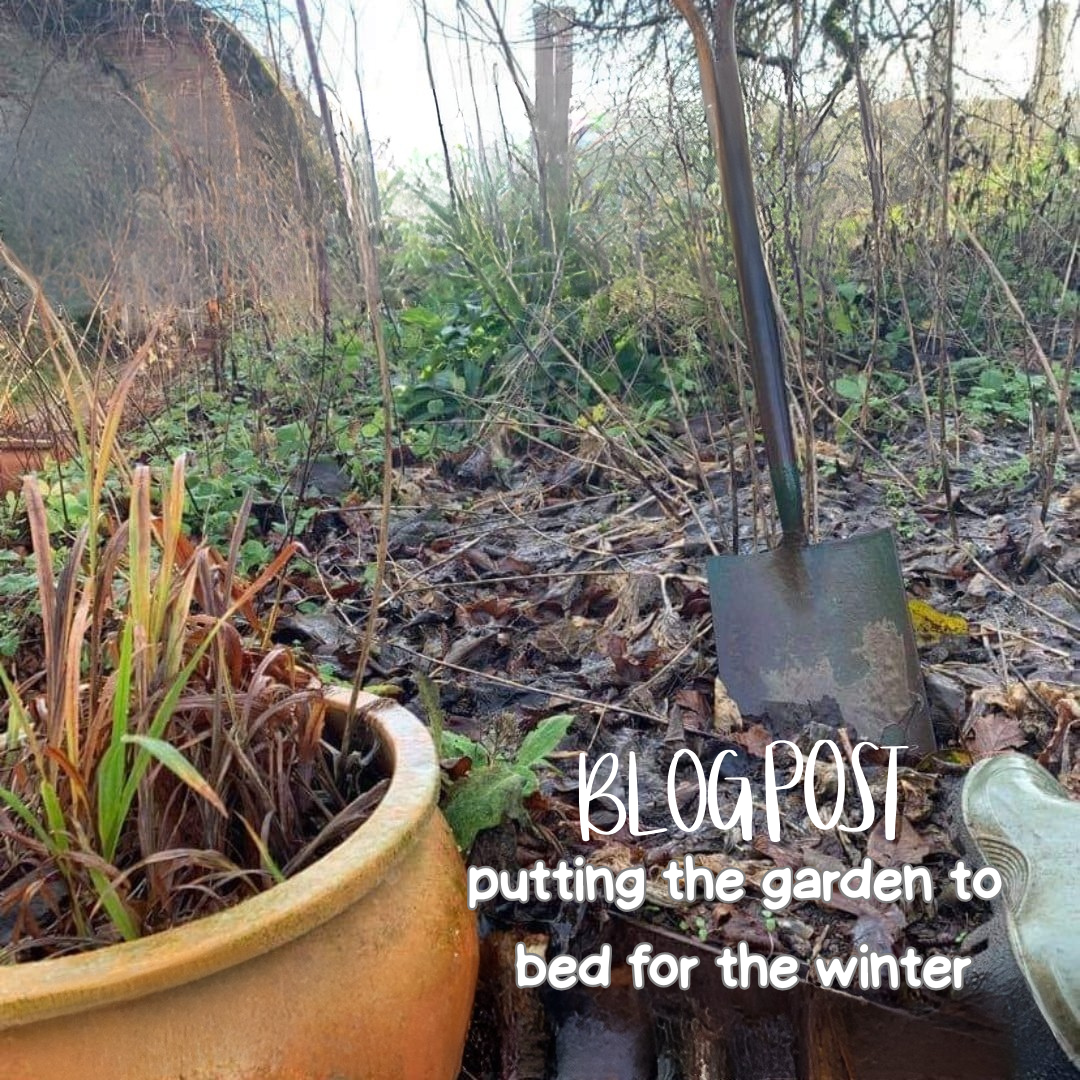
Putting your garden to bed for the winter!

As the vibrant colours of summer fade away, it’s time for gardeners to prepare their beloved green spaces for a well-deserved winter rest. Putting the garden to bed is not just a routine task, but an opportunity to nurture and protect our plants, ensuring their resilience and beauty for seasons to come.

Gardeners play a vital role in this transition, carefully tending to each plant with love and care. From clearing away debris and fallen leaves to cutting back perennials, every action taken helps create a healthy environment for our plants during the dormant months.

First and foremost, it’s crucial to tidy up your garden by removing any dead or decaying plants. Clearing away fallen leaves and debris not only improves the aesthetic appeal but also prevents diseases from spreading during the dormant months.

Next, protect your plants from frost by covering them with mulch or straw. This insulating layer acts as a cosy blanket, shielding delicate roots from freezing temperatures and reducing moisture loss.

Pruning is another important task that should not be overlooked. Trimming back overgrown branches promotes healthier growth in the future and prevents damage caused by heavy snow or ice.

While these tasks may seem arduous, they come with numerous benefits. By putting your garden to bed for winter, you create a clean slate for next year’s growth. It allows plants to conserve energy during their dormant period so they can burst forth with renewed vigour when spring arrives.

Moreover, preparing your garden for winter helps prevent pest infestations and diseases that thrive in damp conditions. By tidying up now, you reduce the risk of encountering problems later on and ensure a healthy start to the next growing season.

In addition to caring for your plants and to assist wildlife during winter, leave some areas of your garden untouched. Allow fallen leaves and twigs to accumulate as natural habitats for insects and small animals seeking shelter from the cold.

Consider installing bird feeders filled with nutritious seeds or providing fresh water sources like birdbaths. These simple gestures create havens for birds when food becomes scarce in colder months while adding an enchanting touch of life to your winter landscape.

By carrying out these essential tasks and embracing nature’s rhythm, we ensure that our gardens will thrive and bring us joy for years to come.

Further Reading: How to Protect the Soil In Winter

Follow Us in Instagram to get Daily Garden Inspiration

Albizia julibrissin: The Delightful Mimosa Tree

This wonderful tree, also known as a silk tree or mimosa, is popular for its stunning beauty and versatility. The Mimosa tree is known for producing large flowers that vary in colour from soft pink to bright red, which bloom all summer long. It has delicate green leaves which are bipinnate and can add a tropical feel to any garden. Albizia julibrissin is a must-have for an elegant and stunning garden design.

The leaves of the Mimosa Tree are beautiful and unique, with a pale-green hue and a delicate appearance. The bark is also smooth and grey. Albizia julibrissin can grow up to 10 to 15 metres tall. The flowers grow in clusters, with soft pink to red colours. These flowers are not only stunning to look at, but they also add a sweet fragrance to the garden. The Mimosa Tree blooms from June until September, depending on the climate. With its unique shape and delicate foliage, this tree is an excellent addition to any garden.

Albizia julibrissin: The Delightful Mimosa Tree

Albizia julibrissin is a low-maintenance tree that is easy to grow. It thrives in full sun and has low to moderate water requirements. This tree prefers well-drained soil, but it can also tolerate wet soil. For best growth, the Mimosa Tree should be planted in a location that is sheltered from high winds, as its branches are quite fragile.

The Mimosa tree is generally low-maintenance, but it still needs regular attention. Pruning is essential for this tree, especially if you want to keep it at a manageable size. You can also remove the dead or diseased branches, which will help the tree stay healthy. Albizia julibrissin is prone to infestations by pests, such as spider mites and scale insects. Regular monitoring and treatment are required to avoid these pests. Providing adequate water and nutrients is also essential for healthy growth.

Albizia julibrissin is a versatile tree that can be used in many different garden designs. It’s an excellent choice for small garden areas due to its compact size and delicate foliage. This tree can also be used for shade, especially in areas where large canopies are not suitable. Additionally, the Mimosa Tree can serve as a border, a specimen plant, or even an accent. With its stunning beauty and adaptability, Albizia julibrissin is a must-have for any gardener.

The Mimosa Tree is an excellent choice for anyone looking to create an elegant and beautiful garden. With its stunning colour and versatile characteristics, it can add a tropical feel to any landscape. Albizia julibrissin is known for being easy to grow and low-maintenance, making it perfect for beginner gardeners. With regular pruning and monitoring, this tree can stay healthy and continue to bloom all summer long. So, whether you’re looking to add a new tree to your garden or starting a new project, the Mimosa Tree is an excellent option to consider.

Follow Us on Instagram for Daily Gardening Inspiration

Exploring the Magnificent Gardens of East Ruston Old Vicarage in Norfolk

Spread across 32 acres, this garden is a perfect blend of art and nature, with its stunning mix of exotic and traditional plant varieties. The East Ruston Old Vicarage offers a unique glimpse of what can be achieved through careful planning and cultivation.

The Dutch Garden is stunning with its symmetrical design and colourful bedding plants. This garden is adorned with antique garden ornaments such as statues, urns, and garden furniture. The well-maintained lawns and hedges add to the overall beauty of this garden.

The Kings Walk is an avenue of majestic lime trees that provide a beautiful canopy. Rhododendrons, azaleas, and other flowering shrubs line the path, making it a favourite spot for a leisurely walk. Its serene and idyllic surroundings make it an ideal place for nature lovers to spend some time in the company of majestic trees and colourful blooms.

The Sunk Garden, located near the house, is a sunken garden with steps on both sides. This garden is divided into four sections, each with different planting schemes featuring a wide range of colourful flowers. 

The Exotic Garden has a unique collection of plants, including hardy palms, bamboos and bananas, and is home to a variety of tropical and subtropical plants. This garden also has a pond area with a variety of aquatic plants.

The Woodland Garden is the oldest part of East Ruston Old Vicarage. It is characterized by a variety of trees such as oak, beech, and maple, along with a mix of flowering shrubs. The garden has a natural feel, with the paths winding through the woods, leading visitors to discover the hidden treasures within.

The Desert Wash features a variety of drought-tolerant plants, including cacti, desert succulents, and exotic shrubs. The garden is built on a slope that resembles the landscape of the Mojave Desert in the US, complete with a dry stream bed and rocks.

The Mediterranean Garden is a south-facing garden with a warm, sheltered microclimate that creates a perfect environment for Mediterranean plants such as olive trees and lavender. This garden also has an extensive collection of citrus trees that provide a refreshing aroma throughout the garden.

The Catalpa Garden features the rare and exotic “Katsura” tree, which is native to Japan. This seasonal tree emits a sweet caramel scent reminiscent of cotton candy or brown sugar. The garden is surrounded by a fence of cypress trees, creating a peaceful environment that radiates tranquillity.

The East Ruston Old Vicarage is a paradise on earth and a must-visit destination for any garden enthusiast. The well-manicured gardens are a testament to the owners’ love of horticulture and their passion for creating stunning landscapes.

See our reel on our instagram account for this garden! 🌻