How to Choose Garden Tools

Gardening may seem like a relaxing and leisurely activity, but it requires a lot of hard work and patience. One of the most crucial factors for gardening success is the right set of tools. However, with so many options available in the market, it can be overwhelming to choose the right garden tools. In this post, we’ll guide you on how to choose the right garden tools that suit your specific needs and preferences.

Quality:  Quality is the most important factor when it comes to choosing garden tools. You want tools that will last for a long time and withstand the rigors of frequent use. Look for tools made of high-quality materials such as stainless steel, solid wood, and durable plastic. Be mindful of cheaply made tools that may seem like a bargain but won’t last you for long.

Ergonomics:  When you’re working in your garden, you want to remain comfortable and avoid strains and injuries. Ergonomic garden tools are designed to minimize strains and injuries by providing a comfortable grip and reducing the force needed to use them. Look for garden tools with soft cushioned handles and non-slip grips. Tools with adjustable features can also be a good option as they can be tailored to your height and comfort level.

Purpose:  Different gardening tasks require different types of tools. Determine what your gardening needs are and choose the right tools that are ideal for the task. For instance, rake, trowel, and shovels, pruning tools, and watering cans are some of the essential tools that every gardener should own. If you have a specific gardening project in mind, make sure you pick the tools that are designed for that specific task.

Brand:  Choosing reputable brands can save you time and money in the long run. High-end brands tend to make superior quality tools that last longer and are more comfortable to use. However, you don’t necessarily have to purchase the most expensive garden tool. Do your research on different brands and read reviews to find the best garden tools that meet your needs and budget requirements.

Maintenance:  Garden tools require proper maintenance, to ensure they operate at an optimal level. Without maintenance, quality gardening tools won’t last long. Clean the tools after use and store them in a dry place. Any tool that gets wet should be dried before storage to prevent rust and ensure it remains in working order for many years.

Choosing the right garden tools can be a time-consuming and daunting task. However, by considering the above factors, you can be sure that you’re making the right choice. Excellent quality tools save you time, effort, and money, and most importantly, make gardening a good experience for you. Don’t forget to maintain your tools properly to ensure they last for seasons of gardening to come! Happy gardening to you

Our range of Long Handled Garden Tools, Small Garden Hand Tools, Mid Length Garden Hand Tools and Garden Tool Maintenance

Follow us on Instagram for Daily Inspiration

Why You Shouldn’t Buy Peat-Based Composts

Gardening is one of the most relaxing and fulfilling activities that you can do. But with great gardening comes great responsibility. One of those responsibilities is choosing the right compost for your plants. While peat-based composts have been popular for many years, it’s time now to take a closer look at the dangers that come with using them. In this blog post, we’ll discuss why you should not buy peat-based composts.

Peat bogs are incredibly important for our environment. They absorb carbon dioxide, they maintain biodiversity, and they provide a habitat for some of the world’s most endangered species. But despite their importance, around 2 million tons of peat are taken from them every year in the UK alone. This has a devastating impact on ecosystems and contributes to climate change. So, as gardeners, it’s our responsibility to choose alternatives to peat-based composts.

Peat-based composts are not sustainable. Peatlands take thousands of years to form, and they cannot be replenished quickly enough to meet the current demands. Furthermore, the extraction of peat causes damage to the surrounding environment, such as increased greenhouse gas emission, biodiversity loss, and water pollution. By choosing sustainable compost alternatives, such as wood fibre, coir, composted bark, and green waste, we reduce the demand for peat and protect our environment.

You might think that peat-based composts are better for your plants, but that is not always the case. Peat-based composts can be low in essential nutrients, which your plants need to grow healthy and strong. They can also be too acidic for some plants, making it difficult for them to absorb nutrients. Alternatives to peat-based composts are equally good, if not better, at providing your plants with the right balance of nutrients and pH levels.

Another reason why you should not buy peat-based composts is that they contribute to the loss of peatland habitats and endangered species. Peatlands provide a home for some of the most vulnerable species in the UK, such as curlews, hen harriers, and large heath butterflies. By choosing sustainable alternatives to peat, we reduce our impact on these precious habitats and allow the natural ecosystem to thrive.

As gardeners, we have a moral obligation to look after our environment and promote sustainable practices. By choosing not to buy peat-based composts, we reduce demand for peat and protect natural ecosystems. We also provide our plants with healthy, balanced nutrients that are equally as good, if not better, than those of peat-based alternatives. So next time you head to the garden centre, remember to choose sustainability and, say no to peat-based composts.

Further Reading: Transforming your Compost into Potting Mix

For Daily Inspiration – Follow us on Instagram

Protect Your Hands: How to Select Garden Gloves

Choosing the right garden gloves

A gardener’s hands are among their most valuable tools. From turning soil and planting seeds to pruning shrubs and pulling weeds, our hands are constantly at work. Protecting them well makes gardening safer, more comfortable and far more enjoyable. A good pair of garden gloves can prevent cuts and blisters, shield skin from thorns and rough surfaces, and allow you to work with confidence in all weathers.

With so many styles available, choosing the right gloves can feel surprisingly complex. Taking a little time to select a pair that suits your garden and the way you work will pay dividends season after season.

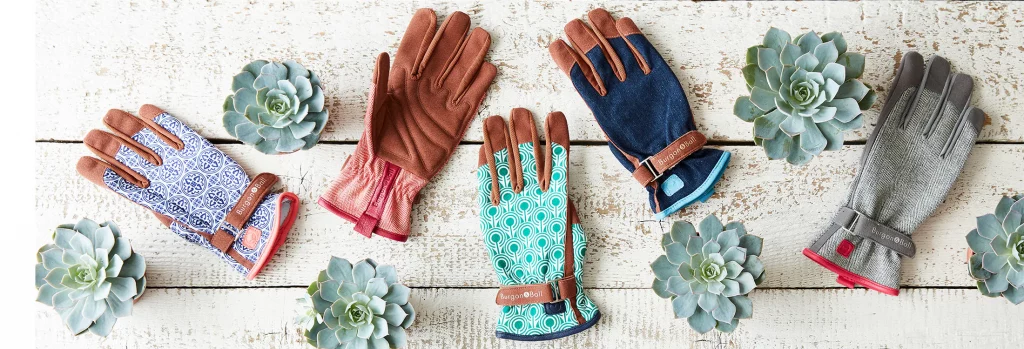
Considering the materials

Garden gloves are made from a range of materials, each suited to different tasks. Leather gloves are valued for their strength and durability. They offer excellent protection against thorns, brambles and sharp tools, making them a reliable choice for heavier jobs such as pruning, clearing and digging. Over time, good-quality leather softens and moulds to the hand, becoming more comfortable with use.

Cotton gloves are lighter and more flexible. They are well suited to gentle tasks such as planting, sowing seeds and light weeding. While they offer less protection, they allow greater sensitivity and are often easier to wash and replace.

Synthetic gloves combine durability with flexibility and are designed to handle a wide range of tasks. Many include reinforced fingertips or palms for added strength, while remaining lightweight and adaptable. Some modern designs also offer water resistance, which can be useful when working in damp conditions.

Choosing the right material depends on the work you do most often and the balance you prefer between protection and dexterity.

Finding the right fit

Fit is just as important as material. Gloves that are too loose can slip, reduce grip and make precise tasks difficult. Gloves that are too tight may restrict movement and cause discomfort over time.

A well-fitting glove should sit snugly against the hand while allowing fingers to bend and move freely. Adjustable wrist fastenings help keep soil and debris out, while also ensuring the glove stays securely in place during use.

If possible, try gloves on before buying and flex your hands to make sure they feel comfortable and supportive.

Choosing the right level of protection

Different gardening tasks call for different levels of protection. Thick, padded gloves are ideal for work involving thorns, rough stems or sharp tools, while lighter gloves are better suited to tasks that require precision and touch.

Many gardeners find it useful to keep more than one pair of gloves, selecting the most suitable option for the job at hand. This not only improves comfort but also helps gloves last longer by avoiding unnecessary wear.

Keeping hands cool and comfortable

Gardening can be physically demanding, particularly in warmer months. Breathable gloves help prevent hands from becoming hot and sweaty, which can lead to discomfort and irritation.

Look for designs with breathable fabrics, mesh panels or perforated areas that allow air to circulate. These features are especially valuable if you enjoy long sessions in the garden or work in direct sunlight.

Balancing practicality and style

While function should always come first, there is no reason garden gloves cannot be pleasing to look at as well. Many gloves are available in a range of colours and patterns, allowing you to choose something that reflects your personal taste.

That said, comfort, protection and durability matter far more than appearance. A well-chosen pair of gloves should feel like a natural extension of your hands, supporting your work rather than getting in the way.

A small investment with lasting benefits

Investing in a good pair of garden gloves is a simple way to care for yourself as you care for your garden. By considering materials, fit, protection and breathability, you can find gloves that suit your tasks and make time spent outdoors more comfortable and rewarding.

With the right gloves to hand, you can focus on the pleasure of gardening—working the soil, tending plants and enjoying the quiet satisfaction that comes from nurturing a living landscape.

Further Reading: RHS Eranthis hyemalis – Winter AconiteThe Corylus – Witch HazelHow to Protect Your Soil in WinterA Ruby Gem for Winter: Meeting Cyclamen persicum ‘Verano Red’Bringing Life to Winter: The Resilience of Eastern Cyclamen

Inspiration: Follow Us on InstagramThreads, BlueSkyTwitterTikTok and Pinterest.

The Importance of Gardening for Children

Why gardening is so valuable for children

Gardening is an activity that welcomes all ages, but it holds particular value for children. It offers a chance to step outdoors, to get hands dirty and to experience the quiet satisfaction of caring for something living. In a world that often moves quickly and indoors, time spent in the garden can help children slow down, notice small changes and build a lasting relationship with nature.

More than simply a pastime, gardening provides lessons that stay with children long after the growing season has ended.

Encouraging curiosity and a love of nature

A garden is full of discoveries. Seeds swell and sprout, insects appear in the soil, and plants change from week to week. For children, this creates a natural sense of wonder and curiosity about how the world works.

By spending time outdoors, children begin to understand the rhythms of the seasons and the importance of weather, soil and sunlight. These early experiences help nurture respect for the natural world and encourage an appreciation of living things, from the smallest worm to the tallest sunflower.

Learning responsibility and patience

Caring for plants teaches children that living things depend on regular attention. Watering, weeding and watching for growth all require consistency and care. When children are given a small area of their own to tend, they learn responsibility in a gentle, rewarding way.

Gardening also teaches patience. Plants do not grow overnight, and setbacks are part of the process. Waiting for seeds to emerge and flowers to bloom helps children understand that effort and time often go hand in hand, a lesson that extends far beyond the garden gate.

Supporting physical activity and wellbeing

Gardening naturally encourages movement. Digging, planting and carrying watering cans all help children stay active, often without realising it. Fresh air and gentle exercise support physical health, while time spent outdoors has a calming effect on mood and concentration.

In contrast to screen-based activities, gardening invites children to engage fully with their surroundings, using all their senses and enjoying the simple pleasures of being outside.

Building a healthy relationship with food

Growing fruit and vegetables can change the way children think about food. When they have helped to plant, water and harvest crops, they are often more willing to taste what they have grown.

This connection between garden and plate helps children understand where food comes from and encourages healthier eating habits. Pulling up a carrot or picking a ripe tomato can be a moment of pride, making fresh produce feel more familiar and appealing.

Learning to care for the environment

Gardening offers practical lessons in caring for the planet. Composting kitchen waste, saving water and creating spaces for wildlife help children see how small actions can make a positive difference.

Through these everyday practices, children begin to understand their role in protecting the environment. These lessons, learned early, can shape thoughtful habits and attitudes that last into adulthood.

Bringing families together

Perhaps one of the greatest joys of gardening is the way it brings people together. Working alongside children in the garden creates opportunities for conversation, co-operation and shared achievement.

Whether planting bulbs in autumn, sowing seeds in spring or harvesting produce in summer, gardening offers moments to slow down and enjoy time together. These shared experiences often become treasured memories, rooted in laughter, learning and a sense of belonging.

A simple beginning with lasting rewards

Gardening does not need to be complicated to be meaningful. A few pots, a small patch of soil or even a windowsill can provide a place for children to grow and learn. What matters most is the experience of caring, observing and discovering.

By inviting children into the garden, we give them more than plants to tend. We offer them patience, responsibility, curiosity and a lifelong connection to the natural world—quiet lessons that grow, season by season, alongside them.

Take a look at our children’s gardening tools by clicking here

Further Reading: Childrens Gardening Week, Children’s Gardening

Inspiration: Follow Us on InstagramThreads, BlueSkyTwitterTikTok and Pinterest.

How to Choose Garden Planters


Choosing the right garden planter

Gardening offers a quiet sense of satisfaction: time spent tending plants, working with the soil and watching small changes unfold through the seasons. Whether you are growing flowers, herbs or shrubs, the containers you choose play an important role in how well your plants thrive and how your garden feels as a whole.

A garden planter is more than a practical vessel. It shapes the growth of a plant, influences how moisture and warmth are managed, and contributes to the character of your outdoor space. Choosing well will reward you with healthier plants and a garden that feels balanced and considered.

Material: balancing beauty and practicality

One of the first decisions to make is the material of your planter. Each has its own qualities, and the best choice often depends on both the plant and its setting.

Terracotta planters have a timeless appeal and suit many traditional gardens. Their porous nature allows moisture to evaporate, which helps prevent waterlogging and makes them particularly suitable for plants that prefer free-draining conditions. However, they can dry out quickly in warm weather and may crack in hard frost.

Metal planters offer a more contemporary look and are often lightweight and durable. They can work well in modern spaces, but they may heat up in strong sunlight, which can stress plant roots unless carefully positioned.

Wooden planters blend naturally into garden settings and soften hard landscaping. When made from sustainably sourced or treated timber, they can be long-lasting, though they will eventually weather and may be vulnerable to rot if drainage is poor.

Plastic planters are light, affordable and widely available in many shapes and sizes. While convenient, they are less durable over time and can become brittle in prolonged heat or sunlight.

Stone planters bring a sense of permanence and elegance. They are highly weather-resistant and provide insulation for roots, but their weight makes them difficult to move once in place.

Size: allowing room to grow

The size of a planter has a direct impact on plant health. Roots need space to spread, draw in nutrients and anchor the plant as it matures. A container that is too small can restrict growth and dry out quickly, while one that is too large may hold excess moisture.

As a general rule, the planter should be proportionate to the plant’s eventual size rather than its current one. Larger shrubs, small trees and productive vegetables benefit from deep, wide containers—often 60cm or more in diameter—while herbs, bulbs and seasonal flowers are happy in smaller pots.

It is worth remembering that plants grown in containers rely entirely on you for water and nourishment, so choosing the right size from the outset makes care easier and more reliable.

Drainage: essential for healthy roots

Good drainage is vital for almost all plants. Without it, water can collect at the base of the planter, depriving roots of oxygen and leading to rot.

Most planters should have drainage holes that allow excess water to escape freely. These should be large enough to prevent waterlogging but not so wide that compost is lost. Placing crocks or gravel at the base can help improve drainage further.

Self-watering planters can be useful in busy gardens or for plants that need consistent moisture. Their built-in reservoirs supply water gradually, while still allowing air to reach the roots, reducing the risk of overwatering.

Style: complementing your garden

Planters contribute as much to the look of a garden as the plants they hold. Colour, shape and texture all influence how a space feels.

In traditional gardens, terracotta, stone or wood often sit comfortably among soft planting. Contemporary gardens may suit clean lines and muted tones found in metal or smooth stone containers. Decorative or ornamental planters can act as focal points, adding interest and personality to patios, entrances or quiet corners.

Choosing a consistent style or material can help create a sense of harmony, while a carefully placed contrasting planter can draw the eye and add depth.

Cost: investing wisely

Planters are available at many price points, and it is sensible to think about longevity as well as initial cost. Cheaper options may need replacing sooner, while well-made planters can last for many years and improve with age.

Consider how often the planter will be moved, how exposed it is to the elements and whether it will need to support a plant long term. Spending a little more on quality where it matters can save time, effort and expense in the future.

A thoughtful choice

Choosing the right garden planter is a quiet but important decision. With careful consideration of material, size, drainage, style and cost, you can create conditions in which plants flourish and gardens feel welcoming and well cared for.

A well-chosen planter does more than hold a plant—it supports growth, enhances beauty and helps turn any outdoor space into a place of calm, creativity and connection with nature.

Click here for some great planters.

Inspiration: Follow Us on InstagramThreads, BlueSkyTwitterTikTok and Pinterest.

Choosing the Perfect Garden Furniture for Your Outdoor Haven

Having a beautiful garden is one thing, but to make it an ideal space where you and your loved ones can relax and unwind, you need the right garden furniture. In this guide, we will provide you with the tips and tricks you need to select the perfect garden furniture that can turn your outdoor space into a paradise. Whether you are a seasoned gardener or just starting out, we have all the tips you need to make the right decision.

Consider the Size of Your Garden

Before you even begin looking for garden furniture, you need to consider the size of your garden. If you have a small garden, it is best to keep the furniture simple and minimalist. A small table and two to four chairs would suffice, while for a larger garden, you can add more pieces like a sun lounger or even a swing. Whatever you choose, make sure that it is proportional to the size of your garden, and you still have enough space to move around.

Think About Your Style

When it comes to garden furniture, you have endless choices. However, it is essential to choose a style that reflects your personality and the feel of your garden. For instance, do you want a minimalist look or perhaps a natural and more rustic feel? There are various materials to choose from for your furniture, including wood, metal, and plastic. You can also mix and match your furniture to create a unique look.

Durability

Your garden furniture is exposed to all sorts of weather conditions, from scorching sun to heavy rain. Therefore, it is vital to choose furniture that is durable enough to withstand these elements. Look for furniture made from high-quality materials, such as teak or metal, that are weather-resistant and UV-protected. This way, you will save money in the long run by not having to replace your furniture frequently.

Comfort

Your garden furniture should be comfortable and provide a relaxing haven. You can also add elements like cushions or throws to make your furniture more comfortable and add a pop of colour.

Functionality

Consider how you want to use your garden furniture. Do you want it to be a gathering place for family and friends, or a spot for quiet meditation? Do you want to have dinner outside or perhaps enjoy drinks during the summer? Whatever your needs, choose furniture that can accommodate it. For example, a large table with comfortable seating would be perfect for family gatherings, while an outdoor sofa set might be better for relaxation and comfort.

Choosing the right garden furniture can make all the difference in creating the perfect outdoor haven. There are many factors to consider, such as durability, size, style, comfort, and functionality. By following these tips, you will be able to select the ideal furniture that reflects your personality, needs, and the feel of your garden. Remember, investing in good-quality garden furniture is not only essential for your comfort but also for the overall look and value of your home. Happy gardening!

Take a look at some great garden furniture here

For Daily Inspiration, Follow Us on Instagram

Create a Wildlife Haven in Your Own Garden

With the increasing concern over biodiversity loss, many are turning to their own outdoor spaces to help save wildlife. A wildlife garden can provide a safe haven for a range of animals, from bees to birds and even hedgehogs! It is a great way to do your bit for nature and to encourage your garden to thrive and become more beautiful than ever. In this blog post, we’ll take you through the steps to create a wildlife garden that is both beautiful and beneficial.

Step 1: The Plants

The best way to attract wildlife to your garden is with the right kind of plants. Native plants that provide nectar, pollen and seeds are perfect for most creatures. Flowers such as lavender, marigolds, and cornflowers all provide nectar for bees and butterflies. Berry-bearing shrubs such as holly, rowan, and hawthorn will attract birds. Native wildflowers like oxeye daisies, knapweed, and cowslips are perfect for insects.

Step 2: The Water Feature

A water feature doesn’t have to be massive, but it is an excellent way to attract wildlife to your garden. A pond, stream or small container pond will provide an essential source of water for many creatures. Frogs and toads will lay their eggs in a pond, and dragonflies will hunt over the surface of the water. A simple bird bath will suffice for birds, and even hedgehogs will drink from it too.

Step 3: The Hiding Places

Wildlife needs places to hide and establish territory. A pile of logs in a shady corner will provide a home for insects and small mammals like hedgehogs and mice. A bird box on a tree or attached to a wall will provide a year-round home for birds. A bug hotel is another fun way to provide a home for a wide variety of insects.

Step 4: The Habitats

Different species of wildlife need different types of habitats to survive, depending on their diet and behaviour. To attract pollinators, plant flowers in beds and borders. To attract birds, plant dense shrubs and trees. To attract hedgehogs and other insects, create a wild area in your garden filled with weeds, long grass, and fallen leaves. Different habitats will attract and provide food for different species, and this will create a diverse and thriving wildlife garden.

Step 5: The Maintenance

Once your garden is thriving with wildlife, you’ll need to maintain it carefully. Keep on top of weeds and cut back dead growth to prevent disease from spreading. Allow some plants to go to seed, as this will provide a valuable source of food for birds. Top up the water feature regularly and make sure the bird bath is clean. If you have a pond, clean it out regularly and steer clear of using chemicals.

Creating a wildlife garden in your outdoor space needn’t be complicated, and it can benefit both you and the creatures that call your garden home. Once you have followed these steps, you’ll be able to enjoy watching the wildlife that comes to visit. You’ll also create a beautiful, thriving garden that will bring pleasure for years to come. Join the movement to protect nature by creating your very own wildlife haven in your garden.

Follow us on Instagram for Daily Inspiration
Further Reading: Helping Wildlife this Winter

Why Plastic Artificial Lawns Are a Threat to Your Garden

Gardening is one of the great pleasures of caring for a home. A living garden changes with the seasons, supports wildlife and rewards time spent outdoors. Yet in recent years, plastic artificial lawns have been promoted as an easy alternative to real grass, promising a neat appearance with little effort.

While the appeal of a low-maintenance garden is understandable, replacing living turf with plastic comes at a cost that is often overlooked. From environmental damage to lost biodiversity, artificial lawns undermine many of the qualities that make gardens such valuable spaces in the first place.

So why is installing a plastic artificial lawn a bad idea?

1. Plastic artificial lawns harm the environment

Artificial grass is made from plastic polymers that do not biodegrade. Once installed, these materials remain in place for years, eventually needing to be removed and disposed of. When that time comes, they contribute to landfill waste, where they will persist for generations.

The environmental impact does not begin or end in your garden. Manufacturing plastic turf requires fossil fuels and energy-intensive processes, producing greenhouse gases along the way. Over time, artificial lawns can also shed small fragments of plastic, which are washed into drains and waterways, adding to the growing problem of microplastic pollution.

A garden should be part of the solution, not another source of long-lasting environmental harm.

2. They damage soil health

Healthy soil is the foundation of any thriving garden. Natural grass protects the soil beneath it, reducing erosion, improving structure and allowing air and water to move freely. Grass roots feed soil organisms, from microbes to earthworms, creating a living system that stores carbon and supports plant life.

Plastic lawns do none of this. Instead, they seal the soil beneath a synthetic layer, reducing oxygen flow and preventing natural processes from taking place. Heat becomes trapped, moisture behaves unnaturally, and the soil slowly loses vitality. Over time, this leads to compacted, lifeless ground that struggles to support any meaningful growth should the lawn be removed.

3. Artificial lawns contribute to rising temperatures

Real grass cools the air around it through evaporation and shade. Plastic lawns do the opposite. Often darker in colour, they absorb heat and can become uncomfortably hot in sunny weather.

In towns and cities, where green space is already limited, this added heat contributes to the urban heat island effect, raising local temperatures and making outdoor spaces less pleasant. Hot surfaces can also be uncomfortable or unsafe for children and pets, limiting the use of the garden precisely when you might want to enjoy it most.

4. They are costly to install and maintain

Although marketed as a long-term saving, artificial lawns are expensive to install. Proper fitting requires groundwork, specialist materials and skilled labour to prevent issues such as poor drainage or uneven surfaces.

Over time, artificial grass can fade, flatten or become damaged by weather, pets and heavy use. Repairs are rarely simple and replacement is costly. Unlike natural grass, which can recover and regenerate, plastic turf has a fixed lifespan and will eventually need to be removed entirely.

5. They lack the beauty and character of real grass

No matter how carefully designed, artificial lawns rarely capture the subtle variation and softness of living grass. Up close, they can look uniform and unnatural, and they lack the scent, movement and seasonal change that give gardens their charm.

Perhaps most importantly, plastic lawns offer little or nothing to wildlife. A natural lawn, even a modest one, provides food and shelter for insects, birds and other small creatures. Replacing it with plastic removes yet another fragment of habitat from an already pressured natural world.

A garden should be alive

The desire for a manageable garden is entirely reasonable, but plastic is not the answer. There are many ways to create outdoor spaces that are both beautiful and practical: reducing lawn size, choosing slower-growing grasses, allowing areas to grow longer, or replacing grass with wildflowers, groundcover plants or thoughtfully designed low-maintenance beds.

A living garden does more than look tidy. It supports nature, improves wellbeing and connects us to the rhythms of the seasons. By choosing real plants over plastic, we protect not only the character of our gardens, but the health of the wider environment too.

Inspiration: Follow Us on InstagramThreads, BlueSkyTwitterTikTok and Pinterest.

Further Reading: Why Less Lawn is the Future

The Chelsea Chop: Keeping Your Garden Blooming All Summer

Summer is here and if you’re an avid gardener like me, you want to keep your garden looking fresh and vibrant all season long. Thankfully, there’s a method called the “Chelsea Chop” that can help you achieve just that. The Chelsea Chop is a pruning technique that encourages plants to branch out and produce more blooms throughout the summer. In this blog post, we’ll delve into the origins and benefits of the Chelsea Chop and how to implement this technique in your own garden.

The Chelsea Chop got its name from the Chelsea Flower Show in London, where it was first introduced by the Royal Horticultural Society. The technique involves pruning the top one-third of certain herbaceous perennials at the end of May or beginning of June. When this is done, the plant responds by sending out new shoots from the base, creating a bushier and more compact growth habit. This means more flowers and a longer blooming period, providing you with beautiful colour throughout the summer.

Some of the plants that respond well to the Chelsea Chop include asters, rudbeckias, heleniums, phlox, and sedums. You’ll want to avoid doing the Chelsea Chop on plants that only bloom once a year as this can impact their overall health and flower production for the following season. However, for those plants that are repeat bloomers, the Chelsea Chop can do wonders for keeping your garden blooming endlessly.

The benefits of the Chelsea Chop don’t stop at just increasing flower production. This method can also help keep your garden looking healthy and tidy by preventing plants from becoming too leggy or floppy. By pruning them back, you encourage sturdier stems and a stronger overall structure. Furthermore, the Chelsea Chop can be a great way to control the height of certain plants, preventing them from becoming top-heavy and prone to breaking in windy conditions.

Now that you know what the Chelsea Chop is and why it’s beneficial, let’s walk through how to do it. As mentioned before, you’ll want to prune the top one-third of the plant at the end of May or beginning of June. Use clean, sharp shears to make a clean cut and avoid damaging the stem. You’ll want to avoid doing drastic pruning on plants that are already weak or struggling. Instead, it’s best to focus on healthy, thriving plants to get the best results.

The Chelsea Chop is a fantastic pruning technique for any gardener looking to keep their garden blooming all summer long. By encouraging repeat bloomers to branch out and produce more flowers, you’ll have a garden that’s full of life and colour throughout the season. Remember to only use the Chelsea Chop on plants that respond well to this technique and avoid doing any drastic cutting on plants that are already struggling. With a little bit of practice, the Chelsea Chop can become a valuable tool in your gardening arsenal. Happy pruning!

Further Reading: The Chelsea Flower Show, RHS Chelsea Chop, Chelsea Flower Show

For Daily Gardening Inspiration Follow us on Instagram

Garden by the Moon?

Gardening is not only a great way to enhance the aesthetics of your home but it can also provide you with an opportunity to escape from the hustle-bustle of the daily routine. If you are someone who is looking for a new challenge to add to your gardening repertoire, then you should try Gardening by the Moon.

Gardening by the Moon is an age-old practice that refers to planting and harvesting crops based on the phases of the Moon. This practice is believed to provide a wide range of benefits including healthy soil, improved plant growth, and higher crop yields. If you are intrigued by this idea, then keep reading to learn more about how you can start gardening by the moon.

How does the Moon affect gardening?

Before you start gardening by the moon, it is essential to understand how the Moon’s phases affect plant growth. The Moon follows a 28-day cycle, and each phase has a specific effect on the soil, light, and gravitational pull. Basically, gardening by the moon means knowing when to plant and harvest your crops based on the position of the Moon.

The lunar cycle is divided into four phases – New Moon, First Quarter, Full Moon, and Third Quarter. During the New Moon and First Quarter, the Moon is in its waxing phase, and this is a favourable time for planting crops. The increased gravitational pull of the Moon during these phases is thought to cause sap to rise in plants, leading to optimal growth.

On the other hand, during the Full Moon and Third Quarter, the Moon is in its waning phase, and this is the ideal time for harvesting crops. During these phases, the Moon’s decreased gravitational pull is believed to cause sap to move towards the roots, allowing the plants to focus their energy on root growth.

How to get started with Gardening by the Moon?

Now that you know the basic principles behind Gardening by the Moon, it’s time to get started. The first step in this process is to obtain a lunar planting calendar. The calendar will help you to determine the best times to plant and harvest your crops based on the Moon’s phases.

Once you have a planting calendar, you can start planning your garden. Remember to align your planting activities with the lunar cycles. For example, during the New Moon, you can plant above-ground crops such as lettuce, tomatoes, peas, and peppers. During the Full Moon, you can focus on harvesting crops from your garden, such as fruits or vegetables.

Other Essential Factors to consider in gardening by the moon

Apart from the Moon phases, there are other essential factors that you should consider when gardening by the moon. These include the weather, soil quality, and plant requirements. It is also important to remember that gardening by the moon is not a guarantee of success, but rather a useful tool for optimizing your growth efforts.

For example, if you identify a pest problem in your garden, you will still need to take measures to control the potential damage. In general, gardening by the moon works best when combined with other sustainable practices such as companion planting, crop rotation, and organic fertilisers.

Gardening by the moon is an age-old practice that can add an element of intrigue and fascination to your gardening experience. The practice is rooted in the belief that by planting and harvesting crops based on the phases of the Moon, you can boost growth, increase crop yields, and improve overall plant health.

To get started with Gardening by the Moon, you need to acquire a lunar planting calendar and align your planting activities with the Moon’s cycles. Remember to consider other essential factors that affect plant growth, such as soil quality, plant requirements, and weather conditions.

While gardening by the moon is not a guarantee of success, it is a useful tool for helping you to optimise your growth efforts. By including this practice in your gardening activities, you can add an additional layer of magic and mystery to your garden.

Further Reading: How to Plant a Witches Garden

Follow us on Instagram for daily gardening inspiration