Helping Wildlife This Winter

Winter is a time of beauty and rest, but for many of our garden visitors, it’s also a season of survival. If you’re a nature lover, gardener or simply someone who cherishes the sight of chirping birds and buzzing bees, there are plenty of ways to lend a helping hand. Helping wildlife this winter doesn’t just benefit the creatures; it brings balance, joy and life to your garden.

Why Support Winter Wildlife in Your Garden?

Supporting wildlife during winter isn’t just about kindness—it’s a win for your garden too!

  • Better Pollination: By supporting pollinators like bees, butterflies and other insects, you’ll enjoy improved pollination come spring, which means more flourishing flowers and thriving vegetables.
  • Natural Pest Control: Ladybirds, frogs, birds and hedgehogs naturally combat garden pests, saving you the hassle of chemical treatments.
  • Balanced Ecosystems: Wildlife keeps your garden’s ecosystem balanced, ensuring no one species dominates, whether it’s plants or pests.
  • Reduce Chemical Dependency: With beneficial creatures at work, you’ll rely less on pesticides and fertilisers, making your garden a safer, eco-friendly haven.
  • Enhanced Enjoyment: There’s nothing quite like relaxing in a garden alive with the sights and sounds of nature—it’s like a private concert from Mother Earth herself!

How to Support Wildlife This Winter

1. Provide Habitats

Imagine a hedgehog snuggled up in your garden for winter! Create homes for wildlife by adding hedgehog houses, insect hotels or leaving log piles in your garden. Birds will appreciate nesting boxes or dense shrubs for shelter. It’s all about making space for them to hunker down during the cold months.

2. Plant for Pollinators

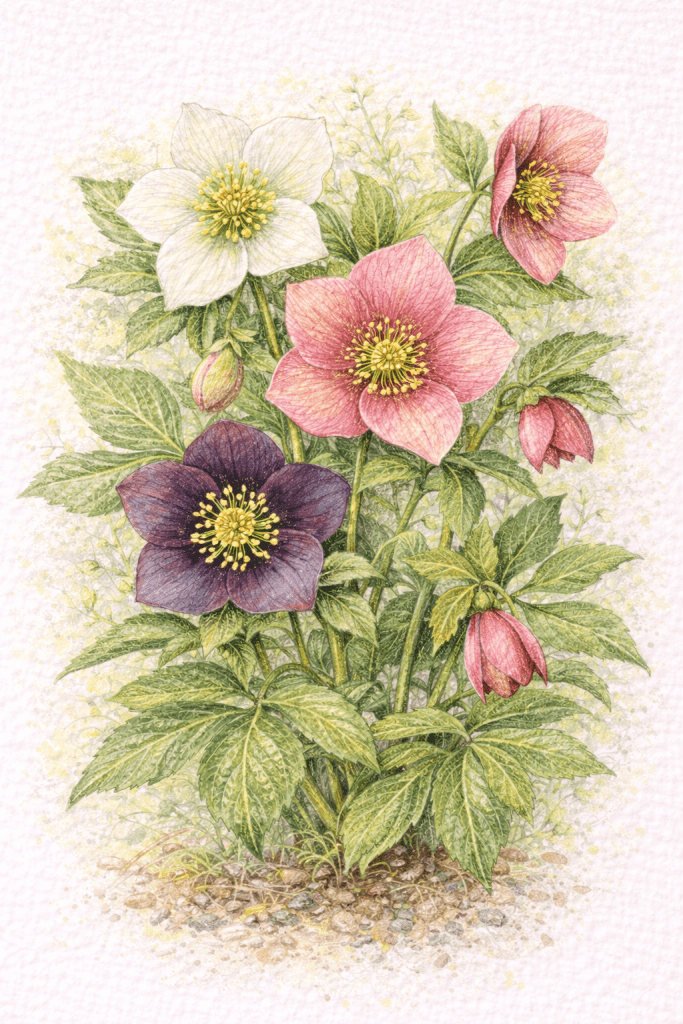
Just because it’s winter doesn’t mean your garden has to be bare. Plant winter-blooming flowers like hellebores, snowdrops or winter heather to provide vital nectar for pollinators. Bees and butterflies are often searching for a little energy boost on mild winter days and your garden can be their saving grace.

3. Feed the Birds

Picture this—starling song in the morning as you sip your tea. Birds rely on gardens for food during harsh winters, so set up feeders with energy-packed seeds, suet balls and peanuts. Remember to keep feeders clean to prevent disease. And if you’re feeling extra generous, add water dishes that won’t freeze!

4. Companion Planting

Did you know some plants naturally protect others? Companion planting combines certain species to support pollinators while deterring pests. For example, plant marigolds to protect veggies or lavender to attract bees. Even over winter, planning your spring planting can make your garden a friendlier place for wildlife.

5. Leave Areas Untouched

Does the idea of “wild and free” appeal to you? Sometimes, the best thing you can do for wildlife is… nothing! Leave some areas of your garden untouched. Piles of leaves, overgrown corners, or quiet logs provide the perfect habitats for hedgehogs, insects and frogs.

6. Use Eco-Friendly Gardening Practices

Skip harsh chemicals this winter to protect the fragile creatures working below the surface, like earthworms and beetles. Opt for natural fertilisers or pest deterrents and make compost to enrich your soil sustainably.

A Garden Full of Life Awaits You

This winter, your garden has the power to be more than just a pretty scene dusted with frost—it can be a refuge for creatures great and small. From encouraging better pollination to enjoying delightful bird songs, the benefits are boundless, for both you and the wildlife.

Start small. Get planting, feed the birds, and leave a cosy spot for hedgehogs and bees. Together, we can create vibrant gardens that not only withstand winter but nurture it.

Are you ready to make a difference? Your garden is calling! 🌱

Further Reading: How to Create and Maintain a Garden Pond, Grow Stronger Together Gardening with Companion Planting

Beware of the Blooms Lurking in Your Garden

Poisonous Plants

Gardening can be a relaxing and rewarding hobby, bringing us closer to nature and beautifying our spaces. However, not all plants are as benign as they appear. Some seemingly innocent blooms can be surprisingly dangerous. Whether you’re a seasoned gardener, a plant enthusiast, or someone keen on health and safety, understanding the UK’s deadliest plants is crucial.

Understanding Poisonous Plants

Why Learn About Dangerous Plants?

Many of us cultivate gardens for their beauty and tranquillity. However, not knowing the potential hazards lurking in your garden can be perilous. By learning about poisonous plants, you can ensure safety for yourself, your family and your pets.

Plants as Silent Killers

Plants can be deceiving. They stand quietly, flaunting vibrant colours and alluring scents, while harbouring toxins that can cause harm or even death. Understanding how these toxins work can help you appreciate the importance of caution in your gardening practices.

History of Poisonous Plants

Historically, poisonous plants have been used for both nefarious and medicinal purposes. For instance, ancient cultures harnessed their toxic properties for hunting, warfare, and even political assassinations. Today, we need this knowledge to protect against accidental poisoning.

The UK’s Most Deadly Plants

The Foxglove (Digitalis purpurea)

Foxgloves are strikingly beautiful with tall spikes adorned with bell-shaped flowers. However, all parts of the foxglove plant contain digitalis, a compound that affects heart function. Ingesting even a small amount can cause nausea, vomiting, diarrhoea, and in severe cases, heart failure. Despite its toxicity, digitalis is used medicinally to treat certain heart conditions, highlighting the dual nature of many poisonous plants.

Foxglove (Digitalis purpurea)

Deadly Nightshade (Atropa belladonna)

Also known as belladonna, this plant is infamous for its deadly properties. The berries, in particular, are extremely toxic. Ingesting belladonna can lead to hallucinations, delirium, and potentially fatal respiratory failure. Historically, it was used as a poison and a cosmetic to dilate the pupils, hence the name “belladonna” or “beautiful lady.”

Deadly Nightshade (Atropa belladonna)

Hemlock (Conium maculatum)

Hemlock is notorious for its role in the execution of the philosopher Socrates. This plant contains coniine, a neurotoxin that can cause paralysis and death by respiratory failure. It’s crucial to recognise hemlock’s lacey white flowers and deeply divided leaves to avoid accidental ingestion.

Hemlock (Conium maculatum)

Yew (Taxus baccata)

Yew trees are often found in churchyards and gardens. All parts of the yew plant, except the fleshy red arils, contain taxine alkaloids, which are highly toxic. Ingestion can lead to trembling, difficulty breathing and cardiac arrest.

Yew (Taxus baccata)

Aconite (Aconitum napellus)

Known as monkshood or wolfsbane, aconite is another beautiful but deadly plant. The entire plant, especially the roots, contains aconitine, a potent neurotoxin. Symptoms of poisoning include burning sensations, vomiting, diarrhoea, and potentially fatal heart irregularities.

Aconite (Aconitum napellus)

Giant Hogweed (Heracleum mantegazzianum)

Giant hogweed poses a different kind of threat. Its sap contains furanocoumarins, which cause severe skin irritation and photosensitivity when exposed to sunlight. Contact can result in painful blisters and scars. It’s essential to handle this plant with care and protective clothing.

Giant Hogweed (Heracleum mantegazzianum)

Handling Deadly Plants Safely

Identifying Hazardous Plants

The first step in handling dangerous plants safely is proper identification. Familiarise yourself with the appearance of these plants, including their flowers, leaves, and growth habits. Use reliable gardening guides and resources to aid in identification.

Protective Measures

When working with known toxic plants, always wear gloves and long sleeves to minimise skin contact. Consider using eye protection and masks if dealing with plants like giant hogweed, whose sap can cause severe reactions.

Safe Disposal

Proper disposal of poisonous plants is crucial to prevent accidental poisoning. Do not compost toxic plants, as the toxins can remain active. Instead, bag them and dispose of them with your regular waste or follow local guidelines for hazardous plant material disposal.

Benefits and Uses of Poisonous Plants

Medicinal Applications

Many poisonous plants have medicinal properties when used correctly and in controlled doses. For example, digitalis from foxgloves is used to treat certain heart conditions. Understanding the medicinal potential of these plants can add an interesting dimension to your gardening knowledge.

Natural Pest Control

Some toxic plants can be used to deter pests naturally. For instance, planting yew trees around your garden can help keep grazing animals away due to their toxicity. However, always ensure the safety of pets and children when using this method.

Educational Opportunities

Growing poisonous plants can be a unique educational opportunity. They offer a hands-on way to learn about botany, ecology, and the history of medicine and poisons. Just ensure that safety measures are in place to protect everyone who visits your garden.

Staying Safe in the Garden

Educate Yourself and Others

Continuous learning is key to maintaining a safe garden. Stay informed about new findings related to plant toxicity and safe handling practices. Share your knowledge with fellow gardeners and community members to promote a culture of safety.

Emergency Preparedness

Accidents can happen despite precautions. Keep emergency contact numbers handy, including poison control and local medical facilities. If you suspect poisoning, seek immediate medical attention and provide the healthcare professionals with information about the plant involved.

Regular Garden Maintenance

Regular maintenance can help you manage and control the growth of potentially dangerous plants. Prune hazardous plants regularly to keep them manageable, and stay vigilant for any new toxic plants that may find their way into your garden.

Gardening is a delightful and fulfilling hobby, but it’s important to be aware of the potential dangers lurking among your plants. By understanding the UK’s deadliest plants, their toxic properties and how to handle them safely, you can protect yourself, your loved ones and your pets.

Remember, many of these plants also offer benefits, from medicinal uses to natural pest control. With the right knowledge and precautions, you can enjoy a beautiful, diverse garden without compromising safety.

For more personalised advice and to explore the fascinating world of plants further, consider booking a consultation with one of our expert gardeners. They can provide tailored recommendations and safety tips to enhance your gardening experience. Happy gardening!

Follow us on Instagram for Daily Garden Inspiration

Further Reading: How to create a dog friendly garden

Perennial Paradise Transforming Your Garden Year-Round

The Magic of Perennials

Imagine a garden that blooms beautifully all year long, with minimal effort and maximum reward. If you’re a gardener or plant enthusiast, this dream can become your reality with the magic of perennials.

The Basics of Perennials

Perennials are plants that live for more than two years, returning year after year with fresh growth and vibrant blooms. Unlike annuals, which complete their life cycle in one year, perennials offer long-term beauty and stability to your garden.

Benefits of Growing Perennials

One of the most significant advantages of perennials is their longevity. Once established, they require less maintenance than annuals, saving you time and effort. Additionally, perennials often have deeper root systems, making them more drought-tolerant and resilient. This means they can thrive in various conditions, contributing to a healthier, more sustainable garden ecosystem.

Popular Types of Perennials

There are countless varieties of perennials to choose from, each offering unique characteristics and benefits. Some popular options include daylilies, hostas and lavender. Daylilies are known for their vibrant colours and hardy nature, while hostas provide lush foliage and shade tolerance. Lavender, on the other hand, offers fragrant blooms and attracts pollinators, making it an excellent addition to any garden.

Designing with Perennials

Creating a Cohesive Garden Design

Incorporating perennials into your garden design can create a cohesive and visually appealing landscape. Start by considering the overall layout and structure of your garden. Group plants with similar growth habits and water requirements together, and use taller perennials as focal points or background plants. This will help create a balanced and harmonious design that is both functional and beautiful.

Mixing Perennials with Other Plants

While perennials are fantastic on their own, they can also be combined with annuals, bulbs and shrubs to create a diverse and dynamic garden. Mixing different types of plants adds texture, colour and variety, ensuring your garden remains interesting throughout the year. For example, pair early-blooming perennials like peonies, with spring bulbs for a burst of colour in the early season, followed by summer-blooming perennials like coneflowers and autumn-blooming asters.

Maximising Seasonal Interest

To keep your garden looking vibrant all year long, choose perennials that bloom at different times throughout the seasons. This will ensure there’s always something in bloom, providing continuous interest and beauty. Additionally, consider incorporating perennials with attractive foliage, like ornamental grasses or ferns, to maintain visual appeal even when flowers have faded.

Texture, Colour and Seasonal Interest

Adding Texture to Your Garden

Texture plays a crucial role in garden design, adding depth and dimension to your space. Perennials come in various textures, from the delicate, lacy leaves of ferns to the bold, architectural forms of agaves. By combining plants with different textures, you can create a visually engaging and dynamic garden that captures the eye, and invites exploration.

Playing with Colour

Colour is another essential element in garden design, and perennials offer a vast palette to choose from. When selecting perennials, consider the overall colour scheme of your garden. You can create a monochromatic garden with shades of a single colour, or opt for a more diverse palette with complementary or contrasting colours. Remember to consider the colour of both flowers and foliage, as this will impact the overall look, and feel, of your garden.

Ensuring Year-Round Interest

To maintain a garden that looks beautiful in every season, choose perennials that offer seasonal interest beyond their blooms. Look for plants with attractive seed heads, like coneflowers or ornamental grasses, which can add visual appeal in autumn and winter. Evergreen perennials, such as hellebores or heucheras, provide colour and structure even in the colder months, ensuring your garden remains vibrant year-round.

How to Choose Perennials

Assessing Your Garden’s Conditions

Before selecting perennials for your garden, it’s essential to assess the specific conditions of your space. Consider factors like soil type, sunlight, and moisture levels. Most perennials have particular requirements for optimal growth, so matching plants to your garden’s conditions will ensure they thrive. Conduct a soil test to determine its composition and pH, and observe how sunlight moves through your garden throughout the day.

Selecting Plants for Your Climate

Climate plays a significant role in determining which perennials will thrive in your garden. Research plants that are well-suited to your region’s climate and hardiness zone. Local nurseries and gardening clubs can be valuable resources for recommendations. By choosing plants adapted to your climate, you’ll increase the likelihood of success and reduce the need for additional maintenance and care.

Considering Maintenance and Care

While perennials generally require less maintenance than annuals, some varieties still need regular care to look their best. When selecting perennials, consider factors like their growth rate, pruning needs, and susceptibility to pests and diseases. Opt for low-maintenance varieties if you prefer a hands-off approach, or choose plants that require more attention if you enjoy spending time in your garden.

Herbaceous Borders

What Are Herbaceous Borders?

Herbaceous borders are a classic garden design feature, consisting of a mix of herbaceous perennials and annuals. These plantings create a lush, colourful display that changes throughout the seasons. Herbaceous borders are typically arranged in layers, with taller plants at the back and shorter plants at the front, creating a tiered effect that adds depth and dimension to your garden.

Planning and Designing a Herbaceous Border

When planning a herbaceous border, start by selecting a location with suitable growing conditions for your chosen plants. Consider the overall layout and design, and aim for a balanced mix of colours, textures, and bloom times. Group plants with similar water and light requirements together, and use taller plants as focal points or background elements. This will create a cohesive and visually appealing design that remains attractive throughout the year.

Maintaining a Herbaceous Border

Maintaining a herbaceous border involves regular tasks like watering, weeding and deadheading spent flowers. To keep your border looking its best, divide and replant perennials every few years to prevent overcrowding and maintain vigorous growth. Additionally, apply a layer of mulch to help retain moisture, suppress weeds, and improve soil fertility. With proper care, your herbaceous border will continue to provide beauty and enjoyment for years to come.

Perennials are a fantastic addition to any garden, offering long-lasting beauty, versatility and sustainability. By understanding their unique characteristics and incorporating them into your garden design, you can create a stunning landscape that provides joy and interest all year long. Whether you’re a seasoned gardener or just starting, perennials can help transform your garden into a vibrant and thriving oasis.

Further Reading: How to Lift and Divide Perennials, The Chelsea Chop

Follow us on Instagram for daily inspiration

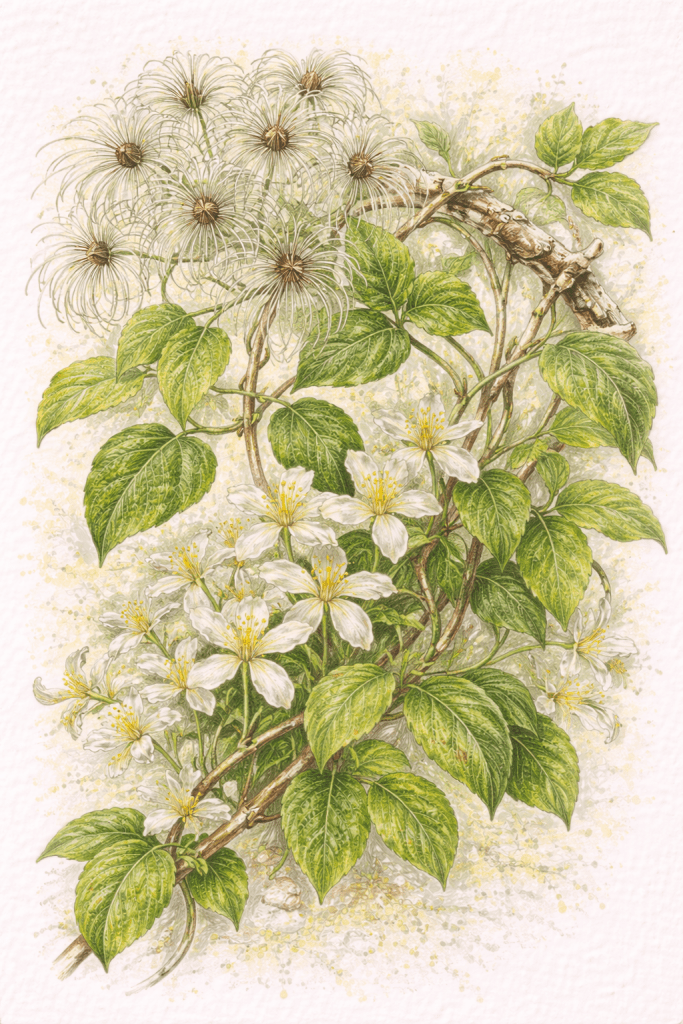
Climbing to New Heights: Clematis Care

The Clematis – The Queen of Climbers

Clematis vines, with their cascading flowers and vibrant colours, are the jewels of any garden. They can transform a simple fence into a floral masterpiece or turn a plain pergola into a romantic retreat. But to truly thrive, clematis need a bit of know-how. Whether you’re a gardening enthusiast, a floral designer or just simply looking to add a touch of elegance to your garden, understanding clematis care will help you cultivate these stunning climbers successfully.

Clematis flowers can be single, semi-double, or double. They come in a range of hues, from the classic whites and purples to vibrant pinks and reds. The flowers’ size varies too, with some boasting large, showy blooms while others have delicate, bell-shaped flowers.

These climbers can reach impressive heights, depending on the variety. Some Clematis plants can grow up to 12 feet or more, making them ideal for creating stunning visual displays in gardens. With the right support, they can transform any space into a botanical wonderland.

Some popular Clematis varieties include ‘Nelly Moser’, ‘Jackmanii’, and ‘The President’. Each variety has its unique charm, flower shape, and colour, offering endless possibilities for gardeners to experiment with.

Clematis Group 1

Group 1 Clematis are the early bloomers, often flowering in late winter to early spring. These varieties typically produce flowers on old wood, meaning they bloom on stems that grew during the previous year.

Pruning for Group 1 Clematis is minimal. Since they flower on old wood, it’s best to avoid heavy pruning. Simply remove any dead or damaged stems after flowering to maintain the plant’s shape and health.

Group 1 Clematis prefers a sunny location with well-drained soil. Ensure the roots are kept cool by applying mulch or planting low-growing plants around the base. Regular watering during dry spells will keep the plant healthy and vibrant.

Some standout varieties in Group 1 include ‘Montana’, ‘Armandii’, and ‘Apple Blossom’. These early bloomers will bring a burst of colour to your garden when most other plants are still waking up from winter.

Clematis Group 2

Group 2 Clematis are known for their large, showy flowers that bloom in late spring to early summer and again in early autumn. These varieties can provide a spectacular display with their eye-catching blooms.

For Group 2 Clematis, light pruning is essential. Cut back weak or dead stems in late winter or early spring, just above a healthy pair of buds. After the first flush of flowers, trim back spent blooms to encourage a second wave of flowering.

Group 2 Clematis thrives in a sunny spot with well-drained soil. Keep the roots cool and moist with a layer of mulch. Water regularly, especially during dry periods, to ensure continuous growth and flowering.

Popular varieties in Group 2 include ‘Nelly Moser’, ‘Miss Bateman’, and ‘Carnaby’. These varieties are perfect for creating a dramatic display with their large and colourful blooms.

Clematis Group 3

Group 3 Clematis are the late bloomers, typically flowering from mid-summer to early autumn. These varieties produce flowers on new wood, meaning they bloom on the current year’s growth.

Pruning Group 3 Clematis is straightforward. In late winter or early spring, cut back all stems to about 30cm (12 inches) above ground level. This encourages vigorous new growth and abundant flowering.

Plant Group 3 Clematis in a sunny or partially shaded spot with well-drained soil. Mulch around the base to keep the roots cool and retain moisture. Regular watering and feeding with a balanced fertiliser will promote healthy growth and blooming.

Some excellent varieties in Group 3 include ‘Jackmanii’, ‘Polish Spirit’, and ‘Etoile Violette’. These late bloomers will extend the flowering season in your garden, providing colour well into the autumn.

What Are the Groups About?

The grouping of Clematis into three categories—Group 1, Group 2, and Group 3—is based on their flowering times and pruning requirements. Understanding these groups helps gardeners provide the right care and maintenance for their Clematis plants.

Flowering Patterns

Group 1: Early bloomers, flowering on old wood.

Group 2: Mid-season bloomers, flowering on both old and new wood.

Group 3: Late bloomers, flowering on new wood.

Pruning Techniques

Pruning techniques differ for each group to ensure optimal flowering and plant health. Proper pruning encourages new growth, maintains the plant’s shape, and prevents diseases.

Overall Care

While each group has specific care requirements, all Clematis plants benefit from well-drained soil, regular watering, and a sunny location. Mulching around the base helps keep the roots cool and moist.

Clematis is a versatile and stunning addition to any garden. By understanding the different groups, and their specific care requirements, you can enjoy a continuous display of beautiful blooms from early spring to late autumn. Whether you’re an experienced gardener or just starting, Clematis offers endless possibilities to enhance your garden’s beauty.

Ready to transform your garden with Clematis? Start by choosing the right varieties for your garden and following the care tips outlined in this guide. Happy gardening!

Further Reading: RHS Clematis, How to Lift and Divide Perennials, The Magic of Perennials

Attracting a Symphony of Wings: Creating a Bird Haven

In the quiet moments of a garden or out on the fringes of a forest, the gentle chirping of birds can transform an ordinary space into a place of wonder. For gardeners and nature enthusiasts, the allure of witnessing these winged creatures is unparalleled. But the whimsical dance of birds is a two-way street — just as they grace us with their presence, we can invite them into our sanctuaries by creating an environment that’s irresistible to our feathered friends. This comprehensive guide is your ticket to transforming your garden into a haven for birds, providing a safe and abundant space that will have them returning season after season.

The Why and How of Attracting Birds to Your Garden

The Intrinsic Ecological Value

Attracting birds is more than just creating a picturesque scene. It’s about fostering a balance in the ecosystem. Birds play a pivotal role in controlling insects, spreading seeds, and even pollinating flowers. By luring them into our gardens, we not only delight in their beauty but also support the intricate tapestry of nature.

The Psychological Benefits

For many, the presence of birds in daily life has a soothing effect. Studies have shown that birdwatching can reduce stress, improve mental acuity, and even support a calming home environment. By attracting birds to your garden, you’re creating an outdoor retreat that refreshes and revitalises.

Natural Food Sources: The Way to a Bird’s Heart

Understanding Dietary Needs

Different bird species have different dietary requirements. Whether it’s seeds for finches, or insects for sparrows, understanding what your local avian community craves is key. Invest in a variety of food sources to cater to a diverse clientele.

Building a Bird-Friendly Landscape

Incorporate native plants that produce seeds, fruits, and nectar. Trees and shrubs offer natural bird food. Additionally, consider leaving seed heads on flowers and shrubs throughout the winter for a natural smorgasbord.

Offering Shelter: Bushes, Trees, and Other Bird Abodes

Vegetative Cover

Thick bushes and dense trees provide excellent shelter from the elements and potential predators. Create a layered landscape with plants of varying height to satisfy the needs of ground-dwelling and aerial birds alike.

Man-Made Bird Houses

While natural shelters are best, strategically placed birdhouses can augment the living space available to cavity-nesting birds. Make sure the houses are tailored to the needs of specific species, with the correct entrance hole size and interior dimensions.

Thirst Quenchers: Providing Water in Your Garden

Birdbaths and Ponds

A shallow birdbath is one of the easiest ways to provide water, and a pond can be an attractive oasis for many bird species. Ensure that any water source is kept clean and fresh to prevent the spread of diseases among your avian visitors.

Nesting Sites and Safety

The Importance of Safe Nesting Sites

Mature trees and certain tall shrubs offer natural nesting sites, but many bird species are adaptable and will use man-made structures. Give birds the security they need by placing nesting boxes high enough to deter predators but low enough for you to monitor and maintain.

Keep an Eye on Predators

The Feline Factor

Domestic cats are one of the leading causes of bird mortality. Minimize the risk by keeping your cat by providing them with a well-fitted bell that can give birds a fighting chance.

Other Garden Protectors

Fencing and spikes can deter larger ground predators, while netting and other barriers can keep more cunning hunters at bay. Simple measures like these can significantly boost the chances of fledglings surviving to adulthood.

The Art of Hygiene: Maintaining Cleanly Feeding Stations

The Pitfalls of Neglected Bird Feeders and Baths

Dirty feeders and baths are a breeding ground for bacteria and can spread diseases like salmonellosis and aspergillosis. Regular cleaning and, when needed, disinfecting, are vital for the health of your local bird population.

Best Practices for Bird-Feeding Hygiene

Use feeders that are easy to clean, and opt for feeders made of nonporous materials like plastic or ceramic that are less likely to harbour pathogens. Be diligent in keeping the area beneath feeders clean to prevent mould and pests as well.

A Culinary Guide for Bird Enthusiasts

Understanding Bird Seed Types

Different seeds attract different birds. Black oil sunflower seeds are a favourite of many feeder birds due to their high oil content, while nyjer seeds are sought after by finches. Offerings like millet and cracked corn can attract a variety of ground-feeding birds.

Beyond Seeds: Other Bird Food Varieties

Suet blocks are a high-energy treat for woodpeckers and other cling-feeders, while mealworms and fruit can entice an even broader spectrum of birds. Live mealworms are particularly beneficial for providing protein during the breeding season.

Conclusion

In the quiet dedication to creating a bird-friendly oasis in your garden, you not only enrich the lives of the creatures that visit but also open yourself to a world of wonder that’s right outside your door. By following the advice in this guide, you’ll be well on your way to becoming a master of avian hospitality, enjoying the sight of vibrant plumage against the verdant backdrop of your own thriving ecosystem. Happy birdwatching!

“Every bird, every tree, every flower reminds me what a blessing and privilege it is just to be alive.”

Marty Rubin

Further Reading: RSPBRSPB Birdwatch 2025How to Create and Maintain a Garden PondSave the Bees Protect the Planet Support the Soil Association’s Neonicotinoid Campaign

Cultivating a Carpet of Charm: How to Create Your Own Wild Flower Meadow

Rolling fields of vibrant colour, dotted with delicate blossoms, evoke a sense of the untamed beauty of nature. Yet, within the confines of your own garden, you can replicate this enchanting spectacle with your very own wild flower meadow. This elaborate guide serves as a roadmap for gardeners, eco-friendly enthusiasts, and nature lovers alike, who are ready to transform their green spaces into a haven for biodiversity and a source of visual delight.

Understanding The Wild Flower Meadow

A wild flower meadow is a picturesque cluster of flowers that mimic the natural growth patterns of flowers, standing tall amongst grasses and occasionally, other foliage. Unlike the well-manicured, sometimes sterile appearance of more traditional gardens, wild flower meadows offer a dynamic and unstructured display that can attract a plethora of native wildlife.

Why Wild Flower Meadows Matter

They support pollinators in a world where their habitats are increasingly under threat. Meadows offer a diverse range of flowers that can bloom and feed pests largely unserved by more modern, biologically under-diverse landscapes. They also serve as a luminous patch in an increasingly grey urban world.

Busting the Myths About Maintenance

While wild flower meadows conjure images of effortlessness, this gardening endeavor does require commitment. However, the low-maintenance reputation isn’t just a myth; it’s a balance between intervention and non-intervention that earns you a tapestry of blossoms for nature to unravel.

Crafting a Wild Flower Meadow from Scratch

Does a Wild Flower Meadow Need Grass?

The short answer is yes, but not in the way you might think. A wild flower meadow does require grass, precisely because it’s all-inclusive, supporting both flower diversity and insect life.

Soil Preparation Matters

Before sowing your first seed, ensure your soil is well-prepared. This means removing any existing grass and weeds, and in some cases, adding specific amendments like sand or silt to improve drainage and aeration. Remember, a healthy wild flower meadow starts with healthy soil.

Selecting The Right Site

Meadows may demand ‘wild’, but they also need some thoughtful planning. The right site receives ample sunlight, has good drainage, and is free from prominent slopes, which can disrupt establishment. It’s about finding a balance between nature’s needs and the practicalities of your space.

Advantages and Disadvantages of Wild Flower Meadows – Understanding the pros and cons equips you to make the most of your meadow.

The Power of Diversity

Wild flower meadows are like a magnet for wildlife, providing pollen and nectar year-round. They also encourage a range of flower types, textures, and heights, adding visual appeal that changes with the seasons.

Battling the Weeds

In the early stages, you may face an insurgence of ‘undesirables’. Through careful nurturing of your wild flower meadow, you effectively undermine any competition and cultivate a stronger, longer-lasting display.

Step-By-Step Conversion

From killing off existing grass to preparing a seedbed and sowing, each stage is critical to success.

The Art of Sowing

The distribution of seeds can significantly impact the look and health of your meadow. Opt for a mix of native species that suits your location and consider using a seed spreader for more even coverage.

The Waiting Game

Once sown, patience becomes your virtue. The first year’s growth often deceives, but by year two, the meadow establishes roots and starts to show its true potential.

Managing Your Meadow for Longevity

While a meadow is a self-sustaining ecosystem, a little management can bolster its longevity and perceived beauty.

Mowing and Cutting

Strategic mowing and cutting can stave off aggressive competitors, improve plant density, and enhance the overall visual appeal.

Weed Control Without Chemicals

Understanding the ecological balance you’re striving for enables you to stay one step ahead of weeds without resorting to herbicides. Techniques like hand-weeding and weed barriers can help preserve your meadow’s health in nature-friendly ways.

Support Systems

Inclusion of support shrubs, and even hedgerows where space allows, can offer shelter to more meadow wildlife and promote habitat cohesion. It’s all about developing a strategy that can sustain and enhance as your meadow matures.

Preserving the Fragile Balance

The latter half of this guide focuses on enhancing not only the aesthetic but the ecological value of your meadow. Here, you learn how to appreciate and work with the delicate balance of your wild flower ecosystem.

Enjoying the Show

Wild flower meadows are not just for ecological studies; they’re to be experienced. Tips on when to expect peak blooms, and simple ways to enjoy your meadow without disturbing its residents, highlight the immersive nature of this gardening style.

Cultivating a wild flower meadow is more than just creating a pretty garden; it’s an opportunity to participate in conservation and to bring a slice of untamed beauty into an otherwise structured urban environment. With patience, practical know-how, and a passion for nature, anyone can turn their garden into a mosaic of colour and life. So go ahead and start crafting your own wild flower meadow today!

“If I’m honest, the thing I am proudest of is my varieties  of  wild flowers in the hay meadow.”

Monty Don

  • The Wildlife Trusts offers in-depth information on Yellow Rattle’s characteristics, habitat, and distribution across the UK.
  • Royal Horticultural Society provides useful growing advice for Yellow Rattle, including its hardiness and preferred soil types.
  • The Plantlife website has a wealth of resources on wildflowers, including Yellow Rattle’s role in creating and maintaining meadows.
  • BBC Gardeners’ World offers practical tips for growing Yellow Rattle from seed to bloom.

For Daily Garden Inspiration Follow us on Instagram😀

Putting your garden to bed for the winter!

As the vibrant colours of summer fade away, it’s time for gardeners to prepare their beloved green spaces for a well-deserved winter rest. Putting the garden to bed is not just a routine task, but an opportunity to nurture and protect our plants, ensuring their resilience and beauty for seasons to come.

Gardeners play a vital role in this transition, carefully tending to each plant with love and care. From clearing away debris and fallen leaves to cutting back perennials, every action taken helps create a healthy environment for our plants during the dormant months.

First and foremost, it’s crucial to tidy up your garden by removing any dead or decaying plants. Clearing away fallen leaves and debris not only improves the aesthetic appeal but also prevents diseases from spreading during the dormant months.

Next, protect your plants from frost by covering them with mulch or straw. This insulating layer acts as a cosy blanket, shielding delicate roots from freezing temperatures and reducing moisture loss.

Pruning is another important task that should not be overlooked. Trimming back overgrown branches promotes healthier growth in the future and prevents damage caused by heavy snow or ice.

While these tasks may seem arduous, they come with numerous benefits. By putting your garden to bed for winter, you create a clean slate for next year’s growth. It allows plants to conserve energy during their dormant period so they can burst forth with renewed vigour when spring arrives.

Moreover, preparing your garden for winter helps prevent pest infestations and diseases that thrive in damp conditions. By tidying up now, you reduce the risk of encountering problems later on and ensure a healthy start to the next growing season.

In addition to caring for your plants and to assist wildlife during winter, leave some areas of your garden untouched. Allow fallen leaves and twigs to accumulate as natural habitats for insects and small animals seeking shelter from the cold.

Consider installing bird feeders filled with nutritious seeds or providing fresh water sources like birdbaths. These simple gestures create havens for birds when food becomes scarce in colder months while adding an enchanting touch of life to your winter landscape.

By carrying out these essential tasks and embracing nature’s rhythm, we ensure that our gardens will thrive and bring us joy for years to come.

Further Reading: How to Protect the Soil In Winter

Follow Us in Instagram to get Daily Garden Inspiration

Albizia julibrissin: The Delightful Mimosa Tree

This wonderful tree, also known as a silk tree or mimosa, is popular for its stunning beauty and versatility. The Mimosa tree is known for producing large flowers that vary in colour from soft pink to bright red, which bloom all summer long. It has delicate green leaves which are bipinnate and can add a tropical feel to any garden. Albizia julibrissin is a must-have for an elegant and stunning garden design.

The leaves of the Mimosa Tree are beautiful and unique, with a pale-green hue and a delicate appearance. The bark is also smooth and grey. Albizia julibrissin can grow up to 10 to 15 metres tall. The flowers grow in clusters, with soft pink to red colours. These flowers are not only stunning to look at, but they also add a sweet fragrance to the garden. The Mimosa Tree blooms from June until September, depending on the climate. With its unique shape and delicate foliage, this tree is an excellent addition to any garden.

Albizia julibrissin: The Delightful Mimosa Tree

Albizia julibrissin is a low-maintenance tree that is easy to grow. It thrives in full sun and has low to moderate water requirements. This tree prefers well-drained soil, but it can also tolerate wet soil. For best growth, the Mimosa Tree should be planted in a location that is sheltered from high winds, as its branches are quite fragile.

The Mimosa tree is generally low-maintenance, but it still needs regular attention. Pruning is essential for this tree, especially if you want to keep it at a manageable size. You can also remove the dead or diseased branches, which will help the tree stay healthy. Albizia julibrissin is prone to infestations by pests, such as spider mites and scale insects. Regular monitoring and treatment are required to avoid these pests. Providing adequate water and nutrients is also essential for healthy growth.

Albizia julibrissin is a versatile tree that can be used in many different garden designs. It’s an excellent choice for small garden areas due to its compact size and delicate foliage. This tree can also be used for shade, especially in areas where large canopies are not suitable. Additionally, the Mimosa Tree can serve as a border, a specimen plant, or even an accent. With its stunning beauty and adaptability, Albizia julibrissin is a must-have for any gardener.

The Mimosa Tree is an excellent choice for anyone looking to create an elegant and beautiful garden. With its stunning colour and versatile characteristics, it can add a tropical feel to any landscape. Albizia julibrissin is known for being easy to grow and low-maintenance, making it perfect for beginner gardeners. With regular pruning and monitoring, this tree can stay healthy and continue to bloom all summer long. So, whether you’re looking to add a new tree to your garden or starting a new project, the Mimosa Tree is an excellent option to consider.

Follow Us on Instagram for Daily Gardening Inspiration
The Dandelion

“I think things should be growing abundant and dandelions should rule the world,”

Drew Barrymore.

Dandelions are in abundance from the end of April.  This bright sunny flower is fast working its way back into the affections of gardeners after decades of generally being under attack, being branded a weed and as such being blasted with weed killer.  But the Dandelion represents the sun (the flower), the moon (clocks) and the stars (dispersing seeds).

The French word for Dandelion means “pee the bed”.  The English name “Dandelion” comes from “tooth of the lion” in French.  The weed was given its name because of the way the leaves are etched — some people thought the leaves looked like a lion’s mouth.  There are several ,superstitions involving dandelions, including making a wish and blowing off all the dandelion seeds to make a wish come true, through to picking a Dandelion will make you wet the bed.

But the Dandelion has much to offer. Indeed they are considered a Superfood and are some of the most nutritionally dense greens you can eat. They are far more nutritious than spinach or kale and are full of vitamins, Minerals and Antioxidants:  Vitamin A, C, E, K, B6, Beta Carotene, Folate, Thiamine, Ribofavin and Minerals; Potassium, Calcium and Manganese.  In fact, a half-cup of dandelion greens has more calcium than a glass of milk!   

The Dandelion leaves are diuretic which also replaces lost minerals naturally such as potassium.  They can stabilize high blood pressure by removing fluid volume in the body.  Its high volume of coumarins in the leaves help thing the blood allowing deposits and toxins to be freed up, moved on and eliminated.  The leaves remove waste products via the kidneys and the roots remove them via the liver.  When harvesting Dandelion Roots look for Dandelion rosettes emerging out of the soil in the early spring, before they’ve gone to flower.  If the Dandelions have gone to flower the roots will have shrunk and will be bitter and woody because the as the plant has sent energy up to the flower.

Dandelion Uses:

  • Flowers and Leaves can be infused in Apple Cider Vinegar for a Spring Tonic.
  • Add Leaves & Petals to your salad.  Can be used as a Garnish or in Pesto or Smoothies.
  • Make Fritters with whole Dandelion Flowers and a Pancake Mix.
  • Infuse into a base oil for a breast massage oil or for sore muscles.
  • Add flowers and leaves to your teapot for a delicious tea.  For an improved brew add Cleavers and Nettles.
  • Dry the leaves to save for later use or tinctures.
  • Dry the flowers for later use in Teas.  When drying the flowers, dry with the Sepal facing up otherwise they will turn into clocks.
  • Roasted Dandelion Root Coffee
  • They are delicious in stir fries or steamed veg or soups.
  • Try the buds pickled.
  • Make Dandelion Wine or Mead
  • Add to Cakes or Biscuits.
  • Make refreshing  Dandelion Soda.
  • Make Dandelion blossom syrup/honey.
  • Use the stems as straws!

The Benefits of Adding a Pond to Your Garden

Gardening is not only a hobby, but it’s also an art form. The beauty of a garden goes beyond flowers and trees. It’s about creating a tranquil space that soothes the soul and inspires creativity. Water is a crucial element in any garden and adding a pond can elevate the aesthetics of your garden to the next level. In this blog post, we’ll discuss the benefits of adding a pond to your garden and why you should consider it for your next gardening project.

Promotes a Healthy Eco-System

Ponds are an excellent addition to your garden because they attract a variety of birds, insects, amphibians, and other wildlife. The presence of water creates the perfect breeding ground for these creatures to thrive. It promotes a natural balance to your garden, helping control pests, and ultimately, retaining the health of your plants. You don’t have to worry about introducing harmful chemicals to your garden because the eco-system thrives naturally.

Enhances the Beauty of Your Garden

A pond is a beautiful addition to any garden. It adds diversity to your outdoor space and creates a sense of tranquillity. Ponds are great for small and large gardens. You can add different features like fountains, waterfalls, and lighting to make your pond stand out. It’s an excellent opportunity to introduce water plants and utilise the visual appeal of having a water feature.

Adds Value to Your Property

Installing a pond is a smart investment that boosts your property’s value. A beautifully landscaped garden with a pond is a selling point. It’s visually appealing, and potential buyers can see the potential in the space. Installing a pond in your garden is an investment that you’ll recoup if you decide to sell your home in the future.

Promotes Relaxation

The sound of water has a calming effect on humans. It reduces stress levels and creates a relaxing ambiance. Installing a pond in your garden provides a tranquil environment that’s perfect for meditation, yoga, or unwinding after a long day. It’s an inviting space where you can take the time to disconnect from the world and focus on relaxation.

Low Maintenance

Ponds are low maintenance, contrary to popular belief. They require very little upkeep once it’s established. You can utilise the power of nature to keep the pond healthy and clean. The key is to manage the balance and level of the ecosystem. Ponds also require very little water compared to other outdoor features, making it an eco-friendly option.

By installing a pond in your garden is a smart investment. It provides a healthy eco-system, enhances the beauty of your garden, adds value to your property, promotes relaxation, and requires low maintenance. You can elevate your garden design by adding a water feature that not only beautifies your outdoor space but also attracts wildlife. The benefits of a pond are endless, and it’s an excellent opportunity to create a tranquil environment that promotes relaxation and creativity. If you’re considering adding a new feature to your garden, consider installing a pond.

Further Reading: The Wildlife GardenRHS Wildlife Ponds, How to Create a Wildlife Pond