In recent years, gardeners across the UK have begun to rethink what makes a garden truly successful. Increasingly, the focus is shifting away from high-maintenance displays and towards landscapes that are beautiful, sustainable, and rich in biodiversity. At the heart of this movement lies one of the most powerful tools available to gardeners: native plants.
By incorporating species that have evolved naturally within Britain’s landscapes, you can transform your garden into a thriving sanctuary for wildlife while creating a more resilient and environmentally responsible outdoor space. Native plants not only support local ecosystems but often require less maintenance, fewer resources, and greater intervention than many non-native alternatives.
Whether you manage a large country garden, a suburban plot, or a compact urban courtyard, native planting offers an opportunity to create a landscape that is both visually compelling and ecologically valuable.
Why Native Plants Matter
Native plants are species that have developed over thousands of years alongside local soils, weather patterns, insects, birds, and mammals. They form the backbone of natural ecosystems and play a vital role in supporting the complex web of life that depends upon them.
As habitats continue to decline and wildlife populations face increasing pressure, gardens have become increasingly important as refuges for nature. By choosing native species, gardeners can actively contribute to conservation while enjoying a garden that feels deeply connected to the British landscape.
Supporting Biodiversity
Few gardening decisions have a greater impact on local wildlife than plant selection. Native plants provide essential food sources, nesting sites, shelter, and breeding habitats for countless species.
Many British insects have evolved to rely on specific native plants for survival. In turn, these insects support birds, bats, hedgehogs, and other wildlife. A garden planted with native species becomes far more than an attractive outdoor space—it becomes a functioning ecosystem.
Naturally Adapted to British Conditions
One of the greatest advantages of native plants is their suitability to local growing conditions. Having evolved within the UK’s climate, they are generally well adapted to seasonal rainfall, temperature fluctuations, and local soils.
As a result, they often require less irrigation, fewer fertilisers, and reduced intervention compared with exotic species. For gardeners seeking beauty without constant maintenance, native plants offer an intelligent and sustainable solution.
A More Sustainable Approach
Gardens should work with nature rather than against it. Native planting reduces the need for chemical treatments and excessive watering, lowering both environmental impact and long-term maintenance costs.
In an era of changing climate conditions and growing environmental awareness, native species represent a practical step towards creating more resilient landscapes.
Beauty Through the Seasons
Contrary to the misconception that wildlife-friendly gardens sacrifice aesthetics, native plants provide exceptional visual interest throughout the year.
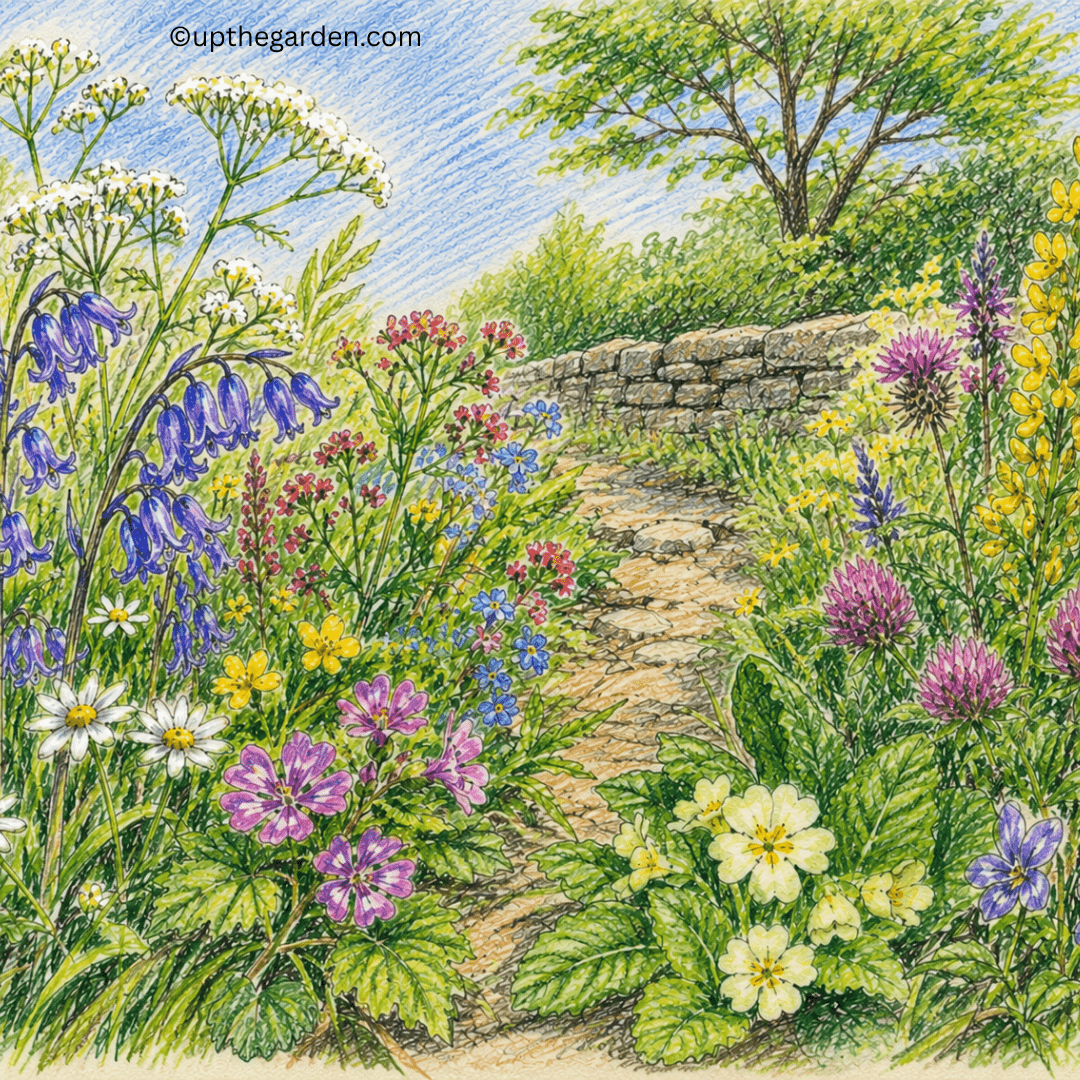
Spring woodlands carpeted with bluebells, summer meadows alive with pollinators, autumn hedgerows laden with berries, and winter silhouettes etched against frosty skies all demonstrate the remarkable beauty of Britain’s native flora.
Celebrating Britain’s Natural Heritage
Native plants connect us to the landscapes that have shaped Britain’s countryside for centuries. By growing them, we preserve not only biodiversity but also a living link to our cultural and ecological heritage.
Every native plant introduced into a garden contributes to the protection of species and traditions that might otherwise be lost.
Ten Outstanding Native Plants for UK Gardens
The following species combine ornamental appeal with exceptional ecological value, making them worthy additions to almost any garden.
1. Honeysuckle (Lonicera periclymenum)
One of Britain’s most cherished native climbers, honeysuckle produces exquisitely scented flowers that fill summer evenings with fragrance. Its nectar-rich blooms attract bees, moths, and other pollinators, while its dense growth provides shelter for nesting birds.

Why grow it?
- Intensely fragrant flowers
- Excellent for wildlife
- Ideal for fences, arches, and pergolas
2. Dog Rose (Rosa canina)
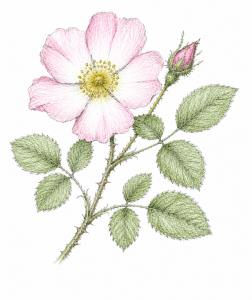
Elegant yet robust, the dog rose brings delicate pink flowers in early summer followed by vibrant red rose hips in autumn. The hips provide an important food source for birds throughout the colder months.
Why grow it?
- Supports birds and pollinators
- Beautiful seasonal interest
- Excellent for wildlife hedging
3. English Bluebell (Hyacinthoides non-scripta)
Nothing captures the essence of a British spring quite like a drift of bluebells. Their nodding violet-blue flowers create breathtaking displays beneath trees and in shaded borders.

Why grow it?
- Early nectar source for pollinators
- Thrives in woodland settings
- Creates naturalistic spring displays
4. Yarrow (Achillea millefolium)
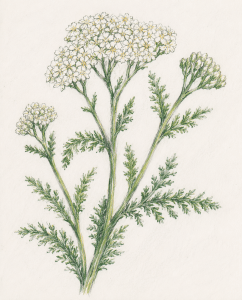
Yarrow combines delicate beauty with remarkable resilience. Its flat flower heads attract hoverflies, bees, and predatory insects that help maintain a healthy garden ecosystem.
Why grow it?
- Drought tolerant
- Long flowering season
- Highly attractive to beneficial insects
5. English Oak (Quercus robur)
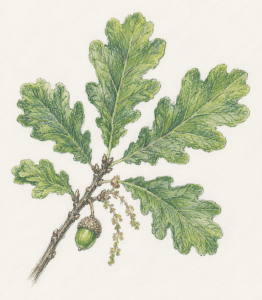
Often referred to as Britain’s most important tree for wildlife, the oak supports an astonishing range of insects, birds, mammals, fungi, and lichens. Few plants contribute more to biodiversity.
Why grow it?
- Exceptional ecological value
- Long-lived and majestic
- Supports hundreds of wildlife species
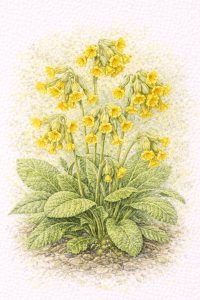
6. Cowslip (Primula veris)
With its clusters of golden-yellow flowers, the cowslip is one of the most charming signs of spring. Once abundant in meadows, it is now increasingly valued in wildlife-friendly gardens.
Why grow it?
- Vital early nectar source
- Perfect for naturalistic planting
- Compact and easy to grow
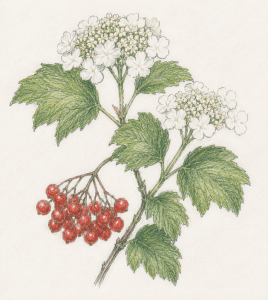
7. Guelder Rose (Viburnum opulus)
This versatile shrub delivers beauty across every season. Lace-like white flowers appear in spring, followed by striking red berries and vibrant autumn foliage.
Why grow it?
- Multi-season interest
- Valuable food source for birds
- Thrives in a variety of conditions
8. Foxglove (Digitalis purpurea)
A quintessential British wildflower, foxgloves produce dramatic spires of tubular blooms that are irresistible to bumblebees. Their architectural form adds height and elegance to borders.

Why grow it?
- Spectacular vertical interest
- Pollinator favourite
- Perfect for cottage and woodland gardens
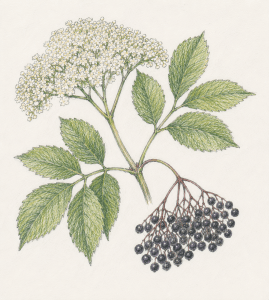
9. Elder (Sambucus nigra)
Elder combines ornamental beauty with practical value. Creamy flower clusters in early summer give way to dark berries that benefit wildlife and can be harvested for cordials, syrups, and preserves.
Why grow it?
- Wildlife-friendly
- Edible flowers and berries
- Adaptable and easy to cultivate
10. Wild Garlic (Allium ursinum)
Ideal for shaded areas, wild garlic forms carpets of lush foliage and star-shaped white flowers in spring. Its leaves offer culinary value while its blooms provide early nectar for insects.

Why grow it?
- Attractive ground cover
- Edible and aromatic
- Excellent for woodland-style planting
Introducing Native Plants Into Your Garden
Transitioning towards a more wildlife-friendly garden doesn’t require a complete redesign. Small changes can deliver significant ecological benefits.
Start Gradually
Introduce a handful of native species each season and observe how wildlife responds. Even a modest planting can quickly attract pollinators and birds.
Match Plants to Conditions
Success begins with understanding your garden’s unique environment. Consider soil type, sunlight levels, moisture, and available space before selecting species.
Source Responsibly
Purchase plants and seeds from reputable suppliers specialising in native British species. Locally grown stock is often better adapted to regional conditions and supports local horticultural businesses.
A Garden That Gives Back
A garden should be more than a decorative space. At its best, it becomes a place where people and nature flourish together.
By choosing native plants, you are creating a landscape that works in harmony with its surroundings—one that supports wildlife, celebrates Britain’s natural heritage, and offers beauty through every season. From the fragrance of honeysuckle on a summer evening to the first bluebells of spring and the berries that sustain birds through winter, native plants bring a richness and authenticity that few other garden features can match.
In a time when biodiversity has never been more important, every garden has the potential to make a difference. Planting native species is one of the simplest, most rewarding ways to create an outdoor space that is not only beautiful, but meaningful.
The result is a garden that gives back—to wildlife, to the environment, and to those who experience it.
Further Reading: Creating a Butterfly Garden: A Quiet Invitation to Nature, Ten Plants that butterflies love, Sustainable Hardscaping: Build a Beautiful, Eco-Friendly Garden, Why Bees Are Essential to Our Gardens, Top 10 Garden Birds in the UK (and How to Spot Them), Helping Wildlife This Winter, How to Create and Maintain a Garden Pond, Transform Your Allotment into a Biodiversity Haven
Inspiration: Follow Us on Instagram, Threads, BlueSky, Twitter, TikTok and Pinterest.