All About the Chrysanthemum Flower

The chrysanthemum, often simply called “mum,” is a flowering plant with a rich history and significant cultural importance across the globe. Recognised for its vibrant, densely petaled blooms, it is a staple in autumn gardens and floral arrangements.

What is a Chrysanthemum?

Chrysanthemums belong to the genus Chrysanthemum in the Asteraceae family, which also includes daisies and sunflowers. The name originates from the Greek words “chrysos” (gold) and “anthemon” (flower). While the original flowers were indeed golden, modern cultivation has produced a vast array of colours, including white, yellow, pink, red, bronze and purple.

Chrysanthemum
Chrysanthemum

The plants are herbaceous perennials, though some varieties are grown as annuals. Their flowers come in numerous forms, such as single, decorative, pompon and spider types, each with a unique petal arrangement. The leaves are typically lobed and aromatic, adding to the plant’s appeal.

Seasonal Interest

Chrysanthemums are best known as autumn-flowering plants. They are “short-day” plants, meaning they require long nights to initiate budding and flowering. This photoperiodic characteristic ensures that they produce their spectacular display of blooms from late summer through autumn, often continuing until the first hard frost.

This late-season flowering makes them invaluable in the garden, providing a burst of colour when many other plants have finished blooming for the year. They are frequently used in seasonal container displays, garden beds, and borders to extend the gardening season.

Benefits of Growing Chrysanthemums

Beyond their ornamental value, chrysanthemums offer several practical benefits:

  • Pest Control: Certain species, particularly Chrysanthemum cinerariifolium, are the source of pyrethrum, a natural insecticide. Planting chrysanthemums in a garden can help deter pests from neighbouring plants.
  • Air Purification: A NASA study identified chrysanthemums as effective air purifiers. They have been shown to help remove common indoor pollutants such as ammonia, benzene, and formaldehyde from the air, making them a functional houseplant.
  • Pollinator Support: Late-blooming chrysanthemums provide a crucial source of nectar for bees and other pollinators when other food sources are scarce.
  • Medicinal and Culinary Uses: In traditional Chinese medicine, chrysanthemum tea is used to treat various ailments, including fever, sore throat and high blood pressure. The flower petals of some edible varieties can be used in salads and other dishes.

Disadvantages and Considerations

While beneficial, there are a few drawbacks to consider when growing chrysanthemums. The plants can be susceptible to fungal diseases like powdery mildew and rust, especially in humid conditions with poor air circulation. They may also be targeted by pests such as aphids and spider mites.

Furthermore, all parts of the chrysanthemum plant are mildly toxic to pets, including cats and dogs, if ingested. Consumption can lead to symptoms like vomiting, diarrhoea, and loss of coordination. Therefore, they should be planted with care in households with animals.

The History of the Chrysanthemum

The chrysanthemum has a long and storied history, dating back to 15th century B.C. China, where it was first cultivated. It was initially grown as a flowering herb and was highly valued for its medicinal properties. The flower held such importance that an entire city was named after it: Chu-Hsien, meaning “Chrysanthemum City.”

By the 8th century, the chrysanthemum had been introduced to Japan, where it was so revered by the Emperor that it was adopted as the Imperial Seal. The “Festival of Happiness” in Japan or Kiku no Sekku, is dedicated to the flower.

The chrysanthemum was introduced to the Western world in the 17th century. In 1753, the Swedish botanist Carl Linnaeus formally named the flower. Since then, its popularity has grown, and it is now one of the most widely cultivated ornamental flowers in the world.

Folklore and Symbolism

The symbolism of the chrysanthemum varies significantly across different cultures.

  • In Asia: In China and Japan, it represents longevity, happiness, and good fortune. The white chrysanthemum, in particular, is a symbol of loyalty and devoted love.
  • In Europe: In many European countries, including France, Belgium, and Italy, chrysanthemums are associated with death and are traditionally used as funeral flowers to honour the deceased.
  • In Australia: Chrysanthemums are the official flower for Mother’s Day, largely due to their seasonal availability in May.
  • In the United States: The flower is generally seen as a cheerful and positive symbol, often associated with joy and optimism.

A Valuable Addition to Your Garden

With its brilliant autumn colours and diverse forms, the chrysanthemum is an excellent choice for any garden. It offers visual appeal late in the season when few other plants are in bloom. Beyond its beauty, its ability to deter pests and support pollinators adds practical value. By understanding its needs and historical significance, you can fully appreciate this remarkable flower. Consider adding chrysanthemums to your garden beds or containers for a reliable and vibrant display of autumn colour.

Further Reading: All About the Common Poppy, All About St. John’s Wort, The Saffron Crocus: More Than Just a Spice, All About Heather (Calluna vulgaris)

Follow Us on Instagram for Daily Gardening Inspiration 💚

All About the Common Poppy

The common poppy, known scientifically as Papaver rhoeas, is one of the most recognisable wildflowers in the British landscape. With its delicate, paper-thin petals and vibrant scarlet hue, this annual plant has graced fields, meadows and gardens for centuries. It holds significant cultural and historical weight, making it more than just a fleeting summer bloom.

A Description of Papaver rhoeas

The common poppy is an annual herbaceous plant belonging to the Papaveraceae family. It is distinguished by its striking features:

Flowers: The most prominent feature is the flower, which typically measures 5 to 10 cm in diameter. Each flower consists of four large, overlapping petals that are vivid scarlet in colour. Often, there is a black spot at the base of each petal. The petals are delicate and have a texture similar to crepe paper. In the centre, a ring of dark stamens surrounds the stigma.

Stems and Leaves: The plant grows on long, thin stems that are covered in coarse, bristly hairs. These stems can reach a height of 20 to 60 cm. The leaves are pinnately lobed, meaning they are divided into deep, irregular segments, giving them a feathery appearance.

Seed Pod: After flowering, the petals fall away to reveal a ribbed, hairless seed capsule. This capsule is ovoid and contains hundreds of tiny, kidney-shaped seeds. When mature, pores open just below the stigma, allowing wind to disperse the seeds as the stem sways. This “pepper-pot” mechanism ensures wide distribution.

Seasonal Interest

The common poppy offers distinct seasonal interest, primarily during the spring and summer months. Its life cycle is closely tied to the agricultural calendar, as it is an archetypal weed of arable land.

Spring: Seeds typically germinate in the autumn or early spring when the soil has been disturbed. Young seedlings form a rosette of leaves that lies close to the ground throughout the winter.

Summer: As temperatures rise, the plant sends up its flowering stems. The main flowering period is from June to August. During this time, fields and verges can be covered in a spectacular blaze of red, creating a powerful visual impact. Each individual flower is short-lived, often lasting only a day, but a single plant will produce a succession of blooms.

Autumn: Once flowering is complete and the seed pods have dried and dispersed their contents, the parent plant dies back. The seeds lie dormant in the soil, often for many years, waiting for the right conditions—primarily light and soil disturbance—to trigger germination.

Benefits of the Common Poppy

Beyond its aesthetic appeal, Papaver rhoeas offers several ecological and practical benefits.

Support for Pollinators: The flowers are an excellent source of pollen for various insects, especially bees. Although they do not produce nectar, the abundance of pollen makes them a valuable food resource for pollinators during their peak flowering season.

Minimal Cultivation Needs: As a wildflower, the common poppy is adapted to grow in poor, well-drained soils. It requires minimal care, no fertiliser and is relatively drought-tolerant once established. This makes it a sustainable choice for informal or wildlife-friendly gardens.

Medicinal and Culinary Uses: Historically, parts of the plant have been used in traditional medicine. The petals were used to create a syrup for mild pain relief and to soothe coughs. The seeds are edible and can be used in baking and cooking, similar to the seeds of the opium poppy (Papaver somniferum), though they contain no opiates.

Disadvantages of the Plant

While beautiful, the common poppy also has characteristics that can be disadvantageous in a managed garden setting.

Prolific Self-Seeding: Its primary survival strategy is to produce a vast number of seeds that can remain viable in the soil for decades. This can lead to it becoming invasive in cultivated flower beds, where it may outcompete more delicate plants.

Ephemeral Nature: The individual flowers are very short-lived, and the plant dies completely after setting seed. It does not provide any structural interest in the garden during the autumn and winter months.

Toxicity: Like other members of the Papaveraceae family, Papaver rhoeas contains alkaloids that are mildly toxic if ingested. While the risk is low, caution is advised, particularly around children and pets. The seeds are safe for consumption, but other parts of the plant are not.

History and Folklore

The common poppy has a rich history intertwined with human civilisation. Its association with agriculture means it has followed humanity’s expansion across Europe, North Africa, and temperate Asia.

Its seeds have been found in archaeological sites dating back to the Neolithic period, indicating its long-standing presence as a weed in early grain crops. In ancient Egypt, poppies were included in burial tombs, and the Greeks and Romans associated the flower with gods of sleep, death, and agriculture, such as Hypnos, Thanatos and Demeter.

In British folklore, the poppy was associated with various superstitions. It was considered bad luck to bring poppies into the house, with some believing it would cause headaches or even trigger thunderstorms.

The most profound modern symbolism stems from the First World War. The battlefields of Flanders were heavily churned by shelling, creating ideal conditions for poppy seeds to germinate. The resulting blankets of red across the ravaged landscape inspired the Canadian physician Lieutenant-Colonel John McCrae to write his famous poem, “In Flanders Fields.” Following the war, the poppy was adopted by the Royal British Legion as a symbol of remembrance for fallen soldiers, a tradition that continues to this day.

A Welcome Addition to the Garden

The common poppy, Papaver rhoeas, is a plant of striking beauty and profound symbolism. Its vibrant summer display brings life to any garden and provides a vital food source for pollinators. While its tendency to self-seed requires some management, its resilience and low maintenance needs make it an excellent choice for wildflower meadows, cottage gardens, or informal borders.

By cultivating this iconic flower, gardeners can not only enjoy its fleeting beauty but also connect with a plant that has been part of our natural and cultural heritage for thousands of years.

Further Reading: Snowdrops the symbol of Hope and ResilienceThe Enchanting World of the Winter Aconite

Follow Us on Instagram for Daily Gardening Inspiration 

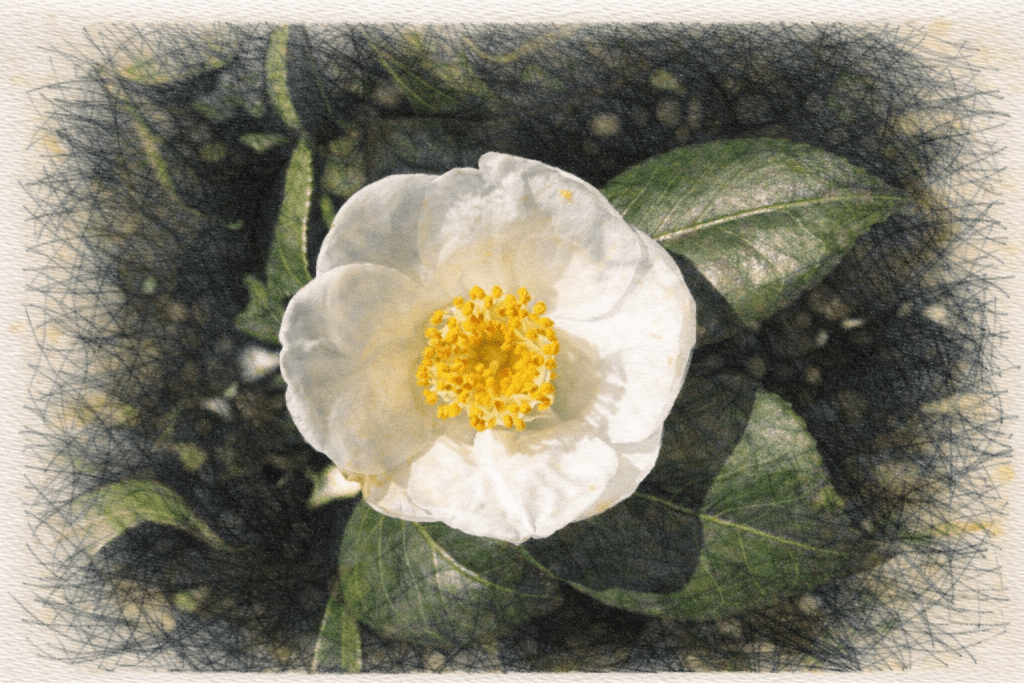
Camellia japonica: For the Winter Garden

The common camellia, scientifically known as Camellia japonica, stands as one of the most rewarding evergreen shrubs for British gardens. This remarkable plant delivers spectacular blooms during the darker months when most gardens lie dormant, providing essential colour and structure from late winter through early spring. Understanding this plant’s characteristics, benefits and requirements enables gardeners to make informed decisions about incorporating this valuable species into their outdoor spaces.

Camellia japonica: For the Winter Garden

Originating from East Asia, Camellia japonica has established itself as a cornerstone plant in temperate gardens worldwide. Its ability to thrive in partially shaded conditions whilst producing abundant flowers makes it particularly suitable for British growing conditions. The species offers gardeners a reliable source of winter interest combined with year-round structural value.

Plant Description and Characteristics

Camellia japonica typically grows as a dense, upright shrub reaching heights of 3-6 metres when fully mature. The plant develops a naturally rounded habit with glossy, dark green leaves that measure 5-10 centimetres in length. These leathery, evergreen leaves provide consistent foliage throughout the year, creating an attractive backdrop for the plant’s distinctive flowers.

The flowers represent the plant’s most striking feature, appearing in various forms including single, semi-double, and fully double varieties. Flower sizes range from 7-12 centimetres across, with colours spanning pure white, pink, red, and bicoloured combinations. Each bloom typically contains five petals in single forms, whilst double varieties may display numerous overlapping petals creating rose-like formations.

The plant’s root system develops as shallow and fibrous, requiring consistent moisture but excellent drainage. This characteristic influences planting location selection and ongoing maintenance requirements throughout the growing season.

Seasonal Interest and Blooming Pattern

Camellia japonica provides exceptional seasonal value, with flowering typically occurring from February through April in British gardens. This extended blooming period coincides with the latter portion of winter and early spring, when few other flowering shrubs provide comparable colour intensity.

The flowering sequence progresses gradually, with individual blooms lasting 7-14 days depending on weather conditions. Cool temperatures extend bloom duration, whilst warm spells accelerate flower development and fade. This natural timing creates sustained interest rather than brief floral displays.

Following the flowering period, the plant maintains its ornamental value through dense, evergreen foliage that provides structure and screening throughout summer and autumn months. The leaves occasionally develop bronze or reddish tints during colder periods, adding subtle seasonal variation to the plant’s appearance.

New growth emerges in late spring following flower completion, with fresh shoots displaying lighter green colouration before maturing to the characteristic dark green finish. This growth pattern ensures the plant maintains its dense, well-furnished appearance year-round.

Benefits and Garden Value

The primary benefit of Camellia japonica lies in its ability to provide substantial winter colour when garden interest typically diminishes. This flowering timing fills a crucial gap in the gardening calendar, offering vibrant blooms during months when most perennials remain dormant and deciduous shrubs lack foliage.

The evergreen nature of the plant provides year-round structure, making it valuable for creating privacy screens, hedging, or specimen plantings. The dense foliage offers wildlife benefits, providing shelter for birds and small mammals throughout winter months.

Camellia japonica demonstrates excellent longevity, with established plants continuing to flower reliably for decades with minimal intervention. This characteristic makes it a sound investment for long-term garden planning and development.

The plant’s tolerance for partial shade expands planting options in gardens with limited full-sun exposure. This adaptability allows gardeners to utilise areas beneath trees or in north-facing locations that prove challenging for many flowering shrubs.

Cut flowers from established plants provide excellent indoor displays, with blooms lasting 5-7 days in water when properly conditioned. This utility extends the plant’s value beyond garden display into home decoration applications.

Potential Disadvantages

Camellia japonica requires specific growing conditions to perform optimally, potentially limiting its suitability in certain garden situations. The plant demonstrates sensitivity to alkaline soils, requiring acidic conditions with pH levels between 5.0-6.5 for healthy growth.

Water requirements prove critical, with the plant requiring consistent moisture whilst simultaneously demanding excellent drainage. This balance can prove challenging in heavy clay soils or areas prone to waterlogging during winter months.

Cold wind exposure can damage both foliage and flower buds, necessitating sheltered planting locations in exposed gardens. This requirement may limit placement options in coastal or elevated sites experiencing strong prevailing winds.

The plant’s shallow root system makes it susceptible to drought stress during extended dry periods, requiring regular irrigation during summer months. This maintenance requirement increases in container-grown specimens.

Flower drop can occur following sudden temperature changes or water stress, potentially reducing the anticipated display quality during peak blooming periods.

Historical Background and Cultural Significance

Camellia japonica originates from the mountainous regions of Japan, Korea, and eastern China, where it grows naturally in woodland understories. The plant was first introduced to European cultivation during the 18th century through trade connections with East Asia.

The species gained particular prominence in British gardens during the Victorian era, when exotic plant collecting reached its peak. Wealthy estate owners competed to acquire the finest varieties, establishing extensive camellia collections in purpose-built conservatories and sheltered woodland gardens.

The development of hardy cultivars suitable for outdoor cultivation in British climates occurred throughout the 19th and 20th centuries. Plant breeders focused on improving cold tolerance whilst maintaining flower quality and variety.

Folklore and Cultural Associations

Traditional East Asian cultures associate camellias with longevity, faithfulness, and perfect love. In Japanese culture, the camellia symbolises divine beauty and represents the ephemeral nature of life, themes reflected in classical poetry and art.

Victorian flower language attributed meanings of admiration and perfection to camellias, with different colours conveying specific messages. Red camellias symbolised passionate love, whilst white varieties represented adoration and pure affection.

Some regional folklore suggests that planting camellias near dwelling entrances provides protection against negative influences whilst attracting positive energy to the household.

Why Camellia japonica Deserves a Place in Your Garden

Camellia japonica offers unique value proposition for British gardens through its reliable winter flowering, evergreen structure, and adaptability to partial shade conditions. The plant’s ability to provide substantial colour during the most challenging months of the gardening year makes it an essential addition to well-planned outdoor spaces.

The species’ proven longevity and low maintenance requirements once established provide excellent value for garden investment. With proper siting and initial care, a camellia can provide decades of reliable performance with minimal ongoing intervention.

For gardeners seeking to extend seasonal interest and create year-round structure, Camellia japonica represents an excellent choice that delivers both immediate impact and long-term garden value. The combination of spectacular flowers, attractive foliage, and cultural significance creates a plant worthy of consideration for any temperate garden setting.

Further Reading: Snowdrops the symbol of Hope and Resilience, The Enchanting World of the Winter Aconite,Snowdrops the symbol of Hope and Resilience, The Enchanting World of the Winter Aconite, All About Clematis ‘Jingle Bells’, All About Ilex aquifolium: The Common Holly,

Follow Us on Instagram for Daily Gardening Inspiration

All About St. John’s Wort

Hypericum perforatum, commonly known as St. John’s Wort, is a plant with a long and storied history. Recognised for its bright yellow flowers, it has been used for centuries in traditional medicine and holds a significant place in folklore.

Description of the Plant

St. John’s Wort is a perennial herbaceous plant that typically grows to a height of 30 to 90 centimetres. It features a woody, branched root system and erect, branching stems. The stems are often reddish and have two opposite longitudinal ridges, a key identifying feature.

The leaves are stalkless, oblong, and arranged in opposite pairs along the stem. They measure between one and three centimetres in length. When held up to the light, the leaves reveal translucent dots, which are oil glands containing the plant’s active compounds. These give the species name perforatum, from the Latin for “perforated”.

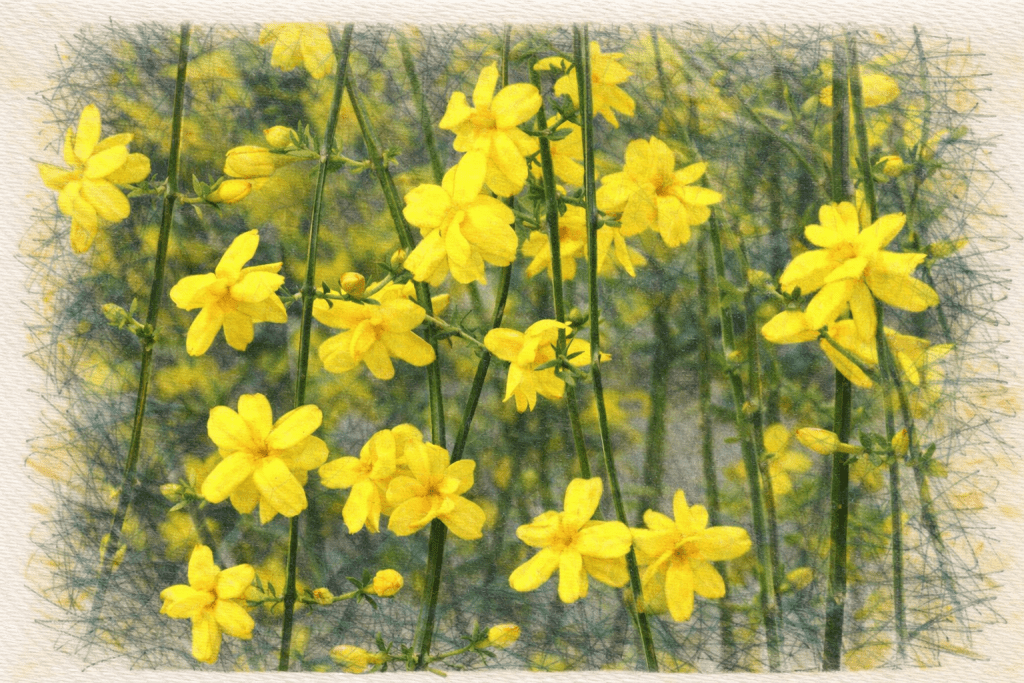
St. John’s Wort

From late spring to mid-summer, the plant produces clusters of star-shaped, five-petaled yellow flowers at the ends of its upper branches. Each flower is about two to three centimetres in diameter with prominent stamens. If the petals are crushed, they release a reddish-purple oil. Following the flowering period, the plant develops small, dark-red to black berries or seed capsules.

Seasonal Interest

St. John’s Wort offers visual appeal throughout much of the year, making it a valuable addition to gardens.

  • Spring: In spring, the plant emerges with fresh green foliage, providing a base for the display to come.
  • Summer: The peak season for St. John’s Wort is from June to August, when it is covered in a profusion of bright yellow flowers. This extended blooming period provides consistent colour in garden beds and borders. The flowers are also highly attractive to pollinators such as bees and butterflies.
  • Autumn: After flowering, the plant produces decorative berries. These start as green and mature to shades of red and black, adding interest to the autumn garden and providing a food source for birds.
  • Winter: While the foliage dies back in colder climates, the woody stems can provide some structural interest in the winter landscape, especially when dusted with frost.

Benefits of Cultivating St. John’s Wort

Growing Hypericum perforatum in a garden setting offers several advantages:

  • Pollinator Attraction: The flowers are a rich source of nectar and pollen, attracting a wide variety of bees, butterflies, and other beneficial insects, which can help to support local ecosystems and pollinate other garden plants.
  • Drought Tolerance: Once established, St. John’s Wort is relatively drought-tolerant, making it suitable for low-maintenance and water-wise gardening schemes.
  • Pest and Disease Resistance: The plant is generally robust and not susceptible to many common garden pests or diseases. Its natural chemical compounds may deter some herbivores.
  • Medicinal Heritage: For those interested in herbalism, growing St. John’s Wort provides access to a plant with a significant history of medicinal use, primarily for its association with mood support.

Disadvantages and Considerations

Despite its benefits, there are important considerations to be aware of when cultivating St. John’s Wort:

  • Invasiveness: Hypericum perforatum can be invasive in some regions. It spreads through both seeds and creeping rhizomes, and can quickly colonise disturbed areas, outcompeting native flora. In several countries, including Australia and parts of North America, it is classified as a noxious weed. It is essential to check local regulations before planting.
  • Toxicity to Livestock: The plant contains hypericin, which can cause photosensitivity in livestock, particularly in light-skinned animals. If ingested in large quantities, it can lead to skin irritation, blistering, and other health issues when the animal is exposed to sunlight.
  • Medical Interactions: Preparations made from St. John’s Wort are known to interact with a wide range of prescription medications, including antidepressants, birth control pills and blood thinners. Its use should always be discussed with a healthcare professional.

History and Folklore

The common name, St. John’s Wort, is tied to John the Baptist. The plant typically blooms around St. John’s Day, which is on the 24th of June. Folklore holds that the red spots appearing on the leaves are symbolic of the blood of St. John after his beheading.

Historically, its uses are well-documented. Ancient Greeks, including physicians like Dioscorides, used it for a range of ailments. It was traditionally employed to treat wounds, burns, and nerve pain, earning it names such as “the devil’s scourge” because it was believed to ward off evil spirits. During the Middle Ages, it was hung in doorways and windows to protect households from malevolent forces and lightning.

The plant’s association with light is also prominent in its folklore. The bright yellow flowers were thought to capture the power of the sun, and it was used to bring light into the “darkness” of the mind, a belief that foreshadows its modern use for mood-related conditions.

A Plant of Sun and Story

Hypericum perforatum is more than just a common wildflower; it is a plant with deep historical roots and distinct characteristics. Its bright, sunny flowers offer significant seasonal interest and support local wildlife, making it an attractive choice for gardeners. However, its potential for invasiveness and toxicity requires responsible cultivation.

For those looking to add a plant with a rich backstory and reliable summer colour to their garden, St. John’s Wort is a compelling option. By understanding its nature and managing it appropriately, gardeners can enjoy the beauty and heritage of this ancient and fascinating plant.

Further Reading: All About the Common Poppy, The Saffron Crocus: More Than Just a Spice, All About Heather (Calluna vulgaris)

Follow Us on Instagram for Daily Gardening Inspiration 

The Saffron Crocus: More Than Just a Spice

The saffron crocus, Crocus sativus, is one of the most intriguing and historically significant plants in the world. Known primarily for producing the valuable spice saffron, this small, autumn-flowering perennial holds a story that intertwines with ancient civilisations, medicine and folklore.

A Description of the Saffron Crocus

Crocus sativus is a sterile triploid plant, which means it cannot produce viable seeds and must be propagated by hand from its corms. It grows from a bulb-like corm, reaching a height of approximately 10-30 centimetres.

Crocus sativus - Saffron Crocus
Crocus sativus – Saffron Crocus

Each corm produces one to seven lilac-to-mauve flowers. The flowers are distinguished by their three prominent, deep-red stigmas, which are the plant’s most valuable part. These stigmas, along with their styles, are harvested and dried to create saffron spice. The plant also has narrow, grass-like leaves that appear either with the flowers or shortly after they bloom.

Seasonal Interest

The saffron crocus offers distinct seasonal interest, primarily in the autumn. Unlike most other crocus species that flower in the spring, Crocus sativus blooms for a period of about three weeks from late October to November. During this time, the vibrant flowers provide a welcome splash of colour as other plants in the garden begin to fade.

The foliage typically emerges with the flowers and persists through the winter, providing some green ground cover before dying back in the spring. The corms then remain dormant throughout the summer until the growth cycle restarts in the autumn. This reverse seasonality makes it a unique addition to a garden’s yearly display.

Benefits of the Saffron Crocus

The primary benefit of cultivating Crocus sativus is the ability to harvest your own saffron. Saffron is the world’s most expensive spice by weight, and growing your own provides a fresh and cost-effective supply for culinary use. It imparts a distinct flavour, aroma, and a golden-yellow hue to dishes such as paella, risotto and various desserts.

Beyond its culinary value, saffron has been used in traditional medicine for centuries. Modern studies have explored its potential health benefits, which include:

  • Antioxidant Properties: Saffron contains compounds like crocin, crocetin, and safranal, which are powerful antioxidants that help protect cells from oxidative stress.
  • Mood Enhancement: Some research suggests that saffron may have properties that can help alleviate symptoms of mild to moderate depression.
  • Cognitive Function: There is emerging evidence that saffron could support cognitive function and memory.

From a horticultural perspective, the saffron crocus is deer-resistant and relatively free from pests and diseases, making it a low-maintenance choice for many gardens.

Disadvantages and Challenges

Despite its benefits, cultivating the saffron crocus presents several challenges. The most significant disadvantage is the labour-intensive nature of harvesting. The stigmas must be picked by hand from each flower as soon as it opens. It takes approximately 150-200 flowers to produce just one gram of dried saffron, making it a demanding crop for commercial and even home growers.

The plant’s specific growing requirements can also be a drawback. Crocus sativus requires well-drained soil and a dry summer dormancy period. It will not thrive in heavy clay soils or regions with wet summers, as the corms are prone to rot.

Furthermore, because it is sterile, the plant relies entirely on human intervention for propagation. Corms must be dug up, divided, and replanted every few years to maintain a healthy and productive patch.

A History Rich with Spice and Colour

The origins of the saffron crocus are somewhat mysterious, but it is believed to have originated in or near Greece during the Bronze Age. Frescoes from this period, found on the island of Santorini, depict women harvesting crocus flowers, indicating its importance in ancient Minoan culture.

From the Eastern Mediterranean, its cultivation spread across Eurasia. The Persians used saffron extensively as a spice, a dye, and a medicinal herb. It is said that Alexander the Great used saffron-infused baths to heal his battle wounds.

During the Roman Empire, saffron was a symbol of wealth and was used to perfume public spaces. After the fall of Rome, its use declined in Europe but was preserved by the Moors, who reintroduced it to Spain. It later reached other parts of Europe, including England. The English town of Saffron Walden earned its name from the extensive crocus fields that surrounded it in the 15th and 16th centuries.

Folklore and Mythology

Given its long history and value, it is not surprising that the saffron crocus is steeped in folklore. In Greek mythology, the handsome mortal Crocus was turned into the flower that now bears his name. In one version of the myth, he was tragically killed while playing discus with the god Hermes, and the flower sprang from the drops of his blood.

In Persian culture, saffron was believed to bring wealth and was offered as a gift to kings. There was also a belief that saffron could induce laughter, and consuming too much could lead to a state of uncontrollable hysteria.

During the Middle Ages in Europe, saffron’s high value led to the “Saffron Wars,” and adulterating the spice was a crime punishable by death. These stories highlight the immense cultural and economic significance the plant has held throughout history.

Why You Should Grow Saffron Crocus

The saffron crocus is more than just a source of spice; it is a living piece of history. Adding it to your garden connects you to a tradition of cultivation that spans millennia and cultures across the globe. It offers a unique opportunity to harvest your own supply of a prized ingredient, bringing a touch of the exotic to your cooking.

Its autumn blooms provide late-season colour when most other flowers have faded, and its minimal susceptibility to pests makes it a resilient choice. While the harvest is labour-intensive, the reward of collecting your own saffron threads is immensely satisfying. For the gardener who appreciates history, unique plants, and the culinary arts, the saffron crocus is an unparalleled addition to the garden.

Further Reading: Snowdrops the symbol of Hope and Resilience, The Enchanting World of the Winter Aconite

Inspiration: Follow Us on InstagramThreads, BlueSkyTwitterTikTok and Pinterest.

Understanding Heather: A Guide to Calluna vulgaris

Heather, or Calluna vulgaris, is a resilient and attractive evergreen shrub prized for its dense ground cover and vibrant, long-lasting flowers. A familiar sight across the moorlands and heaths of Europe, it offers gardeners a low-maintenance option that provides year-round texture and a burst of late-season colour.

A Description of the Plant

Calluna vulgaris is the sole species in the genus Calluna, part of the Ericaceae family. It is a low-growing, perennial evergreen shrub that typically reaches a height of 20 to 50 centimetres, although it can occasionally grow up to one metre tall in favourable conditions.

The plant has small, scale-like leaves that are arranged in opposite pairs along its wiry stems. These leaves are usually a deep green but can take on bronze or purple tints during the colder winter months, adding to its ornamental value.

The most recognisable feature of heather is its profusion of small, bell-shaped flowers. These flowers are arranged in spike-like clusters known as racemes and bloom from late summer into autumn. While typically mauve or purple, cultivated varieties offer a broad spectrum of colours, including white, pink and deep red. After flowering, the plant produces small, dry seed capsules.

Seasonal Interest

One of the greatest attributes of Calluna vulgaris is its ability to provide visual interest throughout the entire year.

  • Spring: In spring, new foliage emerges, often with fresh, bright green tones. The plant begins to show vigorous growth in preparation for the upcoming flowering season.
  • Summer: From late July through to September, heather puts on its main display. The plant becomes covered in dense spikes of flowers, creating a carpet of colour that is particularly striking when planted in large drifts. These blooms are a valuable source of nectar for bees and other pollinators.
  • Autumn: The flowering period extends well into autumn, providing colour when many other garden plants have finished for the year. As temperatures drop, the foliage of many cultivars begins to change, developing rich bronze, orange or reddish hues that persist through the winter.
  • Winter: Even after the flowers have faded, they often remain on the plant, turning a russet brown and offering textural interest against a backdrop of snow or frost. The evergreen foliage ensures the plant continues to provide structure and colour in the garden during the bleakest months.

The Benefits of Calluna vulgaris

Heather offers several distinct advantages for gardeners:

  • Low Maintenance: Once established, it is an extremely resilient plant that requires minimal care. It is drought-tolerant and can thrive in poor, acidic soils where other plants might struggle.
  • Weed Suppression: Its dense, spreading growth habit makes it an excellent ground cover, effectively suppressing the growth of weeds and reducing the need for manual weeding.
  • Pollinator Friendly: The late-season flowers are a vital food source for bees, butterflies, and other insects, supporting local biodiversity at a critical time of year. Heather honey, produced by bees that forage on its flowers, is highly prized for its strong, distinctive flavour.
  • Versatility: Calluna vulgaris is suitable for a wide range of garden applications, including rock gardens, borders, containers and mass plantings on slopes or banks to control erosion.

Disadvantages to Consider

Despite its many benefits, there are a few potential drawbacks to growing heather:

  • Soil Requirements: It is an ericaceous plant, meaning it requires acidic soil with a pH between 4.5 and 5.5. It will not perform well in alkaline or chalky soils unless the soil is amended or the plants are grown in containers with appropriate ericaceous compost.
  • Pruning is Necessary: To maintain a compact shape and encourage profuse flowering, heather should be pruned annually in early spring. Neglecting this task can result in the plants becoming woody, leggy and less attractive over time.
  • Susceptibility to Root Rot: While drought-tolerant, Calluna vulgaris demands well-drained soil. It is susceptible to root rot if it sits in waterlogged conditions, particularly during the winter months.

History and Folklore

Heather has a long and significant history, particularly within Scotland, where it covers vast areas of the Highlands. Its wiry, durable stems were historically used for a variety of practical purposes, including making brooms (besoms), thatching roofs, weaving baskets and even bedding.

In folklore, heather is often associated with luck and protection. White heather (Calluna vulgaris ‘Alba’) is considered especially lucky. According to legend, it grows on the resting places of fairies or where no blood has been shed in battle. It was a tradition for Scottish clansmen to wear a sprig of white heather in their bonnets for protection before a battle. Queen Victoria helped popularise this belief, contributing to its status as a symbol of good fortune.

Heather was also used to brew a traditional type of ale, known as heather ale. The recipe for this beverage was a closely guarded secret, and folklore tells of the last Pictish king choosing death over revealing the recipe to invading Vikings.

A Worthy Addition to Your Garden

With its hardy nature, year-round interest, and benefits to wildlife, Calluna vulgaris is a valuable and versatile plant. Its ability to thrive in challenging conditions and provide a carpet of vibrant, late-season colour makes it an excellent choice for gardeners seeking a low-maintenance yet high-impact shrub.

Whether used as ground cover, in a rockery, or as part of a dedicated heather garden, this evergreen plant provides texture and structure that endures through all four seasons. By understanding its specific needs for acidic, well-drained soil and committing to annual pruning, you can ensure that this historic and beautiful plant flourishes, bringing a touch of the wild moorlands into your own garden.

Snowdrops the symbol of Hope and Resilience, The Enchanting World of the Winter Aconite

Follow Us on Instagram for Daily Gardening Inspiration 💚

How to Create a Contemporary Garden

Contemporary gardens represent the perfect marriage of form and function, combining sleek aesthetics with practical living spaces. Unlike traditional garden styles that rely heavily on historical references, contemporary design embraces clean lines, innovative materials and purposeful planting to create outdoor spaces that feel fresh and relevant.

The beauty of contemporary garden design lies in its flexibility and adaptability. These gardens work equally well in compact urban settings and expansive rural properties, making them an excellent choice for homeowners seeking a timeless yet modern approach to outdoor living.

What is a Contemporary Garden?

A contemporary garden is characterised by its clean, uncluttered aesthetic and emphasis on geometric shapes and modern materials. These gardens prioritise simplicity over ornamentation, creating spaces that feel calm, organised and purposeful. Unlike minimalist gardens that strip away almost everything, contemporary designs strike a balance between simplicity and visual interest.

Key characteristics of contemporary gardens include structured plantings, bold architectural elements and innovative use of materials like steel, concrete and composite decking. Water features often appear as sleek rectangular pools or linear rills rather than traditional fountains. Lighting plays a crucial role, with carefully positioned LED strips and sculptural fixtures creating drama after dark.

The contemporary approach also embraces sustainability, incorporating eco-friendly materials, drought-tolerant plants and efficient irrigation systems. This makes contemporary gardens not only beautiful but also environmentally responsible and cost-effective to maintain.

History of Contemporary Garden Design

Contemporary garden design emerged during the mid-20th century as designers began moving away from traditional cottage garden and formal Victorian styles. The movement gained momentum in the 1960s and 1970s, influenced by modernist architecture and changing lifestyles that demanded more functional outdoor spaces.

The Chelsea Flower Show played a pivotal role in showcasing contemporary design to British audiences. Gardens featuring bold geometric patterns, architectural plants and modern materials began appearing regularly, challenging traditional notions of what an English garden should look like.

Climate change and environmental awareness have further shaped contemporary garden design. Modern designers increasingly focus on creating gardens that work with natural weather patterns, incorporating native plants and sustainable practices that reduce environmental impact whilst maintaining visual appeal.

Famous Contemporary Garden Designers

Several influential designers have shaped the contemporary garden movement. Dan Pearson is renowned for his naturalistic approach to contemporary design, creating gardens that feel both modern and in harmony with their surroundings. His work demonstrates how contemporary principles can be applied whilst respecting local ecology and natural beauty.

Tom Stuart-Smith has gained recognition for his bold use of perennial plantings combined with strong architectural elements. His designs prove that contemporary gardens can be both structured and wildly beautiful, incorporating meadow-like plantings within geometric frameworks.

Christopher Bradley-Hole revolutionised contemporary garden design with his minimalist approach and masterful use of repetition. His gardens feature carefully selected plant palettes repeated throughout the space, creating unity and visual rhythm that feels both sophisticated and serene.

Elements of a Contemporary Garden

Contemporary gardens rely on several key design elements working together to create their distinctive aesthetic. Clean lines form the foundation, whether expressed through straight-edged paths, rectangular planting beds, or linear water features. These geometric shapes provide structure and help define different areas within the garden.

Material selection plays a crucial role in achieving the contemporary look. Modern materials like cor-ten steel, polished concrete, and composite decking create sleek surfaces that contrast beautifully with soft plantings. These materials also offer practical benefits, requiring minimal maintenance whilst providing long-lasting durability.

Repetition and rhythm create visual harmony throughout contemporary gardens. This might involve repeating the same plant in blocks, using identical planters throughout the space, or incorporating repeated architectural elements like screens or sculptures. This repetition creates a sense of unity that ties the entire design together.

What to Consider When Planning Your Contemporary Garden

Position and Environment

Assess your garden’s orientation and microclimate before beginning any design work. Contemporary gardens work best when designed to respond to specific environmental conditions. South-facing gardens might benefit from pergolas or screening to provide shade, whilst north-facing spaces might focus on reflective surfaces to maximise available light.

Consider how your contemporary garden will relate to your home’s architecture. The most successful contemporary gardens create seamless transitions between indoor and outdoor spaces, often extending interior flooring materials onto terraces or using similar colour palettes throughout.

Style and Function

Determine how you want to use your garden before finalising the design. Contemporary gardens excel at creating distinct zones for different activities – entertaining areas with built-in seating, quiet contemplation spaces with water features, or productive areas with raised vegetable beds integrated into the overall design.

Think about storage needs early in the planning process. Contemporary gardens hide practical elements like bins, tools and garden equipment behind sleek screens or within purpose-built structures that complement the overall aesthetic.

Maintenance Requirements

Contemporary gardens often require less maintenance than traditional styles, but they demand different types of care. Hard landscaping materials need occasional cleaning to maintain their appearance, whilst structural plantings require precise pruning to preserve their architectural qualities.

Plan for seasonal interest when selecting plants and materials. Contemporary gardens should look good year-round, relying on evergreen structure, interesting bark textures and carefully planned seasonal colour rather than short-lived flower displays.

Plants for Contemporary Gardens

1. Miscanthus sinensis ‘Gracillimus’

This ornamental grass provides vertical structure and movement, creating beautiful silhouettes against clean backgrounds. Its narrow leaves and feathery plumes add texture without overwhelming other design elements.

2. Buxus sempervirens (Box)

Perfect for creating geometric shapes and defined edges, box responds well to clipping and maintains its form throughout the year. Use it to create low hedges, topiary shapes, or structural blocks within planting schemes.

3. Astelia chathamica

This striking architectural plant features sword-like silver leaves that create bold focal points. It thrives in coastal conditions and adds dramatic texture to contemporary plantings.

4. Phormium tenax (New Zealand Flax)

Available in various colours and sizes, phormiums provide strong architectural presence and work particularly well in large planters or as specimen plants within gravel gardens.

5. Lavandula angustifolia ‘Hidcote’

This compact lavender variety offers fragrance, colour, and structure. Plant in blocks or linear drifts to create contemporary interpretations of traditional lavender borders.

6. Cortaderia selloana ‘Pumila’

A more compact pampas grass variety that provides dramatic texture and seasonal interest without overwhelming smaller gardens. Its architectural form works perfectly in contemporary settings.

7. Verbena bonariensis

This see-through perennial adds height and purple colour whilst maintaining the clean lines essential to contemporary design. It self-seeds readily, creating natural drifts over time.

8. Heuchera ‘Palace Purple’

Provides reliable evergreen groundcover with attractive burgundy foliage that complements modern materials like steel and concrete. Plant in blocks for maximum contemporary impact.

9. Festuca glauca ‘Elijah Blue’

This compact blue-grey grass creates perfect spherical mounds that work beautifully repeated throughout contemporary plantings. It requires minimal maintenance and provides year-round structure.

10. Allium hollandicum ‘Purple Sensation’

These architectural bulbs create perfect purple spheres that complement contemporary design principles. Plant in geometric patterns or naturalistic drifts for spring interest.

Essential Design Features

Contemporary gardens incorporate several key design features that define their character. Geometric water features create focal points whilst adding movement and sound to the space. Consider linear rills, rectangular reflecting pools or sculptural fountains that complement rather than compete with the overall design.

Outdoor lighting transforms contemporary gardens after dark, highlighting architectural plants and creating dramatic shadows on walls and surfaces. LED strip lighting concealed within seating or along pathways provides subtle illumination, whilst uplighting creates sculptural effects with specimen trees and large grasses.

Built-in seating integrates seamlessly with contemporary garden design, often doubling as retaining walls or planters. Materials like concrete, steel or composite timber create comfortable seating that requires no additional furniture and maintains the clean aesthetic year-round.

Screening plays a vital role in contemporary gardens, creating privacy whilst maintaining openness where desired. Modern screening materials include cor-ten steel panels, living walls or precisely clipped hedging that provides structure whilst softening hard edges.

Advantages and Disadvantages of Contemporary Gardens

Contemporary gardens offer numerous advantages for modern homeowners. They typically require less maintenance than traditional gardens once established, as they rely on structural plants and quality hard landscaping rather than labour-intensive flower borders. The clean aesthetic works well with modern architecture and creates a sense of calm that many find appealing.

These gardens also adapt well to changing needs. The flexible design approach allows for modifications without compromising the overall aesthetic, making them perfect for growing families or evolving lifestyles.

However, contemporary gardens do have some limitations. The initial installation costs can be higher due to quality materials and precise construction requirements. Some people find the aesthetic too stark or miss the cottage garden charm of traditional English gardens. Seasonal interest can also be more challenging to achieve without relying on traditional flower borders.

The structured nature of contemporary gardens means that maintenance, whilst less frequent, must be precise. Hedge clipping, grass cutting and material cleaning must be done regularly to maintain the crisp appearance that defines the style.

Bringing Your Contemporary Garden Vision to Life

Creating a successful contemporary garden requires careful planning, quality materials, and precise execution. Start by developing a clear vision of how you want to use your space, then work with the natural characteristics of your site to create a design that feels both modern and appropriate to its setting.

Remember that contemporary garden design is about creating spaces that enhance your lifestyle whilst respecting the environment. Choose plants that thrive in your specific conditions, select materials that will age gracefully, and design layouts that will continue to function well as your needs evolve.

Take inspiration from the great contemporary designers but adapt their ideas to suit your unique space and requirements. The most successful contemporary gardens feel personal and purposeful, reflecting their owners’ lives whilst contributing to the broader landscape.

Consider seeking professional advice for complex installations or if you’re unsure about plant selections and material choices. A well-designed contemporary garden represents a significant investment in your property and quality of life, making professional guidance a worthwhile consideration.

Plan your contemporary garden transformation today and create an outdoor space that brings you joy for years to come. Start with small changes if budget or time is limited – even simple updates like adding geometric planters or incorporating modern materials can begin your journey toward contemporary garden style.

Further Details: Creating a Cottage Garden, Creating a Perfect Coastal Garden, A Guide to Prairie Planting, Creating Harmony with Nature Naturalistic Garden Design

For Daily Inspiration- Follow Us on Instagram 💚

How Deep Do I Plant My Bulbs?

Planting bulbs in your garden is one of the most rewarding ways to bring vibrant colours and seasonal blooms to your outdoor space. Whether you’re a seasoned green thumb or just starting your gardening adventure, knowing how deep to plant your bulbs is essential for their growth, health and success.

Why Does Planting Depth Matter?

Planting bulbs at the correct depth is crucial for several reasons:

  1. Proper Growth: Bulbs planted too shallow may not anchor themselves well, leading to weak stems or deformed flowers. They could also dry out more quickly.
  2. Protection from Elements: Planting at the right depth protects your bulbs from harsh winter frost, helping them thrive through colder weather.
  3. Prevention of Animal Damage: Planting deeper reduces the risk of bulbs being dug up by squirrels, rodents or other wildlife.
  4. Seasonal Timing: Depth determines how well a bulb senses temperature changes, which affects when it will sprout. Correct depth means you’ll get beautiful blooms at just the right time.

Now that you know why depth is important, let’s get into the details. Here’s how to plant your bulbs effectively.

How to Plant Bulbs Correctly

Step 1: Prepare Your Soil

Choose a spot with well-drained soil that gets plenty of sunlight. Most bulbs prefer rich, loose soil, so add compost or manure if needed to improve its structure and nutrient content. Avoid areas with overly compacted or waterlogged soil, as bulbs can rot if they stay too wet.

Step 2: Understand Planting Depth

A general rule of thumb is to plant bulbs at a depth of two to three times their height. For instance, if your bulb is 5 cm tall, plant it in a hole that’s 10 to 15 cm deep. However, specific types of bulbs have recommended depths, which we’ll cover shortly.

Step 3: Use the Right Tools

A garden trowel, bulb planter, or even a dibber works well for digging uniform holes. If planting several bulbs in a group, digging a trench can make the process easier.

Step 4: Point Upright

Most bulbs have a pointed end—that’s the side facing up! If you’re unsure, plant the bulb on its side; the plant will adjust and grow upwards.

Step 5: Cover and Water

Gently fill the hole with soil, tamp it down lightly to eliminate air pockets and water thoroughly. This helps the bulbs settle and activates root growth.

Now, let’s look at the specific depths for various types of bulbs to ensure optimal growth.

Ideal Planting Depths for Popular Bulbs

20 cm – Allium, Lily, Fritillaria

These tall bloomers need to anchor themselves deep into the soil to support their striking flowers. Their dramatic presence in your garden makes the extra depth worth it.

15 cm – Daffodil

A springtime classic, daffodils perform best when planted deeper. This protects them from frost and ensures a steady display of cheerful yellow blooms.

12 cm – Tulip

Tulips benefit from medium-depth planting for solid rooting and to reduce the risk of being disturbed by animals. Planting at 12 cm also helps stagger their growth and blooming time.

10 cm – Hyacinth

Known for their fragrant, compact blooms, hyacinths thrive at 10 cm, where their roots can spread effectively while staying insulated from cold weather.

8 cm – Muscari (Grape Hyacinth), Ranunculus

Muscari and ranunculus are small but mighty, bringing delightful colour to borders or containers. At 8 cm deep, you’ll ensure these bulbs thrive while creating natural drifts of blooms.

7 cm – Anemone

Perfect for adding charm to rockeries and garden edges, anemones require careful placement. Their shallow planting ensures they bloom vibrantly.

5 cm – Galanthus (Snowdrop), Crocus, Iris

The smallest bulbs like snowdrops, crocuses, and dwarf irises need minimal digging. Place them at this shallower depth for early spring bursts of colour.

Bulb Planting Tips for Success

  • Plant in Groups:

Plant bulbs in clusters rather than single rows for a more natural and visually striking display.

  • Mark Your Planting Spots:

Use plant markers to remember where you’ve planted your bulbs, especially in areas of mixed planting.

  • Water Wisely:

While newly planted bulbs need watering to encourage root growth, avoid overwatering as this can cause rot.

  • Time Planting Right:

Most spring bulbs should be planted during autumn, before the first frost sets in. However, double-check the planting schedule for specific bulb types.

Getting Creative with Bulb Planting

You can experiment with layering bulbs for a dynamic display that blooms in succession. This method, sometimes called “lasagne planting,” involves planting bulbs at different depths in the same container or bed. For example:

  1. Plant alliums at the deepest level (20 cm).
  2. Add a middle layer of daffodils (15 cm).
  3. Top it off with crocuses (5 cm) for an early burst of colour.

This technique creates stunning multi-layered arrangements with minimal effort.

Bringing It All Together

When it comes to successfully planting bulbs, depth matters more than you might think. Getting it right ensures healthier plants, vibrant blooms and a garden you can enjoy across the seasons. By following this guide, you’ll be well on your way to creating a thriving, colourful garden.

Now that you know how to plant your bulbs like a pro, it’s time to grab your trowel and start digging. Don’t forget to mark your calendar for the bloom times of each bulb type, so you’re ready for the stunning results!

Happy gardening!

Further Reading: Tulips – Shine Bright like a Tulip, The Snowdrop: A Symbol of Hope and Resilience, The Daffodil: A Symbol of Spring & Renewal, Crocuses: Nature’s Painted Jewels


Inspiration: Follow Us on InstagramThreads, BlueSkyTwitterTikTok and Pinterest.

How to Create a Formal Garden

Dreaming of a garden with elegant lines, beautiful symmetry and a timeless sense of order? A formal garden might be the perfect choice for you. These stunning spaces transform an ordinary patch of land into a masterpiece of design, offering a peaceful and structured retreat.

What is a Formal Garden?

A formal garden is defined by its structure and symmetry. Unlike the relaxed, naturalistic style of a cottage garden, a formal garden uses geometric shapes, straight lines and balanced layouts to create a sense of order and harmony. Think of neatly clipped hedges, perfectly aligned flowerbeds and pathways that lead your eye to a central feature, like a fountain or statue.

The design is often organised along a central axis, with elements on one side mirroring the other. This creates a powerful visual balance that feels both grand and calming. The goal is to impose a deliberate and artistic design onto the natural landscape, showcasing human creativity and control over nature.

A Brief History of Formal Gardens

The story of the formal garden in the UK is a journey through centuries of art, culture and changing tastes. Its roots lie in the grand gardens of Persia and the classical designs of ancient Rome, but it was in 17th-century France that the style truly flourished.

The magnificent gardens of the Palace of Versailles, designed by André Le Nôtre for King Louis XIV, became the ultimate symbol of formal garden design. These gardens were a display of power and precision, with vast avenues, intricate parterres (ornamental flowerbeds), and grand water features, all arranged in a perfectly symmetrical layout.

This French influence quickly spread across Europe and arrived in Britain, where it was adapted to suit the UK’s landscapes and stately homes. Early English formal gardens embraced this geometric style, with designers like George London and Henry Wise creating elaborate layouts for the aristocracy. Their designs featured canals, topiary and maze-like patterns that were meant to impress and entertain.

However, the 18th century brought a dramatic shift in taste. A new movement, led by designers like William Kent and Lancelot “Capability” Brown, rejected the rigid formality of the previous era. They favoured a more naturalistic style that imitated the gentle curves and rolling hills of the idealised English countryside. Formal gardens were torn up and replaced with sweeping lawns, serpentine lakes, and artfully placed clumps of trees.

But the formal style was not gone for good. The Victorian era saw a revival of geometric beds and intricate patterns, fuelled by the availability of new and exotic plants from across the British Empire. Gardeners like Sir Charles Barry, the architect of the Houses of Parliament, reintroduced formal terraces and parterres to complement their grand buildings.

Today, formal garden design continues to inspire gardeners across the UK. It offers a timeless framework that can be adapted to gardens of all sizes, from large country estates to small urban courtyards.

Key Elements of a Formal Garden

To achieve a classic formal look, you need to incorporate several key design elements. These are the building blocks that create the structure, symmetry and elegance that define the style.

  • Geometric Shapes and Clean Lines: This is the foundation of formal design. Use squares, rectangles, circles and straight lines to define your garden beds, paths, and lawn areas. The layout should be clear and deliberate.
  • Symmetry and Balance: A formal garden is often built around a central axis. This could be a path, a water feature, or a line of sight from a main window of your house. The elements on either side of this axis should be mirror images of each other, creating a pleasing sense of balance.
  • A Clear Focal Point: Every formal garden needs a focal point to draw the eye and anchor the design. This could be a statue, a sundial, an urn, a birdbath or a beautiful fountain. The paths and sightlines should all lead towards this central feature.
  • Defined Edging and Borders: Crisp, clean edges are essential. Use box hedging (Buxus sempervirens), lavender or brick edging to clearly separate paths from planting beds. This reinforces the geometric structure of the garden.
  • Limited Colour Palette: Formal gardens often rely on a simple and harmonious colour scheme. Green is the dominant colour, provided by lawns and clipped hedges. Flowers are used as accents, typically in restrained palettes of white, blue, purple or pink.
  • Repetition: Repeating plants, shapes, and architectural elements throughout the garden creates rhythm and unity. For example, you might use identical clipped topiary shapes at regular intervals or repeat the same plant combination in symmetrical beds.

How to Design Your Formal Garden

Ready to start planning? Here are the practical steps to consider when designing your own formal garden.

Step 1: Assess Your Space

Before you pick up a spade, take time to understand your garden.

  • Position: Where does the sun fall throughout the day? A sunny spot is ideal for flowering plants and classic choices like roses and lavender. A shadier garden might be better suited to a design focused on green foliage and architectural plants.
  • Environment: What is your soil type? Is the garden exposed to strong winds? Choosing plants that will thrive in your specific conditions is crucial for success.
  • Style: Think about the style of your home. A formal garden should feel like an extension of your house. A classic Georgian or Victorian home provides a perfect backdrop for a traditional formal design, but the principles can also be adapted for more modern properties.

Step 2: Define the Layout

Grab a pencil and paper and start sketching. Begin by establishing a central axis. This line should ideally connect to a key feature of your house, such as the centre of the back door or a large window. Plan your paths and beds symmetrically around this axis. Think about creating distinct “rooms” within the garden using hedges or low walls.

Step 3: Choose Your Design Features

Now for the fun part! Select the features that will bring your design to life.

  • Paths and Paving: Paths should be straight and clearly defined. Materials like gravel, brick or flagstones work well. The width of your paths should be in proportion to the size of the garden.
  • Hedges and Topiary: Hedges are the walls of your garden rooms. Boxwood is the traditional choice for low hedging, while yew or hornbeam are excellent for taller screens. Topiary (clipping shrubs into geometric shapes like balls, cones, or spirals) adds a wonderful sense of fun and structure.
  • Water Features: A simple pond, fountain or rill (a narrow channel of water) can be a stunning focal point, adding sound and movement to the garden.
  • Structures: Arches, pergolas and gazebos can add height and create a sense of enclosure. Train climbing plants like roses or clematis over them for a romantic touch.

Step 4: Plan Your Planting

Your choice of plants will soften the hard lines of the design and add colour and texture.

  • Structure Plants: These are the evergreen shrubs that form the backbone of your garden, such as box, yew and holly.
  • Accent Plants: Use flowering plants to add seasonal interest. Plant in blocks of a single colour for the greatest impact.
  • Height: Add vertical interest with standard trees (trees with a clear stem and a ball of foliage on top) or climbing plants.

Step 5: Consider Maintenance

A formal garden requires regular upkeep to look its best. Hedges and topiary will need trimming at least once or twice a year. Beds will need to be kept weed-free and lawns must be neatly mown. Be realistic about how much time you can dedicate to maintenance when planning the complexity of your design.

Top Plants for a Formal Garden

Choosing the right plants is key to creating an authentic formal garden that thrives in the British climate. Here are ten excellent choices:

  1. Box (Buxus sempervirens): The classic choice for low hedges and intricate topiary. It’s slow-growing and its small leaves allow for precise clipping.
  2. Yew (Taxus baccata): A versatile evergreen, perfect for taller hedges and larger topiary. It is dense, dark green and tolerates hard pruning.
  3. Lavender (Lavandula angustifolia ‘Hidcote’): Its silvery-grey foliage and deep purple flowers make it a wonderful choice for fragrant, low-hedging along paths.
  4. Rose (Rosa): No formal garden is complete without roses. Choose classic hybrid teas or floribundas for elegant blooms. Climbing roses like ‘New Dawn’ are perfect for arches.
  5. Hornbeam (Carpinus betulus): A great alternative to yew for hedging, hornbeam is a hardy native tree that holds onto its brown leaves through winter, providing year-round screening.
  6. Alliums: These ornamental onions produce stunning spherical flower heads on tall, straight stems, adding a modern structural element in late spring. ‘Purple Sensation’ is a popular variety.
  7. Catmint (Nepeta x faassenii): A fantastic, low-maintenance alternative to lavender, producing clouds of soft blue flowers all summer long. It’s less woody and easier to manage.
  8. Lady’s Mantle (Alchemilla mollis): With its scalloped, velvety leaves that catch water droplets and frothy lime-green flowers, this plant is perfect for softening the edges of paths and beds.
  9. Iris (Iris germanica): The sword-like leaves and magnificent, intricate flowers of bearded irises provide strong vertical accents and a touch of drama.
  10. Holly (Ilex aquifolium): A classic evergreen for structure. Variegated varieties can brighten up shady corners, and the red berries provide winter interest.

Final Considerations

Before you begin, it is worth weighing the advantages and disadvantages of a formal garden.

Advantages

  • Timeless Beauty: The classic, elegant look of a formal garden never goes out of style.
  • Structure and Order: A formal design brings a sense of calm and harmony to your outdoor space, which can be very therapeutic.
  • Year-Round Interest: The strong “bones” of the garden, created by hedges and topiary, ensure it looks good even in the depths of winter.

Disadvantages

  • High Maintenance: Keeping those lines crisp and hedges sharp requires regular and precise work.
  • Initial Cost: Establishing a formal garden can be expensive, particularly if it involves hard landscaping like paving and walling.
  • Less Wildlife-Friendly: The structured nature and limited plant diversity can make formal gardens less attractive to pollinators and other wildlife compared to more naturalistic styles.

Begin Your Garden Journey

Creating a formal garden is a rewarding process that allows you to craft a truly special outdoor space. By blending historical principles with your own personal style, you can design a garden that is both a beautiful retreat and a work of art.

Start small, perhaps with a symmetrical pair of planters or a simple geometric bed. As your confidence grows, you can expand your vision. Plan a visit to one of the many historic formal gardens in our care for inspiration and see how the masters did it. With careful planning and a little patience, you can bring the timeless elegance of formal design to your own home.

Further Reading: Creating a Cottage Garden, Creating a Perfect Coastal Garden,

Follow Us on Instagram for Daily Inspiration 💚

How to create a Tropical Garden

Imagine stepping outside your back door and being greeted by lush, vibrant foliage that transports you to an exotic paradise. With the right planning and plant choices, you can create your own tropical garden sanctuary, even in the UK’s temperate climate. A tropical garden offers an exciting opportunity to experiment with bold textures, dramatic colours and architectural plants that make a real statement. The key lies in understanding the essential elements that define tropical style and adapting them to suit your local conditions and personal preferences.

What is a Tropical Garden?

A tropical garden recreates the lush, abundant feel of equatorial regions through careful plant selection and thoughtful design. These gardens are characterised by their rich green foliage, exotic flowers and dramatic architectural plants that create a sense of being transported to far-off destinations.

The essence of tropical gardening lies in creating layers of vegetation that mimic natural rainforest environments. This includes tall canopy plants, mid-level shrubs, and ground-covering species that work together to form a cohesive, jungle-like atmosphere. The goal isn’t necessarily to replicate an authentic tropical ecosystem, but rather to capture the mood and visual impact that makes tropical landscapes so captivating.

Tropical gardens emphasise bold textures and striking leaf shapes over delicate flowers. Large, glossy leaves, dramatic architectural forms, and plants with interesting bark or stem patterns all contribute to the tropical aesthetic. The overall effect should feel abundant, slightly wild, and utterly immersive.

Essential Elements of a Tropical Garden

Understanding the key components that define tropical style will help you create an authentic-looking garden that captures that coveted exotic atmosphere.

Lush Foliage and Layered Planting

The foundation of any tropical garden is its foliage. Think big, bold leaves in various shades of green, from deep emerald to bright lime. Plants with interesting leaf shapes—heart-shaped, paddle-like, or deeply lobed—add visual interest and create the layered look that’s so characteristic of tropical environments.

Create depth by combining plants of different heights and growth habits. Tall architectural specimens form the backbone, while medium-height shrubs fill the middle layer, and low-growing groundcover plants complete the picture. This layering technique ensures your garden looks full and established, even when young plants are still developing.

Architectural Statement Plants

Every tropical garden needs at least one show-stopping architectural plant that serves as a focal point. These specimens typically have dramatic form, unusual growth habits, or particularly striking foliage that commands attention. Position these plants where they can be appreciated from multiple viewpoints and ensure they have adequate space to develop their natural shape.

Warm Colour Palette

While green dominates tropical gardens, strategic use of warm colours enhances the exotic feel. Think sunset hues—oranges, reds, deep pinks and golden yellows. These colours can come from flowers, coloured foliage or decorative elements like containers and garden ornaments.

Water Features

The sound of moving water adds another sensory dimension to tropical gardens. Whether it’s a simple bubbling fountain, a small pond, or even just water-filled containers, incorporating water elements helps create that humid, lush atmosphere associated with tropical climates.

Design Considerations for Your Tropical Garden

Successfully creating a tropical garden requires careful attention to several key factors that will determine both the initial impact and long-term success of your design.

Site Assessment and Microclimates

Start by thoroughly evaluating your garden’s conditions. Note which areas receive full sun, partial shade or deep shade throughout the day. Identify any microclimates—sheltered spots that stay warmer, areas that remain moist longer, or exposed locations that experience more wind.

Understanding your site’s drainage patterns is equally important. Many tropical-style plants prefer well-draining soil, while others thrive in consistently moist conditions. Map out these different zones so you can match plants to their preferred growing conditions.

Environmental Factors

Consider your local climate’s limitations and opportunities. In the UK, most truly tropical plants won’t survive winter outdoors, but many subtropical and hardy exotic plants can create similar visual effects while tolerating cooler temperatures.

Wind exposure is particularly important for tropical gardens, as many large-leaved plants can suffer damage from strong winds. Plan to create windbreaks or position vulnerable plants in naturally sheltered locations.

Maintenance Requirements

Be realistic about how much time you can dedicate to garden maintenance. Some tropical-style plants require regular pruning, feeding or protection during winter months. Others are remarkably low-maintenance once established.

Consider whether you’re prepared to lift tender plants for winter storage or if you prefer to focus on hardy alternatives that can remain outdoors year-round. Your maintenance preferences should strongly influence your plant choices and overall garden design.

Design Flow and Layout

Plan pathways and viewing points that allow visitors to experience your tropical garden fully. Curved paths that wind through the planting create mystery and make gardens feel larger than they actually are. Position seating areas where people can pause and appreciate particularly beautiful plant combinations or garden vistas.

Think about seasonal interest and how your garden will look throughout the year. While tropical gardens are often associated with summer abundance, incorporating evergreen plants and interesting bark or stem textures ensures year-round appeal.

Perfect Plants for UK Tropical Gardens

These carefully selected plants will help you achieve tropical style while thriving in British growing conditions.

1. Tree Fern (Dicksonia antarctica)

This magnificent fern creates instant tropical atmosphere with its enormous, lacy fronds emerging from a distinctive fibrous trunk. Hardy to approximately -5°C, tree ferns thrive in partial shade with consistent moisture. They make excellent architectural centrepieces and provide beautiful textural contrast.

2. Chusan Palm (Trachycarpus fortunei)

One of the hardiest palms available, the Chusan palm tolerates temperatures down to -15°C once established. Its fan-shaped leaves and distinctive hairy trunk immediately signal tropical style. Plant in a sheltered location with good drainage for best results.

3. Banana Plant (Musa basjoo)

Hardy banana plants produce enormous paddle-shaped leaves that epitomise tropical luxury. While the top growth dies back in winter, the plant returns vigorously each spring. Provide shelter from strong winds to prevent leaf damage.

4. Fatsia japonica

This glossy-leaved evergreen shrub produces dramatic hand-shaped leaves and tolerates a wide range of growing conditions. Extremely hardy and reliable, Fatsia provides year-round structure and works well in both sun and shade.

5. Gunnera manicata

For gardens with space and consistent moisture, Gunnera produces some of the largest leaves you’ll ever see—often reaching 2 metres across. This dramatic perennial creates incredible impact but requires protection during winter months.

6. Cordyline (Cordyline australis)

These architectural plants develop distinctive spiky crowns of sword-like leaves atop sturdy trunks. Available in green and burgundy forms, Cordylines tolerate coastal conditions and add vertical interest to tropical plantings.

7. Hardy Hibiscus (Hibiscus syriacus)

Producing large, colourful flowers in late summer, hardy hibiscus brings authentic tropical blooms to UK gardens. These deciduous shrubs are completely hardy and available in white, pink, blue and purple varieties.

8. Bamboo (Phyllostachys species)

Clumping bamboos provide instant height and create gentle rustling sounds that enhance the tropical atmosphere. Choose clumping rather than running varieties to avoid invasive spreading.

9. Canna Lily

These bold perennials produce broad leaves and exotic flowers in brilliant colours. While not hardy in most UK locations, Cannas can be lifted and stored indoors during winter or grown as annuals.

10. Acer palmatum (Japanese Maple)

Certain varieties of Japanese maple, particularly those with large or unusually shaped leaves, contribute tropical feeling while being completely hardy. Their autumn colour provides additional seasonal interest.

Tropical Garden Features to Consider

Beyond plants, several design elements can enhance your garden’s tropical atmosphere and create authentic exotic ambience.

Water Elements

Installing a water feature transforms your garden’s atmosphere instantly. Consider a tiered fountain for the soothing sound of cascading water or create a small pool surrounded by lush plantings. Even large decorative bowls filled with water and floating plants can add tropical sophistication.

Seating Areas

Create inviting spaces where you can relax and enjoy your tropical paradise. Comfortable seating positioned to take advantage of the best views encourages regular use and appreciation of your garden. Consider materials like teak or rattan that complement the tropical aesthetic.

Lighting Design

Strategic lighting extends your garden’s usability into evening hours and creates magical atmospheres after dark. Uplighting architectural plants creates dramatic silhouettes, while string lights or lanterns add festive tropical resort ambience.

Decorative Containers

Large containers allow you to grow tender plants that can be moved to protection during winter. Choose pots in natural materials like terracotta or glazed ceramics in warm earth tones that complement your planting scheme.

Pergolas and Structures

Overhead structures create defined spaces and provide support for climbing plants. A pergola draped with vigorous climbers mimics the canopy effect found in natural tropical environments.

Caring for Your Tropical Garden

Proper maintenance ensures your tropical garden remains healthy and beautiful throughout the growing season and beyond.

Seasonal Care Schedule

Spring marks the beginning of active growth for most tropical-style plants. Remove any winter protection, begin regular feeding programmes, and carry out necessary pruning. This is also the ideal time for planting new additions and dividing established perennials.

Summer requires consistent watering and regular feeding to support the rapid growth that characterises tropical plants. Monitor for pest and disease issues, which can develop quickly in warm, humid conditions.

Autumn preparation involves reducing feeding, collecting seeds from plants you want to propagate, and beginning winter protection for tender specimens. This is also an excellent time for planting hardy additions that will establish before winter.

Winter care focuses on protecting tender plants and maintaining garden structure. Mulch around plant bases, wrap vulnerable specimens, and ensure good drainage to prevent winter waterlogging.

Watering and Feeding

Most tropical-style plants prefer consistent moisture but not waterlogged conditions. Water deeply but less frequently to encourage strong root development. Mulching around plants helps retain moisture and suppress weeds.

Feed regularly during the growing season with balanced fertilisers. Plants in containers require more frequent feeding than those planted directly in the ground.

Pruning and Maintenance

Remove dead, damaged, or diseased material promptly to maintain plant health and appearance. Many tropical plants benefit from regular pruning to encourage bushy growth and prevent them from becoming too large for their allocated space.

Key Considerations Before Starting

Several important factors deserve careful consideration before beginning your tropical garden project.

Climate Limitations

Understand your local climate’s constraints and work within them rather than against them. Research average temperatures, frost dates, and typical weather patterns to make informed plant choices.

Budget Planning

Tropical gardens can be created on various budgets, but initial costs can be significant if you’re purchasing large architectural plants. Consider starting with smaller specimens that will grow into feature plants over time.

Long-term Commitment

Tropical gardens often require more maintenance than traditional British gardens, particularly during establishment phases. Ensure you’re prepared for the ongoing care requirements your chosen plants will need.

Space Requirements

Many tropical plants grow larger than typical garden plants and need adequate space to develop properly. Plan for mature sizes rather than current plant dimensions to avoid overcrowding issues later.

Advantages of Tropical Gardens

Creating a tropical garden offers numerous benefits that extend beyond simple aesthetic appeal.

The dramatic visual impact of tropical plantings creates stunning focal points and conversation pieces. These gardens provide opportunities to grow unusual and exotic plants that showcase your horticultural interests and skills.

Tropical gardens often attract diverse wildlife, including beneficial insects and birds drawn to the abundant shelter and food sources. The lush plantings create natural privacy screens and help establish distinct outdoor rooms within larger garden spaces.

Many people find tropical gardens particularly relaxing and therapeutic. The abundant green foliage and exotic atmosphere provide perfect spaces for unwinding and escaping everyday stresses.

Potential Disadvantages to Consider

Tropical gardens also present certain challenges that prospective creators should understand.

Higher maintenance requirements compared to traditional gardens can demand significant time investments. Many plants require winter protection or seasonal lifting and storage, adding to annual garden tasks.

Initial establishment costs can be substantial, particularly if you want immediate impact from larger specimen plants. Some tropical plants have specific soil or environmental requirements that may necessitate garden modifications.

In small spaces, vigorous tropical plants can quickly outgrow their allocated areas, requiring frequent pruning or replacement. Weather damage during storms can be more severe due to large leaves and architectural growth habits.

Transform Your Garden Into a Tropical Haven

Creating your own tropical garden paradise is an achievable goal that brings exotic beauty and year-round interest to any outdoor space. Start with careful planning and realistic plant choices suited to your local climate and maintenance preferences.

Focus on building strong garden bones with architectural plants and layered planting schemes that create authentic tropical atmosphere. Incorporate complementary features like water elements and appropriate lighting to enhance the overall effect.

Remember that successful tropical gardens develop over time. Begin with a solid foundation of hardy plants and gradually add more adventurous specimens as your confidence and experience grow. With patience and proper care, your tropical garden will become a stunning outdoor sanctuary that transports you to exotic destinations without leaving home.

Take the first step towards your tropical garden dream by assessing your current outdoor space and identifying the best locations for key plants. Start planning your plant list today and prepare to create your own slice of paradise.

Further Reading: Creating a Cottage Garden, Creating a Perfect Coastal Garden,

Follow Us on Instagram for Daily Inspiration 💚