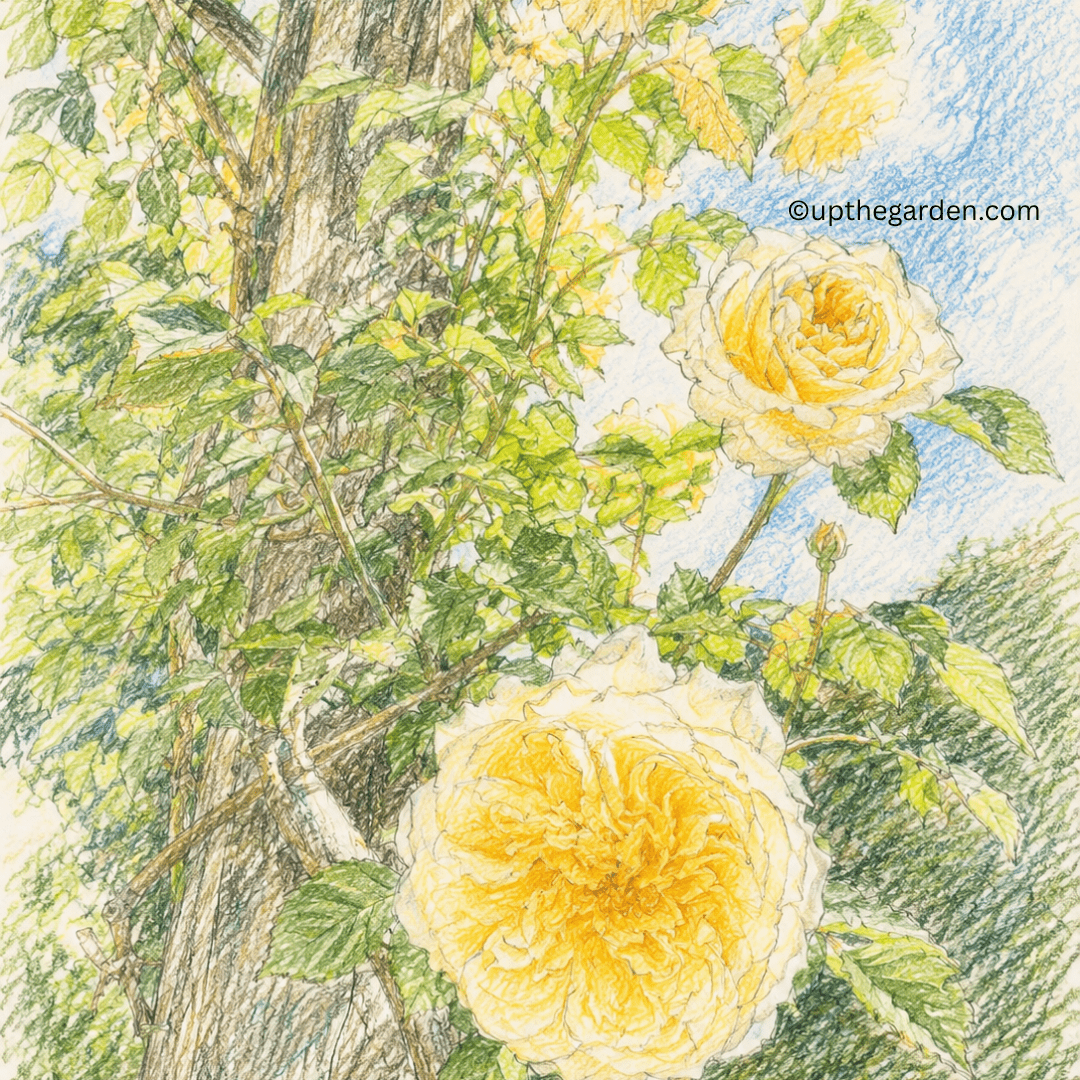
From cottage garden archways heavy with blooms to wild hedgerow roses catching the evening light, roses have long been woven into the story of summer.
Few flowers hold such lasting affection. Their scent drifts through warm June gardens, their petals scatter across pathways after rain, and their presence somehow transforms even the simplest outdoor space into something memorable.
For many people, roses are deeply tied to memory too. The smell of a climbing rose beside a front door. Rose petals pressed carefully between pages. A grandmother deadheading blooms on slow summer afternoons. Roses seem to accompany life quietly through the seasons, returning faithfully year after year.
Rose Awareness Week 2026, taking place from 15–21 June 2026, celebrates everything that makes roses so enduringly loved — from their beauty and fragrance to their importance for wildlife, wellbeing and traditional gardens.
Because roses are far more than ornamental plants.
They are part of the landscape of summer itself.
Why Roses Remain One of the Most Loved Garden Flowers
Part of the rose’s appeal lies in its extraordinary variety. There are climbing roses scrambling through trees, compact shrub roses filling borders with colour, and heritage roses carrying scents that modern flowers often lack.
Some bloom only once in a glorious midsummer flourish. Others flower continuously well into autumn. Their fragrances range from citrus and spice to honey, apple and myrrh.
Yet roses continue to captivate gardeners for another reason too.
They slow people down.
A rose garden encourages wandering rather than rushing. People stop to notice fragrance drifting through warm air, bees moving between blooms, or petals loosening gently after rainfall. Roses invite attentiveness in a way few other flowers quite manage.
That slower rhythm feels especially valuable during summer.
Roses Through History and Tradition
Roses have been cultivated for thousands of years and appear throughout mythology, literature, medicine and art. In medieval gardens, roses were valued not only for beauty but also for practical uses. Rose petals and rose hips were used in syrups, oils, herbal remedies and perfumes.
Later, Victorian gardeners became fascinated by the language of flowers, with different rose colours carrying different meanings:
- Red roses symbolised love and devotion
- White roses represented purity
- Yellow roses suggested friendship
- Pink roses expressed admiration and gratitude
Even today, roses remain closely connected with celebrations, weddings, remembrance and seasonal traditions.
There is also something wonderfully timeless about them. Roses feel traditional without ever becoming outdated.
The Beauty of Roses in Summer Gardens
It is difficult to imagine a traditional summer garden without roses somewhere within it.
Climbing roses soften old brick walls and archways. Rambling roses tumble through trees. Shrub roses fill borders alongside lavender, foxgloves and catmint, creating gardens rich with scent and movement.
The best rose gardens rarely feel too perfect. Slightly windblown petals, arching stems and buzzing pollinators only add to their charm.
Roses also reward patience. A newly planted rose bush may take time to settle, but once established it often flowers more generously each year.
There is an old gardening belief that roses “like to hear footsteps”. Whether true or not, many gardeners insist their roses thrive best when regularly cared for and admired.
Growing Roses Successfully at Home
Part of Rose Awareness Week is about encouraging more people to grow roses themselves.
Despite their reputation, many modern roses are surprisingly easy to care for when planted in the right conditions. Most roses thrive in sunny positions with well-drained soil and benefit from regular watering during dry weather.
A few simple rose care tips make a significant difference:
Give Roses Plenty of Sunlight
Most roses flower best with at least six hours of sunlight each day.
Feed Roses in Spring and Summer
Using a balanced rose fertiliser encourages healthy growth and abundant flowering throughout the season.
Deadhead Regularly
Removing faded blooms encourages repeat flowering and helps keep plants healthy.
Choose Fragrant Varieties
For many gardeners, scent matters just as much as appearance. Heritage and David Austin-style roses are often especially fragrant.
Support Pollinators
Single-flowered roses provide valuable pollen for bees and beneficial insects during summer.
Growing roses becomes deeply rewarding over time. Many gardeners speak of their roses almost as companions within the garden, returning faithfully each year and becoming more beautiful with age.
The Fragrance of Roses and Wellbeing
Perhaps more than anything else, roses are remembered for their scent.
On warm June evenings, the fragrance can drift heavily through still air — soft, rich and instantly nostalgic. Some roses smell fresh and citrusy, others warm and spicy.
Scent has a powerful connection to memory and emotional wellbeing. Rose fragrance, in particular, has long been associated with calmness, comfort and relaxation. This is partly why rose oils, rose water and dried petals have been used for centuries in skincare, bathing rituals and herbal remedies.
Even placing freshly cut roses indoors can completely change the atmosphere of a room.
At a time when daily life often feels hurried and screen-focused, gardens filled with fragrant roses offer something increasingly valuable: stillness.
Roses and Wildlife in the Garden
Roses are not only beautiful — they are valuable for wildlife too.
Open, single-flowered roses provide pollen for bees and pollinators during early summer, while rose hips later become an important food source for birds during autumn and winter.
Wild roses growing naturally in hedgerows support biodiversity across wider landscapes, offering shelter and food for insects, birds and small mammals.
Allowing some blooms to develop into rose hips rather than removing every faded flower helps extend that seasonal cycle naturally through the colder months.
A healthy rose garden quickly becomes alive with bees, butterflies and birds.
Ways to Use Roses Beyond the Garden
Part of the enduring charm of roses lies in how versatile they are.
Rose petals can be scattered over cakes and desserts, infused into syrups or dried for potpourri. Rose water remains a traditional ingredient in baking and pairs beautifully with pistachio, raspberry and almond.
Simple Rose Petal Syrup Recipe
Steep unsprayed rose petals in hot water with sugar and lemon juice until fragrant and lightly coloured. Once strained and cooled, the syrup can be stirred into lemonade, cocktails or summer desserts.
Rose hips, which appear later in the year, are rich in vitamin C and traditionally used in teas, jams and syrups.
Even a small vase of garden roses beside a bedside table can fill an entire room with fragrance.
Why Rose Awareness Week 2026 Matters
Rose Awareness Week 2026 is ultimately about more than flowers alone.
It is a celebration of gardens, heritage, seasonal living and the quiet beauty that plants bring into everyday life. Roses encourage people to slow down and notice the changing season more carefully — the scent after rain, bees gathering pollen, petals falling softly onto warm pathways.
In many ways, roses represent the very best parts of summer gardening.
They are fleeting enough to feel precious, yet dependable enough to return each year with familiar beauty and scent.
And perhaps that is why they continue to captivate generation after generation.
Because roses are never simply flowers.
They are memory, fragrance, history and summer woven together.
Further Reading: Growing Roses , Rose Replant Disease, History and Importance of the Rose, How to Grow Roses Successfully