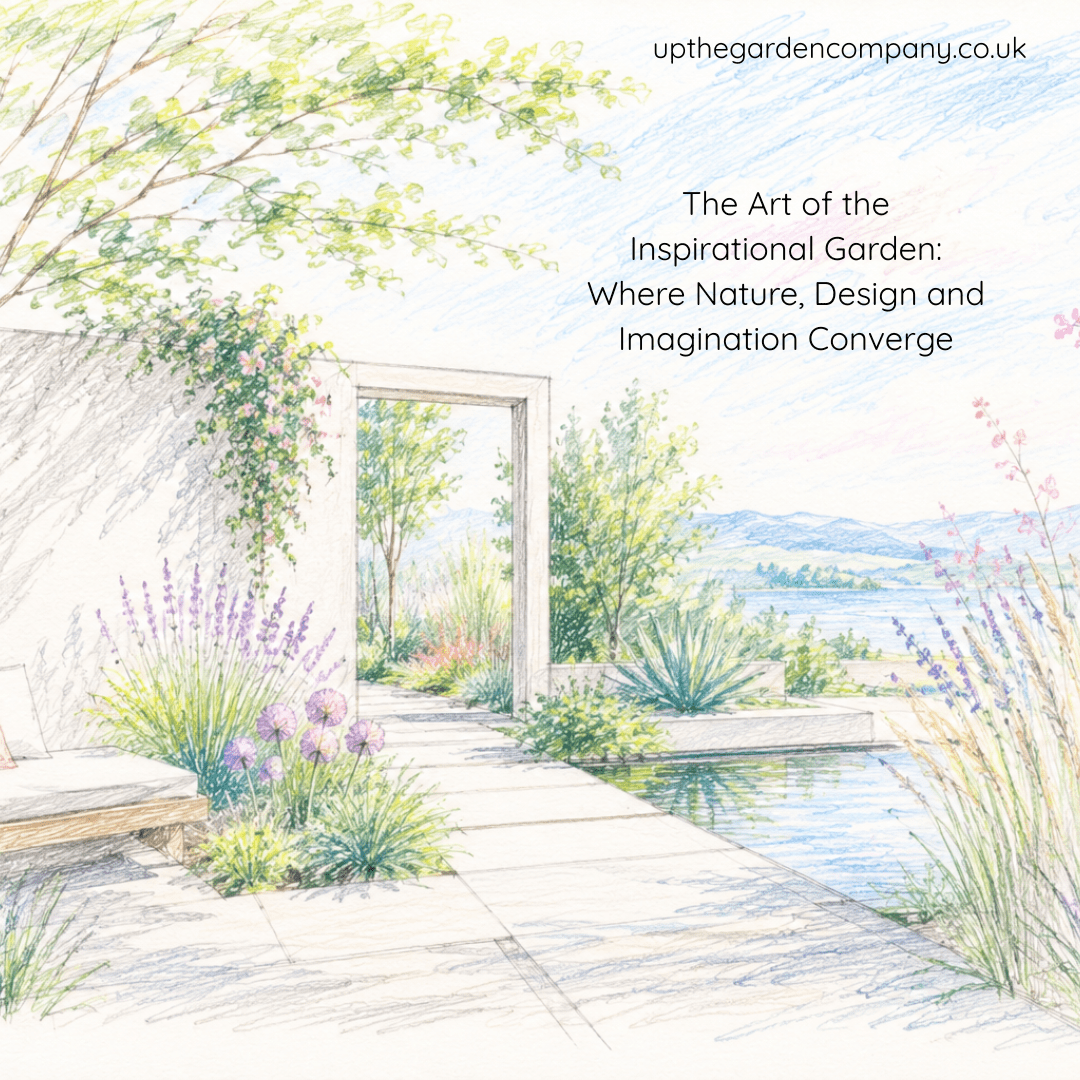
Gardens are far more than collections of plants arranged within a boundary. At their finest, they are living compositions—dynamic landscapes that evolve with the seasons, engage the senses, and tell stories through colour, texture, form and space. They are places where art meets ecology, where human creativity collaborates with nature, and where beauty serves a purpose beyond aesthetics.
Whether formal and structured or naturalistic and free-flowing, a truly great garden possesses an enduring quality that transcends trends. It offers refuge from the pace of modern life, creates meaningful connections with the natural world, and inspires those who experience it. Using earth and sky as its canvas, and plants, water, stone and architecture as its medium, the garden becomes a masterpiece that is never complete—always growing, adapting and revealing something new.
But what distinguishes an ordinary garden from an inspirational one? Is it exceptional design, botanical richness, or a powerful sense of place? More often, it is the seamless integration of all three. The most memorable gardens achieve a rare balance between beauty, function and emotion, leaving a lasting impression long after the visit has ended.
The Soul of a Garden: Where Artistry Meets Nature
The world’s most celebrated gardens are united by one defining characteristic: they are designed with intention. Every element contributes to a broader vision, creating an immersive experience rather than simply a collection of attractive features.
The Garden as a Living Canvas
Like a painter composing a masterpiece, the skilled garden designer considers every visual element and how it interacts with the whole.
Colour and Atmosphere
Colour influences mood as profoundly in a garden as it does in art. Vibrant combinations of reds, oranges and yellows create energy and excitement, while softer palettes of blues, silvers and lavender evoke tranquillity and reflection. The most successful gardens use colour strategically, guiding the eye and establishing distinct emotional experiences throughout the landscape.
Texture, Contrast and Depth
A sophisticated garden appeals not only through colour but through texture. The delicate movement of ornamental grasses juxtaposed against rugged stone walls, the glossy leaves of evergreen shrubs contrasted with soft perennial borders, or the interplay between formal hedging and naturalistic planting all contribute layers of visual richness.
The Fourth Dimension: Time
Unlike any other art form, gardens exist in constant transformation. Spring brings emergence and anticipation, summer delivers abundance and vitality, autumn introduces warmth and dramatic colour, while winter reveals structure, silhouette and architectural form. A truly inspirational garden is designed not for a single moment but for continual evolution throughout the year.
Designing Movement and Balance
Exceptional gardens are experienced as journeys rather than viewed as static scenes. Paths invite exploration, carefully framed views create anticipation, and focal points reward discovery.
Balance plays a crucial role in this experience. In formal gardens, symmetry and geometry provide order and elegance. In more naturalistic designs, balance is achieved through the thoughtful distribution of visual weight, creating landscapes that feel harmonious without appearing rigid. The result is a garden that feels effortless, even when every detail has been carefully considered.
The Power of Place: Gardens in Every Setting
One of the most remarkable qualities of gardens is their adaptability. They can flourish in the heart of a crowded city, on windswept coastlines, beside tranquil lakes, or within challenging landscapes that might initially seem unsuitable for cultivation.
Reimagining Urban Environments
In cities, gardens perform a transformative role. They soften hard architecture, improve environmental quality, and create moments of calm amidst the noise and intensity of urban life.
From rooftop sanctuaries and courtyard retreats to vertical planting systems and pocket parks, urban gardens demonstrate that meaningful connections with nature do not require vast spaces. Through thoughtful design, even the smallest footprint can become a place of beauty and restoration.
Some of the world’s most influential urban gardens prove this point. They show how neglected or constrained spaces can be reinvented as vibrant landscapes that benefit both people and wildlife while enhancing the character of the city itself.
Enhancing Natural Landscapes
At the opposite end of the spectrum are gardens that draw their strength from extraordinary natural surroundings. These landscapes succeed not by competing with nature but by complementing it.
A garden overlooking a Scottish loch, for example, may use reflections, native planting and carefully framed views to amplify the surrounding scenery. Likewise, a coastal garden might embrace local conditions, incorporating salt-tolerant species, windswept forms and natural materials that create a sense of belonging within the landscape.
The most successful examples demonstrate a deep understanding of place. Rather than imposing a design upon the environment, they respond to it, creating gardens that feel inseparable from their setting.
Structure, Form and the Art of Composition
While plants are often the stars of the garden, structures provide the framework that gives a landscape definition and permanence.
Walls, pergolas, pavilions, pathways and water features introduce order and purpose. They create rhythm, establish focal points and provide contrast to the organic qualities of planting.
A beautifully proportioned stone terrace may offer a place to gather and reflect, while a vine-covered archway creates a sense of mystery and transition. Water, in particular, brings another dimension to garden design. Whether in the form of a reflective pool, a natural stream or a dramatic fountain, it introduces movement, sound and light, engaging multiple senses simultaneously.
The finest gardens achieve a careful dialogue between built elements and living material, ensuring that neither dominates the other.
Learning from History and Culture
Many of the world’s most inspiring gardens draw upon rich cultural traditions that have evolved over centuries.
The romantic abundance of English cottage gardens celebrates informality and seasonal colour. Japanese gardens embrace restraint, symbolism and mindfulness, demonstrating how simplicity can evoke profound emotional responses. Italian Renaissance gardens showcase geometry, perspective and architectural grandeur, while Mediterranean gardens reflect an intimate relationship between climate, landscape and daily life.
These traditions remind us that gardens are cultural expressions as much as horticultural achievements. They reflect the values, aesthetics and histories of the societies that create them.
Why Inspirational Gardens Matter
Beyond their visual appeal, gardens contribute significantly to human wellbeing and environmental resilience.
Places of Restoration
Research increasingly confirms what gardeners have long understood intuitively: interaction with nature reduces stress, supports mental wellbeing and improves overall quality of life. Gardens provide opportunities for reflection, contemplation and renewal in a world characterised by constant stimulation and distraction.
The simple experiences of birdsong, fragrant blooms, moving water or dappled sunlight can have a profound restorative effect, reconnecting us with rhythms that are often absent from modern life.
Building Community and Connection
Gardens also serve as social spaces. Community gardens, public parks and open garden events bring people together across generations and backgrounds, fostering shared experiences and strengthening local identity.
In this way, gardens become more than personal retreats; they become places of collective value and belonging.
Supporting Biodiversity and Sustainability
Perhaps more importantly than ever, gardens play a critical ecological role. Thoughtfully designed landscapes can support pollinators, provide wildlife habitats, improve soil health and contribute to climate resilience.
The increasing use of native plants, water-wise design principles and sustainable gardening practices reflects a growing recognition that beauty and environmental responsibility should go hand in hand.
Creating a Garden That Inspires
Designing an inspirational garden does not require a grand estate or unlimited resources. What it requires is vision, observation and an understanding of the unique qualities of the space available.
Begin by considering how you want the garden to feel. Should it be peaceful and contemplative, vibrant and social, or wild and immersive? Allow this vision to guide design decisions.
Work with the character of the site rather than against it. Celebrate existing features, embrace local conditions and select plants that will thrive naturally within the environment.
Most importantly, create a garden that reflects your own personality and values. The most memorable gardens are often those that feel authentic rather than fashionable.
And remember that gardens are never finished. They are living creations that evolve over time, shaped by growth, experimentation and changing perspectives.
The Enduring Magic of Gardens
A great garden is more than a destination; it is an experience. It is a place where beauty, ecology and human creativity coexist in harmony. It invites us to slow down, observe more closely and reconnect with the natural world.
Whether discovered in a city courtyard, on a windswept coastline, beside a tranquil loch or within our own back garden, inspirational gardens remind us of the extraordinary possibilities that emerge when imagination and nature work together.
In an increasingly complex world, their value extends far beyond aesthetics. They enrich our lives, strengthen our communities and demonstrate how thoughtful design can create places that nourish both people and the planet.
The greatest gardens do not simply grow plants—they cultivate wonder.
Further Reading: Creating a Butterfly Garden: A Quiet Invitation to Nature, Ten Plants that butterflies love, Sustainable Hardscaping: Build a Beautiful, Eco-Friendly Garden, Why Bees Are Essential to Our Gardens, Top 10 Garden Birds in the UK (and How to Spot Them), Helping Wildlife This Winter, How to Create and Maintain a Garden Pond, Transform Your Allotment into a Biodiversity Haven
Inspiration: Follow Us on Instagram, Threads, BlueSky, Twitter, TikTok and Pinterest.