Houseplants for the Bedroom

There is a particular quietness to bedrooms softened by plants.

Morning light filtering gently through leaves onto crumpled linen. The faint scent of lavender drifting through an open window in summer. Ivy trailing lazily from a shelf beside half-read books and cooling cups of tea. A fern unfurling itself slowly in the corner while rain taps softly against the glass outside.

Bedrooms are perhaps the most personal rooms in any home.

They are where difficult days finally come to rest. Where slow Sunday mornings unfold beneath blankets. Where the world feels quieter somehow for a few precious hours before everything begins again.

And while cushions, throws and warm lighting all help shape a restful room, plants bring something entirely different into the space. Something living. Breathing. Calming. A subtle reminder of gardens, seasons and fresh air beyond the walls around us.

Not perfectly styled.
Not overly polished.

Simply softer. Gentler. More human.

Some plants seem especially suited to bedrooms. They thrive happily in steady indoor warmth and lower light, asking very little in return while quietly transforming how a room feels. They soften corners, bring movement to still spaces and create that comforting sense of retreat many bedrooms quietly long for.

Lavender Lavandula angustifolia
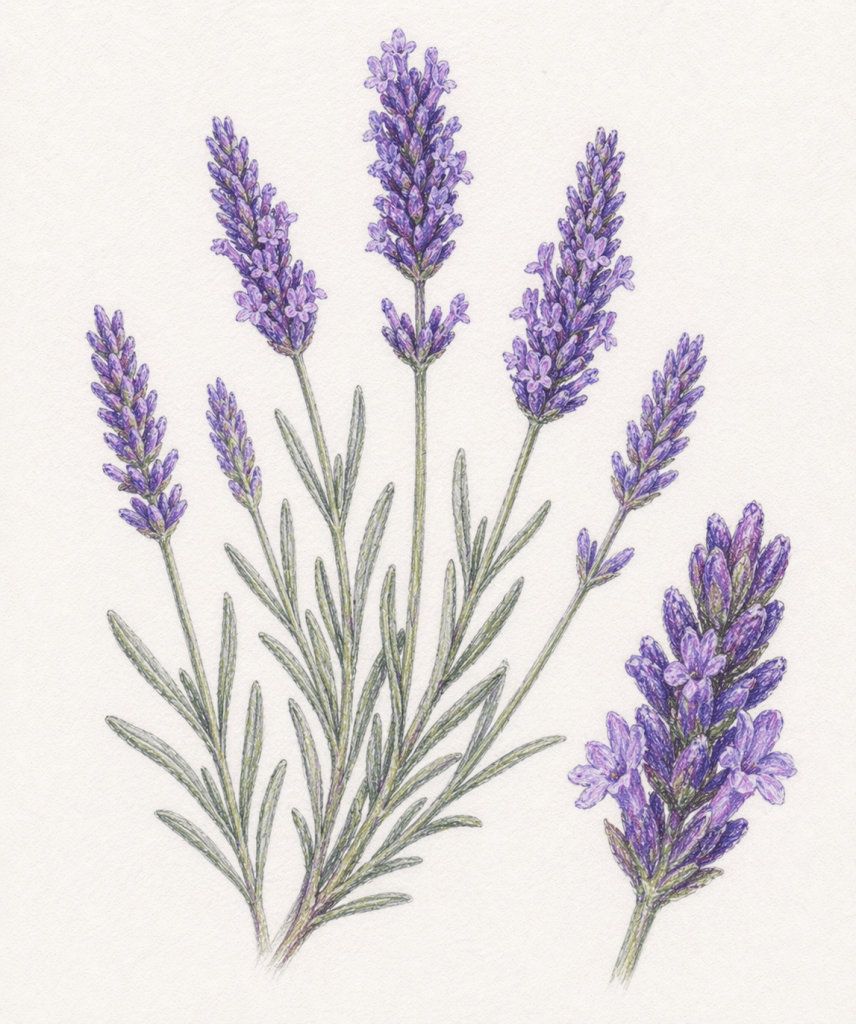
Lavender Lavandula angustifolia

Few plants carry the feeling of calmness quite like lavender.

Even the name itself seems to slow the room slightly.

Its silvery-green foliage and soft purple flowers instantly call to mind cottage gardens warmed by afternoon sunshine, linen drying outdoors in fresh air and long summer evenings where windows remain open well past dusk.

Traditionally associated with sleep and relaxation, lavender has been grown near bedrooms for centuries. Tucked into linen cupboards, woven into pillows and planted beside doorways where its fragrance drifts gently indoors.

While often thought of as an outdoor plant, lavender grows surprisingly happily beside a bright bedroom window with good airflow and plenty of sunlight. And once settled there, it changes the atmosphere of the room entirely.

Not loudly.

Just quietly enough to make everything feel softer.

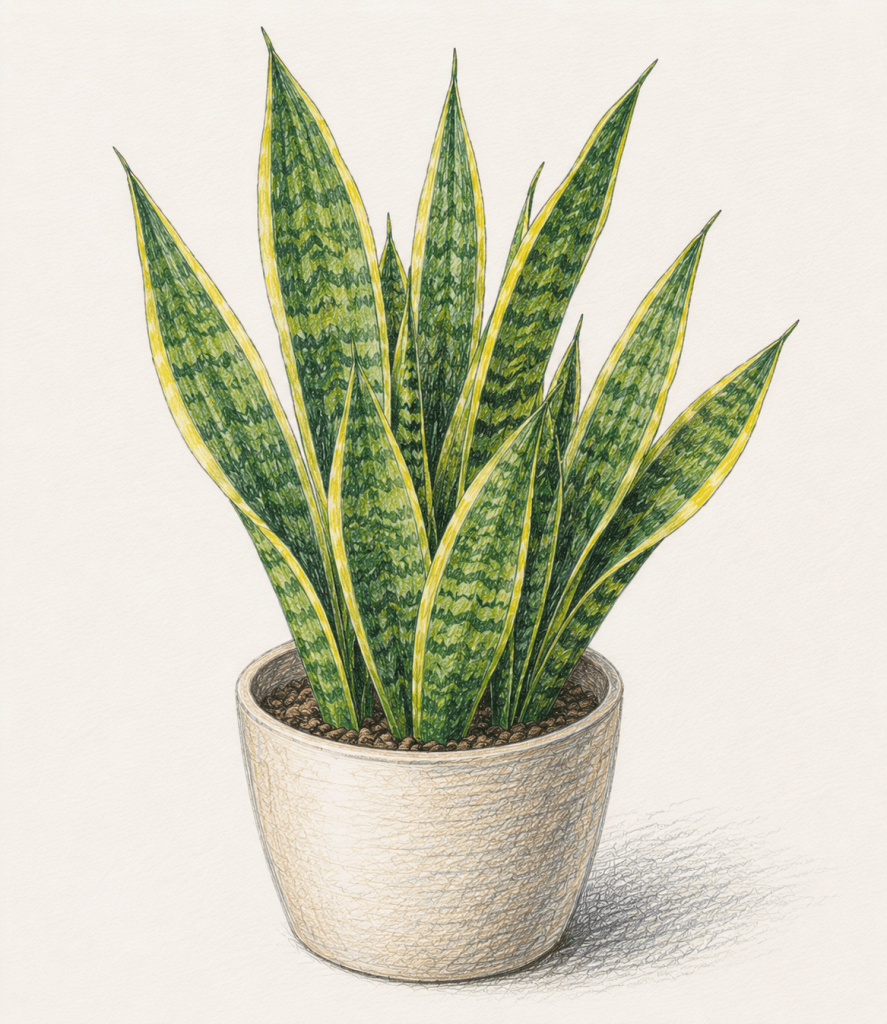
Snake Plant Dracaena trifasciata

(formerly Sansevieria trifasciata)
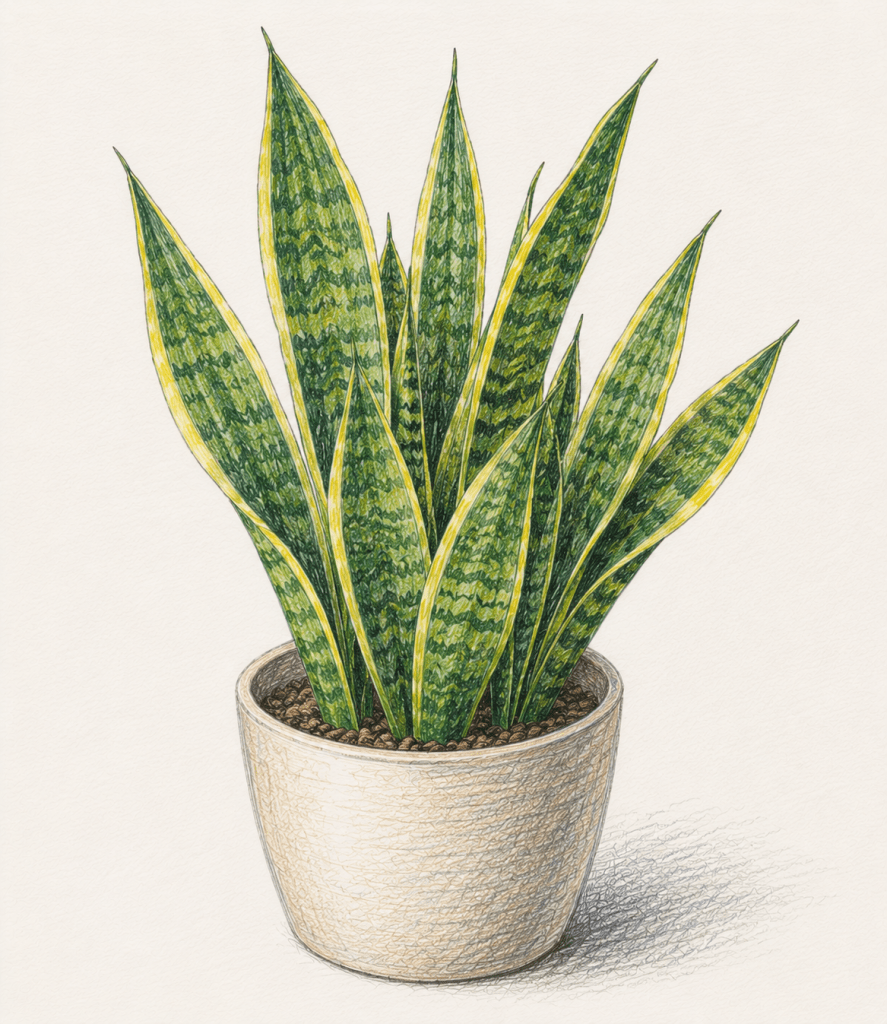
Snake Plant Dracaena trifasciata

Some plants whisper gently into a room. The snake plant stands tall and quietly confident.

Its upright architectural leaves bring structure into bedrooms without ever overwhelming them, making it particularly beautiful in calmer, uncluttered interiors filled with natural textures and soft colours.

And perhaps one of its greatest qualities is how little it asks for.

The snake plant tolerates lower light levels, copes cheerfully with occasional neglect and continues growing steadily even in busier households where watering schedules sometimes become more aspirational than realistic.

There is comfort in dependable plants.

The sort that simply carry on quietly regardless.

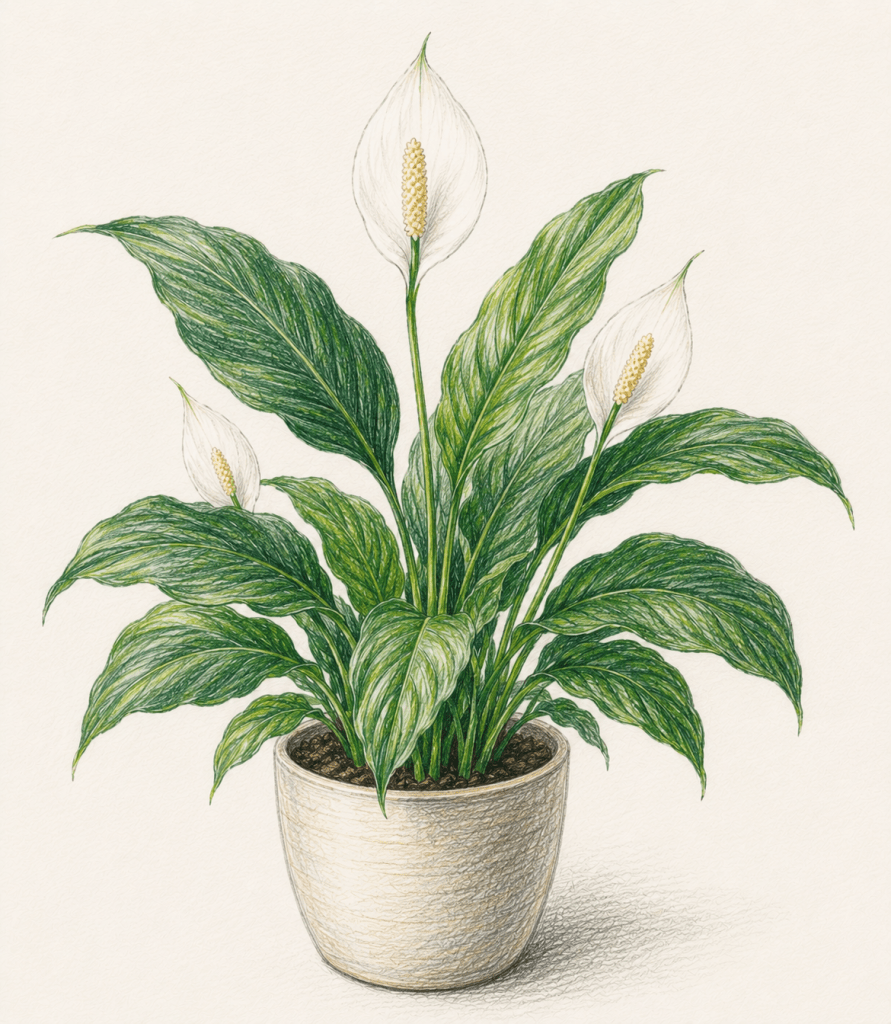
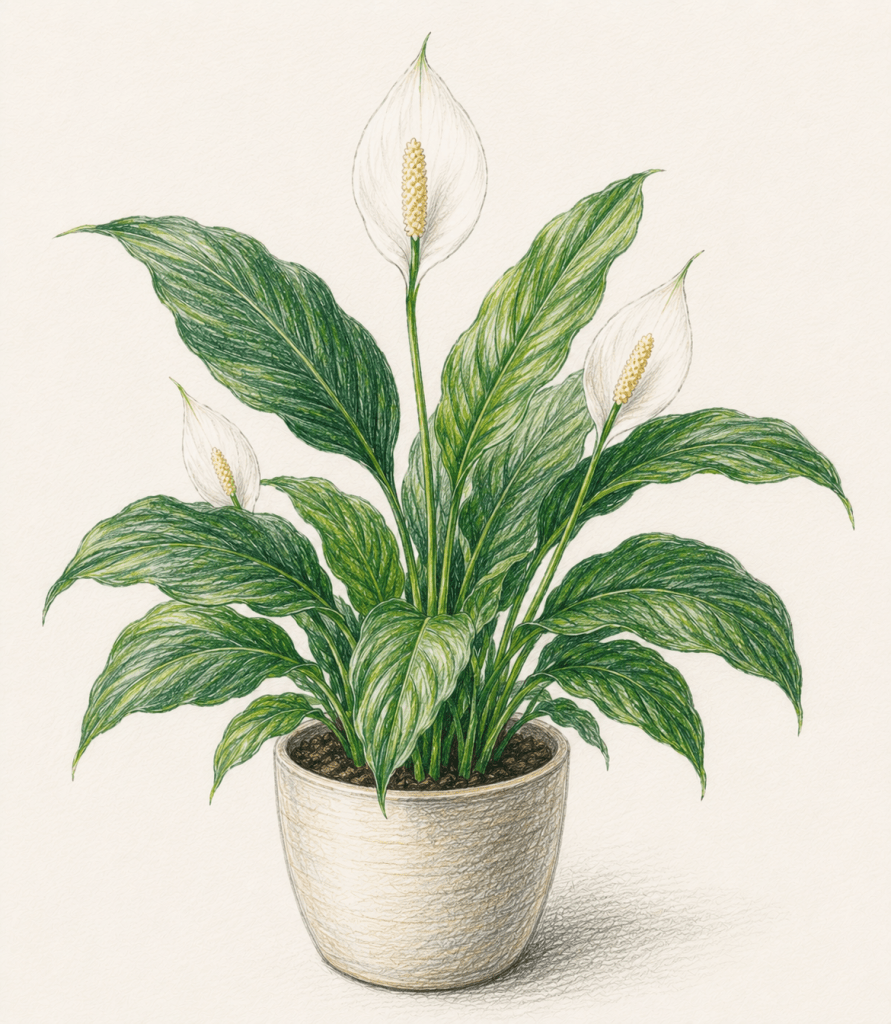
Peace Lily Spathiphyllum wallisii
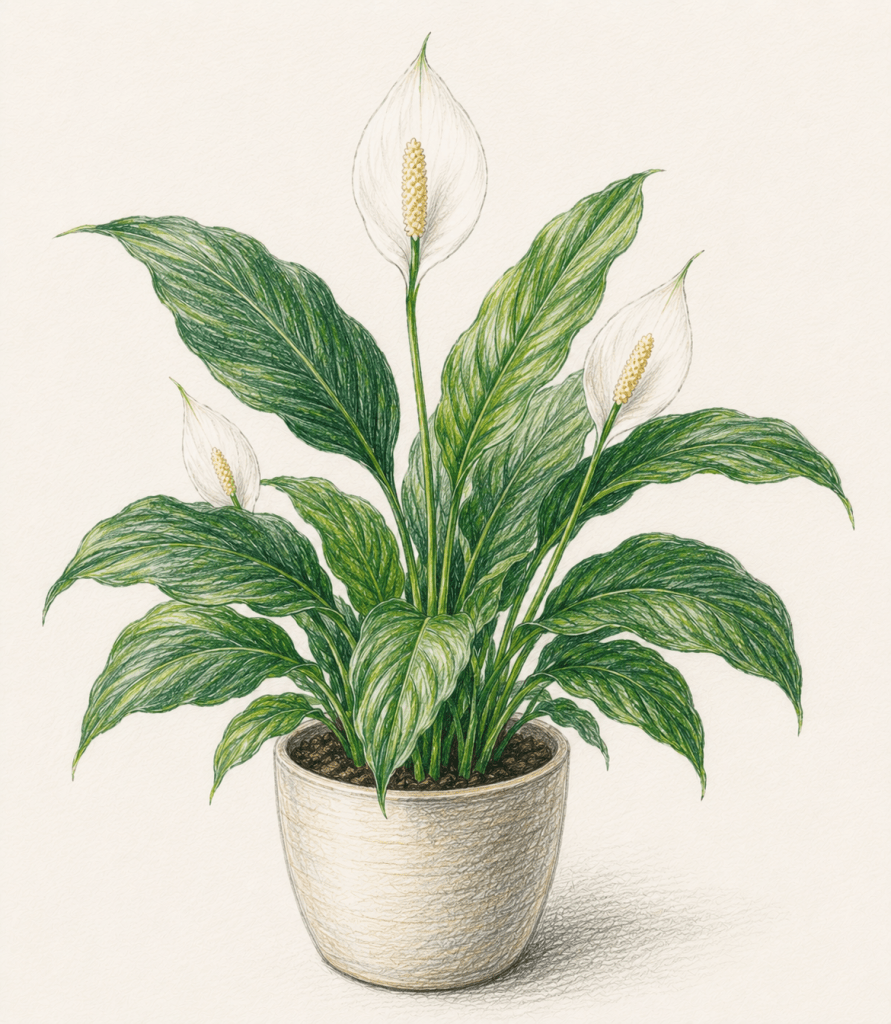
Peace Lily Spathiphyllum wallisii

The peace lily feels perfectly named somehow.

Its glossy green leaves and elegant white flowers bring a calmness into bedrooms that is difficult to explain but instantly noticeable. It softens sharper edges, balances busy corners and creates the sort of stillness people often spend far too much money trying to achieve through scented candles and expensive diffusers.

There is a timelessness to peace lilies too.

They suit old cottages just as beautifully as modern bedrooms filled with pale woods and linen bedding. They thrive happily in softer light and seem entirely content existing quietly in restful corners.

Not every plant needs to make a statement.

Some simply make a room feel better.

Jasmine Jasminum officinale
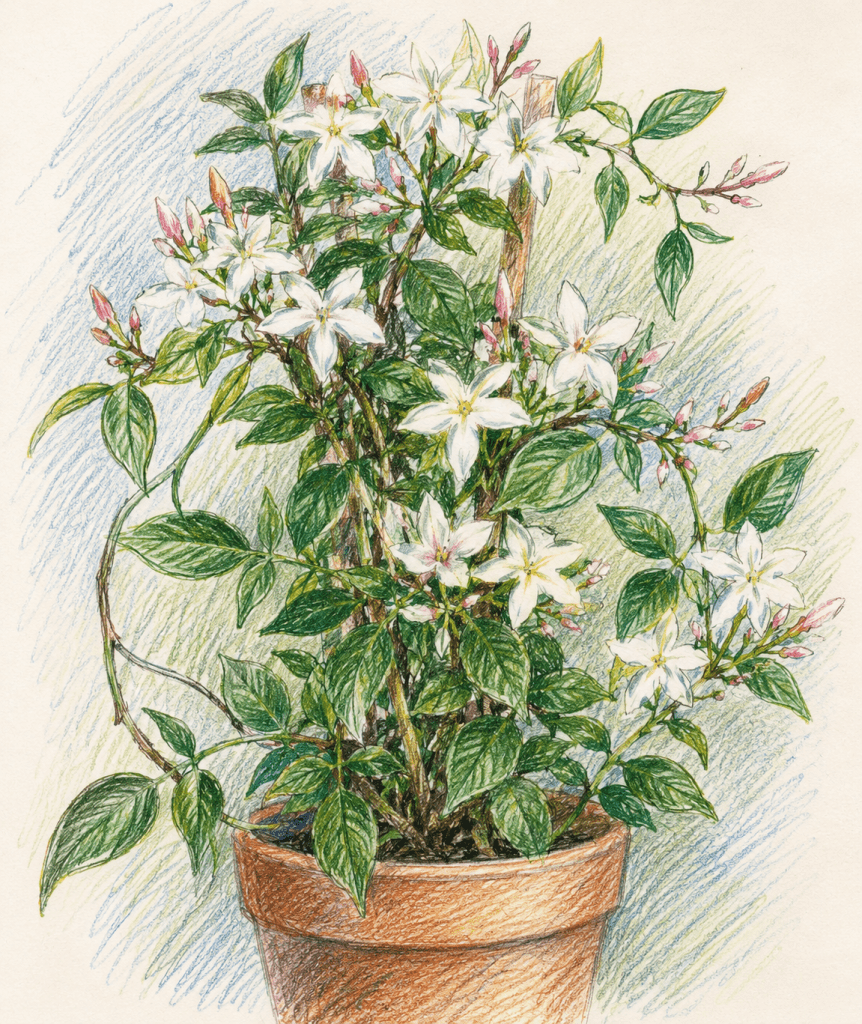
Jasmine Jasminum officinale

Jasmine belongs to evenings.

Its delicate white flowers release fragrance gradually as daylight fades, filling bedrooms with a scent that feels soft, romantic and almost nostalgic somehow.

Placed near a bright window, jasmine trails gently upwards, bringing movement and softness into the room. It catches moonlight beautifully too, its pale flowers glowing faintly against darker leaves once the day settles into night.

There is something wonderfully old-fashioned about fragrant bedroom plants.

A reminder perhaps that homes were once designed not only to look beautiful, but to feel comforting too.

And jasmine does exactly that.

Spider Plant Chlorophytum comosum
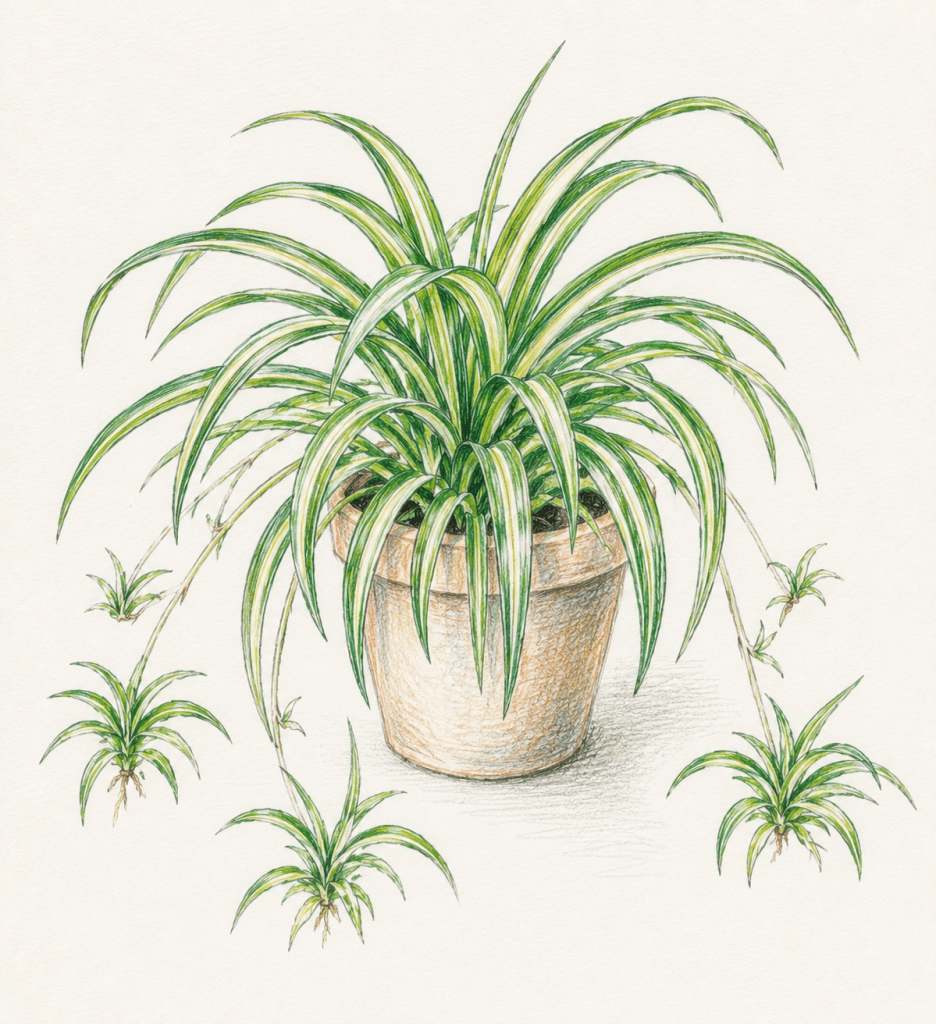
Spider Plant Chlorophytum comosum

The spider plant has a cheerful, easy-going nature that makes bedrooms feel instantly more relaxed.

Its striped leaves spill gently from shelves and hanging baskets, bringing movement into still spaces without cluttering them. And unlike fussier houseplants, spider plants seem entirely unbothered by ordinary life.

Missed a watering?
No drama.

Busy week?
Still thriving.

Perhaps that is why they remain such enduring favourites.

Bedrooms should never feel too formal. They should feel lived in. Comfortable. Slightly imperfect in the loveliest possible way.

And spider plants suit that atmosphere beautifully.

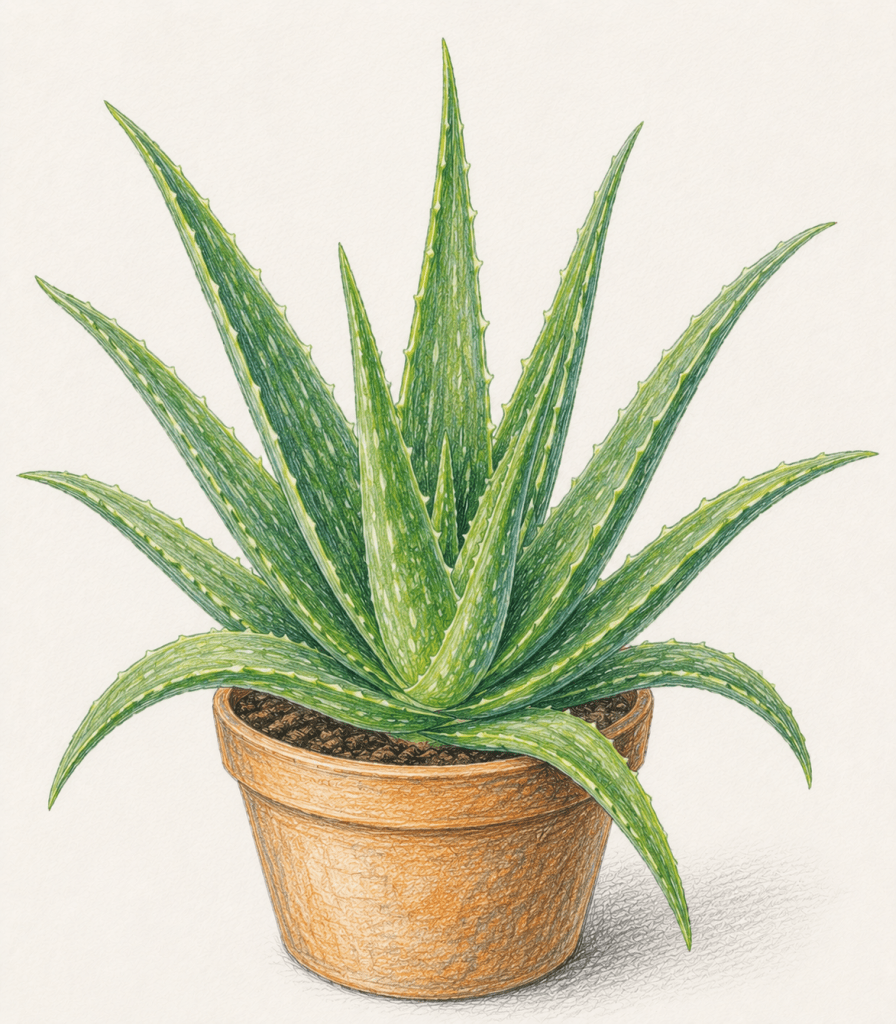
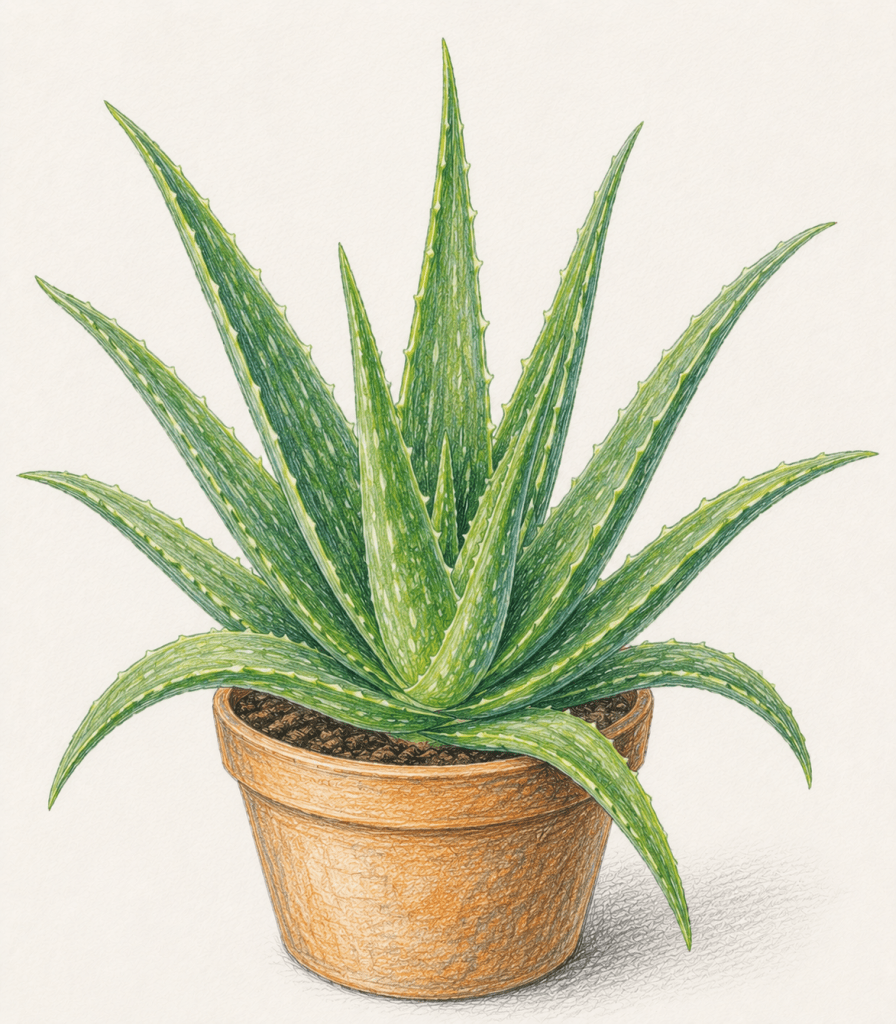
Aloe Vera Aloe barbadensis miller
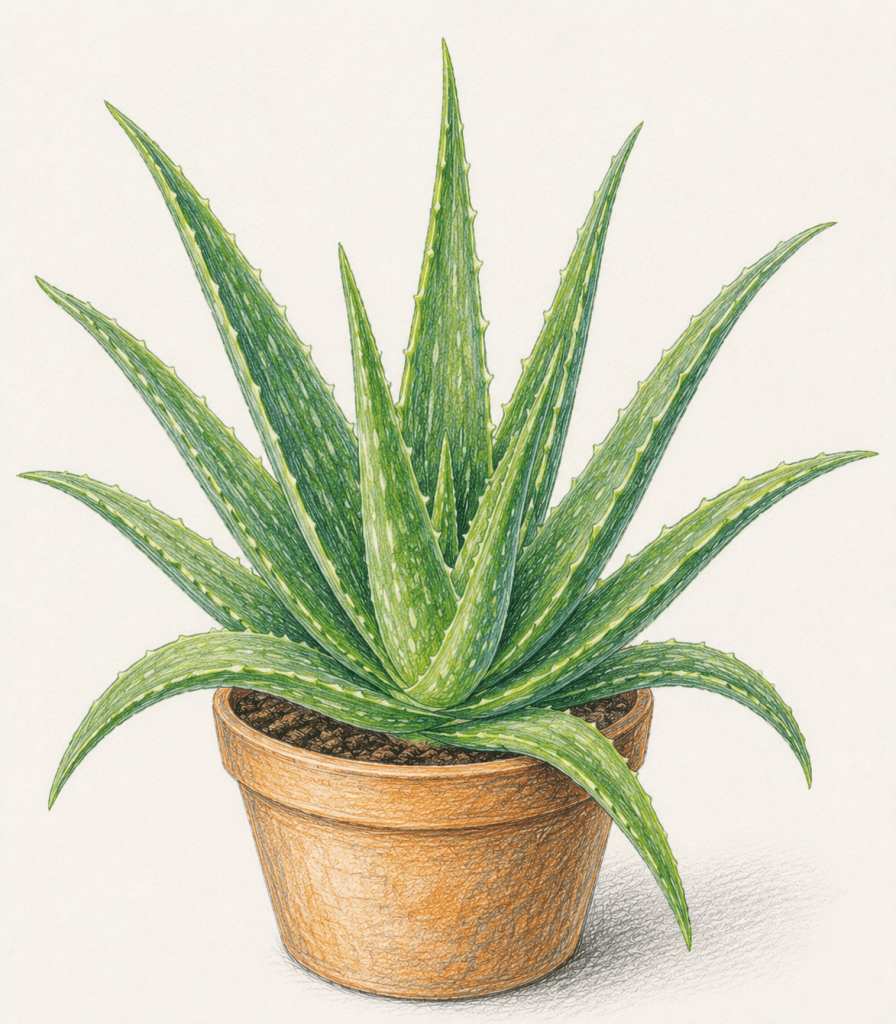
Aloe Vera Aloe barbadensis miller

Aloe vera brings calmness through simplicity.

Its sculptural green leaves rise cleanly from pots placed on sunny windowsills, creating a sense of order and stillness within the room. Particularly in modern bedrooms, aloe vera pairs beautifully with natural woods, white bedding and uncluttered spaces.

But it is not simply attractive.

For generations, aloe vera has been valued as a practical household plant too, its cooling gel used traditionally for soothing skin and small irritations.

Beautiful and useful.

A combination people have always appreciated indoors.

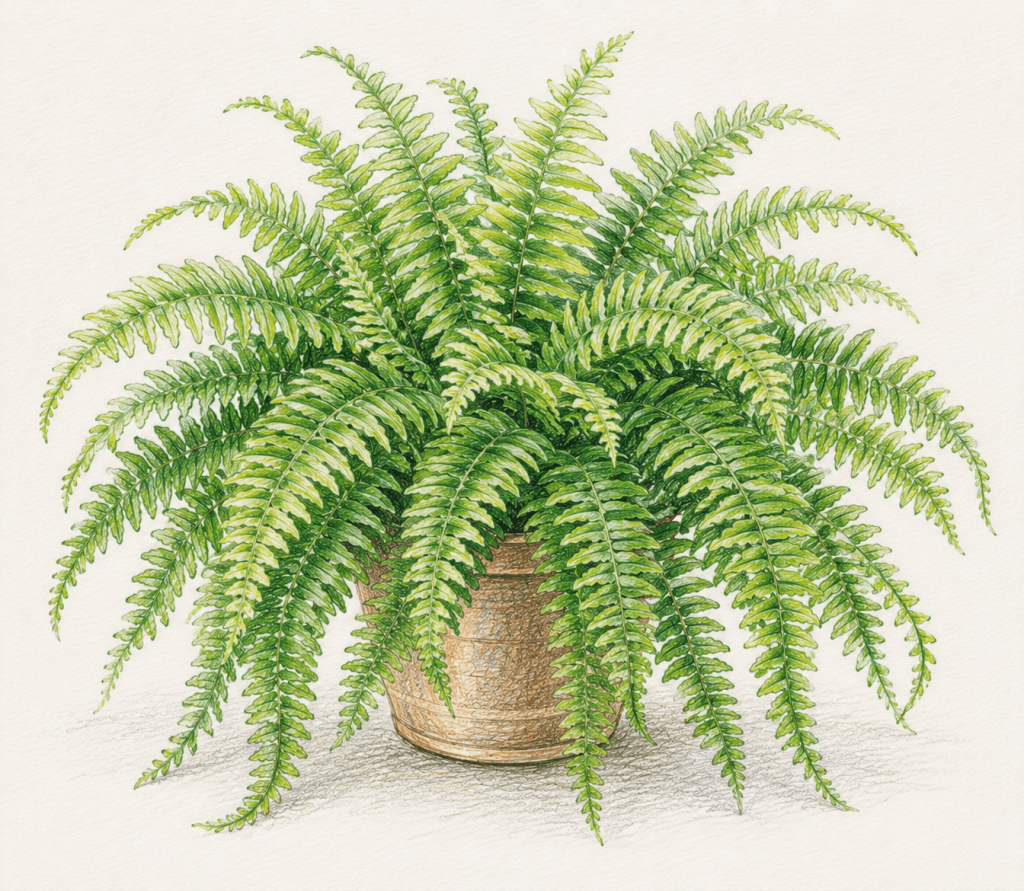
Boston Fern Nephrolepis exaltata
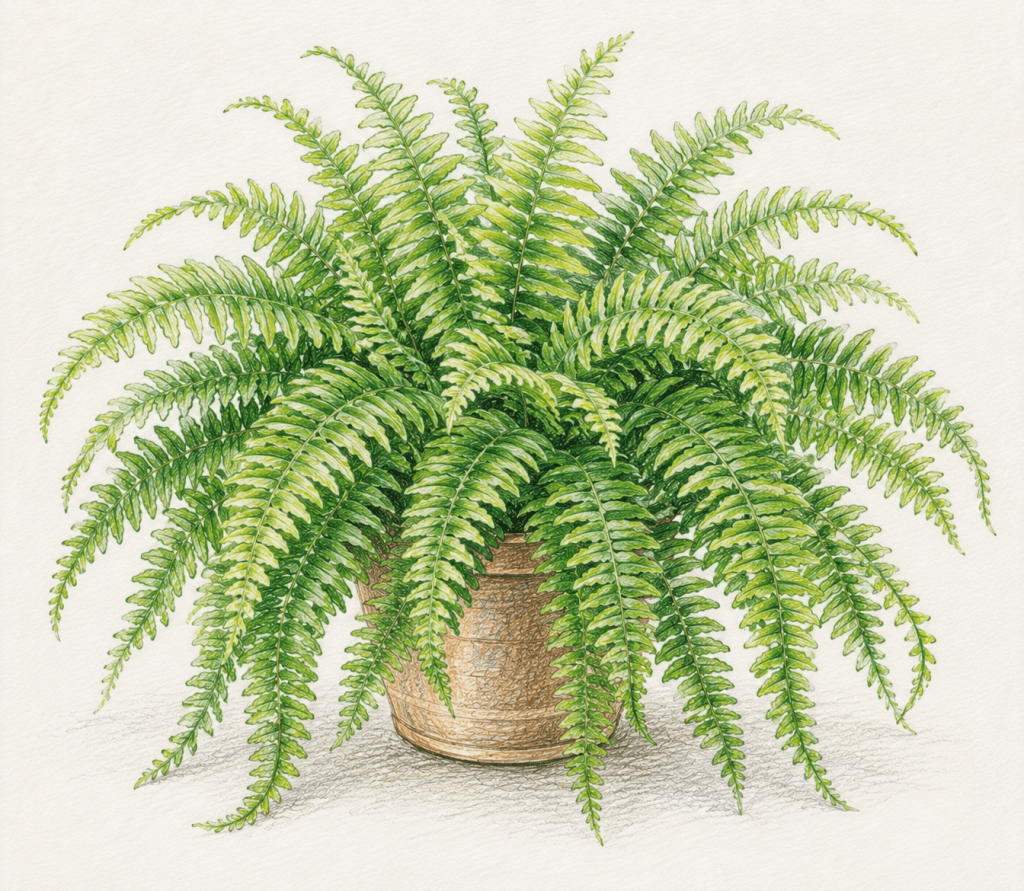
Boston Fern Nephrolepis exaltata

Few plants soften a bedroom quite like a fern.

The Boston fern, with its feathery fronds and rich green colour, brings fullness and texture into spaces that might otherwise feel stark or flat. Positioned on shelves or hanging gently beside windows, its leaves create movement even in still rooms.

There is something deeply calming about ferns.

Perhaps because they remind us of woodland walks, shaded gardens and damp earth after rain. They carry the feeling of quieter places indoors with them.

And bedrooms often need exactly that.

Areca Palm Dypsis lutescens
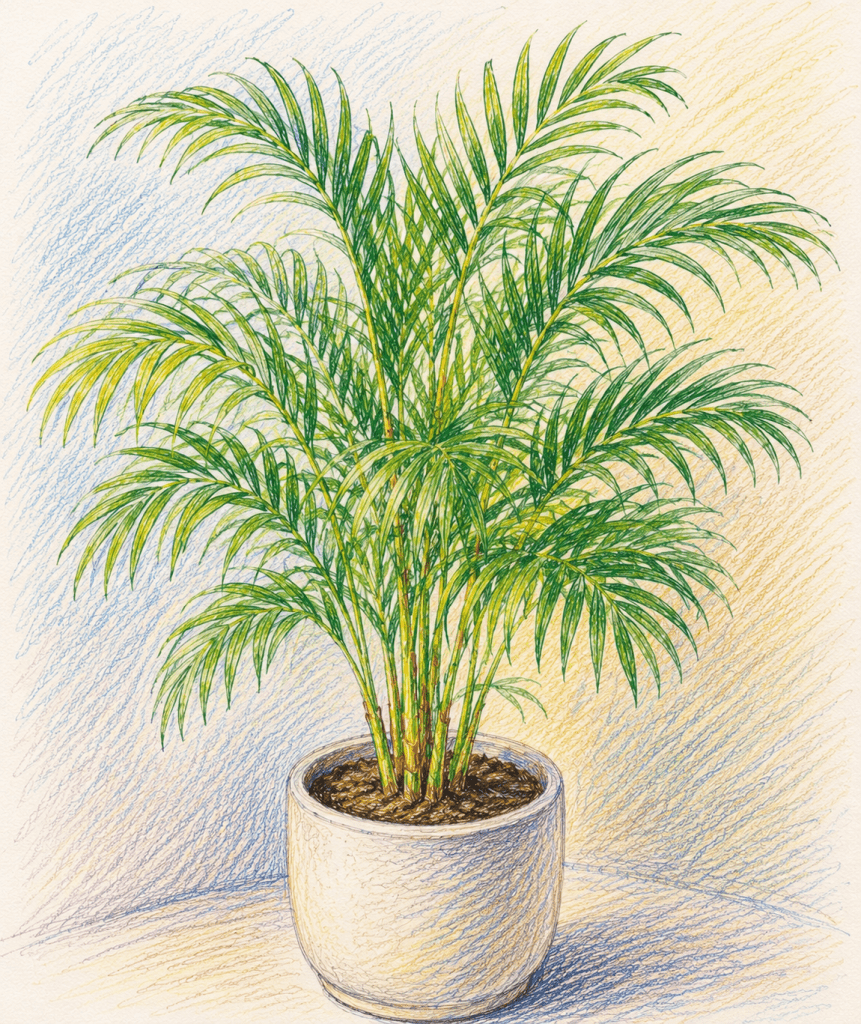
Areca Palm Dypsis lutescens

An areca palm can transform a bedroom completely.

Its arching fronds create movement, height and softness all at once, making the room feel lighter and calmer somehow. Placed near a bright window, it catches morning light beautifully, casting delicate shadows across walls and bedding.

There is an effortless elegance to palms indoors.

Not dramatic or tropical in an over-styled way.

Simply airy. Relaxed. Restful.

Like a room that has finally exhaled.

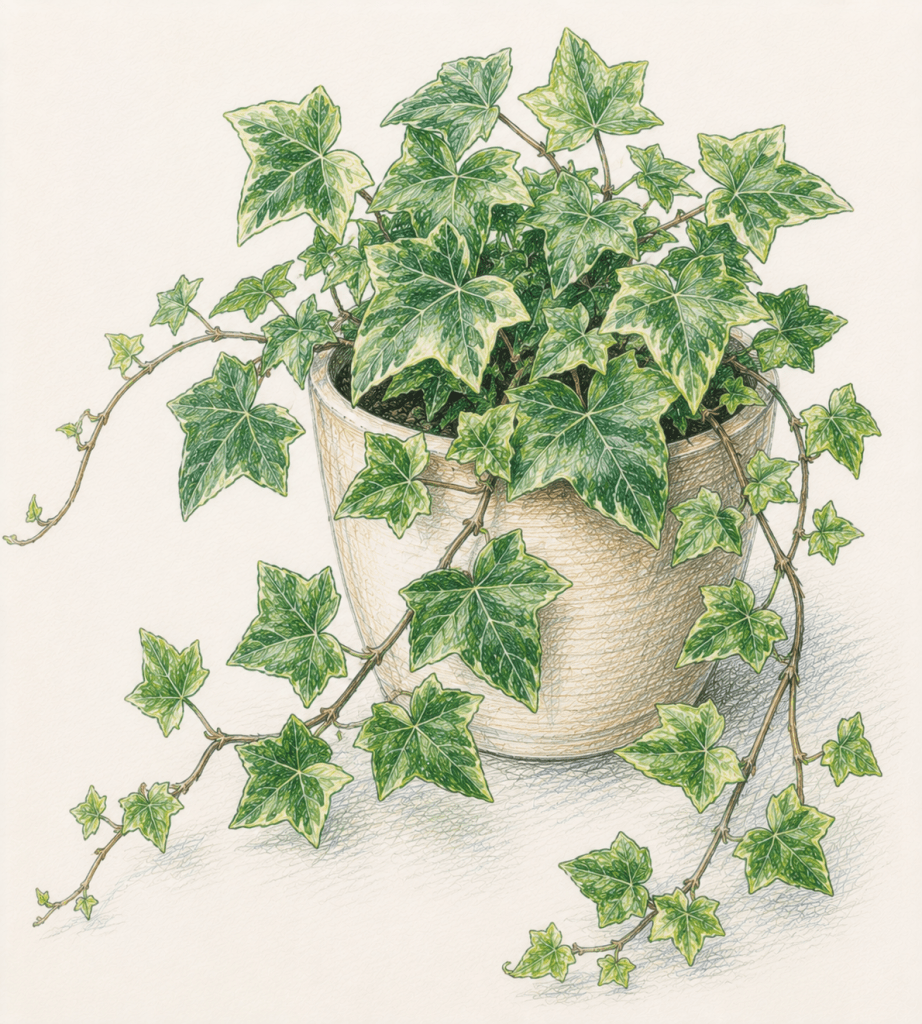
English Ivy Hedera helix
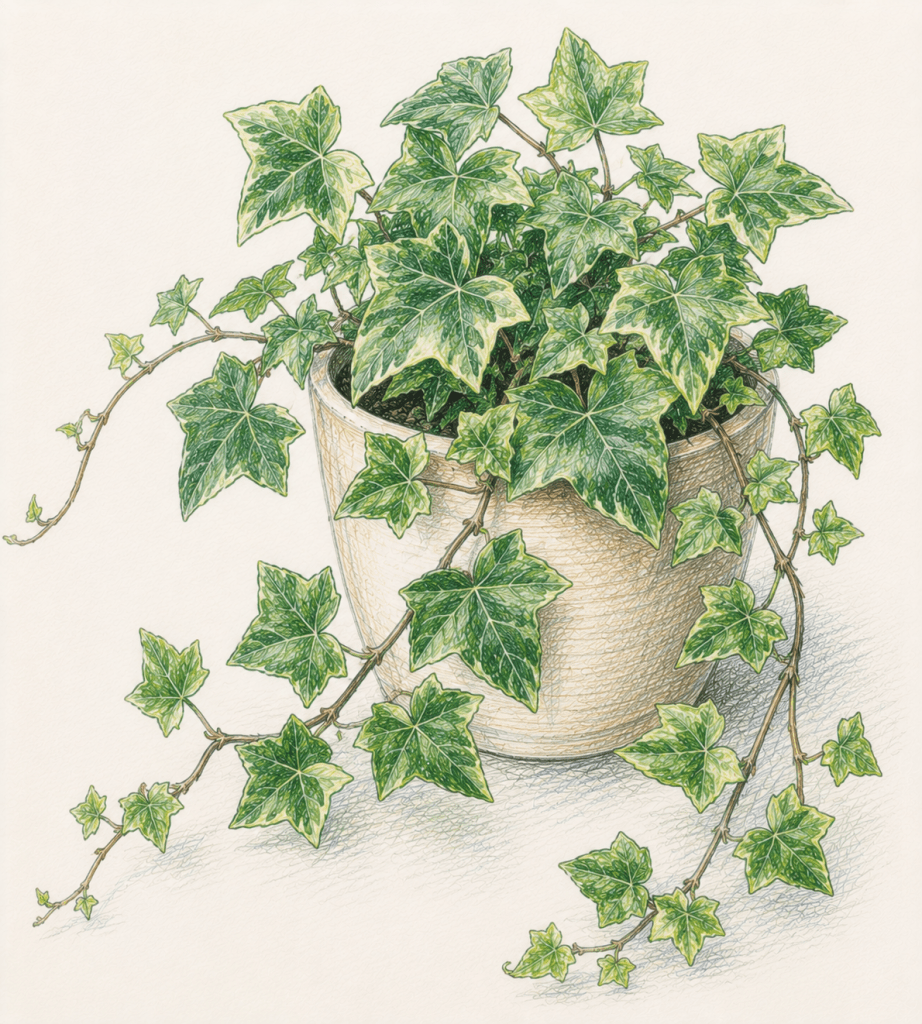
English Ivy Hedera helix

English ivy brings an older kind of beauty into bedrooms.

Trailing from shelves or winding softly around mirrors and window frames, it gives rooms a sense of familiarity and quiet age — the feeling of homes that have been loved for generations rather than perfectly arranged overnight.

Its gently cascading leaves soften bookshelves, bedside tables and furniture edges beautifully. And perhaps more than most plants, ivy creates atmosphere.

The sort of room where books pile naturally beside beds and rainy afternoons are spent beneath blankets with tea growing cold nearby.

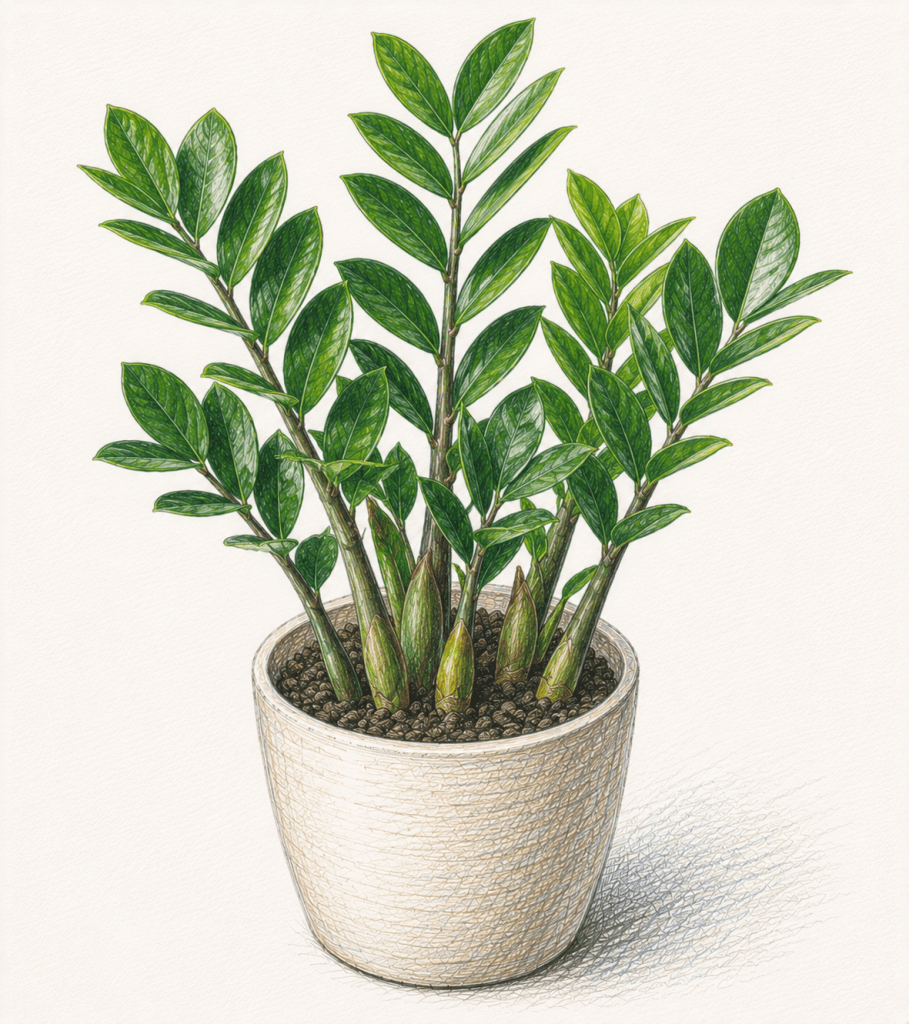
ZZ Plant Zamioculcas zamiifolia
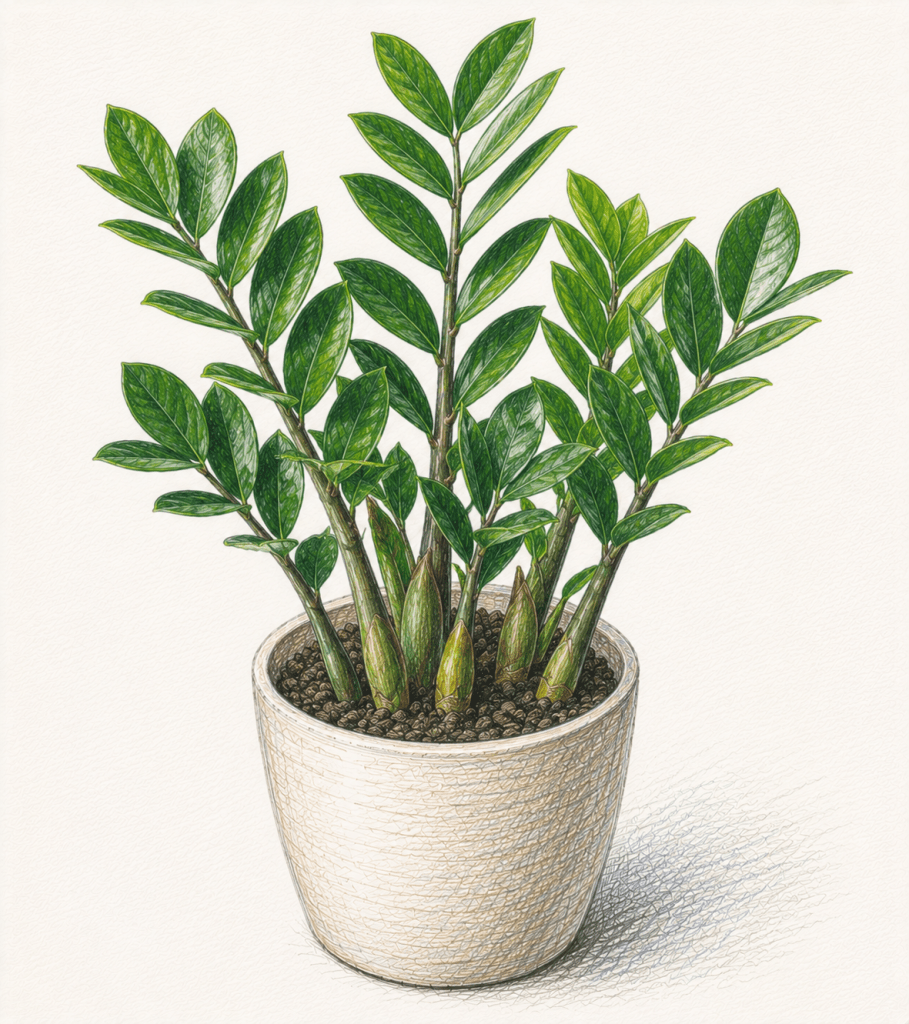
ZZ Plant Zamioculcas zamiifolia

The ZZ plant is wonderfully resilient.

Its glossy dark green leaves catch and reflect light beautifully, bringing richness into bedrooms even where natural sunlight is limited. And unlike more demanding plants, it seems perfectly content with very little attention.

There is something quietly reassuring about plants that thrive without fuss.

The ZZ plant simply sits elegantly in the background making rooms feel calmer, greener and more grounded somehow.

Which, honestly, feels like a useful quality in modern life generally.

Creating a Bedroom That Feels Like Rest

Bedrooms should feel restorative.

Not simply somewhere to sleep, but somewhere to properly exhale after difficult days. Somewhere softer than the world outside the door.

Plants help create that feeling naturally.

A fern unfurling quietly in the corner.
Lavender scent drifting through warm evening air.
Ivy trailing beside stacked books.
Morning sunlight catching the leaves of an aloe vera plant beside the bed.

These details may seem small.

But they change how a room feels completely.

The air feels fresher.
The room feels calmer.
More connected somehow to seasons, gardens and the natural world waiting quietly beyond the windows.

And perhaps that is the real beauty of bedroom plants.

Not simply decoration.

But atmosphere.

A gentle reminder each morning and evening to slow down, breathe deeply and rest well.

If you’re ready to take your plant care to the next level, explore our range of houseplant tools designed to make gardening a breeze. Happy planting!

Further Reading:   Medicinal Garden HerbsThe Versatile Herb BorageGuide to Growing Herbs at HomeRHS (Royal Horticultural Society) HouseplantsTransform your Home with Houseplants, Houseplants for the Kitchen, Houseplants for the Bathroom

Inspiration: Follow Us on InstagramThreads, BlueSkyTwitterTikTok and Pinterest.

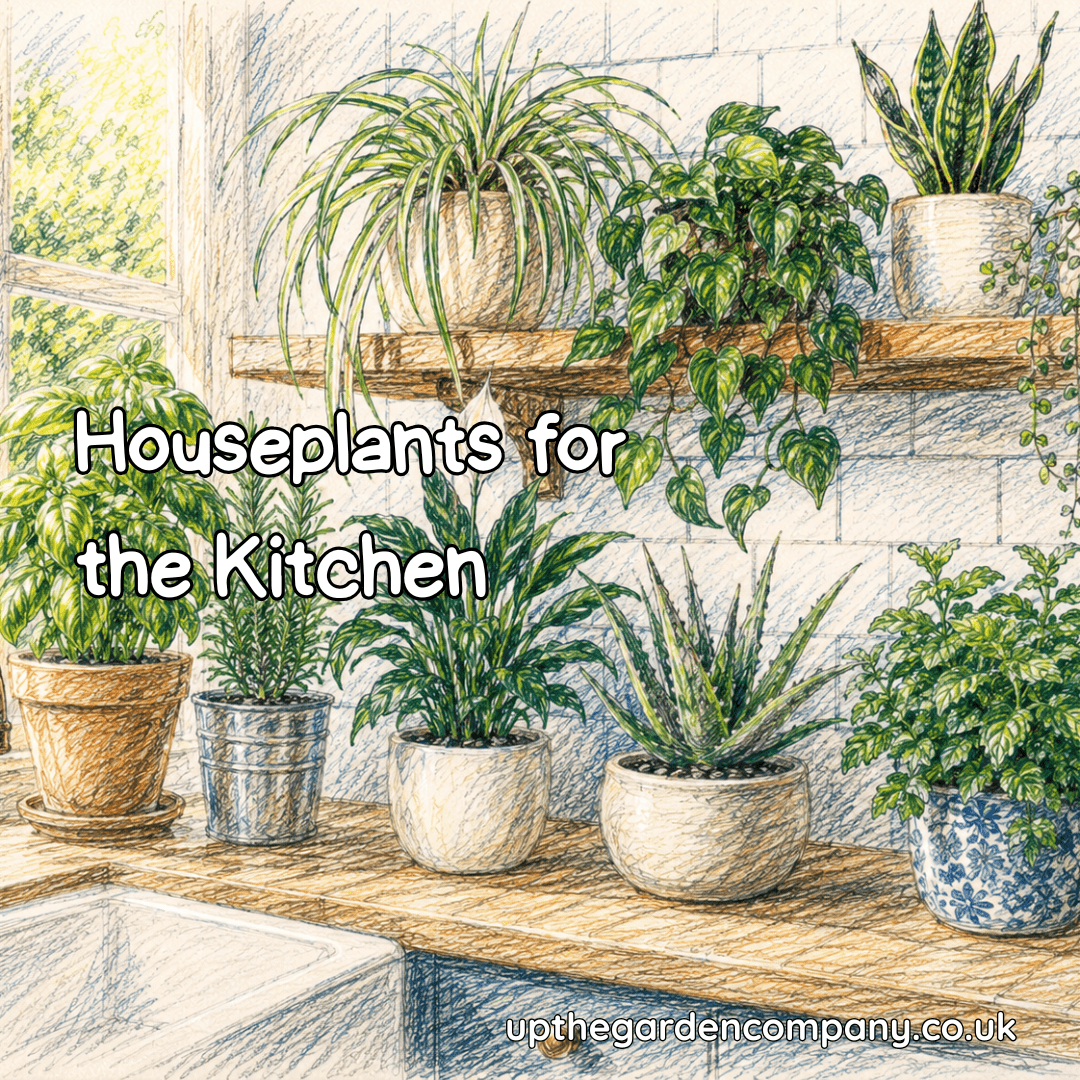
Houseplants for the Kitchen

There is something deeply comforting about a kitchen filled with plants.

Not styled within an inch of its life for a photograph. Not perfectly arranged in matching pots with not a leaf out of place. But a real kitchen. One where herbs lean gently towards the window light, steam curls upwards from a saucepan, and somewhere near the sink a plant quietly unfurls a fresh green leaf as the kettle boils for the third time that morning.

Kitchens have always been places of growing.

Long before supermarkets lined shelves with plastic packaging, people stepped outside the back door for rosemary, mint or thyme. Bunches of herbs hung drying from beams. Parsley grew beside paths. Fruit ripened on sunny ledges. The kitchen and the garden belonged naturally together.

Perhaps that is why greenery still feels so at home here now.

Plants soften the harder edges of modern kitchens. They bring movement into spaces filled with glass, metal and stone. Some fill the room with fragrance. Others offer fresh herbs ready for cooking. And all of them somehow make a kitchen feel more alive — warmer, calmer and quietly welcoming.

Whether your kitchen is a bright country space overlooking a garden or a smaller city kitchen tucked beneath the eaves, there is always room for a little greenery.

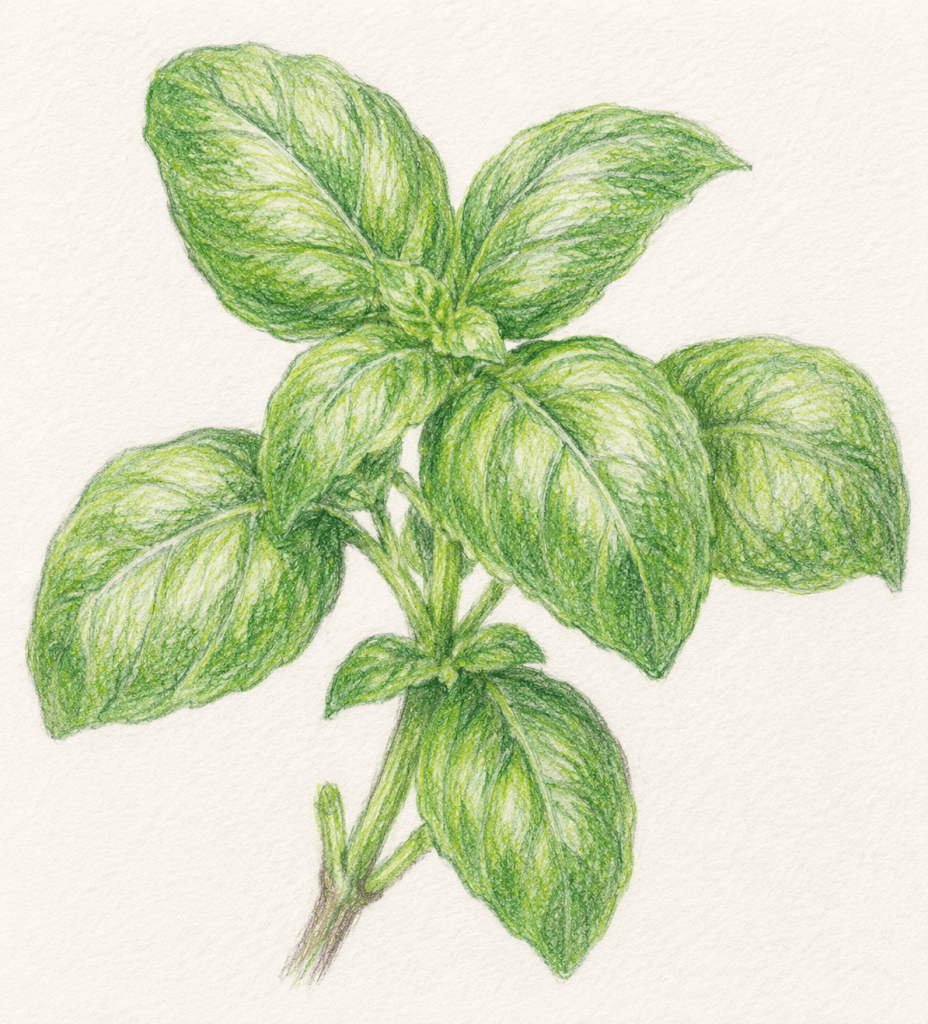
Basil — The Scent of Summer Cooking

Basil, Ocimum basilicum

Few plants feel quite as cheerful in a kitchen as basil.

Its bright green leaves seem to belong beside bowls of tomatoes, wooden chopping boards and open windows on warm afternoons. Even brushing past it releases that unmistakable scent — fresh, peppery and full of summer.

Basil thrives in warmth and sunlight, making a sunny windowsill the perfect place for it to settle. And there is something deeply satisfying about pinching off a few leaves moments before stirring them through pasta or scattering them over homemade pizza.

It is not simply useful.

It makes the kitchen feel lived in properly.

Rosemary — A Little Mediterranean Warmth Indoors

Rosemary, Salvia rosmarinus

Rosemary has a way of making even the greyest day feel slightly sunnier.

Its woody stems and silvery-green leaves bring the feeling of Mediterranean courtyards and herb gardens indoors, especially when planted in aged terracotta pots beside a bright kitchen window.

Run your hand lightly across the leaves and the scent appears instantly — earthy, resinous and wonderfully grounding.

Rosemary suits kitchens beautifully because it enjoys warmth and sunlight, but also because it brings such character into a room. A little rustic softness amongst tiled splashbacks and busy worktops.

And of course, few things smell better than rosemary drifting through the kitchen while potatoes roast slowly in the oven.

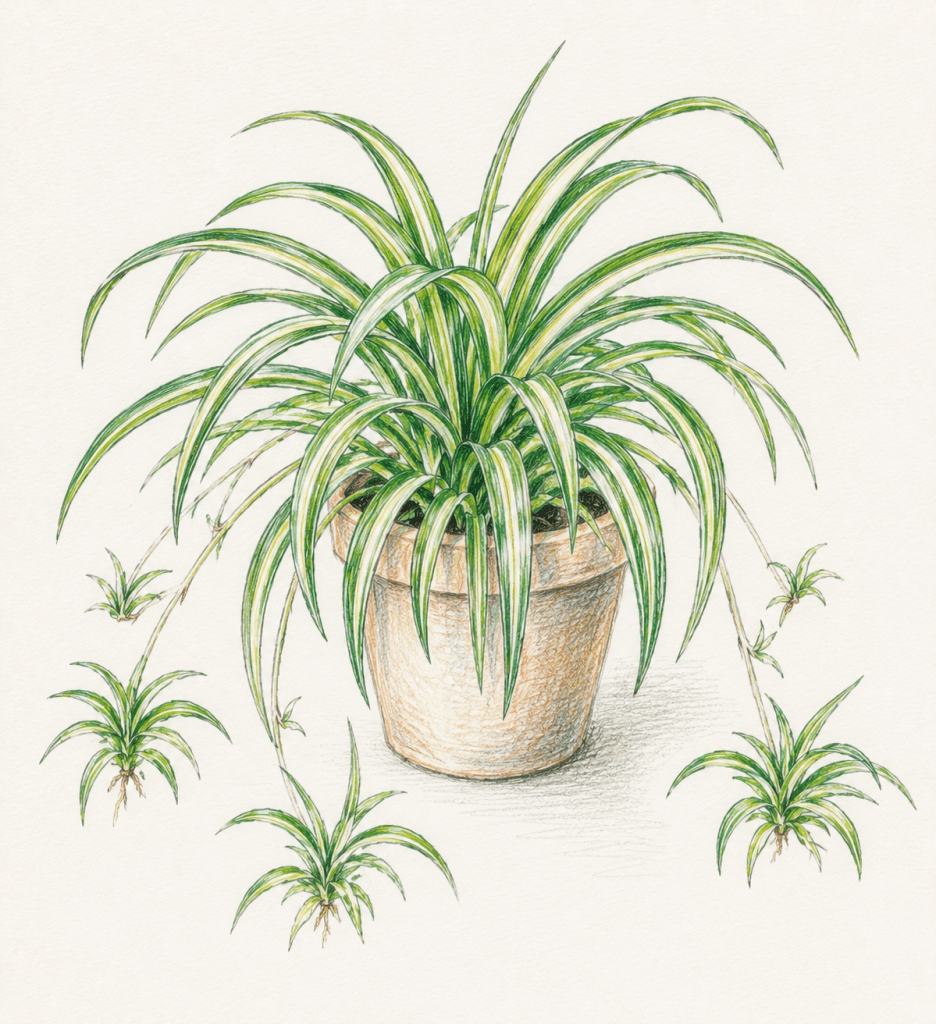
Spider Plant — The Easy Companion

Spider Plant, Chlorophytum comosum

Some plants demand attention. The spider plant quietly gets on with life.

Its arching striped leaves tumble beautifully from shelves or hanging pots, softening corners and brightening overlooked spaces without asking for very much in return.

It copes happily with fluctuating kitchen temperatures, occasional forgotten waterings and the general chaos of family life. Which perhaps explains why it has remained such a beloved kitchen plant for generations.

There is something wonderfully forgiving about it.

Even on weeks where life feels busy and slightly untidy, the spider plant continues looking optimistic regardless.

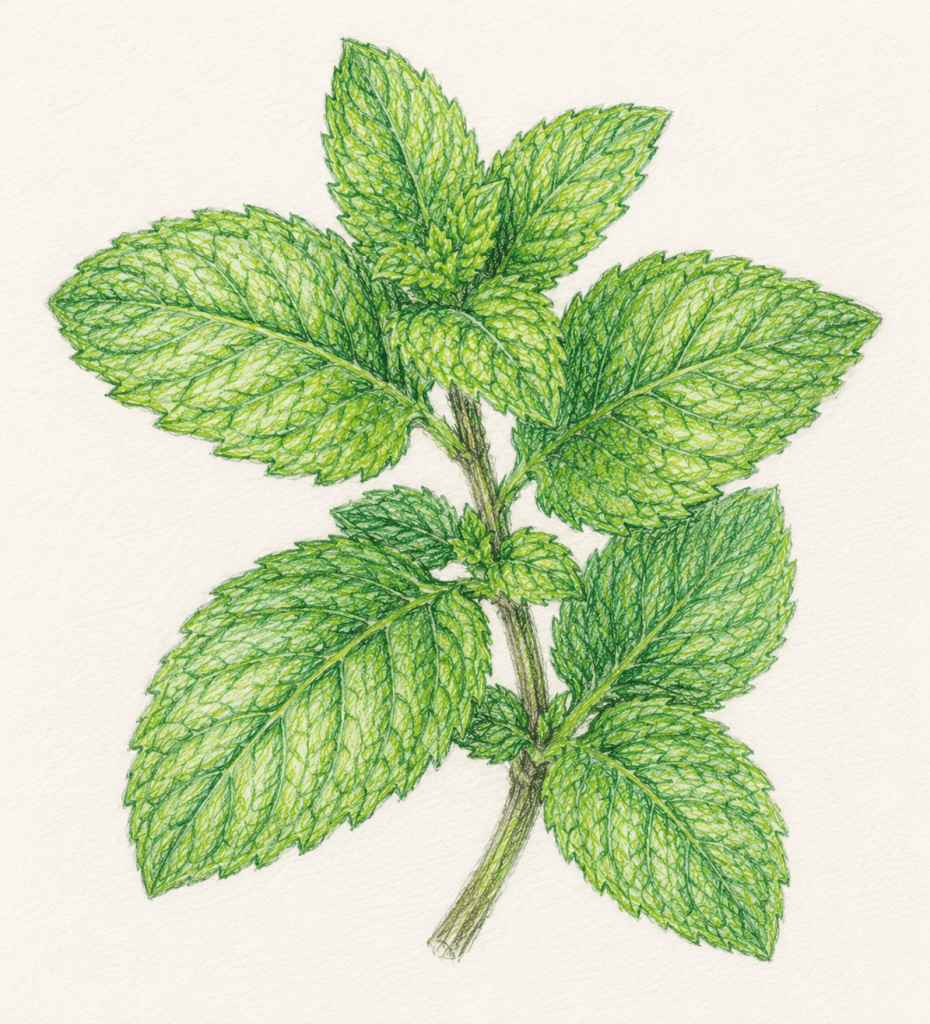
Mint — Freshness Beside the Kettle

Mint, Mentha spp.
Mint, Mentha spp.

A pot of mint beside the kitchen sink or near the back door feels wonderfully old-fashioned in the best possible way.

Useful. Fragrant. Full of life.

Its bright leaves grow quickly in warm kitchens and can be snipped throughout the year for tea, salads, summer drinks or scattered over roasted vegetables. And every time the leaves are brushed, they release that cool fresh scent that somehow makes the entire room feel cleaner and calmer.

There is comfort in reaching for fresh mint while the kettle boils on a rainy afternoon.

Small rituals matter more than people realise.

Aloe Vera — Quietly Practical Beauty

Aloe Vera, Aloe barbadensis miller

Not every kitchen plant needs to spill dramatically across shelves.

Aloe vera brings something calmer.

Its sculptural leaves and simple shape suit modern kitchens beautifully, particularly those filled with natural wood, pale ceramics and uncluttered surfaces. It asks for very little beyond sunlight and occasional watering, thriving happily on bright windowsills.

And while its clean architectural shape adds beauty, it also carries that satisfying sense of usefulness people have appreciated for centuries.

A practical plant.
A beautiful one.
And remarkably undemanding.

Which, honestly, many of us aspire to become.

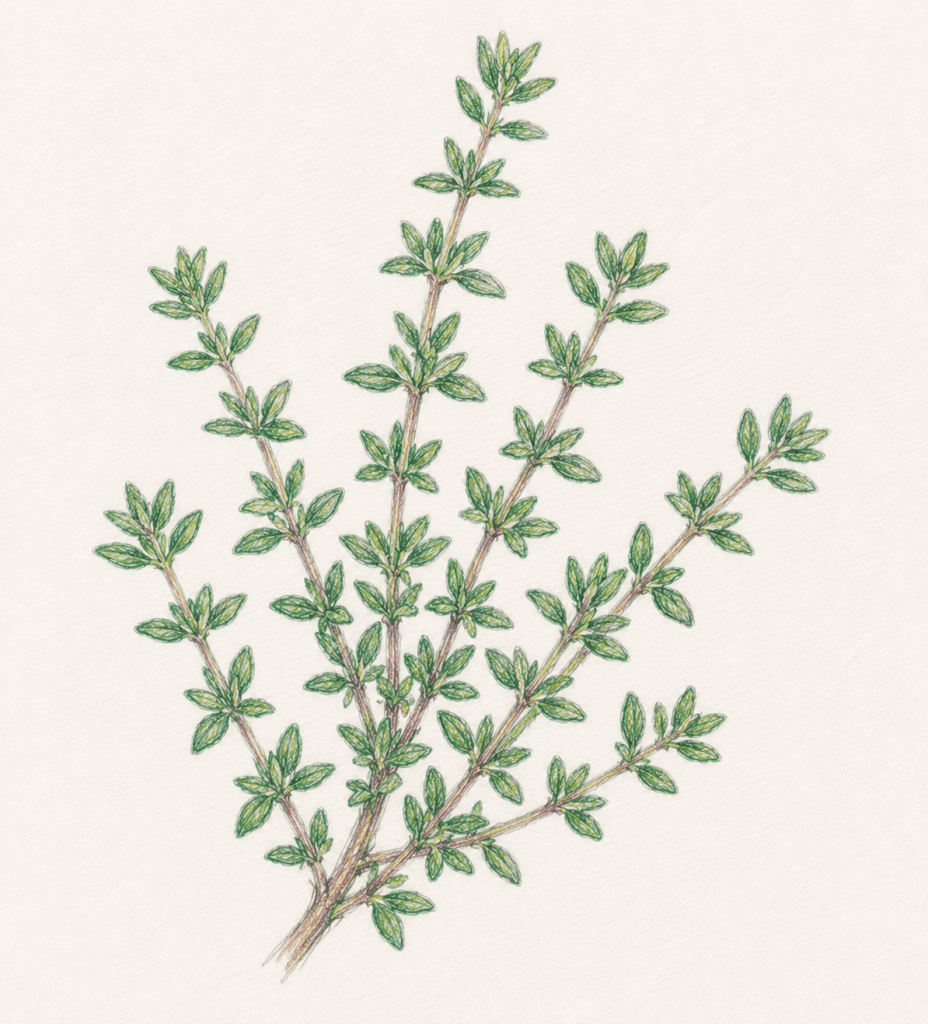
Thyme — Small Plant, Enormous Character

Thyme, Thymus vulgaris

Thyme may be delicate in appearance, but it carries the scent of entire summer gardens within its tiny leaves.

Warm, earthy and deeply aromatic, it thrives on sunny kitchen ledges where its woody stems gradually spill over the edges of small pots.

There is something rather lovely about growing thyme indoors. It creates a subtle connection between kitchen and garden, even during colder months when the weather outside feels grey and uninviting.

Snipping fresh thyme directly into soups, roasted vegetables or slow-cooked dishes turns ordinary cooking into something slower and more thoughtful somehow.

Peace Lily — Softness in Softer Light

Peace Lily, Spathiphyllum wallisii

Not every kitchen is flooded with sunshine all day long.

For kitchens with gentler light, the peace lily brings elegance without fuss. Its glossy green leaves and soft white flowers balance harder kitchen surfaces beautifully, adding calmness to busy spaces.

There is a quiet grace about peace lilies.

They do not shout for attention. They simply sit softly in the corner of a room, making everything around them feel calmer.

And in a world filled with noise, there is something rather valuable about that.

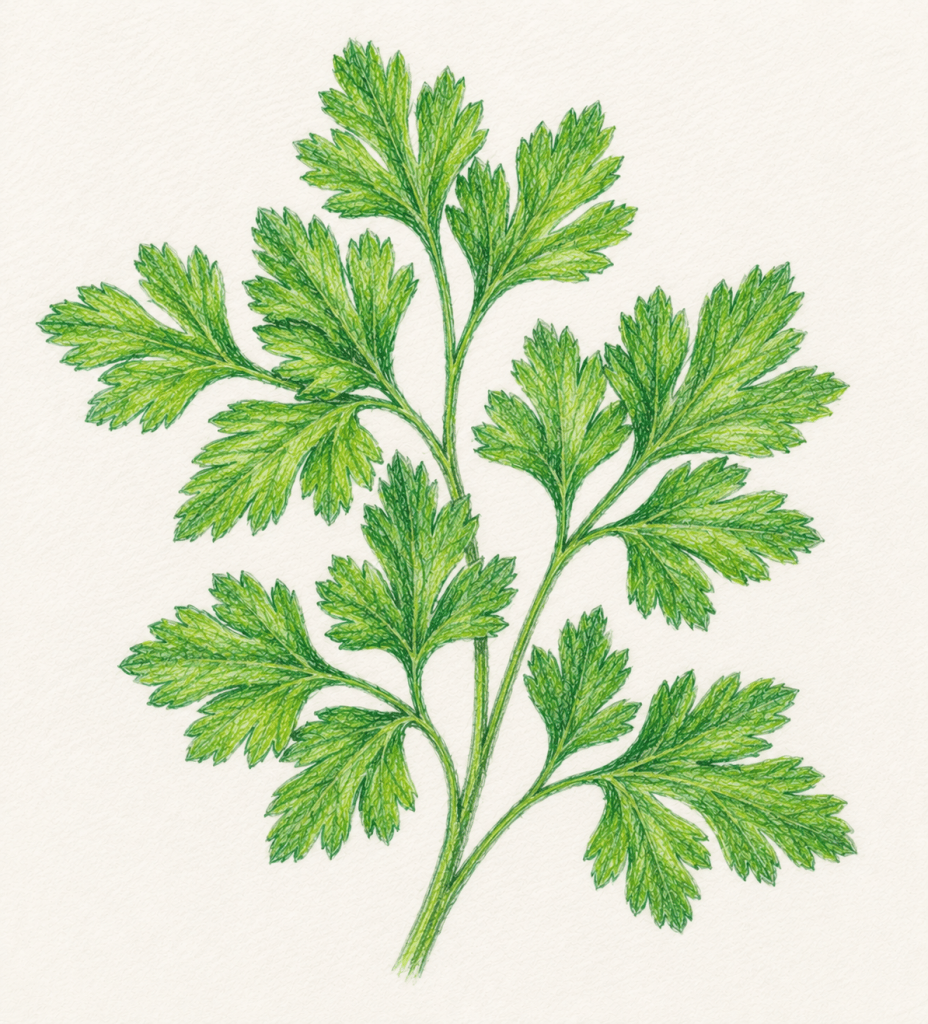
Parsley — Everyday Freshness

Parsley, Petroselinum crispum

Parsley is one of those herbs people underestimate until they begin growing it at home.

Bright, fresh and endlessly useful, it turns simple meals into something more vibrant. A small pot on the windowsill quickly becomes part of daily cooking — snipped into soups, salads, sauces and warm buttery potatoes.

Its crisp green leaves bring freshness into the kitchen year-round, particularly during winter when gardens outside may feel dormant.

And somehow, having fresh parsley within arm’s reach encourages slower cooking and better meals.

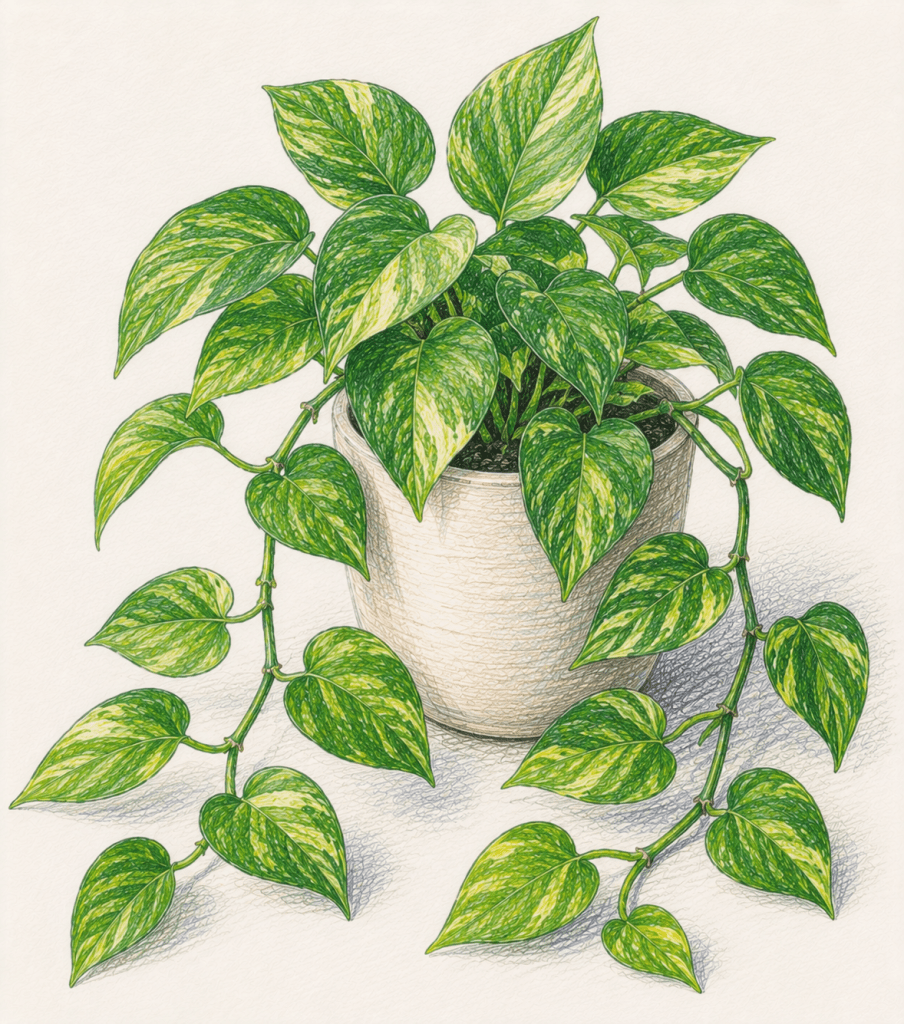
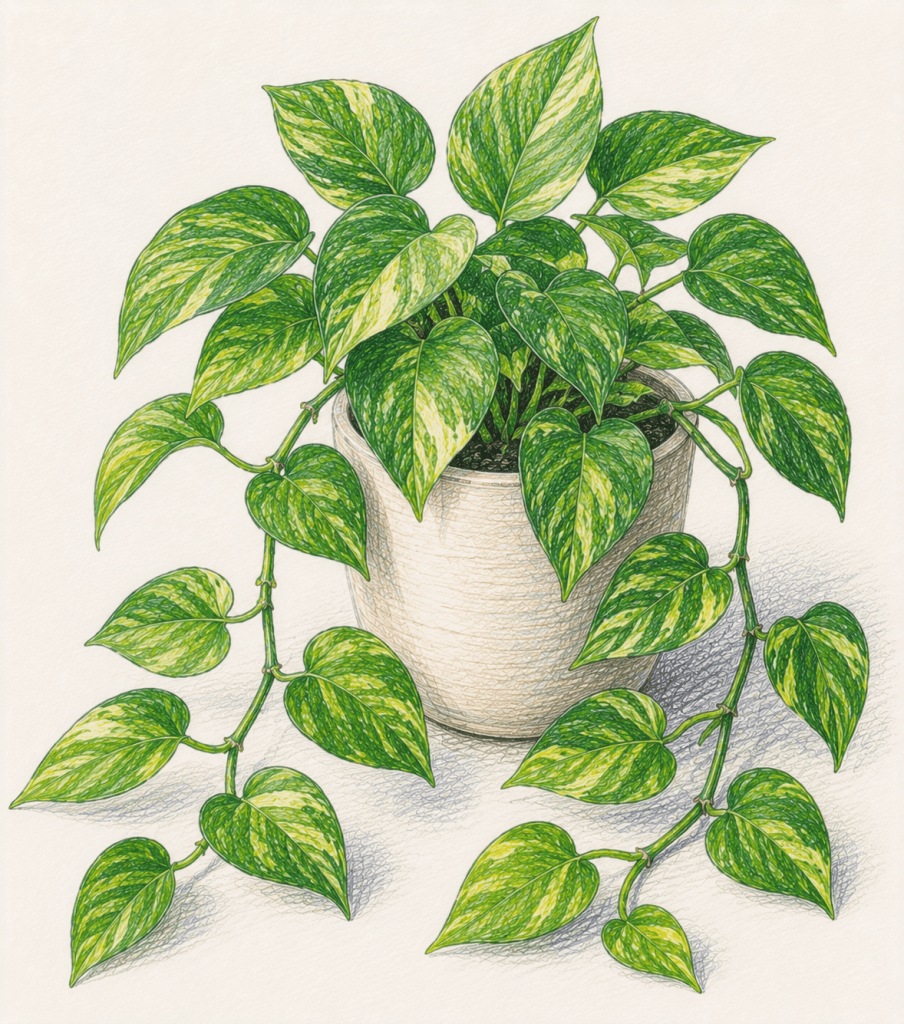
Pothos — A Softer, More Relaxed Kitchen

Pothos, Epipremnum aureum

Pothos has a wonderfully relaxed nature.

Its trailing vines tumble easily from shelves and cupboards, softening straight lines and bringing movement into kitchens filled with hard surfaces and sharp corners.

It thrives happily in warm indoor spaces and asks for very little care, making it perfect for busy homes where life rarely unfolds perfectly.

Allowed to trail naturally, pothos gives kitchens that comforting lived-in feeling — the sort of room where conversations stretch long after meals have finished.

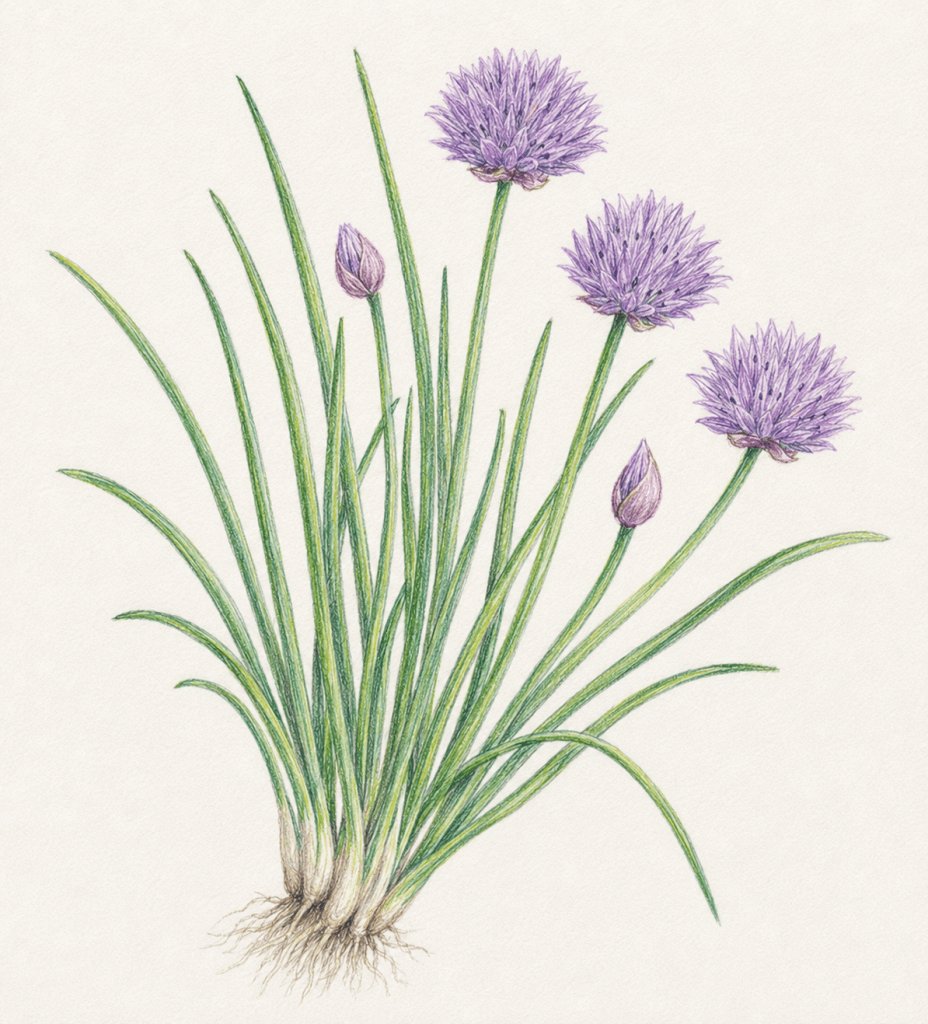
Chives — The Small Joy of Fresh Herbs

Chives, Allium schoenoprasum

There is something deeply satisfying about cutting fresh herbs moments before they reach the plate.

Chives are especially rewarding for this. Their slender green leaves grow happily on sunny windowsills and can be snipped regularly for salads, soups, omelettes and warm buttery dishes.

And when their soft purple flowers appear, they bring unexpected beauty too.

Simple.
Useful.
Cheerful.

Exactly the sort of plant kitchens seem to welcome best.

Why Kitchens Feel Better With Plants

Perhaps kitchens feel so right with plants because they have always been places connected to nourishment and growing.

Places where food is prepared slowly.
Where conversations happen.
Where people gather at the end of long days.
Where seasons quietly reveal themselves through herbs, fruits and familiar recipes.

A pot of basil beside the cooker.
Rosemary catching evening light.
Mint growing happily near the sink.
Trailing leaves softening shelves above stacks of mugs.

These are small details.

But they change how a room feels.

Not overly polished.
Not staged perfectly.

Simply warm.
Welcoming.
Alive.

And sometimes, in the middle of busy ordinary days, that little bit of living greenery beside the window is exactly what a kitchen needs.

If you’re ready to take your plant care to the next level, explore our range of houseplant tools designed to make gardening a breeze. Happy planting!

Further Reading:   Medicinal Garden HerbsThe Versatile Herb BorageGuide to Growing Herbs at HomeGrowing Herbs for Fish RecipesGrowing Herbs for Beef RecipesGrowing Herbs for Italian CookingRHS (Royal Horticultural Society) HouseplantsTransform your Home with Houseplants, Houseplants for the Bedroom, Houseplants for the Bathroom

Inspiration: Follow Us on InstagramThreads, BlueSkyTwitterTikTok and Pinterest.

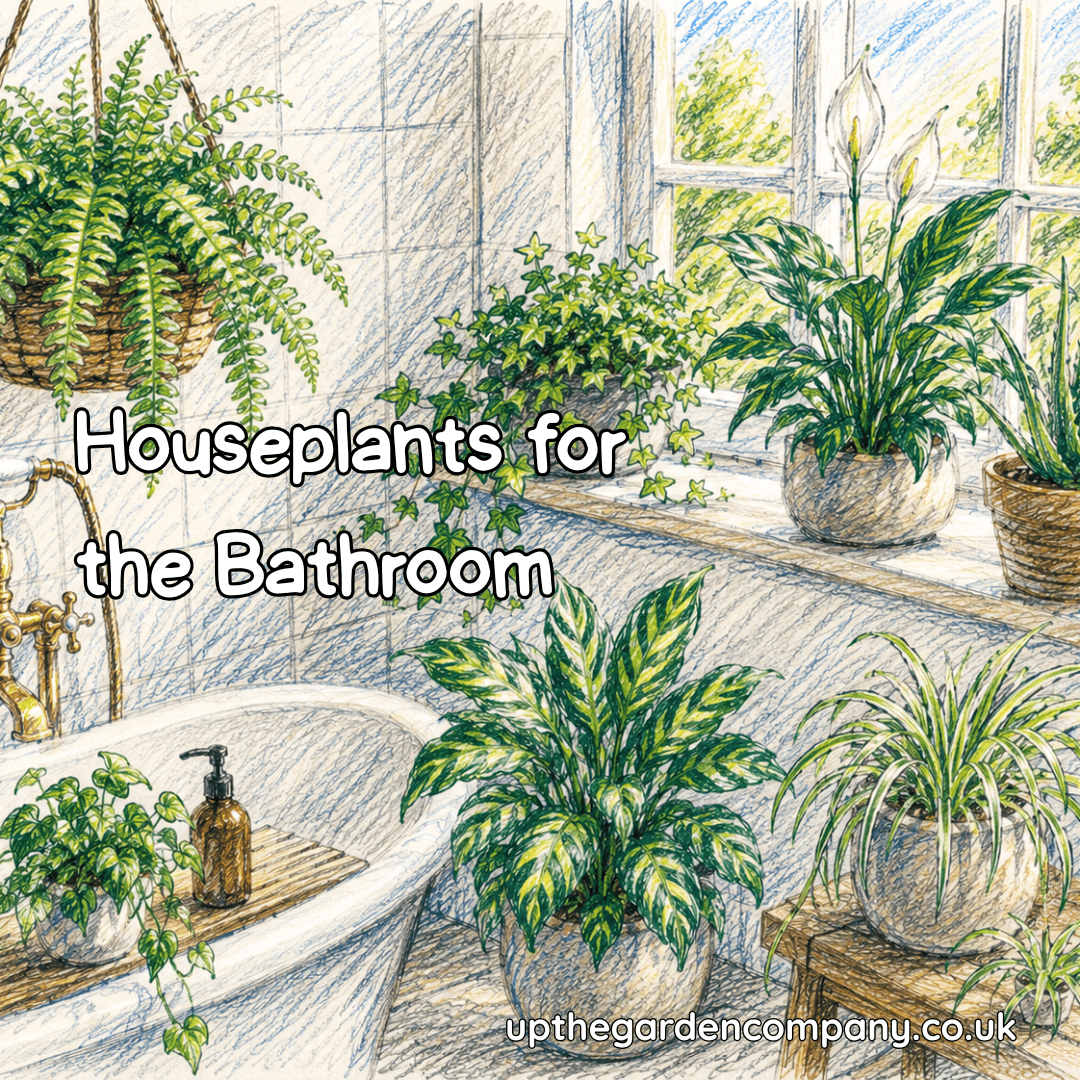
Houseplants for the Bathroom

Bathrooms are rarely thought of as places to grow things.

They are practical rooms first. Steam on mirrors. Towels warming on radiators. The quiet rhythm of mornings beginning and evenings slowing down. Yet step into a bathroom softened by plants and something changes almost immediately.

The air feels gentler somehow.

Light catches glossy leaves beside the basin. Fern fronds arch softly over the edge of a shelf. Moisture from a hot bath gathers around trailing ivy and tropical foliage in the same way mist settles through woodland undergrowth after rain.

Perhaps that is why houseplants suit bathrooms so beautifully. Many of the plants we grow indoors come originally from warm forests and humid tropical landscapes, where moisture hangs naturally in the air and sunlight filters softly through leaves above. Bathrooms recreate a little of that atmosphere almost by accident.

And in return, plants bring life into one of the most overlooked rooms in the house.

They soften hard edges. Quieten bright white surfaces. Turn hurried routines into moments that feel calmer, greener and more restorative.

Why Houseplants Thrive in Bathrooms

For many houseplants, bathrooms provide surprisingly ideal growing conditions.

The regular warmth created by baths and showers helps prevent plants drying out, while humidity keeps foliage lush and healthy. Rooms that might feel challenging elsewhere in the home can suddenly become perfect growing spaces for ferns, trailing plants and tropical foliage.

Even smaller bathrooms can support greenery beautifully.

A shelf above the basin. A trailing plant beside the mirror. A single orchid catching the morning light on the windowsill. Small additions often make the greatest difference.

And beyond appearance, bathroom plants help create a sense of retreat — something increasingly valuable in busy modern homes.

The Quiet Beauty of Greenery Beside Water

Some plants seem almost made for bathrooms.

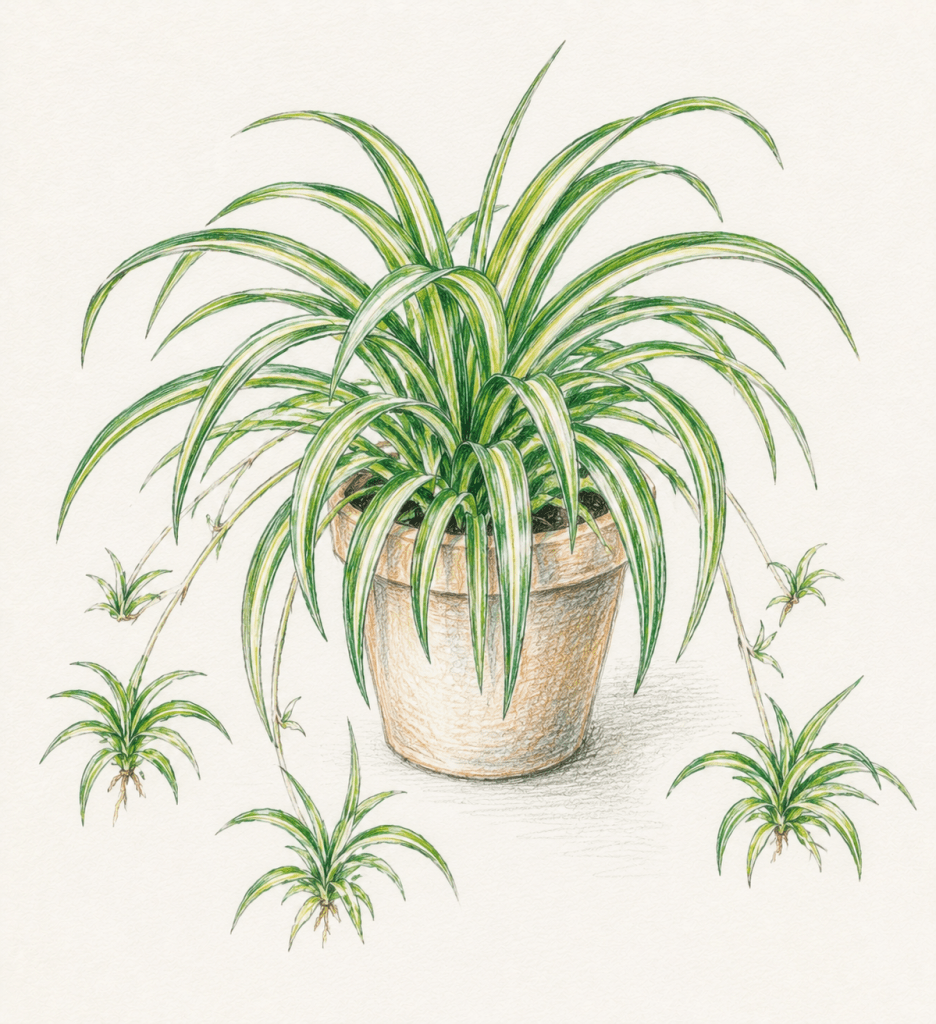
Spider Plant — Chlorophytum comosum

Spider Plant — Chlorophytum comosum

There is an ease about the spider plant that makes it instantly reassuring.

Its long striped leaves spill gently from shelves and hanging pots, bringing movement into smaller spaces without ever feeling overwhelming. Native to tropical regions of southern Africa, it copes happily with humidity and changing temperatures, making it wonderfully suited to bathrooms where steam regularly fills the air.

What makes spider plants especially appealing is their generosity. They ask for very little yet grow quickly, producing delicate baby plantlets that trail softly from the mother plant like tiny green stars suspended in the air.

Placed near a frosted window or tucked onto a shelf, they soften a bathroom almost immediately.

Boston Fern — Nephrolepis exaltata

Boston Fern — Nephrolepis exaltata

Few plants belong more naturally in a bathroom than a fern.

The Boston fern carries with it the atmosphere of old conservatories and shaded woodland walks. Its feathery fronds arch and tumble with a softness that transforms bright bathrooms into spaces that feel cooler, calmer and more sheltered.

Bathrooms provide the moisture-rich air ferns crave. In drier rooms their fronds often crisp at the edges, but beside baths and showers they remain lush and vibrant.

There is something deeply restorative about a fern in steam-filled light.

Peace Lily — Spathiphyllum wallisii

Peace Lily — Spathiphyllum wallisii

The peace lily has a quiet elegance to it.

Its glossy dark leaves and simple white flowers bring calmness rather than drama, which perhaps explains why it works so beautifully in bathrooms. It tolerates lower light conditions remarkably well and appreciates the warmth and humidity naturally found there.

The flowers themselves seem almost luminous against darker foliage, particularly in softer morning light.

A peace lily beside the sink or bath creates a sense of stillness within the room — uncluttered, restful and quietly beautiful.

Aloe Vera — Aloe barbadensis miller

Aloe Vera — Aloe barbadensis miller

Aloe vera brings a different sort of beauty altogether.

Its sculptural leaves and pale green tones add clean architectural lines to bathroom shelves and windowsills, particularly in more modern spaces. Yet beneath that striking appearance lies practicality too.

For centuries aloe vera has been valued for the cooling gel contained within its fleshy leaves, traditionally used to soothe dry or irritated skin.

Bathrooms suit aloe perfectly because they provide warmth without demanding constant care. Positioned somewhere bright, it becomes both useful and decorative at once.

Snake Plant — Dracaena trifasciata

Snake Plant — Dracaena trifasciata

Tall and wonderfully structured, the snake plant thrives where many others struggle.

Its upright leaves bring height into awkward corners and narrow spaces while requiring remarkably little attention. Humidity does not trouble it, nor do lower light levels often found in smaller bathrooms.

For busy households or first-time plant owners, it is one of the easiest choices available.

Yet despite its resilience, it never feels ordinary. The beautifully patterned leaves catch light in subtle ways that give the plant an almost sculptural presence indoors.

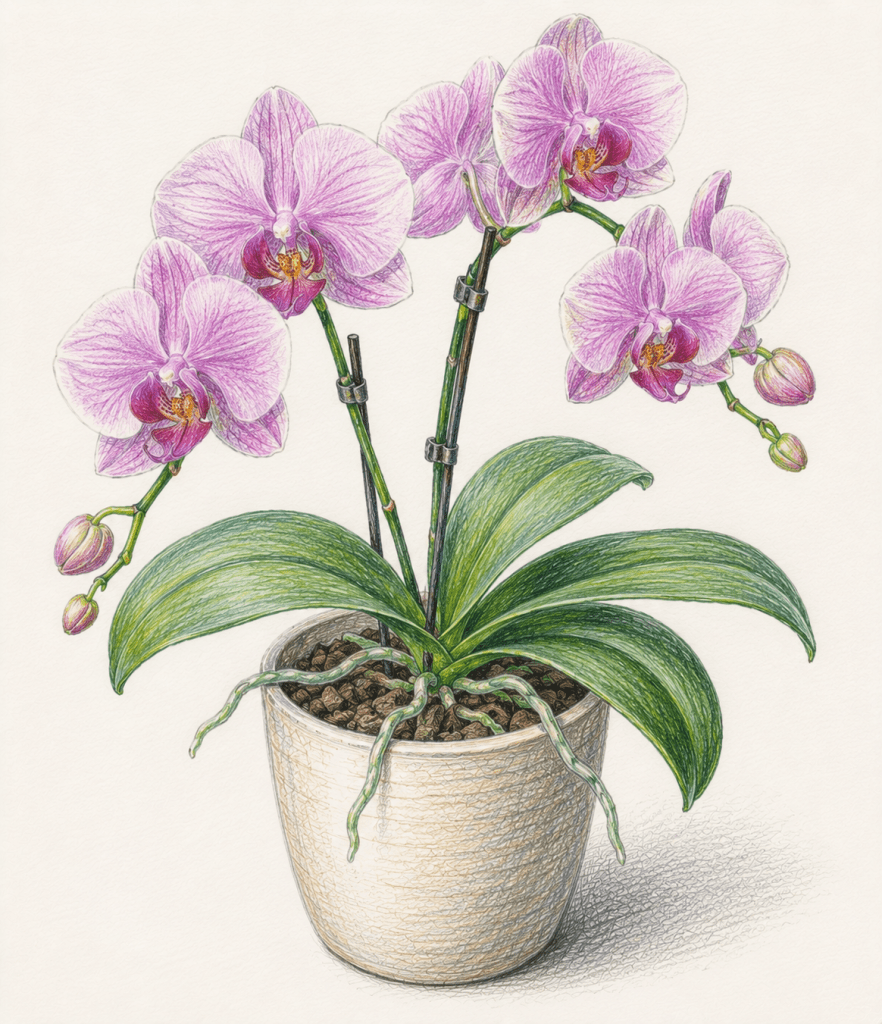
Orchids — Phalaenopsis species

Orchids — Phalaenopsis species

Bathrooms can be unexpectedly perfect places for orchids.

The gentle warmth and moisture created by showers mimic the humid tropical conditions many orchids naturally grow in. Given enough natural light, they often flourish beautifully in bathrooms, producing long-lasting blooms that bring elegance without clutter.

An orchid beside the basin changes the feeling of an ordinary weekday morning.

Suddenly the room feels more thoughtful somehow. Softer. Slower.

Their flowers hover delicately above glossy leaves, bringing colour and refinement while still feeling entirely natural.

Pothos — Epipremnum aureum

Pothos — Epipremnum aureum

Pothos has an effortless abundance about it.

Its trailing stems weave easily across shelves and cupboards, softening mirrors, tiles and hard surfaces with cascading greenery. It tolerates lower light remarkably well and grows quickly in humid conditions, making bathrooms ideal environments for it.

In smaller bathrooms especially, pothos helps create the feeling of lushness without requiring much space at all.

And because it is so forgiving, it suits almost any home.

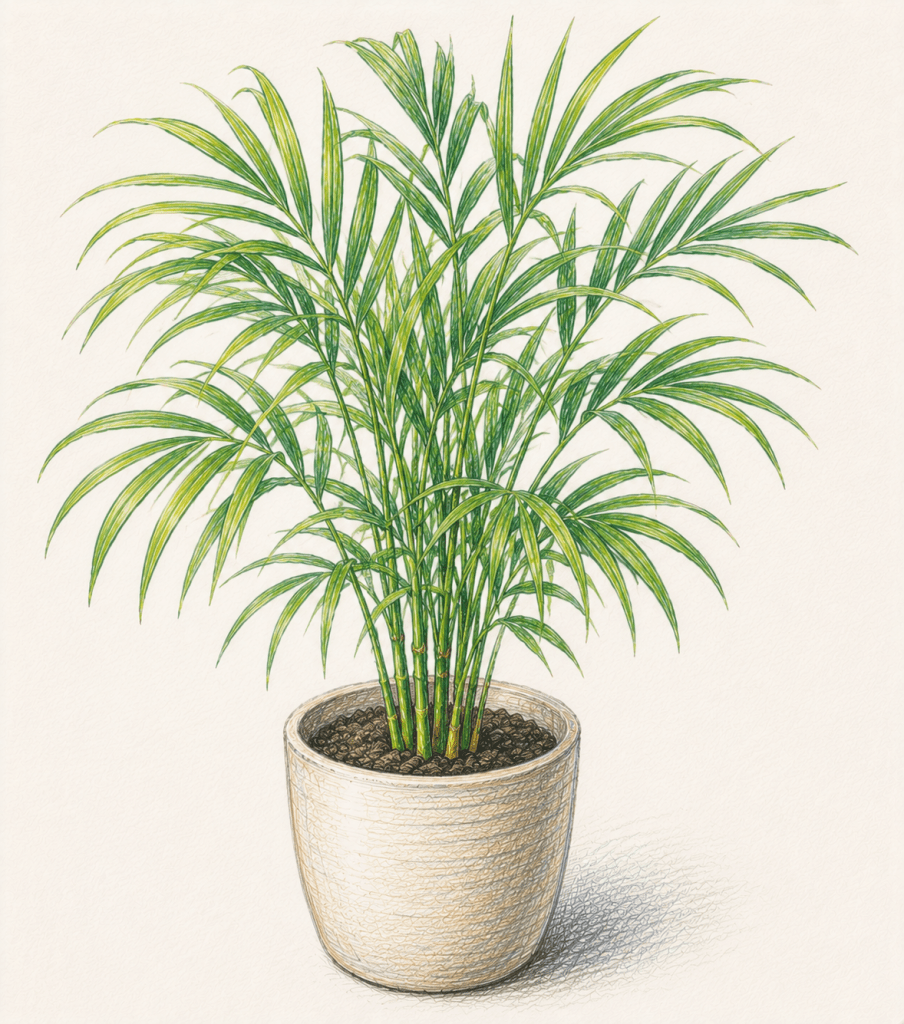
Bamboo Palm — Chamaedorea seifrizii

Bamboo Palm — Chamaedorea seifrizii

For larger bathrooms, few plants create atmosphere as beautifully as a bamboo palm.

Its elegant fronds move gently with passing air and bring a distinctly tropical softness into the room. Positioned beside a freestanding bath or near a bright window, it can completely alter the character of the space.

Bathrooms often provide exactly the humidity palms enjoy, helping their foliage remain healthy and vibrant.

There is something quietly luxurious about a palm in a bathroom — though not in a grand hotel sense. More personal than that. More relaxed.

English Ivy — Hedera helix

English Ivy — Hedera helix

English ivy carries a sense of age and familiarity with it.

Trailing naturally from shelves or winding softly around windows, it brings echoes of old garden walls and shaded cottage paths indoors. Bathrooms suit it particularly well because the humidity helps keep foliage fresh and healthy.

Allowed to grow freely, ivy softens the sharper edges of tiled rooms beautifully.

It feels timeless rather than fashionable.

ZZ Plant — Zamioculcas zamiifolia

ZZ Plant — Zamioculcas zamiifolia

The ZZ plant is wonderfully resilient.

Its glossy dark leaves reflect light into shadowed corners, making even smaller bathrooms feel brighter and more alive. It tolerates lower light, irregular watering and fluctuating temperatures with remarkable ease.

Yet despite being practical, it remains strikingly elegant.

For people who want greenery without constant maintenance, few plants are more forgiving.

Creating a Bathroom That Feels Calm and Restorative

Plants change bathrooms in subtle but important ways.

A fern beside the bath softens the room. Ivy trailing gently from a shelf introduces movement. A peace lily catches pale morning light while steam curls quietly around its leaves.

These are small things perhaps, yet they alter the atmosphere entirely.

The room feels less functional. More lived in. More connected to the natural world beyond the walls of the house.

And perhaps that is why bathroom plants matter more than simple decoration.

They remind us that even ordinary spaces can hold beauty. That routines can feel calmer. That greenery still has the power to slow a room down.

Sometimes all it takes is a little steam, a little light, and a leaf quietly unfurling in the corner to make a home feel alive again.


If you’re ready to take your plant care to the next level, explore our range of houseplant tools designed to make gardening a breeze. Happy planting!

Further Reading:   Medicinal Garden HerbsThe Versatile Herb BorageGuide to Growing Herbs at HomeGrowing Herbs for Fish RecipesGrowing Herbs for Beef RecipesGrowing Herbs for Italian Cooking, RHS (Royal Horticultural Society) Houseplants, Transform your Home with Houseplants, Houseplants for the Bedroom, Houseplants for the Kitchen

Inspiration: Follow Us on InstagramThreads, BlueSkyTwitterTikTok and Pinterest.
Transform Your Home with Houseplants

Houseplants are more than just decorations. They bring life, colour and greenery into your home, creating a serene and vibrant atmosphere.  Houseplants can transform your living space.

But there’s more to them than aesthetics. Houseplants can elevate your mood and enhance your well-being. Imagine waking up to a lush green corner in your living room or working beside a vibrant plant on your desk. These touches of nature can reduce stress and make your home a haven of relaxation.

Furthermore, houseplants are natural air purifiers. They absorb toxins and release oxygen, improving indoor air quality. This is particularly beneficial for urban dwellers who may not have access to fresh air regularly. A breath of clean air can do wonders for your health and comfort.

Most houseplants originate from warmer climates, making them perfect for home environments. They thrive in conditions similar to their native habitats, where temperatures are consistent and humidity levels are moderate.

To ensure your houseplants flourish, place them in bright, indirect light. Direct sunlight can scorch their leaves, so it’s best to avoid placing them in spots where the sun’s rays hit directly. Instead, choose locations where they receive filtered light, such as near a north or east-facing window.

Remember, each plant has its preferences. While some love the warmth and humidity of a bathroom, others might prefer the cooler, drier conditions of a bedroom. Understanding your plant’s needs is key to creating a thriving indoor garden.

Taking care of houseplants might seem daunting, but with a few simple tips, you can ensure they stay healthy and vibrant. One essential task is keeping the leaves dust-free. Dust can block sunlight and hinder photosynthesis, so regularly wipe the leaves with a damp cloth.

If you want to make your plant leaves shiny, use natural remedies like a mixture of water and milk. Gently wipe the leaves with this solution to give them a healthy sheen. Avoid commercial leaf shine products, as they can clog pores and damage the plant.

Watering is another crucial aspect of plant care. Be mindful not to overwater or underwater your plants. Overwatering can lead to root rot, while underwatering can cause wilting and leaf drop. A good rule of thumb is to check the soil moisture before watering. If the top inch of soil is dry, it’s time to water.

Rainwater is better than tap water for most plants, as it is free from chemicals like chlorine and fluoride. Collect rainwater in a container and use it to hydrate your plants. If rainwater is not available, allow tap water to sit for 24 hours before using it, which allows some of the chemicals to dissipate.

To combat dry indoor air, mist your plants regularly or place them on a tray filled with pebbles and water. This creates a humid micro-environment around the plants, preventing them from drying out.

Sometimes, despite our best efforts, plants suffer from overwatering or underwatering. But don’t worry; you can still save them with the right approach.

For overwatered plants, the key is to remove excess water and allow the soil to dry out. Gently remove the plant from its pot and inspect the roots. Trim any mushy or rotten roots, and repot the plant in fresh, well-draining soil. Reduce watering frequency and ensure the pot has adequate drainage.

Underwatered plants often show signs of wilting and dry, crispy leaves. To rescue them, submerge the plant’s pot in a bucket of water for 30 minutes, allowing the soil to absorb moisture. Afterward, water the plant thoroughly and establish a regular watering routine.

Houseplants can occasionally attract pests like scale insects, mealybugs, and fungus gnats. Early detection and prompt action are crucial to keeping your plants healthy.

Scale insects appear as small, brown bumps on stems and leaves. To manage them, gently scrape them off with a soft brush or cotton swab dipped in rubbing alcohol. Regularly inspect your plants and remove any new infestations promptly.

Mealybugs look like tiny, white cotton balls and often hide in leaf joints. To control them, use a mixture of water and mild dish soap. Spray the affected areas and wipe off the pests with a cloth. Repeat this process until the infestation is under control.

Fungus gnats are small, flying insects that thrive in damp soil. To prevent them, allow the soil to dry out between waterings. You can also place yellow sticky traps near the plants to catch the gnats. For severe infestations, consider using beneficial nematodes, which are natural predators of fungus gnat larvae.

Repotting is essential for maintaining healthy houseplants. It provides fresh soil, more space for root growth, and prevents the buildup of salts and minerals. But how do you know when it’s time to repot?

Look for signs like roots growing out of the drainage holes, soil drying out quickly after watering, or the plant becoming top-heavy. If you notice any of these, it’s time to repot.

To repot, choose a pot that is one size larger than the current one. Gently remove the plant from its pot, loosen the root ball and trim any dead or damaged roots. Place the plant in the new pot with fresh soil, ensuring it’s planted at the same depth as before. Water thoroughly and place the plant back in its usual spot.

Best Houseplants for Bathrooms

Bathrooms can be challenging environments for houseplants due to fluctuating humidity levels and low light. However, some plants thrive in these conditions.

The Spathiphyllum Wallisii (Peace Lily) is an excellent choice for bathrooms. It loves the high humidity and indirect light and its white blooms add a touch of elegance. Another great option is the Nephrolepis exaltata ‘Bostoniensis’ (Boston Fern), which thrives in moist environments and can tolerate low light.

If you prefer something smaller, consider the Chlorophytum comosum  (Spider Plant). It’s easy to care for and can handle the humidity and occasional low light of a bathroom. Plus, its arching leaves and baby “spiders” add a playful touch.

Best Houseplants for Kitchens

Kitchens are often warm and bright, making them ideal for a variety of houseplants. The Aloe barbadensis miller (Aloe Vera) plant is a popular choice, known for its healing properties and ability to thrive in bright light. Place it on a sunny windowsill, and you’ll have a handy remedy for minor burns and cuts.

Best Houseplants for Bedrooms

Bedrooms are sanctuaries of rest and relaxation, and the right houseplants can enhance this tranquil atmosphere. The Snake Plant, also known as Mother-in-Law’s Tongue, is perfect for bedrooms. It releases oxygen at night, promoting better sleep. It’s also low-maintenance and can tolerate low light.

If you prefer a hanging plant, the Hedera helix (English Ivy) is a great option. It thrives in medium to low light and can purify the air by removing toxins. Hang it in a corner to add a touch of greenery without taking up floor space.

Houseplants for Dimly Lit Areas

Not all parts of your home receive ample sunlight, but that doesn’t mean they can’t host beautiful houseplants. The Zamioculca Zamiifolia (the ZZ Plant) is an excellent choice for low-light areas. Its glossy, dark green leaves can brighten up any dim corner. It’s also drought-tolerant and requires minimal care.

The Aspidistra Elatior (Cast Iron Plant) is another hardy plant that thrives in low light. It’s named for its durability and can withstand neglect. Place it in a dark corner, and it will continue to grow steadily.

For a touch of elegance, consider the Agalonema anyamanee (Chinese Evergreen). Its variegated leaves add visual interest, and it can tolerate low light and infrequent watering. It’s a perfect addition to hallways or rooms with minimal natural light.

Houseplants for Sunny Windowsills

If you have a sunny windowsill, take advantage of the abundant light to grow sun-loving houseplants. The Crassula ovata (Jade Plant) is a popular choice, known for its thick, fleshy leaves and easy care. It thrives in bright light and can store water in its leaves, making it drought-tolerant.

The Aloe barbadensis miller (Aloe Vera) plant also loves sunny spots. Its spiky, succulent leaves add a touch of desert charm to your windowsill. Plus, having fresh aloe on hand is always useful for minor skin irritations.

For a splash of colour, consider a Peragolium (Geranium). Its vibrant blooms come in various shades and can brighten up any sunny windowsill. Keep it in direct sunlight and water when the soil is dry.

Houseplants are more than just decorations; they’re living companions that bring joy, beauty and health benefits to your home. Whether you’re a seasoned plant enthusiast or just starting, there’s a houseplant for every room and every level of expertise.

By understanding their needs and providing proper care, you can create a thriving indoor garden that enhances your living space. From boosting your mood to improving air quality, houseplants have so much to offer.

If you’re ready to take your plant care to the next level, explore our range of houseplant tools designed to make gardening a breeze. Happy planting!

Further Reading: RHS (Royal Horticultural Society) Houseplants

Mastering Houseplant Care

In recent years, there has been a noticeable, refreshing ‘green’ movement in the hearts of our homes. Houseplants, once relegated to the status of mere decorations, are now celebrated for their air-purifying qualities, aesthetics and even their ability to boost our mental well-being. The appeal of bringing the outside indoors is undeniable, but for many, keeping those leafy companions thriving can be a challenge. Fortunately, with a little bit of know-how, you can transform your living spaces into verdant sanctuaries. Here are the essential houseplant care tips and insights that will ensure your indoor greenery flourishes.

1. Understanding Your Plant’s Needs

Just as you and I need certain conditions to live well, so do plants. Understanding your plant’s specific requirements is crucial. Begin by identifying the species you have, noting its common traits. Most houseplants fall into either of the two broad categories: those that thrive in direct sun and those that prefer the shade. Research the light, water and temperature needs of your particular plant and set up the right environment.

2. Selecting the Ideal House Plant

There’s more to choosing a houseplant than simply picking the one that catches your eye. Not all plants will thrive in the same living conditions. Before adoption, consider the position of your plant. Is it for a well-lit tabletop, a shadowy corner or can it hang from the ceiling in the middle of the room? Go for plants like peace lilies that can tolerate low light if your space doesn’t receive much sunshine. Conversely, cacti and succulents do well in bright, warm areas.

3. The Aesthetic and Health Benefits of Houseplants

Houseplants go beyond being pretty objects; they are working wonders day and night. They improve air quality by converting carbon dioxide into oxygen, and some plants are better at it than others. Aloe vera and snake plants, for example, are top-notch air purifiers. Additionally, the sights and smells of greenery can help reduce stress and create a soothing atmosphere at home.

4. Setting Up the Perfect Living Arrangement

The best location for your houseplant can make all the difference. Avoid placing them near drafty windows, heat sources, or air conditioning units. Maintain a distance from cold glass surfaces which can shock the plant’s root system. Instead, consider installing a humidifier close by, which can provide added moisture your houseplants will appreciate, especially during the winter months.

5. Watering Wisdom

Here’s where many people go wrong. Overwatering can be as perilous as neglect. Check the soil before watering by inserting your finger about an inch deep; if it feels dry, your plant likely needs water. The amount of water your houseplant requires will depend on the type, the size of the pot, and the season. For instance, most plants will need less water in winter when their growth is slower.

6. The Art of Feeding

Plants need nutrients to grow and be strong. The three major nutrients are nitrogen (N), phosphorus (P), and potassium (K), found in most fertilizers. During the growing season (spring and summer), fertilize your plants every two to four weeks, and then cut back or stop altogether during the winter. Always keep an eye out for signs of nutrient deficiencies, such as yellowing leaves.

7. Giving Them Space to Breathe

You may have noticed that the ‘plant’ section at your local store is not just for buying plants. Oh no, there are also pots, soil, and plant food. Choosing the right pot and soil is vital. A pot with a drainage hole is a must to help prevent soggy roots, and opt for well-draining soil, especially for those that need to dry out between waterings.

8. Reading Your Plant’s Body Language

Nature often provides early signs of distress, and your plants are no different. Drooping leaves may indicate under or over-watering, while brown tips might mean the air is too dry. Pests can also be an issue. Regular inspection can help you catch any problems early and take appropriate action.

9. Seasonal Adjustment

Just like us, plants experience highs and lows throughout the year. Many indoor plants are actually natives to tropical regions, which means they prefer warm, humid environments. In colder seasons, give them a break by watering less and considering their position in the house. If yours are situated close to a window in winter, make sure it’s one that doesn’t get too chilly.

10. The Healing Power of Pruning and Maintenance

Pruning encourages healthy growth by removing dead or unhealthy parts of the plant. It can also help maintain an attractive shape and size, especially for larger indoor plants. Always use clean, sharp scissors or shears to avoid transmitting diseases to your plant. Regularly dusting the leaves of your plants can also keep pests at bay and improve their ability to photosynthesise effectively.

Houseplants are not just delightful companions; they also offer an opportunity to nurture life and connect with nature in the comfort of our homes. By following these houseplant care tips, your indoor garden can not only survive but thrive. Remember, every leaf and petal has a story to tell—listen to what your plants are saying, and you’ll cultivate a bond as strong and enduring as the very roots they depend on for life.

Take a look at our Indoor Gardening Range.

Further Reading: RHS Houseplants

For Daily Gardening Inspiration Follow Us on Instagram