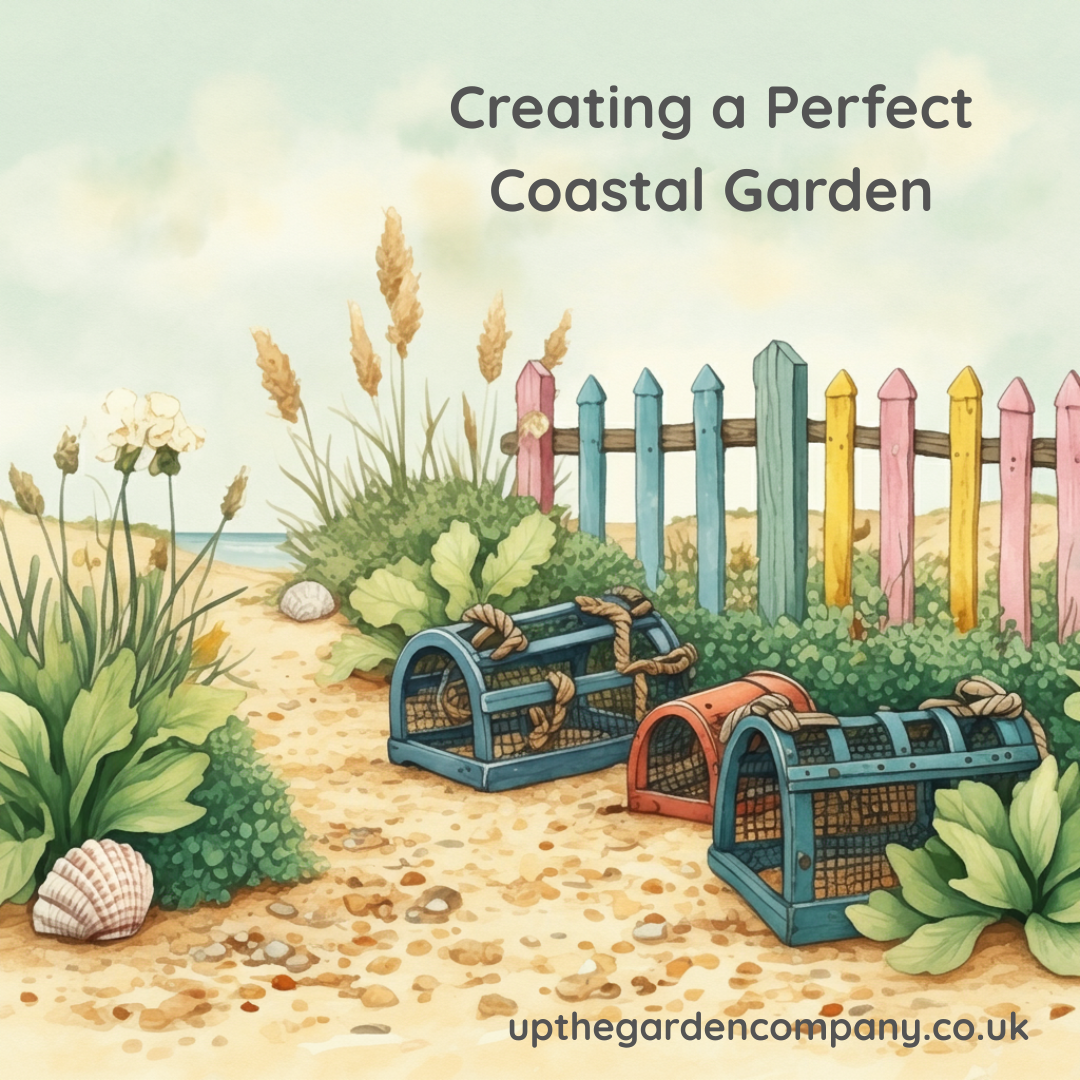
Creating a Perfect Coastal Garden

The sound of crashing waves, the feel of sea breeze on your skin and the sight of endless horizons make coastal living truly special. But these same elements that make seaside locations so appealing can present unique challenges for gardeners. Salt-laden winds, intense sunlight and sandy soils require a different approach to garden design than traditional inland spaces.

Creating a beautiful coastal garden isn’t just about choosing the right plants—it’s about understanding how to work with nature’s forces rather than against them. The key lies in embracing the coastal environment and designing a space that thrives in these conditions whilst capturing the relaxed, natural beauty of seaside living.

Whether you’re dealing with a clifftop plot, a beachside cottage garden or simply want to bring coastal charm to your outdoor space, this guide will help you create a garden that’s both stunning and resilient. You’ll discover which plants flourish in salty conditions, how to choose materials that withstand coastal weather and design principles that capture the essence of seaside style.

Understanding Coastal Garden Conditions

Coastal gardens face a unique set of environmental challenges that don’t exist in inland locations. Understanding these conditions is the first step towards creating a thriving seaside space.

Salt Spray and Wind Exposure

The most significant challenge for coastal gardens is salt spray carried by sea winds. This salt can damage plant foliage, causing leaf burn and stunted growth in sensitive species. The closer your garden is to the shoreline, the more intense this effect becomes.

Wind exposure is equally challenging. Coastal winds are often stronger and more persistent than inland breezes, causing physical damage to plants and increased water loss through transpiration. These winds can also carry sand and debris, further stressing your plants.

Intense Sunlight and Heat

Coastal locations often experience more intense sunlight due to reflection off water and sand. This increased UV exposure can scorch delicate plants and cause rapid soil drying. The combination of salt, wind and intense sun creates a harsh environment that requires careful plant selection.

Soil Conditions

Many coastal gardens have sandy, free-draining soils that are naturally low in nutrients. Whilst this provides excellent drainage, it also means plants can struggle to retain moisture and nutrients. Some coastal areas may also have elevated soil pH levels due to shell fragments and limestone presence.

Seasonal Weather Variations

Coastal weather can be unpredictable, with sudden storms bringing high winds and salt spray further inland. However, proximity to water also moderates temperature extremes, often providing frost protection in winter and cooling in summer.

What Defines Coastal Garden Style

Coastal garden design draws inspiration from natural seaside landscapes, creating spaces that feel organic and weather-beaten whilst maintaining structure and beauty. This style embraces informality and celebrates plants that thrive in maritime conditions.

Key Design Principles

The coastal style favours naturalistic plantings over formal arrangements. Plants are often allowed to grow into their natural shapes, creating the windswept appearance characteristic of seaside vegetation. Repetition of hardy plants creates rhythm and unity whilst ensuring resilience.

Layered plantings work particularly well, with taller, salt-tolerant shrubs providing shelter for more delicate plants behind them. This creates microclimates within your garden and allows you to grow a wider range of species.

Colour Palettes

Coastal gardens typically feature colours that echo the seaside environment. Blues and whites predominate, reflecting sky and foam, whilst silvers and greys mirror driftwood and weathered surfaces. Purple and pink flowers add gentle colour without competing with the natural backdrop.

Avoid intense, tropical colours that can look out of place in temperate coastal settings. Instead, embrace the subtle beauty of muted tones that harmonise with the natural environment.

Essential Plants for Coastal Gardens

Selecting the right plants is crucial for coastal garden success. Focus on species that naturally tolerate salt, wind and sun exposure.

Salt-Tolerant Trees and Large Shrubs

Tamarisk (Tamarix) provides excellent windbreak protection with its feathery foliage and pink flowers. These hardy trees actually prefer sandy soil and salt spray, making them ideal for exposed coastal positions.

Sea Buckthorn (Hippophae rhamnoides) offers silvery foliage and bright orange berries on female plants. It’s extremely salt tolerant and provides excellent wildlife value whilst creating effective wind protection.

Pine species, particularly Pinus nigra (Austrian Pine) and Pinus pinaster (Maritime Pine), naturally thrive in coastal conditions. Their needle-like leaves resist salt damage whilst their strong root systems anchor them against wind.

Olearia species, also known as daisy bushes, produce masses of white flowers and have naturally salt-resistant foliage. They’re excellent for creating informal hedging or specimen plantings.

Hardy Perennials and Grasses

Sea Holly (Eryngium maritimum) is the quintessential coastal plant, with spiky blue flowers and deeply cut silvery foliage. It thrives in poor, sandy soils and looks spectacular in naturalistic plantings.

Thrift (Armeria maritima) forms neat cushions of grass-like foliage topped with pink or white pompom flowers. It’s perfect for edging paths or creating drifts of colour in rockeries.

Ornamental grasses such as Festuca glauca (Blue Fescue) and Stipa tenuissima (Mexican Feather Grass) add movement and texture whilst tolerating salt and drought conditions.

Catmint (Nepeta) provides long-lasting purple-blue flowers and aromatic foliage. It’s extremely hardy and attracts beneficial insects whilst deterring pests.

Ground Cover and Rock Plants

Sedum species are perfect for coastal conditions, storing water in their succulent leaves and producing colourful flowers. Sedum spectabile and Sedum ‘Autumn Joy’ are particularly effective.

Rock Rose (Helianthemum) produces papery flowers in various colours and thrives in poor, well-drained soils. It’s excellent for covering banks or filling gaps between rocks.

Thyme varieties provide fragrant ground cover and attract pollinators. Thymus serpyllum creates dense mats perfect for pathways or rock gardens.

Surfaces and Materials for Coastal Gardens

Choosing appropriate surfaces and materials is essential for creating a garden that can withstand coastal conditions whilst maintaining its beauty over time.

Gravel and Stone

Gravel is an excellent choice for coastal gardens, providing excellent drainage whilst suppressing weeds. Choose rounded beach pebbles or crushed stone in colours that complement your planting scheme. Light-coloured gravels help reflect heat and prevent soil overheating.

The main advantage of gravel is its permeability and low maintenance requirements. However, it can be challenging to walk on and may require periodic topping up as it settles or spreads.

Natural stone creates beautiful, durable surfaces but can be expensive. Choose local stone where possible to ensure it harmonises with the surrounding landscape. Sandstone and limestone work particularly well in coastal settings.

Sand and Shell-Based Materials

Sand provides an authentic coastal feel but isn’t practical for high-traffic areas as it shifts underfoot and can blow around in windy conditions. It’s better used as a decorative mulch around plants or in dedicated beach garden areas.

Crushed shell creates attractive, pale surfaces that reflect the coastal environment. It provides good drainage and gradually breaks down to improve soil structure. However, it can be sharp underfoot and may increase soil pH levels.

Decking and Timber

Hardwood decking creates elevated surfaces perfect for seating areas and entertaining spaces. Choose naturally weather-resistant timbers or properly treated softwoods. Regular maintenance with appropriate oils or stains will extend the life of timber surfaces.

The main disadvantage of timber in coastal locations is its susceptibility to salt damage and weathering. However, the natural aging process can create attractive silvered surfaces that complement the coastal aesthetic.

Borders and Planting Design

Creating effective borders in coastal gardens requires understanding how plants interact with harsh environmental conditions and designing plantings that provide mutual protection.

Shelter Planting

The most important element in coastal garden design is creating effective windbreaks. Plant tough, salt-tolerant species on the seaward side of your garden to create shelter for more delicate plants behind.

Escallonia makes an excellent informal hedge, producing glossy leaves and pink or white flowers. It tolerates severe salt exposure whilst providing year-round structure.

Griselinia littoralis creates dense, evergreen screening with attractive apple-green foliage. It’s particularly effective in milder coastal areas and can be lightly pruned to maintain shape.

Elaeagnus varieties offer silvery foliage and excellent wind resistance. Elaeagnus × ebbingei is particularly useful, providing evergreen structure and fragrant autumn flowers.

Layered Planting Approach

Behind your shelter belt, create layers of planting that gradually transition from hardy coastal species to more delicate garden plants. This creates interesting visual depth whilst providing practical protection.

Place medium-height shrubs like Hebe species and Cistus (Rock Rose) in the middle layer. These plants bridge the gap between windbreak plants and smaller perennials whilst contributing flowers and interesting foliage.

Fill the foreground with hardy perennials and ornamental grasses that can tolerate some salt exposure but benefit from the protection of larger plants behind them.

Naturalistic Planting Style

Coastal gardens look best when plantings appear natural and unforced. Use repetition of key plants to create rhythm, but vary the spacing and grouping sizes to avoid regimented appearance.

Allow plants to grow into their natural shapes rather than forcing them into unnatural forms. The windswept, slightly dishevelled appearance of coastal vegetation is part of its charm.

Colour Schemes

Build your planting schemes around a limited palette of colours that work harmoniously together. Silver and grey foliage plants provide excellent backbone planting, whilst blue, white and purple flowers add gentle colour.

Use plants with interesting seed heads and winter structure to ensure year-round interest. Many coastal plants, such as Sea Holly and ornamental grasses, look spectacular when backlit by low winter sun.

Creating Seating and Entertainment Areas

Coastal gardens need carefully positioned seating areas that provide shelter from wind whilst taking advantage of views and sunshine.

Positioning Considerations

Look for naturally sheltered spots or create protection using plantings or screens. Areas that receive morning sun but are protected from prevailing winds often work well for breakfast seating.

Consider installing windbreak screens made from natural materials like woven willow or bamboo. These provide immediate protection whilst your shelter plantings establish.

Material Choices

Teak and other hardwoods weather naturally to attractive silver-grey colours that complement coastal gardens perfectly. They require minimal maintenance beyond occasional cleaning.

Metal furniture should be made from marine-grade materials like powder-coated aluminium or stainless steel to prevent corrosion. Avoid mild steel unless it’s properly galvanised and maintained.

Stone and concrete create permanent seating solutions that improve with age. Consider built-in benches using local stone or rendered blockwork that can incorporate planters for additional interest.

Accessories and Garden Art

Carefully chosen accessories can enhance the coastal theme whilst adding personality to your garden.

Natural Materials

Driftwood makes excellent sculptural elements and can be used to create informal borders or plant supports. Large pieces can become focal points, whilst smaller pieces can edge pathways.

Beach stones and pebbles can be arranged in patterns or used to create Japanese-inspired features like dry streams or meditation areas.

Rope and nautical elements should be used sparingly to avoid creating a theme park effect. Simple rope handrails or planters can add authentic coastal character.

Weather-Resistant Features

Choose garden art and accessories that can withstand salt spray and strong winds. Ceramic and stone pieces generally perform better than metal unless specifically designed for marine environments.

Glass elements like coloured bottles or specially designed garden glass can catch and reflect light beautifully whilst being completely unaffected by salt exposure.

Advantages and Challenges of Coastal Gardening

Understanding both the benefits and difficulties of coastal gardening will help you create realistic expectations and plan effectively.

Benefits of Coastal Gardens

Frost protection is one of the biggest advantages of coastal locations. The moderating effect of nearby water means coastal gardens often experience fewer hard frosts, allowing you to grow tender plants that wouldn’t survive inland.

Extended growing seasons are common in coastal areas, with plants often continuing to grow well into autumn and starting earlier in spring.

Unique plant opportunities exist in coastal gardens. Many salt-tolerant plants are uncommon in inland gardens, allowing you to create distinctive plantings that stand out from typical suburban landscapes.

Wildlife value is often exceptional in coastal gardens, as they provide important habitat corridors for migrating birds and support specialist insects adapted to maritime conditions.

Ongoing Challenges

Plant establishment can be difficult, with young plants particularly vulnerable to salt and wind damage. You may need to provide temporary protection whilst plants establish their root systems.

Maintenance requirements can be higher than inland gardens, with regular cleaning of salt deposits from hard surfaces and furniture necessary to prevent damage.

Limited plant palette means you’ll need to abandon dreams of growing certain plants. Roses, for example, often struggle with salt exposure, whilst tropical plants may suffer from salt burn.

Seasonal storm damage is an ongoing concern, requiring regular inspection and maintenance of plant supports and garden structures.

Making Your Coastal Garden Vision Reality

Creating a successful coastal garden requires patience, planning and acceptance that some experiments may not work. Start with the hardiest, most salt-tolerant plants and gradually expand your palette as you learn what thrives in your specific conditions.

Focus on building effective shelter first—this investment in windbreak planting will pay dividends by allowing you to grow a much wider range of plants in the protected areas behind. Remember that even salt-tolerant plants benefit from some protection, especially when young.

Embrace the natural beauty of coastal conditions rather than fighting against them. The weathered, natural appearance that develops in seaside gardens has a unique charm that can’t be replicated in protected inland locations.

Your coastal garden will become a sanctuary that celebrates the dramatic beauty of seaside living whilst providing a practical, enjoyable outdoor space for you and your family. With careful planning and appropriate plant choices, you can create a garden that thrives in challenging conditions whilst capturing the essence of coastal life.

Further Reading: A Guide to Prairie Planting, Creating Harmony with Nature Naturalistic Garden Design, Garden Design with Grasses

Follow Us on Instagram for Inspiration, Blogs and our latest Garden Offers 💚
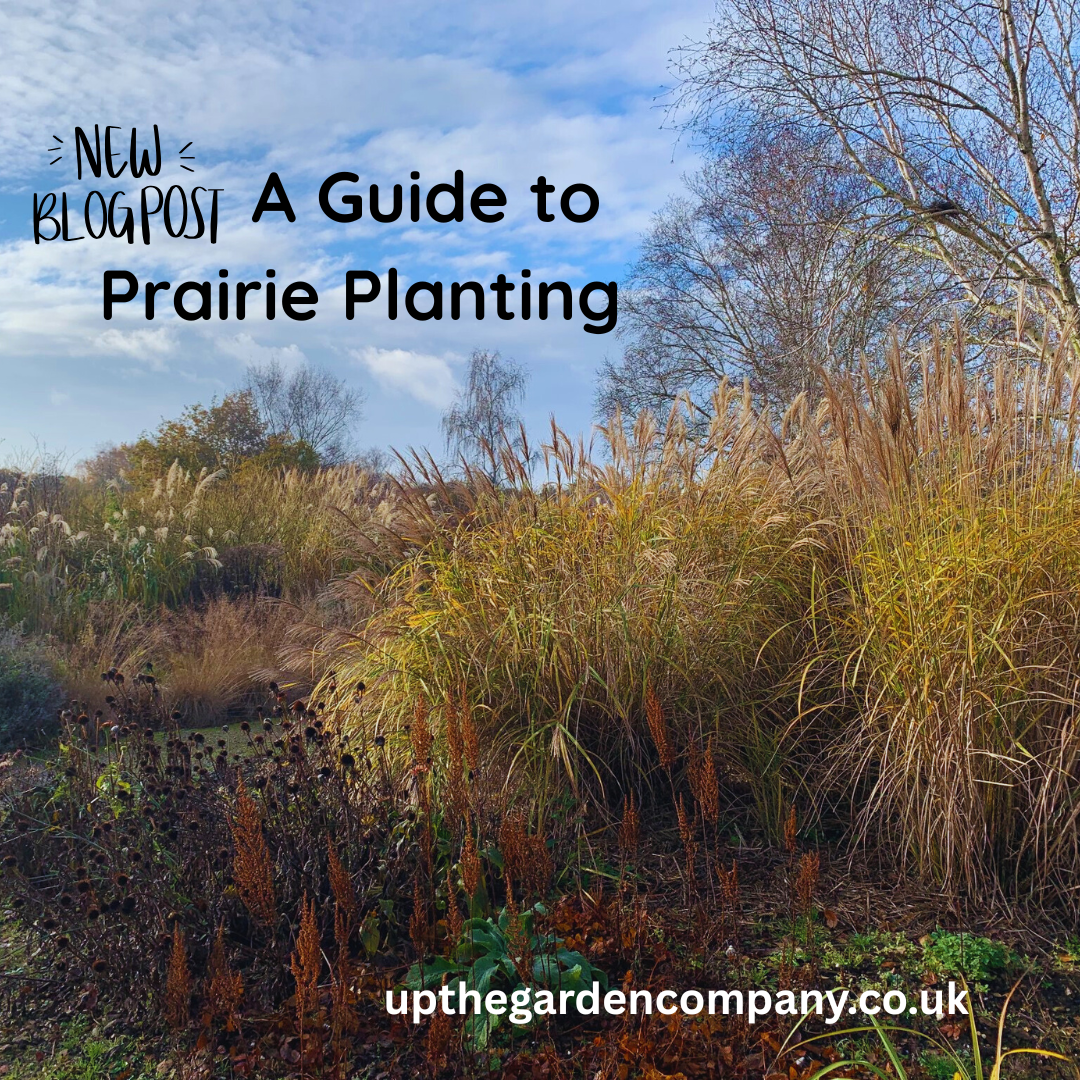
A Guide to Prairie Planting

Imagine a garden filled with graceful grasses and vibrant perennials, swaying together in a gentle breeze. This relaxed, naturalistic style, known as prairie planting, brings the untamed beauty of a meadow right to your doorstep. While most effective in larger spaces, you can also capture this stunning effect in smaller gardens.

This style of planting creates a rich habitat for wildlife, offering nectar for pollinators and shelter for overwintering insects. Discover how to create your own prairie-style garden, a beautiful and evolving landscape that offers interest all year round.

What is Prairie Planting?

The term “prairie” traditionally refers to the vast grasslands of the American Midwest. In gardening, however, it has evolved to describe a style that combines grasses and flowering perennials requiring similar growing conditions.

While you could base a scheme on a South African meadow or Mediterranean maquis, a prairie-style garden doesn’t have to be geographically pure. You can successfully combine plants from different parts of the world, as long as they thrive in similar soil and climate conditions. This guide will walk you through creating these beautiful, naturalistic plantings, whether in a dedicated border or across a larger landscape where they have the most dramatic impact.

When to Establish a Prairie Planting

The best time to start your prairie garden is in March. As the soil begins to warm up, your plants will have the entire growing season to establish strong roots. While some planting can be done in September, this timing is not ideal for warm-season grasses.

If you’re starting from seed, the timing will depend on the specific mix you choose. Always select species with similar germination requirements so they can be sown together and grow in harmony.

How to Create a Prairie-Style Garden

There are two main approaches to creating a prairie-style garden, each resulting in a distinct look and feel.

  • Planting in drifts: This method involves planting established grasses and flowering perennials in flowing groups or blocks. The result is similar to a traditional border but with a more natural, evolving character.
  • Broadcast sowing: By sowing a mix of seeds directly onto the soil, you can create a true ecological community where plants compete and mingle naturally. This approach mimics a genuine prairie and changes continuously over the years.

Regardless of the method you choose, a site that receives full sun for most of the day is generally the best option.

1. Planting a Prairie-Style Border

This method is an excellent way to introduce the prairie look into your garden. It draws inspiration from traditional perennial borders, which have long featured prairie natives like phlox, goldenrod (Solidago), and asters. By incorporating ornamental grasses, you can create a space that truly captures the spirit of the prairie.

Advantages:

  • Ideal for smaller gardens where space is limited.
  • Using well-developed plants gives them a head start against pests.
  • Planting in defined drifts makes it easier to identify and remove weeds.

Disadvantages:

  • Requires as much maintenance as a traditional herbaceous border.
  • The planting is less dense than a seeded prairie, leaving more room for weeds to establish if not regularly maintained.

How to Prepare the Ground

Your success starts with thorough ground preparation.

  1. Ensure the area is completely free of perennial weeds like couch grass, ground elder, and bindweed.
  2. If you’re creating a new border, rotavate the ground to break up the soil.
  3. Incorporate a generous 7.5cm (3in) layer of well-rotted garden compost or manure to enrich the soil and improve its structure.

Design and Planting

With your canvas prepared, it’s time to select your plants.

  • Assess your site: Determine how much sun the area receives and identify your soil type.
  • Plan your display: Decide when you want the main floral display to be and how long it should last.
  • Create variety: Aim for a mix of flower shapes—daisies, spires, globes, and airy “see-through” plants—to add texture and interest.
  • Plant in drifts: In smaller areas, plant in informal drifts of at least five plants of the same species. This creates a more naturalistic impression than single specimens.
  • Consider the light: Use backlighting from the low sun to illuminate grasses and seed heads. Island beds work particularly well for this.
  • Layer your planting: Choose plants that provide interest throughout the seasons. Start with low-growing spring perennials, followed by taller plants that flower through summer and into autumn.
  • Repeat groupings: Repeating clusters of plants throughout the border creates a sense of rhythm and coherence.
  • Include annuals and bulbs: Don’t forget to add annuals, biennials, and bulbs for extra layers of colour and interest.

For larger spaces, consider using the matrix planting technique, championed by renowned garden designer Piet Oudolf. This involves:

  1. The matrix: A base layer of one or two species, often a grass, planted in large numbers to unify the design.
  2. Primary plants: Groups of strong, structural flowering plants planted within the matrix to provide the main interest.
  3. Scatter plants: A few “secondary” plants, like Verbascum, added randomly to give the planting a spontaneous, natural feel.

Aftercare

  • Mulch deeply: Once planted, apply a 7.5cm (3in) layer of mulch, such as bark chips or gravel, to suppress weeds and retain moisture.
  • Water regularly: Water thoroughly at least twice a week during the first two growing seasons to help plants establish.
  • Weed diligently: Remove weeds regularly before they have a chance to set seed.
  • Cut back in spring: Leave the foliage and seed heads standing over winter to provide structural interest and shelter for wildlife. Cut everything down in early spring before new growth appears. The old plant material will act as a natural mulch.

2. Prairie Plant Communities from Seed

For a truly naturalistic and low-maintenance garden, sowing seed is the ultimate approach. The goal is to establish a self-sustaining plant community where species intermingle and evolve over time. This method has been pioneered by designers like James Hitchmough and Nigel Dunnett, whose work can be seen at the Oxford Botanic Garden and the London Olympic Park.

Advantages:

  • Establishes a genuine plant community that is more resistant to weeds once mature.
  • More cost-effective than buying established plants.
  • Allows for a greater diversity of species, extending the flowering season.
  • Ideal for sites with low soil fertility.

Disadvantages:

  • Requires significant weeding and maintenance during the initial establishment phase.
  • Slugs and snails can be a major problem for young seedlings in the UK’s damp climate.

How to Prepare for Seed Sowing

This method requires meticulous preparation.

  1. The area must be completely clear of all existing vegetation, especially perennial weeds. Removing them by hand is the most organic method but can take a year or more.
  2. If the area was previously lawn, the soil is likely to be compacted. Dig or rotavate it to the depth of a spade’s blade, then level it carefully with a landscape rake.
  3. To prevent annual weed seeds in the soil from germinating, lay a 7.5cm (3in) deep layer of washed sharp sand over the surface before sowing.

Sowing

  1. Mark out your sowing area into a grid of one-metre squares to ensure even coverage.
  2. Mix your seed with a carrier, such as damp sawdust or kiln-dried sand, at a rate of 1-2g of seed per square metre.
  3. Broadcast the seed and carrier mix over the area, making two passes in different directions for good distribution.
  4. Gently rake the seed into the top layer of sand, again in two directions at right angles.
  5. You can lay open-weave jute netting over the area to protect it from being disturbed by cats or other animals.

You can also add a few mature, container-grown plants to the scheme before sowing. This is useful for perennials that are difficult to grow from seed or for introducing specific cultivars.

Aftercare

  • Water consistently: Water the entire area every few days during the first growing season.
  • Manage slugs: Implement a slug and snail deterrent programme to protect your seedlings.
  • Weed, weed, weed: In early summer, carefully identify and remove any weed seedlings. This is a crucial step.
  • Thin out dominant species: After the second year, you may need to thin out any species that are becoming too dominant. This requires careful observation to maintain a balanced plant community.

Ready to Create Your Own Prairie Garden?

Whether you choose to plant a carefully designed border or sow a wild, evolving meadow, prairie planting offers a wonderfully rewarding way to garden. It connects you with the changing seasons, supports local wildlife, and creates a breathtakingly beautiful landscape that will bring you joy for years to come.

Discover a new way of gardening and create a space that is both stunning and sustainable.

Further Reading: Creating Harmony with Nature Naturalistic Garden Design, Garden Design with Grasses

Follow us on Instagram for Daily Gardening Inspiration 💙

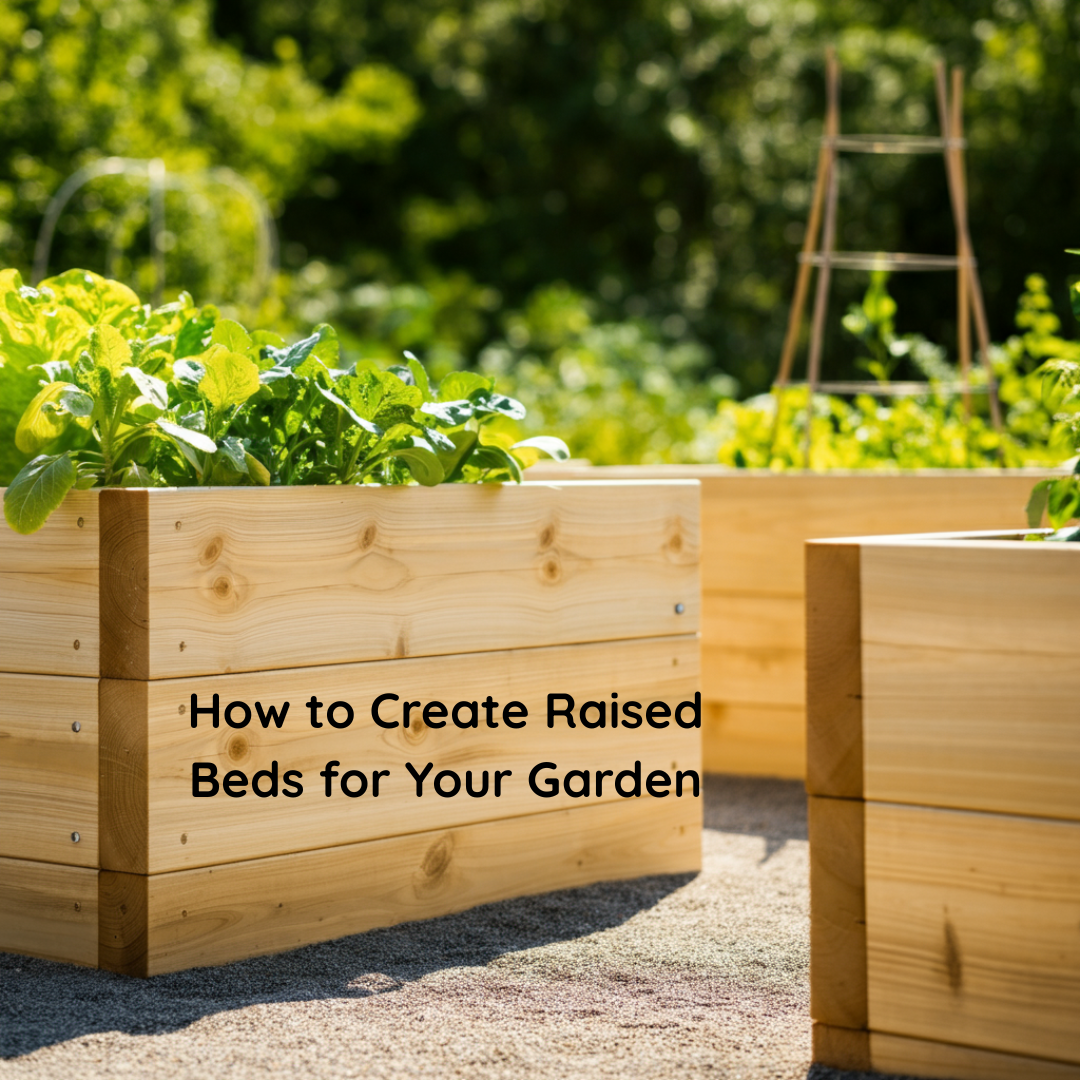
How to Create Raised Beds for Your Garden

Raised beds are a versatile and effective way to elevate your gardening game, quite literally! Raised beds can revolutionise the way you work with plants, offering improved conditions for growth and greater control over soil quality. So here is why raised beds are worth considering and how to create them step by step.


Why Have Raised Beds?

Raised beds are more than just a practical gardening solution; they’re a way to customise your growing space and make it work for you. Wondering why they’re so popular? Here are some compelling benefits.

1. Improved Growing Conditions

Raised beds allow you to create loose, nutrient-rich soil that drains well and warms up quicker in the spring. This means healthier roots for your plants and an extended growing season, especially in colder climates.

2. Control Soil Type

If your garden’s natural soil isn’t ideal for particular plants, raised beds give you the freedom to bring in the perfect soil mix. Match soil type to specific plants’ needs, whether you’re growing acidic-loving blueberries or vegetables that thrive in well-drained loam.

3. Nursery Beds for Germination

Use raised beds as nursery areas for starting seeds. The controlled environment makes it easier to monitor germination and care for seedlings before transplanting them elsewhere in your garden.

4. Perfect for Vegetables and Herbs

With a raised vegetable bed, it’s easier to plan crop rotation and keep pests like slugs at bay. They’re also great for compact herb gardens conveniently placed near your kitchen.

5. Space for Smaller Plants

Raised beds can serve as beautiful focal points for smaller plants like alpines and give these delicate species the better-draining conditions they crave.


Things to Consider Before Creating Raised Beds

Before you begin building raised beds, there are several important factors to keep in mind to make your project successful.

1. Aspect and Orientation

For sun-loving plants, position your raised beds to make the most of available light. A north-south orientation is ideal for maximising sunlight throughout the day.

2. Size and Depth

  • Width: Beds should be no wider than 1.5 metres, so you can comfortably reach the centre without stepping on the soil.
  • Depth: Opt for a depth of at least 30 cm, though deeper beds are better for root crops like carrots.
  • Pathways: Ensure pathways between beds are at least 45 cm wide for easy access, or 1 m wide if you need wheelchair accessibility or space for a wheelbarrow.

3. Materials

Raised beds can be made from various materials, each with their own advantages and drawbacks:

  • Brick
    • Pros: Durable, long-lasting, gives a polished look.
    • Cons: Higher cost and requires skilled labour for construction.
  • Timber
    • Pros: Affordable, easily accessible, natural look.
    • Cons: May rot over time; choose treated or rot-resistant wood like cedar.
  • Kits
    • Pros: Quick and easy to assemble, ideal for beginners.
    • Cons: May offer less customisation compared to DIY options.

Step-by-Step Guide to Building Raised Beds

Once you’ve decided on the location, size and materials, it’s time to get building. Follow these steps to create the perfect raised beds for your garden.

1. Prepare the Base

  • Start by clearing the site of weeds and grass. You can either dig them out manually or lay a layer of geotextile membrane to suppress regrowth.
  • If drainage is an issue, add a layer of gravel or stones to the bottom of your bed for improved water flow.

2. Build the Frame

  • Construct or assemble your chosen frame material (brick, timber or kit). Ensure the sides are sturdy and that corners are properly secured to prevent the frame from shifting over time.
  • Double-check that the structure is level to promote even water distribution.

3. Fill the Bed

  • Layer 1 (optional): Add organic materials like twigs, branches or shredded leaves to mimic a hugelkultur base.
  • Layer 2: Add a rich compost-soil mix. Aim for a 70-30 ratio of soil to compost to ensure good drainage and a steady nutrient supply.
  • Fill the bed to just below the rim, allowing space for watering without overflow.

4. Allow Soil to Settle

  • Water the soil generously and allow it to settle for a day or two. Top up with additional soil or compost if necessary before planting.

Optional FAQ

Do I need to line my raised beds?

You can line your beds with landscape fabric to prevent soil from escaping or use mesh to deter burrowing pests like moles. Avoid plastic lining as it may restrict drainage.

What’s the best soil mix for a raised bed?

A mix of loamy soil, compost and a bit of sand for drainage works well for most plants. Tailor the composition to suit specific crops if needed.

How do you maintain raised beds?

Annual maintenance includes replenishing soil with fresh compost and ensuring your bed structure remains sturdy. Regularly weed and mulch to retain moisture and control weeds.


Transform Your Garden with Raised Beds

Now that you know the benefits and steps for creating raised beds, it’s time to bring your gardening vision to life. Raised beds not only enhance the aesthetic appeal of your garden but also make growing plants easier, more efficient and accessible.

Further Reading: Caring for your Hanging Baskets, Thriller, Filler and Spiller, How to Choose the Perfect Flower Pot for Your Crops

For Daily Inspiration; Follow us on InstagramBlueSkyX , Pinterest or Threads.

Creating Harmony with Nature Naturalistic Garden Design

Imagine stepping into a garden that feels as though it has always been part of the landscape, blending seamlessly with the world around it. Naturalistic garden design is gaining popularity for its organic beauty, sustainability and ability to support biodiversity. But what exactly is this style of garden design, and how can you bring its magic into your outdoor space?

What is Naturalistic Garden Design?

At its core, naturalistic garden design mimics the patterns and aesthetics of nature itself. Unlike traditional landscaping, which may rely on symmetry, manicured lines, or exotic plant species, naturalistic gardens aim to recreate natural ecosystems.

Expect meandering pathways, plants with varying heights and textures, and a rich mix of perennials, grasses, and shrubs that look like they belong together. This approach is not about randomness; it’s about organised chaos, striking a balance between wildness and intention.

Benefits of Naturalistic Garden Design

Choosing a naturalistic garden design brings with it a host of rewards, both for you and the environment.

1. Supports Biodiversity

Naturalistic gardens are a haven for wildlife. By planting native species and creating diverse habitats, you can attract bees, butterflies, birds and other essential pollinators. It’s your personal contribution to preserving ecosystems.

2. Sustainable Gardening

This style of gardening often reduces the need for chemical fertilisers, pesticides and excessive watering. Native plants are typically more adapted to the local climate, which means they require less maintenance and fewer resources.

3. Aesthetic Appeal

There’s an understated beauty in a garden that looks like it has been shaped by the hand of nature. The interplay of colours, textures and movement (like swaying grasses in the breeze) creates a space that feels alive, timeless and restorative.

4. Low Maintenance

While it may appear wild, a well-designed naturalistic garden is relatively low maintenance. Once established, many native plants require little attention beyond the occasional weeding and seasonal pruning.

5. Mental Wellbeing

Spending time in a naturalistic garden can reduce stress levels and boost mental health. The organic flows and lush greenery create a calming environment, offering an escape from the pressures of daily life.

Are There Any Disadvantages?

While the benefits are plenty, naturalistic garden design isn’t without its challenges.

  • Initial Commitment: Designing a naturalistic garden involves detailed planning and research, especially if you’re new to the concept. Understanding plant pairings, blooming times and growth habits takes time.
  • Perceived Untidiness: To some, the wild look of a naturalistic garden may appear overgrown or unkempt, especially when compared to traditional, manicured gardens.
  • Space Limitations: Smaller gardens may be trickier to design naturally without overcrowding, but with thoughtful planning, they can still embody the essence of naturalistic design.
  • Seasonal Variability: These gardens change significantly with the seasons, meaning there may be periods when the garden looks less vibrant. However, with careful plant selection, you can build year-round interest.

Are Naturalistic Gardens Difficult to Maintain?

One of the great myths about naturalistic gardens is that they are hard to maintain. While some effort is required in the beginning, such as planting and ensuring plants establish themselves, maintenance over time is minimal.

Here’s why:

  • Native plants are naturally suited to the local environment, so they thrive without much intervention.
  • Minimal watering is needed once plants have rooted.
  • Leaves and decaying plant matter can often be left in place, enriching the soil naturally.

If you’re looking for a lower-effort approach, choosing a naturalistic garden design might be perfect for you.

Understanding Naturalistic Planting

At the heart of naturalistic garden design is the concept of naturalistic planting. This approach involves choosing plants that mimic the way they grow in the wild, creating harmonious plant communities.

Step 1 Research Native Plants

Find out which plants, flowers and grasses are native to your region. Native species are essential for supporting local wildlife and typically require less maintenance.

Step 2 Focus on Layers

Arrange your plants in layers, mimicking natural habitats. Include ground covers, upright perennials, shrubs and ornamental grasses to add height and depth to your garden.

Step 3 Select Long Bloomers

Choose plants that flower over extended periods or foliage that changes with the seasons to maintain interest throughout the year. For example, echinaceas and rudbeckias are known for their long-lasting appeal.

Step 4 Work with a Colour Palette

Decide on a natural colour palette that complements your outdoor setting. Think greens, whites, blues and soft purples for a serene look, or yellows and oranges for a more vibrant feel.

Step 5 Add Movement

Grasses like miscanthus or feather reed grass create dynamic movement in the garden. Watching these sway in the wind adds a touch of magic to any setting.

Step 6 Experiment with Density

Plant densely to create a full, lush garden that doesn’t leave gaps. The right density maximises visual impact and also helps in reducing weed growth.

Why is Naturalistic Garden Design Becoming Popular?

The rising popularity of naturalistic garden design can be attributed to several factors.

Environmental Awareness

With a growing focus on sustainability and biodiversity, more people are looking to make choices that positively impact the planet. Naturalistic gardens align perfectly with these values.

A Shift from Perfection

Traditional gardens often prioritise symmetry and perfection. However, people are now drawn to designs that feel more authentic, fluid, and in tune with the environment.

Health and Wellbeing Trends

The soothing qualities of naturalistic gardens resonate with individuals seeking mental and emotional rejuvenation. This style can turn any outdoor space into a restorative haven.

Instagram-Worthy Aesthetics

The organic charm and unintentional beauty of naturalistic gardens have made them a hit on social media platforms. The layered textures and thoughtful plant combinations create picture-perfect moments, inspiring others to follow suit.

Bring Your Garden to Life

If you’ve been inspired to explore the world of naturalistic garden design, taking the first step doesn’t have to be daunting. Start with a small area, experiment with native plants and allow nature to guide you.

Remember, the key to a naturalistic garden is balance. It’s about creating a space that feels wild yet welcoming, purposeful yet unrefined.

Whether you’re a seasoned gardener or a beginner, this design approach offers a way to reconnect with nature while creating a stunning outdoor retreat.

Further Reading: Garden Design with Grasses, Why Gardens Should Feed All of the Senses, Transform Your Garden into a Butterfly Haven

For Daily Inspiration – Follow us on Instagram 🦋

Why Gardens Should Feed All of the Senses

A garden is more than a collection of plants. It’s a living, breathing space brimming with opportunities to delight and nourish every sense. Imagine stepping into a garden where every detail has been designed to provide visual splendour, tantalising scents, delicious flavours, soothing sounds and incredible textures to touch. It’s not just a retreat; it’s an immersive experience that connects us deeply to nature.

The Role of the Five Senses in Gardens

Before we jump into the practicalities, it’s important to understand the role of the five senses. Humans use sight, smell, hearing, taste and touch to perceive the world around them. These senses guide us in connecting with our surroundings and gardens provide the perfect outlet for this connection.

When a garden is designed to engage all five senses, it transforms into more than a pretty space. It becomes a vibrant, dynamic environment that fosters well-being, relaxes the mind and sparks joy. Let’s explore how to bring this idea to life.

Design for the Eyes

A Visual Feast

The easiest way to engage sight is by creating a visually stunning space. Choose plants with vibrant colours that complement each other. Think radiant reds, sunny yellows, calming blues and verdant greens. Play with contrast by pairing light pastels with deep, dramatic shades for extra intrigue.

Height and Depth

Introduce varying heights and layers by combining tall trees, mid-height shrubs and low-growing ground covers. Adding levels to your garden naturally draws the eye across the space, creating visual interest. Climbers growing on trellises or arches add even more dimension.

Design Elements

Consider pathways, water features and seating areas as part of your design. Patterns in paving stones or gravel add structure, while artistic garden sculptures can act as focal points. Even a well-placed bench invites moments of pause, encouraging the eye to soak up the surroundings.

Plant for the Nose

Scented Blooms

Nothing stirs emotions like the scent of a garden in full bloom. Choose fragrant flowers such as roses, lavender, jasmine or honeysuckle to fill the air with lovely aromas. Plant these near pathways or seating areas for maximum impact.

Seasonal Scents

For year-round sensory appeal, select plants that bloom in different seasons. Daffodils can brighten the spring air, lilacs offer a sweet summer fragrance, autumn brings the musky smell of falling leaves and evergreen shrubs maintain freshness in winter.

Herbs and Aromatic Plants

Herbs like mint, basil and thyme aren’t just for cooking. Their wonderful fragrances are perfect for drawing visitors closer to brush their fingers against the leaves. Scatter them throughout your garden for subtle, aromatic surprises.

Engage the Ears

Sounds of Wildlife

Birdsong can bring a garden to life. Attract birds by adding feeders, bird baths and plants with berries. The buzzing of bees and chirping of insects also add to the garden’s natural symphony.

Wind and Water

The gentle rustle of leaves in the breeze is refreshing and calming. Opt for trees and tall grasses that amplify this effect, such as bamboo or silver birch. Water features are another excellent way to incorporate sound. A babbling stream or trickling fountain brings tranquillity and enhances relaxation.

Interactive Sounds

Think beyond nature and add sound elements that interact with the environment. Wind chimes, for example, can create enchanting melodies as the breeze passes through.

Create for the Taste Buds

Edible Gardens

What good is a garden without taste? Incorporate vegetables, fruits and herbs that you can harvest and enjoy. Plant cherry tomatoes, strawberries, or even a small apple tree for produce that’s not just delicious but also rewarding to grow.

Edible Flowers

Explore the culinary potential of your garden by planting edible flowers. Marigolds, nasturtiums and pansies add flavour and colour to salads and desserts. Plus, they can double as ornamental beauties in your flower beds.

Flavourful Herbs

Herbs like rosemary, oregano and chives aren’t just practical for cooking; they also add greenery and fragrance. Display them in pots near your kitchen door for easy access when whipping up a fresh meal.

Appeal to Touch

Tactile Textures

A garden that pleases the sense of touch is one that invites you to reach out and explore. Choose plants with a variety of textures, such as the soft velvet of lamb’s ear, the feathery feel of ornamental grasses, or the waxy smoothness of succulents.

Tree Bark

Don’t overlook trees! Experience the rugged texture of bark from species like oak or birch. These tactile elements instantly add depth and character to any garden.

Interactive Planting

Invite interaction with child-friendly plants like snapdragons or sensitive plants (Mimosa pudica) that curl up when touched. These elements make a garden particularly engaging for younger visitors.

Embark on Your Sensory Gardening Journey

A garden that engages all the senses is more than a place to admire from afar; it’s a space that invites you to fully immerse yourself. Whether you’re relaxing with the gentle trickle of a fountain, savouring the scent of lavender or picking herbs for dinner, every moment in such a garden becomes an experience that uplifts and rejuvenates.

Assess your current garden and explore how you can weave elements that speak to all five senses. The beauty of this approach is that it can be tailored to any space, whether it’s a sprawling yard or a compact balcony.

Start small, experiment and pay attention to the experiences that bring you the most joy. Soon, you’ll have a garden that feels as good as it looks.

Further Reading: Garden Design with Grasses, Transform Your Garden into a Butterfly Haven

For Daily Inspiration, Follow us on Instagram

Garden Design with Grasses

Whether you’re refreshing your garden or starting from scratch, grasses can be the secret ingredient that transforms your outdoor space into a serene and dynamic sanctuary. Garden designers have long adored grasses for their versatility, texture and movement, making them a firm favourite for achieving natural elegance.

Garden Border of Grasses

What Are Grasses?

Grasses are a broad category of plants that include ornamental varieties, which are widely favoured by garden designers. They belong to the Poaceae family and differ significantly from the lawn grasses most people are familiar with. Ornamental grasses are characteristically hardy, low-maintenance and visually stunning, offering something special for all garden types and sizes.

Grasses can range in height, colour and form—some are feathery and delicate, while others are bold and structured. From waving seed heads to cascading plumes, grasses bring an air of sophistication and whimsy to any garden.

Why Do Garden Designers Love Using Grasses?

Grasses possess unique qualities that make them invaluable in garden design. Here’s what puts them at the top of every designer’s list:

Texture

Grasses offer a refined blend of soft and structured textures that enhance any planting scheme. Their blades and seed heads provide a tactile contrast against flowers, shrubs and trees, creating visual interest throughout the year.

Relaxed, Natural Aesthetic

Grasses lend a relaxed, informal feel to gardens, effortlessly blending into both contemporary and traditional settings. They’re perfect for flowing, organic designs that move away from rigid, structured planting styles.

Colours Across the Seasons

Forget about dull green! Grasses span a spectrum of colours, from golden yellows and deep burgundies to silvery blues. Many species change colour with the seasons, ensuring year-round appeal.

Movement and Sway

One of the most enchanting qualities of grasses is their ability to dance gracefully in the wind. The swaying motion adds life and dynamism to your garden, keeping the design in perpetual motion.

Soft Edges and Continuity

Grasses can soften hard edges, such as pathways, patios or borders, lending a flowing, seamless quality to the overall design. When planted in groups, they also create a sense of unity and continuation, tying the entire garden together.

Group Planting and Versatility

Grasses thrive in mass plantings, making them ideal for borders, meadow-style gardens, and even container displays. They pair beautifully with flowering perennials, such as echinacea and salvia, to create stunning combinations that feel effortlessly cohesive.

The Benefits of Planting Grasses

Grasses are more than just pretty plants. They offer an array of practical benefits that make gardening easier and more rewarding.

  • Low Maintenance: Grasses are resilient plants that thrive in various climates and soil conditions, requiring minimal care and watering.
  • Eco-Friendly: Grasses provide a habitat for wildlife, including pollinators like bees and butterflies, supporting local ecosystems.
  • Year-Round Interest: Unlike many seasonal plants, grasses remain visually appealing for most of the year, even during winter.
  • Erosion Control: Their strong root systems help stabilise soil, particularly on slopes or areas prone to erosion.

How to Care for Grasses

While grasses are generally low-maintenance, a little care goes a long way in keeping them thriving and attractive.

Planting and Position

  • Choose a sunny spot with well-draining soil for most ornamental grasses.
  • Space plants correctly to give them room to grow without becoming overcrowded.

Watering

  • Newly planted grasses require consistent watering until they establish their roots.
  • Once settled, most species are drought-tolerant and need minimal irrigation.

Pruning

  • Trim back grasses in early spring, just before new growth begins, to maintain their shape and promote healthy regrowth.

Feeding

  • Fertilise sparingly; grasses often do better with little to no fertiliser. Too much can lead to weak or floppy growth.

Dividing

  • Divide mature clumps every three to four years to keep them looking fresh and vigorous.

Are There Any Disadvantages?

While grasses are widely celebrated, they may not be suitable in every situation:

  • Seasonal Trimming: Some people find the annual trimming and tidying a minor inconvenience.
  • Spreading Habits: Certain varieties can become invasive if not managed properly. Always research the species beforehand.
  • Limited Shade Options: Most ornamental grasses prefer sunny locations, which may limit their use in shaded gardens.

Add Movement and Elegance to Your Garden

Grasses are a game-changer when it comes to creating beautiful, dynamic gardens. Whether you’re drawn to their effortless texture, mesmerising sway or eco-friendly benefits, these plants have so much to offer.

Now is the perfect time to start experimenting with grasses in your own garden. Accompany them with colourful perennials, pair them with hard landscaping, or plant them in loose, meadow-like clusters. The creative possibilities are endless.

Need help getting started or choosing the right grasses for your space? Contact us today for expert advice tailored to your gardening style and needs. Together, we’ll create a garden that’s as captivating as it is relaxing.

Further reading: RHS – Royal Horticultural Society – How to grow ornamental grasses, Transform your garden into a butterfly haven, Smart Solutions – the future of gardening

Follow us on Instagram for daily inspiration

Perennial Paradise Transforming Your Garden Year-Round

The Magic of Perennials

Imagine a garden that blooms beautifully all year long, with minimal effort and maximum reward. If you’re a gardener or plant enthusiast, this dream can become your reality with the magic of perennials.

The Basics of Perennials

Perennials are plants that live for more than two years, returning year after year with fresh growth and vibrant blooms. Unlike annuals, which complete their life cycle in one year, perennials offer long-term beauty and stability to your garden.

Benefits of Growing Perennials

One of the most significant advantages of perennials is their longevity. Once established, they require less maintenance than annuals, saving you time and effort. Additionally, perennials often have deeper root systems, making them more drought-tolerant and resilient. This means they can thrive in various conditions, contributing to a healthier, more sustainable garden ecosystem.

Popular Types of Perennials

There are countless varieties of perennials to choose from, each offering unique characteristics and benefits. Some popular options include daylilies, hostas and lavender. Daylilies are known for their vibrant colours and hardy nature, while hostas provide lush foliage and shade tolerance. Lavender, on the other hand, offers fragrant blooms and attracts pollinators, making it an excellent addition to any garden.

Designing with Perennials

Creating a Cohesive Garden Design

Incorporating perennials into your garden design can create a cohesive and visually appealing landscape. Start by considering the overall layout and structure of your garden. Group plants with similar growth habits and water requirements together, and use taller perennials as focal points or background plants. This will help create a balanced and harmonious design that is both functional and beautiful.

Mixing Perennials with Other Plants

While perennials are fantastic on their own, they can also be combined with annuals, bulbs and shrubs to create a diverse and dynamic garden. Mixing different types of plants adds texture, colour and variety, ensuring your garden remains interesting throughout the year. For example, pair early-blooming perennials like peonies, with spring bulbs for a burst of colour in the early season, followed by summer-blooming perennials like coneflowers and autumn-blooming asters.

Maximising Seasonal Interest

To keep your garden looking vibrant all year long, choose perennials that bloom at different times throughout the seasons. This will ensure there’s always something in bloom, providing continuous interest and beauty. Additionally, consider incorporating perennials with attractive foliage, like ornamental grasses or ferns, to maintain visual appeal even when flowers have faded.

Texture, Colour and Seasonal Interest

Adding Texture to Your Garden

Texture plays a crucial role in garden design, adding depth and dimension to your space. Perennials come in various textures, from the delicate, lacy leaves of ferns to the bold, architectural forms of agaves. By combining plants with different textures, you can create a visually engaging and dynamic garden that captures the eye, and invites exploration.

Playing with Colour

Colour is another essential element in garden design, and perennials offer a vast palette to choose from. When selecting perennials, consider the overall colour scheme of your garden. You can create a monochromatic garden with shades of a single colour, or opt for a more diverse palette with complementary or contrasting colours. Remember to consider the colour of both flowers and foliage, as this will impact the overall look, and feel, of your garden.

Ensuring Year-Round Interest

To maintain a garden that looks beautiful in every season, choose perennials that offer seasonal interest beyond their blooms. Look for plants with attractive seed heads, like coneflowers or ornamental grasses, which can add visual appeal in autumn and winter. Evergreen perennials, such as hellebores or heucheras, provide colour and structure even in the colder months, ensuring your garden remains vibrant year-round.

How to Choose Perennials

Assessing Your Garden’s Conditions

Before selecting perennials for your garden, it’s essential to assess the specific conditions of your space. Consider factors like soil type, sunlight, and moisture levels. Most perennials have particular requirements for optimal growth, so matching plants to your garden’s conditions will ensure they thrive. Conduct a soil test to determine its composition and pH, and observe how sunlight moves through your garden throughout the day.

Selecting Plants for Your Climate

Climate plays a significant role in determining which perennials will thrive in your garden. Research plants that are well-suited to your region’s climate and hardiness zone. Local nurseries and gardening clubs can be valuable resources for recommendations. By choosing plants adapted to your climate, you’ll increase the likelihood of success and reduce the need for additional maintenance and care.

Considering Maintenance and Care

While perennials generally require less maintenance than annuals, some varieties still need regular care to look their best. When selecting perennials, consider factors like their growth rate, pruning needs, and susceptibility to pests and diseases. Opt for low-maintenance varieties if you prefer a hands-off approach, or choose plants that require more attention if you enjoy spending time in your garden.

Herbaceous Borders

What Are Herbaceous Borders?

Herbaceous borders are a classic garden design feature, consisting of a mix of herbaceous perennials and annuals. These plantings create a lush, colourful display that changes throughout the seasons. Herbaceous borders are typically arranged in layers, with taller plants at the back and shorter plants at the front, creating a tiered effect that adds depth and dimension to your garden.

Planning and Designing a Herbaceous Border

When planning a herbaceous border, start by selecting a location with suitable growing conditions for your chosen plants. Consider the overall layout and design, and aim for a balanced mix of colours, textures, and bloom times. Group plants with similar water and light requirements together, and use taller plants as focal points or background elements. This will create a cohesive and visually appealing design that remains attractive throughout the year.

Maintaining a Herbaceous Border

Maintaining a herbaceous border involves regular tasks like watering, weeding and deadheading spent flowers. To keep your border looking its best, divide and replant perennials every few years to prevent overcrowding and maintain vigorous growth. Additionally, apply a layer of mulch to help retain moisture, suppress weeds, and improve soil fertility. With proper care, your herbaceous border will continue to provide beauty and enjoyment for years to come.

Perennials are a fantastic addition to any garden, offering long-lasting beauty, versatility and sustainability. By understanding their unique characteristics and incorporating them into your garden design, you can create a stunning landscape that provides joy and interest all year long. Whether you’re a seasoned gardener or just starting, perennials can help transform your garden into a vibrant and thriving oasis.

Further Reading: How to Lift and Divide Perennials, The Chelsea Chop

Follow us on Instagram for daily inspiration

Unveiling the Secrets of an Inspirational Garden: A Masterpiece of Nature’s Artistry

A garden is not merely a collection of plants and structures; it is a living canvas that showcases nature’s artistry. For gardeners, creating a great garden that exudes inspiration and captivates the senses can be a fulfilling endeavour. The key elements that contribute to an awe-inspiring garden, from the vast sky above to the fertile soil below.

Harnessing the Power of Sky and Light

The first element that sets an inspirational garden apart is its ability to harness the power of the sky and light. By carefully considering how sunlight interacts with different areas of your garden throughout the day, you can create captivating displays of shadow and highlight. Introduce tall trees or strategically placed arbors to create dappled shade, allowing rays of sunlight to dance through foliage and bathe your garden in a magical glow. Be mindful of how your plants interact with light—some may thrive in full sun, while others prefer shaded retreats. By understanding these dynamics, you can design a garden that embraces natural light and creates an ever-changing tapestry of colours.

Nurturing Soil for Flourishing Life

Underneath every breath-taking flowerbed or flourishing shrub lies one key secret: nutrient-rich soil. The foundation for any successful garden starts with nurturing your soil. Begin by testing its pH levels to ensure optimal conditions for plant growth. Amend your soil with organic matter such as compost or well-rotted manure, providing essential nutrients for robust root development. Remember that different plants have varying soil preferences; some thrive in moist environments, while others prefer well-draining soils. Tailoring your soil composition to suit each plant’s needs will foster healthy growth and vibrant blooms throughout your garden.

Creating a Symphony of Plants

A great garden is a harmonious symphony of plants, carefully chosen and arranged to create stunning visual compositions. Consider the colour palette you wish to showcase—do you envision a vibrant explosion of hues or a serene monochromatic scheme? Select plants with varying heights, textures, and forms to add depth and interest to your garden beds. Incorporate evergreen shrubs for year-round structure and punctuate your landscape with seasonal flowers that paint the canvas with bursts of colour. Remember that gardening is an ongoing creative process, so be open to experimenting with new plant combinations and embracing the ebb and flow of nature’s beauty.

Structures: The Backbone of Beauty

While plants take centre stage in any garden, structures provide the backbone that ties everything together. From elegant pergolas draped in climbing roses to quaint stone pathways guiding visitors through hidden corners, structures add architectural interest and create focal points within your garden. Consider incorporating trellises for vertical gardening or installing water features like tranquil fountains or bubbling streams. These structures not only enhance the aesthetic appeal but also provide functional benefits such as shade, privacy, or attracting beneficial wildlife. Let your imagination run wild as you explore how different structures can elevate your garden’s allure.

Embracing Visual Excitement: Artistic Accents

To truly make your garden inspirational, embrace artistic accents that add an extra layer of visual excitement. Sculptures nestled among flowerbeds can evoke emotions and spark curiosity. Wind chimes delicately dancing in the breeze create soothing melodies that transport you into a state of tranquillity. Consider incorporating mosaic stepping stones or decorative tiles for whimsical charm underfoot. These artistic touches infuse personality into your garden space, making it a reflection of your unique style and passions.

Conclusion: Nature’s Masterpiece Awaits Your Touch

Creating an inspirational garden is an art form that combines nature’s inherent beauty with the creative vision of a gardener. By harnessing the power of sky and light, nurturing your soil, curating a symphony of plants, incorporating structures, and embracing artistic accents, you can transform your garden into a breath-taking masterpiece. Let your imagination soar as you explore the endless possibilities for creating an inspirational garden that awakens the senses and brings joy to all who encounter it. Start planting today and watch as nature’s artistry unfolds before your eyes.

Further Reading: The Magic of Perennials

For Daily Gardening Inspiration – Follow us on Instagram

Felbrigg Hall Norfolk – Walled Garden

If you love visiting gardens, then you will surely appreciate Felbrigg Hall’s walled garden, in the manner of a paradise garden, designed to evoke calm, reflection and contemplation. The National Trust has done an outstanding job maintaining it over the years, and it’s a must-visit garden for anyone looking for a little peace and tranquillity, amidst the hustle and bustle of everyday life.

The walled garden at Felbrigg Hall has thoughtful and clever planting that feature a wide variety of plants, flowers, herbs, fruit and vegetables. It is quite expansive, and one section is separated by paths at right angles, which is a hallmark of a paradise garden. The four parterres in this area are meticulously maintained and are a testament to the skill and dedication of those who work at Felbrigg Hall. The fragrant herbs and flowers in the garden add another layer of sensory experience that’s both delightful and invigorating.

Felbrigg Hall Walled Garden Norfolk

A paradise garden is believed to have originated from the biblical story of the Garden of Eden. In the book of Genesis, the garden is described as having a central spring feeding four rivers flowing out into the world beyond. The symbolism of the paradise garden is evident in the walled garden at Felbrigg, with its four distinct parts and abundance of delicious foods, and a beautiful lily pad covered pond.   It’s no wonder that the garden is such a tranquil and peaceful space, perfect for those looking for a little serenity in their lives.

But this garden is noted for its dovecote. The dovecote, dating back to 1750, contains 968 holes, deeply recessed at the back, with each hole providing room for two nests. R.W Ketton Cremer, the owner of the estate, renovated the dovecote in 1923 to prevent it from falling into ruin. The latin inscription above the door records the work undertaken, which reads ‘HOC Columbarium Olim paene Delapsum Reparavit Et Ornavit RWKC’ – This dovecote, which then was in ruins, was repaired and decorated by RWKC.

Felbrigg Hall Walled Garden Norfolk

An excellent example of the Headache Tree, Umbellularia Californica, can be found within the walls of this garden. Headache Trees originate from California and were introduced into Britain by David Douglas in 1829. Native Americans made poultices of Umbellularia leaves that were used to treat rheumatism and neuralgias. Tea was made from the leaves to treat stomach aches, colds, sore throats and to clear up mucus in the lungs. The leaves were steeped in hot water to make an infusion that was used to wash sores. The Pomo and Yuki tribes of Mendocino County treated headaches by placing a single leaf in the nostril or bathing the head with a laurel leaf infusion.

This garden also features a nuttery that includes Cobnut, Black Mulberry and Walnut Trees. The nuttery serves as a home for the bantams and the bee hives and are a testament to the garden’s commitment to environmental sustainability and to providing a thriving habitat for a wide variety of creatures.

The walled garden at Felbrigg Hall is a true masterpiece of garden design and a testament to the hard work and dedication of National Trust staff. It’s a wonderful place to visit if you’re looking for a little peace and tranquillity in your life. Whether you’re a gardening enthusiast or simply someone who appreciates the beauty of nature, the walled garden at Felbrigg Hall is an experience you won’t soon forget.

Felbrigg Hall Norfolk Walled Garden

Further Reading: Felbrigg Hall NT Walled GardenGooderstone Water GardensOxburgh Hall NorfolkThe Vicarage East Ruston

Looking for Garden Visit Inspiration – take a look at National Garden Scheme

The Benefits of Adding a Pond to Your Garden

Gardening is not only a hobby, but it’s also an art form. The beauty of a garden goes beyond flowers and trees. It’s about creating a tranquil space that soothes the soul and inspires creativity. Water is a crucial element in any garden and adding a pond can elevate the aesthetics of your garden to the next level. In this blog post, we’ll discuss the benefits of adding a pond to your garden and why you should consider it for your next gardening project.

Promotes a Healthy Eco-System

Ponds are an excellent addition to your garden because they attract a variety of birds, insects, amphibians, and other wildlife. The presence of water creates the perfect breeding ground for these creatures to thrive. It promotes a natural balance to your garden, helping control pests, and ultimately, retaining the health of your plants. You don’t have to worry about introducing harmful chemicals to your garden because the eco-system thrives naturally.

Enhances the Beauty of Your Garden

A pond is a beautiful addition to any garden. It adds diversity to your outdoor space and creates a sense of tranquillity. Ponds are great for small and large gardens. You can add different features like fountains, waterfalls, and lighting to make your pond stand out. It’s an excellent opportunity to introduce water plants and utilise the visual appeal of having a water feature.

Adds Value to Your Property

Installing a pond is a smart investment that boosts your property’s value. A beautifully landscaped garden with a pond is a selling point. It’s visually appealing, and potential buyers can see the potential in the space. Installing a pond in your garden is an investment that you’ll recoup if you decide to sell your home in the future.

Promotes Relaxation

The sound of water has a calming effect on humans. It reduces stress levels and creates a relaxing ambiance. Installing a pond in your garden provides a tranquil environment that’s perfect for meditation, yoga, or unwinding after a long day. It’s an inviting space where you can take the time to disconnect from the world and focus on relaxation.

Low Maintenance

Ponds are low maintenance, contrary to popular belief. They require very little upkeep once it’s established. You can utilise the power of nature to keep the pond healthy and clean. The key is to manage the balance and level of the ecosystem. Ponds also require very little water compared to other outdoor features, making it an eco-friendly option.

By installing a pond in your garden is a smart investment. It provides a healthy eco-system, enhances the beauty of your garden, adds value to your property, promotes relaxation, and requires low maintenance. You can elevate your garden design by adding a water feature that not only beautifies your outdoor space but also attracts wildlife. The benefits of a pond are endless, and it’s an excellent opportunity to create a tranquil environment that promotes relaxation and creativity. If you’re considering adding a new feature to your garden, consider installing a pond.

Further Reading: The Wildlife GardenRHS Wildlife Ponds, How to Create a Wildlife Pond