International Dawn Chorus Day

International Dawn Chorus Day 5th May 2024

Amidst the serene twilight of spring, as the first glimmers of dawn light caress the earth, an exquisite orchestration emerges from the natural world. The avian serenade that heralds the break of day is more than just a symphony of songbirds — it’s a cultural celebration known as International Dawn Chorus Day.

What is International Dawn Chorus Day?

International Dawn Chorus Day is a global event that occurs on the first Sunday of May, wherein nature enthusiasts worldwide gather at the crack of dawn to celebrate the vibrant song of the avian world. It serves as a poignant reminder of the beauty of nature and the importance of conserving our natural heritage.

The Origins of This Celestial Holiday

The event was first conceptualised by British environmentalist and journalist, Chris Baines, who aimed to share the awe-inspiring experience of waking up to bird song. With a desire to connect people with nature, Baines began organising events that encouraged people to appreciate birds’ dawn chorus, eventually leading to the establishment of International Dawn Chorus Day.

The Significance of the Dawn Chorus

Beyond the melodic indulgence, the dawn chorus serves crucial biological roles for birds. It’s a time for mating calls, territory establishment, and non-verbal communication within and between bird species. For observers, this day provides a unique opportunity to witness the interconnectedness and biodiversity of the avian world in action.

Mapping the Morning Chorus: What Happens on This Day?

On International Dawn Chorus Day, individuals and groups gather at various dawn-breaking locations, such as gardens, woods, and parks, to listen to and document the songs of different bird species. Environmental organizations often host walks and events where participants can learn about bird identification and the cultural and ecological significance of avian songs.

The Science of Bird Song

To deepen the understanding of these melodious messages, scientists and researchers deploy advanced recording equipment and analyse the chorus at the molecular level. This high-tech approach unlocks the complexities of avian communication and offers insights into the health and diversity of ecosystems.

Capturing the Chorus Through Art

The beauty of the dawn chorus has inspired artists throughout history. Painters have captured the vibrant skies as they transition from night to day, while musicians have translated bird songs into symphonies. This day is a chance for everyone to become an artist, capturing the morning sounds.

A Festival of Nature’s Melody: How to Celebrate

Participating in International Dawn Chorus Day can be as simple as stepping outside into your garden or as elaborate as planning a sunrise hike. Here are a few ways to get involved and make the most of this harmonious day.

Host a Dawn Chorus Party

Invite friends and family to a dawn chorus party. Start the festivities with a listening session, then serve a breakfast spread as the sun rises. This communal event fosters a sense of togetherness and shared appreciation for the natural world.

Create a Chorus in Your Garden

Attract birds to your garden by providing feeders, nesting sites, and natural shelter. The right plants can create an inviting habitat for a variety of bird species. On International Dawn Chorus Day, note the time of sunrise in your area and be ready to listen as your garden welcomes in the new day.

Share the Experience on Social Media

Technology allows us to connect and share experiences like never before. Capture the serene moments of the dawn chorus and share them online with the hashtag #InternationalDawnChorusDay. Your posts may inspire others to join in and contribute to a global collection of avian recordings just by sharing the experience.

The Legacy of Dawn Chorus Day

Each year, as we pause to listen to the effervescent dawn chorus, we renew our commitment to the earth and its creatures. International Dawn Chorus Day embodies the spirit of community, discovery, and conservation, uniting people in a shared celebration of nature’s music.

Beyond the Day: Conserving Birdsong

The ethos of Dawn Chorus Day extends far beyond its 24-hour span. Contributors to the global dawn chorus can take actionable steps to support bird populations, such as volunteering for wildlife organisations or advocating for environmental policies that protect avian habitats.

Dawn Chorus for Education

Educators utilise International Dawn Chorus Day to teach students about the beauty and science of bird song. Engaging curricula can underscore the importance of avian biodiversity and inspire the next generation of nature enthusiasts and conservationists.

The Future of Dawn Chorus Celebrations

Looking ahead, International Dawn Chorus Day will continue to evolve, incorporating new technologies and global perspectives. It has the potential to become a touchstone for our collective environmental consciousness, encouraging us to consider and cherish the natural world with each new sunrise.

International Dawn Chorus Day offers a profound and poignant way to connect with nature and our fellow earthlings. This year, set your alarms early, step outside, and welcome the day with the soundtrack that’s been playing since the dawn of time. It’s a day for celebration, reflection, and inspiration, and an opportunity to advocate for a planet that turns with the vitality of life.

Further Reading:  RSPBRSPB Birdwatch 2025How to Create and Maintain a Garden PondSave the Bees Protect the Planet Support the Soil Association’s Neonicotinoid Campaign

“Why should you build a bug hotel?”

Are you an eco-conscious individual looking for an innovative way to promote biodiversity and turn your garden into an insect sanctuary? Or perhaps you’re a gardener eager to see your green retreat flourish with the vibrancy of nature? Introducing the bug hotel – a simple yet extraordinary structure that can provide a home for various beneficial insects. With the growing awareness and enthusiasm for sustainable living, constructing a bug hotel is not just a project for the environmentally inclined but also a strategic move for your garden’s health.

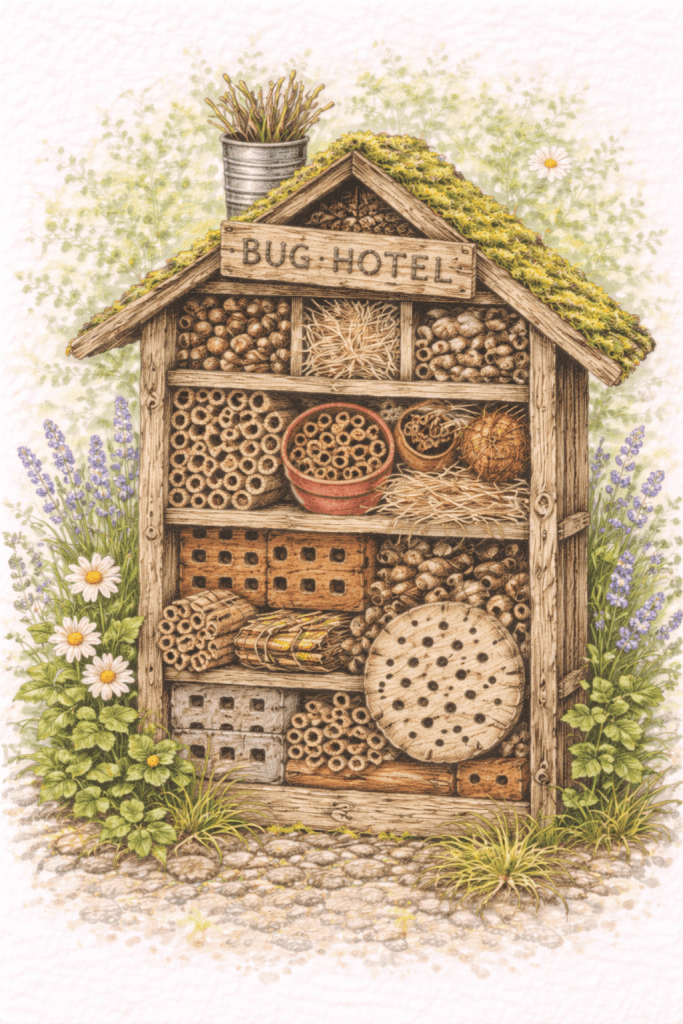
Bug Hotel

So, how do you create a bug hotel, ensuring it’s not just another DIY project, but one that cultivates a thriving ecosystem in your own garden, taking your garden game to the next level, with a haven for your six (and even more) legged friends.

Why Build a Bug Hotel?

The decline in insect populations is a growing concern, and scientists have been urging conservation efforts to preserve these vital creatures. Insects are essential parts of every terrestrial ecosystem. They contribute to pollination, decomposition, and serve as an important food source for other species. By providing a refuge through a bug hotel, you are not only creating a support system for local wildlife but also enhancing the health and productivity of your garden. Plus, it’s a fascinating way to observe nature for adults and children.

The Secret Life of Hotel Guests

A bug hotel, often called an insect or bee hotel, is a man-made structure created to mimic the components of a natural habitat – crevices for hiding, spaces for nesting, and materials for insulation. Constructing one invites a diverse range of insects like solitary bees, ladybirds, lacewings, and even spiders. In return, they contribute to pest control, pollination, and the general balance of your garden ecosystem.

What Are the Benefits?

Before we get into the nitty-gritty of construction, it’s crucial to understand the plethora of advantages that come with hosting these tiny hotel guests.

A Natural Defence Mechanism

Many of the insects that are attracted to bug hotels, such as ladybirds and certain species of wasps, act as natural predators to garden pests. They help keep the populations of potentially harmful insects in check, ensuring a more balanced and healthier garden ecosystem that doesn’t rely solely on chemical methods for pest control.

Fruitful Pollinators

Solitary bees, for instance, are incredible pollinators — cherry-picking pollen like pros and transferring it to other flowers efficiently. These activities lead to better blooming and fruit production in your garden, offering tangible rewards for your bug-friendly overhaul.

A Multipurpose Hotel

Bug hotels aren’t just for insects. They can also draw other wildlife to your garden. Birds that feed on insects, urban hedgehogs, and even toads may all make their way to the buffet that your hotel provides, adding additional layers of interest and diversity to your garden.

What Materials Do You Need?

Now that you’re convinced of the bug hotel’s merits, it’s time to gather the materials to get started. Firstly, if you don’t really have the time or inclination to get building one yourself, you can buy a ready-made bug hotel. Many schools often choose to buy a ready-made option, and there are really good ones available. But, if you choose to show off your own handywork, then here’s what you’ll need:

Support Structure: A solid frame to hold the components and provide stability. This can be as simple as four larger pieces of wood assembled into a box or a more decorative frame for aesthetic appeal.

Fillings for Insect Rooms: A variety of materials that offer different size nooks for insects to dwell in. For example, hollow plant stems, pine cones, and even reeds, provide hideaways for insects.

Insulation Materials: Dry leaves, straw, and natural fabrics like hessian can safeguard the inside against extreme weather.

A Roof or Covering: Shelter is essential to protect the insects from the elements. A simple sloped roof made of wood, tiles, or even clay pots would suffice.

Fastening Tools: Screws, nails, or strong garden twine will hold the structure together.

Decorative Design Elements: If aesthetics matter to you, you can include decorative elements like painted surfaces, mosaic tiles, or engraved patterns.

How Do You Go About It?

Constructing a bug hotel is a creative endeavour with room for personalisation. Begin by selecting a location in your garden that receives a good amount of sunlight and is sheltered from the elements. Once you find the perfect spot, follow these steps to start building:

Step 1: Construct the Frame

Depending on the size of your bug hotel, assemble the support structure. The goal is to create a solid framework that can house different compartments.

Step 2: Fill the Rooms

Now it’s time to fill the compartments within the frame with materials that insects can use. Create layers starting with larger items like bamboo canes in the lowest layers and finer materials like bark and straw as you build up the layers.

Step 3: Insulate and Protect

After filling the rooms, add a layer of insulation over the top. This will prevent excessive moisture and maintain a consistent temperature inside the hotel. Make sure that the materials you use for insulation, such as dry leaves or shredded paper, won’t pack down and block the insect access.

Step 4: Add a Roof

One of the most crucial components of a bug hotel is a proper roof. This should overhang the structure to provide a drip line, ensuring that water doesn’t penetrate inside. It can also be a prime spot for growing some sedum or other low-maintenance plants that can further attract insects and protect the structure.

Step 5: Decorating the Exterior

Once the bug hotel is functional, you can paint the exterior with non-toxic paint or decorate it with mosaics to add personality and further enhance its appeal to your garden guests.

Ensuring Bug Harmony

While the primary intent is to attract and provide a habitat for these beneficial bugs, it’s important to consider the types of insects your bug hotel may draw in. Try to steer clear of materials or designs that might attract pests or invasive species. Research and consider the local wildlife before setting up your hotel to avoid any unwelcome encroachments.

House Rules for Hotel Dwellers

Just like any property, there are house rules. For instance, avoid using any possible pests as fillers, and don’t use materials that have been treated with chemicals. Also, keep the area pesticide-free to maintain a safe and healthy space for your bugs.

Does It Need Maintenance?

Bug hotels are relatively low maintenance, but they do require a bit of care to ensure they remain effective and attractive to your insect friends.

Regular Checks

Check your bug hotel a couple of times a year, making sure that no pests or other unwelcome guests have taken up residence. Ensure that the structure is still sound and that it hasn’t become a danger to other wildlife in your garden.

Refresh the Rooms

Insect hotel rooms can deteriorate over time, particularly if they are exposed to extreme weather. Refresh the materials as necessary, keeping an eye out for any signs of mould or nesting by undesired occupants.

What Insects Benefit and Why?

Now that you have your bug hotel up and running, who can you expect to check-in? Here are some of the most common visitors and the benefits they bring:

Solitary Bees

Solitary bees are excellent pollinators and are far less likely to sting than their social cousins. By providing a place for these bees to nest, you may see an increase in fruit and flowers in your garden.

Ladybirds

Ladybirds are voracious predators of aphids and other garden pests. They can help control pest populations without the need for chemical intervention.

Lacewings

The delicate, lace-winged insects are efficient predators, their larvae being especially voracious eaters of aphids and other soft-bodied pests.

Spiders

While not an insect, spiders are certainly a welcome resident in any bug hotel. They help control insect populations and are an essential part of the garden ecosystem.

In an era where humanity is re-evaluating its relationship with the environment, creating spaces for nature to flourish has never been more important. A bug hotel is an accessible and rewarding project that can make a real difference in the health of your garden and the wider ecosystem. Enhance your connection with the natural world, spark your creativity, and watch as your garden thrives with the bustling activity of its insect inhabitants. Remember, like any sustainable practice, the impact of a bug hotel is cumulative. Collectively, these small contributions add up to significant changes in the health and resilience of our environment. Take on this project as a beacon of your commitment to the earth and all its inhabitants, big and small. Happy building, and here’s to a buzzing

Further Reading: Helping Wildlife this WinterHow to Create and Maintain a Garden PondTransform Your Garden with UpTheGarden CompanySustainable Hardscaping: Build a Beautiful, Eco-Friendly GardenCreate a Sanctuary Space: Your Haven of Calm at HomeGarden Trends 2026: Reconnect with NatureWinter Planning: Design Your Dream Border for Next Year

Inspiration: Follow Us on InstagramThreads, BlueSkyTwitterTikTok and Pinterest.

Mastering Houseplant Care

In recent years, there has been a noticeable, refreshing ‘green’ movement in the hearts of our homes. Houseplants, once relegated to the status of mere decorations, are now celebrated for their air-purifying qualities, aesthetics and even their ability to boost our mental well-being. The appeal of bringing the outside indoors is undeniable, but for many, keeping those leafy companions thriving can be a challenge. Fortunately, with a little bit of know-how, you can transform your living spaces into verdant sanctuaries. Here are the essential houseplant care tips and insights that will ensure your indoor greenery flourishes.

1. Understanding Your Plant’s Needs

Just as you and I need certain conditions to live well, so do plants. Understanding your plant’s specific requirements is crucial. Begin by identifying the species you have, noting its common traits. Most houseplants fall into either of the two broad categories: those that thrive in direct sun and those that prefer the shade. Research the light, water and temperature needs of your particular plant and set up the right environment.

2. Selecting the Ideal House Plant

There’s more to choosing a houseplant than simply picking the one that catches your eye. Not all plants will thrive in the same living conditions. Before adoption, consider the position of your plant. Is it for a well-lit tabletop, a shadowy corner or can it hang from the ceiling in the middle of the room? Go for plants like peace lilies that can tolerate low light if your space doesn’t receive much sunshine. Conversely, cacti and succulents do well in bright, warm areas.

3. The Aesthetic and Health Benefits of Houseplants

Houseplants go beyond being pretty objects; they are working wonders day and night. They improve air quality by converting carbon dioxide into oxygen, and some plants are better at it than others. Aloe vera and snake plants, for example, are top-notch air purifiers. Additionally, the sights and smells of greenery can help reduce stress and create a soothing atmosphere at home.

4. Setting Up the Perfect Living Arrangement

The best location for your houseplant can make all the difference. Avoid placing them near drafty windows, heat sources, or air conditioning units. Maintain a distance from cold glass surfaces which can shock the plant’s root system. Instead, consider installing a humidifier close by, which can provide added moisture your houseplants will appreciate, especially during the winter months.

5. Watering Wisdom

Here’s where many people go wrong. Overwatering can be as perilous as neglect. Check the soil before watering by inserting your finger about an inch deep; if it feels dry, your plant likely needs water. The amount of water your houseplant requires will depend on the type, the size of the pot, and the season. For instance, most plants will need less water in winter when their growth is slower.

6. The Art of Feeding

Plants need nutrients to grow and be strong. The three major nutrients are nitrogen (N), phosphorus (P), and potassium (K), found in most fertilizers. During the growing season (spring and summer), fertilize your plants every two to four weeks, and then cut back or stop altogether during the winter. Always keep an eye out for signs of nutrient deficiencies, such as yellowing leaves.

7. Giving Them Space to Breathe

You may have noticed that the ‘plant’ section at your local store is not just for buying plants. Oh no, there are also pots, soil, and plant food. Choosing the right pot and soil is vital. A pot with a drainage hole is a must to help prevent soggy roots, and opt for well-draining soil, especially for those that need to dry out between waterings.

8. Reading Your Plant’s Body Language

Nature often provides early signs of distress, and your plants are no different. Drooping leaves may indicate under or over-watering, while brown tips might mean the air is too dry. Pests can also be an issue. Regular inspection can help you catch any problems early and take appropriate action.

9. Seasonal Adjustment

Just like us, plants experience highs and lows throughout the year. Many indoor plants are actually natives to tropical regions, which means they prefer warm, humid environments. In colder seasons, give them a break by watering less and considering their position in the house. If yours are situated close to a window in winter, make sure it’s one that doesn’t get too chilly.

10. The Healing Power of Pruning and Maintenance

Pruning encourages healthy growth by removing dead or unhealthy parts of the plant. It can also help maintain an attractive shape and size, especially for larger indoor plants. Always use clean, sharp scissors or shears to avoid transmitting diseases to your plant. Regularly dusting the leaves of your plants can also keep pests at bay and improve their ability to photosynthesise effectively.

Houseplants are not just delightful companions; they also offer an opportunity to nurture life and connect with nature in the comfort of our homes. By following these houseplant care tips, your indoor garden can not only survive but thrive. Remember, every leaf and petal has a story to tell—listen to what your plants are saying, and you’ll cultivate a bond as strong and enduring as the very roots they depend on for life.

Take a look at our Indoor Gardening Range.

Further Reading: RHS Houseplants

For Daily Gardening Inspiration Follow Us on Instagram

Attracting a Symphony of Wings: Creating a Bird Haven

In the quiet moments of a garden or out on the fringes of a forest, the gentle chirping of birds can transform an ordinary space into a place of wonder. For gardeners and nature enthusiasts, the allure of witnessing these winged creatures is unparalleled. But the whimsical dance of birds is a two-way street — just as they grace us with their presence, we can invite them into our sanctuaries by creating an environment that’s irresistible to our feathered friends. This comprehensive guide is your ticket to transforming your garden into a haven for birds, providing a safe and abundant space that will have them returning season after season.

The Why and How of Attracting Birds to Your Garden

The Intrinsic Ecological Value

Attracting birds is more than just creating a picturesque scene. It’s about fostering a balance in the ecosystem. Birds play a pivotal role in controlling insects, spreading seeds, and even pollinating flowers. By luring them into our gardens, we not only delight in their beauty but also support the intricate tapestry of nature.

The Psychological Benefits

For many, the presence of birds in daily life has a soothing effect. Studies have shown that birdwatching can reduce stress, improve mental acuity, and even support a calming home environment. By attracting birds to your garden, you’re creating an outdoor retreat that refreshes and revitalises.

Natural Food Sources: The Way to a Bird’s Heart

Understanding Dietary Needs

Different bird species have different dietary requirements. Whether it’s seeds for finches, or insects for sparrows, understanding what your local avian community craves is key. Invest in a variety of food sources to cater to a diverse clientele.

Building a Bird-Friendly Landscape

Incorporate native plants that produce seeds, fruits, and nectar. Trees and shrubs offer natural bird food. Additionally, consider leaving seed heads on flowers and shrubs throughout the winter for a natural smorgasbord.

Offering Shelter: Bushes, Trees, and Other Bird Abodes

Vegetative Cover

Thick bushes and dense trees provide excellent shelter from the elements and potential predators. Create a layered landscape with plants of varying height to satisfy the needs of ground-dwelling and aerial birds alike.

Man-Made Bird Houses

While natural shelters are best, strategically placed birdhouses can augment the living space available to cavity-nesting birds. Make sure the houses are tailored to the needs of specific species, with the correct entrance hole size and interior dimensions.

Thirst Quenchers: Providing Water in Your Garden

Birdbaths and Ponds

A shallow birdbath is one of the easiest ways to provide water, and a pond can be an attractive oasis for many bird species. Ensure that any water source is kept clean and fresh to prevent the spread of diseases among your avian visitors.

Nesting Sites and Safety

The Importance of Safe Nesting Sites

Mature trees and certain tall shrubs offer natural nesting sites, but many bird species are adaptable and will use man-made structures. Give birds the security they need by placing nesting boxes high enough to deter predators but low enough for you to monitor and maintain.

Keep an Eye on Predators

The Feline Factor

Domestic cats are one of the leading causes of bird mortality. Minimize the risk by keeping your cat by providing them with a well-fitted bell that can give birds a fighting chance.

Other Garden Protectors

Fencing and spikes can deter larger ground predators, while netting and other barriers can keep more cunning hunters at bay. Simple measures like these can significantly boost the chances of fledglings surviving to adulthood.

The Art of Hygiene: Maintaining Cleanly Feeding Stations

The Pitfalls of Neglected Bird Feeders and Baths

Dirty feeders and baths are a breeding ground for bacteria and can spread diseases like salmonellosis and aspergillosis. Regular cleaning and, when needed, disinfecting, are vital for the health of your local bird population.

Best Practices for Bird-Feeding Hygiene

Use feeders that are easy to clean, and opt for feeders made of nonporous materials like plastic or ceramic that are less likely to harbour pathogens. Be diligent in keeping the area beneath feeders clean to prevent mould and pests as well.

A Culinary Guide for Bird Enthusiasts

Understanding Bird Seed Types

Different seeds attract different birds. Black oil sunflower seeds are a favourite of many feeder birds due to their high oil content, while nyjer seeds are sought after by finches. Offerings like millet and cracked corn can attract a variety of ground-feeding birds.

Beyond Seeds: Other Bird Food Varieties

Suet blocks are a high-energy treat for woodpeckers and other cling-feeders, while mealworms and fruit can entice an even broader spectrum of birds. Live mealworms are particularly beneficial for providing protein during the breeding season.

Conclusion

In the quiet dedication to creating a bird-friendly oasis in your garden, you not only enrich the lives of the creatures that visit but also open yourself to a world of wonder that’s right outside your door. By following the advice in this guide, you’ll be well on your way to becoming a master of avian hospitality, enjoying the sight of vibrant plumage against the verdant backdrop of your own thriving ecosystem. Happy birdwatching!

“Every bird, every tree, every flower reminds me what a blessing and privilege it is just to be alive.”

Marty Rubin

Further Reading: RSPBRSPB Birdwatch 2025How to Create and Maintain a Garden PondSave the Bees Protect the Planet Support the Soil Association’s Neonicotinoid Campaign
Cultivating a Carpet of Charm: How to Create Your Own Wild Flower Meadow

Rolling fields of vibrant colour, dotted with delicate blossoms, evoke a sense of the untamed beauty of nature. Yet, within the confines of your own garden, you can replicate this enchanting spectacle with your very own wild flower meadow. This elaborate guide serves as a roadmap for gardeners, eco-friendly enthusiasts, and nature lovers alike, who are ready to transform their green spaces into a haven for biodiversity and a source of visual delight.

Understanding The Wild Flower Meadow

A wild flower meadow is a picturesque cluster of flowers that mimic the natural growth patterns of flowers, standing tall amongst grasses and occasionally, other foliage. Unlike the well-manicured, sometimes sterile appearance of more traditional gardens, wild flower meadows offer a dynamic and unstructured display that can attract a plethora of native wildlife.

Why Wild Flower Meadows Matter

They support pollinators in a world where their habitats are increasingly under threat. Meadows offer a diverse range of flowers that can bloom and feed pests largely unserved by more modern, biologically under-diverse landscapes. They also serve as a luminous patch in an increasingly grey urban world.

Busting the Myths About Maintenance

While wild flower meadows conjure images of effortlessness, this gardening endeavor does require commitment. However, the low-maintenance reputation isn’t just a myth; it’s a balance between intervention and non-intervention that earns you a tapestry of blossoms for nature to unravel.

Crafting a Wild Flower Meadow from Scratch

Does a Wild Flower Meadow Need Grass?

The short answer is yes, but not in the way you might think. A wild flower meadow does require grass, precisely because it’s all-inclusive, supporting both flower diversity and insect life.

Soil Preparation Matters

Before sowing your first seed, ensure your soil is well-prepared. This means removing any existing grass and weeds, and in some cases, adding specific amendments like sand or silt to improve drainage and aeration. Remember, a healthy wild flower meadow starts with healthy soil.

Selecting The Right Site

Meadows may demand ‘wild’, but they also need some thoughtful planning. The right site receives ample sunlight, has good drainage, and is free from prominent slopes, which can disrupt establishment. It’s about finding a balance between nature’s needs and the practicalities of your space.

Advantages and Disadvantages of Wild Flower Meadows – Understanding the pros and cons equips you to make the most of your meadow.

The Power of Diversity

Wild flower meadows are like a magnet for wildlife, providing pollen and nectar year-round. They also encourage a range of flower types, textures, and heights, adding visual appeal that changes with the seasons.

Battling the Weeds

In the early stages, you may face an insurgence of ‘undesirables’. Through careful nurturing of your wild flower meadow, you effectively undermine any competition and cultivate a stronger, longer-lasting display.

Step-By-Step Conversion

From killing off existing grass to preparing a seedbed and sowing, each stage is critical to success.

The Art of Sowing

The distribution of seeds can significantly impact the look and health of your meadow. Opt for a mix of native species that suits your location and consider using a seed spreader for more even coverage.

The Waiting Game

Once sown, patience becomes your virtue. The first year’s growth often deceives, but by year two, the meadow establishes roots and starts to show its true potential.

Managing Your Meadow for Longevity

While a meadow is a self-sustaining ecosystem, a little management can bolster its longevity and perceived beauty.

Mowing and Cutting

Strategic mowing and cutting can stave off aggressive competitors, improve plant density, and enhance the overall visual appeal.

Weed Control Without Chemicals

Understanding the ecological balance you’re striving for enables you to stay one step ahead of weeds without resorting to herbicides. Techniques like hand-weeding and weed barriers can help preserve your meadow’s health in nature-friendly ways.

Support Systems

Inclusion of support shrubs, and even hedgerows where space allows, can offer shelter to more meadow wildlife and promote habitat cohesion. It’s all about developing a strategy that can sustain and enhance as your meadow matures.

Preserving the Fragile Balance

The latter half of this guide focuses on enhancing not only the aesthetic but the ecological value of your meadow. Here, you learn how to appreciate and work with the delicate balance of your wild flower ecosystem.

Enjoying the Show

Wild flower meadows are not just for ecological studies; they’re to be experienced. Tips on when to expect peak blooms, and simple ways to enjoy your meadow without disturbing its residents, highlight the immersive nature of this gardening style.

Cultivating a wild flower meadow is more than just creating a pretty garden; it’s an opportunity to participate in conservation and to bring a slice of untamed beauty into an otherwise structured urban environment. With patience, practical know-how, and a passion for nature, anyone can turn their garden into a mosaic of colour and life. So go ahead and start crafting your own wild flower meadow today!

“If I’m honest, the thing I am proudest of is my varieties  of  wild flowers in the hay meadow.”

Monty Don

  • The Wildlife Trusts offers in-depth information on Yellow Rattle’s characteristics, habitat, and distribution across the UK.
  • Royal Horticultural Society provides useful growing advice for Yellow Rattle, including its hardiness and preferred soil types.
  • The Plantlife website has a wealth of resources on wildflowers, including Yellow Rattle’s role in creating and maintaining meadows.
  • BBC Gardeners’ World offers practical tips for growing Yellow Rattle from seed to bloom.

For Daily Garden Inspiration Follow us on Instagram😀

Unveiling the Mysteries of Rhubarb Leaves

Rhubarb Leaves: Making the Most of Every Part of the Plant

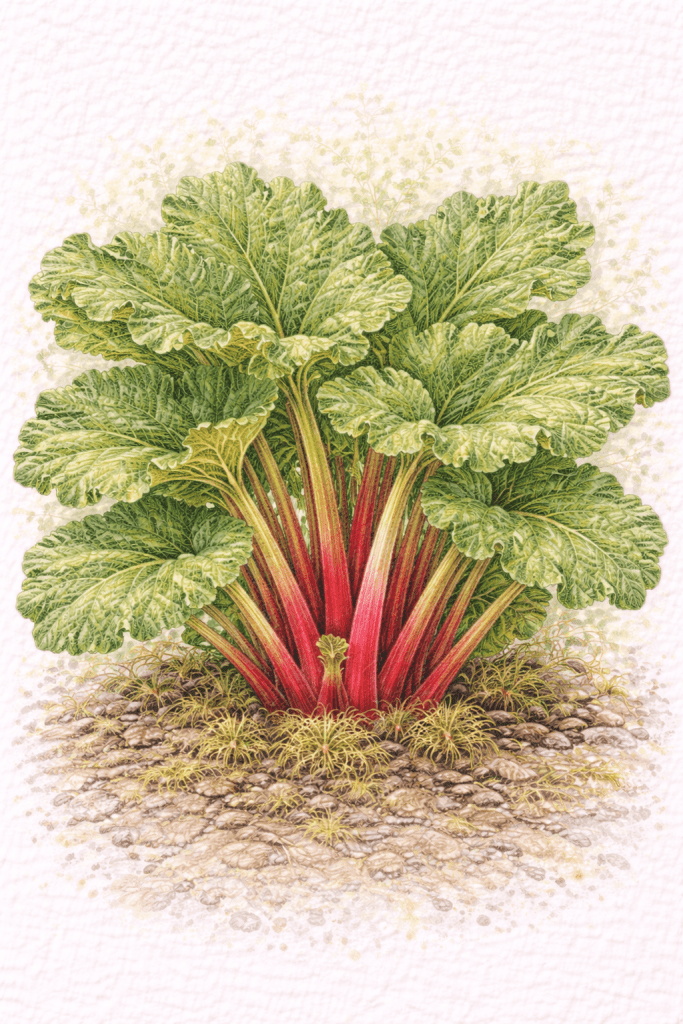
Rhubarb is one of the quiet joys of the kitchen garden. Each spring its sturdy crowns send up a generous cluster of large leaves held aloft on richly coloured stalks, ranging from soft pink to deep ruby red. Known botanically as Rheum rhabarbarum, this hardy perennial has been grown in British gardens for generations, valued both for its ornamental presence and its sharp, refreshing flavour in the kitchen.

Rheum rhabarbarum - Rhubarb

While the crisp stalks are gathered with enthusiasm for pies, crumbles, jams and compotes, the broad green leaves that crown them are often overlooked. Although rhubarb leaves should never be eaten due to their natural compounds, they still have several practical uses in the garden and home. With a little imagination, they can help reduce waste and encourage a more thoughtful approach to gardening.

Rather than discarding them, these impressive leaves can be put to use in simple, traditional ways that make the most of the whole plant.


A Natural Cleaner for Pots and Pans

One long-standing use for rhubarb leaves lies in their natural cleaning properties. The leaves contain oxalic acid, which is released when they are boiled and can help lift stains from metal surfaces.

By simmering a handful of rhubarb leaves in water in a stainless steel pan, a mild cleaning liquid can be created. Once cooled and strained, the liquid may be used to restore shine to pots, pans or even garden tools.

It is a straightforward, old-fashioned solution that replaces harsher commercial cleaners with something drawn directly from the garden.


A Gentle Garden Spray for Ornamental Plants

Rhubarb leaves can also be used to make a simple garden spray for ornamental, non-edible plants. When steeped in water, the leaves release compounds that may help discourage certain garden pests.

The strained liquid can be diluted and mixed with a small amount of mild soap to create a gentle spray for decorative plants. This approach offers a way to care for garden foliage while avoiding stronger chemical treatments.

As always, it should be used thoughtfully and only on plants not intended for harvesting.


Creating Natural Green Dyes

For those who enjoy traditional crafts, rhubarb leaves can also produce soft green dyes. When gently simmered in water, pigments from the leaves can be extracted and used to tint natural fibres such as wool, linen or cotton.

The resulting colours tend to be gentle and earthy — mossy greens and muted botanical shades that reflect the colours of the garden itself. It is a pleasing way to explore natural dyeing methods while making use of garden materials that might otherwise go to waste.


Returning Nutrients to the Soil

Perhaps the most natural use for rhubarb leaves is the compost heap. Their generous size means they break down well when combined with other garden waste, gradually returning valuable nutrients to the soil.

Over time, this compost becomes rich and crumbly, perfect for spreading around vegetable beds or borders. In this way, the leaves that once sheltered the plant help nourish the soil for future growth.


A Thoughtful Way to Garden

Rhubarb leaves may not appear on the table, but they still have much to offer. Whether used for cleaning, natural dyeing, protecting ornamental plants or enriching the compost heap, they remind us that every part of a plant has its place.

Gardening is often about noticing these small possibilities — working with what the garden provides and finding simple ways to reduce waste. By making use of the leaves of Rheum rhabarbarum, we honour the whole plant and embrace a more mindful approach to growing.

And in doing so, we discover that even the overlooked parts of a familiar garden favourite can quietly play their part in the life of the garden.

Further Reading: A Guide to Creating a Vegetable Patch

For some great vegetable blogs take a look at sowitgrowitandfeast.co.uk

Inspiration: Follow Us on InstagramThreads, BlueSkyTwitterTikTok and Pinterest.

Celebrating New Beginnings: The Spring Equinox

The sound of birds chirping, the sight of daffodils blooming, the feeling of warmth returning to the soil—these are the signs that the spring equinox is upon us. For gardeners, the equinox is more than just a celestial occurrence; it’s a herald of new life, renewed energy, and a return to the garden after the winter hibernation. In 2024, the Spring equinox is set to fall on March 20th, and it’s a date that marks much more than just a change in the calendar; it symbolises the balance of light and dark, and the turning point of the year as we move from the introspective season of winter to the growth and renewal of spring.

Understanding the Spring Equinox

What exactly is the spring equinox and why is it so important? The equinox, which occurs twice a year, signifies the moment when the sun crosses the celestial equator – the imaginary line above the Earth’s equator – from south to north. At this time, the duration of day and night is believed to be almost equal across the world. The word “equinox” comes from Latin and means “equal night,” emphasising this equilibrium. This celestial event marks the official start of spring, when daylight hours begin to overtake those of the moonlit nights.

The Gardener’s Perspective

For gardeners, the spring equinox is a pivotal event. It isn’t just a date on the calendar—it’s a call to action. It means that, from this point onwards, the days are getting longer and temperatures are generally rising, providing plants with the light and energy needed to shoot up new growth. It is the quintessential date that kick-starts the busiest time in the gardening calendar. This year, it’s an especially exciting time because of the relative early occurrence of the equinox.

The spring equinox for gardeners is a time of great significance, laden with opportunities to grow, connect, and celebrate the natural world. It marks a beginning not just for plants, but for gardeners and their communities. By following these practices and integrating the equinox into your gardening routine, you can set a powerful and positive tone for the growing season.

No matter how you choose to commemorate the equinox, one thing is certain – the arrival of spring brings with it the promise of life, joy, and a vibrant garden waiting to burst into its full glory. Happy equinox, and happy gardening!

Further Reading: Celebrate the Start of Meteorological Autumn, Spring Crocus

Fairhaven Woodland & Water Garden

Fairhaven is a beautiful garden founded by Major Henry Broughton. The estate, which covers an area of 130 acres, includes a hall, woodland, water garden, and inner broad. However, during World War II, the house and formal gardens were used as a convalescent home and training ground for the Home Guard. To prevent flying boat landings, pleasure boats were sunk in the inner broad, and it was also covered with barbed wire. Tanks were hidden in the garden, and some of the tank bays can still be seen today.

Major Broughton’s passion for gardening led him to design the garden himself. He had a team of seven gardeners and two woodmen to help him clear the dense jungle that had grown in what is now the main garden. He introduced a variety of shade and water-loving plants, including the breath taking Candelabra Primula, which blooms in May and early June. Other exotic plants were imported from around the world, such as the Skunk Cabbage (Lysichiton Americanus) from North America and Camellias and Rhododendrons from the Himalayas.

With dedication and hard work, it took only 15 years to create this beautiful garden.  A dedicated tree nursery was established to grow many of the trees with huge greenhouses to grow more than 90% of the plants from seed. Today, the garden is an award-winning woodland garden open to the public all year round. It is a haven for wildlife enthusiasts and features cultivated wild and natural plantings. The garden is a stunning testament to hard work.

Further Reading: NT Felbrigg Hall Walled Garden, Gooderstone Water Gardens Norfolk

Follow us on Instagram for Daily Garden Inspiration

Unveiling the Secrets of an Inspirational Garden

A Masterpiece of Nature’s Artistry

A garden is not merely a collection of plants and structures; it is a living canvas that showcases nature’s artistry. For gardeners, creating a great garden that exudes inspiration and captivates the senses can be a fulfilling endeavour. The key elements that contribute to an awe-inspiring garden, from the vast sky above to the fertile soil below.

Harnessing the Power of Sky and Light

The first element that sets an inspirational garden apart is its ability to harness the power of the sky and light. By carefully considering how sunlight interacts with different areas of your garden throughout the day, you can create captivating displays of shadow and highlight. Introduce tall trees or strategically placed arbors to create dappled shade, allowing rays of sunlight to dance through foliage and bathe your garden in a magical glow. Be mindful of how your plants interact with light—some may thrive in full sun, while others prefer shaded retreats. By understanding these dynamics, you can design a garden that embraces natural light and creates an ever-changing tapestry of colours.

Nurturing Soil for Flourishing Life

Underneath every breath-taking flowerbed or flourishing shrub lies one key secret: nutrient-rich soil. The foundation for any successful garden starts with nurturing your soil. Begin by testing its pH levels to ensure optimal conditions for plant growth. Amend your soil with organic matter such as compost or well-rotted manure, providing essential nutrients for robust root development. Remember that different plants have varying soil preferences; some thrive in moist environments, while others prefer well-draining soils. Tailoring your soil composition to suit each plant’s needs will foster healthy growth and vibrant blooms throughout your garden.

Creating a Symphony of Plants

A great garden is a harmonious symphony of plants, carefully chosen and arranged to create stunning visual compositions. Consider the colour palette you wish to showcase—do you envision a vibrant explosion of hues or a serene monochromatic scheme? Select plants with varying heights, textures, and forms to add depth and interest to your garden beds. Incorporate evergreen shrubs for year-round structure and punctuate your landscape with seasonal flowers that paint the canvas with bursts of colour. Remember that gardening is an ongoing creative process, so be open to experimenting with new plant combinations and embracing the ebb and flow of nature’s beauty.

Structures: The Backbone of Beauty

While plants take centre stage in any garden, structures provide the backbone that ties everything together. From elegant pergolas draped in climbing roses to quaint stone pathways guiding visitors through hidden corners, structures add architectural interest and create focal points within your garden. Consider incorporating trellises for vertical gardening or installing water features like tranquil fountains or bubbling streams. These structures not only enhance the aesthetic appeal but also provide functional benefits such as shade, privacy, or attracting beneficial wildlife. Let your imagination run wild as you explore how different structures can elevate your garden’s allure.

Embracing Visual Excitement: Artistic Accents

To truly make your garden inspirational, embrace artistic accents that add an extra layer of visual excitement. Sculptures nestled among flowerbeds can evoke emotions and spark curiosity. Wind chimes delicately dancing in the breeze create soothing melodies that transport you into a state of tranquillity. Consider incorporating mosaic stepping stones or decorative tiles for whimsical charm underfoot. These artistic touches infuse personality into your garden space, making it a reflection of your unique style and passions.

Conclusion: Nature’s Masterpiece Awaits Your Touch

Creating an inspirational garden is an art form that combines nature’s inherent beauty with the creative vision of a gardener. By harnessing the power of sky and light, nurturing your soil, curating a symphony of plants, incorporating structures, and embracing artistic accents, you can transform your garden into a breath-taking masterpiece. Let your imagination soar as you explore the endless possibilities for creating an inspirational garden that awakens the senses and brings joy to all who encounter it. Start planting today and watch as nature’s artistry unfolds before your eyes.

Further Reading: The Magic of Perennials, Transform Your Garden with UpTheGarden CompanySustainable Hardscaping: Build a Beautiful, Eco-Friendly GardenCreate a Sanctuary Space: Your Haven of Calm at HomeGarden Trends 2026: Reconnect with NatureWinter Planning: Design Your Dream Border for Next Year

Inspiration: Follow Us on InstagramThreads, BlueSkyTwitterTikTok and Pinterest.

The Magic of a January Garden

January gardens have a distinct charm and magic. Whilst it may seem that everything is resting, there’s plenty of life and activity happening in your January garden, and a wealth of tasks for the dedicated gardener.

Understanding the January Garden Landscape

As the chilly clutches of winter grip the landscape, the gardens undergo a bewitching metamorphosis. There is a certain raw, untouched beauty about them that is quite unlike their vibrant summer or spring counterparts. The deciduous trees may have bared their souls, shedding their lush green mantle to flaunt their stunning skeletal framework and textured barks, but that doesn’t equate to lifelessness.

Contrarily, there’s a burst of subtle life humming beneath the seemingly placid surface. Frost-sprinkled plants stand proudly, their crystal-laden leaves shimmering under the weak winter sun, presenting a picture of exquisite serenity. There’s an ethereal, almost magical appeal about them, beckoning you to step closer and admire their stark beauty.

The thick layer of frost may seem to have brought life to a standstill, but beneath the icy soil, a silent symphony of growth is in progress. Bulbs, seemingly dormant, are subtly and steadily working their way upwards, weaving their path through the frozen soil, eager to greet the spring sun with their vibrant blossoms.

Don’t be fooled by the stillness. January gardens are far from dormant. They are brimming with muted activity and life, offering a tranquil sanctuary for those who seek solace in nature’s serene embrace. The hush that envelopes these winter gardens is not one of inactivity, but of quiet determination and steady growth. It whispers the promise of spring’s imminent arrival, of blossoms waiting to burst forth and of life preparing to resume its colourful dance.

So, brace yourself for the frost-kissed mornings and make the most of this season of tranquillity and peace. Take a leisurely walk through your garden, breathe in the crisp air, and marvel at the muted beauty of nature at rest. Be a keen observer, attune yourself to the subtle signs of life, and gain a deeper understanding of the magic that is a January garden in the UK. After all, every season has a tale to tell, and winter is no exception.

Essential Tasks for your January Garden

Embrace the invigorating chill of the season and dive into your to-do list for your winter garden. Kickstart your January gardening chores with some timely pruning of deciduous trees and shrubs. Remember to spare those that bloom in spring and ensure to pick a day that’s frost-free to safeguard the plant tissues.

Then it’s onto tool maintenance. This is a splendid time to service your gardening equipment. Winter’s slow pace offers a perfect opportunity to tend to your tools, ensuring they are sparkling clean, sharp, and ready to tackle the tasks the forthcoming year will present.

While you’re at it, don’t forget your tender plants and shrubs. The harsh winter frost is a formidable adversary, and protection is key to ensuring they make it through. A little effort now can save a lot of heartache later in the year.

Birds are a delightful sight in any garden and an essential part of the ecosystem. With food scarce in winter, maintaining well-stocked bird baths and feeders is a rewarding task. It’s a joy to watch them flutter about, providing a vibrant contrast to the serene winter landscape.

So, put on your gardening gloves, step into the brisk winter air, and tackle these essential tasks. Your January garden will reward you for your efforts with its tranquillity, resilience, and promise of things to come.

Planning for a Colourful Spring

Whilst the restful, subdued hues of January may currently envelop your garden, let your mind wander to the brighter days of spring. The frigid winter days provide an excellent opportunity to start planning your garden for the riot of colours that the spring season promises. This is the time to delve into the world of seed catalogues. Immerse yourself in the fascinating array of varieties available and begin to envision the vibrant display you could create in your garden come spring.

As the cold winter days provide an enforced respite from active gardening, utilise this time to pre-order your selection of summer-flowering bulbs and seeds. Early planning and ordering ensure you get the first pick from the best varieties, so you are not left wanting when the planting season begins.

Consider your vegetable plot, too. What do you fancy harvesting in the warmer months? A bounty of juicy tomatoes, crisp lettuce, or perhaps some spicy chillies? Now is the time to make your wish list, so when the frost thaws, you can hit the ground running.

Remember, a well-planned garden is not just a feast for the eyes but a time-saver, too. Putting pen to paper now and jotting down your garden plans will not only fuel your gardening enthusiasm but also help organise your thoughts. So, when the icy grip of winter finally loosens, you can make a smooth transition into the hustle and bustle of spring gardening.

Whilst the winter garden whispers promises of spring’s arrival, let your mind dance with the possibilities. Allow the anticipation of the forthcoming season of growth to warm you on the coldest winter days. Every garden starts with a dream in someone’s mind, and there’s no better time than now to start dreaming about your colourful spring garden.

Seasonal Vegetables to Grow in January

Just because the mercury is dipping, it doesn’t mean your gardening zeal should cool off. Indeed, January is the perfect time to don your green thumb and get stuck in with a variety of winter-hardy veggies that’ll reward you with a bountiful harvest. Begin by nudging some onion, leek and early cabbage seeds to life within the snug confines of a heated propagator. These sturdy varieties can withstand the winter chill and will give you a headstart in your growing season.

Meanwhile, garlic and broad beans are eager to hit the ground running, quite literally. These can be sown straight into the frost-kissed soil of your garden beds. They are robust and hardy, readily braving the icy conditions to gift you with their delectable produce in the months to follow.

And let’s not forget about peas and spinach! As January wanes and we edge closer to February, these verdant delights can be started off under protective cloches, their tender shoots safe from the lingering winter frost.

So, roll up your sleeves, tug on your wellies and make the most of this invigorating season. Let the sight of your growing vegetables lift your spirits on the coldest winter days, knowing that each seed sown and plant nurtured is a step closer to a delicious, homegrown feast. After all, what could be more satisfying than witnessing the fruits (or rather, vegetables) of your labour sprout to life, straight from your January garden?

Encouraging Wildlife into your January Garden

Winter may seem harsh and inhospitable, but your garden can become a sanctuary for an array of wildlife. The rustle of leaves, the flutter of wings, the delicate scuttle of tiny feet can all add a vibrant pulse to the hush of your winter garden.

Start by rethinking your garden waste. Those piles of leaves and garden cuttings, which you may consider a mess, are in fact cosy shelters for hedgehogs and various insects seeking refuge from the biting cold. Leave them undisturbed in a corner of your garden, providing a snug winter home for these beneficial creatures.

Birds are a joyful presence in any garden, their merry chatter breaking the winter silence. With food resources scarce in winter, your bird baths and feeders become vital lifelines for these feathered friends. Regularly topping them up with high-energy food and fresh water will not only ensure the survival of these birds but also offer you a delightful spectacle of their frolicking activities.

Consider adding berry-laden trees and shrubs to your garden. They act like magnets for a variety of birds, who feast on these natural food sources. The vibrant berries also add a dash of colour to your garden, brightening up the grey winter days.

Don’t forget about the log piles! These can serve as winter homes for beneficial insects and small mammals. A log pile in a sheltered spot of your garden is like a miniature wildlife hotel, providing a secure refuge for these tiny creatures.

While your January garden quietly prepares for spring’s grandeur, it can simultaneously serve as a bustling winter wildlife habitat. Your efforts to encourage wildlife not only enhance the biodiversity of your garden but also make your winter garden a more engaging, lively place. Indeed, tending to your garden in January is not just about pruning trees or sowing seeds, it’s also about nurturing a thriving ecosystem right in your back garden. Embrace this opportunity and transform your garden into a haven for winter wildlife.

The Benefits of January Gardening

January’s frosty embrace offers an array of rewards to those who venture into the garden. One cannot overlook the profound sense of tranquillity that graces the garden during this time. As you navigate through this serene landscape, observing the carpet of leaves and listening to the winter bird song, it’s an invitation to truly connect with nature’s quiet phase. It’s a time to appreciate the charm of the stark winter landscape, a poignant reminder of nature’s constant cycle of growth, dormancy and regeneration.

Moreover, the brisk winter air and physical exertion of gardening jobs not only contribute to maintaining a healthy and active lifestyle but also serve as an effective antidote to the winter blues. Tackling pruning tasks, sowing winter-hardy veggies, or even simply engaging in a spot of tidying up can provide a much-needed burst of activity during these potentially lethargic months.

The mental benefits of January gardening are also worth highlighting. As one sows the first seeds of the year or plans the spring garden, it nurtures a sense of anticipation and excitement. It offers something to look forward to, a vibrant garden waiting to unfold with the advent of spring. This, in turn, can be a wonderful mood booster, uplifting your spirits on the gloomiest winter days.

Additionally, gardening has often been lauded for its therapeutic qualities. Amidst the stillness of a January garden, one can find a space for reflection and relaxation. It allows you to momentarily break away from the hustle and bustle of life and immerse yourself in nature’s soothing rhythm. It’s an opportunity to reduce stress, alleviate anxiety, and cultivate mindfulness, making gardening not just a hobby, but a tool for fostering mental well-being.

In essence, January gardening provides far more than just a well-maintained garden or a head-start for the spring. It offers a sanctuary of peace, an avenue for physical exercise, a source of joyous anticipation, and a canvas for mental relaxation. So, don’t let the cold deter you. Embrace the winter garden’s muted charm, and you’ll find that it’s a season as rewarding and fulfilling as any other in the gardening calendar.