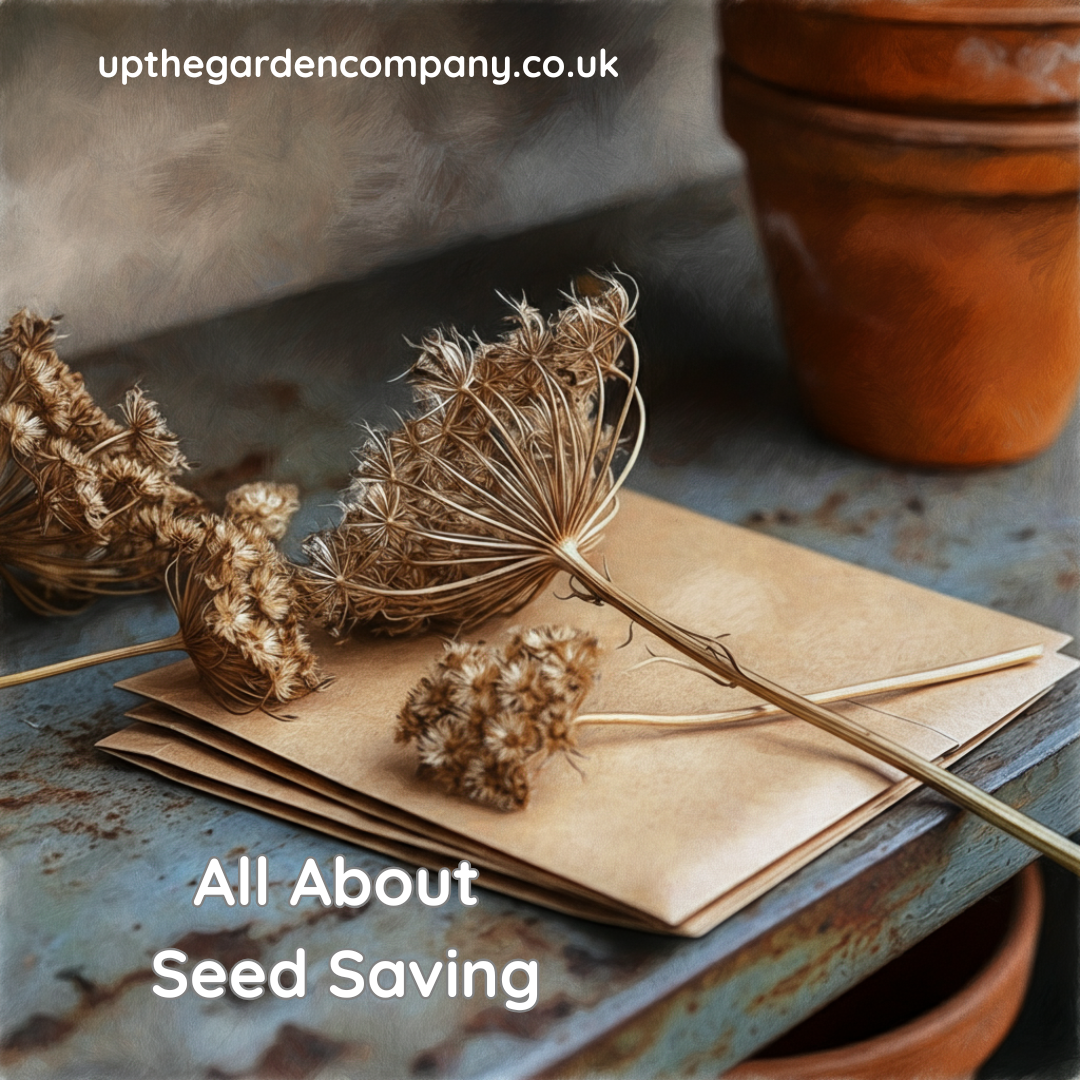
All About Seed Saving

Late summer marks one of the most rewarding times for gardeners. As August transitions into September, your garden reaches peak maturity, offering the perfect opportunity to collect seeds from your favourite plants. This practice connects you directly to next year’s garden while preserving varieties you’ve grown to love.

Seed saving transforms you from a seasonal gardener into a true plant steward. Rather than purchasing packets each spring, you’ll have your own supply of seeds perfectly adapted to your local conditions. The process requires minimal equipment but delivers maximum satisfaction as you witness the complete lifecycle of your plants.

This comprehensive guide will walk you through proven methods for collecting, processing, and storing seeds from ten reliable garden plants that produce offspring true to their parent’s characteristics.

The Perfect Timing for Seed Saving

August and September provide optimal conditions for seed saving across most temperate regions. Plants have had the entire growing season to mature, and their seeds contain maximum viability. Morning collection works best, after dew has dried but before the afternoon heat causes seed pods to split prematurely.

Watch for visual cues that indicate seed readiness. Pods should feel dry and papery, while seed heads often change colour from green to brown or tan. Seeds themselves should appear plump and fully formed rather than pale or shrivelled.

Essential Seed Saving Methods

Dry Collection Method

Most garden seeds benefit from dry collection techniques. Cut entire seed heads or pods using clean secateurs, leaving a short stem for easier handling. Place collections immediately into paper bags or envelopes, never plastic, which traps moisture and encourages mould.

For plants with explosive seed dispersal like sweet peas or poppies, cover developing pods with breathable fabric bags secured with string. This captures seeds as they naturally release whilst maintaining air circulation.

Wet Collection Method

Fleshy fruits require wet processing to separate viable seeds. Scoop seeds from fully ripe tomatoes, squash or melons, then place them in water for several days. Viable seeds sink whilst pulp and poor-quality seeds float, making separation straightforward.

Professional Storage Techniques

Proper Drying Process

Spread collected seeds on newspaper or screens in a warm, well-ventilated area away from direct sunlight. Most seeds require one to two weeks of drying, depending on size and moisture content. Test dryness by bending a seed—properly dried specimens snap rather than bend.

Labelling and Organisation

Create detailed labels immediately upon collection. Include plant variety, collection date, and location within your garden. Use permanent markers on weatherproof labels, as pencil writing fades over time.

Store dried seeds in paper envelopes or small glass jars within airtight containers. Add silica gel packets or dry rice to absorb residual moisture. Label containers clearly and store in cool, dark locations such as refrigerators or unheated basements.

Ten Reliable Plants for Seed Saving

1. Marigolds (Tagetes)

These cheerful annuals produce abundant seeds that germinate reliably. Allow flower heads to dry completely on plants before collecting. Seeds store well for up to three years when kept dry and cool.

2. Sunflowers (Helianthus annuus)

Harvest seeds when the back of flower heads turn from green to brown. Cover developing heads with cloth bags to protect from birds. Each head can yield hundreds of viable seeds.

3. Nasturtiums (Tropaeolum majus)

These edible flowers produce large, easily handled seeds. Collect individual seeds as they fall naturally, or gather them from dried plants. Fresh seeds often germinate within days of planting.

4. Calendula (Calendula officinalis)

Often called pot marigold, calendula produces curved seeds that are unmistakable. Collect regularly throughout the growing season as flowers fade. These hardy annuals self-seed readily when allowed.

5. Sweet Peas (Lathyrus odoratus)

Allow pods to dry completely on vines before collection. The hard seeds benefit from scarification—gently file or nick the seed coat before planting to improve germination rates.

6. Cosmos (Cosmos bipinnatus)

These drought-tolerant flowers produce needle-like seeds attached to feathery structures. Shake dried flower heads over containers to release seeds easily. Remove chaff by gentle winnowing.

7. Zinnias (Zinnia elegans)

Wait until petals have completely dried and flower centres feel firm. Pull apart dried flower heads to reveal seeds attached to the base. Each flower can yield dozens of seeds.

8. Love-in-a-Mist (Nigella damascena)

The distinctive inflated seed pods make collection straightforward. Allow pods to dry until they rattle when shaken. Store seeds within pods until planting time for best results.

9. Lettuce (Lactuca sativa)

Allow several plants to bolt and flower for seed production. Harvest when fluffy seed heads form and begin to open. Handle gently as mature seeds detach easily.

10. Radishes (Raphanus sativus)

Leave several plants unharvested to flower and set seed. Collect dried pods when they turn brown and brittle. Each pod contains multiple round seeds that store exceptionally well.

Maximising Seed Viability

Testing Germination Rates

Before relying on collected seeds, test their viability. Place ten seeds on damp paper towels within sealed plastic containers. Check germination rates after the expected timeframe for each variety. Acceptable rates vary, but 70% or higher indicates good viability.

Genetic Considerations

The plants listed above are open-pollinated varieties that produce offspring matching their parents. Avoid collecting seeds from F1 hybrids, which produce unpredictable results in subsequent generations.

Cross-pollination can occur between related plants, so maintain distance between different varieties of the same species. For guaranteed purity, grow only one variety of each species or hand-pollinate flowers whilst covering them from insects.

Troubleshooting Common Issues

Mould Prevention

Ensure seeds are completely dry before storage. Add desiccant packets to storage containers and check periodically for moisture buildup. Discard any seeds showing signs of mould immediately to prevent spread.

Pest Management

Store seeds in sealed containers to prevent insect damage. Check stored seeds regularly and freeze any showing signs of pest activity for 48 hours to eliminate insects without damaging seeds.

Begin Your Seed-Saving Adventure

Collecting seeds from your garden creates an annual cycle of growth, harvest, and renewal that deepens your connection to the natural world. Start with just a few reliable varieties this season, then expand your collection as confidence grows.

Your garden holds countless opportunities for seed collection. Walk through your space this August with fresh eyes, identifying candidates for your first harvesting attempts. Each successful collection brings you closer to true gardening independence whilst preserving the unique characteristics of plants that thrive in your specific conditions.

Further Reading: Stunning Late Summer Autumn Perennials, A Clean Start: The Importance of Garden Hygiene, The Ultimate Guide to Garden Seed Ordering for Your Home Vegetable Patch 

Follow Us on Instagram for Daily Gardening Inspiration 🌼

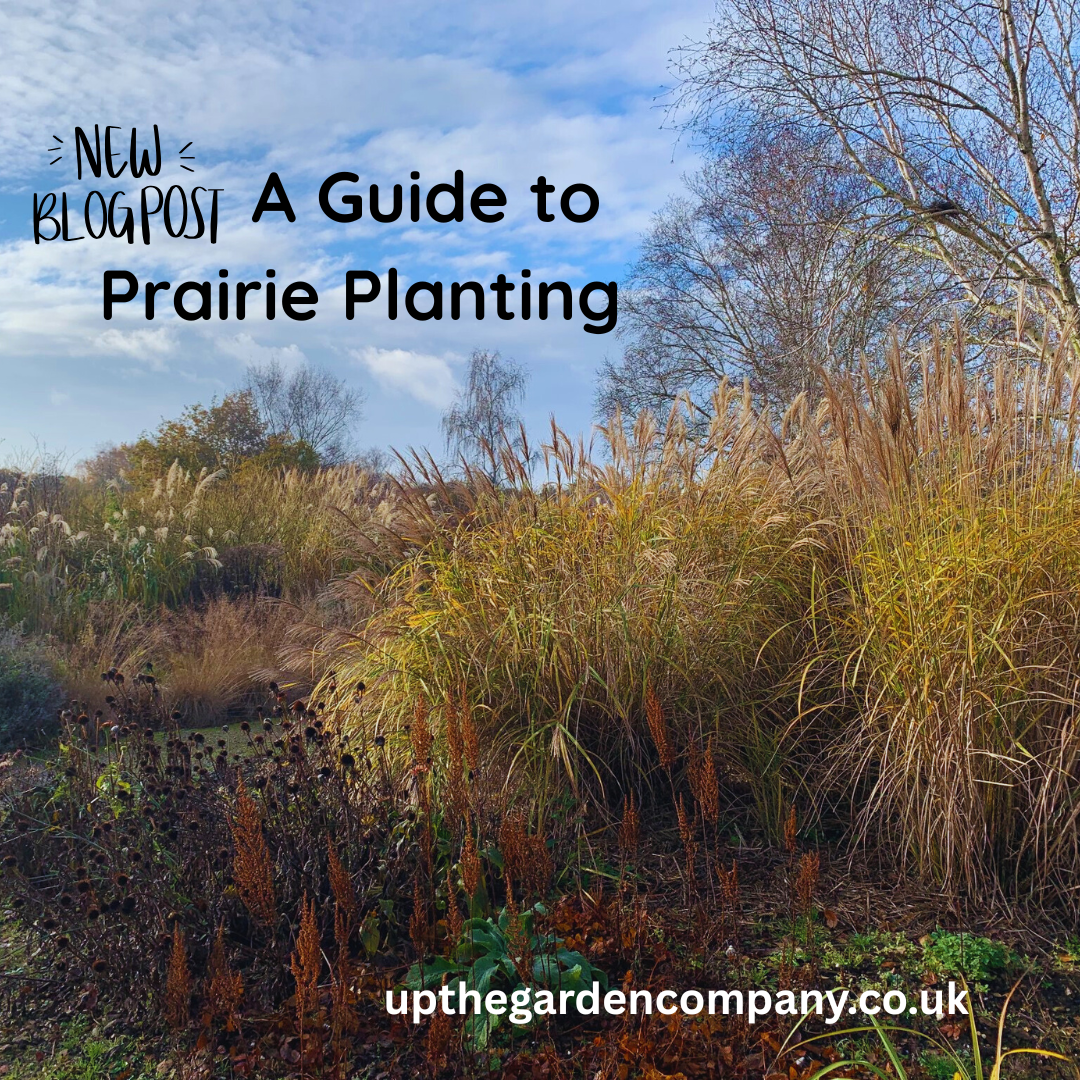
A Guide to Prairie Planting

Imagine a garden filled with graceful grasses and vibrant perennials, swaying together in a gentle breeze. This relaxed, naturalistic style, known as prairie planting, brings the untamed beauty of a meadow right to your doorstep. While most effective in larger spaces, you can also capture this stunning effect in smaller gardens.

This style of planting creates a rich habitat for wildlife, offering nectar for pollinators and shelter for overwintering insects. Discover how to create your own prairie-style garden, a beautiful and evolving landscape that offers interest all year round.

What is Prairie Planting?

The term “prairie” traditionally refers to the vast grasslands of the American Midwest. In gardening, however, it has evolved to describe a style that combines grasses and flowering perennials requiring similar growing conditions.

While you could base a scheme on a South African meadow or Mediterranean maquis, a prairie-style garden doesn’t have to be geographically pure. You can successfully combine plants from different parts of the world, as long as they thrive in similar soil and climate conditions. This guide will walk you through creating these beautiful, naturalistic plantings, whether in a dedicated border or across a larger landscape where they have the most dramatic impact.

When to Establish a Prairie Planting

The best time to start your prairie garden is in March. As the soil begins to warm up, your plants will have the entire growing season to establish strong roots. While some planting can be done in September, this timing is not ideal for warm-season grasses.

If you’re starting from seed, the timing will depend on the specific mix you choose. Always select species with similar germination requirements so they can be sown together and grow in harmony.

How to Create a Prairie-Style Garden

There are two main approaches to creating a prairie-style garden, each resulting in a distinct look and feel.

  • Planting in drifts: This method involves planting established grasses and flowering perennials in flowing groups or blocks. The result is similar to a traditional border but with a more natural, evolving character.
  • Broadcast sowing: By sowing a mix of seeds directly onto the soil, you can create a true ecological community where plants compete and mingle naturally. This approach mimics a genuine prairie and changes continuously over the years.

Regardless of the method you choose, a site that receives full sun for most of the day is generally the best option.

1. Planting a Prairie-Style Border

This method is an excellent way to introduce the prairie look into your garden. It draws inspiration from traditional perennial borders, which have long featured prairie natives like phlox, goldenrod (Solidago), and asters. By incorporating ornamental grasses, you can create a space that truly captures the spirit of the prairie.

Advantages:

  • Ideal for smaller gardens where space is limited.
  • Using well-developed plants gives them a head start against pests.
  • Planting in defined drifts makes it easier to identify and remove weeds.

Disadvantages:

  • Requires as much maintenance as a traditional herbaceous border.
  • The planting is less dense than a seeded prairie, leaving more room for weeds to establish if not regularly maintained.

How to Prepare the Ground

Your success starts with thorough ground preparation.

  1. Ensure the area is completely free of perennial weeds like couch grass, ground elder, and bindweed.
  2. If you’re creating a new border, rotavate the ground to break up the soil.
  3. Incorporate a generous 7.5cm (3in) layer of well-rotted garden compost or manure to enrich the soil and improve its structure.

Design and Planting

With your canvas prepared, it’s time to select your plants.

  • Assess your site: Determine how much sun the area receives and identify your soil type.
  • Plan your display: Decide when you want the main floral display to be and how long it should last.
  • Create variety: Aim for a mix of flower shapes—daisies, spires, globes, and airy “see-through” plants—to add texture and interest.
  • Plant in drifts: In smaller areas, plant in informal drifts of at least five plants of the same species. This creates a more naturalistic impression than single specimens.
  • Consider the light: Use backlighting from the low sun to illuminate grasses and seed heads. Island beds work particularly well for this.
  • Layer your planting: Choose plants that provide interest throughout the seasons. Start with low-growing spring perennials, followed by taller plants that flower through summer and into autumn.
  • Repeat groupings: Repeating clusters of plants throughout the border creates a sense of rhythm and coherence.
  • Include annuals and bulbs: Don’t forget to add annuals, biennials, and bulbs for extra layers of colour and interest.

For larger spaces, consider using the matrix planting technique, championed by renowned garden designer Piet Oudolf. This involves:

  1. The matrix: A base layer of one or two species, often a grass, planted in large numbers to unify the design.
  2. Primary plants: Groups of strong, structural flowering plants planted within the matrix to provide the main interest.
  3. Scatter plants: A few “secondary” plants, like Verbascum, added randomly to give the planting a spontaneous, natural feel.

Aftercare

  • Mulch deeply: Once planted, apply a 7.5cm (3in) layer of mulch, such as bark chips or gravel, to suppress weeds and retain moisture.
  • Water regularly: Water thoroughly at least twice a week during the first two growing seasons to help plants establish.
  • Weed diligently: Remove weeds regularly before they have a chance to set seed.
  • Cut back in spring: Leave the foliage and seed heads standing over winter to provide structural interest and shelter for wildlife. Cut everything down in early spring before new growth appears. The old plant material will act as a natural mulch.

2. Prairie Plant Communities from Seed

For a truly naturalistic and low-maintenance garden, sowing seed is the ultimate approach. The goal is to establish a self-sustaining plant community where species intermingle and evolve over time. This method has been pioneered by designers like James Hitchmough and Nigel Dunnett, whose work can be seen at the Oxford Botanic Garden and the London Olympic Park.

Advantages:

  • Establishes a genuine plant community that is more resistant to weeds once mature.
  • More cost-effective than buying established plants.
  • Allows for a greater diversity of species, extending the flowering season.
  • Ideal for sites with low soil fertility.

Disadvantages:

  • Requires significant weeding and maintenance during the initial establishment phase.
  • Slugs and snails can be a major problem for young seedlings in the UK’s damp climate.

How to Prepare for Seed Sowing

This method requires meticulous preparation.

  1. The area must be completely clear of all existing vegetation, especially perennial weeds. Removing them by hand is the most organic method but can take a year or more.
  2. If the area was previously lawn, the soil is likely to be compacted. Dig or rotavate it to the depth of a spade’s blade, then level it carefully with a landscape rake.
  3. To prevent annual weed seeds in the soil from germinating, lay a 7.5cm (3in) deep layer of washed sharp sand over the surface before sowing.

Sowing

  1. Mark out your sowing area into a grid of one-metre squares to ensure even coverage.
  2. Mix your seed with a carrier, such as damp sawdust or kiln-dried sand, at a rate of 1-2g of seed per square metre.
  3. Broadcast the seed and carrier mix over the area, making two passes in different directions for good distribution.
  4. Gently rake the seed into the top layer of sand, again in two directions at right angles.
  5. You can lay open-weave jute netting over the area to protect it from being disturbed by cats or other animals.

You can also add a few mature, container-grown plants to the scheme before sowing. This is useful for perennials that are difficult to grow from seed or for introducing specific cultivars.

Aftercare

  • Water consistently: Water the entire area every few days during the first growing season.
  • Manage slugs: Implement a slug and snail deterrent programme to protect your seedlings.
  • Weed, weed, weed: In early summer, carefully identify and remove any weed seedlings. This is a crucial step.
  • Thin out dominant species: After the second year, you may need to thin out any species that are becoming too dominant. This requires careful observation to maintain a balanced plant community.

Ready to Create Your Own Prairie Garden?

Whether you choose to plant a carefully designed border or sow a wild, evolving meadow, prairie planting offers a wonderfully rewarding way to garden. It connects you with the changing seasons, supports local wildlife, and creates a breathtakingly beautiful landscape that will bring you joy for years to come.

Discover a new way of gardening and create a space that is both stunning and sustainable.

Further Reading: Creating Harmony with Nature Naturalistic Garden Design, Garden Design with Grasses

Follow us on Instagram for Daily Gardening Inspiration 💙

How to Prune Your Wisteria for Stunning Displays

Wisterias are the showstoppers of any garden, their cascading blooms a sight of breathtaking beauty. But achieving healthy vines laden with flowers takes careful attention and pruning is a vital part of that process. So what do you need to know about pruning your wisteria?


When Is the Best Time to Prune Wisteria?

To keep wisteria under control and encourage abundant blooms, it needs pruning twice a year:

  • Summer Pruning (July–August): Focused on controlling growth and shaping the vine after the flush of spring blooms.
  • Winter Pruning (January–February): Essential for refining the structure, ensuring good airflow and encouraging flower buds for the next season.

Pruning during these times aligns with the plant’s natural cycle. Summer pruning helps manage vigorous growth, while winter pruning concentrates energy into flower production. Get into the habit of these two pruning sessions and you’ll see notable results year-round.


Why Should You Prune Wisteria?

Pruning isn’t just for appearance; it plays a crucial role in the plant’s health and performance. Here’s why it’s essential:

  • Keeps Growth Manageable: Wisterias are naturally fast-growing climbers, and without pruning, they can quickly take over walls, trees or pergolas.
  • Boosts Flower Production: Blooms grow on spurs formed on older wood, and regular pruning encourages this process, enhancing the number of flowers.
  • Encourages Better Airflow: Trimming reduces dense foliage, helping prevent fungal diseases and pest infestations.
  • Shapes the Plant: Whether on walls, pergolas or as standards, pruning helps train your wisteria to grow in a tidy and appealing structure.

Pruning might sound intimidating, but with a little practice, it becomes a straightforward and highly satisfying gardening task.


How to Summer Prune Wisteria (Step-by-Step)

Summer pruning is all about controlling wild growth. Follow this step-by-step guide to keep your vine in check:

1. Inspect the Plant

Look over your wisteria for any overgrown or wayward shoots. These are typically the long, thin growths (or ‘whippy’ shoots) extending from the main branches.

2. Prune Excess Growth

  • Cut back new shoots to five or six leaves from the main stems. This helps tidy the plant while leaving enough foliage for photosynthesis to nourish the plant.
  • If shoots are covering windows, doors or pathways, trim them back to where they don’t obstruct.

3. Tidy Up Climbing Structures

Ensure the plant doesn’t outgrow its space on walls, pergolas or trellises. If desired, tie some shoots into place for support.

By keeping summer pruning regular, you’ll maintain a compact, flower-laden plant that doesn’t spread out of control.


How to Winter Prune Wisteria (Step-by-Step)

Winter pruning focuses on refining the plant’s structure and preparing it for the blooming season ahead. Here’s how to winter prune:

1. Start by Clearing Dead Material

Identify and remove any dead, weak or damaged branches. Look for wood that appears dry, brittle or hollow inside.

2. Shorten Summer Growth

  • Cut back the same shoots you trimmed during summer so they’re reduced further to two or three buds from the main branch. These buds will develop into flower spurs.
  • Remove any very vigorous shoots that undermine the plant’s structure.

3. Check for Crossing Branches

If stems are crossing and rubbing against each other, remove the weaker of the two to prevent damage and maintain an open framework.

Winter pruning is precise and focused, setting up your wisteria for a resplendent spring display.


How to Hard Prune or Renovate Wisteria (Step-by-Step)

If your wisteria has been neglected or grown out of control, hard pruning (or renovation pruning) can help rejuvenate it. While this might mean cutting back significantly, don’t worry—wisterias are hardy and bounce back well.

Step-by-Step Guide to Hard Pruning:

  1. Choose the Right Time: Perform hard pruning in late winter (January–February) when the plant is dormant.
  2. Cut Back to the Main Framework: Reduce all side shoots to within half a metre (1.5 feet) of the main stem or trunk.
  3. Remove Old, Overgrown Wood: Eliminate thick, non-productive branches to open up the plant and give space for new growth.
  4. Define New Leader Shoots: Select a few strong main branches to anchor the vine’s structure moving forward.

Hard pruning may delay flowering for a season, but it’s well worth it for the long-term health and shape of the vine.


How to Train Wisteria on Walls, Pergolas, Arches, and as Standards

Beyond pruning, training wisteria is key to creating a beautiful, structured display. Different surfaces and supports require specific strategies:

Training on Walls

  • Use horizontal wires spaced 30cm (12 inches) apart.
  • Tie stems loosely to the wires with soft garden ties. Guide new shoots along the wires to form an espalier-like structure over time.

Training on Pergolas or Arches

  • Allow one or two main shoots to grow vertically up the support, then train lateral branches horizontally to cover the structure evenly.
  • Tie branches gently and trim excess growth during summer pruning.

Training On Trees

  • Choose a sturdy tree with a clear structure (e.g., no sprawling, low branches).
  • Allow the vine to twist around the trunk naturally. Prune regularly to prevent overgrowth or competition with the host tree.

Training as a Standard

  • Select a single strong upright shoot and stake it for support.
  • Remove all side shoots along the lower stem to create a clear trunk. Allow top growth to spread into a crown, pruning annually to maintain shape.

Each training method works beautifully in different garden designs, so choose the one that fits your space and aesthetic.


The Key to Stunning Wisteria Begins with You

Pruning your wisteria might feel like a daunting task at first, but as you’ve seen, breaking it down into seasonal steps makes the process manageable and rewarding. By integrating regular summer and winter pruning, experimenting with training methods and occasionally hard pruning when necessary, you’re ensuring your wisteria remains a healthy and captivating feature of your garden for years to come.

Take a look at Our Favourite Pruners here.

For Daily Inspiration; Follow us on Instagram, BlueSky, X , Pinterest or Threads.

Mast Years: Why They Happen and Their Impact

Understanding Mast Years

Have you ever noticed certain years when trees seem unusually generous, scattering an abundance of seeds or fruits across the ground? These extraordinary years are known as Mast Years, a natural occurrence where particular tree species produce a significantly larger quantity of seeds than they would in most years. What makes this phenomenon so captivating is its irregularity; it doesn’t happen annually but rather appears sporadically, leaving us to marvel at nature’s intricate timing.

A Mast Year is not just about sheer volume; it’s a strategic event deeply rooted in the life cycle of trees. Species like oak, beech, and chestnut are some of the most well-known participants in this process. During these years, the ground beneath these trees often becomes carpeted with acorns, beech nuts or conkers, painting a vivid picture of nature’s abundance.

At first glance, it might seem as though Mast Years occur at random. However, they are carefully timed, guided by factors that allow trees to maximise the success of their seeds. Unlike humans, trees communicate and coordinate with one another in ways that remain partly a mystery to us. What we do know is that they often “decide” to conserve their energy in some years, diverting resources towards seed production only when conditions are just right.

This unpredictable rhythm is part of what makes Mast Years so special. They act as a subtle reminder that nature operates on its own schedule, creating moments of plenty that ripple through the surrounding ecosystem. For anyone lucky enough to observe a Mast Year in action, it offers a unique opportunity to witness the wisdom embedded in the natural world, as trees work together to ensure the survival of future generations. In their quiet and unhurried way, trees continue to surprise and inspire us, connecting us to the timeless cycles of life.

Causes Behind Mast Years

Mast Years arise from a fascinating interplay of natural cues and evolutionary strategies. Trees, ever attuned to their surroundings, seem to time their bountiful seed production in response to a blend of internal and external factors. Weather plays a particularly prominent role, with certain conditions acting as a green light for trees to divert energy into reproduction. A warm spring or a stretch of favourable growing conditions can often set the stage, creating the perfect environment for seeds to flourish.

Beyond the weather, the synchronised nature of Mast Years is one of their most intriguing aspects. Many tree species, such as oaks and beeches, appear to work in unison, producing seeds en masse across wide areas. This synchrony is believed to be a strategy to increase the chances of survival for their offspring. By overwhelming animals that feed on seeds, trees ensure that even though many will be eaten, plenty will escape predation and germinate. This approach benefits the tree population as a whole, securing the continuity of their species.

Internal biological rhythms also guide this behaviour. Trees take years to accumulate the energy required for such a large-scale production of seeds. During non-mast years, resources are stored up, allowing them to be expended in a dramatic burst when the timing is right. This rhythm not only conserves energy but also prevents seed predators from becoming too reliant on an annual harvest, helping to maintain balance in the ecosystem.

Interestingly, Mast Years are not uniform. Different species of trees have their own unique cycles and triggers, and even neighbouring forests might experience them in varying ways. This diversity highlights the complexity of the natural systems around us, with each tree responding to an intricate web of signals that are still not fully understood. What we do know is that these years are a testament to the remarkable adaptability and resourcefulness of trees, quietly shaping the world around them in profound ways.

Consequences of Mast Years

When trees produce an extraordinary abundance of seeds during a Mast Year, it sets off a cascade of effects throughout the ecosystem. For many animals, this sudden surplus provides a much-needed source of nourishment. Species such as squirrels, wood mice, jays and deer often thrive during these times, as the plentiful seeds and nuts offer them an energy-rich diet. This abundance can lead to population increases among seed-eating species, creating a noticeable buzz of activity in woodland areas.

However, such booms are often followed by periods of scarcity once the seed supply diminishes. Wildlife populations that have expanded in response to the glut may find it challenging to adjust, leading to fluctuations in numbers as food sources return to more typical levels. These cycles demonstrate the delicate balance that Mast Years bring to animal communities.

The effects also extend to the landscape itself. When more seeds are left uneaten, there is an increased chance of saplings sprouting, potentially shifting the forest’s composition over time. This can create opportunities for regeneration, as well as competition among young trees for sunlight, water and nutrients. These changes can subtly alter the structure and diversity of the woodland, shaping the environment for years to come.

Beyond natural ecosystems, Mast Years touch on human interests too. Those managing forests might find themselves navigating the challenges of a surge in tree regeneration, while farmers could notice higher activity from foraging wildlife, which may affect crops or land use. Additionally, the sheer volume of seeds can sometimes become a feature of daily life, from crunching through acorns on a woodland walk to noticing how the extra food has drawn wildlife closer to home.

These vibrant bursts of seed production remind us of the interconnectedness of life, as trees quietly set the stage for shifts across multiple layers of the natural world.

Human Responses to Mast Years

While Mast Years are a natural phenomenon, they can occasionally present challenges for humans, especially in areas where forestry, agriculture, or conservation efforts are actively managed. In woodlands, a sudden surge in seed production can result in dense clusters of young trees competing for space and resources. In such instances, selective thinning or careful intervention may be needed to ensure that the forest remains healthy and balanced, allowing a diversity of species to thrive.

For those involved in farming, the increased activity of wildlife following a Mast Year can sometimes pose difficulties. Animals that have benefited from the abundance of seeds may turn to crops or stored food supplies when natural sources dwindle. Simple measures, such as securing food stores or creating deterrents, can help to mitigate these issues, preserving both crops and coexistence with wildlife.

In urban and suburban areas, Mast Years might bring subtle changes closer to home. Gardens and public spaces can become magnets for wildlife attracted by the surplus, creating wonderful opportunities for observation and engagement. However, it’s not uncommon for some animals, such as squirrels, to extend their search for food to bird feeders or garden plants. Adjusting feeding routines or providing wildlife-friendly spaces can help to accommodate these visitors without undue disruption.

For those passionate about conservation, Mast Years highlight the delicate interplay between species, offering a chance to observe and support these natural cycles. Community-led initiatives, such as planting native trees or protecting young saplings, can make a meaningful contribution, ensuring that the legacy of Mast Years endures. Whether through hands-on efforts or simply by observing and learning, there is much to gain from engaging with the rhythms of nature that Mast Years so beautifully exemplify.

Mast Year Predictions for 2025 in the UK

Predicting whether 2025 will be a Mast Year in the UK involves piecing together clues from the past and present. Mast Years follow cycles influenced by a combination of weather, environmental conditions and the internal rhythms of trees. Oaks and beeches, two of the most common contributors to Mast Years in the UK, are known for their irregular yet somewhat patterned intervals of seed production, often occurring every 4 to 7 years. Based on these tendencies, there is a reasonable possibility that 2025 could see a significant seed production for one or both of these species.

Weather conditions in the years leading up to a Mast Year are particularly significant. For example, a warm spring and favourable growing seasons can encourage trees to divert resources into reproduction. The conditions in 2023 and 2024 may therefore provide important hints about what to expect. Observing tree health, flowering patterns, and the abundance of seeds in the coming seasons will also help foresters and researchers determine whether a Mast Year is on the horizon.

While it’s impossible to predict with absolute certainty, keeping an eye on woodland areas and natural spaces can reveal early signs of a Mast Year. Local observations, such as changes in flowering or early fruiting, are often among the first indicators. For those with an interest in the outdoors, this provides an excellent opportunity to learn more about the trees around you and the subtle ways they respond to their environment.

Whether or not 2025 turns out to be a Mast Year, the anticipation itself is a reminder of nature’s unpredictability and wonder. Paying attention to these cycles not only deepens our understanding of the natural world but also fosters a greater sense of connection with the landscapes we share.

Follow Us on Instagram for Daily Inspiration 💚

Other Blogs that Might Interest you. 😊 When and How to Thin your Fruit Trees, Some Plants to Use in your Garden to Attract Wildlife

Embrace Chop and Drop for a Greener Garden

Introduction to Chop and Drop Gardening

Welcome to the practice of Chop and Drop gardening, an innovative and eco-friendly method that fosters a thriving garden environment with minimal effort. This technique is all about working in harmony with nature by cutting back plants such as annuals, crops and pruned branches, then leaving the trimmings right on the soil surface. Unlike traditional gardening methods that require laborious composting or digging, Chop and Drop simplifies the process by letting natural decomposition take its course.

As these plant materials break down, they release valuable nutrients back into the soil, which, in turn, enriches it and supports healthy plant growth. This organic matter also acts as a natural mulch, helping to retain moisture and reduce the need for frequent watering. Additionally, it serves as a barrier to weed growth, making garden maintenance less of a chore.

Chop and Drop is an integral practice within sustainable gardening approaches such as permaculture and ‘no dig’ gardening. These methods advocate for minimal soil disturbance, promoting a healthier garden ecosystem. By adopting Chop and Drop, you’re not only making your gardening routine easier but also supporting a more sustainable and environmentally friendly way of nurturing your plants. So, embrace this simple yet powerful technique and watch your garden flourish with life.

Benefits for Soil and Environment

One of the standout advantages of Chop and Drop gardening is its remarkable effect on soil health. When plant material decomposes, it releases vital nutrients into the soil, creating a nutrient-rich environment that fosters robust plant growth. This organic layer acts as a natural mulch, effectively conserving soil moisture and thereby reducing the frequency of watering. This practice also aids in weed control, as the mulch layer blocks sunlight from reaching weed seeds, preventing them from germinating.

Moreover, Chop and Drop gardening supports a thriving ecosystem beneath the soil. As the organic matter breaks down, it attracts earthworms and beneficial microorganisms, which further enhance soil structure and fertility. The presence of these organisms leads to improved aeration and drainage, creating ideal conditions for plant roots to thrive.

Additionally, by minimising the need for synthetic fertilisers and chemical weed control, Chop and Drop promotes a more sustainable and eco-friendly gardening approach. This technique not only preserves the natural balance of the soil but also reduces the environmental impact of gardening activities. The lessened reliance on external inputs makes this method both cost-effective and beneficial for the environment.

In essence, Chop and Drop gardening transforms plant trimmings into a valuable resource for soil improvement. By integrating this practice into your gardening routine, you contribute to a healthier, more resilient garden ecosystem, ensuring that your plants receive the essential nutrients they need to flourish.

Enhancing Biodiversity

Chop and Drop gardening plays a vital role in boosting biodiversity within your garden. By leaving organic matter on the soil surface, you create a welcoming environment for a multitude of beneficial organisms. Earthworms, fungi and microorganisms thrive in this habitat, breaking down plant material into rich humus that nourishes the soil. This process not only enhances soil fertility but also improves its structure, promoting healthier root development for your plants.

The increased activity of earthworms and other soil life contributes to better aeration and drainage, creating optimal growing conditions. This thriving underground ecosystem supports a diverse range of life forms, from tiny insects to larger invertebrates, all of which play crucial roles in maintaining soil health. The presence of these organisms encourages natural pest control, reducing the need for chemical interventions and fostering a balanced ecosystem.

Additionally, Chop and Drop encourages the proliferation of native plant species, which in turn attracts local wildlife such as birds and pollinators. These creatures contribute to the pollination and seed dispersal processes, ensuring a vibrant and dynamic garden environment. By supporting a wide array of plant and animal life, Chop and Drop gardening creates a resilient and self-sustaining ecosystem that benefits not only your garden but the surrounding environment as well. Embracing this practice invites a rich tapestry of life into your garden, making it a lively and thriving haven for biodiversity.

Integration in Permaculture and No Dig Gardening

Chop and Drop seamlessly aligns with the principles of permaculture and ‘no dig’ gardening, which prioritise working with natural processes to create sustainable and productive landscapes. Permaculture, a holistic design system, focuses on creating harmonious and self-sustaining ecosystems. Chop and Drop complements this by enhancing soil health and fostering a biodiverse environment without the need for synthetic inputs or intensive labour.

In ‘no dig’ gardening, soil health is paramount. This approach avoids disturbing the soil structure, which is crucial for maintaining its fertility and preventing erosion. By leaving plant trimmings to decompose on the soil surface, Chop and Drop naturally feeds the soil and supports a healthy microbe population, key components in the ‘no dig’ philosophy. This method reduces the need for chemical fertilisers and frequent watering, aligning perfectly with the ethos of minimal intervention and maximum sustainability.

Adopting Chop and Drop in your permaculture or no dig garden also supports carbon sequestration. As plant materials break down, carbon is stored in the soil, contributing to reduced atmospheric carbon levels. This practice, therefore, not only benefits your garden but also contributes to broader environmental goals.

Chop and Drop is a practical, eco-friendly technique that fits seamlessly into sustainable gardening frameworks. It encourages a holistic approach to garden management, where each action supports a thriving, resilient ecosystem. By incorporating Chop and Drop, you are actively participating in a gardening movement that values long-term environmental health and productivity.

Steps to Implement Chop and Drop

Start by identifying which plants need cutting back, such as overgrown crops, spent annuals, or pruned branches. Choose a time that aligns with seasonal changes, allowing the plant material to break down efficiently. Make sure to use sharp, clean tools for neat cuts, which help in quicker decomposition and prevent plant damage.

Once you’ve trimmed the plants, spread the cuttings evenly over the soil surface. Aim for an even layer to ensure that all parts of the garden benefit from the decomposing material. Avoid piling the trimmings too thickly in one spot, as this can slow down the decomposition process and may lead to unwanted pest issues.

If you’re dealing with larger branches, consider chopping them into smaller pieces to speed up their breakdown. For finer plant material, simply scatter it as it is. This step-by-step approach ensures that the decomposing plant matter enriches the soil evenly and effectively.

Regularly observe your garden to see how well the Chop and Drop material is decomposing. You may find that certain plants decompose faster than others, providing a continuous supply of nutrients to the soil. If needed, add more trimmings as the previous ones break down, maintaining a steady supply of organic matter for your garden.

By following these simple steps, you’ll create a thriving, low-maintenance garden that supports healthy plant growth and fosters a vibrant ecosystem, all while embracing an eco-friendly gardening practice.

Common Misconceptions

Whilst Chop and Drop gardening has numerous benefits, it’s often misunderstood. A common concern is that leaving plant trimmings on the soil will create a messy garden. However, as the plant material decomposes, it blends naturally into the soil, improving its appearance over time. This process is a natural and visually appealing part of a healthy garden ecosystem.

Another misconception is that Chop and Drop might attract unwanted pests. In truth, this method fosters a balanced environment where beneficial organisms, such as earthworms and certain insects, thrive. These organisms help control pest populations, reducing the need for chemical interventions. The presence of a diverse range of soil life can lead to a healthier, more resilient garden.

Some gardeners worry that Chop and Drop might not provide sufficient nutrients compared to traditional fertilisers. However, the decomposing organic matter releases a steady supply of nutrients, enriching the soil naturally. This method supports long-term soil health, unlike synthetic fertilisers that can sometimes harm soil structure and microbial life.

Lastly, there is a belief that this technique is only suitable for certain types of gardens. In reality, Chop and Drop can be adapted to various garden styles, whether you’re growing vegetables, flowers or perennials. Its simplicity and effectiveness make it a versatile and accessible option for any gardener looking to adopt more sustainable practices.

Long-term Benefits for the Planet

Chop and Drop gardening offers profound long-term benefits for our planet by fostering sustainable practices. By minimising the need for synthetic fertilisers, we reduce the chemical load on our environment, promoting healthier ecosystems. This method also significantly cuts down on water usage, as the natural mulch created by decomposing plant material helps retain soil moisture.

As more gardeners adopt Chop and Drop, we collectively contribute to lowering our carbon footprint. The organic matter breaking down in the soil aids in carbon sequestration, helping to mitigate climate change. This technique supports biodiversity by creating a thriving habitat for beneficial organisms, which in turn helps maintain soil health and reduces the need for chemical pest control.

Moreover, Chop and Drop aligns with the principles of permaculture and no dig gardening, both of which emphasise working with nature to create sustainable and productive landscapes. The practice encourages a holistic approach to gardening that values long-term environmental health over short-term gains. By embracing Chop and Drop, you’re not only enhancing your garden but also playing a part in preserving our planet for future generations. It’s a small step with a big impact, nurturing both your garden and the earth.

Further Reading: Creating Harmony with Nature Naturalistic Garden Design, How to Make Comfrey Tea: The Perfect Garden Fertiliser, Homemade Fertilisers for Your Garden, No-Dig Gardening

Follow us on Instagram for daily gardening inspiration 🌿

Growing Cactuses Made Easy

Is there an easier way to bring a touch of serenity and charm to your indoor space than with a cactus? These quirky, low-maintenance plants are beloved by both beginner and experienced gardeners for their beauty and adaptability. Whether you’re a seasoned plant lover or just getting your hands dirty, this guide will walk you through how to grow cactuses, care for them, and enjoy the many benefits they bring to your home.


What Are Cactuses?

Cactuses (or cacti, if you prefer the traditional plural form) are a unique family of plants known for their ability to thrive in harsh environments. Typically found in deserts, cactuses are drought-resistant and characterised by their thick, fleshy stems, which store water for survival. And while their natural habitats may seem rugged and dusty, these prickly plants have transformed themselves into trendy indoor décor icons.

There’s an incredible variety of cactuses, from the tall and stately Saguaro to the small and charming Bunny Ears cactus. Some bloom with vibrant flowers, while others develop fascinating textures and patterns. The common thread? They’re all stunning, low-maintenance additions to any plant collection.


How to Grow Cactuses

Bringing a cactus into your home isn’t just simple; it’s also a rewarding process. Whether you’re starting from seeds or purchasing a young plant, here’s how to ensure your cactus gets off to a great start.

Choosing Your Cactus

First, decide what type of cactus suits your space and needs.

  • For beginners: Varieties like the Barrel Cactus or Christmas Cactus are forgiving and easy to grow.
  • For a statement piece: Choose a Saguaro or Euphorbia for their eye-catching shapes.
  • For limited space: Opt for small ones like the Zebra Cactus or Star Cactus.

The Right Pot and Soil

Cactuses thrive in well-draining soil, so avoid regular potting soil and pick up a mix specifically designed for succulents and cacti. When choosing a pot, make sure it has a drainage hole to prevent water from pooling around the roots. Terracotta pots are especially ideal as they allow soil to dry out quickly, mimicking a cactus’s natural environment.

Planting Your Cactus

  1. Begin by lining your pot with a layer of small pebbles or gravel.
  2. Add the cactus soil mix, leaving enough room for your cactus’s roots.
  3. Gently position your cactus in the pot, making sure it’s standing upright. (Wear gloves or use tongs if your cactus has sharp spines!)
  4. Fill in the gaps with soil, pressing down lightly to secure the plant.

How to Care for Your Cactus

Now that you’ve planted your cactus, how do you keep it happy and healthy? The good news is that cactuses require minimal upkeep; however, there are a few key factors to consider.

Watering

While cactuses are famously forgiving when it comes to water, that doesn’t mean you should neglect them entirely! A good rule of thumb is to water your cactus once every 2 to 4 weeks, allowing the soil to dry out completely between watering. During their growing period (spring and summer), they’ll need slightly more water than in the colder months when they’re dormant.

Pro tip: Over-watering is the number one cause of cactus mishaps. If in doubt, don’t water.

Light

Cactuses love light, so position them in a sunny spot such as a windowsill or a well-lit corner of your home. That said, some varieties may struggle in direct sunlight for prolonged periods, particularly if you live in an especially hot climate. Monitor your cactus to ensure its leaves or body aren’t scorched.

Temperature and Humidity

Most cactuses prefer warm, dry conditions. They’re happiest at temperatures ranging from 18°C to 30°C, and they’ll tolerate lower temperatures to around 12°C during dormant months. Avoid placing cactuses in overly humid areas like bathrooms, as this can encourage rot.

Feeding

During the growing season, give your cactus a boost with a cactus-specific fertiliser about once every 4 weeks. This will provide the nutrients they need for healthy growth and, if you’re lucky, encourage them to flower.


Benefits of Cactuses for Your Indoor Garden

Cactuses aren’t just pretty to look at; they also bring several practical benefits to your indoor environment.

  1. Low Maintenance

Cactuses are one of the easiest plants to care for, making them a perfect choice for beginners or busy individuals who still want to enjoy a green thumb.

  1. Improved Air Quality

Like other houseplants, cactuses contribute to better air quality by absorbing CO2 and releasing oxygen. Some varieties, such as the Christmas Cactus, even work their magic at night, making them a great addition to bedrooms.

  1. Mood-Boosting Properties

Studies suggest that caring for plants, like cactuses, promotes relaxation and boosts your mood. Their unique and striking appearance also adds personality to your space, creating a calming and inspiring atmosphere.

  1. Space-Saving Charm

Because of their compact size and slow growth, cactuses are particularly suited for small spaces. Place a potted cactus on your desk, bookshelf, or windowsill and watch it transform the vibe of your home.

  1. A Touch of Nature

With their sculptural forms and unique textures, cactuses bring a little piece of the desert into your indoor jungle. Mixed with other houseplants, they add variety and visual interest to your collection.


Bring Life to Your Indoor Space with Cactuses

Whether you’re looking for an easy-care plant, a statement piece, or a way to purify your indoor air, cactuses are a versatile and rewarding choice. By following these simple steps for growing and caring for them, you’ll soon have a thriving desert-inspired oasis right in your home.💚

Further Reading: How to Get Rid of House Plant Flies, Plant Whispering: Is Talking to Your Plants Really a Thing?, Transform Your Home with Houseplants

For Daily Gardening Inspiration Follow Us on Instagram

Caring for your Hanging Baskets

Bright, vibrant and full of personality, hanging baskets are the ultimate showstopper in any outdoor space. Whether they’re overflowing with tumbling petunias, delicate lobelias or lively fuchsias, these charming creations bring a touch of elegance and colour to patios, gardens and balconies alike. However, as stunning as they are, keeping hanging baskets healthy and blooming all summer long can feel like a challenge. From wilting plants to constant watering needs, they demand a little extra care to thrive in the warmer months.

This guide will walk you through everything you need to know to keep your hanging baskets at their absolute best. From understanding the common problems of hanging baskets in summer to effective care tips, including watering and deadheading, you’ll soon be admiring healthy, full blooms day after day.

What Makes Hanging Baskets Unique?

Hanging baskets differ from traditional plant containers in several remarkable ways. Suspended above ground level, they allow plants to cascade downward, creating a stunning visual display from every angle. They’re also incredibly versatile. Whether brimming with annuals, perennials or trailing plants, hanging baskets are perfect for small spaces, adding instant charm and height to gardens, balconies or doorways.

But their elevated position, while lovely, also comes with challenges. Hanging baskets are exposed to the elements far more than ground-level pots or garden beds, making them more vulnerable to heat, wind and dehydration. Coupled with their limited soil capacity, regular care is key to unlocking their full potential.

Common Problems for Hanging Baskets in the Summer

While hanging baskets are a joy in the warmer months, summer heat can quickly take its toll. Here are some of the biggest issues gardeners face:

  • Dehydration: Hanging baskets lose moisture quicker than other containers, especially in sweltering heat and direct sunlight. This leads to dry soil and wilted plants.
  • Nutrient Deficiency: Limited soil means fewer nutrients to support lush growth and vibrant flowers. Without regular feeding, plants can become pale and weak.
  • Overcrowding: Too many plants in one basket can result in poor air circulation and stunted growth.
  • Dead Blooms: Without deadheading spent flowers, your basket plants may struggle to produce new blooms, leaving your display looking sparse.

The good news? These problems all have easy solutions with a little planning and consistent care.

Essential Care Tips for Healthy Hanging Baskets

To keep your hanging baskets looking their absolute best, follow these tried-and-tested tips. With a little effort, you’ll see lush foliage and constant, vibrant blooms in no time.

Watering the Right Way

Watering is arguably the most critical part of caring for hanging baskets during the summer. When temperatures soar, plants in hanging baskets can dry out in a matter of hours. Here’s how to keep your baskets hydrated and healthy:

  1. Check Soil Daily

During summer, check the soil every day. Press your finger about 2.5cm into the soil. If it feels dry, it’s time to water.

  1. Water Thoroughly

Water from the top until you see it draining from the bottom of the basket. This ensures every bit of soil, including the roots, gets the moisture it needs. Avoid surface watering, as it often leaves the deeper soil dry.

  1. Morning Routine

Water your baskets in the morning. This gives plants time to absorb the water before the afternoon heat sets in. It also prevents fungal diseases, which thrive in cooler, damp conditions overnight.

  1. Consider Self-Watering Pots

Using a hanging basket with a built-in water reservoir can help regulate moisture levels, making your job easier on particularly hot days.

Feed for Vigorous Blooms

Hanging baskets require more nutrients than you might think. Since water drains quickly from their soil, it often washes nutrients away with it. Regular feeding is essential:

  • Slow-Release Fertiliser: Add slow-release fertiliser when planting or re-potting your basket. This provides nutrients gradually over time.
  • Liquid Feed: Supplement with a liquid-feed fertiliser every 1-2 weeks to promote blooming. Look for high-potassium fertilisers designed for flowering plants (like tomato feed).

Master the Art of Deadheading

Deadheading is the simple act of removing faded or spent flowers. It not only tidies up the appearance of your hanging basket but also redirects the plant’s energy into producing new blooms rather than seed formation.

  • How to Deadhead: Pinch or snip off dead flowers just above the nearest set of healthy leaves. For plants like petunias or geraniums, remove the entire flower stem.
  • When to Deadhead: Make it part of your care routine. A quick deadhead every few days keeps your basket blooming beautifully.

Prune for Shape and Strength

Over time, hanging basket plants can grow leggy, with longer stems and fewer flowers. Regular pruning encourages bushier growth and ensures an even, vibrant display.

  • Trim Trailing Plants: If plants like ivy or trailing petunias get too long, trim up to ⅓ of the stems.
  • Remove Yellow Foliage: Snip off yellowing or damaged leaves to improve air circulation and reduce the risk of pests and diseases.

Protect from Harsh Conditions

While hanging baskets thrive in sunlight, too much direct heat can leave them stressed. If the summer sun is punishing, consider:

  • Shifting Location: Move your baskets to a spot with partial shade during the hottest parts of the day.
  • Wind Protection: If strong winds are common in your area, hang baskets in a sheltered spot to prevent damage and dehydration.

Unlocking Constant, Healthy Blooms

Healthy, vibrant hanging baskets don’t happen by chance; they’re the result of consistent care and love. Hydration, nutrition, pruning and protection all work together to create stunning displays that last throughout the season. By following these tips, you’ll be well on your way to mastering the art of hanging basket care.

Take time to enjoy the beauty you’ve nurtured. Hanging baskets not only bring life and colour to your outdoor spaces but also a sense of achievement for the gardener tending them.

Further Reading: Thriller, Filler and Spiller, How to Choose the Perfect Flower Pot for Your Crops, Transforming Your Compost into Potting Mix

For Daily Gardening Inspiration, Follow Us on Instagram

How to Get Rid of House Plant Flies

Fungus gnats, those tiny black flies hovering around your beloved house plants, can be an annoying and persistent problem. They don’t just dampen the joy of caring for your greenery, but their larvae can also harm the roots of your plants. Thankfully, dealing with these pests doesn’t have to be difficult.

This guide will walk you through everything you need to know about fungus gnats—from identifying them to effective methods for saying goodbye to them for good.

How to Identify Fungus Gnats

Before jumping into solutions, it’s important to confirm that the culprits are indeed fungus gnats.

What Do They Look Like?

Fungus gnats are small, delicate black insects, about 2-4mm in length, with long legs and transparent wings. They resemble tiny mosquitoes but are harmless to humans and animals. You’ll often spot them lingering around the surface of the soil or buzzing near your plants.

Where Do They Come From?

Fungus gnats are drawn to moist soil or compost as it provides the perfect environment for their larvae to thrive. Female fungus gnats lay their eggs in damp soil, and these eggs hatch into larvae that feed on soil fungi and, occasionally, the fine roots of your plants.

Signs of Infestation

  • Small black flies flying near your plants, particularly around the soil.
  • Moist or consistently wet potting mix.
  • Droopy or struggling plants caused by larvae potentially damaging their roots.

Now that you’ve identified the pesky visitors, it’s time to take action and rid your home of them!

How to Get Rid of Fungus Gnats

The good news? Removing fungus gnats from your house plants doesn’t have to involve chemical pesticides or expensive treatments. Here are four practical methods to tackle the issue:

1. Water Less Often

One of the key reasons fungus gnats thrive is overly damp soil. Cutting back on watering is not only good for managing the gnats but also improves the overall health of your plants.

What to do:

  • Allow the top 2-3cm of soil to dry out completely between waterings.
  • If you’re unsure about when to water, use your finger to test the soil’s dryness.

Why it works:

Without damp soil, fungus gnats lose their breeding grounds. Plus, many house plants prefer a drier environment, reducing the chance of root rot.

2. Use a Gravel Mulch

Covering the soil’s surface with a layer of gravel or sand is an effective way to prevent fungus gnats from laying their eggs.

What to do:

  • Spread a 1-2cm thick layer of fine gravel, sand, or decorative stones over the soil in your pots.
  • Make sure the entire soil surface is covered, leaving no exposed patches.

Why it works:

Gravel and sand create a barrier between the soil and the fungus gnats, preventing females from accessing their preferred egg-laying environment.

3. Use Sticky Traps

Sticky traps are a simple yet powerful way to reduce adult fungus gnats. These traps are coated with adhesive and attract the flies, capturing them once they land.

What to do:

  • Purchase yellow sticky traps (readily available online or in garden centres).
  • Place them at the base of your pots or hang them near your plants.

Why it works:

Fungus gnats are particularly drawn to the colour yellow, making these traps highly effective. They’ll prevent adult gnats from continuing their life cycle.

4. Use Biological Control

For a natural and eco-friendly option, turn to beneficial nematodes or bacteria-based solutions. These are completely harmless to your plants and household, but deadly to fungus gnat larvae.

What to do:

  • Apply products containing beneficial nematodes (such as Steinernema feltiae) or Bacillus thuringiensis israelensis to your soil, following the product instructions.
  • Water the soil as directed to activate the biological agents.

Why it works:

Beneficial nematodes and bacteria attack and kill fungus gnat larvae, disrupting their life cycle entirely.

Additional Tips for Prevention

Getting rid of fungus gnats is one thing, but ensuring they don’t return is just as important. Here are a few preventative measures you can take to keep your plants pest-free:

  • Avoid overwatering: Always ensure proper drainage in your pots and only water when necessary.
  • Check new plants: Before bringing a new plant into your home, inspect the soil for any signs of gnats.
  • Clean plant pots: If replanting, wash old pots thoroughly to remove any remaining eggs or larvae.

By taking these simple precautions, you’ll create a plant-friendly, gnat-unfriendly environment.💚

Further Reading: A Clean Start: The Importance of Garden Hygiene, Transform Your Home with Houseplants, Mastering Houseplant Care: Your Top 10 Tips for Indoor Greenery

For Daily Inspiration Follow Us on Instagram

Fun Gardening Ideas for Kids That Spark Curiosity and Joy

Gardening is more than just a way to grow your own veggies or beautify your home. For children, it’s an opportunity to engage their imagination, discover the wonders of the natural world and learn valuable skills. Whether you’re a parent, an educator, or homeschooling, incorporating fun garden activities into a child’s day is a fantastic way to inspire creativity and encourage outdoor play.

Below, we’ve put together a list of eight exciting gardening ideas for kids. Each activity is full of discovery, imagination, and hands-on fun.

Create a Magical Fairy Garden

Bring enchantment to the garden! Help your little ones design their very own fairy haven using small plants, toys, and decorative items.

How to do it:

  • Gather a shallow planter, a few small plants (like moss or succulents), potting soil and some miniature decorations.
  • Use objects like pebbles, shells, tiny houses or doll furniture to make your garden come to life.
  • Encourage your children to create stories about the fairies who live in their magical garden.

This activity sparks creativity and allows kids to think about design while getting their hands dirty.

Imagine Prehistoric Times with a Dino Garden

Turn your garden into a Jurassic adventure! A dino-themed garden lets kids combine their love of dinosaurs with gardening in a fun and interactive way.

How to do it:

  • Select a small area in the garden or use a container.
  • Plant hardy, prehistoric-looking plants such as ferns, cycads or mosses.
  • Add plastic dinosaur figurines, rocks and mounds of dirt to create a realistic scene.

This hands-on experience is perfect for dinosaur fanatics and will keep them entertained for hours.

Build a Twig and Stick Teepee

Help children construct their very own secret garden hideaway with a teepee made from sticks and twigs. It’s a creative and sustainable way to incorporate nature into their playtime.

How to do it:

  • Collect long sticks or bamboo stakes and form them into a cone shape. Tie the top securely with twine.
  • Plant climbing plants like runner beans or sweet peas around the base. Over time, they’ll grow up, covering the frame in a leafy canopy.

This project not only supports imaginative play but also introduces kids to the concept of plant growth.

Start a Collect-Your-Own-Seed Project

Introduce kids to the wonder of the plant life cycle by encouraging them to collect seeds. It’s a simple yet highly educational activity.

How to do it:

  • Choose plants with visible seeds, such as sunflowers, pumpkins or tomatoes.
  • Show children how to carefully collect the seeds after the plant has flowered or fruited.
  • Guide them in storing the seeds in paper envelopes and labelling them for future planting.

This activity is a great way to teach responsibility and sustainable practices in the garden.

Make a Terrarium Mini World

Bring the garden indoors by helping kids create their own terrarium mini-world. It’s like gardening in a jar!

How to do it:

  • Find a glass jar or container with a lid.
  • Add layers of gravel, charcoal and soil inside. Then, plant small mosses, succulents, or other tiny plants.
  • Decorate with pebbles, small figurines or even a tiny Lego creation to personalise it.

Terrariums are self-sustaining, making them a perfect long-term project for kids to nurture and observe.

Discover Wild Creatures with Pond Dipping

If you have a pond nearby, pond dipping is a fascinating way to introduce kids to wildlife. They’ll love exploring the water and identifying critters.

How to do it:

  • Arm your child with a net, a bucket and a magnifying glass.
  • Sweep the net close to the surface of the pond and place anything they catch into the bucket filled with pond water.
  • Use a guide to help them identify what they’ve found, from tadpoles to dragonfly larvae.

This activity encourages curiosity about ecosystems and the importance of biodiversity.

Grow Towering Sunflowers

Sunflowers are a crowd-pleaser for kids of all ages. Watching these cheerful flowers grow taller day by day is an exciting and rewarding experience.

How to do it:

  • Choose a sunny patch of soil or a large container.
  • Plant sunflower seeds and water them regularly.
  • Track the growth by measuring your sunflowers each week.

For added fun, encourage kids to compete to see whose sunflower grows the tallest!

Grow Microgreens Indoors

For a quick and satisfying project, microgreens are perfect. They grow indoors and are ready to harvest in just a couple of weeks.

How to do it:

  • Get a shallow tray and fill it with soil.
  • Sprinkle seeds like radish, cress or spinach evenly over the surface.
  • Mist with water and place them near a sunny window.

Microgreens are not only fun to grow, but they’re also delicious. Kids will enjoy using the freshly grown greens as toppings for sandwiches and salads.

Watch the Magic of Gardening Unfold

These gardening activities are more than just fun projects; they’re a way to help children connect with nature, build life skills, and explore their creativity. Whether you’re growing sunflowers outdoors, building a fairy garden or making a terrarium, every activity introduces kids to a world of curiosity and wonder.

Grab those gloves, and let the gardening adventures begin!

Further Reading: Children’s Gardening Week,

Take a look at our Children’s Gardening Tools

Follow us on Instagram for Daily Garden Inspiration!

How to Make Comfrey Tea: The Perfect Garden Fertiliser

Looking for a natural way to nourish your garden and support its growth? Comfrey tea might just be the solution you’re after. This nutrient-rich fertiliser is a favourite amongst gardeners for its organic benefits, ease of preparation and effectiveness at strengthening plants. Whether you’re a seasoned plant enthusiast or a gardening beginner, learning how to make comfrey tea is a simple yet rewarding process that will take your gardening game to the next level.

Comfrey

Meet the Comfrey Plant

Before we dig into the process of making comfrey tea, it’s worth getting to know the star of the show.

Botanical Name and Description

Comfrey, or Symphytum officinale, is a hardy perennial plant that hails from temperate regions across Europe and Asia. It has broad, hairy leaves and clusters of bell-shaped flowers that can range in colour from purple and blue to cream and white. Recognisable for its fast-growing nature, it thrives in moist, fertile soils and sunny to partially shaded spots.

The Superhero of the Garden

Comfrey is so much more than just a pretty plant. Its extensive root system pulls essential nutrients, such as potassium, nitrogen and phosphorus, from deep within the soil. This not only benefits the plant itself but also makes it an ideal source for a homemade fertiliser.

Additionally, comfrey’s flowers are a magnet for pollinators like bees and butterflies, making it an excellent addition to any wildlife-friendly garden. When you cultivate comfrey, you support a healthy ecosystem while having an abundant green resource for organic gardening solutions.

What is Comfrey Tea as a Fertiliser?

Comfrey tea is a liquid fertiliser created by steeping comfrey leaves in water. The result is a dark, potent liquid bursting with nutrients that plants adore.

Why is it so effective? Comfrey leaves are packed with potassium, a nutrient vital for promoting flowering and fruiting in plants. It’s especially beneficial for crops like tomatoes, peppers and cucumbers. The tea also contains nitrogen and phosphorus, essential for root and overall plant development.

Unlike synthetic fertilisers, comfrey tea is entirely natural, eco-friendly and free of harmful chemicals. It offers a sustainable alternative that enriches your soil, reduces waste and improves plant health.

How to Make Comfrey Tea Fertiliser

Creating your own comfrey tea is wonderfully simple. All you need are a few basic tools, a bit of patience and enthusiasm for sustainable gardening.

What You’ll Need

  • Fresh comfrey leaves (enough to fill a container)
  • A large bucket or container with a lid (preferably plastic)
  • Heavyweight or brick (to weigh the leaves down)
  • Water
  • Gloves (optional, as comfrey leaves can be a bit scratchy)

Step-by-Step Instructions

  1. Harvest the Comfrey Leaves
  • Cut the leaves with a pair of scissors or pruning shears.
  • Choose fresh, healthy leaves from your comfrey plant. For the best nutrient content, harvest just before the flowers start to bloom.
  1. Prepare the Container
  • Place the comfrey leaves into a large bucket or container. Fill the container about two-thirds full with leaves, but don’t pack them in too tightly.
  1. Add Water
  • Pour enough water over the leaves to fully submerge them.
  1. Weigh the Leaves Down
  • Use a heavy object like a brick or a flat stone to press the leaves down and keep them submerged. This prevents the leaves from floating to the surface as they begin to break down.
  1. Cover and Wait
  • Place the container in a sunny spot and leave it to steep for 4–6 weeks. During this time, the comfrey leaves will decompose and release their nutrients into the water.
  • Cover the container with a lid to minimise odours and keep insects out.
  1. Strain the Liquid
  • Once the tea has finished brewing, strain the liquid through a fine mesh or sieve into another container. The result will be a dark, nutrient-dense liquid fertiliser. Don’t worry if it smells strong—that’s completely normal!

How to Use Comfrey Tea in Your Garden

Comfrey tea is highly concentrated and should always be diluted before use. A good rule of thumb is to use a ratio of 1 part comfrey tea to 10 parts water.

For Feeding Plants

  • Use diluted comfrey tea as a root drench. Pour it at the base of your plants to feed their roots directly.
  • It’s particularly effective for flowering and fruiting plants like tomatoes, chillies, melons and courgettes.

For Foliar Feeding

  • Apply diluted comfrey tea as a foliar spray to deliver nutrients through the leaves.
  • Be cautious not to spray during the heat of the day as it may scorch the leaves. Early mornings or late afternoons are ideal.

Tips for Best Results

  • Use comfrey tea every 2–4 weeks during the growing season for a consistent nutrient boost.
  • Store any excess tea in a cool, dark place and try to use it within a few weeks.

Why Choose Comfrey Tea?

There’s something incredibly satisfying about creating your own fertiliser and seeing the tangible benefits it brings to your garden. Comfrey tea empowers you to care for your plants using natural, sustainable methods while reducing reliance on store-bought products.

By making comfrey tea, you’re not just feeding your plants; you’re feeding the planet by promoting eco-friendly gardening practices.

Brew It, Use It, Love It

Now that you know how to make comfrey tea, it’s time to put your knowledge into action. Add this garden-friendly habit to your routine and give your plants the nutrient-rich boost they need to thrive.

Looking to elevate your gardening skills further? Explore more tips and techniques to grow a healthier, greener garden with our expert resources.

Happy gardening!

Further Reading: Transform your Potting Mix, Home Composting – Wormery

Follow Us on Instagram for Daily Inspiration