Homemade Fertilisers for Your Garden

Turning your garden into a lush, thriving green sanctuary doesn’t have to drain your wallet or harm the environment. Homemade fertilisers are an excellent, budget-friendly way to nourish your plants while staying eco-conscious. By utilising everyday materials, you can create nutrient-rich fertilisers that promote healthy growth without relying on synthetic alternatives.
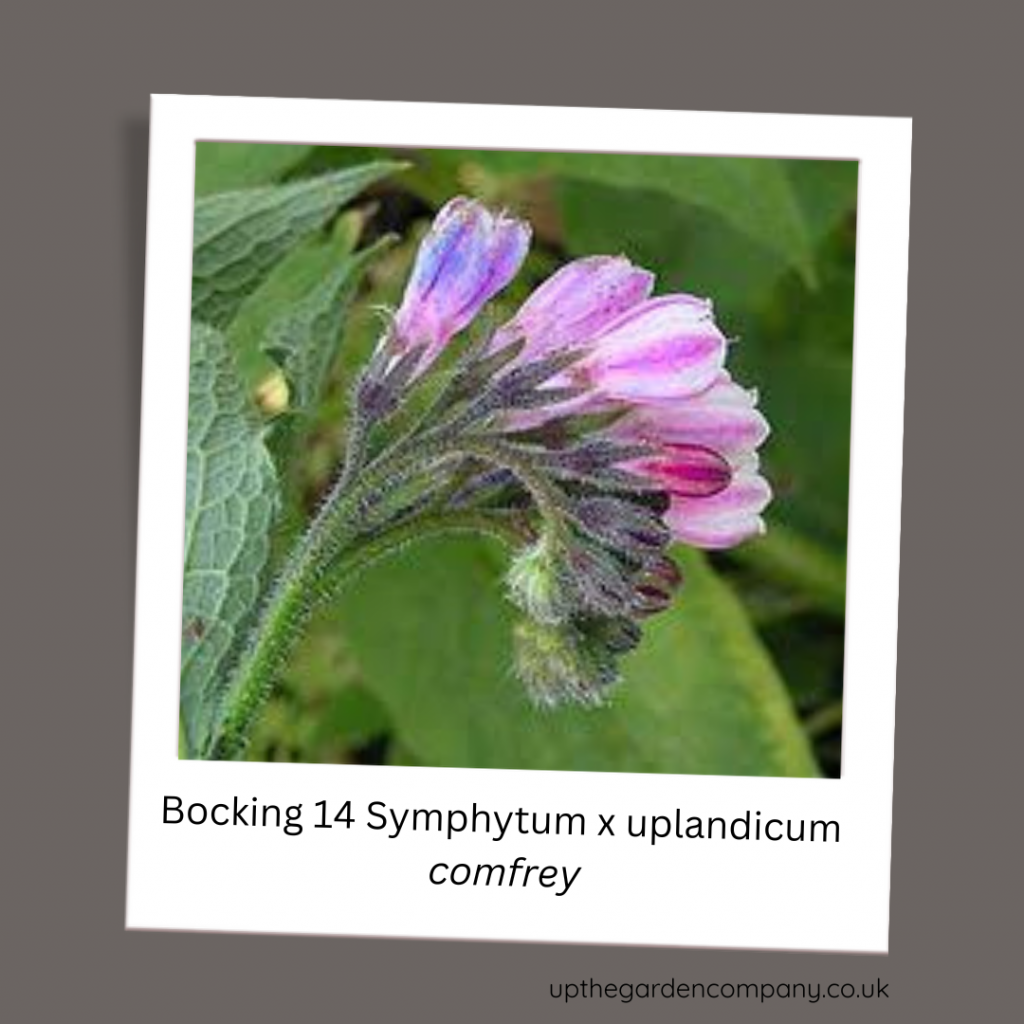
Bocking 14 Symphytum x uplandicum. Comfrey

Before we explore these natural options, it’s important to note that soil testing is essential. Understanding your soil’s composition and your plants’ specific needs ensures you apply the right amount of the right fertilisers. Remember, moderation is key—applying too much fertiliser can harm your plants rather than help them.

Here’s a guide to some of the best homemade fertilisers, their benefits and how to use them effectively.

1. Comfrey Tea

Nutrients: potassium, potassium, nitrogen

How to Prepare: Steep well-rotted compost in water for 24–48 hours. Use a ratio of 1 part compost to 5 parts water.

How to Use: Dilute further if needed and pour around the base of your plants to improve soil fertility and encourage healthy growth.

See our Blog on Comfrey Tea here

2. Animal Manure

Nutrients: nitrogen, phosphorus, potassium, organic matter

How to Prepare: Use well-aged manure (such as cow, horse, or chicken manure) to avoid burning your plants.

How to Use: Spread a thin layer over your garden soil and lightly dig it in. Avoid contact with plant leaves.

3. Banana Skins

Nutrients: potassium and phosphorus

How to Prepare: Chop up banana peels and bury them directly in the soil near the roots of flowering plants. Alternatively, soak them in water for 24 hours to create a banana peel tea.

How to Use: Add to soil for naturally boosted blooms and stronger root systems.

4. Seaweed

Nutrients: potassium, growth hormones

How to Prepare: Rinse seaweed to remove excess salt and soak it in water for a week.

How to Use: Use the strained liquid as a foliar spray or soil conditioner to improve plant strength and resilience.

5. Epsom Salts

Nutrients: magnesium and sulphur

How to Prepare: Dissolve 1 tablespoon of Epsom salts in a gallon of water.

How to Use: Water plants or spray on leaves to boost photosynthesis and aid nutrient absorption.

6. Bone Meal

Nutrients: Phosphorus and calcium

How to Prepare: Crush clean, dry bones into a powder.

How to Use: Sprinkle it sparingly into the soil around your plants to support root and flowering development.

7. Fish Emulsion

Nutrients: nitrogen, potassium, trace elements

How to Prepare: Purchase or make your own by blending fish scraps with water. Allow it to sit for a few days before use.

How to Use: Dilute the emulsion in water and apply as a soil drench to encourage vigorous growth.

8. Molasses

Nutrients: potassium, iron, calcium and sugars to feed soil microbes

How to Prepare: Mix 1–2 tablespoons of unsulfured molasses into a gallon of water.

How to Use: Water your plants or add to compost piles to accelerate decomposition and promote healthy microorganisms.

9. Coffee Grounds

Nutrients: nitrogen, organic matter

How to Prepare: Allow used coffee grounds to dry.

How to Use: Sprinkle them around acid-loving plants like azaleas, hydrangeas, and blueberries. Avoid overuse, as they can increase soil acidity.

10. Tea Leaves

Nutrients: Nitrogen and tannic acid

How to Prepare: Save used tea leaves or bags and dry them out.

How to Use: Mix into the soil to increase fertility or add to your compost pile.

11. Grass Clippings

Nutrients: nitrogen

How to Prepare: Collect fresh grass clippings and allow them to dry slightly before use.

How to Use: Spread them thinly over soil as mulch or compost them for a slow-releasing nitrogen source.

12. Eggshells

Nutrients: calcium

How to Prepare: Crush rinsed eggshells into small pieces.

How to Use: Scatter around plants to improve soil structure and provide calcium for healthy plant cells.

13. Wood Ash

Nutrients: Potassium and calcium carbonate

How to Prepare: Use ash from untreated wood. Avoid charcoal or ash with additives.

How to Use: Sprinkle lightly over the soil, especially around fruiting plants. Use sparingly to avoid altering the soil pH too drastically.

14. Stinging Nettle Tea

Nutrients: Nitrogen, phosphorus, iron

How to Prepare: Harvest nettles (using gloves), chop them, and soak them in water for 1–2 weeks.

How to Use: Strain out the solids and dilute the liquid before watering your plants or using it as a foliar spray.

15. Vegetable Cooking Water

Nutrients: Trace vitamins and minerals from cooked vegetables

How to Prepare: Save the water used to boil vegetables, making sure it is unsalted.

How to Use: Once cooled, water your plants to give them a gentle nutrient boost.

16. Old Aquarium Water

Nutrients: nitrogen and trace nutrients from fish waste

How to Prepare: Save the water when cleaning out a freshwater aquarium.

How to Use: Use as-is to water plants, avoiding delicate leaves. It’s an easy way to recycle nutrient-rich water.

Sustainable Gardening Practices

Homemade fertilisers are kinder to the planet, your wallet, and your plants. By making use of natural, everyday materials, you eliminate the need for synthetic products, reduce waste, and create a more eco-friendly approach to gardening.

Always remember:

  • Test your soil before applying fertilisers to determine what’s needed.
  • Use in moderation—too much of a good thing can harm your plants.
  • Consider your plants’ specific nutrient requirements to ensure your fertiliser choices match their needs.

By incorporating these natural materials into your gardening routine, you can create a thriving, sustainable garden filled with happy, healthy plants. Give these DIY fertilisers a try, and watch your garden flourish while doing your part for the planet.

Further Reading:  How to Start Composting

Follow us on Instagram for daily gardening inspiration!

Happy gardening! 🌱

Why Bees Are Essential to Our Gardens

Picture a summer garden alive with colour and movement—flowers in full bloom, the hum of insects filling the air. Among these busy creatures, bees are the quiet heroes working tirelessly to bring your garden to life.

What Are Bees?

Bees are small, hard-working insects belonging to the order Hymenoptera and are closely related to wasps and ants. With over 20,000 species worldwide, bees come in various shapes, sizes and behaviours, from honeybees and bumblebees to solitary species like the mason bee.

Most importantly, bees are pollinators. When they buzz from flower to flower collecting nectar and pollen, they transfer pollen grains from one bloom to another, enabling plants to fertilise and produce seeds. This seemingly simple process is vital for ecosystems, agriculture and, of course, our gardens.

Why Are Bees Important?

Bees are a keystone species, meaning their role in the environment is disproportionately large relative to their size. They are directly responsible for pollinating 75% of the crops that feed the world. Without bees, our plates would look alarmingly empty—a world with fewer fruits, vegetables, seeds and nuts is not one we want to face.

But it’s not just about food production. Bees ensure biodiversity thrives by pollinating wild plants, supporting habitats for countless other animal species. They provide a delicate balance in ecosystems, linking plants and wildlife together in a web of life.

Simply put, bees are essential for both environmental and human health.

Why Are Bees Important in the Garden?

For gardeners, bees are nothing short of magic. They both work for you and with you to create a flourishing growing space, pollinating plants as they go about their day. Here’s how bees help elevate your garden:

  1. Pollination Champions

Whether it’s your tomatoes, courgettes or apple trees, bees ensure these crops are pollinated, yielding a greater—and healthier—harvest. Tomatoes, for instance, rely on a process called “buzz pollination,” which only bees can perform by vibrating their bodies to release pollen.

  1. Encouraging Biodiversity

A bee-friendly garden becomes a sanctuary for other species too. Birds, butterflies and beneficial insects flock to spaces rich in pollinator activity, creating a more balanced and thriving ecosystem.

  1. Stronger Plants and Vibrant Blooms

Better pollination doesn’t just result in more fruit—flowers also thrive. Pollinated blooms are larger, healthier and last longer, adding vibrancy to your garden.

When bees thrive in your garden, they elevate its productivity and beauty, leaving nature’s fingerprints on everything they touch.

What Can Gardeners Do to Encourage and Help Bees Thrive?

Want to roll out the (floral) red carpet for bees in your garden? Here’s how you can create a bee haven that hums with life.

1. Plant Bee-Friendly Flowers

Fill your garden with nectar- and pollen-rich plants! Choose single-flower varieties like lavender, foxglove and cosmos, as these are easier for bees to access than double-Petal blooms. Aim for a mix of flowers that bloom at different times of the year, so bees always have food available.

2. Avoid Pesticides

Many pesticides are toxic to bees. Opt for natural alternatives like garlic spray or soap water to manage pests without harming these vital pollinators.

3. Create Shelter

Support solitary bees with a bee hotel! These structures mimic natural habitats, giving solitary bees a safe place to nest and lay eggs. Hedge lines and undisturbed corners of your garden can also serve as natural shelters.

4. Provide Water

Bees get thirsty too! Leave out shallow dishes of water with some pebbles or floating corks they can land on safely to drink.

5. Say Yes to Weeds

Some flowering “weeds” like dandelions and clover are actually bee superfoods. Allow these plants to grow in moderation—they’re a quick energy boost for bees, especially in early spring.

6. Join the Buzzing Community

Get involved with local beekeeping or conservation groups. You’ll meet like-minded enthusiasts while learning how to create larger-scale impact for your local pollinator population.

Together, We Can Save the Bees

Every garden, no matter how big or small, has the potential to become a haven for bees. By creating a welcoming space for these tireless workers, not only do you help protect a vital part of the ecosystem, but you also ensure your garden flourishes in return.

What are you waiting for? Start planting those bee-friendly flowers today and join the global movement to protect our buzzing friends. After all, a world without bees is a world without beauty, colour and life as we know it. Let’s make sure that’s never the case. Happy gardening! 🐝🌸

Further Reading: RHS – Bees in your Garden, Top 10 Garden Birds in the UK (and How to Spot Them), Helping Wildlife This Winter, How to Create and Maintain a Garden Pond

When to Cut Back a Forsythia

A Guide to Brighter Spring Gardens

Few shrubs signal the arrival of spring quite like forsythia. Just as winter loosens its grip, these cheerful plants burst into life, their arching branches studded with bright yellow flowers that seem to glow in the soft spring sunshine. In gardens large and small, forsythia brings a welcome splash of colour at a time when the landscape is still waking from winter.

Yet while the display may look effortless, a thriving forsythia benefits from a little thoughtful care. With the right pruning at the right time, this generous shrub will reward you year after year with clouds of golden blossom. Whether you have recently planted one or are tending a long-established specimen, knowing when and how to cut back a forsythia will help keep it healthy, balanced and full of life.


About the Forsythia Shrub

Forsythia (botanical name Forsythia × intermedia and related species) is a deciduous flowering shrub belonging to the olive family. It takes its name from the Scottish botanist William Forsyth, after whom the plant was named in the eighteenth century. Most forsythias grown in British gardens originate from species native to China, Korea and Japan, where they have been cultivated for centuries for their early blossoms.

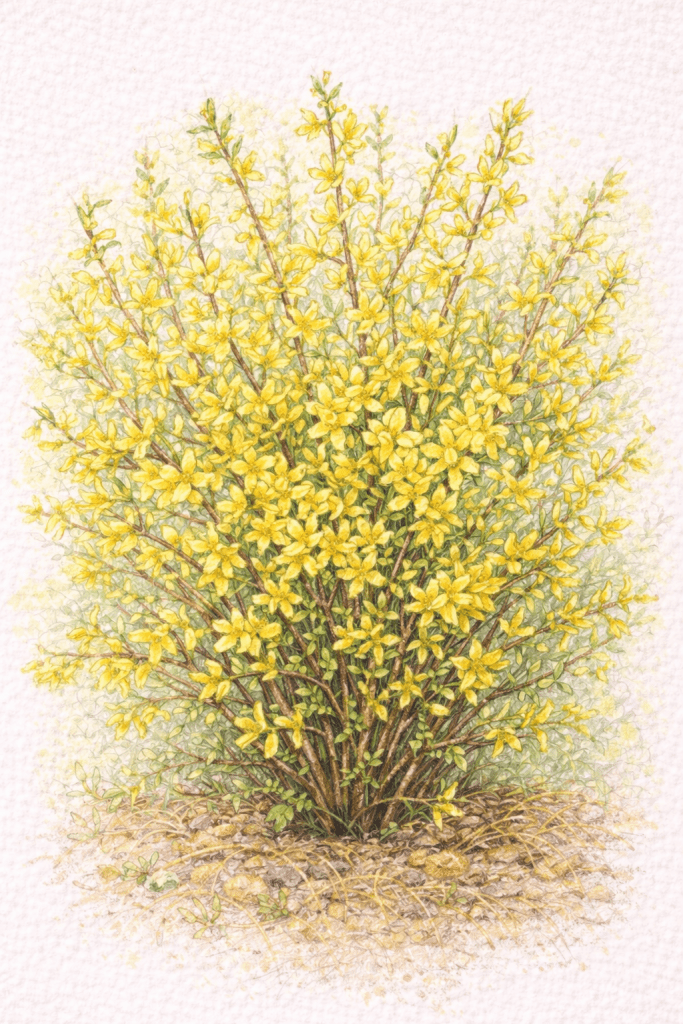
The shrub is best known for its brilliant golden-yellow flowers, which appear along the bare stems in late winter to early spring, often from February through to April depending on the weather. These star-shaped blooms arrive before the leaves emerge, creating the striking effect of glowing branches covered entirely in colour.

Forsythia × intermedia

Once the flowering display fades, fresh green leaves unfold to form a dense, leafy shrub for the rest of the growing season. During summer it provides a soft green backdrop in borders or hedges, before the foliage gradually drops in autumn, leaving behind its elegant branching structure through winter.

Forsythia grows quickly and naturally forms a graceful, arching shape. Most garden varieties reach around 2–3 metres in height and spread, though smaller cultivars are available for more compact spaces. It can be grown as a standalone feature, trained along a wall, or planted as part of an informal hedge where its spring flowers create a striking seasonal display.


When Should You Cut Back a Forsythia?

The best time to prune forsythia is just after it has finished flowering, usually in late spring. At this stage the shrub has completed its display but has not yet started forming the buds that will produce next year’s flowers.

Forsythia blooms on wood produced during the previous year, so if pruning is delayed until late summer or autumn, many of those developing flower buds will be removed. By pruning soon after flowering, you allow the plant the entire growing season to produce fresh shoots that will carry the next spring’s blossoms.

As a simple guide, aim to prune within four to six weeks after the flowers fade.


Reviving an Overgrown Forsythia

Left to grow unchecked, forsythia can become rather sprawling and congested. Older shrubs may develop woody stems with fewer flowers in the centre.

Thankfully, this is a resilient plant that responds well to pruning. Even an overgrown shrub can usually be restored with careful thinning, while older plants can be rejuvenated every few years with a more substantial cut back.

The key is always timing: carry out heavier pruning soon after flowering, giving the plant the full season to recover and produce new growth.


How to Cut Back a Forsythia

Pruning a forsythia is refreshingly simple and surprisingly satisfying. With a pair of sharp secateurs and a little patience, you can keep your shrub looking healthy and natural year after year.

1. Remove Dead or Damaged Wood

Begin by identifying any branches that are dead, damaged, or crossing over one another. Cut these stems back to their base. This improves air circulation and encourages stronger new growth.

2. Thin Out Older Stems

Forsythia flowers best on younger wood. Each year, remove around a quarter to a third of the oldest stems, cutting them right down to ground level.

This keeps the shrub open and stimulates vigorous new shoots.

3. Maintain the Natural Shape

Forsythia is most attractive when allowed to keep its natural, arching form. Rather than clipping it tightly, shorten any excessively long or untidy stems while maintaining the overall shape.

Stepping back occasionally while pruning will help you keep the plant balanced.

4. Lightly Tidy Hedges

If your forsythia forms part of a hedge, you can give the outer growth a light trim once the main pruning is complete. Avoid heavy clipping, which may reduce flowering.


Tools You’ll Need

Pruning is easier with the right equipment. A few simple tools will do the job well:

  • Sharp secateurs for smaller stems
  • Loppers for thicker branches
  • Gardening gloves to protect your hands
  • A garden trug or bag for collecting cuttings

Keeping tools clean and sharp ensures neat cuts and helps prevent damage to the plant.


Caring for Forsythia Through the Year

While pruning is the main task, a little additional care will help your shrub thrive.

Feed After Pruning

After pruning, apply a layer of compost or a balanced fertiliser around the base of the plant. This encourages strong new growth.

Mulch the Soil

Adding mulch helps retain moisture, improve soil structure and suppress weeds. Spread it around the base but keep it slightly away from the stems.

Water During Dry Periods

Established forsythia plants cope well with ordinary garden conditions, but watering during prolonged dry spells will support healthy growth.

Watch for Pests

Forsythia is generally trouble-free, though the occasional aphid may appear on young shoots. These are rarely serious and can usually be managed naturally.


Rejuvenating an Older Shrub

If a forsythia has become very large or neglected, it can be cut back hard to encourage fresh growth.

Shortly after flowering, reduce the entire shrub to around 10–15cm above the ground. This will remove the following year’s flowers, but the plant will respond with strong new shoots and renewed vigour.

Within a couple of seasons, it should regain its shape and bloom beautifully once again.


A Bright Welcome to Spring

There is something undeniably uplifting about the first sight of forsythia in bloom. Its golden flowers appear almost overnight, brightening borders, hedgerows and garden corners just as the days begin to lengthen.

With a little thoughtful pruning and modest care, this generous shrub will continue to greet each new spring with the same cheerful display — a reliable sign that warmer days are on the way.

Further Reading: RHS – Royal Horticultural Society,

Take a look at our other Blogs: Unveiling the Beauty of Lily of the Valley, Celebrating the Primrose, The Enigmatic Beauty of the Hellebores

Inspiration: Follow Us on InstagramThreads, BlueSkyTwitterTikTok and Pinterest.

Unveiling the Beauty of Lily of the Valley

Elegant, fragrant and steeped in timeless lore—lily of the valley or Convallaria majalis, is a flower of delicate charm and historical significance that continues to captivate gardeners and flower enthusiasts alike. Whether you’re cultivating a verdant corner of your garden, seeking a touch of nostalgia or simply love plants with a story to tell, this bloom is an irresistible treasure to grow and admire.

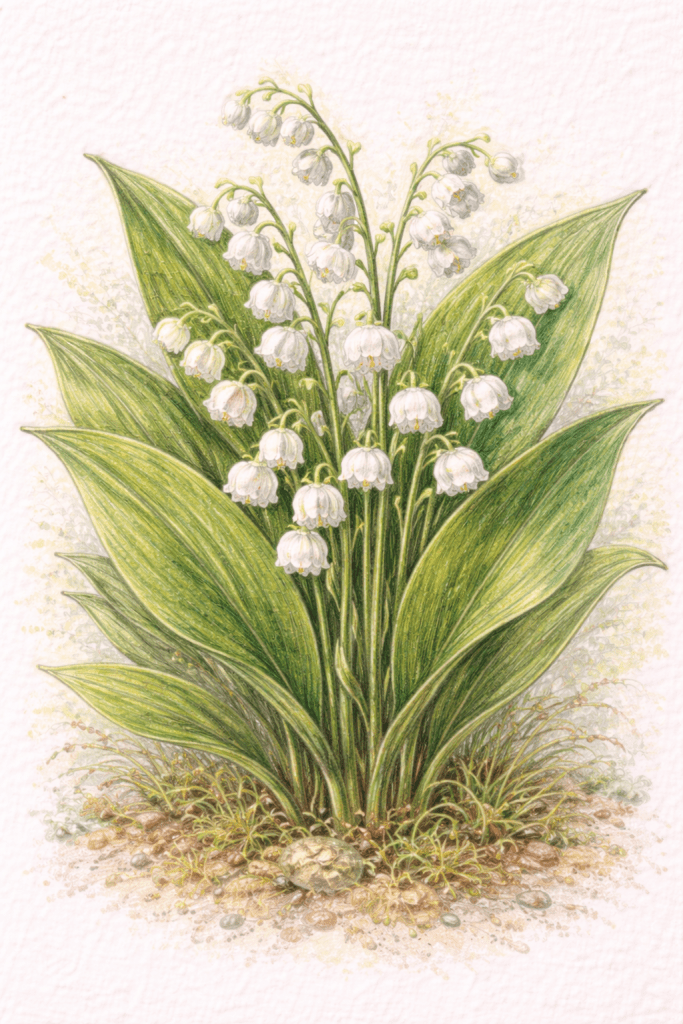
lily of the valley  - Convallaria majalis
lily of the valleyConvallaria majalis

What is the Lily of the Valley

The lily of the valley (Convallaria majalis) is a perennial plant famed for its delicate, white, bell-shaped flowers and intoxicatingly sweet fragrance. Native to the cooler regions of Europe, Asia and North America, it thrives in lush woodlands, often blanketing the forest floor in spring with its charming blooms.

This plant’s botanical name, majalis, means “belonging to May” in Latin—an ode to its traditional flowering month. It’s no wonder this delightful flower has become a symbol of spring’s renewal and fresh beginnings!

A Bloom with History and Lore

Did you know that the lily of the valley has been cherished for centuries? Its history is as rich as its fragrance.

Historical Notes

Lily of the valley was first cultivated in the Middle Ages, often grown in monastery gardens for its association with humility, purity and spirituality. It also featured prominently in royal celebrations, becoming a favourite flower of French kings and brides alike. To this day, lily of the valley is celebrated in France on May 1st, known as “La fête du Muguet” (Lily of the Valley Day), where it symbolises good luck and happiness.

Fascinating Folklore

This fairytale-like bloom is steeped in myths and stories. According to legend, lily of the valley sprang from the tears of the Virgin Mary as she wept at the crucifixion of Christ, earning it the nickname Our Lady’s Tears. Another tale tells of the flower blossoming from St. Leonard’s blood as he battled a dragon, cementing its reputation as a symbol of resilience and rebirth.

Its other endearing names—like “May bells” and “ladder to heaven”—only add to its poetic allure.

Where Does Lily of the Valley Grow Best?

If you’re thinking about adding this classic gem to your garden, here’s the good news—it’s surprisingly easy to cultivate!

Lily of the valley thrives in partial to full shade, making it perfect for those shaded spots under trees or alongside walls. It prefers moist, well-drained soil rich in organic matter, mimicking the forest floor it calls home. With the right care, this resilient plant will reward you with a carpet of enchanting blooms year after year!

How to Care for Lily of the Valley

  • Planting: This perennial grows from rhizomes called “pips.” Plant these about 1–2 inches below the soil in autumn or early spring.
  • Watering: Keep the soil consistently moist but not waterlogged. If it’s dry, your lily of the valley will thank you for a drink.
  • Spreading: Be mindful—this beauty can be a bit of a wanderer! Use barriers or pots to prevent it from spreading too aggressively.
  • Mulching: A layer of mulch helps protect the roots and retain soil moisture.

Lily of the valley is remarkably low-maintenance once established—it practically grows itself!

Benefits of Lily of the Valley

Beyond its breathtaking beauty, the lily of the valley brings a host of benefits to those who cultivate it.

1. A Fragrance Like No Other

The exquisite scent of its flowers is used in perfumes and aromatherapy, with its delicate aroma often symbolising elegance and romance.

2. Medicinal Uses

Historically, lily of the valley has been used in traditional medicine for heart health, though it is toxic if ingested without proper preparation. Always seek professional advice before considering any therapeutic use.

3. Wildlife Friendly

While the plant is toxic to humans if consumed, its blossoms attract pollinators such as bees, bringing life to your garden.

4. Decorative Appeal

From wedding bouquets to table arrangements, lily of the valley is a perennial favourite for floral decorations, bringing an air of timeless sophistication to any occasion.

Why Grow Lily of the Valley in Your Garden?

Imagine kneeling down in your shaded yard, the earthy scent of damp soil filling the air as you plant these delicate pips. Fast forward to spring and your garden is alive with tiny white bells swaying gently in the breeze, their subtle perfume conjuring joy with every whiff.

Few flowers inspire such effortless elegance and nostalgia, making lily of the valley a must-grow for any gardener or flower enthusiast looking to add timeless beauty to their outdoor space.

Your Garden, Your Story

Have you fallen in love with lily of the valley yet? Whether you’re drawn by its history, folklore or irresistible charm, we’re certain your garden will never be the same once you welcome this enchanting bloom.

Now it’s your turn—make space in your garden, nurture these magical flowers, and create a little woodland sanctuary right at home! Happy planting! 🌿

Further reading: RHS (Royal Horticultural Society), Celebrating the Primrose, Bluebells: A Deep Dive into Nature’s Most Charming Blooms, The Enigmatic Beauty of the Hellebores

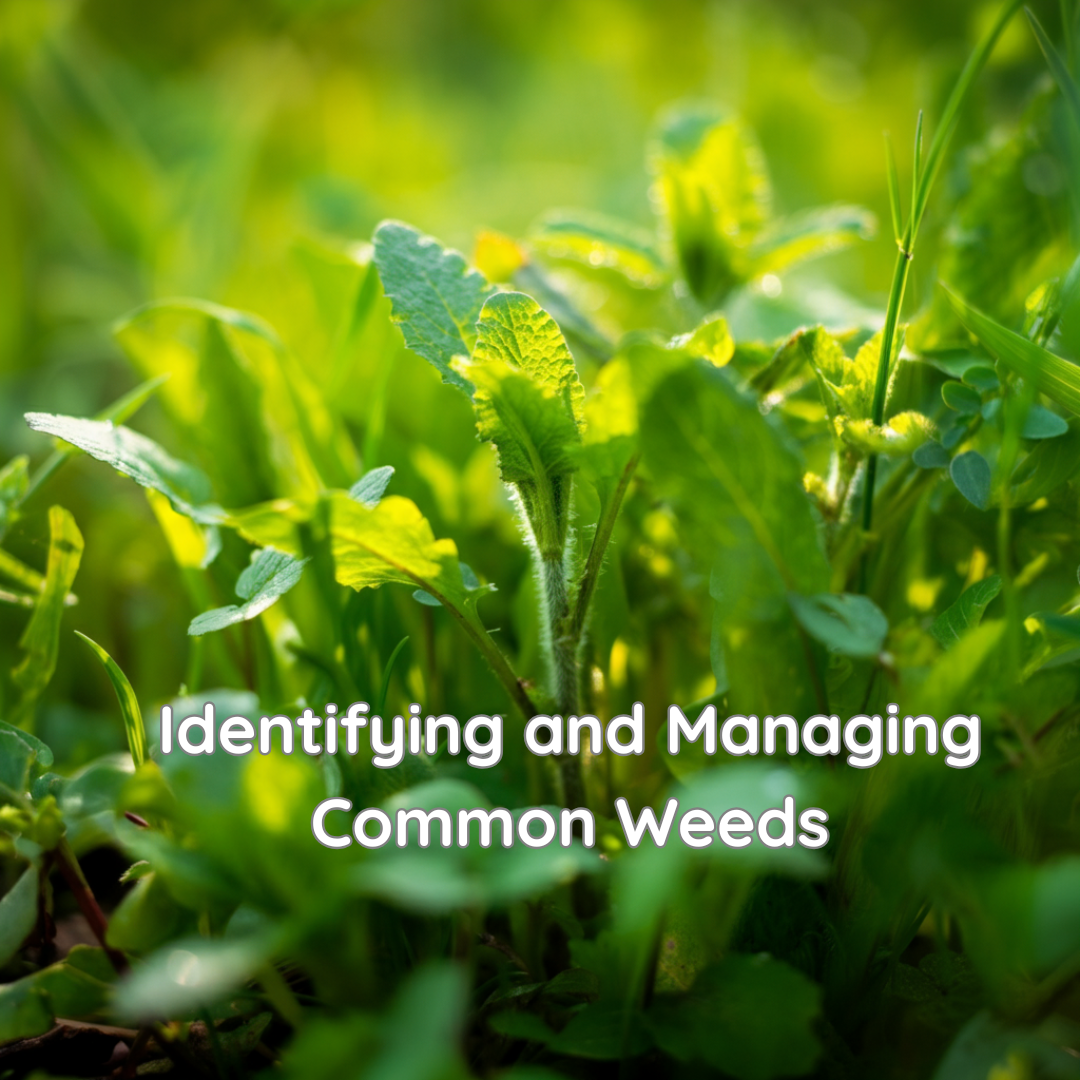
Identifying and Managing Common Weeds

Weeds—the uninvited guests of your garden. We’ve all been there, kneeling down to inspect a cherished flower bed, only to find an army of stubborn weeds threatening to take over. But fear not! This guide will help you identify the most common weeds found in UK gardens and provide you with practical tips for keeping them in check.

What is a weed? A plant whose virtues have never been discovered.

Ralph Waldo Emerson

Why Weeds Need Tackling

Weeds might seem harmless at first glance, but they’re fierce competitors for sunlight, water, and nutrients. Left unchecked, they can smother your prized plants and disrupt your carefully crafted garden. The good news? With a little knowledge and the right approach, you can fend them off and restore harmony to your green sanctuary.

Spotting the Culprits

To tackle weeds effectively, you first need to know who you’re dealing with. Here’s how to identify some of the most common troublemakers in UK gardens.

1. Dandelion (Taraxacum officinale)

With its iconic fluffy seed heads and taproot system, the dandelion is practically the poster plant for weeds. Its cheerful yellow flowers may look harmless, but they spread rapidly and dig deep into the soil.

How to Control:

  • Dig out individual plants, making sure to remove the long taproot completely.
  • Avoid disturbing the fluffy seed heads to prevent further spread.

2. Bindweed (Convolvulus arvensis)

Bindweed is the clingy friend your garden never asked for. Its twisting vines can strangle plants, and its white trumpet-shaped flowers look innocent enough, but don’t be fooled.

How to Control:

  • Pull out the vines by hand, tracing them back to their roots.
  • Consider smothering it with a garden membrane as it thrives on disturbed soil.

3. Creeping Buttercup (Ranunculus repens)

A glance might tell you “buttercup = cute,” but this cheeky weed spreads like wildfire across damp, compacted soil. Its golden-yellow flowers and sprawling runners rapidly colonise your lawn and beds.

How to Control:

  • Improve soil drainage to make conditions less appealing.
  • Remove the runners and roots manually to stop it in its tracks.

4. Chickweed (Stellaria media)

This small, pale-green plant seems harmless, but chickweed grows quickly and produces seeds with astonishing speed. It thrives in the cooler months, making early spring and autumn prime time for its takeover efforts.

How to Control:

  • Pull it up before it flowers to curb seed production.
  • Mulch bare soil to suppress future growth.

5. Ground Elder (Aegopodium podagraria)

Known as “the bane of gardeners,” ground elder forms a dense mat of pretty light-green leaves, choking out any competition. While its young leaves are technically edible, it’s best kept out of your borders.

How to Control:

  • Dig deep to remove all root fragments.
  • Persist, as any small piece left behind can regrow.

Weed Control That Works

Now that you know your foes, it’s time to gear up for battle! Here are some effective strategies for keeping weeds under control:

1. Smother Them

Cover bare soil with mulch, landscape fabric or even cardboard to block sunlight and prevent weed seeds from germinating.

2. Hand Weeding

There’s something deeply satisfying about pulling out weeds by the root. Just make sure to strike after a rainfall, when the soil is soft, to get roots out cleanly.

3. Use a Hoe

For those weeds sprouting in open patches of soil, a sharp hoe can slice them down at the base—quick, effective and oddly enjoyable!

4. Improve Soil Health

Healthy, well-draining soil creates an environment where your ornamental plants can thrive but weeds struggle to gain a foothold.

5. Try Weed Membranes

Lay down weed-suppressing membranes when planting new beds. They allow water and nutrients through while seriously dampening weed growth.

Prevention is Key

The best defence against weeds is a proactive approach. Keep an eye out for early growth and nip it in the bud (literally). And don’t forget—creating dense planting schemes can crowd out weeds before they get a chance to take root.

Make Weeding a Breeze

Weeding doesn’t need to be a dreaded chore. By identifying and targeting the right weeds, and using smart strategies, you’ll keep your garden in tip-top shape.

Grab your gloves, arm yourself with knowledge and reclaim your garden from those pesky invaders. Your daisies, dahlias and daffodils will thank you!

Want More Expert Tips?

Subscribe to our newsletter for seasonal advice, gardening hacks, and more tips for tackling stubborn weeds. Happy gardening!

Further Reading: How to Weed your Garden

Take a look at our weeding tools here

Get Daily Gardening Inspiration: Follow us on Instagram

How to Weed your Garden

A beautiful garden begins with a commitment to one of the most vital gardening tasks—weeding. Whether you’re an experienced gardener or just dreaming of vibrant flower beds, knowing how to manage those persistent weeds is the key to a flourishing garden. Let’s dig into all you need to know to tackle weeds confidently and create a thriving outdoor space you’re proud of!

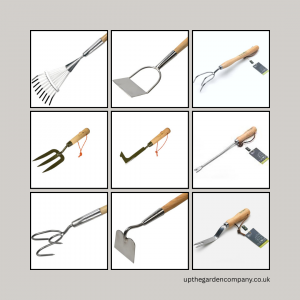
Burgon and Ball Weeding Tools.
Daisy Grubber, Hand Fork, Weeding Fork, Cultivating Claw (long and short handled) Patio Weeder, Dutch Hoe, Draw Hoe, Dandelion Weeder.
upthegardencompany.co.uk

What Is Garden Weeding?

Weeding is the process of identifying and removing unwanted plants (weeds) from your garden. These invasive plants compete with your cherished flowers, herbs and vegetables for vital resources like sunlight, water and nutrients. Left unchecked, weeds can overrun your garden and stunt the growth of your prized plants.

But there’s more to it than just pulling them out—it’s about understanding their impact and knowing how to remove them effectively while ensuring they don’t return.

How Do You Weed a Garden?

Weeding your garden can be simple and therapeutic when approached the right way. Here’s a step-by-step breakdown to help you get started:

  1. Prepare Your Tools:

Equip yourself with essentials like gardening gloves, a hand trowel, a hoe, a bucket (for collecting the weeds) and a kneeling pad for comfort.

  1. Identify the Weeds:

Learn to spot weeds among your plants. They often look different from your cultivated plants, but taking time to learn the common garden invaders helps ensure you don’t remove desirable plants.

  1. Loosen the Soil:

Moist soil makes weed removal much easier. Try weeding a day after rain or lightly water the area before starting.

  1. Remove Weeds by Hand or Tools:

Grip the weed firmly at its base to ensure its root comes out. For tougher weeds, use a trowel or hoe to dig around the base and dislodge the roots.

  1. Dispose of the Weeds:

Avoid leaving uprooted weeds in your garden—they can regrow! Add them to your compost heap unless they’ve gone to seed, as that can spread them further.

  1. Maintain Regularly:

Set aside time each week for quick weeding sessions. Regular maintenance helps prevent your garden from being overrun.

Top Tips for Stress-Free Weeding

Want to make the task easier and more effective? Here are tips every gardener should know:

  • Weed Early and Often:

Young weeds are easier to remove and clearing them regularly ensures they don’t gain a foothold.

  • Mulch for Defence:

A layer of organic mulch around your plants blocks sunlight from reaching weed seeds, preventing them from growing.

  • Focus on Roots:

Pulling off the top isn’t enough—leaving roots behind leads to regrowth. Always aim to remove the entire plant.

  • Weed After Rain:

Wet soil loosens weeds, making it easier to get them out by the roots (and saving effort!).

  • Know Problem Weeds:

Some weeds are exceptionally persistent (like bindweed or dandelions), requiring special attention. Learn to recognise them to act quickly.

Why Is It Important to Weed Your Garden?

The task may seem tedious, but the benefits of consistent weeding are immense. Here’s why it’s worth the effort:

  • Healthier Plants:

Weeds compete fiercely for water, nutrients, and sunlight, leaving your plants weaker and less productive. Clearing weeds lets your garden grow to its full potential.

  • Better Aesthetics:

A weed-free garden looks tidy and inviting, becoming a serene space you enjoy spending time in.

  • Disease Control:

Weeds can host pests and diseases that may spread to your plants. Keep them in check to avoid infestations and infections.

  • Improved Soil Quality:

Certain weeds can rob the soil of its nutrients. Regular removal keeps your garden soil rich and fertile.

  • A Sense of Accomplishment:

Few tasks match the satisfaction of seeing a weed-free space, knowing it’s a result of your dedication. Plus, it’s great light exercise too!

Empower Your Garden Today

Armed with the right knowledge and tools, you’re ready to win the battle against weeds and nurture a thriving, vibrant garden. By making weeding part of your gardening routine, you’ll see the transformation—healthier plants, stunning beds and the joy of knowing you’re in full control.

Take a look at our fabulous weeding tools here

Further Reading: No-Dig Gardening, Discover Your Soil Type: A Gardener’s Guide, Ways to Improve your Soil, Identifying Weeds

For Daily Inspiration: Follow us on Instagram

Top 10 Garden Birds in the UK (and How to Spot Them)

Step outside, take a deep breath and listen. That chirping, trilling and tweeting you hear? It’s the joyful soundtrack of garden birds bringing colour, life and melody to your back garden. Grab your binoculars and your favourite brew because we’re about to explore 10 of the UK’s favourite garden birds—their characteristics, fascinating facts and tips on how to identify them.


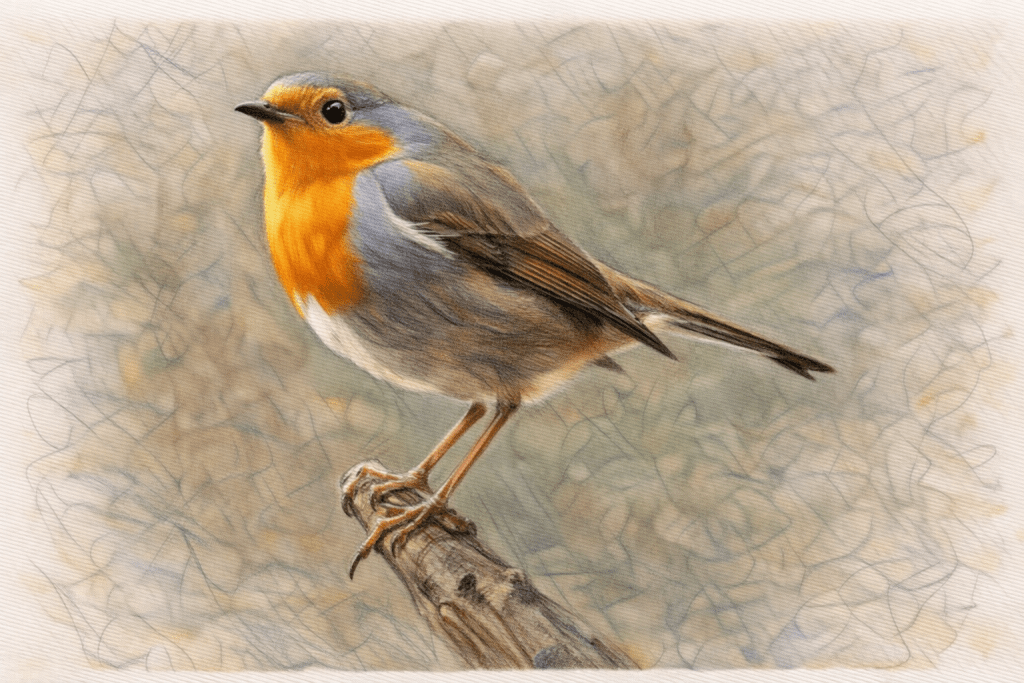
1. Robin

With its distinctive bright red breast, the robin is undoubtedly an icon of British gardens—and a staple on our Christmas cards. These bold little birds are known for their curious nature and it’s not uncommon to find one perched nearby as you garden.

Robin.
Erithacus rubecula

How to Spot:

  • Size: About 14cm long, with a small, round body.
  • Colours: Bright red breast, brown back and a white belly.
  • Fun Fact: Robins are fiercely territorial and will defend their patch year-round.

Tip to Attract Robins:

They adore mealworms and suet pellets. Place these on a bird table or the ground where they feel safe to feed.


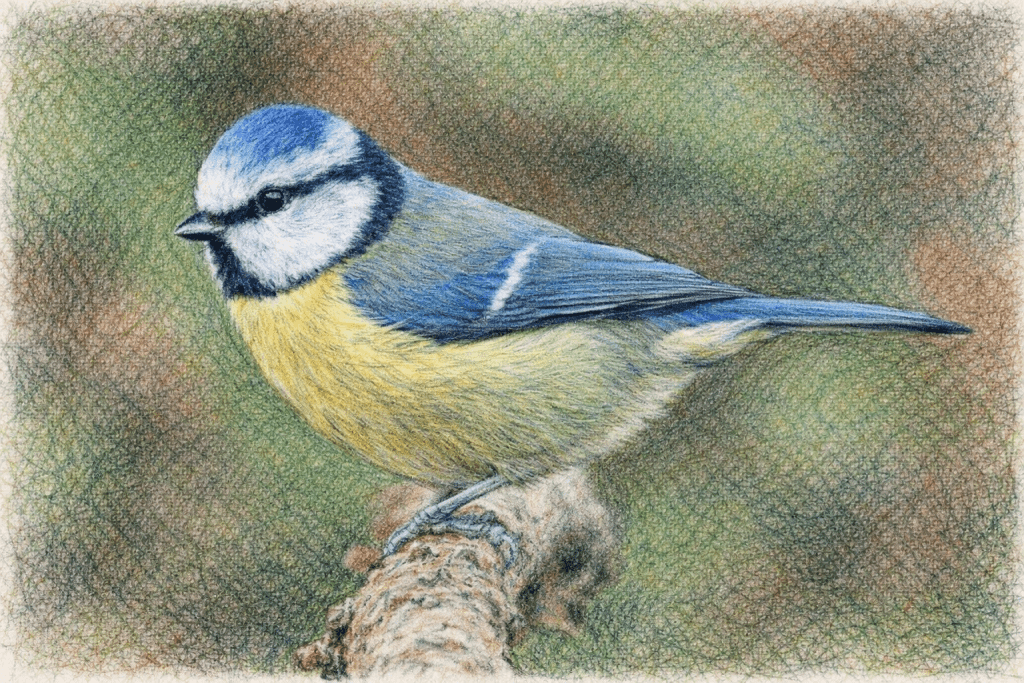
2. Blue Tit

A vibrant splash of blue and yellow, the blue tit is a cheerful addition to any garden. Agile and acrobatic, they’re often seen hanging upside down from feeders as they search for snacks!

Blue Tit
Cyanistes caeruleus

How to Spot:

  • Size: Tiny, around 12cm long.
  • Colours: Blue cap, yellow underparts and greenish back.
  • Fun Fact: A single blue tit can feed its chicks up to 1,000 caterpillars a day!

Tip to Attract Blue Tits:

Offer peanuts, sunflower seeds and fat balls. They also love nesting boxes in spring.


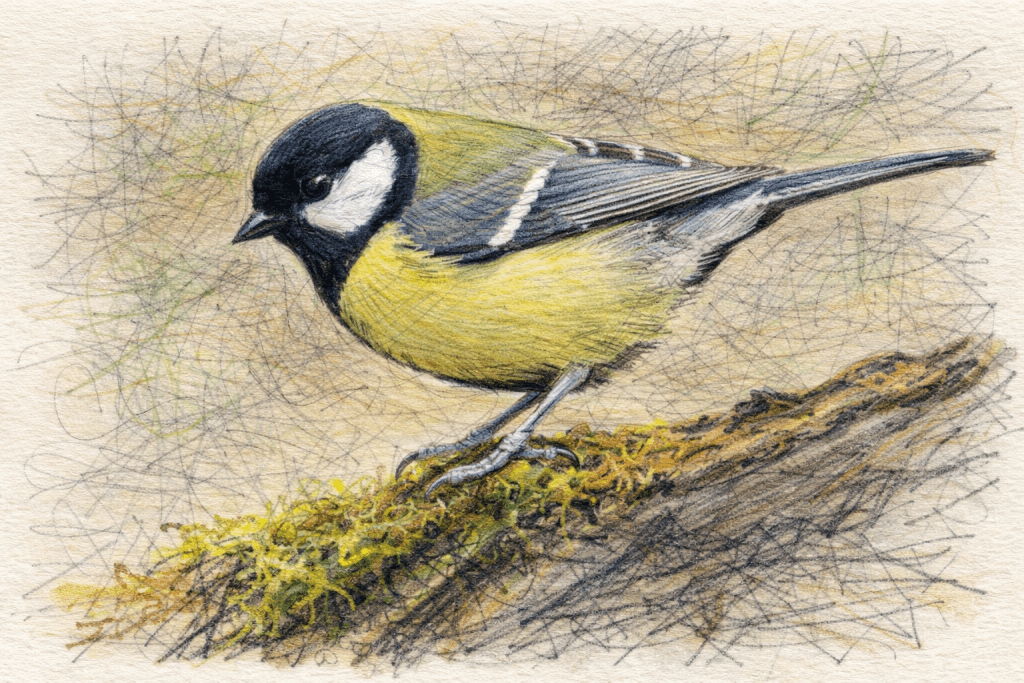
3. Great Tit

Larger than its cousin the blue tit, great tits are equally colourful and energetic. Their two-syllable call, often likened to the phrase “teacher-teacher,” is a familiar sound in gardens.

Great Tit
Prus major

How to Spot:

  • Size: Around 14cm long, noticeably larger than the blue tit.
  • Colours: Black head, white cheeks, green back and vibrant yellow belly with a black stripe.
  • Fun Fact: Great tits are highly adaptable and have learned to open milk bottle tops for cream!

Tip to Attract Great Tits:

Fill your feeders with mixed seeds, and ensure nesting sites are available.


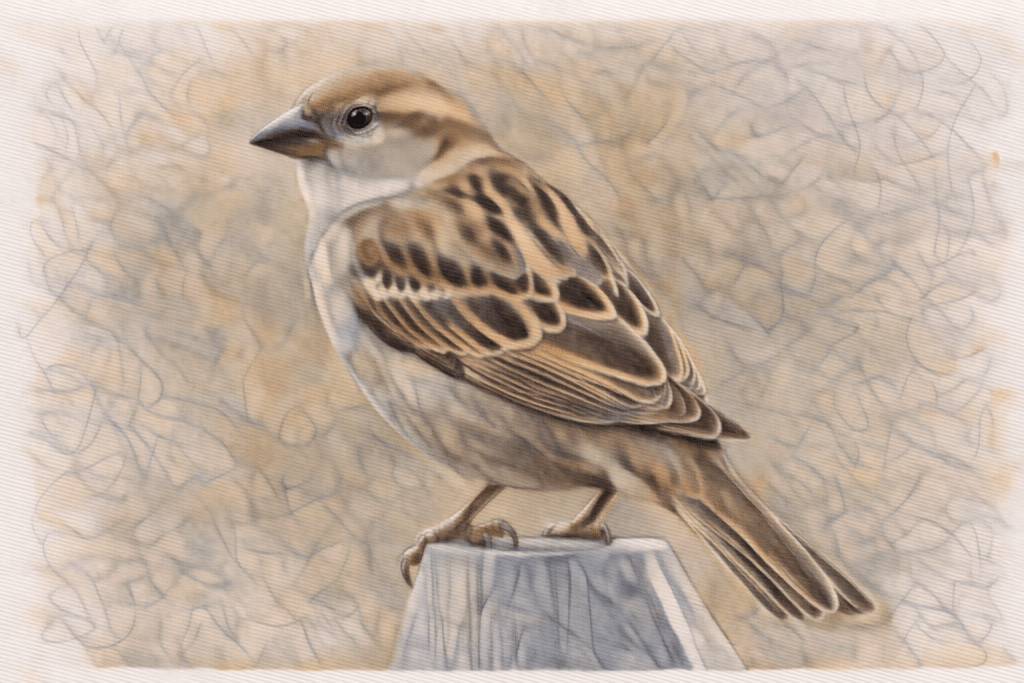
4. House Sparrow

Once a common sight everywhere, house sparrow numbers have sadly declined, making their appearance even more precious. These sociable, chirpy birds often flutter in groups.

House Sparrow.
Passer domesticus

How to Spot:

  • Size: About 16cm, with a stocky build.
  • Colours: Males have a grey cap, brown back and a black bib; females are more uniformly brown.
  • Fun Fact: House sparrows are communal birds and love company—they’ll even bathe together!

Tip to Attract House Sparrows:

Provide seeds and grains in a ground feeder and leave a bird bath for them to splash in.


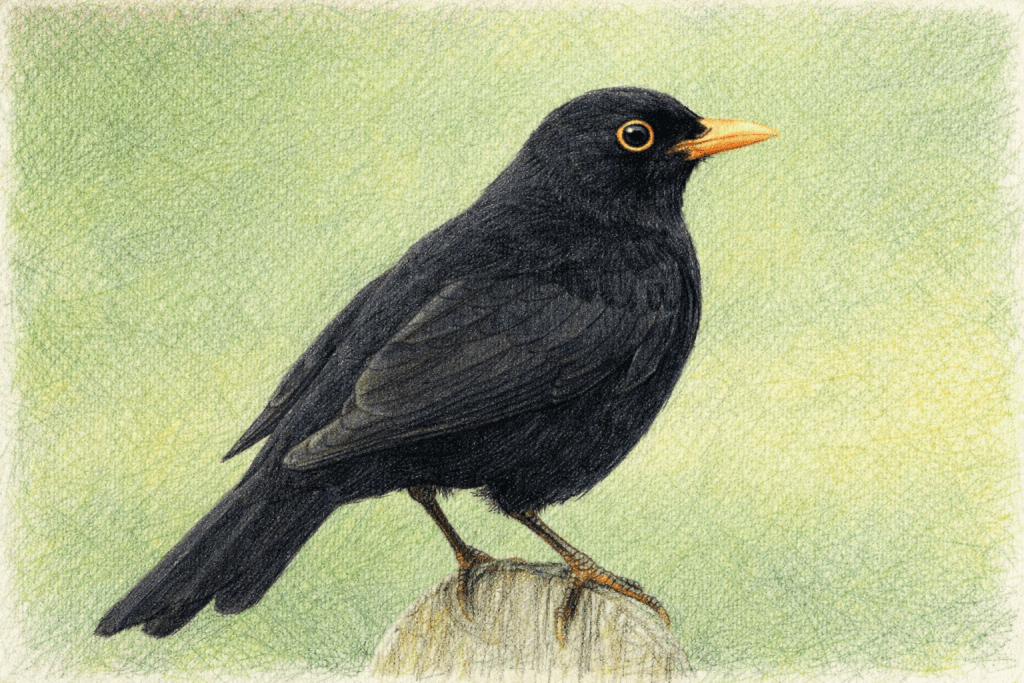
5. Blackbird

The rich, melodic song of the blackbird is unmistakable. While males sport jet-black feathers and bright yellow beaks, females are brown and speckled.

Blackbird
Turdus merula

How to Spot:

  • Size: Approximately 25cm.
  • Colours: Males are black with yellow beaks; females are brown with speckles.
  • Fun Fact: Blackbirds are early risers; they’re often the first to sing in the morning!

Tip to Attract Blackbirds:

Offer fruits like apples and raisins. They also love earthworms on the lawn.


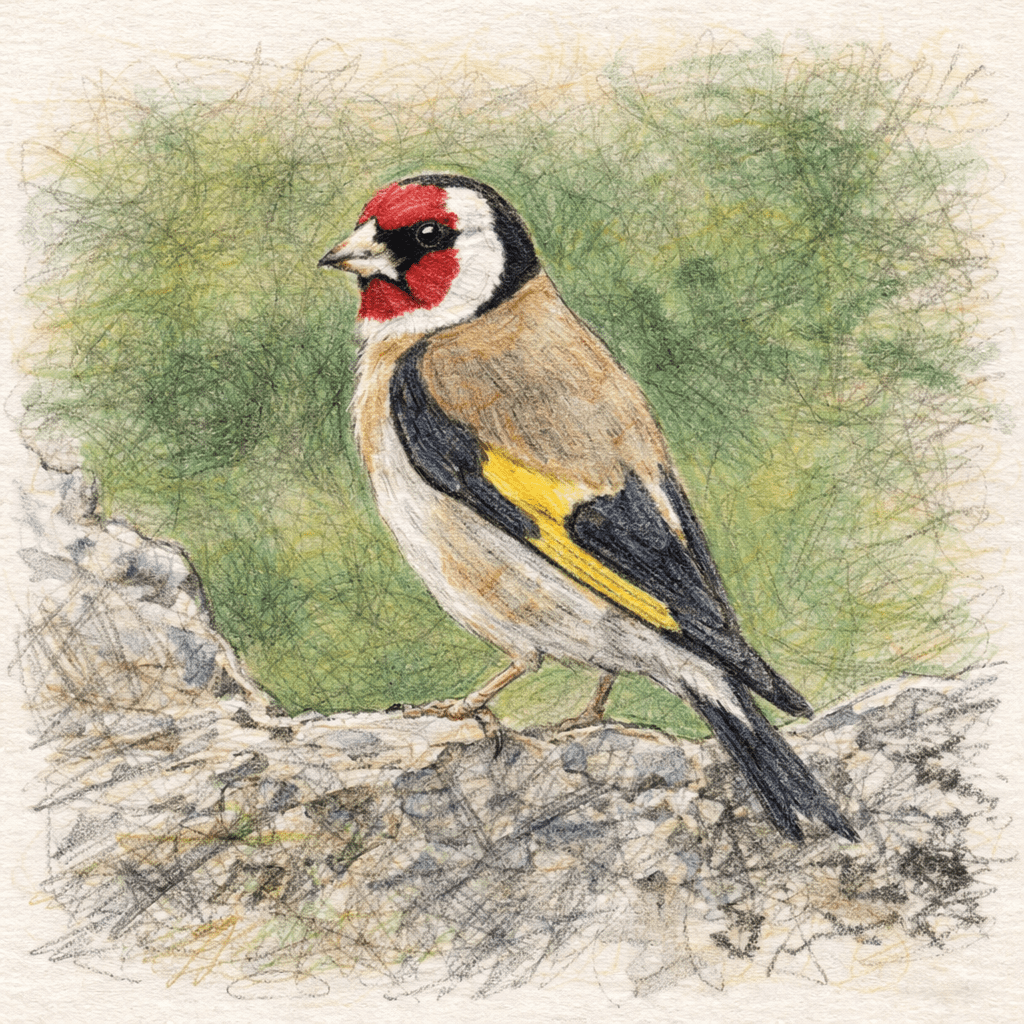
6. Goldfinch

With its striking red face and vibrant yellow wing bars, the goldfinch is a true garden gem. Their tinkling, melodic song matches their colourful appearance.

Goldfinich
Carduelis

How to Spot:

  • Size: Small, at around 12cm.
  • Colours: Red face, white cheeks, golden wings and brown body.
  • Fun Fact: Goldfinches are fondly referred to as “charms,” thanks to their cheerful calls and sociability.

Tip to Attract Goldfinches:

Nyjer seeds are their absolute favourite—use a specialist feeder to keep them coming back.


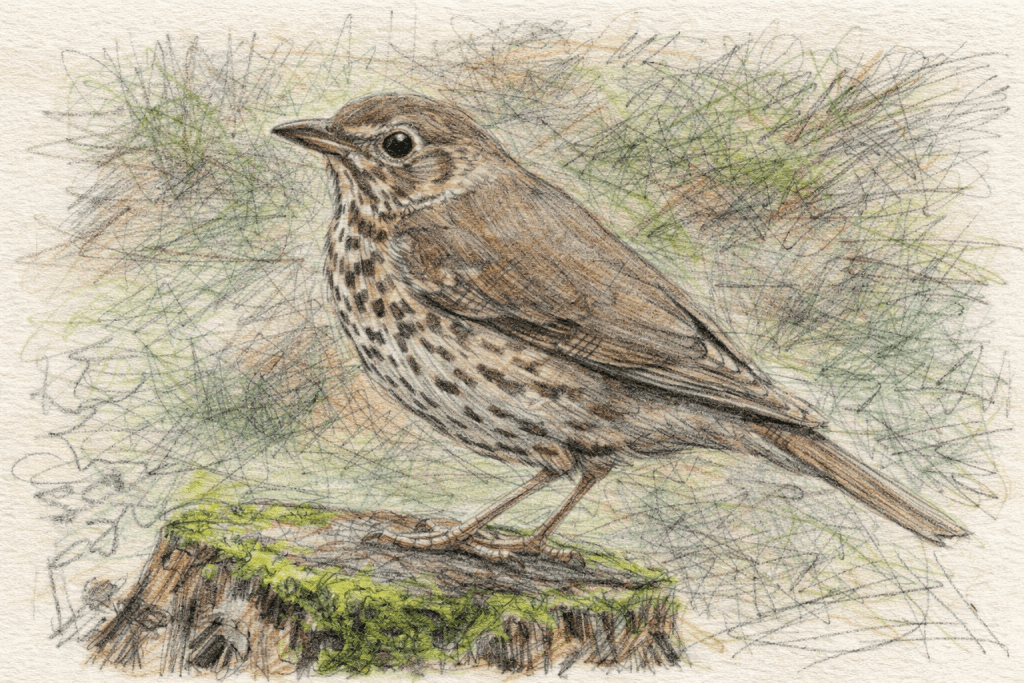
7. Song Thrush

Known for its beautiful, repetitive songs, the song thrush brings poetry to any garden. These medium-sized birds are experts at cracking snail shells to feast on the goodies inside.

Song Thrush
Turdus philomelos

How to Spot:

  • Size: About 23cm, similar to a blackbird.
  • Colours: Brown with darker streaks and a cream belly.
  • Fun Fact: Thrushes use rocks as anvils to break open snail shells.

Tip to Attract Song Thrushes:

Leave out fruit and worms and keep an untidy corner in your garden for foraging.


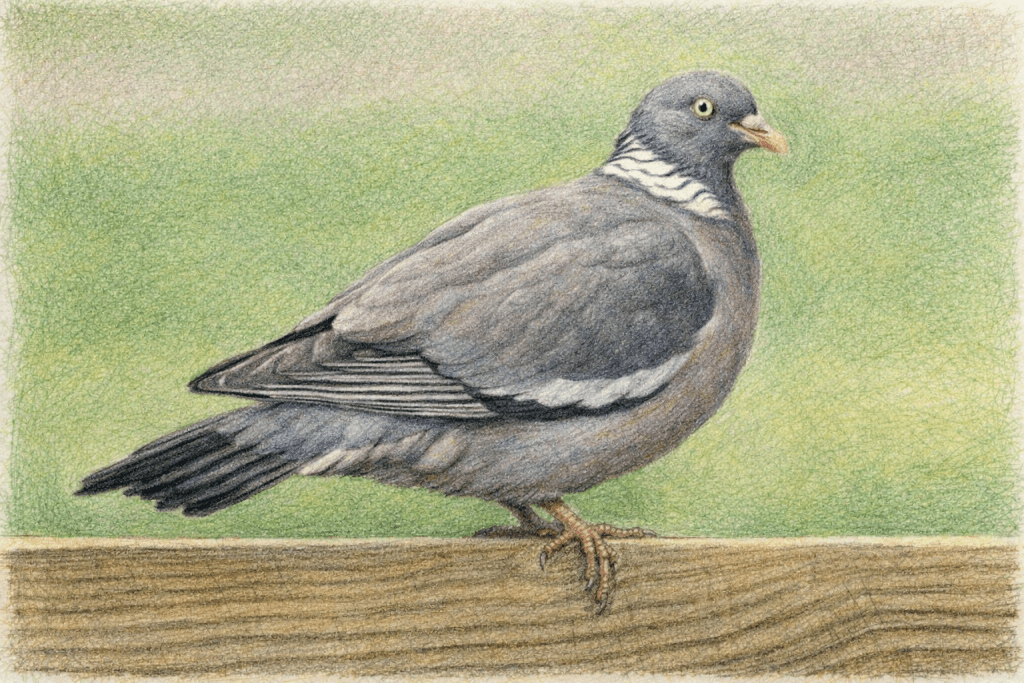
8. Woodpigeon

Familiar and often underestimated, woodpigeons are the largest of the garden birds. Their gentle cooing and distinctive white neck patch make them easy to identify.

Wood Pigeon
Columba palumbus

How to Spot:

  • Size: A hefty 40cm.
  • Colours: Grey body, pinkish chest, white neck patch, and green iridescence.
  • Fun Fact: A woodpigeon’s diet is incredibly varied—they’ll happily munch on berries, seeds and even crops.

Tip to Attract Woodpigeons:

Scatter seeds and grains on the ground, as they rarely use hanging feeders.


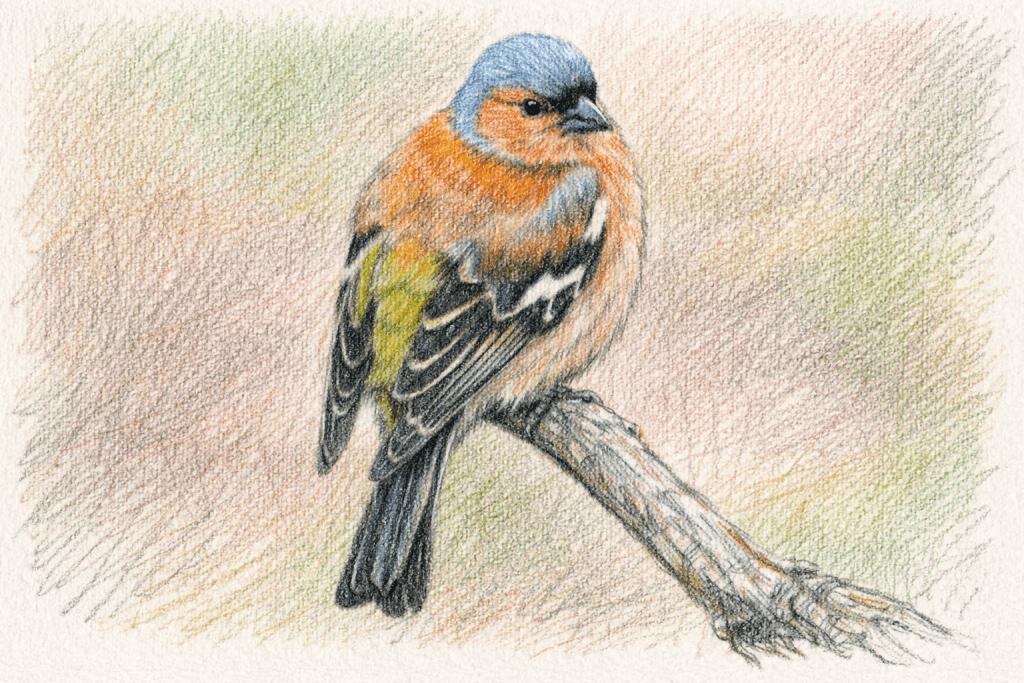
9. Chaffinch

Chaffinches are one of the UK’s most colourful garden birds. The males, with their bold pink breasts and blue-grey caps, are particularly eye-catching.

Chaffinch. Fringilla coelebs

How to Spot:

  • Size: Medium, at around 15cm.
  • Colours: Males have pinky-orange underparts, females are more muted in browns.
  • Fun Fact: Their zippy song often ends with a flourish, earning them the nickname “Cock Robin’s Footman.”

Tip to Attract Chaffinches:

Sunflower seeds and peanuts are a huge hit with these feathered friends.


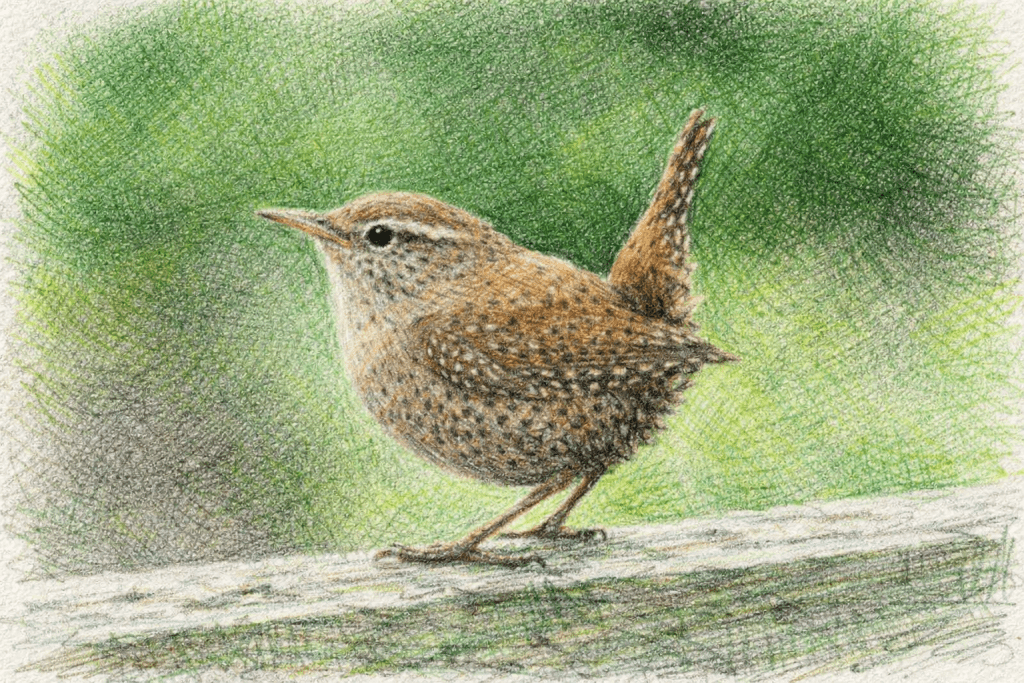
10. Wren

Last but by no means least, the tiny wren punches well above its weight. Despite its small size, the wren’s song can be incredibly loud, filling your garden with lively energy.

Wren.
Troglodytidae

How to Spot:

  • Size: Tiny at just 10cm.
  • Colours: Brown with a perky tail often held upright.
  • Fun Fact: The wren is one of the most common birds in the UK and holds a special place in folklore.

Tip to Attract Wrens:

Offer insects and keep a cosy shrub area for them to hide in.


Final Thoughts & Your Call to Action

Next time you step into your garden, take a moment to observe the feathered visitors flitting about. Each bird tells a story—adding colour, music and wonder to our daily lives.

Want to attract even more birds? Add a bird feeder, keep a water source fresh, and plant native shrubbery for nesting.

Now it’s over to you! Keep a notebook to record your sightings or invest in a pair of binoculars for better views. The RSPB’s free bird ID app can also help you learn as you go.

Start your birdwatching adventure today, and who knows? You might just find a “charm” of goldfinches or a curious robin watching you back! 🐦

Further Reading: RSPB, RSPB Birdwatch 2025, How to Create and Maintain a Garden Pond, Save the Bees Protect the Planet Support the Soil Association’s Neonicotinoid Campaign

The Snowdrop: A Symbol of Hope and Resilience

The Snowdrop is a delicate yet powerful flower adored by gardeners, nature enthusiasts and flower lovers alike. Beneath its unassuming appearance lies a world of fascinating history, symbolic significance and natural charm.

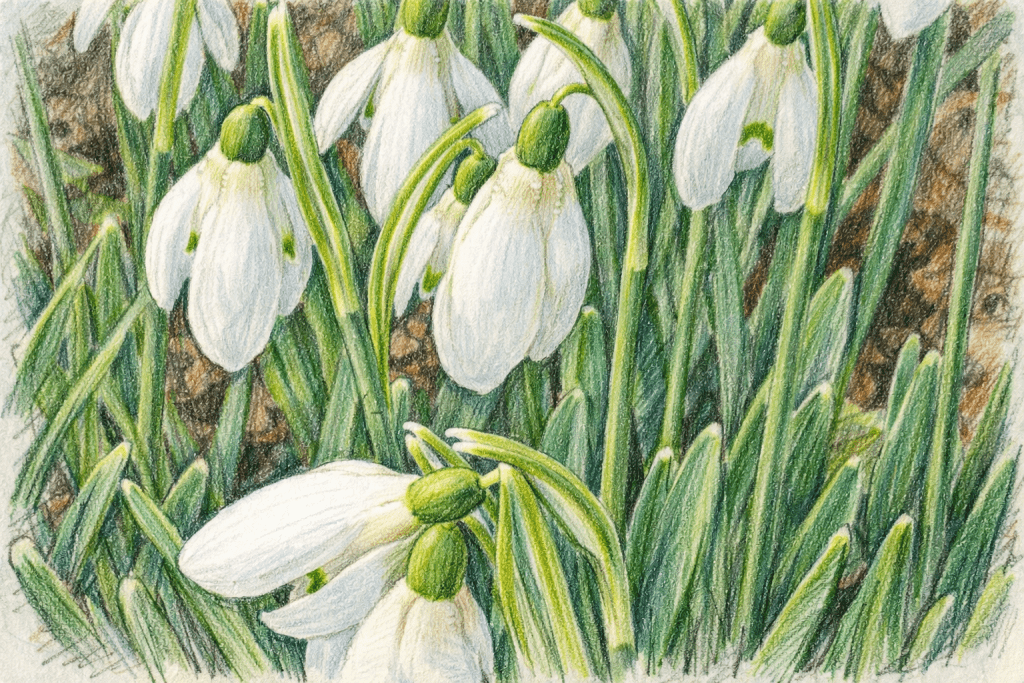
Galanthus - snowdrop
Galanthus. Snowdrops

Botanical Name

The Snowdrop’s botanical name is Galanthus. Derived from the Greek words “gala,” meaning milk and “anthos,” meaning flower, it perfectly describes the snowdrop’s pure white, drooping blossoms. Simple yet striking, this plant belongs to the Amaryllidaceae family and is a favourite in gardens all over Europe and beyond.

A Peek into Its History

Did you know that snowdrops have been captivating hearts for centuries? Native to Europe and the Middle East, these beautiful blooms are thought to have been introduced to the UK by monks during the early 15th century. They were planted in monastery gardens as they were often associated with purity, hope and new beginnings—a fitting sentiment for the post-winter seasons.

The snowdrop has also been revered for its symbolism through the ages. From Victorian floriography (where it signified consolation and hope) to modern times, it has always been a reassuring sign that spring is just around the corner.

When Does the Snowdrop Bloom?

Snowdrops are among the earliest bloomers of the year and often herald the end of winter. These resilient plants poke through the frost, treating us to their nodding white flowers between January and March, depending on the climate. If you’ve been longing to bring life back to your garden during the dreary winter months, snowdrops are your ideal companions. Their ability to bloom despite the cold is a testament to their strength and courage—a flower for all seasons of spirit.

The Benefits of the Snowdrop

Beyond their beauty, snowdrops have practical merits too! They are low-maintenance plants, ideal for adding charm to any garden with minimal effort. Perfect for both wild and formal gardens, snowdrops thrive in well-drained soil and partial shade, under trees or shrubs. Bring out their best by planting them in groups for that “carpet of white” effect.

But that’s not all—did you know that snowdrops have inspired breakthroughs in modern medicine?

A compound called galantamine, derived from snowdrops, is used to treat symptoms of dementia and Alzheimer’s disease, making this dainty flower not just gorgeous but also groundbreaking.

Snowdrops in Lore, Tales, and Poetry

The snowdrop is steeped in stories and symbolism across cultures. Among housewives’ tales, the snowdrop was often seen as a charmed flower—harbingers of better days. According to one charming old tale, the snowdrop was created by an angel to bring comfort to Eve after she was banished from the Garden of Eden, symbolising warmth and hope after sorrow.

Poets, too, have long been enchanted by the snowdrop. The Victorian poet Walter de la Mare celebrated its beauty in his poem “Snowdrop”:

*”The snowdrop, Winter’s timid child,

Awakes to life, bedew’d with tears.”*

Even today, snowdrops inspire creativity and admiration in those lucky enough to behold them.

Common Names for the Snowdrop

The snowdrop’s charm is echoed in its array of poetic common names. Whether referred to as the Candlemas Bell, February Fair-Maid or White Ladies, each name brings an air of mystery and allure to this winter wonder.

Nurture Hope in Your Garden

Are you ready to welcome the simple elegance of snowdrops into your life? Start planning your winter garden and plant these stunning bulbs in the autumn. Mix them with companions like crocuses, hellebores or daffodils for a dazzling display that carries hope through the coldest months.

Snowdrops remind us that even in the bleakest moments, beauty and renewal are possible. Bring this inspiring symbolism to your garden and your heart.

Further Reading: RHS Snowdrops – Galanthus, The Enchanting World of the Winter Aconite

Inspiration: Follow Us on InstagramThreads, BlueSkyTwitterTikTok and Pinterest.

How to Lift and Divide Perennials

Are your garden beds feeling a little overcrowded? Have your beloved plants stopped flowering as they used to? If so, it might be time to roll up your sleeves, grab your trusty tools, and learn the art of lifting and dividing perennials. This guide will walk you through it from start to finish, making the process enjoyable and rewarding.

What is a Perennial?

First things first—what exactly is a perennial? Perennials are plants that live for more than two years, returning stronger and lusher every season. Unlike annuals that need to be replanted each year, perennials are your garden’s reliable workhorses, gracing your outdoor space with repeating cycles of blooms, foliage and beauty. Popular examples include daylilies, hostas, peonies and irises.

How to Know When a Perennial Needs to Be Lifted and Divided

It’s not always obvious when your perennials need some love, but a little observation will give you all the clues you need. Here’s when it’s time to act:

  • Overcrowding: If the plant has expanded and is encroaching on its neighbours, it’s a good indicator.
  • Declining Blooms: Have the flowers become fewer or smaller than they used to be?
  • Dead Centres: If the middle of the plant looks sparse while the growth is concentrated on the edges, it’s crying out for division.
  • Stunted Growth: If the plant seems stagnant despite your TLC, it might need some extra room to thrive.

Why Lift and Divide?

You might wonder—why go through the trouble? Lifting and dividing perennials isn’t just for the aesthetics; it’s a vital gardening practice. Here’s why it’s worth your time and effort:

Benefits

  • Rejuvenation: Dividing gives the plant new energy, encouraging healthier growth and more vibrant blooms.
  • Space Optimisation: Overgrown perennials crowd their neighbours, competing for water and nutrients. Division ensures all plants get their fair share.
  • Propagation: One plant becomes several! Divide and conquer to spread beauty across your garden or share with friends.
  • Cost Savings: Gain new plants without spending a single penny—your garden budget will thank you.

Disadvantages

Of course, no process is without its downsides. While this gardening technique is incredibly beneficial, keep these considerations in mind:

  • It requires some physical effort—don’t forget to stretch beforehand!
  • Initial stress on the plant may cause it to take a season or two to reach its full glory again.

But trust us, the long-term gains far outweigh these minor downsides.

Step-by-Step Guide to Lifting and Dividing Perennials

Are you ready to dig in? These simple steps will guide you through the process.

Step 1: Choose the Right Time

The best time to lift and divide perennials is during their dormant phase—either early spring or autumn. This timing minimises plant stress and maximises recovery.

Step 2: Prepare Your Tools

Get your gardening kit ready:

  • A sharp spade or garden fork
  • Gardening gloves
  • A clean knife or pruning shears
  • Compost or organic matter for replanting

Step 3: Dig Up the Plant

Gently dig around the plant, starting a few inches away from the base to avoid damaging roots. Carefully lift the clump from the soil.

Step 4: Divide the Clump

Inspect the root ball and decide how many sections you want to create. Use your hands to pull the clump apart or a knife to cut through tougher roots. Aim for sections with healthy roots and at least one growing shoot.

Step 5: Replant Immediately

Prepare the new planting spots with fresh compost and organic matter. Replant the divided sections at the same depth as before, ensuring the roots are well-covered.

Step 6: Water Thoroughly

Give your newly planted perennials a generous drink of water to help them settle into their new homes. Add mulch around the base for extra protection and moisture retention.

Plants to Leave Alone

Not all perennials benefit from being lifted and divided. Plants with taproots, like lupins and poppies, don’t take kindly to this practice and can suffer damage. Similarly, perennial shrubs like lavender and rosemary are better off left intact.

Nurture Your Garden’s Future

By lifting and dividing perennials, you’re not just improving your garden’s immediate landscape—you’re investing in its long-term health and vibrancy. Imagine a garden bed brimming with thriving perennials, each one a testament to your care and effort.

Now it’s time to grab your gloves, sharpen your tools, and bring new energy to your garden. Transform your outdoor space today and watch your efforts bloom into a lush, colourful paradise! 🌿

Further Reading: The Magic of Perennials

For Daily Gardening Inspiration – Follow us on Instagram

How to Protect Your Soil in Winter

Picture this—lush, vibrant soil teeming with life, ready to nourish your spring garden to dazzling heights. Sounds dreamy, right? But here’s the thing—how your soil performs in spring depends on how you treat it in winter. Even during those frosty months, your soil needs some tender, loving care.

Winter soil protection is essential for maintaining fertility, preventing erosion and setting the stage for a bountiful growing season. By making a few simple changes to your gardening routine, you’ll protect your soil and foster a healthier, happier garden. Here’s how to get started.

1. The Power of Covering Bare Soil

One of the most important steps in winter soil care is offering your soil a protective blanket. Why? Bare soil is at the mercy of harsh weather—think wind erosion, rain runoff and nutrient leaching. Without anything shielding it, essential nutrients can dwindle, leaving your soil depleted before spring even arrives.

How to Cover Your Soil

  • Mulch It Up: Spread organic mulch like straw, wood chips or shredded leaves over exposed soil. Not only does this protect against erosion, but it also locks in moisture and gradually adds nutrients as the mulch breaks down.
  • Plant Cover Crops: Known as “green manure,” cover crops like clover, rye or winter wheat prevent erosion while enriching your soil with organic matter and nitrogen.
  • Use Fabric or Tarps: For a temporary solution, breathable garden fabric or tarps can help protect bare patches from rain and wind.

Visualise it—a snug, cosy covering keeping your soil safe from the elements while nature works its magic beneath.

2. Avoid Disturbing the Soil – Protect Those Microbes!

Did you know your soil is alive? It’s a bustling microcosm filled with earthworms, microbes and fungi working tirelessly to build a healthy ecosystem. Winter is their downtime—a period to rest and support your soil in silence. To help them out, avoid unnecessary soil disturbance during colder months.

Why Less is More

  • Microbes Need Stability: Tilling or turning the soil disrupts the natural habitat of microbes, reducing their efficiency in maintaining soil health.
  • Worms are Key Workers: Earthworms burrow through the soil, improving its structure and nutrient cycles. Give them a chance to do their thing undisturbed.
  • Lower Compaction Risks: Walking or working on wet, cold soil can compact it, making it harder for roots and microbes to thrive later.

What You Can Do

  • Stay Off the Soil: Avoid walking directly on garden beds—use stepping stones or planks if you need access.
  • Skip the Digging: Instead of digging to “help,” add a fresh layer of organic matter on top and allow nature’s soil helpers to integrate it over time.

Think of it this way—your soil is hibernating and your job is simply to create the perfect environment for it to thrive come spring.

3. Think Long-Term – Healthy Soil is Sustainable Soil

Winter soil protection isn’t just about maintaining your garden but contributing to a healthy, sustainable ecosystem. Every action you take—be it laying down mulch or avoiding soil compaction—has long-term benefits. By focusing on building resilient, nutrient-rich soil, you’re making your gardening more sustainable and less reliant on artificial fixes.

Spring preparation should never start in March; it starts now. By protecting your soil during winter, you’ll enjoy richer, more productive harvests—and the satisfaction of knowing your garden is environmentally sound.

Your Winter Gardening Action Plan

  1. Cover Exposed Areas with mulch, cover crops or fabric to shield your soil from the elements.
  2. Avoid Unnecessary Disturbance to preserve the delicate network of life below the surface.
  3. Feed Your Soil by adding organic matter that will naturally integrate over winter.

Find the Joy in Sustainable Gardening

Imagine stepping into your garden next spring and seeing robust plants bursting with life. Your winter prep will set the foundation for this magical scene, ensuring your soil is fertile, thriving and ready for the next chapter of your gardening adventure.

Need ideas for green manure or guidance on choosing the right mulch? We’re here to help! Together, we nourish the earth—one garden bed at a time.

Happy Gardening 🌱

Further reading: Discover Your Soil Type: A Gardener’s Guide, Freshen Up Your Winter Diet with these Garden Salads